Jump to ratings and reviews
Rate this book

The Cornish Trilogy #1

Mässajad inglid

Rate this book
«Mässajad inglid» on esimene raamat Robertson Daviese nn. Cornishi triloogias. Raamatu tegevus toimub Püha Johannese ja Püha Vaimu Kolledžžis, mille küllaltki vaikset elu häirib pahelise, kuid hiilgava mõistusega vend Parlabane'i tagasitulek. Lisaks leitakse imekombel Rabelais' avaldamata käsikiri. Kõik need sündmused annavad Daviesele võimaluse vallandada tõeline tulevärk, milles on oma osa vaimukusel, müstikal, vodevillil.
Davies on ise öelnud:»...minu kangelased püüavad pääseda lapsepõlve mõjudest ja leida oma koht elus, kuid nad ei taha teha seda nii, et see põhjustaks teistele inimestele valu ja pettumusi.»

324 pages, Hardcover

First published January 1, 1981

187 people are currently reading
7929 people want to read

About the author

Robertson Davies

111 books921 followers
William Robertson Davies, CC, FRSC, FRSL (died in Orangeville, Ontario) was a Canadian novelist, playwright, critic, journalist, and professor. He was one of Canada's best-known and most popular authors, and one of its most distinguished "men of letters", a term Davies is sometimes said to have detested. Davies was the founding Master of Massey College, a graduate college at the University of Toronto.

Novels:

The Salterton Trilogy
Tempest-tost (1951)
Leaven of Malice (1954)
A Mixture of Frailties (1958)
The Deptford Trilogy
Fifth Business (1970)
The Manticore (1972)
World of Wonders (1975)
The Cornish Trilogy
The Rebel Angels (1981)
What's Bred in the Bone (1985)
The Lyre of Orpheus (1988)
The Toronto Trilogy (Davies' final, incomplete, trilogy)
Murther and Walking Spirits (1991)
The Cunning Man (1994)

http://en.wikipedia.org/wiki/Robertso...

Ratings & Reviews

What do you think?
Rate this book

Friends & Following

Create a free account to discover what your friends think of this book!

Community Reviews

5 stars
2,133 (35%)
4 stars
2,417 (39%)
3 stars
1,123 (18%)
2 stars
254 (4%)
1 star
117 (1%)
Displaying 1 - 30 of 434 reviews
Profile Image for Terry .
449 reviews2,196 followers
September 13, 2021
4 - 4.5 stars

Some books are comfort reads. They are old friends whose familiarity provides us with a sense of stability and well-being, and they fit like a glove to the intellectual, emotional, and purely personal elements of our psyche. Sometimes this is because we came to them in formative years when their mode and message could be deeply impressed on us, sometimes it is because they simply express aspects of our nature that we ourselves may not be fully aware of, but to which they harmonize completely. The books of Robertson Davies are these kinds of books for me. I did come at them at a young age, but they also showed to me a world, and way of looking at the world, that I found utterly appealing and deeply satisfying.

Like all of his books _The Rebel Angels_ is a book about art, about the intellect, and about secrets (both personal and professional). It is populated by the kind of characters that Davies knew so well and whose portraits he painted unerringly (if on occasion a little too neatly): they are intellectual elites, connoisseurs of art and artistry, but they are also unique, often bizarre, individuals whose quirks and manias may be the result of heredity, upbringing, or a judicious combination of both. Having said this I would have to admit that perhaps the only reservation I have is in the range of these characters. They are certainly unique, quirky and individual, but they do seem to generally be cut from the same cloth. Davies himself was a true old school Upper Canadian (though indeed one with a decidedly forward-looking bent) conversant with the rituals and mode of the intellectual and social elites and this is very much the place where his characters live. Trying to go outside of this range is something he doesn’t seem to have been very interested in, and this was probably for the best. My only qualm with any of his characters is actually with Maria in this trilogy. I’m not sure how successful I think he was in embodying a feminine voice in her and often wonder what women who have read the series think of her? I don’t exactly find her unbelievable, but I sometimes wonder if some of the things she says and does wouldn’t sit more comfortably with one of Davies other, male, characters.

For me perhaps the most alluring feature of this book is the fact that it centres on the life of a University; indeed, of the university which I not only attended but where I now work and whose buildings, halls, and (most importantly) odd individuals are only thinly disguised. It stands to reason, then, that this book holds a unique place in my heart. In some ways this book is an academic satire, showing us the strange rituals, obsessions, and quirks that are unique to the world of academe. We are primarily concerned with the perhaps parochial world of a small college within a larger University, the College of St. John and the Holy Ghost (or more colloquially “Spook”) and are immediately thrust into the midst of the action as the whispered refrain “Parlabane is back!” echoes throughout the halls. Everyone loves some good gossip and academics are no less a party to this than anyone else. It appears as though John Parlabane, one of the college’s former stars in the intellectual firmament (now disgraced much to all of his contemporaries’ delight), has returned to the alma mater as a defrocked monk in the hopes of clawing his way back up, and perhaps stirring the pot of scandal and intrigue. In the midst of this is Maria Magdalena Theotoky, a promising graduate student who has the misfortune not only of being the research assistant of one of Parlabane’s old ‘friends’, but of being in love with him. Said scholar, Clemence Hollier (an ‘ornament to the university’), is pursuing his research interests with single-minded assurance that is broken by only two things: his role as co-executor to the vast estate of the recently deceased millionaire and art collector Francis Cornish, and his nagging remembrance of an indiscretion the year before with his beautiful and intelligent RA on his decrepit office couch. Finally we have Professor the Reverend Simon Darcourt, scholar in New Testament Greek, lover of homely comforts, and also both an executor of Cornish’s will and newly smitten teacher of the lovely Miss Theotoky.

From here Davies takes us into the tangled world of academe, which is more cutthroat than outsiders might believe. The narrative is first person, split between segments narrated by Maria and Darcourt respectively, each of whom view the culmination of events that grow around the death of Cornish and arrival of Parlabane from parallel tracks. There is intellectual intrigue and thievery, bizarre research interests, passive aggressive bullying, and a most interesting view into the household of a gypsy family of means who straddle the old world and the new, the criminal and the respectable. As is to be expected of Davies his Jungian interests come out in a few ways. First, and most importantly, each of the characters wrestles with what Parlabane calls their “root and crown”: the tension that exists between the chthonic forces of our heredity & deeply buried psychological foundations and the outward face we present to the world bound up in our more conscious needs & desires. In addition the tarot and other mystical and mythological aspects of art and scholarship flow in and out of the characters’ lives proving themselves to be more real and applicable than they would ever have previously given them credit for. Sometimes this is manifested in a benign & revelatory way, sometimes through fear and premonition, but always enlightening them about themselves and the world.

All in all this is a great start to a great trilogy. Highly recommended.

Also posted at Shelf Inflicted
Profile Image for Panagiotis.
297 reviews154 followers
February 6, 2018
Τι κάνει ένα βιβλίο να υπερέχει ανάμεσα στα καλά, κακά, άνοστα, υποσχόμενα και ό,τι άλλο απαρτίζει τον ετερόκλητο πλήθος βιβλίων στο μυαλό ενός αναγνώστη; Γιατί δεν μπορούμε να διαβάζουμε πιο συχνά τόσο καλά βιβλία; Τελός πάντων, γιατί δεν διάβασα πιο νωρίς στην αναγνωστική μου καριέρα τούτο τον θησαυρό;

Αυτά και άλλα πολλά ερωτήματα γεννήθηκαν στο μυαλό μου, όταν διάβαζα τον πρώτο τόμο της Τριλογίας του Κόρνις.

Δεν ήταν η πρώτη μου φορά με τον Ντέιβις. Θα έπρεπε να είμαι προετοιμασμένος για αυτή την σαρωτική πορεία του στις εγκεφαλικές μου συνάψεις, καθώς η εμπειρία μου με την τριλογία του Ντέπτφορντ είχε φανερώσει έναν εξαιρετικό συγγραφέα. Μια σχεδόν ολιστική σχεδόν αντιμετώπιση της θεματολογίας του, που φανέρωνε μια σπάνια σοφία, έναν αναγνώστη και γραφιά έτσι όπως σπάνια συναντάμε σήμερα. Σε τούτο εδώ, όμως, φαίνεται πως βρίσκεται κυριολεκτικά στο στοιχείο του, γράφοντας για τον ακαδημαϊκό χώρο. Το αποτέλεσμα είναι ένας λογοτεχνικός θρίαμβος - αυτό που έχω στο μυαλό μου ως ιδανική λογοτεχνία: εξαιρετικά σκιαγραφημένοι χαρακτήρες, πάμπολες σκηνές που εξελίσσονται μόνο μέσα από απολαυστικούς διαλόγους, μυστήριο, αγωνία, κουτσομπολιό - είναι ένα λουκούμι το αποτέλεσμα! Η ανάγνωση αποτέλεσε μια ηδονοβλεπτική κατάσταση: παρακολουθούσα την κουστωδία που ζωντάνεψε ο Ντέιβις να μιλάει, να εκφράζεται και να βιώνει με την απόλυτη λογοτεχνικότητα που προσφέρει το ταλέντο του.

Τον Ντέιβις τον ανακάλυψα στην προσπάθειά μου να αναπληρώσω το κενό που δημιουργήθηκε μέσα μου όταν τέλειωσα τον Μάγο του Φάουλς. Και κατέληξα με έναν ακόμα αγαπημένο συγγραφέα - αυτή η τόσο σπάνια απολαβή, που με το πέρασμα του καιρού μετουσιώνεται στην αναζήτηση ενός ιερού, σχεδόν χιμαιρικού σκοπού.
Profile Image for mark monday.
1,874 reviews6,306 followers
April 10, 2023
20110516ivory-towerblackcreditistockphoto.commichealofiachra

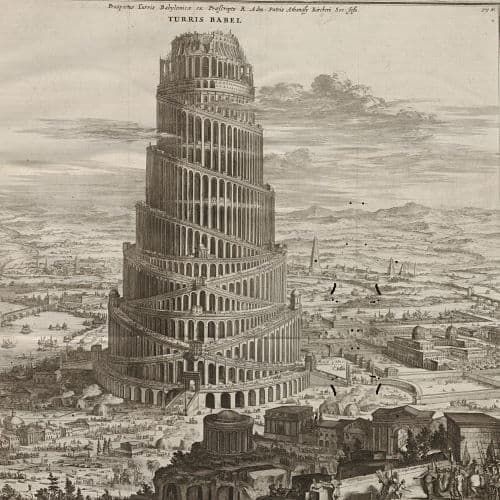
oh to live the life of the Ivory Tower, Tower of Babel, such freedoms such explorations such openings of the mind and spirit and body. all of the body's openings, always opening, dilating, expostulations outward and penetrations inward are par for the course. a course on microscopy, the lens focused on the viewer, its participants both students and professors, all of them horny and big-mouthed. but big-minded? maybe not so much. language and identity are both tools and weapons, to be wielded or discarded per each project's demands. the old die, the young live, and all of them want to fuck or be fucked. and yet there is a certain asceticism, an austerity present as well. at least when it comes to the messy world outside of that tower; heaven forfend such gross things should intrude on cloistered lives. the life of the Ivory Tower is an insular, incestuous one, the whole family of friends and foes and colleagues and lovers all together in one great big bed. oh to live in such a place!

simply read The Rebel Angels and you shall! Robertson Davies is an ingenious writer, full of wit and verve and occasional bits of genuine compassion. but only occasionally. The Rebel Angels is a book of the mind, but only if you consider pornography to be art of the body. these petty little people, I loved reading about them. such silly creatures, mainly useless but certainly eye-catching, like ornate and fragile Christmas ornaments kept up year-round, gathering dust. only the student Maria Theotoky felt fully real to me, dynamic, someone who could actually learn and grow, someone I could actually know. she is the flame around which all these clumsy moths fly, hopelessly and helplessly drawn to something bright and warm. I fell in love with Maria. I guess I am just as bad as any horny, big-mouthed professor, just as prone to temptation as any typical Ivory Tower denizen. perhaps these residents of the tower are human and relatable after all, no matter if they themselves feel otherwise. okay, I feel for them, I can admit it. but they do go on, don't they. they babble on and on in their eccentric little Babylons. shall they ever escape such closed circles?

Turris_Babel_by_A.-Kircher
December 15, 2020
«Έκπτωτοι άγγελοι»
( βιβλίο Νο1 απο την τριλογία του Κόρνις).

«Ο πολιτισμός βασίζεται σε δύο πράγματα:
την ανακάλυψη ότι η ζύμωση παράγει αλκοόλ
και την εθελοντική ικανότητα του ανθρώπου να αναστέλλει την αφόδευση».

Το εκλεκτό μυθιστόρημα του Ντέιβις είναι μια άκαμπτη επίδειξη γνώσεων, φιλοσοφίας, συναισθημάτων.
Είναι άκρως πυκνό ως υφή, μια αλχημιστικά ανθρώπινη πολλαπλότητα θεμάτων που συνυφαίνονται μεταξύ τους έτσι έστω κάθε φράση να περιέχει πολλαπλά νοήματα με μια αντίστοιχη ποικιλία πιθανών ερμηνειών τους.
Το νόημα κρύβεται μέσα σε κάποιο άλλο νόημα και
ξετυλίγεται αργά και σταθερά.
Σε ένα σύγχρονο πανεπιστήμιο υφαίνονται με αξιοθαύμαστο τρόπο, με τη συνηθισμένη λεκτική ή έννοια τα πεπρωμένα μιας ομάδας χαρακτήρων που τους αναλογούν πραγματικές καταστάσεις διαλεκτικής και ηθικής, ενώ ο προσεκτικός αναγνώστης θα καταλάβει πως τα συμπεράσματα είναι απολήξεις απο πιέσεις διαδοχικών αναιρέσεων, ανακαλύψεων, λαθών και επιλεκτικής αλήθειας.
Έτσι έχουμε ένα ασπρόμαυρο πορτραίτο αγάπης, δόλου, δολοφονίας, λογικά αξιώματα, σκεπτικισμό, μεταφυσική, περισυλλογή σχετικά με ενοποιημένες ενοράσεις του ανθρώπινου βίου, ασυνείδητη φαντασία, επιστημονική γνώση, ηθική μυθολογία, σοφία και θρησκευτική συμφιλίωση της ψυχής με την πραγματικότητα που βιώνουμε σε παροντικό χρόνο, μέσω της αποκάλυψης κάποιας αλήθειας.

Όλα ξεκινούν μετά τον θάνατο του εκκεντρικού μαικήνα και συλλέκτη σπάνιων και μοναδικών έργων κάθε είδους τέχνης , Francis Cornish.
Οι Hollier, McVarish και Darcourt είναι οι εκτελεστές της περίπλοκης βούλησης μέσω της διαθήκης του Cornish, όπου περιλαμβάνεται υλικό που ο Hollier θέλει για τις πανεπιστημιακές εργασίες του. Ο ανιψιός του αποθανόντος Arthur Cornish, έχει κληρονομήσει την όλη περιουσία.
Η σκοτεινή πλευρά της μεσαιωνικής ψυχολογίας, η τσιγγάνικη δύναμη της αλλοτρίωσης, μελετητές, ιερείς, καθηγητές που εξερευνούν τα αδιέξοδα και τις εσφαλμένα περί ζωής θεωρίες οδηγούν σε μια πραγματεία τρέλας, λάθους και απογοήτευσης εκεί όπου βασιλεύει η ηθική διάσταση της ιστορίας μας.

Η αναζήτηση του ευ ζην εκεί που η τρέλα και το πνεύμα βρίσκονται σε αρμονική συνύπαρξη με το συναίσθημα και την ευφυΐα. Η προσκυνηματική πορεία εν τω πνεύματι μέσα στο Στοιχειό, όπως ονομάζουν οι φοιτητές το κολέγιο του Αγίου Ιωάννη και του Αγίου πνεύματος,εκεί, είναι ο χώρος που αρχίζουν και τέλειωνουν όλα όσα θα λέγαμε απλά και κατανοητά, μία κατά λέξιν ερμηνεία.
Μια απλή αφήγηση αποφυγής πεπρωμένων και εξερεύνησης των συμπεριφορών του κόσμου και της ανθρώπινης φάρας. Όμως αν χτυπήσεις την πόρτα της αλληγορικής πλευράς τότε συναντάμε το ταξίδι του Καθένα μας, σε μια προσκυνηματική πορεία της πρώιμης εφηβικής προκατάληψης, της πρώιμης μέσης ηλικίας και τέλος της ωριμότητας.
Είναι ένα αξιόλογο βιβλίο με κορύφωση την αποκάλυψη κάθε πλευράς της διττής φύσης του κόσμου, την φανέρωση των σχετιζόμενων εμπειριών μέσα απο την εξερεύνηση για την ύπαρξη του θεού και της ζωής που δεν περιγράφεται μα ευκολότερα μαντεύεται.
🧚🏻🧚🏻🧚🏻💙💙

Καλή ανάγνωση.
Πολλοί ασπασμού.
Profile Image for Wanda Pedersen.
2,295 reviews365 followers
April 26, 2022
2022 Re-Read

I always enjoy revisiting Davies' novels as they are lively, quirky, and written in his very distinctive voice. He values eccentricity in his characters, making people like Arthur Cornish look rather stiff and boring. However, having previously read the next book in the series, I know that there are dark roots in the Cornish family. I have yet to read the third book of the trilogy, which I hope will give Arthur more page time and authorial attention.

I picked up a biography of Davies today at the library, hoping for some insights into one of my favourite authors. Rereading this novel was actually in anticipation of April, when Davies is one of our chosen authors for the (Mostly) Dead Writers Society. I hope to squeeze in quite a few of his works before the end of June, this one being just a warm up for the main event.


Original Review

How do you solve a problem like Maria?

She is so perfect--a beautiful brainiac. How much I would have given as a student to have her knowledge of languages. However, I remember spending hours trying to conjugate Ancient Greek verbs and remember proper endings of nouns--all these many years later, the only sentence I remember? "The boat is in Byzantium." Not really too useful, for translations or conversations.

Davies does try to give Maria some faults--she has a Gypsy family to contend with and has an adolescent crush on her thesis adviser, Hollier. And trust me, the whole crush on an instructor happens more frequently that one would expect (I had one friend who made a complete idiot of herself over her thesis adviser). But somehow Maria manages to spin these problems into gold by the end of the book.

I did enjoy the behind-the-scenes look at academic life--the rivalries, the jealousies, the friendships. Academics are people after all and have all the same passions. Having been employed by a university for 30 years, I have seen many of these dramas play out.

My only (small) complaint was that I did not find Maria and Arthur's relationship and marriage very realistic. It seemed much more like a business transaction--well, if I can't have that man, this one is offering marriage, so I'll accept him. There was a relationship in which I would have liked to see more passion!
Profile Image for Nickolas B..
367 reviews103 followers
January 22, 2018
"Οι Έκπτωτοι άγγελοι είναι οι πραγματικοί άγγελοι... Αυτοί που παρόλο που εδιώχθησαν από τον Παράδεισο δεν βαριοθύμησαν ούτε μηχανεύτηκαν τρόπους εκδίκησης και δεν ήταν εγωιστές σαν τον Εωσφόρο. Αυτοί που έμειναν στην γη με τους ανθρώπους, τους βοήθησαν τους δασκάλεψαν, τους αγάπησαν...."

Ο εκκεντρικός μαικήνας Φράνσις Κόρνις πεθαίνει, και σαν διαχειριστές της περιουσίας του (των ανεκτίμητων αντικειμένων συλλογής και αντικών) αφήνει 3 καθηγητές ενός κολεγίου του Καναδά και τον ανιψιό του Άρθουρ Κόρνις. Οι 3 καθηγητές θα προσπαθήσουν να διαχωρίσουν και να εκτιμήσουν την πολύτιμη συλλογή ενώ ταυτόχρονα θα τεθούν αντιμέτωποι με τα προσωπικά τους πάθη και τις φιλοδοξίες...

Ιδιαίτερη αναστάτωση θα φέρει στο Κολέγιο του Αγίου Ιωάννη η εμφάνιση ενός παλιού εκκεντρικού ομοφυλόφιλου καθηγητή και νυν ψευτοκαλόγερου, του Τζων Παρλαμπέιν και η αποκάλυψη πως μέσα στην συλλογή του Κόρνις υπάρχει ένα σπάνιο χειρόγραφο του Ραμπελαί (συγγραφέας του αιρετικού βιβλίου "Γαργαντούας και Πανταγκριέλ)...

Το βιβλίο αυτό περιέχει τα πάντα! Αναφορές σε μεσαιωνικούς πολιτισμούς, μάγους, αλχημιστές, γλωσσολόγους, πολιτιστικά στοιχεία, μουσική, θρησκεία, βιβλικές αναφορές, μυστήριο...
Μέσα από τα αντικείμενα της συλλογής του Κόρνις αλλά και τις συναντήσεις των Πανεπιστημιακών, υπάρχει ένας καταιγισμός πληροφοριών πάνω σε ιστορία, μουσική και τέχνη!!
Η αφήγηση γίνεται σε πρώτο πρόσωπο εναλλάξ ανά κεφάλαιο.
Ένα κεφάλαιο περιγράφει η Μαρία Μαγδαληνή Θεοτόκη, η φοιτήτρια που κάνει ένα διδακτορικό σχετικά με τον Ραμπελαί και είναι το σκοτεινό αντικείμενο του πόθου όλων των αντρών και ένα κεφάλαιο ο πάτερ-Ντατκούρ ένας από τους 3 διαχειριστές της κληρονομιάς και κληρικός του Κολεγίου...

Η γραφή του Ρόμπερτσον είναι απλή χωρίς υπερβολές και παρόλο τον καταιγισμό πληροφοριών δεν κουράζει και κάνει τον αναγνώστη να αδημονεί για την επόμενη σελίδα...

Προσωπικά βρήκα αρκετές ομοιότητες με το La-Bas τους Υισμάν και ειλικρινά ήταν από τα βιβλία που δεν ήθελα να τελειώσει...
Απολαυστικότατο, περιεκτικό και πάνω από όλα επιβλητικό ανάγνωσμα...

5/5 αστεράκια από μένα και κάτι ακόμα....
Profile Image for Майя Ставитская.
2,280 reviews233 followers
August 17, 2022
The musical background of "Rebel Angels" is Liszt's Hungarian rhapsodies, namely the fifteenth, with the Rakoczy March sounding in different variations. On which, remember, Maria Magdalena Feotoki broke down during a concert to which she was invited by Arthur Cornish. And she cried silently, but completely sobbing. But because blood, children, is not water and not clothes that you can put on, walk around and hang up in the closet until the next suitable occasion. The blood and all generations of ancestors are with you and in you, wherever you are, whatever you do. And wherever you go, everywhere you carry with you not only the crown that is in sight, but the roots that are in the depths. However, they are exactly the part of you that will not be taken away under any circumstances. The one that nourishes and supports from the inside.

"Rebel Angels" is to a very large extent a book about the ratio of the mass fractions of the root and crown in a person, about the inner deep motivations that control our behavior to a much greater extent than we imagine and are inclined to admit someday. Blood, mucus and excrement are all that the culture of the consumer society, which is cleanly washed, fragrant with perfume fragrances of shampoos, gels and washing powders, contemptuously turns away from. Extremely refined, an order of magnitude more than I understand in such areas of the elegant, which I have no idea about, Robertson Davis, with the unsteady hand of genius, mixes things on the pages of the first novel of the Cornish trilogy, perceived by modern consciousness as "the essence of the incompatible".

Музыкальный фон "Мятежных ангелов" - Венгерские рапсодии Листа, а именно пятнадцатая, со звучащим в разных вариациях Маршем Ракоци. На которой, помните, сломалась Мария Магдалена Феотоки во время концерта, куда приглашена была Артуром Корнишем. И плакала беззвучно, но совершенно навзрыд. А потому что кровь, дети, это не вода и не одежда, которую можно надеть, выгулять и повесить после в шкаф до следующего подходящего случая. Кровь и все поколения предков с тобой и в тебе, где бы ты ни был, чем бы ни занимался. И куда бы ни шел, повсюду несешь с собой не только крону, что на виду, но корни, которые в глубине. Однако они именно и составляют ту твою часть, что не отнимется ни при каких обстоятельствах. Ту, что питает и поддерживает изнутри.

"Мятежные ангелы" - в очень большой мере книга о соотношении массовых долей корня и кроны в человеке, о внутренних глубинных побудительных мотивах, управляющих нашим поведением в куда большей мере, чем представляем себе и склонны когда-нибудь признаться. Кровь, слизь и экскременты - все, от чего презрительно отворачивается дочиста отмытая благоухающая парфюмерными отдушками шампуней, гелей и стиральных порошков культура общества потребления. Донельзя рафинированный, на порядок больше моего понимающий в таких областях изящного, о каких и представления не имею, Робертсон Дэвис бестрепетной рукой гения смешивает на страницах первого романа корнишской трилогии вещи, современным сознанием воспринимаемые как "суть несовместное".

Три квартиры почившего в бозе Френсиса Корниша, под завязку забитые произведениями искусства: живопись, скульптура, книжные раритеты, рукописи (в том числе нотные автографы великих композиторов; как вы не знали, что собственноручная запись партитуры может не в меньшей мере, чем картина или пасхальное яйцо работы Фаберже быть предметом вожделения коллекционера?). И Ози Фроутс, занимающийся исследованием испражнений, строящий собственную психофизиологическую классификацию человеческих типов, основываясь на длине и особенностях содержимого кишечника. И потрясающе красивые, похожие на ювелирные произведения срезы образцов дерьма под микроскопом.

Магазинная воровка, обряжающаяся для своих вояжей в порыпаное мешковатое пальто со многими внутренними карманами; тетка, набившая респектабельный дом в истеблишментном столичном районе под завязку копеечными жильцами; женщина, после смерти мужа сбросившая с себя самое воспоминание о европейской культуре. И виртуозная скрипачка, женщина-маг, скрипичный доктор, которому в обстановке строжайшей секретности препоручают для восстановления волшебного звучания лучшие смычковые инструменты, созданные на протяжение веков человеческими руками. Друзья ее, великие музыканты, признающие в ней равную и в чем-то превосходящую. И основной ингредиент магических манипуляций, как, не помните? Экстра-класса навоз от призовых ипподромных скакунов (бешеных денег, между прочим, стоящий).

Мерзавец и охальник Паралбейн, алкаш, торчок, гомик, монах-расстрига, неряха, уродец и вонючка. Автор чудовищно занудного романа,объемом и удобоворимостью сопоставимым с силикатным кирпичом, к тому ж. Потрясающе острый, яркий, всеобъемлющий интеллект. Блеск эрудиции, если не служащий оправданием дьявольской его гордыне, то в значительной мере ее объясняющий. И таков весь роман - сочетание утонченной изысканной учености с площадной культурой, весь в духе Рабле и Парацельса и каббалистических алхимических поисков философского камня. Который каждый из героев находит для себя к финалу.
April 29, 2013
I love reading about the academic life. I have never been in academics yet I've also not been a researcher and I could read endlessly on a person dedicating their life to the study of a specific subject within the walls of a library, their live's enfolded in cluttered stacks of paper and tilted piles of books. If I'm going to get truly confessional here I admit to a desire to read about someone reading even without me knowing what it is they read. Seeing the act of reading for me is enjoyment.

Wanting a break I thought a fun book on academia would be this first of the Cornish Trilogy by Mr. Davies. Living in the U.S. I have come to be satisfied with getting what I pay for but not surprised if I receive less. It amazes me what when younger I went into battle about now I let pass. What I am not accustomed to is being handed more. What do I do? Should I send additional money to the author and publisher? Read fewer pages?

The novel is a wonderful romp through academic college life written by an author who spent a good part of his life in academia. He knows the twists and turns, the absurdities and hypocrisies, the characters, and those truly dedicated to their life of study. The freebies-which I may still receive a bill for in the mail-is an honest accounting of love, obsession, the various and raucous folds of ambition, qualities of friendship, the nature of scholarly pursuit, and the big one: the philosophy of identity. While frolicking along in my break in academia the author showed better than any philosophical treatise the answer to, what is our journey, what is it we seek? It is woven into the story. He is an excellent thinker and an excellent writer. His fascinating characters reveal without any pomp and circumstance they will either set out and to differing degrees discover who they are even if it doesn't coincide with their life circumstances or desires, and have the guts and audacity to live that life, or will conjure up images of themselves resulting in the fevered maladies when sacrificing authenticity. Much needs to be spent on obtaining bevelled, warped mirrors to locate the reflection of themselves most needed to gain the glistened trophies handed out with indifference by the administrators of society in the great halls and decked rooms marked life.

The great magic of this book is that it is written in a high style of prose providing the right amount of distance of the authorial camera for us to view through while Mr. Davies himself stands by the open door of the novel, dressed proper in a suit and tie, impeccable manners, a wise noble smile, placing a hand beneath our arm while gently leading us into the story. He makes us comfortable and sets us at ease. He acts as if he hasn't done anything when by doing so, later we understand what magic has been performed.

I recommend this book to anyone and everyone. It is urbane, cosmopolitan, insightful, sad, funny, witty, knowledgeable, a pleasure to read Why not 5 stars? My original drop of a star was the hope I could slide by and not be charged for the multiple freebies. That not working I was set out to write a humble but brilliant section on how the characters were not well rounded enough. Then, just before posting I realized that was what the book, duh, was about. This part quickly deleted before public embarrassment was tagged onto the bill, the real reason arose. If just for the enjoyment of reading, and by itself, this is a 5 star book. However, I finished it then started Virginia Woolf's, The Waves, which for me so far may very well be the most important book I have read. So, unfair as it may be, to give any book right now the same rating I will be giving The Waves seems impossible. Let's say then that Rebel Angels is a strong 4 and if read at another time would have been a 5.
Profile Image for Jan Rice.
585 reviews516 followers
November 2, 2017
What makes a book--a novel--so good that it is nourishing? That's how Robertson Davies strikes me.

This one is the first book of The Cornish Trilogy, which I read before, about 25 years ago. I didn't remember much of this one, just a vague feeling of familiarity like a dream you think you've dreamed before.

The story is told by two characters, a beautiful, exotic and brilliant twenty-something graduate student and a forty-five-year-"old" Anglican priest turned professor. All the chapters told by the young woman, Maria (who has scholarly aspirations), are numbered episodes of "Second Paradise II," in a reference to Paracelsus, who, we read, said, The striving for wisdom is the second paradise of the world. The chapters narrated by the priest, Darcourt, are all numbered versions of "The New Aubrey II," an arcane reference to Aubrey's Brief Lives: The Elizabethans (a reportedly irreverent collection) since Darcourt sees himself as engaged in such an endeavor regarding his academic colleagues--although, as he says, he ends up talking more about himself.

Speaking of irreverent, the setting is a "modern" Canadian college of the late '70s or early '80s called St. John and the Holy Spirit, or Spook, its nickname.

Further irreverence ensues. That alone isn't the nourishing aspect, although it helps. Objets d'art are involved. There's reference to using esoteric knowledge from the past to inform the present. The term "gnostic" rears its head, but in a good way (not as heresy or in the sense of conservative disapproval of modernity), the feminine principle, for example. Or in its original sense of knowledge--knowledge that has been disallowed, maybe, but knowledge just the same.

We get to hear the people talk about themselves and their interactions with other people. We hear about their feelings, thoughts, and reactions. The people seem real, so we get to share their feelings, learn with them, and be amazed at how erudite they are or, in some of their cases, how capable of fooling themselves. What makes the book so good is that their words and behavior come across real. My gut clenches when I hear something phony but no worries here as Robertson Davies is maximally digestible.

There's a plot, too, and things do happen, but the plot serves the characters, if that's a fair observation. No jerking the people around for the sake of some artificial outcome!

I'm not sure whether saying what the title means would spoil the fun or not.

I sure didn't get any of this 25 years ago!

P.S. These Robertson Davies books I've been reading have beautiful audio editions remastered from the original tapes. Neither author nor narrator are still living but have left us their gifts. But there are no e-editions, hence my book is bristling with post-it markers.
Profile Image for Oscar.
2,236 reviews580 followers
December 10, 2016
¡Qué bueno es Robertson Davies! Lo descubrí por medio de la Trilogía de Deptford, mención especial para el primer libro perteneciente a la misma, 'El quinto en discordia', y he de decir que es un escritor absolutamente delicioso. Mientras leía 'Ángeles rebeldes', no dejaba de pensar en llamar a todos mis conocidos para leerles algún fragmento memorable, por su humor y por su inteligencia. Y es que este libro, y la obra de Davies en general, se caracteriza por la variedad de temas que trata, siempre desde un punto de vista erudito pero ni pesado ni farragoso de leer.

Si tuviese que escoger dos palabras para definir 'Ángeles rebeldes', serían humor y erudición. La novela está impregnada de humor, es inevitable reírse con algunas escenas. Me recordó la obra de David Lodge, tanto por las situaciones humorísticas como por donde transcurren, que es el ambiente universitario y todo lo que conlleva. En cuanto a la erudición, Davies está versado en muchas materias, desde la alquimia, a la vida académica, pasando por las tradiciones gitanas y el medievalismo. Pero todo está tan bien insertado en la trama, que lees el libro de manera compulsiva.

'Ángeles rebeldes' es también el primer libro de la llamada Trilogía de Cornish, formada también por 'Lo que arraiga en el hueso' y 'La lira de Orfeo', aunque pueden ser leídas de manera independiente. 'Ángeles rebeldes' comienza con el regreso a la Universidad de San Juan y el Espíritu Santo, llamada por algunos La Entelequía, de Parlabane, un ser malvado para muchos. La vida en la Universidad se ve alterada tanto por este retorno como por el legado que recibe del difunto Francis Cornish, coleccionista y mecenas de artistas, a cuyo cargo y revisión quedan los profesores Dancourt, Hollier y McVarish. Todo se complica con el descubrimiento de un manuscrito inédito de Rabelais... La historia esta narrada desde dos puntos de vista, el del padre Dancourt y el de la estudiante Maria, que se verá atrapada enmedio de estos ángeles rebeldes.

No puedo decir nada más, únicamente... pasen y disfruten.
Profile Image for Josh.
160 reviews8 followers
June 1, 2012
Robertson Davies is probably the greatest writer Canada has ever produced. Not that Canadian literature is all that great, but even overshadowing the likes of Atwood and Munro is still a pretty remarkable achievement.

He writes about things that should be really boring in a way that's somehow really interesting. Like the drama of Renaissance professors and graduate students. Does that get your heart racing? No? Well what if I told you it's all interspersed with Gypsy mysticism and Rabelaisian allusion? It's gripping stuff, I assure you.

The book is tightly plotted and moves fast and is full of lovably quirky characters. They're not exactly believable characters, and the ending leaves something to be desired, but in the face of the sheer pleasure I've got out of reading this book I'm willing to overlook that. Davies uses some sort of literary hocus-pocus to fill his books with some sort of joyous energy. It's densely written without being tedious; it's intellectual while never taking itself too seriously; it's just great.
Profile Image for W.D. Clarke.
Author 3 books350 followers
July 19, 2020
This book initiates the third (the 'Cornish', after the name of an important, fictional Toronto family) of Davies' four trilogies, and for me, for the first half anyway, it was far less exuberantly enjoyable than the first trilogy ('Salterton' set in Kingston, ON, home of, for better or worse, my almas mater), and less bedizened with Jungian learning and literary chutzpah than the second ('Deptford', named for the archetypal small Scots Presbyterian Ontario town in which the principal characters were born) one.

It is also ostensibly a 'campus novel', but that part of it comes off rather flat I am afraid, and it involves a PhD student of Romany extraction and her two teachers—one a historian of medieval culture/psychology/superstitions with a Rabelais-Paracelsus obsession, the other a scholar-priest of New Testament Greek. Much more could have been made of this collision of worlds, I think, and more was made of C.G. Jung in The Manticore, the second novel of the Deptford series. The learning on display here also feels somewhat forced in a way which the earlier novels did not—for example, his masterpiece, Fifth Business, from the second trilogy, feeling completely organic in this regard.

What's more, only the two narrators—the young woman and the scholar-priest—come off as fully-formed persons (not always an issue for me, but certainly necessary in a straightforwardly realistic novel such as this one), as the other three principals (the medievalist, a devilish ex-monk, and the nephew of the deceased man for whom the trilogy is named) are mostly ciphers, I'm afraid.

Still, though, there is much to admire here, particularly in the second half as the plot finally gets somewhat under way, although the chief pleasure is to be taken in the author's magisterial style and wry sense of humour, and so I finished this re-read of the book looking forward to the first of Davies' that I have not read before, the second in this series, What's Bred in the Bone, which numerous GR-reviews here tout as the best of the lot. Onwards and upwards, then, surely.
Profile Image for Krista.
1,469 reviews854 followers
August 6, 2014
Subtle wits like to refresh themselves with a whiff of mild indecency.

Call mine, then, a subtle wit for I enjoyed this book full of indecencies. I first read The Rebel Angels probably 25 years ago and what impressed me most about it was how Robertson Davies can describe situations totally outside my frame of reference (here, the inner workings of a graduate school and the lofty topics of professorial research) without making me feel ignorant or undereducated -- as Davies' characters speak knowledgably (yet without condescension), I could grasp most concepts through context, and the ideas that most interested me led to further study. I remember closing this book and then reading further on Paracelsus and alchemy, the cabbala, and after many nagging years, I finally delved into Rabelais' Gargantua and Pantagruel just last summer. What a pleasure it is to reread this book and actually understand the references.

The Rebel Angels is a book of dichotomies: it is told in the alternating voices of Maria Theotoky (the half-Gypsy research assistant that everyone falls in love with) and Simon Darcourt (an Anglican priest and New Testament scholar); it opposes science with mysticism; research with intuition; knowledge with wisdom; and balances the root and the crown. The fallen monk who has found his one true God is the embodiment of evil and the two finest teachers serve as the rebel angels (Azazel and Samahazai) of the title. There is intrigue and academic politics, purloined manuscripts, a love philtre, and the Bebby Jesus. There is Filth Therapy, forty feet of Literary Gut, a controversial researcher who might be either a Turd-Skinner or a Paracelsian Magus, and a male nurse (Well, I'm sure as hell not a FEMALE nurse).

It is understood that many of the professors in The Rebel Angels are barely-veiled caricatures of people that Davies knew and the setting is undoubtedly the University of Toronto where he himself taught (Ploughwright College is an obvious substitute for Massey Hall, of which Davies was the first Master). After reading Robertson Davies A Portrait In Mosaic, his obsession with bowels and faeces becomes clearer, as do his professional jealousies -- this was a personal project for Davies and debts were definitely collected.

Civilization rests on two things...the discovery that fermentation produces alcohol, and the voluntary ability to inhibit defecation. And I put it to you, where would this splendidly civilized occasion be without both?

It was a decidedly different experience rereading The Rebel Angels, what with the scraps of knowledge I have picked up over the intervening years, but here is my one complaint: how could those cranky, old (yet venerated) professors that I first met 25 years ago be younger than I am now? How on Earth did THAT happen?

What really shapes and conditions and makes us is somebody only a few of us ever have the courage to face: and that is the child you once were, long before formal education ever got its claws into you — that impatient, all-demanding child who wants love and power and can't get enough of either and who goes on raging and weeping in your spirit till at last your eyes are closed and all the fools say, "Doesn't he look peaceful?" It is those pent-up, craving children who make all the wars and all the horrors and all the art and all the beauty and discovery in life, because they are trying to achieve what lay beyond their grasp before they were five years old.
Profile Image for Shea.
214 reviews52 followers
November 3, 2024
This is a difficult book to rate, because it simultaneously fascinated and repulsed me.

Three professors are tasked with being executors to an estate of a man who collected rare manuscripts and art. Their student, Maria, has a special relationship with each one, and she calls them her “Rebel Angels.” The three professors also become burdened by a homeless colleague, who is like a parasite to their work. When a priceless document goes missing from the collection, chaos ensues.

This book is highly philosophical and digs deep into the Middle Ages to make claims about history, psychology, religion, and fate. While some elements of the book are disturbing, bizarre, and grotesque, the larger lesson of the book is, I believe, that wisdom is more than experience or belief.

*note: this book was recommended by Gladys Hunt in Honey for a Woman’s Heart. While there are some bizarre parts, the book is thought provoking and is an interesting look at university life.

Content: many vulgar mentions of men and women’s privates, vulgar comments about sex, some swearing including the c-word, the f-word, the d-word, and taking Gods name in vain (a few instances of each). Homosexuality is also discussed.
Profile Image for Julio Bernad.
486 reviews195 followers
April 21, 2024
Una de las escenas más famosas de la narrativa de Javier Marías ocurre en su novela Todas las almas. En este relato oxoniense en el que un trasunto literario del recientemente fallecido escritor madrileño -que insoportable se hace el peso de su silencio-, hay un capitulo en que se nos describe una comida oficial entre el equipo docente. El ágape se desarrolla en una mesa apartada del resto del alumnado, colocado sobre una tarima que añada una distancia física a la distancia intelectual y jerárquica que separe ambos mundos, el de los estudiantes y el de los profesores. Porque lo que nos describe Marías busca mostrar hasta que punto las esferas universitarias anglosajonas viven en una torre de marfil ajena al mundo que le rodea en la que solo se habla, reflexiona y argumenta de temas sublimes e intelectualmente elevados.

Ángeles rebeldes es tomar esa escena de Marías y convertirla en una intriga cómica de casi 400 páginas.

La novela comienza como la infame El regreso de Skywalker: de algún modo, Parlabane ha vuelto ¿Quién es Parlabane? El enfant terrible de la Universidad de San Juan y el Espíritu Santo, o la Entelequia, como la llaman humorísticamente (¿?) parte del equipo docente y antiguo alumnado, el filósofo más brillante de su generación, malévolo, sodomita, manipulador que, luego de una breve estancia como monje, regresa con el rabo entre las piernas a su alma mater para hacer lo que mejor se le da: vivir a costa de sus pocos amigos. La llegada de Parlabane pondrá patas arriba la vida de María Magdalena Theotoki, doctoranda del catedrático medievalista especializado en pensamiento antiguo Clement Hollier, con quién ha mantenido un idilio amoroso a raíz de un polvete tontorrón en el sofá del despacho; del propio profesor Hollier, amigo de la infancia del monje rebelde; y del Simón Darcourt, cura anglicano y también profesor de la universidad y antiguo camarada. Pero Parlabane no es el único conflicto del libro, Parlabane es solo el inicio del caos que se va a desatar en la universidad.

Porque, para solaz de esta institución, el principal mecenas de las artes canadienses Arthur Cornish ha fallecido, dejando como legado su colección privada de manuscritos, partituras, esculturas, cuadros y antiguallas variadas, que la universidad, entre otras muchas organizaciones, están deseando repartirse. Para gestionar el testamento del magnate se han designado a tres profesores como albaceas: Hollier, Darcourt y McVarish, un insoportable pedante que refleja lo peor de los profesores universitarios. Conforme van inventariando las antiguas posesiones de Cornish, Hollier se obsesiona con un manuscrito original de Rabeleis, uno de los padres de las letras francesas y autor de Gargantua y Pantagruel, que lo colocaría como uno de los primeros cabalistas cristianos de occidente, pero cual es su sorpresa cuando descubre que el manuscrito ha desaparecido, y que las pistas apuntan a que podría tenerlo su compañero y rival McVarish.

Esta serían los dos conflictos que ponen en marcha la trama y que inician una novela cargada de erudición y mucho sentido del humor. Parlabane es un personaje tan fascinante como María Magdalena. El primero podría ser el reverso tenebroso de un Oscar Wilde quemado por las drogas, y la segunda tiene que lidiar con el peso de su herencia familiar gitana en el competitivo mundo académico. Hollier es el peor personaje con diferencia del libro, un sabio obsesionado con su trabajo que es incapaz de ver nada de lo que ocurre a su alrededor, y Darcourt es el más humano, un poco la brújula moral o el pepito grillo de la historia; sus capítulos me parecen los mejores porque tiene la mirada más limpia y, aun así, es capaz de hacer los diagnósticos más certeros e implacables de sus semejantes.

La intriga es lo que menos peso tiene en la trama, dado que, en realidad, esta es una obra de personajes. Pero, ojo, este es también una de las grandes virtudes de la novela: te hace olvidar de este rapto para, cuando se acerca el final, golpearte por sorpresa y desarmarte por completo. Es brillante su último acto, excepto por la historia de amor, que sale un poco de la nada y no convence ni pega con el personaje, menos tras el desarrollo que ha tenido a lo largo de la novela.

Volviendo a Marías, esta novela tiene también una escena similar al banquete oxoniense, en concreto, dos: dos comidas entre el equipo docente, presididas por el decano de la universidad, en el que Robertson Davies humaniza al profesorado universitario y les desprende de esa impostada pátina de intelectualismo escolástico de estas instituciones rancias y los muestra como son: payasos pedantes, con todos los vicios y defectos humanos enmascarados tras una fachada erudita. El cenáculo de la Universidad de San Juan y El Espíritu Santo es gracioso por lo que tiene de grotesco.

Mi pareja siempre me ha dicho que tengo un sentido del humor muy particular. Me encantan los personajes pedantes que se expresan con exquisita educación y cultura, pero que luego sueltan una estupidez o un chiste burrísimo. Esta novela es convertir este sentido del humor mío tan personal en una novela.

Así que sí: volveré con Robertson Davies.
Profile Image for Carl R..
Author 6 books31 followers
May 9, 2012
It’s humbling--I suppose I need it--to be introduced to wonderful writers I ought to have known about years--nay, decades--ago. So I’ve been chastened once again by following a tip, again from that Canadian son-in-law I’ve mentioned before, that I might like a certain author of Canadian renown named Robertson Davies. Why I haven’t run across this prolific storyteller of great intellect and wit before must be a matter of my earwax or some kind of American literary snobbery. The man is a first rate writer, that rare combination of aesthetic and entertainer. I plucked The Rebel Angels off the library shelf at random, and (lucky me) it turns out to be the first in one of the Monty-Wooly-lookalike author’s several trilogies. I’ll certainly go on to the other two of the threesome in The Cornish Trilogy, What’s Bred in the Bone, and The Lyre of Orpheus.
So what’s so good about him? First of all, he’s produced a novel set in academia that is neither pretentious nor supercilious. I tend to shy away from these things because they often become self parodies. The writer so wallows in his characters’ academic affections that said affectations reveal themselves as belonging as much to the author as to his creations. Not so Davies.
Among the main characters are several learned and established academicians, and their research provides important grist for the action mill. Discussions of the likes of Rabelais and Paracelsus play important parts in relationships, and numerous conversations include generous helpings of Latin. Indeed, a bit of research (I’m not willing to spend the time.) would undoubtedly yield amusing insights into both character and action.
However, amid all this scholarly give-and-take (which Davies manages to make engaging even when the reader is not quite sure what people are talking about) there appears an enormous amount of shit. Literally.
Davies uses excrement as an emblematic source of creativity and spirit as well as of corruption. It’s also a source of delicious (so to speak) satire. One professor (nickname, “turd skinner”) receives a high prizes for research on “faeces,” research which no one understands, which has yielded no discernible results nor is expected to. Prized violins are cured in beds of horse manure. All this earthiness is completely appropriate to the Rabelaisian dimension of the work. but it’s perhaps unprecedented in a university-set novel. I’m reminded of a couple of images from probably my favorite poet. W.B. Yeats is noted more for his ethereal imagery than for for his earthiness, but that’s the fault of his squeamish readers, not his. Try these lines from (I believe) “Crazy Jane Talks to the Bishop:”

Love has pitched his mansion
In the place of excrement.
Nothing can be whole or sole
That has not been rent.

Or this entire poem called “A Stick of Incense:”

From whence did all this fury come?
From empty tomb or virgin womb?
St. Joseph thought the world would melt,
But liked the way his finger smelt.

Just so are universities as replete with the down and dirty as all other institutions of human enterprise. Yes, and as full of superstition as well. The Rebel Angels has magic at the center of it. Gypsies, Tarot cards, spells, curses and the power of menstrual blood move the action every bit as much as scholarship and intellect. The grotesque image on the cover art is from the Tarot and is entirely appropriate to the feel of this novel, which pays homage to the entirety of the human comedy, it’s pain and savagery, as well as to its superficial wit. “Honor not only your crown but your root.” If you care to know what that little quote means, read The Rebel Angels. And, for no particular reason, I leave you with Rabelais’s will:
I owe much, have nothing, the rest goes to charity.
Profile Image for Matt.
151 reviews10 followers
February 18, 2013
What TEDIUM this book was. Interesting premise and characters, but one of the most unsatisfying, contrived and rediculous stories I can remember setting eyes on. Ostensibly about several academics in a large univ., the book was only saved by the presence of a colorful gypsy family, who were the only authentic and vaguely stirring elements in an otherwise drab, Canadian yawn of a novel.

A few good passages and interesting references, but overall it needed to be edited down to a third its size. Miraculously, the last 60 pages or so held the best and most satisfying read, as did the Christmas dinner scene where the gypsy Mamusia reads the tarot for several of the characters.

Consider giving it a pass!
Profile Image for Ensiform.
1,520 reviews149 followers
February 23, 2013
The first part of the Cornish Trilogy. Alternating between two narrators – Maria, a half gypsy graduate student in love with her mentor and a Simon, a priest who teaches at the University and falls for her – the book tells a complex story of love, lust, art, pride, scholarship, academic rivalry and criminal actions. John Parlabane, a defrocked gay monk and sort of evil genius, stirs up the brew with his sharp eyes and tongue, yet somehow it tuns out right for the characters whom the reader sympathizes with. At times I felt there may have been a bit too much academic talk, but the book is after all set at a University, and Davies is very, very good at it. As he is with dialogue, depth of characterization and humor. A fascinating tale, told in expert fashion, in short.
Profile Image for Jean Ra.
414 reviews1 follower
November 26, 2017

Muy decepcionante. Desde que Davies ganó el premio Llibreter en 2006 que pensaba en hincarle el diente a alguna de sus novelas y esperaba... algo. Davies esboza un libro acerca de adultos cultos que se portan como personajes de Deads poets society: son bastante inmaduros, el sexo les resulta azaroso, son torpes y tímidos en el amor, curiosamente ninguno tiene relaciones sentimentales con nadie, pillan rabietas... parece mentira que sean creaciones ideadas por un señor de casi 70 años. Parecen mentira. La gracia de la buena ficción es que sin que deje de ser una mentira, nos parezca lo contrario, que aluda a cierta verdad. Para mí Davies no lo logra. Sus medios para destrozar el casco de su propia nave son unos diálogos acartonados y literarios, una visión del mundo anacrónica y una capacidad imaginativa tan limitada que la mitad de la novela son cenas y la otra funerales. No son esos engaños para un buen artífice.

El centro de la novela es un personaje femenino que a pesar de estar escribiendo un doctorado vive colgada de las faldas de su madre, no hay capítulo que no la nombre, se sonroja con facilidad, puede acabar llorando si le cantan canciones burlonas y su conflicto con sus raíces gitanas está exagerado hasta el absurdo. Eso sí, puede mantener conversaciones pedantes como sus compañeros y como hipoteticamente tiene un físico muy vistoso entonces se convierte en el centro de las vidas de unos pobres señores muy tristes y aburridos. Ésa me parece una forma muy pobre de caracterizar un personaje dramáticamente tan esencial.

Esperaba algo y lo que he encontrado es igual a nada. A lo sumo, una buena base culta que sirve de decorado de cartón para una farsa amateur. Pero eso es algo que también se puede hallar en un diccionario escolar y no por eso se convierte en una obra literaria. Si alguien quiere leer una novela con elementos similares aunque manejados por una mente creativa y sensible recomiendo que lea Pobres criaturas! , de Alasdair Gray, escritor mil veces más dotado que ese pobre diablo reaccionario llamado Davies.
248 reviews3 followers
April 24, 2012
After raves from Harold Bloom, Salon, and my favorite bookseller this book became my lackluster traveling companion for a journey across the Atlantic. None of the intellectual protagonists sound all that smart, their ideas are far from stimulating, and even the analysis of excrement is somehow boring. Like Possession, this is a writer´s wet dream (nothing wrong with that!). But though The Rebel Angels is much better than Byatt´s book, Davies´ liberated notions at times seem strangely dated and offensive, as when a fat pastor analyzes the naked body of a colleague: "Professor Agnes Marley, heavier in the hams than her tweeds admitted, and with a decidedly poor bosom" (107). Davies does make this world come alive, you do feel like you are living there with him, the cover on my older edition is great, the idea of woman as Sophia (sexual muse without sexual consummation) makes sense. I love the flattering notion of professors as modern day rebel angels from Biblical apocrypha (257). This is not a bad book. I do not recommend it, but if you are an avid bibliophile, you will probably like it.
Profile Image for Joy D.
3,129 reviews329 followers
December 11, 2024
This novel is a satire of academia that centers on characters from a Canadian university. The story opens with the death of Francis Cornish, a wealthy art collector. He names three executors with conflicting interests. It is told through the alternating perspectives of two narrators. One is a student, Maria Theotoky, who is trying to escape the stereotypes of her Romany heritage and pursue a career in academia. The other is a priest who is also one of the executors. The primary storyline follows an investigation into the secrets of Francis Cornish’s past and a manuscript he has left behind.

It is a literary novel that explores a series of complex philosophical ideas. The male characters are snobbish, pompous, and extremely unlikeable, but I presume we are supposed to dislike them. It is a combination of scholarly and crude subject matter. Familiarity with François Rabelais is helpful. The story contains many (and I mean MANY) literary references, and I’m sure I only picked up on a small percentage. Themes include the clash between self-interest and higher ideals and the interplay of intellect and morality. It is a heavy, dense read and not one that particularly engaged me. It was probably not my best idea to read this while on vacation.
Profile Image for julieta.
1,331 reviews42.4k followers
July 18, 2010
Quiero empezar diciendo que amo a Robertson Davies. A excepción de un libro suyo que realmente no me gustó, todo lo demás siempre me parece entrañable, entretenido, divertido, profundo. En fin, tiene algo que también debe ser de su carácter, que lo hace muy cálido para leer. Este libro me encanta porque entra al mundo académico, un mundo por el cual siempre he suspirado, por nunca haber vivido ni de cerca algo por el estilo. La vida me llevó a otras cosas, y una vida académica no estaba en los planes para mí.

Davies sabe pintarla con todos sus aciertos y defectos, y esta historia tiene de todo, me encanta Parlabane, el "malo", Mc varish con lo horrible e irritante que es, me encanta Maria, su mamusia, Darcourt, y Hollier, en fin, no hay nada de este libro que no me haya gustado, tiene intrigas, sorpresas, amor, erudición, filosofía, sexo, uff, de todo.

Y lo más importante, tiene sentido del humor dentro de toda esa erudición, no cualquiera logra ese balance, pero Davies lo hace de maravilla.

Feliz de apenas estar empezando esta trilogía, pero triste porque es lo último que me queda por leer de la ficción de mi adorado Robertson Davies.
25 reviews
October 26, 2014
at first I was to give five stars for this book. It was an amazing feeling how I could relate to its grotesque depiction of the academia. When i find an interesting book, i usually do everything to promote it among my friends. But this one, I wanted to hide away so that no one would have known how perfectly, intimidatingly touché it felt. How desperately I wanted to recycle those insightful sentences in casual discussion.
The reason why I ended up giving only for stars is one of the narrators, Maria. To be honest, I think I have a thing against beautiful yet sparklingly intelligent female characters. Jealousy maybe? The feeling that I've been dragged into something cheap? I don't know. But in this case it was even worse. Sometimes she was so full of emotions that she stopped being intelligent, and sometimes she was just so smart that she stopped being a female voice. Still, it was a memorable read, even with such a flaw that I felt to be a definite weakness of Davies' s fiction.
Profile Image for Tracy.
701 reviews34 followers
August 30, 2017
This is such an wonderfully inventive novel. I read it many years ago, perhaps when I was the age of Maria Theotoky, I may have been a little older. Reading this novel made me feel the way I did when I was young and in university, the way I felt when I met my first husband. The passionate arguments about books and music (granted I was a lot more into pop culture than this bunch of odd characters, and neither as brilliant nor as beautiful as Maria). Anyhow this novel captures the flavour of the Ivory Tower in a way that is captivating. It is often quite funny and it was as if I had attended a lecture on medieval literature and philosophy given by a very gifted professor. While some of the politics in this novel are a bit quaint and behind the times it remains tremendous fun.
Profile Image for Bill.
1,995 reviews108 followers
March 18, 2012
Loved it! Entertaining, well-crafted, intelligent. The story is developed carefully and lovingly. Story is told from two characters' perspective, two narrators. Both are interesting and I enjoyed both of them. Darcourt, the priest/ professor was most interesting and Maria, the gypsy/ student wonderful and easy to see why all the male characters fell in love with her. It's been ages since I read anything by Robertson Davies and I'm glad I read this story. I look forward to reading the other stories in the trilogy.
Profile Image for Merilee.
334 reviews
April 23, 2010
This book really petered out for me. I loved What's Bred in the Bone, another one of the Cornish trilogy, but this I just grew impatient with. Perhaps I read it over too long a time, although that might also be because it never really engaged me...
Profile Image for Maj.
406 reviews21 followers
June 18, 2014
Sigh.

Make this rating a very strong 3/5, nevertheless, about a decade after I read the second part of the Cornish trilogy, finally reading the first part left me disappointed and unsatisfied.

Some of it could have something to do with the wildly differing forms of the novels...the Angels are pretty much diaries of two people spanning one year, while What's Bred In the Bone is a fictional biography. Some of it - and actually a great deal of it in my case is the fact that Maria's voice was just way off for me. Davies got Darcourt spot on - as an older man of some wisdom he knew how to give voice to a similarly inclined (I imagine) middle aged guy. Maria's inner voice as a 23-year old was just all wrong. I know, she was a scholar of medieval stuff/philosophy/whatever but even so the choices of phrases etc. were just weird for a 20-something female.

As a positive, the book is highly quotable...often in a witty way, sometimes even moving (Maria's cry for Gypsies slaughtered in WW2), and does give reader some food for thought.
Profile Image for Phil On The Hill.
436 reviews17 followers
November 10, 2016
Literary novels are supposed to have depth, characterisation and style. What they often lack is story and this book lacks that. It is a contrived piece of nonsense. Scattered with intellectual biblical, classical and literary references, that are I presume inserted so we think the author is wise in academic ways, it often finds itself drifting into self-indulgent drivel territory. Its one defence is several good characters, but its obsession with scatology and rectums is both obscure and off-putting. It was sold to me as a comedy and needless to say I found no humour in it. I read this novel as part of a book group and completed it on principle, but will not be returning to Mr Davies work.
Profile Image for Mena.
199 reviews2 followers
November 7, 2024
reeks of white man scheming on how to put slurs in his book because he knows he shouldn’t say them in public
Profile Image for Chris.
946 reviews115 followers
August 27, 2023
‘Wit is something you possess, but humour is something that possesses you.’ — Clement Hollier.

John Aubrey, filth therapy, Franz Liszt, Romany lore, François Rabelais, academic feuding, Paracelsus, a bequest – all this and more are part of the ferment amongst certain of the scholars of Davies’s fictional Canadian college, fomenting the events that ultimately result in murder.

The college of St John and the Holy Ghost, known colloquially as Spook, is in some ways the equivalent of Rabelais’s Abbey of Thélème, where the motto was Fais ce que tu voudras – ‘Do what you will’; naturally, since the Greek θέλημα means ‘wish’ or ‘strong desire’, various strong wills at Spooks strive to achieve what they most want, with consequences that may differ from what’s intended.

Central to the action is Maria Theotoky, a postgraduate student around whom two pairs of opposing academics battle for ascendancy, along with Arthur Cornish, whose uncle’s death and bequest helps precipitate the action of the whole drama.

Benefactor Francis Cornish has died and has left much of his collections of artworks, historic manuscripts and autographed musical scores to Spook, to be administered by his nephew Arthur Cornish, aided by Professors Clement Hollier, Simon Darcourt and Urquhart McVarish. Hollier, whose specialism is comparative literature but who sees himself as a palaeo-psychologist, has his eye on a Gryphius MS because it clearly contains some correspondence between Rabelais and the physician and alchemist Paracelsus. Soon, however, he suspects his colleague Urquhart McTavish has quietly and greedily squirrelled it away while denying any knowledge of it.

Hollier had intended his gifted student protégée Maria Magdalena Theotoky to be the recipient of the manuscript for doctoral study, but with no manuscript forthcoming things are at an impasse. It is at this point that former monk and roué John Parlabane comes into all their lives – and then things get very complicated indeed, as only Robertson Davies can devise. It’s only a matter of time before we discover the significance of the novel’s title and who the rebel angels are.

I shall tell you who the rebel angels originally were, according to apocryphal books in the Bible: Samahazai is one, and Azazel the other. Samahazai – also Shemhazai, amongst other spellings – was one of the fallen angels who slept with the Daughters of Men and engendered Giants, while Azazel was seen as the former angelic being living out in the wilderness to whom the Hebrews sent the ritual scapegoat. As the novel takes the form of two separate narratives composed by Maria and Fr Simon Darcourt it takes a while for the title’s relevance to register.

As appears the case with all of the author’s novels the text is awash with literary references, tangled plots, complex characters, intellectual niceties, witty dialogues and devilish humour. In keeping with its principal Mcguffin The Rebel Angels is a Rabelaisian romp through and through, with not so covert examples of the Seven Deadly Sins displayed prominently. To take one example, Gluttony, there are at least two principal feasts featured, the college’s Guest Night at the end of the summer term, where Rabelais’s phrase (as translated by Thomas Urquhart) “chirruping in their cups” is applied to the feasters, while a Christmas meal at Maria’s Romany mother’s house rivals Trimalchio’s dinner party in the Satyricon, where tellings using Tarot cards hint at later developments.

To counteract any impression that this is an entirely intellectual novel we are introduced to the notion of ‘filth therapy’, a concept Rabelais would have celebrated and here noted as the subject of a scientific investigation into the link between physiology, what we’d now call the gut microbiome, and inhibited defecation. You won’t now be surprised to know that Davies creatively links this with the care of string instruments on the one hand and the manner of the murder that is explicitly described on the other.

Davies mined his experiences at and memories of Toronto’s Trinity College to create credible if heightened scenarios for his Spook-set novel. As if to underline his metafictional approach he has the disreputable academic John Parlabane (whose name happens to be the first word in the text) compose an autofictional novel, part set in a college like Spook.

Entitled Be Not Another and drawn from an epigram by Paracelsus – ‘Be not another, if you can be yourself’ – Parlabane’s scurrilous fiction in reality represents a typical sleight of hand from Davies, perhaps indicating that appearances can be deceptive even as they reveal. Davies’s own fiction cleverly plays with our perceptions; having found it both witty and humorous, engaging and enjoyable, I anticipate reading more of the same in the two sequels.
Displaying 1 - 30 of 434 reviews

Can't find what you're looking for?

Get help and learn more about the design.