

What do you think?

Il paese dello Yann
This scarce antiquarian book is a facsimile reprint of the original. Due to its age, it may contain imperfections such as marks, notations, marginalia and flawed pages. Because we believe this work is culturally important, we have made it available as part of our commitment for protecting, preserving, and promoting the world's literature in affordable, high quality, modern editions that are true to the original work.
131 pages, Paperback
First published January 1, 1910
About the author
Lord Dunsany
710 books887 followersEdward John Moreton Drax Plunkett, eighteenth baron of Dunsany, was an Anglo-Irish writer and dramatist, notable for his work in fantasy published under the name Lord Dunsany. More than eighty books of his work were published, and his oeuvre includes hundreds of short stories, as well as successful plays, novels and essays. Born to one of the oldest titles in the Irish peerage, he lived much of his life at perhaps Ireland's longest-inhabited home, Dunsany Castle near Tara, received an honourary doctorate from Trinity College, and died in Dublin.
Ratings & Reviews
Friends & Following
Create a free account to discover what your friends think of this book!
Community Reviews
Displaying 1 - 30 of 39 reviews

April 7, 2018
Ero molto curiosa di questi racconti. Ma a dire il vero pochi mi hanno stuzzicato pur essendo l’idea del sogno/realtà che si interseca un tema interessante. Il primo, “ dove sale la marea”: un circolo che si ripete di eterno e infinito soffrire che si interseca con la marea che sale e si ritira; il “Bureau d'Échange de Maux” una strana bottega in cui si scambiano curiosi favori; ho trovato piacevole anche il dramma “una notte in una taverna”, non tutto si può sempre sognare; e le parole scelte nella resa de “il campo”, il ruscello come sangue che scorre nelle vene, e quella sensazione di refrigerio e terrore unita allo stesso tempo che esso suscita e di “ Carcassone” . Nessun interesse per i “ mendicanti”, “il paese dello Yann” e “ la spada e l’idolo”.

November 4, 2018
Babil Kütüphanesi serisinden. Yazar “asla gördüklerim üzerine yazmam, düşlediklerimi yazarım” diyor. Yazarın düşlerini ben sevmedim, hepsi bu.
March 28, 2021
2.5'tan 3.

February 20, 2017
An extended prose poem of haunting beauty and nostalgia for a world that never existed.
"For the day is for us, whether our great and sacred father the Sun shall bring up more life like us from the marshes, or whether all the world shall end tonight."
(Dunsany's works were a huge influence on H.P. Lovecraft's Dream Cycle stories and it shows. The Dream-Quest of Unknown Kadath in particular now feels like a blatant rip-off.)
"For the day is for us, whether our great and sacred father the Sun shall bring up more life like us from the marshes, or whether all the world shall end tonight."
(Dunsany's works were a huge influence on H.P. Lovecraft's Dream Cycle stories and it shows. The Dream-Quest of Unknown Kadath in particular now feels like a blatant rip-off.)
July 12, 2020
Hikayeler arasında çok beğendiklerim ve 'bu neydi şimdi' diye burun kıvırdıklarım oldu ama bunları listelemeyi akıl edemedim, hoş etseydim bile kesin üşenirdim o yüzden ortalama bir puanla kapatıyorum. Ayrıca Babil Kitaplığına bir kez düşüldü mü iyi/kötü fark etmiyor bence. Günün birinde bu seçkiyi tamamladım diyebilmeyi isteyenlerdenim, şimdilik yolum uzun, ama yolculuk nasıl keyifli.

February 15, 2022
[Relectura] La prosa e imaginación de Dunsany son una auténtica delicia. Como apuntó Lovecraft: "inigualable en el sortilegio de la prosa cristalina y cantante, y sublime en la creación de un mundo poblado de visiones tornasoladas y exóticas". Ojalá se leyera más.

December 31, 2016
Dove sale e scende la marea 5★
La spada e l'idolo 4★
Carcassonne 4★
Il paese dello Yann 5★
Il campo 5★
I mendicanti 4★
Il "Bureau d'Échange de Maux" 3★
Una notte in una taverna 2★
La spada e l'idolo 4★
Carcassonne 4★
Il paese dello Yann 5★
Il campo 5★
I mendicanti 4★
Il "Bureau d'Échange de Maux" 3★
Una notte in una taverna 2★

September 14, 2017
Onirico
Il poliedrico Lord Dunsany ( nom de plume di Edward John Moreton Drax Plunkett, diciottesimo barone di Dunsany ) fu soldato, cacciatore, scacchista, poeta, drammaturgo, narratore di grande rilevanza e relativamente scarsa fama - influenzò tra gli altri, stando alle nozioni pescate sul web, Lovecraft (!), Howard (!), Tolkien (!), Borges stesso (!), Moorcock ( ho finito i punti esclamativi ), Gaiman, Vance, Clarke e una lunga schiera di altri scrittori, ma anche registi come Guillermo Del Toro (! ecco, era proprio l'ultimo. In effetti Pan's Labyrinth, a ben pensarci... ).
La miglior sentenza contenuta in questo volume, in ogni caso, la mette nero su bianco Borges, quando nella sua introduzione ci informa che Forse senza saperlo o senza proporlo ogni scrittore lascia due opere. Una, la somma dei suoi testi scritti, o forse il suo testo migliore; l'altra, l'immagine che di quell'uomo si formano gli altri. Nel caso di Dunsany la figura di un aristocratico ricco e verosimilmente frivolo ha cancellato centinaia di belle pagine.
E il centinaio di pagine qui contenute? Si tratta delle fatidiche belle pagine? In parte. I racconti della raccolta sono otto, o meglio sette più un "Dramma in un atto per uomini": iniziamo a scartare il dramma. E' pessimo, almeno per i miei gusti. I restanti racconti, molto onirici, sono di qualità variabile: si va dall'inquietante Dove sale e scende la marea, disturbante al punto giusto e vagamente pre-lovecraftiano ( à la And with strange aeons even death may die... ), al gustoso La spada e l'idolo, narrazione alternativa della nascita della metallurgia e della religione, e riflessione sul potere intergenerazionale dell'invidia, per poi passare a quello che è forse il racconto più riuscito, Carcassonne, dove la dilazione infinita che poi caratterizza il contemporaneo Kafka sposa atmosfere degne della Quête du Graal. Interessante anche l'idea alla base de Il «Bureau d'Échange de Maux»: un negozietto dove barattare le proprie disgrazie con quelle altrui, con la peculiarità di diventare irreperibile una volta concluso lo scambio ( da vecchio lettore dylandoghiano, la memoria è corsa al Safarà di Hamlin ). L'ultimo racconto salvabile è Il campo, per la capacità di trasmettere inquietudine al lettore. Il resto, a parer mio, è superfluo, compresa l'avventura fluviale che da il titolo alla raccolta, che si rivela poco più di una successione di invenzioni geografiche ( e una porta misteriosa notevole, ammetto ).
Qualche ulteriore visita presso i sogni di Lord Dunsany potrebbe rivelarsi piacevole: la raccolta è riuscita nell'intento di instillare la giusta curiosità nei confronti di un autore di cui non avevo mai sentito parlare.
Visto che Il paese dello Yann ha rappresentato il momento più soporifero della lettura, ho provato a vivacizzarlo con il sapore speziato della Bacchanale di Saint-Saëns: l'esperienza ne ha giovato - https://www.youtube.com/watch?v=1HHJh...
Il poliedrico Lord Dunsany ( nom de plume di Edward John Moreton Drax Plunkett, diciottesimo barone di Dunsany ) fu soldato, cacciatore, scacchista, poeta, drammaturgo, narratore di grande rilevanza e relativamente scarsa fama - influenzò tra gli altri, stando alle nozioni pescate sul web, Lovecraft (!), Howard (!), Tolkien (!), Borges stesso (!), Moorcock ( ho finito i punti esclamativi ), Gaiman, Vance, Clarke e una lunga schiera di altri scrittori, ma anche registi come Guillermo Del Toro (! ecco, era proprio l'ultimo. In effetti Pan's Labyrinth, a ben pensarci... ).
La miglior sentenza contenuta in questo volume, in ogni caso, la mette nero su bianco Borges, quando nella sua introduzione ci informa che Forse senza saperlo o senza proporlo ogni scrittore lascia due opere. Una, la somma dei suoi testi scritti, o forse il suo testo migliore; l'altra, l'immagine che di quell'uomo si formano gli altri. Nel caso di Dunsany la figura di un aristocratico ricco e verosimilmente frivolo ha cancellato centinaia di belle pagine.
E il centinaio di pagine qui contenute? Si tratta delle fatidiche belle pagine? In parte. I racconti della raccolta sono otto, o meglio sette più un "Dramma in un atto per uomini": iniziamo a scartare il dramma. E' pessimo, almeno per i miei gusti. I restanti racconti, molto onirici, sono di qualità variabile: si va dall'inquietante Dove sale e scende la marea, disturbante al punto giusto e vagamente pre-lovecraftiano ( à la And with strange aeons even death may die... ), al gustoso La spada e l'idolo, narrazione alternativa della nascita della metallurgia e della religione, e riflessione sul potere intergenerazionale dell'invidia, per poi passare a quello che è forse il racconto più riuscito, Carcassonne, dove la dilazione infinita che poi caratterizza il contemporaneo Kafka sposa atmosfere degne della Quête du Graal. Interessante anche l'idea alla base de Il «Bureau d'Échange de Maux»: un negozietto dove barattare le proprie disgrazie con quelle altrui, con la peculiarità di diventare irreperibile una volta concluso lo scambio ( da vecchio lettore dylandoghiano, la memoria è corsa al Safarà di Hamlin ). L'ultimo racconto salvabile è Il campo, per la capacità di trasmettere inquietudine al lettore. Il resto, a parer mio, è superfluo, compresa l'avventura fluviale che da il titolo alla raccolta, che si rivela poco più di una successione di invenzioni geografiche ( e una porta misteriosa notevole, ammetto ).
Qualche ulteriore visita presso i sogni di Lord Dunsany potrebbe rivelarsi piacevole: la raccolta è riuscita nell'intento di instillare la giusta curiosità nei confronti di un autore di cui non avevo mai sentito parlare.
Visto che Il paese dello Yann ha rappresentato il momento più soporifero della lettura, ho provato a vivacizzarlo con il sapore speziato della Bacchanale di Saint-Saëns: l'esperienza ne ha giovato - https://www.youtube.com/watch?v=1HHJh...
This entire review has been hidden because of spoilers.

March 23, 2015
2.5
En donde suben y bajan las mareas 5/5
La espada y el ídolo 2/5
Carcasona 5/5
Días de ocio en el País del Yann 1/5
El campo 2/5
Los mendigos 2/5
El bureau d'Échange de Maux 2/5
Una noche en una taberna 1/5
Lord Dunsany a pesar de no ser un autor que goce de mucha popularidad en el mundo actual, sus historias se distinguen por ser originales y sencillas. Tal vez ese haya sido mi problema con él: son demasiado sencillas.
Sinceramente, cuando leí la primera historia pensé: "Es normal que haya sido una influencia de Lovecraft, este tío escribe muy muy bien" y de hecho, la primera historia es GENIAL, pero la mayoría de relatos son simples, sin una prosa demasiado buena, más bien tirando a lo mediocre o prosaico.
Es cierto que Lord Dunsany tiene mucha imaginación, vale, es todo un soñador. Pero tú puedes tener una idea genial y no saber plasmarla en el papel como le pasa a en la mayoría de relatos de esta antología. Me he sentido como en un "quiero pero no puedo emocionarte" y por ello no puedo ponerle una nota más alta y de hecho no se merece ni la que tiene.
Pero hablando de cosas más positivas, Carcasona me ha gustado mucho, incluso me ha recordado al ciclo onírico de Lovecraft en algunas partes. Ha sabido, excepcionalmente, hilar bien toda la sencilla trama y darme algo más que entretenimiento.
Concluyendo, Lord Dunsany, no te creas que ya no te voy a volver a leer por esa fatídica primera experiencia que ya tuve con otros *tose*Poe *tose* que yo se que tu no me vas a volver a decepcionar... espero leer pronto
La hija del Rey del País de los Elfos
.
ᴄᴀᴛʜᴜʀʏᴀ ғᴜᴇʀᴀ.
"-Pero ¿qué dio a cambio de la muerte?-pregunté.
-La vida-dijo el viejo siniestro con una risita furtiva.
-Debió de ser una vida horrible-dije."
En donde suben y bajan las mareas 5/5
La espada y el ídolo 2/5
Carcasona 5/5
Días de ocio en el País del Yann 1/5
El campo 2/5
Los mendigos 2/5
El bureau d'Échange de Maux 2/5
Una noche en una taberna 1/5
Lord Dunsany a pesar de no ser un autor que goce de mucha popularidad en el mundo actual, sus historias se distinguen por ser originales y sencillas. Tal vez ese haya sido mi problema con él: son demasiado sencillas.
Sinceramente, cuando leí la primera historia pensé: "Es normal que haya sido una influencia de Lovecraft, este tío escribe muy muy bien" y de hecho, la primera historia es GENIAL, pero la mayoría de relatos son simples, sin una prosa demasiado buena, más bien tirando a lo mediocre o prosaico.
Es cierto que Lord Dunsany tiene mucha imaginación, vale, es todo un soñador. Pero tú puedes tener una idea genial y no saber plasmarla en el papel como le pasa a en la mayoría de relatos de esta antología. Me he sentido como en un "quiero pero no puedo emocionarte" y por ello no puedo ponerle una nota más alta y de hecho no se merece ni la que tiene.
"Una súbita sorpresa asomó a sus ojos cuando se les acercaron mis amigos con sus hachas fulgurantes. Y yo lo veía, muerto y rígido, porque mi alma aún estaba entre mis huesos, porque no había infierno para ella, porque se me había negado la sepultura cristiana"
Pero hablando de cosas más positivas, Carcasona me ha gustado mucho, incluso me ha recordado al ciclo onírico de Lovecraft en algunas partes. Ha sabido, excepcionalmente, hilar bien toda la sencilla trama y darme algo más que entretenimiento.
"``¡Carcasona!``
Y con esta palabra su pereza desapareció como desaparece el sueño de un soñador despertado por un grito"
Concluyendo, Lord Dunsany, no te creas que ya no te voy a volver a leer por esa fatídica primera experiencia que ya tuve con otros *tose*
ᴄᴀᴛʜᴜʀʏᴀ ғᴜᴇʀᴀ.

August 10, 2018
Magical travelogue, beginnings of fantasy.

March 11, 2019
Ho visto questa collana da poco tempo e ne ho amato subito l'idea e le copertine. Quindi via, partiamo con un titolo che non ho ancora mai letto, di un autore che non conosco.
Gente, che cantonata!
"Nel nostro secolo di noti scrittori impegnati o di cospiratori che ansiosamente ricercano il proprio cenacolo, e voglio essere gli idoli di una loro setta, è insolita l’apparizione di un Lord Dunsany, che ebbe molto del giullare e si affidò con tanta facilità ai sogni. Non evase dalle circostanze. Fu un uomo d’azione e un soldato ma, innanzitutto, fu l’artefice di un beato universo, di un regno personale, che fu per lui la sostanza intima della sua vita."
Mettiamo i chiaro una cosa: scrivere branetti senza capo né coda NON è letteratura onirica. Questa raccolta è fatta di parole sussurrate, evocative, pseudo-liriche, tutte di impalpabile forma. Gente che va, gente che viene, ma senza scopo. Lord Dunsany ammicca, accenna, abbozza, e mai una volta che dia la soddisfazione di mostrarci alcunché. L'unico racconto che ho gradito, e forse il più breve, è "Il Bureau d'Échange de Maux", in cui il protagonista si infila in un negozio in stile Safarà credendosi furbo.
Meglio passare ad altro, e in fretta.
Gente, che cantonata!
"Nel nostro secolo di noti scrittori impegnati o di cospiratori che ansiosamente ricercano il proprio cenacolo, e voglio essere gli idoli di una loro setta, è insolita l’apparizione di un Lord Dunsany, che ebbe molto del giullare e si affidò con tanta facilità ai sogni. Non evase dalle circostanze. Fu un uomo d’azione e un soldato ma, innanzitutto, fu l’artefice di un beato universo, di un regno personale, che fu per lui la sostanza intima della sua vita."
Mettiamo i chiaro una cosa: scrivere branetti senza capo né coda NON è letteratura onirica. Questa raccolta è fatta di parole sussurrate, evocative, pseudo-liriche, tutte di impalpabile forma. Gente che va, gente che viene, ma senza scopo. Lord Dunsany ammicca, accenna, abbozza, e mai una volta che dia la soddisfazione di mostrarci alcunché. L'unico racconto che ho gradito, e forse il più breve, è "Il Bureau d'Échange de Maux", in cui il protagonista si infila in un negozio in stile Safarà credendosi furbo.
Meglio passare ad altro, e in fretta.

January 6, 2021
Oggi vi parlo di un’antologia comprensiva di otto racconti di Lord Dunsany, curata niente meno che da Jorge Luis Borges: Il paese dello Yann.
Lord Dunsany, personaggio controverso e amante dell’azione, ci offre otto storie di pregevole fattura, che alternano luoghi e ambientazioni del fantastico capaci di assurgere a protagonisti incontrastati della trama. Il potere evocativo delle parole dell’autore è innegabile, e il testo, pur nella sua brevità riesce nel non facile compito di trasmettere ben oltre quanto appare a una prima lettura.
Ho trovato la penna del Dunsany molto particolare, elegante e come detto, soprattutto evocativa. Pochi periodi capaci di catapultarci in “mondi altri”, in luoghi lontani e affascinanti quanto possono essere quelli mai esplorati prima dall’uomo. Recensione completa su: https://www.scrittorindipendenti.com/...
Lord Dunsany, personaggio controverso e amante dell’azione, ci offre otto storie di pregevole fattura, che alternano luoghi e ambientazioni del fantastico capaci di assurgere a protagonisti incontrastati della trama. Il potere evocativo delle parole dell’autore è innegabile, e il testo, pur nella sua brevità riesce nel non facile compito di trasmettere ben oltre quanto appare a una prima lettura.
Ho trovato la penna del Dunsany molto particolare, elegante e come detto, soprattutto evocativa. Pochi periodi capaci di catapultarci in “mondi altri”, in luoghi lontani e affascinanti quanto possono essere quelli mai esplorati prima dall’uomo. Recensione completa su: https://www.scrittorindipendenti.com/...

October 7, 2017
3 yildizi da kitabin sonunda ki iki tiyatroya verdim. Nedense diğer hikayeleri bende birer hayalkırıklığıydı. Oysa bu serideki diger kitaplari zevkle okumustum.
****spoiler iceriyor****
Ama son iki tiyatro gercekten cok güzel ve mistik. İlki insanlarin dertlerini degistirebilcegi bir dukkanda geciyor. Bir derdi olan insan iraya gidiyor ve kendine uygun baska bir dertli insanin derdiyle degis tokus yapiyor. İdama mahkum edilmis bir insan bile derdini baskasiyla degistirebildi cnku herkes kendi derdini en buyuk saniyor.
Son tiyatroda ise cansiz zannettikleri bir mamuttan yakut goz çalan bir grup insan bunu almaya geldigini dusundukleri 3 rahibi olduruler ve aralarinda paylasim yapmayi dusunurler ama sonra koca mamut canlanir ve gelir goren kendi payindan caymak ister. Ahlaki degerler degilde ölüm korkusu caydirici olur.
****spoiler iceriyor****
Ama son iki tiyatro gercekten cok güzel ve mistik. İlki insanlarin dertlerini degistirebilcegi bir dukkanda geciyor. Bir derdi olan insan iraya gidiyor ve kendine uygun baska bir dertli insanin derdiyle degis tokus yapiyor. İdama mahkum edilmis bir insan bile derdini baskasiyla degistirebildi cnku herkes kendi derdini en buyuk saniyor.
Son tiyatroda ise cansiz zannettikleri bir mamuttan yakut goz çalan bir grup insan bunu almaya geldigini dusundukleri 3 rahibi olduruler ve aralarinda paylasim yapmayi dusunurler ama sonra koca mamut canlanir ve gelir goren kendi payindan caymak ister. Ahlaki degerler degilde ölüm korkusu caydirici olur.

February 3, 2024
Cuentos imaginativos muy bien escritos (Y con excelentes traducciones) No sorprende la influencia que tuvo Dunsany en autores posteriores. Me han gustado especialmente «En donde suben y bajan las mareas» y «Carcasona».
May 18, 2026
3.5⭐
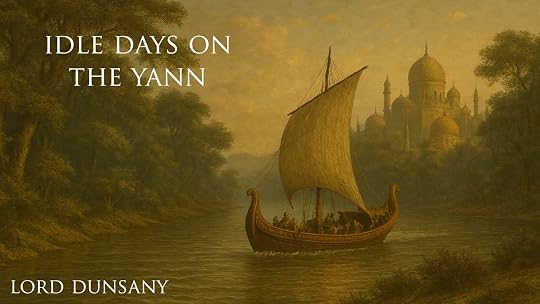
A travelogue in which an Irish dreamer sails down the River Yann past cities of sleeping gods, halted Time, ivory terrors, and wandering tribes, until he reaches the Gates of Yann, knowing he will never return as his power to dream fades. The unnamed narrator, who insists he comes from Ireland, a place the sailors deny exists in the Lands of Dream, boards the ship "Bird of the River "at Fair Belzoond.
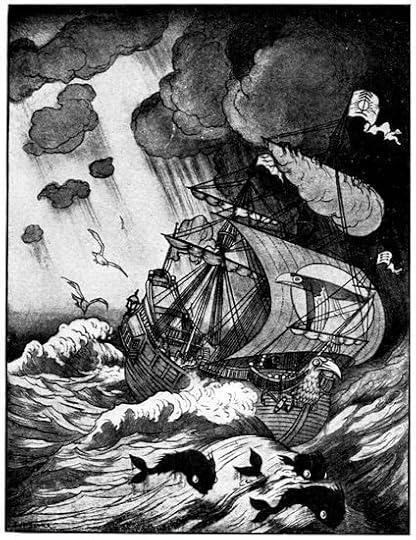
Bird of the River
The crew worships humble, easily appeased gods, and they mock the narrator until he describes the strange dream cities he visits in his sleep. As the ship moves down the Yann, the narrator witnesses a sequence of fantastical cities; Mandaroon a city where citizens sleep constantly so their gods will not die, for if the gods perish, men may dream no more; Astahahn a city where the people have fettered Time itself so that Time cannot slay their gods; nothing new is ever found there; Perdóndaris a bustling trade city where the narrator sees a gigantic ivory gate carved from a single piece, so uncanny that he flees back to the ship in terror; and Nen crowded with the Wanderers, a dark, singing tribe who descend from the mountains only once every seven years.
Finally, the ship reaches Bar‑Wul‑Yann, the Gates of Yann, two towering cliffs of pink marble glowing in the low sun, marking the river’s end and the beginning of the sea.
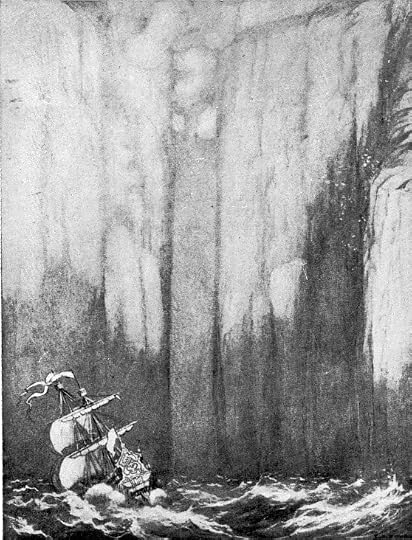
The Gates of Yann
The river sailors go no farther. The narrator parts from the captain, knowing his fancy is weakening and he will seldom return to the Lands of Dream.
A travelogue in which an Irish dreamer sails down the River Yann past cities of sleeping gods, halted Time, ivory terrors, and wandering tribes, until he reaches the Gates of Yann, knowing he will never return as his power to dream fades. The unnamed narrator, who insists he comes from Ireland, a place the sailors deny exists in the Lands of Dream, boards the ship "Bird of the River "at Fair Belzoond.
Bird of the River
The crew worships humble, easily appeased gods, and they mock the narrator until he describes the strange dream cities he visits in his sleep. As the ship moves down the Yann, the narrator witnesses a sequence of fantastical cities; Mandaroon a city where citizens sleep constantly so their gods will not die, for if the gods perish, men may dream no more; Astahahn a city where the people have fettered Time itself so that Time cannot slay their gods; nothing new is ever found there; Perdóndaris a bustling trade city where the narrator sees a gigantic ivory gate carved from a single piece, so uncanny that he flees back to the ship in terror; and Nen crowded with the Wanderers, a dark, singing tribe who descend from the mountains only once every seven years.
Finally, the ship reaches Bar‑Wul‑Yann, the Gates of Yann, two towering cliffs of pink marble glowing in the low sun, marking the river’s end and the beginning of the sea.
The Gates of Yann
The river sailors go no farther. The narrator parts from the captain, knowing his fancy is weakening and he will seldom return to the Lands of Dream.

April 25, 2024
Idle Days on the Yann is one of those interesting books that I am more keen on what it can do, rather than what it does. The story is a maritime portal fiction, that begs for adaptation into different settings, temporal as well as spatial.
It set my mind wandering down how it could be adapted into a more modern setting, using a highway or something similar.
The story on its own was solid, but all the textual ruins begs for further exploration although that would destroy the ephemeral feeling of the many stops down the Yann.
It set my mind wandering down how it could be adapted into a more modern setting, using a highway or something similar.
The story on its own was solid, but all the textual ruins begs for further exploration although that would destroy the ephemeral feeling of the many stops down the Yann.

March 22, 2013
Önsözü okurken kendimin asker olup bunu yazdığımı düşündüm. Bir askere oranla oldukça düşsel. Öyküler hoşuma gitti, özellikle 'Denizin Çekildiği Yer'. Şehir isimleri zorlayıcıydı. Belki de mistik isimlerdir bilemiyorum. Ayrıca ilk defa okuduğum tiyatrolar da farklı bir tat oldu.

January 7, 2013
çok iyi öykülerdi. alışmadığım bir tad. kelt tadı. sondaki iki oyun, özellikle ilki çok iyi kotarılmış, tiyatro okumayı sevmeyişime rağmen keyifle okudum.
September 1, 2020
Wow, what a relaxing river ride through a fantasy land, one that is largely based in reality with fantastic descriptions of the nature around him

September 26, 2022
“None may ask questions in this gate for fear they wake the people of the city. For when the people of this city wake the gods will die. And when the gods die men may dream no more.”
[The Gate of Yann, illustration by Sidney Sime]
I read “Idle Days on the Yann” by Lord Dunsany because it is featured in The Literature of Lovecraft, Vol. 1 . This is an anthology of stories by writers that were admired by H.P. Lovecraft (1890-1937). Sean Branny and Andrew Leman of HPLHS chose tales that were particularly emblematic of each author’s style.
Lovecraft was heavily influenced by Dunsany, particularly in his so-called Dream Cycle, and wrote extensively about the author in his literary essay Supernatural Horror in Literature:
The prose in “Idle Days of the Yann” is indeed beautiful. There is not much of a plot, certainly, but that is fine in a short story. The shorter length can allow for more of a focus on atmosphere and visuals. Joshi & Schultz (2001) notes that many “of HPL’s early tales - “The Doom that Came to Sarnath” (1919), “The White Ship” (1919), “The Cats of Ulthar” (1920), “Celephais” (1920), “The Quest of Iranon” (1921), “The Tree” (1921), “The Other Gods” (1921) - are clear imitations of Dunsany” (p. 77). I can see a strong influence of “Idle Days of the Yann” on “The White Ship”.
Title: “Idle Days on the Yann”
Author: Lord Dunsany [Edward John Moreton Drax Plunkett, 18th Baron of Dunsany]
Dates: 1910
Genre: Fiction - Short story, dark fantasy
Word count: 6,599 words
Date(s) read: 9/25/22-9/26/22
Reading journal entry #259 in 2022
Link to the story: https://www.gutenberg.org/ebooks/57277
Link to Lovecraft’s essay: https://www.hplovecraft.com/writings/...
Sources:
Lovecraft, H. P., & Joshi, S. T. (2012). The annotated supernatural horror in literature (second edition). Hippocampus Press. https://www.hplovecraft.com/writings/... (Original work published 1927)
Dunsany, L. (2021). Idle days on the Yann. In H.P. Lovecraft Historical Society (Ed.), The literature of Lovecraft, vol. 1.. (S. Branney, Narr.; A. Leman, Narr.) [Audiobook]. HPLHS. https://www.hplhs.org/lol.php (Original work published 2021)
Link to the image: https://en.wikipedia.org/wiki/Idle_Da...
The contents of The Literature of Lovecraft, Vol. 1 are:
"The Adventure of the German Student" by Washington Irving
"The Avenger of Perdóndaris" by Lord Dunsany
"The Bad Lands" by John Metcalfe
"The Black Stone" by Robert E. Howard
The Boats of the "Glen Carrig" by William Hope Hodgson
"Count Magnus" by M.R. James
"The Dead Valley" by Ralph Adams Cram
"The Death Mask" by Henrietta Everett
"The Fall of the House of Usher" by Edgar Allan Poe
"The Ghost of Fear" by H.G. Wells (also called “The Red Room”)
"The Ghostly Kiss" by Lafcadio Hearn
"The Horla" by Guy de Maupassant
"The House and the Brain" by Edward Bulwer-Lytton
"The House of Sounds" by Matthew Phipps Shiel
"Idle Days on the Yann" by Lord Dunsany
"Lot #249" by Arthur Conan Doyle
"The Man-Wolf" by Erckmann-Chatrian
"The Middle Toe of the Right Foot" by Ambrose Bierce
"The Minister's Black Veil" by Nathaniel Hawthorne
"The Monkey's Paw" by W.W. Jacobs
"One of Cleopatra's Nights" by Théophile Gautier
"The Phantom Rickshaw" by Rudyard Kipling
The Place Called Dagon by Herbert Gorman
"Seaton's Aunt" by Walter de la Mare
"The Shadows on the Wall" by Mary E. Wilkins
"A Shop in Go-By Street" by Lord Dunsany
"The Signal-Man" by Charles Dickens
"Skule Skerry" by John Buchan
"The Spider" by Hanns Heinz Ewers
"The Story of a Panic" by E.M. Forster
"The Strange Case of Dr. Jekyll and Mr. Hyde" by Robert Louis Stevenson
"The Tale of Satampra Zeiros" by Clark Ashton Smith
"The Tapestried Chamber" by Sir Walter Scott
"The Upper Berth" by F. Marion Crawford
"The Vampyre" by John Polidori
"The Venus of Ille" by Prosper Mérimée
"The Were Wolf" by Clemence Housman
"What Was It?" by Fitz-James O'Brien
"The White People" by Arthur Machen
"The White Wolf of the Hartz Mountains" by Frederick Marryat
"The Willows" by Algernon Blackwood
"The Yellow Sign" by Robert W. Chambers
"The Yellow Wallpaper" by Charlotte Perkins Gilman
Here is a list of the stories in the order in which they were written, with links to my reviews of them:
The Vampyre (1819) by John William Polidori
The Adventure of the German Student (1824) by Washington Irving
The Tapestried Chamber (1828) by Walter Scott
The Minister's Black Veil (1836) by Nathaniel Hawthorne
The Venus of Ille (1837) by by Prosper Mérimée
The White Wolf of the Hartz Mountains (1839) by Frederick Marryat
The Fall of the House of Usher (1839) by Edgar Allan Poe
What Was It? (1859) by by Fitz-James O'Brien
The House and the Brain (1859) by Edward Bulwer-Lytton
The Signal-Man (1866) by Charles Dickens
The Man-Wolf by Erckmann-Chatrian
The Ghostly Kiss (1880) by Lafcadio Hearn
One of Cleopatra's Nights (1882) by by Théophile Gautier
The Upper Berth (1886) by F. Marion Crawford
The Strange Case of Dr. Jekyll and Mr. Hyde (1886) by Robert Louis Stevenson
The Horla (1887) by Guy de Maupassant
The Phantom Rickshaw (1888) by Rudyard Kipling
”The Middle Toe of the Right Foot” (1891) by Ambrose Bierce
Lot #249 (1892) by Arthur Conan Doyle
The Yellow Wallpaper (1892) by Charlotte Perkins Gilman
The Ghost of Fear (1894) by H.G. Wells- also called The Red Room
The Yellow Sign (1895) by Robert W. Chambers
The Dead Valley (1895) by Ralph Adams Cram
The Were-Wolf (1896) by Clemence Housman
The Monkey's Paw (1902) by W.W. Jacobs
The Shadows on the Wall (1903) by Mary E. Wilkins
Count Magnus (1904) by M.R. James
The White People (1904) by Arthur Machen
The Willows (1907) by Algernon Blackwood
The Boats of the "Glen Carrig" (1907) by William Hope Hodgson
Idle Days on the Yann (1910)
The Story of a Panic (1911)
The House of Sounds (1911)
A Shop in Go-By Street (1912)
The Avenger of Perdóndaris (1912)
The Spider (1915)
The Death Mask (1920)
The Bad Lands (1920)
Seaton's Aunt (1922)
The Place Called Dagon (1927)
Skule Skerry (1928)
The Tale of Satampra Zeiros (1929)
The Black Stone (1931)
[The Gate of Yann, illustration by Sidney Sime]
I read “Idle Days on the Yann” by Lord Dunsany because it is featured in The Literature of Lovecraft, Vol. 1 . This is an anthology of stories by writers that were admired by H.P. Lovecraft (1890-1937). Sean Branny and Andrew Leman of HPLHS chose tales that were particularly emblematic of each author’s style.
Lovecraft was heavily influenced by Dunsany, particularly in his so-called Dream Cycle, and wrote extensively about the author in his literary essay Supernatural Horror in Literature:
Unexcelled in the sorcery of crystalline singing prose, and supreme in the creation of a gorgeous and languorous world of iridescently exotic vision, is Edward John Moreton Drax Plunkett, Eighteenth Baron Dunsany, whose tales and short plays form an almost unique element in our literature. Inventor of a new mythology and weaver of surprising folklore, Lord Dunsany stands dedicated to a strange world of fantastic beauty, and pledged to eternal warfare against the coarseness and ugliness of diurnal reality. His point of view is the most truly cosmic of any held in the literature of any period. As sensitive as Poe to dramatic values and the significance of isolated words and details, and far better equipped rhetorically through a simple lyric style based on the prose of the King James Bible, this author draws with tremendous effectiveness on nearly every body of myth and legend within the circle of European culture; producing a composite or eclectic cycle of phantasy in which Eastern colour, Hellenic form, Teutonic sombreness, and Celtic wistfulness are so superbly blended that each sustains and supplements the rest without sacrifice of perfect congruity and homogeneity. In most cases Dunsany’s lands are fabulous—“beyond the East”, or “at the edge of the world”. His system of original personal and place names, with roots drawn from classical, Oriental, and other sources, is a marvel of versatile inventiveness and poetic discrimination; as one may see from such specimens as “Argimēnēs”, “Bethmoora”, “Poltarnees”, “Camorak”, “Illuriel”, or “Sardathrion”.
Beauty rather than terror is the keynote of Dunsany’s work. He loves the vivid green of jade and of copper domes, and the delicate flush of sunset on the ivory minarets of impossible dream-cities. Humour and irony, too, are often present to impart a gentle cynicism and modify what might otherwise possess a naive intensity. Nevertheless, as is inevitable in a master of triumphant unreality, there are occasional touches of cosmic fright which come well within the authentic tradition. Dunsany loves to hint slyly and adroitly of monstrous things and incredible dooms, as one hints in a fairy tale. In The Book of Wonder we read of Hlo-hlo, the gigantic spider-idol which does not always stay at home; of what the Sphinx feared in the forest; of Slith, the thief who jumps over the edge of the world after seeing a certain light lit and knowing who lit it; of the anthropophagous Gibbelins, who inhabit an evil tower and guard a treasure; of the Gnoles, who live in the forest and from whom it is not well to steal; of the City of Never, and the eyes that watch in the Under Pits; and of kindred things of darkness. A Dreamer’s Tales tells of the mystery that sent forth all men from Bethmoora in the desert; of the vast gate of Perdóndaris, that was carved from a single piece of ivory; and of the voyage of poor old Bill, whose captain cursed the crew and paid calls on nasty-looking isles new-risen from the sea, with low thatched cottages having evil, obscure windows.
Many of Dunsany’s short plays are replete with spectral fear. In The Gods of the Mountain seven beggars impersonate the seven green idols on a distant hill, and enjoy ease and honour in a city of worshippers until they hear that the real idols are missing from their wonted seats. A very ungainly sight in the dusk is reported to them—“rock should not walk in the evening”—and at last, as they sit awaiting the arrival of a troop of dancers, they note that the approaching footsteps are heavier than those of good dancers ought to be. Then things ensue, and in the end the presumptuous blasphemers are turned to green jade statues by the very walking statues whose sanctity they outraged. But mere plot is the very least merit of this marvellously effective play. The incidents and developments are those of a supreme master, so that the whole forms one of the most important contributions of the present age not only to drama, but to literature in general. A Night at an Inn tells of four thieves who have stolen the emerald eye of Klesh, a monstrous Hindoo god. They lure to their room and succeed in slaying the three priestly avengers who are on their track, but in the night Klesh comes gropingly for his eye; and having gained it and departed, calls each of the despoilers out into the darkness for an unnamed punishment. In The Laughter of the Gods there is a doomed city at the jungle’s edge, and a ghostly lutanist heard only by those about to die (cf. Alice’s spectral harpsichord in Hawthorne’s House of the Seven Gables); whilst The Queen’s Enemies retells the anecdote of Herodotus in which a vengeful princess invites her foes to a subterranean banquet and lets in the Nile to drown them.
But no amount of mere description can convey more than a fraction of Lord Dunsany’s pervasive charm. His prismatic cities and unheard-of rites are touched with a sureness which only mastery can engender, and we thrill with a sense of actual participation in his secret mysteries. To the truly imaginative he is a talisman and a key unlocking rich storehouses of dream and fragmentary memory; so that we may think of him not only as a poet, but as one who makes each reader a poet as well.
The prose in “Idle Days of the Yann” is indeed beautiful. There is not much of a plot, certainly, but that is fine in a short story. The shorter length can allow for more of a focus on atmosphere and visuals. Joshi & Schultz (2001) notes that many “of HPL’s early tales - “The Doom that Came to Sarnath” (1919), “The White Ship” (1919), “The Cats of Ulthar” (1920), “Celephais” (1920), “The Quest of Iranon” (1921), “The Tree” (1921), “The Other Gods” (1921) - are clear imitations of Dunsany” (p. 77). I can see a strong influence of “Idle Days of the Yann” on “The White Ship”.
Title: “Idle Days on the Yann”
Author: Lord Dunsany [Edward John Moreton Drax Plunkett, 18th Baron of Dunsany]
Dates: 1910
Genre: Fiction - Short story, dark fantasy
Word count: 6,599 words
Date(s) read: 9/25/22-9/26/22
Reading journal entry #259 in 2022
Link to the story: https://www.gutenberg.org/ebooks/57277
Link to Lovecraft’s essay: https://www.hplovecraft.com/writings/...
Sources:
Lovecraft, H. P., & Joshi, S. T. (2012). The annotated supernatural horror in literature (second edition). Hippocampus Press. https://www.hplovecraft.com/writings/... (Original work published 1927)
Dunsany, L. (2021). Idle days on the Yann. In H.P. Lovecraft Historical Society (Ed.), The literature of Lovecraft, vol. 1.. (S. Branney, Narr.; A. Leman, Narr.) [Audiobook]. HPLHS. https://www.hplhs.org/lol.php (Original work published 2021)
Link to the image: https://en.wikipedia.org/wiki/Idle_Da...
The contents of The Literature of Lovecraft, Vol. 1 are:
"The Avenger of Perdóndaris" by Lord Dunsany
"The Bad Lands" by John Metcalfe
"The Black Stone" by Robert E. Howard
"The Death Mask" by Henrietta Everett
"The House of Sounds" by Matthew Phipps Shiel
The Place Called Dagon by Herbert Gorman
"Seaton's Aunt" by Walter de la Mare
"The Shadows on the Wall" by Mary E. Wilkins
"A Shop in Go-By Street" by Lord Dunsany
"Skule Skerry" by John Buchan
"The Spider" by Hanns Heinz Ewers
"The Story of a Panic" by E.M. Forster
"The Tale of Satampra Zeiros" by Clark Ashton Smith
Here is a list of the stories in the order in which they were written, with links to my reviews of them:
The Vampyre (1819) by John William Polidori
The Adventure of the German Student (1824) by Washington Irving
The Tapestried Chamber (1828) by Walter Scott
The Minister's Black Veil (1836) by Nathaniel Hawthorne
The Venus of Ille (1837) by by Prosper Mérimée
The White Wolf of the Hartz Mountains (1839) by Frederick Marryat
The Fall of the House of Usher (1839) by Edgar Allan Poe
What Was It? (1859) by by Fitz-James O'Brien
The House and the Brain (1859) by Edward Bulwer-Lytton
The Signal-Man (1866) by Charles Dickens
The Man-Wolf by Erckmann-Chatrian
The Ghostly Kiss (1880) by Lafcadio Hearn
One of Cleopatra's Nights (1882) by by Théophile Gautier
The Upper Berth (1886) by F. Marion Crawford
The Strange Case of Dr. Jekyll and Mr. Hyde (1886) by Robert Louis Stevenson
The Horla (1887) by Guy de Maupassant
The Phantom Rickshaw (1888) by Rudyard Kipling
”The Middle Toe of the Right Foot” (1891) by Ambrose Bierce
Lot #249 (1892) by Arthur Conan Doyle
The Yellow Wallpaper (1892) by Charlotte Perkins Gilman
The Ghost of Fear (1894) by H.G. Wells- also called The Red Room
The Yellow Sign (1895) by Robert W. Chambers
The Dead Valley (1895) by Ralph Adams Cram
The Were-Wolf (1896) by Clemence Housman
The Monkey's Paw (1902) by W.W. Jacobs
The Shadows on the Wall (1903) by Mary E. Wilkins
Count Magnus (1904) by M.R. James
The White People (1904) by Arthur Machen
The Willows (1907) by Algernon Blackwood
The Boats of the "Glen Carrig" (1907) by William Hope Hodgson
Idle Days on the Yann (1910)
The Story of a Panic (1911)
The House of Sounds (1911)
A Shop in Go-By Street (1912)
The Avenger of Perdóndaris (1912)
The Spider (1915)
The Death Mask (1920)
The Bad Lands (1920)
Seaton's Aunt (1922)
The Place Called Dagon (1927)
Skule Skerry (1928)
The Tale of Satampra Zeiros (1929)
The Black Stone (1931)
*The difference between a short story, novelette, novella, and a novel: https://owlcation.com/humanities/Diff...
Vignette, prose poem, flash fiction: 53 - 1,000 words
Short Stories: 1,000 - 7,500
Novelettes: 7,500 - 17,000
Novellas: 17,000 - 40,000
Novels: 40,000 + words

August 6, 2023
He confirmado que Lord Dunsany es un algo empalagoso para mis gustos. Hace años le había leído, no se si este mismo libro (yo creo que sí, en mi época de estudiante de universidad) y otro donde aparecía Días de ocio en el país de Yann. La prosa de Dunsany me parece ciertamente muy colorida y abigarrada —por eso entiendo que haya sido sublime para los gustos de Lovecraft, y puedo ver desde lejos su influencia en autores del fantasy moderno como Tanith Lee (cuya novela El Señor de la Noche es una mezcla inmisericorde de Dunsany y Eddison) — pero conmigo nomás no hace click. Como explicó alguien de aquí: es como si se esforzara por maravillarte.
Dueño de una fantasía onírica y simbólica, los cuentos de Dunsany navegan entre lo fantástico y lo terrorífico, entre lo reflexivo y lo emocional, que si bien, a mi no me calzan, no puedo dejar de negar su importancia capital en el reino de las historias fantásticas y, por qué no, su genialidad.
Por algo es un maestro, pues...
1. En donde suben y bajan las mareas.- Un cadáver narra su extraño periplo hacia la muerte y el destino de su cuerpo.
2. El ídolo y la espada.- Un relato que narra el alzamiento de la religión como un nuevo poder en un pasado prehistórico.
3. Carcasona.- Un rey en una búsqueda eterna por una ciudad que no existe. Es también un cuento que nos ayuda a reflexionar sobre como las creencias absurdas nos otorgan un sentido a nuestras vidas, un sentido que al final, se convierte en vacío.
4. Días de ocio en el país del Yann.- Un viaje en rio a través del gran país del Yann, un mundo formado de montañas enormes y selvas fantásticas. Es un relato con claras influencias del movimiento romántico de Lord Byron.
6. Los mendigos.- Todos los mendigos bajan a la ciudad en un relato que es claramente una analogía simbólica.
7. El bureu d'Échange de Maux.- Uno de los cuentos que más me gusto. Simple y sencillo pero tal vez por eso, perturbador. En una misteriosa casa, uno puede cambiar una desgracia propia, por otra ajena.
8. Una noche en la taberna.- Un grupo de hombres ha robado de un ídolo indio, una rubí gigante que le servía de ojo a la estatua, por lo que un grupo se sacerdotes los busca para darles caza... y con ellos, algo aún más terrorífico. Con mucho sabor Pulp.
Dueño de una fantasía onírica y simbólica, los cuentos de Dunsany navegan entre lo fantástico y lo terrorífico, entre lo reflexivo y lo emocional, que si bien, a mi no me calzan, no puedo dejar de negar su importancia capital en el reino de las historias fantásticas y, por qué no, su genialidad.
Por algo es un maestro, pues...
1. En donde suben y bajan las mareas.- Un cadáver narra su extraño periplo hacia la muerte y el destino de su cuerpo.
2. El ídolo y la espada.- Un relato que narra el alzamiento de la religión como un nuevo poder en un pasado prehistórico.
3. Carcasona.- Un rey en una búsqueda eterna por una ciudad que no existe. Es también un cuento que nos ayuda a reflexionar sobre como las creencias absurdas nos otorgan un sentido a nuestras vidas, un sentido que al final, se convierte en vacío.
4. Días de ocio en el país del Yann.- Un viaje en rio a través del gran país del Yann, un mundo formado de montañas enormes y selvas fantásticas. Es un relato con claras influencias del movimiento romántico de Lord Byron.
6. Los mendigos.- Todos los mendigos bajan a la ciudad en un relato que es claramente una analogía simbólica.
7. El bureu d'Échange de Maux.- Uno de los cuentos que más me gusto. Simple y sencillo pero tal vez por eso, perturbador. En una misteriosa casa, uno puede cambiar una desgracia propia, por otra ajena.
8. Una noche en la taberna.- Un grupo de hombres ha robado de un ídolo indio, una rubí gigante que le servía de ojo a la estatua, por lo que un grupo se sacerdotes los busca para darles caza... y con ellos, algo aún más terrorífico. Con mucho sabor Pulp.

May 11, 2021
Babil Kitaplığı'ndan okuduğum sekizinci kitaptı. Altı öykü ve iki skeçten oluşan kitaptaki öykü ve skeçlerin konusu kısaca şöyle:
İlk Öykü: Denizin Çekildiği Yer (Günahlarının bilincinde olan, bu yüzden de kabuslarında cesedinin sürekli mezarından alınıp çamura gömüldüğünü gören bir adamın hikayesi)
İkinci Öykü: Kılıç ve İlah (Demir madenini es kaza bulduktan sonra ondan bir kılıç yaparak diğerlerinin yöneticisi olan adamı kıskandığı için insan yüzüne benzer kabuğundan ötürü putlaştırdığı ağacın Tanrı olduğunu ve aracılık yaparak Tanrı'nın onlara kızmamak için istediklerini diğerlerine yaptıran uyanık bir adamın hikâyesi)
Üçüncü Öykü: Carcassonne (Kehanetin "asla göremeyeceksiniz" dediği yere doğru emrindeki bütün askerlerle yola çıkan bir kralın hikâyesi)
Dördüncü Öykü: Yann'ın Ülkesi (Bir adamın oldukça gerçekçi anlattığı, fantastik öğeler içeren düşler ülkesine yolculuğunun hikâyesi)
Beşinci Öykü: Tarla (İçine girdiği tarlayla ilgili kötü hislere kapılan bir adamın bir ozana danışmasının ve daha önce orada ne olduğunu öğreşinin hikâyesi)
Altıncı Öykü: Dilenciler (Sokak lambasıyla, evler ve ağaçlarla konuşan, onları kutsayan renkli pelerinli dilencilerin hikâyesi)
Birinci Skeç: Bureau de Change de Maux* (Dertlerini 20 frank karşılığında değiş tokuş edebilen insanların hikâyesi) [*Şahsi favorim]
İkinci Skeç: Handa Bir Gece (Bir Hindu tanrısının başındaki yakutu çalan dört adamın, onu geri almak için gelen üç rahibin ve mabudun hikâyesi)
Tavsiye ederim. =)
İlk Öykü: Denizin Çekildiği Yer (Günahlarının bilincinde olan, bu yüzden de kabuslarında cesedinin sürekli mezarından alınıp çamura gömüldüğünü gören bir adamın hikayesi)
İkinci Öykü: Kılıç ve İlah (Demir madenini es kaza bulduktan sonra ondan bir kılıç yaparak diğerlerinin yöneticisi olan adamı kıskandığı için insan yüzüne benzer kabuğundan ötürü putlaştırdığı ağacın Tanrı olduğunu ve aracılık yaparak Tanrı'nın onlara kızmamak için istediklerini diğerlerine yaptıran uyanık bir adamın hikâyesi)
Üçüncü Öykü: Carcassonne (Kehanetin "asla göremeyeceksiniz" dediği yere doğru emrindeki bütün askerlerle yola çıkan bir kralın hikâyesi)
Dördüncü Öykü: Yann'ın Ülkesi (Bir adamın oldukça gerçekçi anlattığı, fantastik öğeler içeren düşler ülkesine yolculuğunun hikâyesi)
Beşinci Öykü: Tarla (İçine girdiği tarlayla ilgili kötü hislere kapılan bir adamın bir ozana danışmasının ve daha önce orada ne olduğunu öğreşinin hikâyesi)
Altıncı Öykü: Dilenciler (Sokak lambasıyla, evler ve ağaçlarla konuşan, onları kutsayan renkli pelerinli dilencilerin hikâyesi)
Birinci Skeç: Bureau de Change de Maux* (Dertlerini 20 frank karşılığında değiş tokuş edebilen insanların hikâyesi) [*Şahsi favorim]
İkinci Skeç: Handa Bir Gece (Bir Hindu tanrısının başındaki yakutu çalan dört adamın, onu geri almak için gelen üç rahibin ve mabudun hikâyesi)
Tavsiye ederim. =)

Read
June 23, 2024“At the River Yann, the nameless protagonist embarks on the ship Bird of the River to travel to Bar-Wul-Yann: the Gate of Yann. He says he is from Ireland, and the sailors mock him because no such place exists in the land of dreams. When everybody on board pray to their gods, the protagonist chooses the obscure and abandoned god Sheol Nugganoth. The ship makes stops at the cities Mandaroon, where the citizens sleep to prevent the gods from dying and dreaming to end, and Astahahn, where citizens use ancient rituals to prevent Time from slaying the gods. In Perdóndaris, a merchant buys the captain's cargo of toomarund carpets and smokable tollub. The protagonist is impressed by Perdóndaris, but discovers a huge ivory gate made of one solid piece, and returns to the ship terrified. A couple of days later, they stop at Nen, the last city on the river. Nen is crowded with Wanderers, a strange singing and dancing tribe that descends from the mountains once every seven years. The ship finally reaches the Gate of Yann: two narrow, mountain-high, smooth and pink marble cliffs that the river flows between into the sea. Departing, the protagonist knows he will not meet the captain again, because his fancy is growing weaker.”

February 18, 2024
Aunque esperaba más, no puedo decir que me haya decepcionado.
Las piezas de esta colección son agradablemente coloridas, y las mejores de ellas –como Carcasona y En donde suben y bajan las mareas– dejan claro por qué, a los ojos de otros grandes autores, Dunsany es un clásico imprescindible.
4 estrellas: Carcasona, En donde suben y bajan las mareas.
3 estrellas: El Bureau d’Échange de Maux (excelente argumento).
2 estrellas: Una noche en una taberna, La espada y el ídolo, Días de ocio en el país del Yann, El campo, Los mendigos.
Nota: 55/100. Leído en febrero de 2024.
Las piezas de esta colección son agradablemente coloridas, y las mejores de ellas –como Carcasona y En donde suben y bajan las mareas– dejan claro por qué, a los ojos de otros grandes autores, Dunsany es un clásico imprescindible.
4 estrellas: Carcasona, En donde suben y bajan las mareas.
3 estrellas: El Bureau d’Échange de Maux (excelente argumento).
2 estrellas: Una noche en una taberna, La espada y el ídolo, Días de ocio en el país del Yann, El campo, Los mendigos.
Nota: 55/100. Leído en febrero de 2024.
November 9, 2020
Beğendim olarak işaretledim ancak hayran olduğumu söyleyemeyeceğim. Tolkien, Lovecraft, Le Guin gibi yazarlara ilham olmuş bir yazarın öykülerinden daha fazlasını beklerdim. Ancak bahsedilen yazarların eserlerine aşinaysanız ilham noktaları olan gizemli kentleri, lanetli hazineleri, ulaşması imkansız hedefleri, bilinmeyenin getirdiği korkuyu, düş ile gerçeğin yer değiştirmesi gibi unsurları hemen fark edebilirsiniz. Arkasından gelenlerin bu unsurları çok daha iyi işlediği bir gerçek. Eğer fantastik edebiyata gönül vermişseniz okunması gereken bir eser, diğer türlü pas geçsenizde olur diye düşünüyorum.

August 26, 2018
İlk kez okuduğum bir yazar Lord Dunsany.Fantastik,masalsı ama bir o kadar sosyal meselelere değinen hikayeler var Yann’ın Ülkesi’nde.Ve Lord Dunsany’in J.R.R Tolkien,H.P. Lovecraft ve Ursula K. Le Guin gibi isimlere ilham vermesine de pek şaşırmadım~
Sekiz hikayeden oluşan kitapta beni en çok etkileyenler ise vermek istediği mesaj ile “Kılıç ve ilah” ve farklı konusuyla “dertleri değiştirme bürosu” oldu.
Sekiz hikayeden oluşan kitapta beni en çok etkileyenler ise vermek istediği mesaj ile “Kılıç ve ilah” ve farklı konusuyla “dertleri değiştirme bürosu” oldu.

December 2, 2017
Es muy claro que Dunsany fue una influencia para Lovecraft, en especial para sus relatos oníricos. Lord Dunsany debe ser ese Wells perdido, apenas recordado, pero igual de importante; Una noche en una taberna y El bureau d'Échange de Maux son perfectos ejemplos de literatura fantástica.
April 13, 2018
Realmente no pensé que me fuese a gustar tanto. La elección de los relatos está muy bien, tengo que decir que Días de ocio en el país de Yann y Carcasona se van a quedar conmigo por un tiempo.
Gracias a Borges por haberme presentado a este autor
Gracias a Borges por haberme presentado a este autor
June 13, 2020
Dove sale e scende la marea: 2/5
La spada e l'idolo: 4/5
Carcassonne: 2/5
Il paese dello Yann: 2/5
Il campo: 1/5
I mendicanti: 1/5
Il bureau d'échange de maux: 2/5
Una notte in una taverna: 3/5
Una scrittura di altri tempi, onirica e "pomposa", a tratti soporifera e a tratti meravigliosa.
La spada e l'idolo: 4/5
Carcassonne: 2/5
Il paese dello Yann: 2/5
Il campo: 1/5
I mendicanti: 1/5
Il bureau d'échange de maux: 2/5
Una notte in una taverna: 3/5
Una scrittura di altri tempi, onirica e "pomposa", a tratti soporifera e a tratti meravigliosa.

January 8, 2021
Lord Dunsany, nefis!
Displaying 1 - 30 of 39 reviews