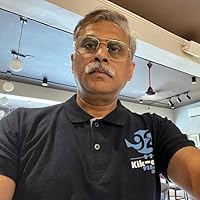
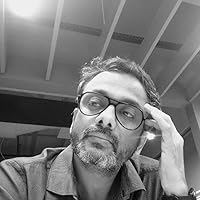
Dhandapani Jeyakanthan, otherwise known as 'JK' among his friends and comrades, is a multi-dimensional personality, well known in the literary circle as a prolific writer, commentator, pamphleteer, film-maker and critic. He has won acclaim for wielding his pen against social injustices and economic inequality. Jeyakanthan was born in a family of agriculturists in Manjakuppam, a suburb of Cuddalore of the erstwhile Madras Presidency. Brought up by his mother and maternal uncles, he got interested in politics at a young age as his uncles were actively involved in it. Jeyakanthan dropped himself out of school after completing fifth grade, as he thought studies would hinder his political activism.
In 1946, he left for Chennai in search of livelihood, where he performed odd jobs, before ending up as a compositor in the printing press of Communist Party of India (CPI). His association with the CPI instilled the ideas of the movement, where he got to accompany leaders such as P. Jeevanandham, Baladandayutham and S. Ramakrishnan. The leaders of the party encouraged him to write. After graduating to an active member of the party, he got to learn about topics pertaining to world literature, culture, politics, economics and journalism. It was during this time, Jeyakanthan started writing for pro-communist magazines. Over the next few years, he established himself as one of the top-most writers in the party. His early works were first published in the party newspaper Janasakthi, and soon other magazines like Sarasvathi, Thamarai, Santhi, Manithan, Sakthi and Samaran published his works. His early works focused on the plight of slum-dwellers who were settled in and around the party office.
Jeyakanthan was married to his cousin. The couple had two daughters and a son. Jeyakanthan wrote his first short story for a Tamil magazine titled Sowbakiyavathi, which got it published in 1953. Following early success, Jeyakanthan started writing for mainstream magazines such as Ananda Vikatan, Kumudam and Dinamani Kadir, who published a number of short stories, particularly in the 1960s. In 1964, Jayakanthan entered films by co-producing and directing a venture titled Unnaipol Oruvan, based on his novel.
His writings reflect his views on the morals, ethics and the societal norms as a whole. His writings are vivid portrayals of life and relationships, with all the intricacies and beauty of reality, and with a profound love for humanity. He is one among the few of the original writers of the Tamil Literature. He is a man of insight, pride and scholarship whose writings expressed with unparalleled courage and utmost honesty speaks for all the generations to come. A winner of Sahitya Acadamy Award and Fellowship, Jnanpita Award, Soviet Land Nehru Award, the Russian Federation's Order of Friendship and the Padma Bhushan.
Go Back to Paris is English translation of Jayakanthan’s Parisukku Po. The novel has been translated by K S Subramanian. Center to the plot is the age-old conflict between conflict between tradition and modernity. What makes this an interesting read is the way Jayakanthan captures this conflict through world of art and personal life. On one hand is Sarangan, a failure in West who returns back with grandiose idea of modernising Carnatic music. On the other had is his father Seshiah, a supporter of old traditions in Carnatic music and worldly wise. Sarangan has no source of income, is dependent on his father for economic support, does not compose even a single piece of music on return and yet gives big speeches on modern outlook. When confronted with harsh reality he tries to run back instead of shouldering responsibility.
Jayakanthan got Sahitya Akademi award in 1972 for his novel Sila Nerangalil.
There was an intense focus on music, particularly on Carnatic Classical music. I found some of these ideas new and though provoking. However, the protagonist, Sarangan, caused me much exasperation. However full a person is of revolutionary ideas, it is difficult to keep admiring that person, even when he squanders away all of his time and health, without the smallest action to back his grandiose ideas. He keeps stating his intent to reinvent traditional Indian music. But what does he do towards this end? Nothing. Absolutely zero. His wallowing in self pity, his insistence that Lalitha should divorce her husband to be with him, without giving a thought to how he will support the both of them, reeks of impracticality, and more dangerously, of recklessness and irresponsibility. It is tough to retain respect for such a protagonist, especially when he has been projected as a very sophisticated intellectual from the very beginning of the book.
The parallel story of Balammal (Murali's mother) and the husband, Narasaiah, whom she decided to leave - that again is sketchy. Not in the sense that details haven't been provided about their back story. But in the sense that Narasaiah's parting lecture has been given so much of a spotlight. But, contrary to Jayakanthan's usual logical (even if revolutionary) manner of thinking, this last lecture was full of proclamations, rather than rational thinking. At least, that's how it seemed to me. All Narasaiah did was labour the sanctity of the marital bond, and insist that every transgression be forgiven. Very convenient for him, considering that he was the one who had needed the forgiving.
Anyway, this book is worth a read, more for its ideas on Carnatic music vs. Western music and for Lalitha's back-story, than for anything else. The ending certainly was a let down for me. Not the feeling I usually get after finishing one of Jayakanthan's books.
"தேசத்தின் மாற்றம்கிறது தனி மனுஷங்க மாறாம, குடும்பங்கள் மாறாம, ஏதோ மேலோட்டமான மாற்றமாப் போனதனாலேதான் நம்ப சமூகம் இப்ப ரெண்டுங்கெட்டுக் கெடக்குது...” இதுவே இந்தகதையின் அடி முடிச்சு. அழுத்தமான பார்வை. ஆழ்ந்து பார்த்தால் இதன் உண்மை புரிகிறது.... இதை எழுதி இத்தனை காலம் ஆன பின்பும் நாம் இன்னும் இந்த வட்டத்துக்குள்ளேயே மேலும் மேலும் சுற்றி வருவதும் புரிகிறது. அப்படிச் சமைந்திருக்கும் தலைமுறைகள் இடையே ஏற்படும் சிறு கால மாற்றங்கள் கூட பாறையை அறித்துச்செல்லும் நீர்போல நிகழும். அந்த நிகழ்ச்சியின் எதிர்வினை ஏற்படுத்தும் வலிகளை, அழுத்தங்களை மற்றும் அவற்றின் விளைவுகளை படம் பிடித்துக்காட்டியிருக்கிறார். அதை வருடும் தென்றல் போல் ஒரு மெல்லிய காதலால் ஆற்றியிருக்கிறார். அப்படியே ஓரங்கநாடகமாய் காதலின் ஆழத்தையும், அவசியத்தையும், அது சுழன்று கொண்டிருக்கும் கட்டுகளையும் அசைத்துப்பார்க்கிறார். இதை எழுதியிருக்கும் காலகட்டத்தில் ஒரு புயலை கிளப்பியிருக்கிறார். அந்தப்புயல் இன்னும் கரையைக்கடக்கவில்லை என்றும் புரிகிறது.
மிக ஆரம்ப்பகட்ட வாசிப்பில் படித்த இந்த நாவலை மறுவாசிப்பு செய்தேன். அருமையான கதைக்களம், கலையைப்பற்றியும், கலைஞனின் மனம் பற்றியும், அவனை எதிர் நோக்கும் சமூகத்தைப்பற்றியும் மிக அழகாக பிணைந்தளித்துள்ளார்.
பின்னாலான வாசிப்புகள் இந்த கதையை இன்னும் ஆழமாக புரிந்து கொள்ள உதவியது. முக்கியமாக கலைஞனுக்கும், ரசிகனுக்கும் இருக்கும் இடைவெளி மிக முக்கியமான ஒருப்பார்வை. ஆனால் அக்காலத்தில் மிக வெளிப்படையாக எழுதி சமூகத்திற்க்கு கொண்டு சேர்த்ததில் ஆசிரியர் வெற்றி கண்டுள்ளார்.
Highly recommend , wonderful thoughts and music quotes are admirable. Positivity and perspective of people thought process are mind blowing. Amazing work from 1968 wow
💥💥ஒரு தேசத்தின், ஒரு நாகரிகத்தின், ஒரு காலத்தின், ஒரு வளர்ச்சியின், ஒரு வாழ்க்கையின் உரைகல் இலக்கியம். 💥💥இலக்கியத்தில் வெற்றி பெறுவது என்பது காலத்தை வெல்வது. அப்படி வெற்றி பெற்ற இந்த நாவல் 1966-ல் வெளியானது ... 💥💥நாவலைத் தாண்டி ஐயா எழுத்தாளர் ஜெயகாந்தன் அவர்களை இன்றும் உயிர்ப்புடன் வைத்திருக்கிறது இவரது எழுத்துக்கள். 💥💥 இந்த நாவலில் வரும் கதாபாத்திரங்கள் பலதரப்பட்ட அறிவுமயமானவர்கள். 💥💥அவர்களுக்கிடையே ஏற்படும் கருத்து விவாத மோதல்களில் யார் வெற்றி பெறுகிறார்கள்? யார் தோற்கிறார்கள்? யார் வெற்றி பெற வேண்டும்? யார் தோற்க வேண்டும்? எது சரி? எது தவறு? என்பதைத் தாண்டி அவர்கள் பிரதிநிதித்துவப்படுத்தும் எல்லாம் கருத்துக்களையும் ஒரு ஓரமாய் நின்று வேடிக்கை பார்த்துக் கொண்டிருந்தேன். 💥💥ஜெயகாந்தன் அவர்களின் மிக முக்கியமான ஒரு நாவலாக இதைக் கருதுகிறேன்.
பாரிசில் இருந்து சென்னை வரும் சாரங்கனில் இருந்து தொடங்கும் கதை விமானநிலையத்தில் வரவேற்கும் லலிதா , மகாலிங்கத்துடன் இணைந்து கதை நகர்கிறது. சாரங்கன் எனும் ஒரு புரட்சிகர கலைஞனின் லட்சியம் அவனின் ரசனை அவனின் வாழ்க்கை, இசை,கலை மற்றும் பண்பாடு குறித்த பார்வை மிகவும் ஆழமாக Jk பதிவிடும் அதே நேரத்தில் சாரங்கனிடம் முரண்படும் பாத்திரங்களின் நியாத்தை பதிவிடும் முறை சிறப்பு. சாரங்கனிடம் ஏற்படும் காதல் மற்றும் தெய்வம் போல் மதிக்கும் அன்பு கணவனெனக் இரண்டுக்கும் ஊடே சிக்கி தவிக்கும் லலித்தா ஒரு முடிவை எடுக்கும் சூழலை அழகாக கையாண்டிருக்கிறார். இது போல் கதையில் வரும் அனைத்து பாத்திரங்களும் தன் பக்கத்து நியாயங்களை நமக்கு சொல்லிக்கொண்டே இருக்கும். ஒரு லட்சிய இசை கலைஞனை தன் அன்பு கரங்கள் கொண்டு அணைக்கும் மற்றோரு லட்சிய வாதியிடம் கொண்டு சேர்த்துவிட்டு கதையை முடித்தது மனதில் ஒரு நிம்மதியை வாசித்து முடிக்கும் போது தருகிறது. மனித மனங்களுக்குள் நடக்கும் உரையாடல் jk எழுத்தின் தனி சிறப்பு.
பிடித்த வரிகள் :-
"நம்மிடம் மாபெரும் தீய குணம், நாம் எதையுமே கோயிலாக்கி விடுவது; எவரையுமே தெய்வமாக்கி விடுவது... எனவே நாம் வழிபடுவதிலேயே சமர்த்தர்கள்; வளர்வதில் இல்லை"
"கலையின் மகத்துவமே அதுதான். அறிந்து கொள்ள முடியாத விஷயங்களையும் அது உணர்த்திச் செல்லும்"
My third attempt to read and appreciate Jayakanthan's work. But his writing style is really not my cup of tea. His views might be revolutionary and iconoclastic at that time it was published but now, for me, it seems antiquated and a bit boring too. Sorry J.
Powerful thoughts from the author shining through a less impactful protagonist
A novel that packs many powerful perspectives, sure to have been seen revolutionary at its time. Gives glimpses of moral conflicts in human relationships, and conflicts between liberal new vs conservative old points of view: specifically on music, plus art and life in general. The point that modernity needs to have a continuity with a classical past, and without it comes across as a crass copy - simply brilliant!. Got this strange feel while reading: as if the powerful author towered over a rather less impressive protagonist (may be because it's set in a different time when foreign-return was a big deal then vs now, or the absence of an even more powerful backstory to the protagonist, or the difficulty of dealing with music as a subject in a book!). Nevertheless, a book that provokes thought.
In the surface it looks like a drama . But deep down jayakanthan critics the society and its individuals taste of music, literature and life. Proud to see a writer in mother tongue who is capable of dazzling your thoughts to this level. Chills to see the level of modernity of his thoughts 60 years is ahead of current world. “Book should serve like an axe to frozen mind” - kafkas line just fits this book. Happy read
மனித உணர்வுகளை சித்தரிப்பதில் ஜெயகாந்தனுக்கு நிகர் வேறு ஒருவர் இல்லை.👣
கர்நாடக இசைக் குடும்பத்தில் பிறந்த சாரங்கன், சிறு வயதிலேயே தாயை இழந்தவர். தந்தையின் நண்பர் குடும்பத்தோடு வெளிநாடுகளில் வளர்ந்தவர். ஐரோப்பிய நாடுகளின் மேற்கத்திய இசை அவரை கவர, அதில் திறன்வாய்ந்த மிளிர்கிறார்.🌌🏙️🗼
கர்நாடக இசை என்பது இறைவனுக்கு படைக்கும் அமிர்தம் எனக் கருதும் சேஷையாவிற்கு மேற்கத்திய இசை, ஒரு காட்டு கத்தலாகத் தெரிகிறது.தந்தை மகனுக்கு இதனால் இடைவெளி அதிகமாக, 10 வருடங்களுக்கு மேல் தொடர்பற்று போகிறது.🎶🎵
நடுத்தர வயதில் இந்தியா திரும்பும் சாரங்கனுக்கு பல சவால்களும் சிக்கல்களும் ஏற்படுகின்றன. மேற்கத்திய இசையை கருநாடக இசையுடன் சேர்த்து, உலக இசை மொழியை உருவாக்க திட்டமிடுகிறார்.🎻
ஆனால் தன்னுடன் பிறந்த தமையனின் இழப்பை கூட தன்னிடம் தெரிவிக்காது, தன்னை தன் குடும்பம் நிராகரித்து இருப்பது தெளிவாய் புரிகிறது.🎸
பல வருடங்களில், தன் குடும்பத்தில் நிகழ்ந்த மாற்றங்கள் அவரை திகைப்படைய செய்ய மகாலிங்கம்- லலிதா தம்பதியரின் நட்பு மட்டும்தான் அவருக்கு உதவ முற்படுகிறது.🎼🎵🎶
லலிதாவின் முன்னாள் வாழ்க்கையை அறிந்து அவளிடம் அனுதாபம் காட்டும் சாரங்கன் ,முதன்முதலில் காதல் வயப்படுகிறார். நடுத்தர வயதை சேர்ந்தவர்கள் காதல் வயப்படுகையில் எத்தனை சிக்கல்கள் .(அதிலும் திருமணமான பெண் காதல் வயப்பட்டால் !!!!!!!!).🎧🎷
மேற்கத்திய இசை - கர்நாடக இசை சேர்ந்து உருவாகும் ,அனைவரும் எளிமையாக பயிலும் இசை என்பது தற்போது சினிமாவில் காட்டப்படும் ஒலி அதிகமான பாடல்கள் அல்ல என்று தீர்க்கமாக வாதாடும் சாரங்கன், தன் லட்சியத்தில் கரைகண்டாரா, சாரங்கன் - லலிதாவின் மெல்லிய காதல் என்னவானது என்பதை அழகிய முறையில் விவரித்திருப்பார் ஜெயகாந்தன்.🎹🎻
இப்படைப்பை எல்லோராலும் பாராட்டி ஏற்றுக் கொள்ள முடியாது இது ஒரு உன்னதமான படைப்பு.🎹🎶🎵1960 களில் வெளிவந்த இக்கதை எவ்வளவு முற்போக்கான சிந்தனைகளை விதைக்கிறது என்பதை படிப்போர் உணரலாம்
ஜெயகாந்தனைப்போல் மனித மனங்களை அறிந்தவர் தமிழ் இலக்கிய உலகில் யாரும் இல்லை என்பதே என் கருத்து. அதுவும் பாமர மக்களின் உணர்வுகளை எழுத்தின் வழியாக புரட்சி செய்தவர். இந்த நாவலில் சங்கீதம் நவீன மற்றும் புராதான சங்கீதத்தை ஒப்பிட்டு எழுதியுள்ளார். சங்கீதம் பற்றி சரியாக தெரியாததால் சரியாக புரிந்து கொள்ள முடியவில்லை. ஆனால் அதை சமூக சிந்தனையுடன் மற்றும் உணர்வுகளுடன் ஒப்பிட்டு அவர் எழுதியவிதம் வியக்க வைக்கிறது . 1960 காலக்கட்டத்தில் வெளிவந்து பெரும் புரட்சியை செய்தது. இன்றும் வாசிக்கையில் இக்கால சமூகத்திற்கும் சிறப்பாக பொருந்துகிறது . ஒருசில கருத்துக்களில் உடன்பாடு இல்லை என்றாலும் ஜெயகாந்தன் போற்றப்படத்தக்கவரே.
என்ன சொல்ல வருகிறார் திரு. ஜெயகாந்தன் மிகப்பெரிய ஆளுமை தான் , மறுப்பதற்கு எனக்கு அறிவும் இல்லை ஆர்வமும் இல்லை ஆனால் கதாபாத்திரங்கள் மூலம் தன் உலக அறிவையும் கருத்துக்களையும் நீண்ட சொற்பொழிவாக கூறும்போது சலிக்கிறது
அழுத்தமில்லாத கதாபாத்திரங்களின் உச்சித்திலகம் லலிதா… என்ன ஒரு கதாபாத்திரம் அது..புரட்சி என்பது ஒன்று பைத்தியக்காரத்தனம் என்பது ஓன்று ஏதோதோ சொல்லவந்த ஜெ கா எதையும் உருப்படியாக சொல்லவில்லை என்பதே உண்மை