

What do you think?

Life and Adventures of Jack Engle: The Lost Novel of Walt Whitman
In 1852, young Walt Whitman—a down-on-his-luck housebuilder in Brooklyn—was hard at work writing two books. One would become one of the most famous volumes of poetry in American history, a free-verse revelation beloved the world over, Leaves of Grass. The other, a novel, would be published under a pseudonym and serialized in a newspaper. A short, rollicking story of orphanhood, avarice, and adventure in New York City, Life and Adventures of Jack Engle appeared to little fanfare.
Then it disappeared.
No one laid eyes on it until 2016, when literary scholar Zachary Turpin, University of Houston, followed a paper trail deep into the Library of Congress, where the sole surviving copy of Jack Engle has lain waiting for generations. Now, after more than 160 years, the University of Iowa Press is honored to reprint this lost work, restoring a missing piece of American literature by one of the world’s greatest authors, written as he verged on immortality.
Then it disappeared.
No one laid eyes on it until 2016, when literary scholar Zachary Turpin, University of Houston, followed a paper trail deep into the Library of Congress, where the sole surviving copy of Jack Engle has lain waiting for generations. Now, after more than 160 years, the University of Iowa Press is honored to reprint this lost work, restoring a missing piece of American literature by one of the world’s greatest authors, written as he verged on immortality.
158 pages, Paperback
First published January 1, 1852
About the author
Walt Whitman
1,734 books5,622 followersWalter Whitman Jr. was an American poet, essayist, and journalist. He is considered one of the most influential poets in American literature. Whitman incorporated both transcendentalism and realism in his writings and is often called the father of free verse. His work was controversial in his time, particularly his 1855 poetry collection Leaves of Grass, which was described by some as obscene for its overt sensuality.
Whitman was born in Huntington on Long Island, and lived in Brooklyn as a child and through much of his career. At the age of 11, he left formal schooling to go to work. He worked as a journalist, a teacher, and a government clerk. Whitman's major poetry collection, Leaves of Grass, first published in 1855, was financed with his own money and became well known. The work was an attempt to reach out to the common person with an American epic. Whitman continued expanding and revising Leaves of Grass until his death in 1892.
During the American Civil War, he went to Washington, D.C., and worked in hospitals caring for the wounded. His poetry often focused on both loss and healing. On the assassination of Abraham Lincoln, whom Whitman greatly admired, he authored two poems, "O Captain! My Captain!" and "When Lilacs Last in the Dooryard Bloom'd", and gave a series of lectures on Lincoln. After suffering a stroke towards the end of his life, Whitman moved to Camden, New Jersey, where his health further declined. When he died at the age of 72, his funeral was a public event.
Whitman's influence on poetry remains strong. Art historian Mary Berenson wrote, "You cannot really understand America without Walt Whitman, without Leaves of Grass... He has expressed that civilization, 'up to date,' as he would say, and no student of the philosophy of history can do without him." Modernist poet Ezra Pound called Whitman "America's poet... He is America."
Whitman was born in Huntington on Long Island, and lived in Brooklyn as a child and through much of his career. At the age of 11, he left formal schooling to go to work. He worked as a journalist, a teacher, and a government clerk. Whitman's major poetry collection, Leaves of Grass, first published in 1855, was financed with his own money and became well known. The work was an attempt to reach out to the common person with an American epic. Whitman continued expanding and revising Leaves of Grass until his death in 1892.
During the American Civil War, he went to Washington, D.C., and worked in hospitals caring for the wounded. His poetry often focused on both loss and healing. On the assassination of Abraham Lincoln, whom Whitman greatly admired, he authored two poems, "O Captain! My Captain!" and "When Lilacs Last in the Dooryard Bloom'd", and gave a series of lectures on Lincoln. After suffering a stroke towards the end of his life, Whitman moved to Camden, New Jersey, where his health further declined. When he died at the age of 72, his funeral was a public event.
Whitman's influence on poetry remains strong. Art historian Mary Berenson wrote, "You cannot really understand America without Walt Whitman, without Leaves of Grass... He has expressed that civilization, 'up to date,' as he would say, and no student of the philosophy of history can do without him." Modernist poet Ezra Pound called Whitman "America's poet... He is America."
Ratings & Reviews
Friends & Following
Create a free account to discover what your friends think of this book!
Community Reviews
Displaying 1 - 30 of 71 reviews

Read
February 21, 2017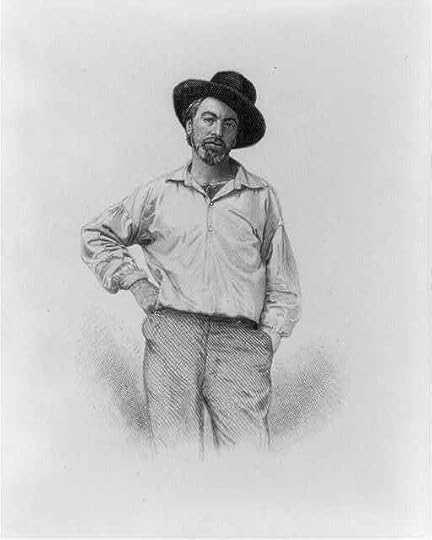
Walt Whitman (1819-1892)
I know few more melancholy sights than these old men present, whom you see here and there about New York; apparently without chick or child, very poor, their lips caved in upon toothless gums, dressed in seedy and greasy clothes, and ending their lives on that just debatable ground between honorable starvation and the poor house.
Before Walt Whitman started publishing the many versions of his magnum opus Leaves of Grass in 1855, he led a rather hardscrabble life as office boy (from the age of eleven), printer's apprentice, carpenter, freelance journalist and pulp fiction writer for the many periodicals in the effervescent New York City literary scene, which was dominated by the moralistic sentimentality common in the popular literature of many countries in the mid 19th century. He cranked out his fiction pieces (and quite a few other unexpected types of lengthy prose) primarily for installment publication in the multitudinous periodicals that arose briefly and then just as swiftly disappeared, leaving no traces behind except in the extensive vaults of the Library of Congress.
No expert on Whitman's fiction, I was familiar with the existence of Franklin Evans (1842), reportedly a cautionary tale of the evils of drink. (*) I thought it was his only novel, but last summer a graduate student at the University of Houston discovered in the Library of Congress a heretofore unknown novel by Whitman, Life and Adventures of Jack Engle: An Auto-Biography; in Which the Reader Will Find Some Familiar Characters, published anonymously in six typo-laden installments in the Sunday Dispatch from March 14 to April 18, 1852.(**) Nathaniel Hawthorne, Herman Melville and Stephen Crane can rest easy, but Jack Engle is still worth the short read for those interested in Whitman. I'll explain.
Let me grant up front that much is conventional about Jack Engle, there are passages where the prose is flatly awkward, secondary characters appear and disappear to no apparent purpose, and the anticlimax is, well, underwhelming. Indeed, much seems out of control in this meandering story of young Jack - unenthusiastic apprentice to a grasping and underhanded lawyer (one of Whitman's bêtes noires) - and his many acquaintances. Yet the briefly drawn characters do emerge somewhat from the page, and the slowly revealed story of orphans cheated of their inheritance plays out differently from Dickens and is assorted with one or two additional complications. And instead of toeing the "work hard and success will come" line, Whitman emphasizes generosity, cooperation and empathy. Still, the greatest interest for me is the contrast between the conventionality of the underlying attitudes of this story compared with the remarkable unconventionality of both the form and sentiments of Leaves of Grass, which had its first tentative beginnings already in 1850. Whitman was right to leave fiction behind.
(*) Apparently it was the best selling piece he ever wrote; I have assiduously avoided opening it. In fact, Whitman himself abhorred it in later life.
(**) It appears that the only extant copy of this publication lies in the Library of Congress. Jack Engle has just been published in book form for the first time by the University of Iowa Press; however, it is available without subscription from The Walt Whitman Quarterly Review here: http://ir.uiowa.edu/wwqr/vol34/iss3/
January 20, 2019
L’avvocato e lo spazzino
Il giovane Jack passeggia nel cimitero della Trinity Church a Manhattan, contemplando quanto è scritto sulle lapidi da cui è circondato.
«In occasione del modesto funerale del vecchio Wigglesworth, dopo che tutti gli altri se ne furono andati e io rimasi da solo, trascorsi il resto di quella mattinata così piacevole e dorata, una delle giornate più belle del nostro autunno americano, passeggiando lentamente nel cimitero della Trinity Church. Mi sentivo d’umore pensieroso, senza provare, però, una tristezza profonda, e vagai da una tomba all’altra, e talvolta copiai delle iscrizioni. […] Mentre ero immerso nelle mie riflessioni, ormai mezzogiorno era passato, e stava per iniziare il pomeriggio; ed era ora di concludere la mia visita per tornare a casa. Misi in tasca la matita e il foglio di carta sul quale avevo copiato le epigrafi, lentamente mi guardai attorno per l’ultima volta … ».
Mi piace pensare che Antonio de Curtis, un secolo dopo, con la sua 'A livella abbia voluto riannodare i fili di queste riflessioni, che qualche anno dopo l’uscita di questo libro, avrebbero portato Whitman a scrivere Foglie d’erba, il suo componimento più famoso; ma questa è un'altra storia …
Per chi non litiga con l’inglese … http://www.youtube.com/watch?v=5IE17z...
È sempre un piacere, vecchio mio.
Il giovane Jack passeggia nel cimitero della Trinity Church a Manhattan, contemplando quanto è scritto sulle lapidi da cui è circondato.
«In occasione del modesto funerale del vecchio Wigglesworth, dopo che tutti gli altri se ne furono andati e io rimasi da solo, trascorsi il resto di quella mattinata così piacevole e dorata, una delle giornate più belle del nostro autunno americano, passeggiando lentamente nel cimitero della Trinity Church. Mi sentivo d’umore pensieroso, senza provare, però, una tristezza profonda, e vagai da una tomba all’altra, e talvolta copiai delle iscrizioni. […] Mentre ero immerso nelle mie riflessioni, ormai mezzogiorno era passato, e stava per iniziare il pomeriggio; ed era ora di concludere la mia visita per tornare a casa. Misi in tasca la matita e il foglio di carta sul quale avevo copiato le epigrafi, lentamente mi guardai attorno per l’ultima volta … ».
Mi piace pensare che Antonio de Curtis, un secolo dopo, con la sua 'A livella abbia voluto riannodare i fili di queste riflessioni, che qualche anno dopo l’uscita di questo libro, avrebbero portato Whitman a scrivere Foglie d’erba, il suo componimento più famoso; ma questa è un'altra storia …
Per chi non litiga con l’inglese … http://www.youtube.com/watch?v=5IE17z...
È sempre un piacere, vecchio mio.
Read
April 9, 2020
"O içten bir şekilde güldüğünde, insanın aklına gün ışığının ve buna benzer şeylerin gelmemesi mümkün değildi."
(s.62).

Want to Read
February 21, 2017Things that were once lost...
So, a graudate student found a lost Walt Whitman novel. Pretty cool, right? The University of Iowa Press is publishing it, but they also published it on line: HERE
You can download a PDF copy, FREE!
Happy reading, friends.
So, a graudate student found a lost Walt Whitman novel. Pretty cool, right? The University of Iowa Press is publishing it, but they also published it on line: HERE
You can download a PDF copy, FREE!
Happy reading, friends.

June 6, 2017
Not particularly interesting— except for having been written by Whitman. The version I read was presented as originally published with every little typo intact and therefore riddled with irritating and intrusive [sic]s. Why not just fix the obvious little typos and footnote the other changes? As it is, the reader has to stumble through a mess.
Presenting the text in this fashion does no favours to the reader, especially one who is only marginally interested. If the original presentation was believed to be so charming, why not reproduce it exactly as it was (i.e., not littered with [sic]s)? If the desire was to acknowledge there were minor typos, why not just fix them and not make such a fuss? I was deeply confused (and distracted) by the editorial choices made here with this document.
The text itself had been forgotten for many decades—and perhaps there were good reasons for that.
Presenting the text in this fashion does no favours to the reader, especially one who is only marginally interested. If the original presentation was believed to be so charming, why not reproduce it exactly as it was (i.e., not littered with [sic]s)? If the desire was to acknowledge there were minor typos, why not just fix them and not make such a fuss? I was deeply confused (and distracted) by the editorial choices made here with this document.
The text itself had been forgotten for many decades—and perhaps there were good reasons for that.

June 10, 2017
This book is awful.
God bless Jon Hamm.
God bless Jon Hamm.

June 10, 2021
While this book did little for me, it was an opportunity to discover more about Mr. Whitman.
The story itself felt like someone trying to follow in the lines of C. Dickens, but not doing it particularly well. He was picking a bone with lawyers, and had empathy for orphans. From the ad he put in the newspaper, he was trying to be humorous and "of the day" - showing "present" New York as it was in 1852. For me it seems that being possessed of the actual context of that day and time is crucial to being in on what makes the story funny or relevant. For all its twists and turns, speedy actions and sharp observations, it is a short book; a good thing.
So, O Captain, My Captain still remains one of my favorite poems of all time, but this offering of fiction so recently discovered, well. . . .it is easy to see why academic determination has been the key element to its unearthing and revelation.
The story itself felt like someone trying to follow in the lines of C. Dickens, but not doing it particularly well. He was picking a bone with lawyers, and had empathy for orphans. From the ad he put in the newspaper, he was trying to be humorous and "of the day" - showing "present" New York as it was in 1852. For me it seems that being possessed of the actual context of that day and time is crucial to being in on what makes the story funny or relevant. For all its twists and turns, speedy actions and sharp observations, it is a short book; a good thing.
So, O Captain, My Captain still remains one of my favorite poems of all time, but this offering of fiction so recently discovered, well. . . .it is easy to see why academic determination has been the key element to its unearthing and revelation.

January 26, 2022
La voce del lettore dell’audiolibro non mi è piaciuta proprio.
Non così il romanzo.
Non così il romanzo.

May 26, 2018
Kitabı okumaya başlar başlamaz çok kibar ve tatlı bir yazarla karşı karşıya olduğumuzu anladım ve böylesine kibar ve tatlı bir yazarı tanımış olduğum için de çok mutlu oldum.
Çok sade ve çok güzel bir roman. Kesinlikle MEB’in okutulması gereken eserler listesine girmeli.
Epey uzun bir süre önce okumuş ve pek hatırlamıyor olmama rağmen kitap bana Çavdar Tarlasında Çocuklar’ı anımsattı. Sanıyorum baş karakterlerini benzettim.
Son zamanlarda Everest’in klasikler serisini çok beğeniyorum. Bu kitabı da kitabevinde kurcalarken buldum mutlaka diğer Everest klasiklerini de okuyacağım. Sizlere de tavsiye ederim.
Çok sade ve çok güzel bir roman. Kesinlikle MEB’in okutulması gereken eserler listesine girmeli.
Epey uzun bir süre önce okumuş ve pek hatırlamıyor olmama rağmen kitap bana Çavdar Tarlasında Çocuklar’ı anımsattı. Sanıyorum baş karakterlerini benzettim.
Son zamanlarda Everest’in klasikler serisini çok beğeniyorum. Bu kitabı da kitabevinde kurcalarken buldum mutlaka diğer Everest klasiklerini de okuyacağım. Sizlere de tavsiye ederim.

September 6, 2022
I loved this! What a great find it was when Zach Turpin unearthed it in the Library of Congress. It was a great rollick from one of our nation's treasures.
February 8, 2024
Ein betulicher Roman, der auf sein Happy-End nur zu warten scheint. Unausgegorene weibliche Charaktere und hölzerne Geschlechterunterschiede. Ungelenke Handlungskonstrukte mit Deus-Ex-Machina-Effekt, völliges Unverständnis für Wirtschaft und Gesellschaft.
Einzige Lichtblicke gelegentliche atmosphärische Einblicke in das New York der 1850er und ein Kapitel, das eine Binnenerzählung aus der Sicht eines Totschlägers enthält.
In gediegenem Dickensstil gehalten, aber vllig indisponiert; eine große Enttäuschung
Einzige Lichtblicke gelegentliche atmosphärische Einblicke in das New York der 1850er und ein Kapitel, das eine Binnenerzählung aus der Sicht eines Totschlägers enthält.
In gediegenem Dickensstil gehalten, aber vllig indisponiert; eine große Enttäuschung

May 24, 2017
Die Entdeckung eines verschollenen oder bisher unbekannten Manuskripts kann ebenso spannend sein wie die darin erzählte Geschichte. Walt Whitmans Roman „Jack Engles Leben und Abenteuer“ lässt sich zum Glück exakt den Arbeitsnotizen des Autors in seinem Notizbuch zuordnen. Whitman erzählt darin vom elternlosen Jack, der von Mr Forster, einem Lebensmittelkaufmann in der New Yorker Bowery, an Kindes statt aufgenommen wird. Fosters einziges Kind ist verstorben. Den eifrigen und lernwilligen Straßenjungen will Foster unbedingt fördern. Möglicherweise, um seinen eigenen Traum vom Aufstieg verwirklicht zu sehen, verschafft Foster dem Jungen eine Stelle als Botenjunge und Lehrling in der Anwaltskanzlei des Herrn Covert. Das Leben auf der Straße hat Jack gelehrt, über sein eigenes Schicksal hinauszusehen, er ist eine wirklich bemerkenswerte Persönlichkeit. Foster trägt den Ruf eines guten Menschen wie aus dem Bilderbuch vor sich her gütig, bescheiden, selbstlos. Jeder wird dem Kaufmann seinen geschäftlichen Erfolg gönnen, den er sich mit Fleiß und Zuverlässigkeit erarbeitet hat, ohne je sein Mitgefühl für weniger Begünstigte zu verlieren. Jack weiß Fosters Fürsorge zu schätzen, nur ist die Arbeit bei einem dubiosen Rechtsanwalt so gar nicht nach seinem Geschmack. Lieber würde Jack richtig arbeiten; Vorbild ist ihm sein alter Freund Tom Petersen, von Beruf Maschinenschlosser. Mit Hilfe eines betagten Bürodieners durchschaut Jack – dem selbst bisher nur Gutes widerfuhr - Covert. Er kann dieses Wissen nicht nur nutzbringend einbringen, sondern zugleich das Rätsel seiner eigenen Herkunft lösen. In Coverts Kanzlei laufen alle Fäden zusammen. In der editorischen Notiz im Anhang erfährt man, dass Whitman die Tätigkeit eines Büroboten aus eigener Anschaffung beschreibt.
Walt Whitmans vom amerikanischen Aufstiegswillen durchdrungener Stoff erinnert spontan an Dickens‘ Romane. Mit einem Abstand von 160 Jahren lässt er sich heute beinahe als historischer Roman lesen, wie kleine Leute in der Bowery lebten, wie es sich als knapp 20jähriger Adoptivsohn lebte und welchen Einfluss die Werte der Quäker im Alltag hatten. Whitmans Figuren wirken recht eindimensional, so sind Mr Foster, Jack und Martha durch und durch gut; Mr Covert dagegen ist durch und durch ein Schuft. Von einem Fortsetzungsroman wurde vermutlich erwartet, dass er die Moral der Geschichte kompakt auf kleinem Raum unterbringt. Sei vorsichtig mit deinem Urteil über andere Menschen, könnte Whitmans Botschaft lauten, selbstverständlich auch, jeder kann es schaffen, der die Ärmel hochkrempelt.
Walt Whitmans vom amerikanischen Aufstiegswillen durchdrungener Stoff erinnert spontan an Dickens‘ Romane. Mit einem Abstand von 160 Jahren lässt er sich heute beinahe als historischer Roman lesen, wie kleine Leute in der Bowery lebten, wie es sich als knapp 20jähriger Adoptivsohn lebte und welchen Einfluss die Werte der Quäker im Alltag hatten. Whitmans Figuren wirken recht eindimensional, so sind Mr Foster, Jack und Martha durch und durch gut; Mr Covert dagegen ist durch und durch ein Schuft. Von einem Fortsetzungsroman wurde vermutlich erwartet, dass er die Moral der Geschichte kompakt auf kleinem Raum unterbringt. Sei vorsichtig mit deinem Urteil über andere Menschen, könnte Whitmans Botschaft lauten, selbstverständlich auch, jeder kann es schaffen, der die Ärmel hochkrempelt.
December 3, 2019
Dieser Roman von Walt Whitman wurde 1852 anonym in einer Zeitung veröffentlicht und war danach unbekannt, bis er 2016 in einem Archiv wiederentdeckt wurde - eine Sensation! Whitman hat den Roman in seinem späteren Leben nie erwähnt, sein anderer bekannter Roman war ihm sogar peinlich. In der Tat sollte man nicht etwas von der literarischen Qualität der Gedichtsammlung "Leaves of Grass" erwarten. Der Roman war wohl mehr ein Gelegenheitswerk um Geld zu verdienen, ein für seine Zeit typischer sentimentaler Roman, in dem das Gute über das Böse triumphiert. Und trotzdem: der kurze Roman hat eine Feinheit und Liebenswürdigkeit, die eben doch den Autor ersten Ranges verrät. Das Buch ist wohl vor allem interessant, wenn man, wie ich, ein grosser Fan der "Leaves of Grass" ist, denn an manchen Stellen sieht man deutlich, wie Whitman seinen Protagonisten dieselben Reflektionen und Betrachtungen machen lässt, die auch in "Leaves of Grass" auftauchen, deren erste Version 1855 publiziert wurde. Auch Whitmans feiner Humor und Menschenliebe ist überall anzutreffen, sowie seine seiner Zeit weit vorausgehenden anti-rassistischen und anti-sexistischen Haltungen - tatsächlich "gendert" Whitman seine Sprache, lange bevor das ein Thema und eine Forderung wurde. Hochspannend fand ich, wie der Roman einen Einblick in das Leben in New York City in der Mitte des 19. Jahrhunderts gibt.
Offenbar gibt es unterdessen schon drei unterschiedliche deutsche Übersetzungen. Diese Ausgabe vom Verlag das kulturelle Gedächtnis ist von Stefan Schöberlein, wissenschaftlicher Mitarbeiter des Walt Whitman Archive an der University of Iowa und geschäftsführender Redakteur der Zeitschrift Walt Whitman Quarterly Review. Die Übersetzung liest sich gut und gibt auch Whitmans teilweise verschwurbelte Sprache gekonnt wieder. Ausserdem ist das Buch wunderschön (zu einem unglaublich günstigen Preis), mit erklärenden Anmerkungen versehen, und bietet im Anhang übersetzte Zeitungsartikel Walt Whitmans, ein informatives Nachwort des Übersetzer und eine kurze Biografie Whitmans. Ein paar wenige Druckfehler sind da zu verschmerzen. Empfehlenswert.
Offenbar gibt es unterdessen schon drei unterschiedliche deutsche Übersetzungen. Diese Ausgabe vom Verlag das kulturelle Gedächtnis ist von Stefan Schöberlein, wissenschaftlicher Mitarbeiter des Walt Whitman Archive an der University of Iowa und geschäftsführender Redakteur der Zeitschrift Walt Whitman Quarterly Review. Die Übersetzung liest sich gut und gibt auch Whitmans teilweise verschwurbelte Sprache gekonnt wieder. Ausserdem ist das Buch wunderschön (zu einem unglaublich günstigen Preis), mit erklärenden Anmerkungen versehen, und bietet im Anhang übersetzte Zeitungsartikel Walt Whitmans, ein informatives Nachwort des Übersetzer und eine kurze Biografie Whitmans. Ein paar wenige Druckfehler sind da zu verschmerzen. Empfehlenswert.
June 21, 2017
This is a lightweight, ephemeral, clumsily plotted tale whose main charm comes from the fact that its author is Walt Whitman. But I enjoyed spending an afternoon on it, and I appreciated some clever turns of phrase and glimpses of mid-nineteenth-century New York. Here's one: squads of homeless boys wander the city, wearing grown men's cast-off shoes, shuffling along so the big shoes won't fall off. Some of the boys who survive will grow up to keep that shuffle, an ingrained habit. Now there's a detail that will stay with me.

January 14, 2018
Es una novela corta, fácil y rápida de leer. Me gusta como te habla de las calles de Nueva York. No había leído nada de Whitman y me gusta. Ahora lo intentaré con su poesía.

July 29, 2019
Studying German and English literature, I’ve encountered quite a few canonical authors and read their works without every feeling like I gained much in doing so. But there are quite a few authors where, upon reading them, it becomes very evident how their arrival in the literary canon was inevitable, merely a matter of time, maybe even against some circumstances (I’m thinking here of all the gay hidden among the canonical authors, even if school teachers seem to be to scared to ever mention it). Whitman is one of them. Whitman is one of those authors where, after reading them, the one question remaining is how I didn’t get my hands on them, my heart set on them faster, and I can’t help following Turpin in borrowing from Whitman himself to express this feeling:
Some random thoughts & impressions:
-at some point, there were three characters (well, two characters and one dog) named Jack and I was very confused
-“Light laughs come from them, and jolly talk – those groups of well-dressed young men – those merry boys returning from school – clerks going home from their labors – and many a form, too of female grace and elegance.” Somehow this is just so funny to me and seems to summarise Whitman trying write straight.
-“His dying worse were, Don’t give up the ship!”. Every fandom ever.
-hilarious descriptions: I didn’t mark any and can’t find them anymore, but they are there. You’ll have to believe me.
-yet also thought-provoking and poignant: “Elegant dress frequently covers a sick soul – and the furniture of a handsome carriage may be but the trappings of misery.”
While I like this quote, if I am miserable anyway, I’d still like the pretty things, thank you.
[There were more quotes I wanted to put in here, but as I didn’t copy any and have three other reviews to write, let’s all just pretend I’ll add them at a later point.]
All of that being said, Life and Adventures of Jack Engle is hardly a novel one reads for the plot. The style of narrative reminded me a bit of Sherlock Holmes, where significantly more is being said then ever done; and yet, this was just a short and amusing read. Due to originally being serialised in a newspaper, the chapters were short, as is the novel itself, which was quite nice for an in-between read while not having much time to spend in books. The serialisation probably had its share in rendering the arc of suspense and pacing somewhat awkward, but I didn’t particularly mind.
I just really love Whitman’s language and that was also what made the novel so surprisingly entertaining to read. The mode of narration somewhat reminded me of Woolf’s Room of One’s Own, but probably just because of all the meta-commentary by a first person narrator. That’s probably just something I find hilarious as a rule.
I had originally planned on starting with the poetry (you know, the stuff he’s actually famous for), but I think I chose well by sticking to the known territory of prose for the introductory phase. I’m now really excited to read (and, of course, buy) more (pretty editions) of Whitman!
Some random thoughts & impressions:
-at some point, there were three characters (well, two characters and one dog) named Jack and I was very confused
-“Light laughs come from them, and jolly talk – those groups of well-dressed young men – those merry boys returning from school – clerks going home from their labors – and many a form, too of female grace and elegance.” Somehow this is just so funny to me and seems to summarise Whitman trying write straight.
-“His dying worse were, Don’t give up the ship!”. Every fandom ever.
-hilarious descriptions: I didn’t mark any and can’t find them anymore, but they are there. You’ll have to believe me.
-yet also thought-provoking and poignant: “Elegant dress frequently covers a sick soul – and the furniture of a handsome carriage may be but the trappings of misery.”
While I like this quote, if I am miserable anyway, I’d still like the pretty things, thank you.
[There were more quotes I wanted to put in here, but as I didn’t copy any and have three other reviews to write, let’s all just pretend I’ll add them at a later point.]
All of that being said, Life and Adventures of Jack Engle is hardly a novel one reads for the plot. The style of narrative reminded me a bit of Sherlock Holmes, where significantly more is being said then ever done; and yet, this was just a short and amusing read. Due to originally being serialised in a newspaper, the chapters were short, as is the novel itself, which was quite nice for an in-between read while not having much time to spend in books. The serialisation probably had its share in rendering the arc of suspense and pacing somewhat awkward, but I didn’t particularly mind.
I just really love Whitman’s language and that was also what made the novel so surprisingly entertaining to read. The mode of narration somewhat reminded me of Woolf’s Room of One’s Own, but probably just because of all the meta-commentary by a first person narrator. That’s probably just something I find hilarious as a rule.
I had originally planned on starting with the poetry (you know, the stuff he’s actually famous for), but I think I chose well by sticking to the known territory of prose for the introductory phase. I’m now really excited to read (and, of course, buy) more (pretty editions) of Whitman!

April 18, 2020
Ein verschollener Roman Walt Whitmans endlich wieder der Leserschaft zugänglich gemacht! Dies verdanken wir einem findigen Forscher, ansonsten wäre dieser Text wohl noch immer irgendwo im Archiv vergessen.
Der Autor der berühmten "Grashalme" hat sich mit vielen verschiedenen Textsorten befasst, somit hat er auch Romane verfasst. "Jack Engels Leben und Abenteuer " ist einer davon und zeigt stellenweise Parallelen zu Whitmans eigenem Leben ohne biographisch zu sein.
Whitman hat hier das summende Lebens New Yorks in der Mitte des 19. Jahrhunderts dargestellt. Ein Schmelztiegel von unterschiedlichen Nationen, Identitäten und Möglichkeiten. Sogleich ist man mittendrin in der Kanzlei, auf der Strasse oder im ruhigen Stadthaus.
Immer mit einem leichten Augenzwinkern erzählt, folgen wir Jack Engels, der das Geheimnis seines Namens entdeckt und mit einer bunten Schar von Gefährten Gerechtigkeit walten lässt. Zu Beginn muss die Handlung noch etwas an Fahrt aufnehmen, doch wenn es einmal rollt, dann rollt es auch.
Dies liegt vor allem daran, dass sich die Figuren, sobald sie richtig eingeführt worden sind, prächtig entwickeln und erst mit der Zeit ihr wahres Potenzial entfalten. Ab da ist das Lesen ein richtiger Genuss. Zumindest wenn man solche zeitgeschichtlichen Dokumente im Stile Charles Dickens' mag.
Dies ist bei mir der Fall und nach dem etwas holprigen Start mochte ich das Buch immer mehr.
Der Autor der berühmten "Grashalme" hat sich mit vielen verschiedenen Textsorten befasst, somit hat er auch Romane verfasst. "Jack Engels Leben und Abenteuer " ist einer davon und zeigt stellenweise Parallelen zu Whitmans eigenem Leben ohne biographisch zu sein.
Whitman hat hier das summende Lebens New Yorks in der Mitte des 19. Jahrhunderts dargestellt. Ein Schmelztiegel von unterschiedlichen Nationen, Identitäten und Möglichkeiten. Sogleich ist man mittendrin in der Kanzlei, auf der Strasse oder im ruhigen Stadthaus.
Immer mit einem leichten Augenzwinkern erzählt, folgen wir Jack Engels, der das Geheimnis seines Namens entdeckt und mit einer bunten Schar von Gefährten Gerechtigkeit walten lässt. Zu Beginn muss die Handlung noch etwas an Fahrt aufnehmen, doch wenn es einmal rollt, dann rollt es auch.
Dies liegt vor allem daran, dass sich die Figuren, sobald sie richtig eingeführt worden sind, prächtig entwickeln und erst mit der Zeit ihr wahres Potenzial entfalten. Ab da ist das Lesen ein richtiger Genuss. Zumindest wenn man solche zeitgeschichtlichen Dokumente im Stile Charles Dickens' mag.
Dies ist bei mir der Fall und nach dem etwas holprigen Start mochte ich das Buch immer mehr.

April 19, 2017
Cuando leí la noticia del descubrimiento de la única novela escrita por el poeta Walt Whitman, supe que la leería. Lo que desconocía es que sería tan pronto, apenas dos meses después de su hallazgo, así que la emoción y el respeto me embargaban.
Qué decir de Vida y aventuras de Jack Engle: una pequeña joya.
Se trata de un recorrido por la Nueva York de mediados del siglo XIX, en la que nos encontraremos con un abanico de personajes de tono claramente dickensiano; malvados de corazón oscuro, personas luminosas, los humildes contra los poderoso, infancias marcadas por la ausencia de los padres... sin duda la novela tiene su referente en Dickens, pero pese a ello mantiene su propia esencia, en la que Whitman ya arroja algunos temas que más tarde abordaría en su obra más famosa, Hojas de hierba. Todo concentrado en una narración ágil a modo de ficción biográfica en la que Jack Engle nos explica su particular historia con un tono cercano al del cuento.
Sin duda es una lectura amena, que se devora en una tarde y que hará las delicias de todos los enamorados del poeta norteamericano que, por una vez, se vistió de novelista.
Qué decir de Vida y aventuras de Jack Engle: una pequeña joya.
Se trata de un recorrido por la Nueva York de mediados del siglo XIX, en la que nos encontraremos con un abanico de personajes de tono claramente dickensiano; malvados de corazón oscuro, personas luminosas, los humildes contra los poderoso, infancias marcadas por la ausencia de los padres... sin duda la novela tiene su referente en Dickens, pero pese a ello mantiene su propia esencia, en la que Whitman ya arroja algunos temas que más tarde abordaría en su obra más famosa, Hojas de hierba. Todo concentrado en una narración ágil a modo de ficción biográfica en la que Jack Engle nos explica su particular historia con un tono cercano al del cuento.
Sin duda es una lectura amena, que se devora en una tarde y que hará las delicias de todos los enamorados del poeta norteamericano que, por una vez, se vistió de novelista.

February 3, 2021
dakle, život i pustolovine džeka engla - roman u delovima, objavljivan u novinama. vitmana nisam do sad čitala, sem delova vlati trave, pa ne mogu da poredim baš, a ni ne želim. svakako se vidi da je osmišljeno da se objavljuje u delovima, ali mi se dopada to povremeno narušavanje književnih dimenzija sa direktnim obraćanjem čitaocima i čitateljkama 3,5 od mene

April 9, 2017
A quick read to start off the Spring. A rags to riches story, with a great similarities to Dickens, takes place in New York City during the 1800's. With humor and wit this tale is a nice visit to Whitman before he became the writer we all know and love.

August 13, 2017
This is a newly discovered novella by Walt Whitman, and enjoying this book is all about having the context for it. Because if you want the best of Walt Whitman, you really should read his poetry; if you want a rags to riches story, read Charles Dickens or so many other authors. What this book provides is a look into an author's mind, an intersection of genres and literary traditions, and experiment that gives a writer from point A to point B. Before reading the novella, I actually read the critical essay on it by the person who discovered it. Having this context is so very useful, and you can download both the essay and the novella for free on the Walt Whitman Quarterly Review.
We read this for book group, and I put together a collection of accompanying Walt Whitman poetry that I thought complimented the novella. Here's the list, and you should be able to find all of the poems online:
-"Continuities"
-"I Sit and Look Out"
-"When I Read the Book"
-"We Two, How Long We Were Fool'd"
-"To Think of Time" (1855 version)
-The first two sections of "Song of Myself" (1892 version) and the beginning of it from the 1855 version
What is interesting to me is that some of the worst parts of the book, from a novel standpoint, are the most poetic, and have a lot in common with the first edition of Leaves of Grass. In other words, what he's doing isn't necessarily helping his novel, but it is developing his poetic style.
If you read later editions of Leaves of Grass the form has shifted, but in the first edition, many of the poems have a very prose-like look to them. Take, for example, the poem, "To Think of Time," (from the 1855 edition of Leaves of Grass), which reads very similarly to the cemetery chapter in Jack Engle:
We read this for book group, and I put together a collection of accompanying Walt Whitman poetry that I thought complimented the novella. Here's the list, and you should be able to find all of the poems online:
-"Continuities"
-"I Sit and Look Out"
-"When I Read the Book"
-"We Two, How Long We Were Fool'd"
-"To Think of Time" (1855 version)
-The first two sections of "Song of Myself" (1892 version) and the beginning of it from the 1855 version
What is interesting to me is that some of the worst parts of the book, from a novel standpoint, are the most poetic, and have a lot in common with the first edition of Leaves of Grass. In other words, what he's doing isn't necessarily helping his novel, but it is developing his poetic style.
If you read later editions of Leaves of Grass the form has shifted, but in the first edition, many of the poems have a very prose-like look to them. Take, for example, the poem, "To Think of Time," (from the 1855 edition of Leaves of Grass), which reads very similarly to the cemetery chapter in Jack Engle:
To think of time . . . . to think through the retrospection,
To think of today . . and the ages continued henceforward.
Have you guessed you yourself would not continue? Have you dreaded those earth-beetles?
Have you feared the future would be nothing to you?
Is today nothing? Is the beginningless past nothing?
If the future is nothing they are just as surely nothing.
To think that the sun rose in the east . . . . that men and women were flexible and real and alive . . . . that every thing was real and alive;
To think that you and I did not see feel think nor bear our part,
To think that we are now here and bear our part.
Not a day passes . . not a minute or second without an accouchement;
Not a day passes . . not a minute or second without a corpse.
When the dull nights are over, and the dull days also,
When the soreness of lying so much in bed is over,
When the physician, after long putting off, gives the silent and terrible look for an answer,
When the children come hurried and weeping, and the brothers and sisters have been sent for,
When medicines stand unused on the shelf, and the camphor-smell has pervaded the rooms,
When the faithful hand of the living does not desert the hand of the dying,
When the twitching lips press lightly on the forehead of the dying,
When the breath ceases and the pulse of the heart ceases,
Then the corpse-limbs stretch on the bed, and the living look upon them,
They are palpable as the living are palpable.

February 15, 2023
Audio book narrated (perfectly) by Jon Hamm.
In the afterward Turpin states there may be more of this novel to be found. It certainly reads that way as, at times, it is a tad rambling and inconsistent.
In the afterward Turpin states there may be more of this novel to be found. It certainly reads that way as, at times, it is a tad rambling and inconsistent.

March 6, 2020
As delightful as it is inconsequential or vice versa. Two nice orphans who have been defrauded of their inheritance by evil lawyer Mr Covert (ha ha!) fight back with the help of various good people (street urchin Nat, old clerk Wigglesworth, Jack Engle's foster father Mr Foster and Spanish dancer Inez) and find true love in the process. Jack Engle comes into sudden possession of money left to him by the man who accidentally killed his father. It troubled me that in the last but one paragraph of the story, the only 2 Jewish characters are accused of having been in collusion with Covert: "Madame Seligny, almost on the heels of Covert's sudden departure, went abroad; she said, for the purpose of taking possession go an inheritance. What truth there was in that part of the stay I know not. But Rebecca accompanied her, and that forever broke up the pleasant intamincy between Tom Peterson and the pretty Jewess." ("Good-bye, Jews!", as they say in "Shoah"). But I guess that reflexive anti-semitism is just one of the many clichés in a text which was initially serialized in an unimportant Sunday newspaper, and has only seen the light of print again because it was written by Walt Whitman. One of the best scenes is a leisurely ramble Jack Engle takes through a graveyard after Wigglesworth's funeral. Although it doesn't further the plot in any way, it has a lovely melancholy tone to it.

October 13, 2021
This ‘lost novel’ of Walt Whitman’s was published anonymously in serialized form in the New York Sunday Dispatch, so it’s a minor miracle it was recently discovered by Zachary Turpin. It’s a bit of a cross between a Charles Dickens coming of age tale and the American colloquialism and humor of Mark Twain, though critics would (probably rightfully) point out it’s a pretty thin version of both. And yet, how nice to read prose from Whitman, and see in it his humanity and optimism. The villain of the story is a lawyer, whose treatment of a carpenter mirrored what was done to Whitman’s own father. Chapter 19, when the protagonist wanders around the Trinity Church Cemetery, musing over life and death and noting the (real) tombstone inscription for Alexander Hamilton is fantastic, although it seemed a little out of place to the rest of the novel. Had Whitman become a novelist instead of a poet, I could see him fleshing all this out, and adding more of this kind of writing. As a story on its own, it’s pretty average, and includes the usual sorts of coincidences that one so often finds in 19th century fiction. As a window into Whitman in 1852, just three years before he would first publish his masterpiece, ‘Leaves of Grass’, it’s fascinating.
July 6, 2020
Zapomniane książki. Niewydane rękopisy, upchnięte przez aspirujących pisarzy na dnie kufrów. Czy może – co zdaje się typowe dla literatury XIX wieku – teksty opublikowane w tym czy innym czasopiśmie. Autor otrzymał jednorazową tantiemę – bądź nie; wiadomo bowiem, jak to z wydawcami bywało i bywa – zapłacił za komorne, absynt, dług karciany albo worek kartofli – i o tekście zapomniał. Zdarzyć się również mogło, że autor dziewiętnastowieczny, spóźniwszy się na pociąg czy podwodę, utknął w szynku z notesem i ołówkiem. Dla produktywnego spożytkowania czasu napisał naprędce coś, co tłukło mu się w głowie ostatnimi dniami, nie myśląc koniecznie o potomności, ale o alternatywie wielogodzinnego marnotrawstwa czasu i kilku kopiejkach więcej w kieszeni (akurat, aby opłacić pite właśnie chrzczone piwo, czy za czym tam ów nasz wiekopomny artysta przepadał).
W podobny sposób aspirujący poeta spłodzi krótką powieść do czasopisma i przez jakiś czas utrzymywał się będzie z tantiem jako alternatywy do innych fizycznych robót bądź głodowania i opalania mieszkania na poddaszu manuskryptami na wzór bohaterów "Cyganerii" Pucciniego. Tymczasem my, koneserzy nazwisk, fanatycy odkrywania zaginionych skarbów co jakiś czas wstrząsamy światem literackim: młodzieńcza powieść Lema! Nigdy dotąd nieopublikowana! Nieznane opowiadanie Arthura Conana Doyle'a! Czy też ostatnio: powieść pióra Walta Whitmana! Pierwsze dzieło!
Czytelnik bawi się w poszukiwania pirackiego skarbu, ufając, że któreś z tych zapomnianych i nowo odkrytych dzieł okaże się przebłyskiem geniuszu, z którego autor nie zdawał sobie sprawy albo wręcz z premedytacją nie dopuszczał szerszego grona odbiorców do tekstu. Podniecając się tak z powodu przypadkowych odkryć, po części zarzucamy autorowi brak możności oceny jakości własnej twórczości; kwestie literaturoznawcze odłożyłabym tutaj na bok. Pragniemy też poczuć cień podniecenia, jaki towarzyszył włoskim humanistom, przygotowującym editiones principes nieznanych w średniowieczu dzieł starożytnych albo badaczom papirusów herkulańskich (co ciekawe na papirologię herkulańską brakuje funduszy, podczas gdy prawdopodobieństwo odkrycia nieznanych arcydzieł jest o wiele większe niż w rozgrzebywaniu XIX wieku).
Rzecz jasna wylewa się potem fala krytyki tego zapomnianego arcydziełka; czytelnik znowu odkrywa, że nawet późniejszy geniusz nastolatkiem będąc dzieł wiekopomnych nie pisał. Wyniknąć z tego może ostrzeżenie dla pisarzy: pókiście zdrowi i silni, zniszczcie swoje pierwsze wprawki literackie! A nuż ten czy inny wnuk postanowi wyciągnąć te czy inne trzymane z sentymentu teksty, by ulżyć sobie przy spłatach kredytu? Po lekturze "Saturna" Jacka Dehnela coraz częściej ogarniają mnie wątpliwości, ile tak naprawdę odkrywa świat literacki w podobnych przypadkach.
Mamy oto młodego Whitmana i jego całkiem czytelne dziełko. "Życie i przygody Jacka Engle'a", opublikowane w roku 1852, opowiadają historię prostą, lekką i nieporywającą. Sam tytuł wprowadza w błąd, jest to bowiem do bólu jednowątkowa historia o małym włóczędze, adoptowanym przez nowojorskich, przesłodzonych sklepikarzy, przypominających do złudzenia amerykańską wersję (późniejszego) księdza Benvenuto. Jack Engle w wieku dorosłym podejmie naukę zawodu prawniczego i właśnie w swej pierwszej kancelarii pozna tajemnicę swojego pochodzenia, podaną mu przez dobrą duszę na srebrnej tacy. Brak jakichkolwiek zwrotów akcji rekompensuje poetycki styl, mistrzowsko oddany przez tłumacza, Szymona Żuchowskiego (ostatecznie młody geniusz postanowił sięgnąć po pióro i sprawdzić, na co ćwiczył się w kaligrafii) oraz kilka stosunkowo udanych portretów psychologicznych postaci.
"Życie i przygody Jacka Engle'a" to nic innego jak właśnie wprawka pisarska. Fakt, że ją znamy, nie czyni świata literackiego lepszym, nic dziwnego więc – do czego nie przyznają się na głos zapaleni whitmanolodzy – że sam Whitman puścił w niepamięć swój debiut. Wpasowuje się w ówczesne nurty literackie i można pokusić się o stwierdzenie, że na podium wysuwa ją tylko nazwisko autora, zabarwione późniejszymi dokonaniami. Jak wiemy - a raczej, jak nam się zdaje, że wiemy – Whitman nie próbował się później z tak modną w jego epoce wielkoformatową prozą, widocznie sam niezbyt przekonany o własnych możliwościach w tym gatunku.
Szkoda tylko, że polskie wydanie Biura Literackiego nie udostępniło wstępu Zachary'ego Turpina o odkryciu "Życia i przygód Jacka Engle'a", a także, że nie dopieściło redakcji wydania. Z poetyckim przekładem kolidują dozwolone dopiero od niedawna przez usum mało literackie formy jak "oboma" odnośnie rodzaju żeńskiego. Brakowało mi również tytułu oryginału, podstawy przekładu czy adnotacji o zdjęciu na okładce. Drobiazgi to wprawdzie, czynią jednak książkę, po którą sięgają raczej literaturoznawcy, trudną w użyciu w pracy naukowej.
Tymczasem wnuk Ernesta Hemingwaya natrafił na starszą wersję noweli "Stary człowiek i morze" i zafundował kolejną sensację literackiemu światkowi.
W podobny sposób aspirujący poeta spłodzi krótką powieść do czasopisma i przez jakiś czas utrzymywał się będzie z tantiem jako alternatywy do innych fizycznych robót bądź głodowania i opalania mieszkania na poddaszu manuskryptami na wzór bohaterów "Cyganerii" Pucciniego. Tymczasem my, koneserzy nazwisk, fanatycy odkrywania zaginionych skarbów co jakiś czas wstrząsamy światem literackim: młodzieńcza powieść Lema! Nigdy dotąd nieopublikowana! Nieznane opowiadanie Arthura Conana Doyle'a! Czy też ostatnio: powieść pióra Walta Whitmana! Pierwsze dzieło!
Czytelnik bawi się w poszukiwania pirackiego skarbu, ufając, że któreś z tych zapomnianych i nowo odkrytych dzieł okaże się przebłyskiem geniuszu, z którego autor nie zdawał sobie sprawy albo wręcz z premedytacją nie dopuszczał szerszego grona odbiorców do tekstu. Podniecając się tak z powodu przypadkowych odkryć, po części zarzucamy autorowi brak możności oceny jakości własnej twórczości; kwestie literaturoznawcze odłożyłabym tutaj na bok. Pragniemy też poczuć cień podniecenia, jaki towarzyszył włoskim humanistom, przygotowującym editiones principes nieznanych w średniowieczu dzieł starożytnych albo badaczom papirusów herkulańskich (co ciekawe na papirologię herkulańską brakuje funduszy, podczas gdy prawdopodobieństwo odkrycia nieznanych arcydzieł jest o wiele większe niż w rozgrzebywaniu XIX wieku).
Rzecz jasna wylewa się potem fala krytyki tego zapomnianego arcydziełka; czytelnik znowu odkrywa, że nawet późniejszy geniusz nastolatkiem będąc dzieł wiekopomnych nie pisał. Wyniknąć z tego może ostrzeżenie dla pisarzy: pókiście zdrowi i silni, zniszczcie swoje pierwsze wprawki literackie! A nuż ten czy inny wnuk postanowi wyciągnąć te czy inne trzymane z sentymentu teksty, by ulżyć sobie przy spłatach kredytu? Po lekturze "Saturna" Jacka Dehnela coraz częściej ogarniają mnie wątpliwości, ile tak naprawdę odkrywa świat literacki w podobnych przypadkach.
Mamy oto młodego Whitmana i jego całkiem czytelne dziełko. "Życie i przygody Jacka Engle'a", opublikowane w roku 1852, opowiadają historię prostą, lekką i nieporywającą. Sam tytuł wprowadza w błąd, jest to bowiem do bólu jednowątkowa historia o małym włóczędze, adoptowanym przez nowojorskich, przesłodzonych sklepikarzy, przypominających do złudzenia amerykańską wersję (późniejszego) księdza Benvenuto. Jack Engle w wieku dorosłym podejmie naukę zawodu prawniczego i właśnie w swej pierwszej kancelarii pozna tajemnicę swojego pochodzenia, podaną mu przez dobrą duszę na srebrnej tacy. Brak jakichkolwiek zwrotów akcji rekompensuje poetycki styl, mistrzowsko oddany przez tłumacza, Szymona Żuchowskiego (ostatecznie młody geniusz postanowił sięgnąć po pióro i sprawdzić, na co ćwiczył się w kaligrafii) oraz kilka stosunkowo udanych portretów psychologicznych postaci.
"Życie i przygody Jacka Engle'a" to nic innego jak właśnie wprawka pisarska. Fakt, że ją znamy, nie czyni świata literackiego lepszym, nic dziwnego więc – do czego nie przyznają się na głos zapaleni whitmanolodzy – że sam Whitman puścił w niepamięć swój debiut. Wpasowuje się w ówczesne nurty literackie i można pokusić się o stwierdzenie, że na podium wysuwa ją tylko nazwisko autora, zabarwione późniejszymi dokonaniami. Jak wiemy - a raczej, jak nam się zdaje, że wiemy – Whitman nie próbował się później z tak modną w jego epoce wielkoformatową prozą, widocznie sam niezbyt przekonany o własnych możliwościach w tym gatunku.
Szkoda tylko, że polskie wydanie Biura Literackiego nie udostępniło wstępu Zachary'ego Turpina o odkryciu "Życia i przygód Jacka Engle'a", a także, że nie dopieściło redakcji wydania. Z poetyckim przekładem kolidują dozwolone dopiero od niedawna przez usum mało literackie formy jak "oboma" odnośnie rodzaju żeńskiego. Brakowało mi również tytułu oryginału, podstawy przekładu czy adnotacji o zdjęciu na okładce. Drobiazgi to wprawdzie, czynią jednak książkę, po którą sięgają raczej literaturoznawcy, trudną w użyciu w pracy naukowej.
Tymczasem wnuk Ernesta Hemingwaya natrafił na starszą wersję noweli "Stary człowiek i morze" i zafundował kolejną sensację literackiemu światkowi.

August 28, 2017
Walt Whitman ist der Dichter Amerikas; sein Lebenswerk "Grashalme" und daraus wiederum "O Captain! My Captain!" sind untrennbar mit der amerikanischen Literaturgeschichte verbunden. Umso größer war die Aufregung als ein 1852 veröffentlichter Fortsetzungsroman 165 Jahre später Walt Whitman zugeordnet werden konnte.
In "Jack Engles Leben und Abenteuer" erzählt eben jener Jack Engles auszugsweise aus seinem Leben. Im Alter von zehn Jahren beginnt seine Geschichte, sein Leben, als ihn sein Weg vor die Türe des Milchhändlers Ephraim Foster führt. Jack ist einer von unzähligen heimatlosen Minderjährigen, die allein, auf sich selbst gestellt, ihr Leben meistern müssen. Selbstbewusst bittet er Ephraim Foster um ein Frühstück, weder frech noch fordernd, eher dem Herzen dieses Mannes, der ihm bisher gänzlich unbekannt ist, vertrauend. Und sein Gespür soll ihn nicht trügen. Ephraim und seine Frau Violet nehmen den kleinen Herumtreiber auf. Sie schenken ihm ein Heim, Liebe, Sicherheit und Güte.
Im Alter von zwanzig Jahren tritt Jack eine Stelle bei Mr. Covert, einem erfolgreichen aber dubiosen Rechtsanwalt an. Obwohl ihn diese Berufswahl alles andere als begeistert, kann er sich dem innigsten Wunsch Ephraim Fosters nicht widersetzen. Folglich tritt er Tag für Tag fügsam zum Dienst an. Seine Welt wird um Kanzleidiener, Laufburschen, Wall Street Spekulanten, Politiker, Tänzerinnen.Prediger und die damals wie heute pulsierende Vitalität New Yorks bereichert. Bald schon wird er mit Hinweisen auf seine Herkunft konfrontiert. Jack, der keinerlei Anhaltspunkte zu seiner Vergangenheit hatte, erfährt durch viele akribisch zusammengetragene Teilchen von einer Geschichte, die Mord, Betrug und Verrat im Übermaß beinhaltet. Auch kreuzt er immer wieder die Wege zweier Damen, die, wie er zu seiner Freude erfahren wird, ebenfalls mit ihm von Geburt an verbunden sind.
"Jack Engles Leben und Abenteuer" erinnert in vielerlei Hinsicht an die Romane von Charles Dickens. Die Metropolen New York und London bilden den Rahmen für Geschichten, die von ihren Gegensätzen leben: Reich und Arm, Gut und Böse, Wahrheit und Lüge, Vertrauen und Verrat. Walt Whitmans Figuren sind weicher gezeichnet als die von Charles Dickens. Die Bösewichte sind nicht ganz so abgrundtief böse. Als Leser kann man ihrem Handeln und Tun leichter folgen. Sie werden von Habgier und Egoismus angetrieben, doch sind sie letztendlich menschlicher als der typische Dickens-Bösewicht. Der gesamte Roman wird von einem positiven Grundton durchzogen. Der Glaube an eine bessere Zukunft, heute wie damals typisch amerikanisch, treibt jeden an.
Mein Lieblingskapitel ist Kapitel 19. In diesem gönnt sich Jack Engles eine Auszeit auf dem Friedhof der Trinity Church. Heute wie damals ist die Trinity Church in unmittelbarer Nachbarschaft zur Hektik rund um die Wall Street gelegen. Diese Kirche und der kleine Friedhof mit seinen verwitterten Grabsteinen und hohen Bäumen ist eine Insel der Ruhe inmitten der niemals schlafenden Metropole New York. Ob eine Querstraße weiter millionenschwere Geschäfte gemacht werden oder Polizeiwagen vorbeirasen, dort spielt es keine Rolle.
Walt Whitman erzählt nicht nur die Geschichte Jack Engles, er erzählt auch von New York selbst.
In "Jack Engles Leben und Abenteuer" erzählt eben jener Jack Engles auszugsweise aus seinem Leben. Im Alter von zehn Jahren beginnt seine Geschichte, sein Leben, als ihn sein Weg vor die Türe des Milchhändlers Ephraim Foster führt. Jack ist einer von unzähligen heimatlosen Minderjährigen, die allein, auf sich selbst gestellt, ihr Leben meistern müssen. Selbstbewusst bittet er Ephraim Foster um ein Frühstück, weder frech noch fordernd, eher dem Herzen dieses Mannes, der ihm bisher gänzlich unbekannt ist, vertrauend. Und sein Gespür soll ihn nicht trügen. Ephraim und seine Frau Violet nehmen den kleinen Herumtreiber auf. Sie schenken ihm ein Heim, Liebe, Sicherheit und Güte.
Im Alter von zwanzig Jahren tritt Jack eine Stelle bei Mr. Covert, einem erfolgreichen aber dubiosen Rechtsanwalt an. Obwohl ihn diese Berufswahl alles andere als begeistert, kann er sich dem innigsten Wunsch Ephraim Fosters nicht widersetzen. Folglich tritt er Tag für Tag fügsam zum Dienst an. Seine Welt wird um Kanzleidiener, Laufburschen, Wall Street Spekulanten, Politiker, Tänzerinnen.Prediger und die damals wie heute pulsierende Vitalität New Yorks bereichert. Bald schon wird er mit Hinweisen auf seine Herkunft konfrontiert. Jack, der keinerlei Anhaltspunkte zu seiner Vergangenheit hatte, erfährt durch viele akribisch zusammengetragene Teilchen von einer Geschichte, die Mord, Betrug und Verrat im Übermaß beinhaltet. Auch kreuzt er immer wieder die Wege zweier Damen, die, wie er zu seiner Freude erfahren wird, ebenfalls mit ihm von Geburt an verbunden sind.
"Jack Engles Leben und Abenteuer" erinnert in vielerlei Hinsicht an die Romane von Charles Dickens. Die Metropolen New York und London bilden den Rahmen für Geschichten, die von ihren Gegensätzen leben: Reich und Arm, Gut und Böse, Wahrheit und Lüge, Vertrauen und Verrat. Walt Whitmans Figuren sind weicher gezeichnet als die von Charles Dickens. Die Bösewichte sind nicht ganz so abgrundtief böse. Als Leser kann man ihrem Handeln und Tun leichter folgen. Sie werden von Habgier und Egoismus angetrieben, doch sind sie letztendlich menschlicher als der typische Dickens-Bösewicht. Der gesamte Roman wird von einem positiven Grundton durchzogen. Der Glaube an eine bessere Zukunft, heute wie damals typisch amerikanisch, treibt jeden an.
Mein Lieblingskapitel ist Kapitel 19. In diesem gönnt sich Jack Engles eine Auszeit auf dem Friedhof der Trinity Church. Heute wie damals ist die Trinity Church in unmittelbarer Nachbarschaft zur Hektik rund um die Wall Street gelegen. Diese Kirche und der kleine Friedhof mit seinen verwitterten Grabsteinen und hohen Bäumen ist eine Insel der Ruhe inmitten der niemals schlafenden Metropole New York. Ob eine Querstraße weiter millionenschwere Geschäfte gemacht werden oder Polizeiwagen vorbeirasen, dort spielt es keine Rolle.
Walt Whitman erzählt nicht nur die Geschichte Jack Engles, er erzählt auch von New York selbst.
July 19, 2021
If I had picked up this book in hopes of a thrilling plot, I'd have been dreadfully disappointed. Thankfully, I was mostly just curious what Whitman sounds like as a novelist rather than a poet. My succinct answer is "not good," but that's in part because of the way it was originally published, one chapter at a time in a NY newspaper. This accounts for the goofy-sounding chapter "titles" that sound like author's notes (eg. Chapter VI-- The dancing girl on a benefit night: I introduce the reader to the valuable acquaintance of J. Fitzmore Smytthe"), which at first I thought were meant to satirically poke fun at novels. While the preface helped me understand that the real reason was probably to refresh readers' minds each week, it was no less annoying to read the chapters back to back with that type of note before every chapter, especially combined with the narration within the chapters themselves. Whitman makes a stylistic choice to break the 4th wall constantly, having his narrator, Jack, address the reader and draw dramatic attention to foreshadowing. Again, it was so overt that I thought it must be satirical. At times, I could appreciate it as something clever and amusing, but I think the huge downside was that I was too aware of the narration to enjoy the story. I was constantly being reminded that I was a reader and Jack was a narrator, rather than getting to become immersed in the setting and plot (though, admittedly, neither is robust anyway).
I kept reading "Life and Adventures" for the exact same reason I kept reading Harper Lee's notoriously underwhelming "Go Set a Watchman": I am such a big fan of the author's best work that I want to read more of their lesser-known works, especially those that are newly "discovered." Just as I did towards Harper Lee, I do feel a greater affinity towards Whitman after reading this book, which makes it worth having finished it. There was one chapter towards the end that sounded so much like his poetry--gushing with admiration for America and the common man-- that I was able to recognize the author I was looking for. I wish that the entirety of "Life and Adventures" had been as detailed & developed in its setting and reflections as that single chapter was. Alas, it was a very thin plot conveyed in a fragmented yet long-winded manner.
If you enjoy the language and style of Civil War era literature and/or have a strong interest in Whitman, I recommend the book, but otherwise I think it's boring at best and potentially even frustrating as a novel.
I kept reading "Life and Adventures" for the exact same reason I kept reading Harper Lee's notoriously underwhelming "Go Set a Watchman": I am such a big fan of the author's best work that I want to read more of their lesser-known works, especially those that are newly "discovered." Just as I did towards Harper Lee, I do feel a greater affinity towards Whitman after reading this book, which makes it worth having finished it. There was one chapter towards the end that sounded so much like his poetry--gushing with admiration for America and the common man-- that I was able to recognize the author I was looking for. I wish that the entirety of "Life and Adventures" had been as detailed & developed in its setting and reflections as that single chapter was. Alas, it was a very thin plot conveyed in a fragmented yet long-winded manner.
If you enjoy the language and style of Civil War era literature and/or have a strong interest in Whitman, I recommend the book, but otherwise I think it's boring at best and potentially even frustrating as a novel.

July 6, 2019
The main thing that makes this novel interesting is that it was written by Walt Whitman. It is not totally without merit. The story and characters are good enough, but not particularly original. It has been compared to Dickens in its use of orphans, evil lawyers, innocent wronged girls and rags to riches. Dickens certainly used these elements, but they were not the things that made Dickens great. For me Dickens' greatness was in his wonderful use of language, his supporting characters, his improbable plot twists and the fantastic original small details and digressions. There is none of that in Whitman's novel, though there are a few places where the writing is so good that I could sense that it came from the same pen as "Leaves of Grass." I am thinking in particular of the description of Calvin Peterson at a prayer meeting and Jack's walk through the graveyard at Trinity Church.
In the past two years I have read prose works by two other great poets -- Rilke's "Notebooks of Malte Laurids Brigge" and a collection of short prose works by Osip Mandelshtam. I can appreciate the greatness of both Rilke and Mandelshtam as poets though as a reader, I have found their poetry more difficult than rewarding. But the prose works of both of them had a poet's attention to detail and care of expression that elevated my admiration and appreciation for the material. In Whitman's case, I felt that he was mostly just having fun in writing this novel and was paying a bit less attention than in his poetry. But it's hardly an embarassment and worth the small effort it takes to read this short work for anyone who is interested in Whitman.
In the past two years I have read prose works by two other great poets -- Rilke's "Notebooks of Malte Laurids Brigge" and a collection of short prose works by Osip Mandelshtam. I can appreciate the greatness of both Rilke and Mandelshtam as poets though as a reader, I have found their poetry more difficult than rewarding. But the prose works of both of them had a poet's attention to detail and care of expression that elevated my admiration and appreciation for the material. In Whitman's case, I felt that he was mostly just having fun in writing this novel and was paying a bit less attention than in his poetry. But it's hardly an embarassment and worth the small effort it takes to read this short work for anyone who is interested in Whitman.

November 24, 2017
Jack Engle is an unexpected treasure, a short novel that Whitman completed and published in six serial installments in an obscure New York newspaper just as he was completing Leaves of Grass. The historical interest of the work is enormous, and it fills out our impression of Whitman as a dabbler in disparate forms, as one who contradicts and contains multitudes.
One gets the impression that Walt Whitman disliked lawyers. The novel's moral universe is rather simplistic, suggestive of melodrama and Dickens and Melville's Bartleby. Plucky young Jack takes up the practice of law and unsurprisingly finds villainy and corruption. There is a damsel in distress, a band of good comrades (including a brave lad and his loyal dog), a dying gentleman who does one good deed before he expires-- in short, we are presented with disquieting wrongs and poetic justice rains down.
And the voice of Whitman is there, if in unaccustomed form. New York, as a scene of the evils of society, gives way to New York as proving ground and catalyst for the young (white) male self. Barbaric yawps ultimately prevail over diabolical scribblings.
One gets the impression that Walt Whitman disliked lawyers. The novel's moral universe is rather simplistic, suggestive of melodrama and Dickens and Melville's Bartleby. Plucky young Jack takes up the practice of law and unsurprisingly finds villainy and corruption. There is a damsel in distress, a band of good comrades (including a brave lad and his loyal dog), a dying gentleman who does one good deed before he expires-- in short, we are presented with disquieting wrongs and poetic justice rains down.
And the voice of Whitman is there, if in unaccustomed form. New York, as a scene of the evils of society, gives way to New York as proving ground and catalyst for the young (white) male self. Barbaric yawps ultimately prevail over diabolical scribblings.

May 20, 2017
A "lost" novel by Walt Whitman, written in 1852. The great poet seems to be channeling Charles Dickens. -- Young Jack Engel is an orphan, raised by a loving grocer and his wife. He is apprenticed (none-too-enthusiastically on his part) to a rather shady Quaker lawyer named Covert, who, it turns out, may know more about Jack's origins than he is letting on. Jack meets an assortment of characters -- among them Covert's reformed-drunk clerk Wigglesworth (who plays a crucial role in uncovering Jack's background), the mysteriously beautiful Spanish dancer Inez, the stalwart friend Tom Peterson, and the lovely Martha, Covert's young ward (who seems strangely familiar to Jack). -- Virtue is rewarded and villainy punished (somewhat) by the end of book. Somewhat confusing in places and rather slight, but still enjoyable enough. One wonders what sort of novelist Whitman might have become, had not the muses of poetry beckoned more strongly...
Displaying 1 - 30 of 71 reviews