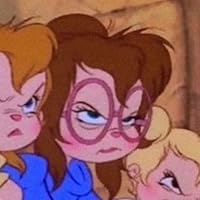
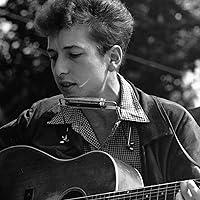
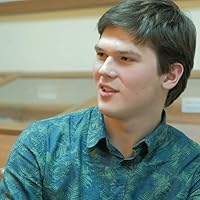
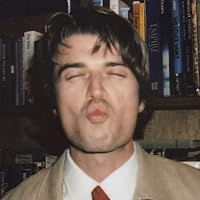
This dramaticule is Samuel Beckett’s most recent play and his shortest to date, written at a time when his prose is also appearing in a highly condensed form. In spite of its brevity it contains a poignancy and a directness that puts it on a level with his longer drama, and it requires a precision of acting and direction that is not easily found. The illustrations are taken from the first Berlin production, directed by Derek Mendel, but Come and Go, which unlike most of Mr Beckett’s plays was written in English, has also been played at the Théâtre de France with Madeleine Renaud in the cast. Hugh Kenner, in the revised edition of his famous book on Samuel Beckett, has this to say about Come and Go: ‘Three lives are telescoped into three minutes, in a vignette so spare that each of just 121 spoken words is shaped by dozens of words not spoken. Suffused in their disappointment, sustained by their wistful reenactment, braced by their interlinked connivance to withhold from one another intelligence of rumoured agonies, each guilty of having broached the subject on which she must next enjoin reticence, they make of their reticence their lifetime’s finest achievement; and Beckett has very nearly made a play out of silence.’
Novels of Samuel Barclay Beckett, Irish writer, include Murphy in 1938 and Malone Dies in 1951; a wider audience know his absurdist plays, such as Waiting for Godot in 1952 and Krapp's Last Tape in 1959, and he won the Nobel Prize of 1969 for literature.
Samuel Barclay Beckett, an avant-garde theater director and poet, lived in France for most of his adult life. He used English and French. His work offers a bleak, tragicomic outlook on human nature, often coupled with black gallows humor.
People regard most influence of Samuel Barclay Beckett of the 20th century. James Augustine Aloysius Joyce strongly influenced him, whom people consider as one modernist. People sometimes consider him as an inspiration to many later first postmodernists. He is one of the key in what Martin Esslin called the "theater of the absurd". His later career worked with increasing minimalism.
People awarded Samuel Barclay Beckett "for his writing, which—in new forms for the novel and drama—in the destitution of modern man acquires its elevation".
In 1984, people elected Samuel Barclay Bennett as Saoi of Aosdána.
مسرحية دخول / خروج ل صمويل بيكيت ولا أعلم ما الذي دفعني لأن أعود لبيكيت اليوم، فلقد وجدت المسرحية مترجمة بالصدفة البحتة علي اليوتيوب، وعادة لا أتجاهل ما تضعه الصدفة في طريقي .. وقد كان المسرحية إضافة لما شاهدته أو قرأته لبيكيت من قبل، الإضافة في أسلوب توصيل الفكرة، وليس الفكرة بالطبع .. فالفكرة واحدة في كل أعمال بيكيت، الجمود والثبات ، فالوضع عند بيكيت دائما كما هو عليه، ولا تنتظر شيئا مختلفا، وإلا فستصبح في انتظار جودو الذي لن يأتي أبدا .. فعليك أن تتقبل الامر، فلا حل .. ولا تغيير .. ولا صباح قادم، ولا غد آت !! ما أعجبني في إخراج المسرحية فكرة القبعات ذات اللون الواحد التي ارتدتها السيدات الثلاث، وكأن عقولهن واحدة، مهما اختلف لون الفستان هناك المزيد من الأفكار في المسرحية إذا بحثت جيدا
خوانش اول با ترجمهی مهدی نوید. خوانش دوم با ترجمهی علیاکبر علیزاد. حین دیدن فیلم جان کرولی از اثر.
سوای از عنوان که کمی متفاوت ترجمه شده، در ترجمهی علیزاد دو خطا وجود دارد. در دیالوگ رو در ابتدای نمایش، باید بگوید تغییر چندانی ندیدم، نه اینکه یه تغییر کوچیک دیدم: I see little change.
در آخرین دیالوگ وی، باید بگوید حرف نزنیم، نه اینکه نمیشه از روزای قدیمی حرف بزنیم: May we speak not of the old days.
Oh, those gossips. What do they gossip about? Each other. What do they say? They don't say--to us. Are they in a chronic historisus? Perhaps. What we know is that they come and go, come and go, come and go without end.
نمایشنامکی از بکت... صفحه آخرش با رسم شکل گفته بود، جابجایی کارکترها به چه شکل هست که در این رابطه پيشنهاد میکنم تئاتر خیلی کوتاهش رو ببینید. https://youtu.be/rNh3m2xp0k8?si=_z4Gg... چقدر مبتکرانه و جالب و در عین حال غمانگیز بود. با اینکه بکت سلیقهام نیست اما خیلی پرمفهوم و مختصر و مفید بود. با تشکر از دوستم که برام شفاف سازیاش کرد😁❤️ نمایشنامک درباره درد مشترکه. درد و رازهایی که ما رو بهم نزدیک میکنه. و گاهی اینقدر درگیر زندگی بقیه میشیم که زندگی خودمون رو از یاد میبریم...
اون صحنه آخرش زیبا بود :)
_یعنی میشه دستهای همدیگه رو مثل قدیما بگیریم؟ _میتونم حلقهها رو احساس کنم.
Such a short play and yet so powerful! That's who Beckett is. The only justice I can do in reviewing Beckett is by 'wordlessness'. (Although, I am not sure if it should be counted as a separate book but is it any lesser than a full length book?) I so wish to have seen the plays the Beckett and Brecht onstage directed by themselves but you know...
Many call it an example of the perfect play, and while I cannot wholeheartedly go to that level of praise, it certainly was powerful.
The woman, consigned to nonsensical middle aged lives dream of the simplicity of days gone by and long for their union of youth to return. All they have left is each other as their lives seemingly begin to come to an end. They do not wish to to regress any further so through acts of love withdraw information to not only each other but to the audience. This is the intimacy Beckett longs for and achieves successfully.
But I think I could love Samuel Beckett a little more, if I convinced myself that, regarding his work, it is OK if each one has the interpretation of his own.
Read for Drama, Theatre and Performance. This play, though short, is a really unnerving performance piece based on the idea of gossip, friendship and the effect time has on relationships and friendships. The exclusion and isolation of the audience and each character by the two other friends is very powerful and the cyclical theme is really important with regard to making the audience think.
Enigmatic, and strange - about 3 women whose dialogue initiates like the 3 Witches from 'Macbeth'. They then come and go, comment on how each is doing, receive a revelation, and then the play ends with them joining hands. Flo comments that she can feel the rings at the end.
It's a micro play, with each word and stage direction being crucial to our understanding of the whole. Critics have noted its circular structure - the same thing happens 3 exact times in equal proportion. It could be an eternity trap the characters are placed into - they're caught in the misery of lives not lived well, or in present times that aren't easy to handle, and so they drift off to the past.
The meaning is enigmatic, as is the meaning in all of Beckett's works. It's one worth re-reading, and likely has many things underlaying the surface details compared to what you may first expect.
No os voy a mentir, Come and Go ha sido el intento que ha tenido una amiga mía de introducirme al teatro del absurdo. No suelo leer teatro de normal, y menos de este tipo, así que ha sido una experiencia curiosa. Quiero indagar más en esta obra y leer interpretaciones para entenderla un poco mejor y sacar mis propias conclusiones sobre ella, pero en general el estilo y el desarrollo me han llamado mucho la atención. Creo que en un futuro leeré algo más de Beckett y de este género, a ver qué tal.