

What do you think?

ჯადოქარი
ეს უცნაური, მისტიკური ამბავი გარდასულ საუკუნეებში კი არა, „თანამედროვე, ცივილიზაციის შუქით გაბრდღვიალებულ” ტოკიოში ხდება. ყველაფერი იმით დაიწყო, რომ 23 წლის სინძომ მისთვის საინტერესო ერთ საკითხზე მკითხავთან მისვლა გადაწყვიტა. რა სურდა სინძოს, ვისი ბედი და ამბავი აწუხებდა, რატომ გადადგა ასეთი უცნაური ნაბიჯი? ამაზე საინტერესო ის არის,რაც და ვინც მკითხავის სახლში დახვდება და კიდევ უფრო საინტერესო, რაც შემდეგ მოხდება!
- GenresJapanese Literature
48 pages, Paperback
First published January 1, 1919
About the author
Ryūnosuke Akutagawa
1,664 books2,258 followersAkutagawa Ryūnosuke (芥川 龍之介) was one of the first prewar Japanese writers to achieve a wide foreign readership, partly because of his technical virtuosity, partly because his work seemed to represent imaginative fiction as opposed to the mundane accounts of the I-novelists of the time, partly because of his brilliant joining of traditional material to a modern sensibility, and partly because of film director Kurosawa Akira's masterful adaptation of two of his short stories for the screen.
Akutagawa was born in the Kyōbashi district Tokyo as the eldest son of a dairy operator named Shinbara Toshizō and his wife Fuku. He was named "Ryūnosuke" ("Dragon Offshoot") because he was born in the Year of the Dragon, in the Month of the Dragon, on the Day of the Dragon, and at the Hour of the Dragon (8 a.m.). Seven months after Akutagawa's birth, his mother went insane and he was adopted by her older brother, taking the Akutagawa family name. Despite the shadow this experience cast over Akutagawa's life, he benefited from the traditional literary atmosphere of his uncle's home, located in what had been the "downtown" section of Edo.
At school Akutagawa was an outstanding student, excelling in the Chinese classics. He entered the First High School in 1910, striking up relationships with such classmates as Kikuchi Kan, Kume Masao, Yamamoto Yūzō, and Tsuchiya Bunmei. Immersing himself in Western literature, he increasingly came to look for meaning in art rather than in life. In 1913, he entered Tokyo Imperial University, majoring in English literature. The next year, Akutagawa and his former high school friends revived the journal Shinshichō (New Currents of Thought), publishing translations of William Butler Yeats and Anatole France along with original works of their own. Akutagawa published the story Rashōmon in the magazine Teikoku bungaku (Imperial Literature) in 1915. The story, which went largely unnoticed, grew out of the egoism Akutagawa confronted after experiencing disappointment in love. The same year, Akutagawa started going to the meetings held every Thursday at the house of Natsume Sōseki, and thereafter considered himself Sōseki's disciple.
The lapsed Shinshichō was revived yet again in 1916, and Sōseki lavished praise on Akutagawa's story Hana (The Nose) when it appeared in the first issue of that magazine. After graduating from Tokyo University, Akutagawa earned a reputation as a highly skilled stylist whose stories reinterpreted classical works and historical incidents from a distinctly modern standpoint. His overriding themes became the ugliness of human egoism and the value of art, themes that received expression in a number of brilliant, tightly organized short stories conventionally categorized as Edo-mono (stories set in the Edo period), ōchō-mono (stories set in the Heian period), Kirishitan-mono (stories dealing with premodern Christians in Japan), and kaika-mono (stories of the early Meiji period). The Edo-mono include Gesaku zanmai (A Life Devoted to Gesaku, 1917) and Kareno-shō (Gleanings from a Withered Field, 1918); the ōchō-mono are perhaps best represented by Jigoku hen (Hell Screen, 1918); the Kirishitan-mono include Hokōnin no shi (The Death of a Christian, 1918), and kaika-mono include Butōkai(The Ball, 1920).
Akutagawa married Tsukamoto Fumiko in 1918 and the following year left his post as English instructor at the naval academy in Yokosuka, becoming an employee of the Mainichi Shinbun. This period was a productive one, as has already been noted, and the success of stories like Mikan (Mandarin Oranges, 1919) and Aki (Autumn, 1920) prompted him to turn his attention increasingly to modern materials. This, along with the introspection occasioned by growing health and nervous problems, resulted in a series of autobiographically-based stories known as Yasukichi-mono, after the name of the main character. Works such as Daidōji Shinsuke no hansei(The Early Life of
Akutagawa was born in the Kyōbashi district Tokyo as the eldest son of a dairy operator named Shinbara Toshizō and his wife Fuku. He was named "Ryūnosuke" ("Dragon Offshoot") because he was born in the Year of the Dragon, in the Month of the Dragon, on the Day of the Dragon, and at the Hour of the Dragon (8 a.m.). Seven months after Akutagawa's birth, his mother went insane and he was adopted by her older brother, taking the Akutagawa family name. Despite the shadow this experience cast over Akutagawa's life, he benefited from the traditional literary atmosphere of his uncle's home, located in what had been the "downtown" section of Edo.
At school Akutagawa was an outstanding student, excelling in the Chinese classics. He entered the First High School in 1910, striking up relationships with such classmates as Kikuchi Kan, Kume Masao, Yamamoto Yūzō, and Tsuchiya Bunmei. Immersing himself in Western literature, he increasingly came to look for meaning in art rather than in life. In 1913, he entered Tokyo Imperial University, majoring in English literature. The next year, Akutagawa and his former high school friends revived the journal Shinshichō (New Currents of Thought), publishing translations of William Butler Yeats and Anatole France along with original works of their own. Akutagawa published the story Rashōmon in the magazine Teikoku bungaku (Imperial Literature) in 1915. The story, which went largely unnoticed, grew out of the egoism Akutagawa confronted after experiencing disappointment in love. The same year, Akutagawa started going to the meetings held every Thursday at the house of Natsume Sōseki, and thereafter considered himself Sōseki's disciple.
The lapsed Shinshichō was revived yet again in 1916, and Sōseki lavished praise on Akutagawa's story Hana (The Nose) when it appeared in the first issue of that magazine. After graduating from Tokyo University, Akutagawa earned a reputation as a highly skilled stylist whose stories reinterpreted classical works and historical incidents from a distinctly modern standpoint. His overriding themes became the ugliness of human egoism and the value of art, themes that received expression in a number of brilliant, tightly organized short stories conventionally categorized as Edo-mono (stories set in the Edo period), ōchō-mono (stories set in the Heian period), Kirishitan-mono (stories dealing with premodern Christians in Japan), and kaika-mono (stories of the early Meiji period). The Edo-mono include Gesaku zanmai (A Life Devoted to Gesaku, 1917) and Kareno-shō (Gleanings from a Withered Field, 1918); the ōchō-mono are perhaps best represented by Jigoku hen (Hell Screen, 1918); the Kirishitan-mono include Hokōnin no shi (The Death of a Christian, 1918), and kaika-mono include Butōkai(The Ball, 1920).
Akutagawa married Tsukamoto Fumiko in 1918 and the following year left his post as English instructor at the naval academy in Yokosuka, becoming an employee of the Mainichi Shinbun. This period was a productive one, as has already been noted, and the success of stories like Mikan (Mandarin Oranges, 1919) and Aki (Autumn, 1920) prompted him to turn his attention increasingly to modern materials. This, along with the introspection occasioned by growing health and nervous problems, resulted in a series of autobiographically-based stories known as Yasukichi-mono, after the name of the main character. Works such as Daidōji Shinsuke no hansei(The Early Life of
Ratings & Reviews
Friends & Following
Create a free account to discover what your friends think of this book!
Community Reviews
Displaying 1 - 21 of 21 reviews

December 5, 2025
მართლა რა კარგი ყოფილა აკუტაგავა:)

May 20, 2017
ეს მოთხრობა ყველა ადრე გამოცემულ კრებულშია და ცალკე რაღატო გამოსცეს.
#ღმერთისჯული
#ღმერთისჯული
March 24, 2026
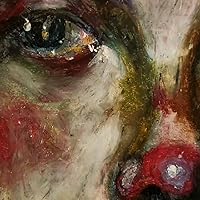
რიუნოსუკე აკუტაგავა უნიკალური მწერალია, რომლის ტექსტებში განსაკუთრებული ესთეტიკა და სიღრმე იგრძნობა. მისი წერის სტილი იმდენად დეტალურია, რომ კითხვისას არა მხოლოდ ხედავ, არამედ თითქოს გრძნობ კიდეც გარემოს — სივრცეს, განწყობას და პერსონაჟების შინაგან მდგომარეობას.
მოთხრობა „ჯადოქარი“ გამოირჩევა თავისი ატმოსფეროთი. მასში შექმნილი მისტიკური და ოდნავ შემაშფოთებელი გარემო ძალიან მარტივად შეიძლება ეკრანზეც გადაიტანო — შთამბეჭდავი საშინელებათა ფილმი გამოვიდოდა, განსაკუთრებით თუ სულების და ზებუნებრივი ელემენტების ხაზი კიდევ უფრო გაღრმავდებოდა.
სიუჟეტი საინტერესოა და ინტრიგას ბოლომდე ინარჩუნებს, თუმცა დასასრული გარკვეულწილად მოულოდნელი და სწრაფია. თითქოს ამბავი უფრო დიდი განვითარების პოტენციალს ატარებდა და ცოტა მეტ დროს საჭიროებდა ემოციური კულმინაციისთვის.
ამასთანავე, სწორედ ეს სიმოკლე და მოულოდნელობა ქმნის განსაკუთრებულ ეფექტსაც — ის გიტოვებს გარკვეულ დაუმთავრებლობის შეგრძნებას.
მთლიანობაში, „ჯადოქარი“ არის ატმოსფერული, ლამაზად დაწერილი, დასამახსოვრებელი და სასიამოვნოდ საკითხავი მოთხრობა.
მოთხრობა „ჯადოქარი“ გამოირჩევა თავისი ატმოსფეროთი. მასში შექმნილი მისტიკური და ოდნავ შემაშფოთებელი გარემო ძალიან მარტივად შეიძლება ეკრანზეც გადაიტანო — შთამბეჭდავი საშინელებათა ფილმი გამოვიდოდა, განსაკუთრებით თუ სულების და ზებუნებრივი ელემენტების ხაზი კიდევ უფრო გაღრმავდებოდა.
სიუჟეტი საინტერესოა და ინტრიგას ბოლომდე ინარჩუნებს, თუმცა დასასრული გარკვეულწილად მოულოდნელი და სწრაფია. თითქოს ამბავი უფრო დიდი განვითარების პოტენციალს ატარებდა და ცოტა მეტ დროს საჭიროებდა ემოციური კულმინაციისთვის.
ამასთანავე, სწორედ ეს სიმოკლე და მოულოდნელობა ქმნის განსაკუთრებულ ეფექტსაც — ის გიტოვებს გარკვეულ დაუმთავრებლობის შეგრძნებას.
მთლიანობაში, „ჯადოქარი“ არის ატმოსფერული, ლამაზად დაწერილი, დასამახსოვრებელი და სასიამოვნოდ საკითხავი მოთხრობა.

March 28, 2026
რიუნოსკე აკუტაგავას უნიკალური წერის სტილი ახასიათებს. მისი ერთ-ერთი მოთხრობა “ჯადოქარი” მკითხველს პირველივე ფურცლებიდან უღძრავს ინტერესს და ამბავში მოთხრობილ პერსონაჟებთან ერთად ამოგზაურებს ტოკიოში. ეს არის ამბავი ადამიანებზე, რომლებიც უჩვეულო მოვლენების მომსწრენი არიან, ამ ყველაფერთან ერთად სწავლობენ ადამიანის ხასიათის ბნელ მხარეებს, თუ როგორ შეუძლია მას სასტიკი იყოს და საკუთარი სიმარტოვისა და ნაკლოვანებების დასაძლევად უგულოდ გამოიყენოს სხვები. “ჯადოქარი” არის მოთხრობა, რომელიც მკითხველს უფრო ნათლად აცნობს ტოკიოს და თვალწინ უშლის ამ ქალაქში მცხოვრები ხალხის შესახებ სხვადასხვა ისტორიებს.
This entire review has been hidden because of spoilers.

June 27, 2019
今回の多読の本は「魔術」でした。作者は芥川龍之介です。彼の人生は悲劇でした。若い時に両親を失って、35歳で自殺しました。とても勿体ないと思います。
この本は他の多読の本と明らかに違います。この本は「私小説」として書かれています。そのおかげで、登場人物の行動はもっと面白くて信じられるようになりました。他の多読本を読んでいる時は「私は読んでいる」の認識が残っていましたが、「魔術す」を読んでいる時は話に入ってキャラと同じ経験をしているようでした。とえも面白かったです。もっと芥川先生の本を読みたいと思います。しかし一ヶ所のことだけあまり好きではなかったです。それは陳腐な筋書きなので、少々がっかりしました。
この本は他の多読の本と明らかに違います。この本は「私小説」として書かれています。そのおかげで、登場人物の行動はもっと面白くて信じられるようになりました。他の多読本を読んでいる時は「私は読んでいる」の認識が残っていましたが、「魔術す」を読んでいる時は話に入ってキャラと同じ経験をしているようでした。とえも面白かったです。もっと芥川先生の本を読みたいと思います。しかし一ヶ所のことだけあまり好きではなかったです。それは陳腐な筋書きなので、少々がっかりしました。

August 27, 2024
ძაან მომეწონა აკუტაგავას წერის სტილი

March 23, 2019
ლოგიკას მოკლებული დასასრული.

December 28, 2019
აკუტაგავასგან არ ველოდებოდი😡
თავიდან რაც ტრამვაიზე ეწერა, მთელ მოთხრობას მგონი ეგ სჯობდა.
თავიდან რაც ტრამვაიზე ეწერა, მთელ მოთხრობას მგონი ეგ სჯობდა.

November 29, 2019
ძალიან საინტერესო დასასრული აქვს ამ მოთხრობას. და მგონია, რომ ძალზე კარგი ფილმის ანდა უფრო ანიმეს გადაღება შეიძლება ამ სიუჟეტზე, ბასარა–სამას ბნელ წყლებში მოსრიალე შავი მფრინავი–გველისებრი სულით მთავარ კადრად.
Read
August 17, 2012魔術はたぶんだれでも一同だけやってみたいと思います。「魔術」にはある男が「お金持ちになりたい」の思いを捨てて魔術を使う条件で魔術が使えるようになりました。でも、結局、なにかがほしいと思ってしまい、魔術が使えなくなります。魔術という不思議なことを使うためにはなにかがほしいと思ってはいけないのに、自然とそう思っちゃうのはやっぱり私たちが不完全な人間だからでしょ。

Want to Read
May 31, 2021არც არაფერი წაიღო, არც არაფერი დამიტოვა.

February 3, 2022
აკუტაგავას ვერ დავაკლებ ქულას. საშინელი თარგმანი იყო, კატასტროფა.

January 7, 2024
დასაწყისი მომეწონა და ალბათ მაგიტომ დამაინტერესა, დასასრული ვერ გავიგე
January 1, 2026
მე-9 კლასში მოთხრობის დაწერას რომ დაგავალებდნენ და plot twist გინდოდა, ისეთი ვაიბები აქვს.
May 17, 2026
ლამაზი და განსხვავებული წერის სტილი. კითხვის დაწყებისას იძირები ინტერესში და განაგრძობ კოთხვას. მწერლის აღწერის სტილიც საკმაოდ კარგია და ნათლად წარმოგადგენინებს პერსონაჟებსაც და ტრამვაიან ტოკიოსაც. საბოლოო ჯამში კარგი მოთხრობაა, კარგად ჩანს თუ რა სიბოროტე შეიძლება ჩაიდინოს ადამიანმა სიმარტოვისგან(ვგულისხმობ ჯადოქარს) და ამის ფონზე შეიწიროს სხვა ადამიანების სიცოცხლე და თავისუფლება. თუმცა კითხვის დროს მრჩებოდა შთაბეჭდილება, რომ განსხვავებულად უნდა დასრულებულიყო.
December 24, 2019
すごい神秘的スタイル ალბათ დამეთანხმებით

December 21, 2023
いつも通り、日本語多読シリーズをとても楽しんでいます。今回の物語も最後まで興味津々でした!
November 6, 2025
თავისუფლად შემიძლია ვთქვა, რომ Reading slump გამიქრა
July 30, 2026
მაგარია რა აკუტაგავა 💗 მიყვარს მოკლე, მძიმე, ღრმა და ადვილად საკითხავი წიგნები
December 30, 2025
ჩემს გონებაში ჯერ კიდევ ნათლადაა აღბეჭდილი ის თვალი, რომელიც ახალგაზრდა წყვილს უყურებს.
Displaying 1 - 21 of 21 reviews