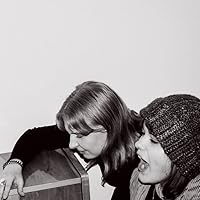
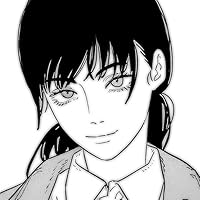
Cuento breve de María Luisa Bombal, hermosamente ilustrado por Luisa Rivera, en el que la autora reflexiona en torno al poder de la cabellera femenina y su vínculo con la tierra, las raíces y la pasión.
La publicación inaugura la colección Lápiz de mina, textos ilustrados con talento y oficio de mujeres. María Luisa Bombal nació en Viña del Mar en 1910 y falleció en Santiago de Chile en 1980. Estudió en París, vivió en Argentina y Estados Unidos y publicó algunas de las más sorprendentes obras de la literatura nacional, como La última niebla y La amortajada. Recibió el reconocimiento del mundo literario de su época y en los últimos años su obra ha sido rescatada en variadas ediciones que descubren una vez más su fuerza poética.
Maria Luisa Bombal was one of the first Spanish American novelists to break away from the realist tradition in fiction and to write in a highly individual and personal style, stressing irrational and subconscious themes. During the 1930s when most of her fellow writers were turning out works emphasizing social conflict, Bombal turned inwardly for her inspiration and produced several works of remarkable artistic quality. She incorporated the secret inner world of her women protagonists into the mainstream of her novels. In this respect she may be regarded as a precursor of the later Boom writers of the 1960s and 1970s in Latin America. And she accomplished this in a prose charged with poetic vibration, filled with a sense of imminent tragedy, a melancholy atmosphere in which the factors of time and death play sombre roles.
In both her novels the reader sees almost everything through the eyes or sensations of the protagonist, who feels things deeply. The story line is relegated to a lesser role, particularly in The House of Mist. Poetry seems to flow from this crystaline prose, and Bombal uses repeated symbolic images (such as mist, rain, and wind) with good effect and in an elegant simple style. The heroine of The House of Mist lives most of the time in a dream world of her own fashioning, far from the reality of her unhappy marriage. In The Shrouded Woman the protagonist lies dead in her coffin, viewing the chief mourners who come by to see her one by one, reliving her love affairs and family relationships with a final clarity and futile wisdom. In "The Tree," her most famous story, the reader encounters not only a deep psychological analysis of a woman, but also an impressive technique of point counterpoint. While Brígida listens to a concert, her life and its tragedy unfold, evoked by the power of music.
During most of her life Bombal did not achieve the fame she deserved, although in her last years the Chilean government granted her a stipend. With the keen interest in the feminist movement in later years, her works were read and commented on more widely.
Hace mucho tiempo que no leía a Bombal, este libro ilustrado es maravilloso ! no solo por el contenido, y lo que explica en el, si no también por las hermosas ilustraciones que aparecen en cada página y que le dan ese toque mágico a la lectura. Con respecto a la trama, es sencilla, nos explica el poder y la belleza que se esconde en las largas trenzas de nuestros cabellos.
Supongo que es como un cuento-ensayo que sirve para entender el imaginario literario de Bombal. Me encanta cómo escribe ella, claramente influida por su clase y por el círculo en donde se movía, pero poético como siempre.
No he entendido realmente la historia... Nos quiere hacer un símil diciendo que las trenzas son raíces hacia la naturaleza. Se pasa 4 páginas haciendo un prólogo demasiado extenso sobre personajes históricos o fantásticos que tenían trenzas y luego cuenta la historia de dos hermanas, una de las cuales muere y aún no entiendo porqué...
This entire review has been hidden because of spoilers.
Siento que es un cuento que cumple con su objetivo: ilustrarnos el sentimiento de las palabras descritas por la autora. Y justamente quiero rescatar una frase de una reseña: Mujeres escritas por mujeres, la cual le agregaría Mujeres ilustradas por mujeres. La fuerza que transmite cada página es tremendamente potente, mientras lo leía con mi hija tenía una charla muy linda sobre lo que ella comprendía entre las ilustraciones y el texto que escuchaba. Eso es justamente la maravilla de este cuento, donde trata de expresar entre distintas breves historias el impacto que tuvieron las trenzas en distintas mujeres, para así en robustecer a otras con sus mágicas trenzas.