Spiders, bugs, moths, butterflies, beetles, bees, flies, dragonflies, grasshoppers, and many other insects are detailed in more than 700 full-color photographs visually arranged by shape and color. Descriptive text includes measurements, diagnostic details, and information on habitat, range, feeding habits, sounds or songs, flight period, web construction, life cycle, behaviors, folklore, and environmental impact. An illustrated key to the insect orders and detailed drawings of the parts of insects, spiders, and butterflies supplement this extensive coverage.
The National Audubon Society Field Guide to North American Insects and Spiders is a guide detailing North American Insects and Spiders.
First, the good points. The photographs in this book are superb and the guide is fairly well organized. It's also small enough to fit into a largish pocket.
Now, the not so good points. There weren't nearly enough entries, specifically regarding the spiders. While the organization was good, there were small parts that seemed illogical.
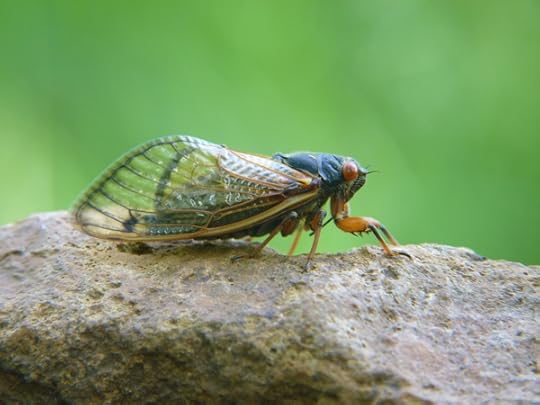
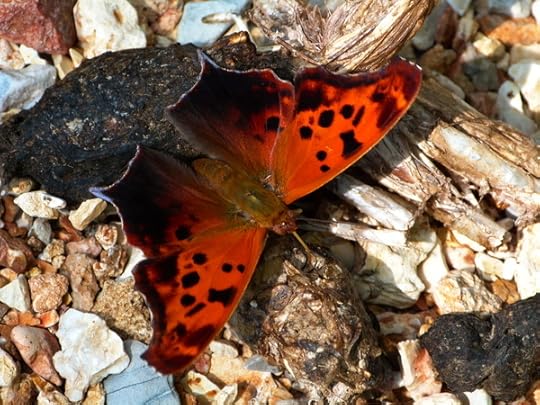
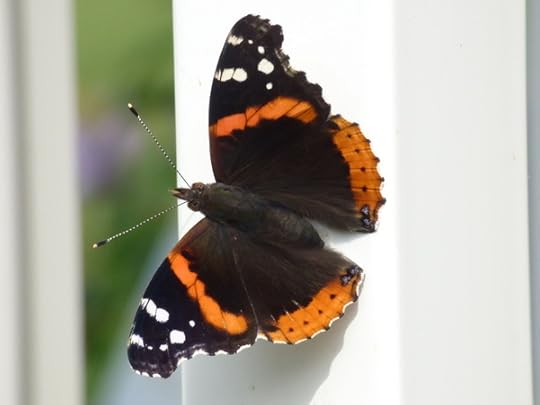
However, the litmus test for a field guide is its usefulness and fortunately, I've taken quite a few photos of insects and spiders. Here come the bug pictures!
Pros: 1. Front of the book is colour plates organized by Order. Really easy to flip through, find the bug you're looking for and then flip to the back for more info. I also like that they've placed bugs that look like something else into the wrong order in plates section. If you see something that looks like a bee and check out the picture section, it's with the bees, but when you flip to the back to read about it, you'll realise it's a fly and part of the fly section. 2. Covers a good variety of bugs. Any guide on all of NA is going to be missing a lot, but this does a decent job of having, if not the actual species you're looking at, then at least the genus or family. I haven't come across anything that I couldn't at least hone in on using this guide.
Cons: 1. Really old. This hasn't been updated since 1989. In entomology years it's an antique. Come on Audubon, get with the updating! 2. The pictures are likewise dated and could definitely be clearer and more modern looking. 3. The section on spiders is kind of useless, even though it's still fun to look at. Spiders are way to big a group to have a measly 30 or 40 species listed. So in your next edition, Audubon, make an insect guide and a spider guide. Thank you!
This was from my Grandma, who volunteers at the library and picks me up anything to do with food, bugs, or crochet. Thanks, Grandma, good find!
For some people, the first reaction to spotting an insect or spider will be to squish it - or run away screaming. For everybody else, the National Audubon Society Field Guide to North American Insects and Spiders provides a wealth of information that will help you to identify just what you're looking at. Like all Audubon Field Guides, it consists of a large photo section cross-refernced to descriptive text for each photo. Images are grouped by body type and visual similarity, so it is possible to quickly locate the particular insect or spider you are looking for. Metamorphosing insects are shown as both juveniles and adults, so it is possible to identify a caterpillar from its photo and cross-reference it to its adult form.
This is also a very popular book with children, who are fascinated by the sometimes creepy, somerimes beautiful photos.
Shame! Shame upon you, the least helpful insect guide I've ever seen!
This thing reads like a birdlover's hottake on insect phylogeny which it probably is. True bugs in the beetle and walking stick sections?! Mantispids listed as mantids?! Everything is jumbled around, supposedly based on which taxon some random birder thought insects fit into rather than any actual scientific knowledge making it much harder to use. Additionally, keeping the info about the insects in a completely separate section from their photos is stupid. Every time I see this book in a bookstore I internally boil with rage at how such blasphemous contents pass themselves off as accurate beneath the aegis of the name of an organization well respected by nature lovers. My mom once bought a copy for me at a garage sale. When she gave it to me, I thanked her politely and when she left I yote it into the garbage. She meant well.
Do yourself a favor and pick a different North American insect guidebook. Go with the Kaufman one or the Nation Wildlife Federation one. Turn your face away from this abomination.
Carried this book with me every time my brother and I went adventuring around the farm. We would spend hours in search of every creepy-crawly. This book was our go to for answers.
"National Audubon Society Field Guide to North American Insects and Spiders (National Audubon Society Field Guides)" by National Audubon Society is a fabulous field guide on insects and spiders in North America. With tons of pictures, and TONS of information on EACH insect and spider, you will be able to learn about pretty much any insect or spider you find in North America. This is a great field guide, and would be great for reference. I would read it again.
This is the field guide I used most with my 7th grade students when I lead them in their term project of an insect collection. The excellent color photographs aided the student in identifying their collections. I had them get genus and species for awhile then relented to just get the family name, which for them as novices was difficult enough.
Understandably limited in the amount of information they can cover (due to limited size of the books), the National Audubon Society Field Guides are amazing detailed for the animals they do encompass. I love them and often carry them around to help identify objects of my curiosity.
They've packed quite a few in here, but I found it somewhat lacking on specifics for some types of wood boring insects. Considering the number of insects, they did quite a good job, though. Definitely a good reference to start with.
National Audubon Society Field Guide to North American Insects and Spiders (National Audubon Society Field Guides) by Lorus Johnson Milne (Alfred A. Knopf 1980) (595.7). This is a helpful field guide for identifying North American insects and spiders. My rating: 7/10, finished 2005.
Still one of the best field guide series I own. These are the gold standard, with photos and clear descriptions. They cover the high points, and will at least point you in the right direction if you find somethng really unusual.
Did not care much for this guide, as it pales in comparison to others on the market. Too small of pictures, not organized well, and photos aren't as vibrant as other guides.
An excellent guide, but gives you just enough info to realize how very few of the extant species ever get photographed and described in a guide for the likes of us.