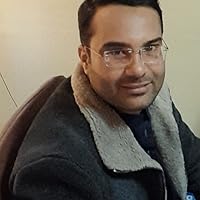
Dr. Mubarak Ali (Urdu: مبارک علی) is an eminent historian, activist and scholar of Pakistan.[1]
Ali was born in Tonk, British India in April 1941. He wrote in one of his books (Dar Dar Thokar Khaaey) that he made up his birthdate because his parents did not know it accurately.
Ali obtained an M.A. in History from Sindh University, Jamshoro in 1963. In 1972, he went first to London and then to Germany for higher studies and attained a PhD (on the Mughal Period of India) at Ruhr University, Bochum, Germany in 1976. Later he became head of the History department at the University of Sindh. He was the director of the Goethe Institute in Lahore until 1996. He is also the editor of the quarterly journal Taarikh ("History"). He has been widely interviewed by electronic and print media in India, Pakistan, and the Middle East.
In 1999, while speaking at a seminar in Mumbai organized by the NGO Khoj, Ali referred to fundamentalism's effects on historical scholarship in his country. He described how after 1965, ancient history stopped being taught in Pakistan, barring a mention of the Indus Valley Civilization. The official line is that anything outside of the syllabus "is not part of our history". He further stated that official historiography in Pakistan is committed to the two-nation theory. Questioning it can lead to imprisonment for ten years under the Pakistan Ideology Act of 1991.[2]
Speaking at the “National Seminar on Rani Kot”, he called for reading and writing history from a different angle, in which invaders should not be acclaimed as “great”. He said that archaeological sites do have their own significance and referred to the discovery of Mohenjo-daro, reflecting a great civilization of the region which played a dominant role in the independence movement of the subcontinent, because until its discovery, people of this part of the world were not considered literate or civilised.[3]
He has written a number of books and articles on Indo-Pak history, and has been widely acclaimed as an anti-establishment thinker and historian. He stated in an interview that “No authentic history has yet been written about Pakistan and its independence. There is a lot of confusion among the so-called pro-Establishment historians and educationists. Whatever has been written so far is distortion of history and entirely unbalanced.”[4]
Dr Mubarak Ali has called for the rewriting of the subcontinent’s history and correction of what he called “historical aberrations”, so that the hatred and misunderstanding prevailing between the people of India and Pakistan could come to an end. He said textbooks in the two countries had been systematically distorted and that the time had come to reverse the trend.[5]
Ali has said that “any system based on oppression, coercion and authoritarianism [is] the first problem in the way of writing history”. Pakistan’s history has been dictated, he said, by politics and the personal ideologies of autocratic rulers. He also reiterated his call for "history to be analysed and rewritten from the perspective of the masses instead of the viewpoint of rulers".[6]
In 2005 Ali claimed that police were harassing him and investigating him to "verify his learning", and that he was considering leaving Pakistan forever.[1] Four First Information Reports were lodged against him in Lahore.[1]
In 2007, three of his books were launched: Qadeem Hindustan ("Ancient India"), Ahd-i-Wusta ka Hindustan ("India of the Middle Ages") and Bartanvi Hindustan ("British India"), published jointly by the NGO ActionAid and the Fiction House. These books were geared towards young readers. Speaking at the launch, Ali also stated that the Pakistani curricula did not contain any citation about Ashoka the Great, whose reign witnessed peace and religious harmony. According to Ali, "it was the British who destroyed the harmony and sowed the seeds of hatred among Hindus and Muslims as the Mughals' policy of religious harmony continued t
یہ کتاب ان محرکات کا ذکر کرتی ہے جس کی وجہ سے یورپ نے ترقی کی- کتاب میں ان آراؑ کا ذکر کیا گیا ہے جو یہ سمجھتے ہیں کہ یورپ کی سرزمین اورسرد موسم وہ فطری عوامل ہیں جنھوں نے یورپ کی ترقی میں اہم کردار ادا کیا- اور یورپین نسل کے اعتبار سے اعلیٰ اور ذبین قوم ہیں- ایک اور نظریہ افریقی لوگوں کو گرم موسم کی وجہ سے تخلیق کے اعتبار سے آیؑڈیل سمجھتا ہے- جبکہ ہمارے ہاں رایؑج ہے کہ ایشیا کی سر زمین اور معتدل موسم ہمیں باقی قوموں سے ممتاز بناتاہے- کتاب میں ریناساں کی تحریک اور فرانسیسی انقلاب کا ذکر کیا گیا ہے- اس وقت کے حالات وہی تھے جیسے حالات سے آج کل ہم دوچار ہیں- مثلاؑ قدامت پسندی، بے ایمانی، بدعات اور توہمات وغیرہ- یورپ کی ترقی کی ایک اہم وجہ امریکہ کی دریافت بھی ہے- جہاں سے یورپین سونا اور وسایؑل لے کر اپنے ملک گۓ- ایک اور وجہ ان کی آزاد خیالی اور برداشت کی صلاحیت ہے-
It was a good read, covering the main elements of the ancient european society. How it evolved with time by rejecting the religious, social and other cultural values which had kept the society stagnant and uncivilised. In my opinion, critical thinking is a basic requirement for any progress. By weighing the faith in the scale of logic and reason we can be protected from many problems. In our case, ideas like pre-destination etc are prolonging and further complicating the issues in a poor man's life. Hoping for a good life in the next world is strengthening their deadly inertia.