

What do you think?

ملوك النفط: كيف قلبت الولايات المتحدة وإيران والسعودية موازين القوى في الشرق الأوسط
يكشفُ الكتاب تاريخًا خفيًّا من العلاقات بين أمريكا وإيران والسعودية في الفترة التي أصبحت فيها أمريكا المستورد الأكبر للبترول، وحل فيها آل سعود محل الشاه كحليف لا يمكن الاستغناء عنه. ولقد تبيَّن أن الاتفاق الأمريكي-السعودي لتحطيم الأوبك وتسليمها للسعوديين قد ساهم في حدة انهيار النظام الإيراني وتسريع وتيرته.
يحكي الكتاب صراعًا بين شخصيات مثل نيكسون والشاه وأحمد زكي يماني وكيسنجر وغيرهم، كما يتضمن قصصًا تُقال للمرة الأولى، توضح مثلًا درجة التورط الإيراني في السياسة الأمريكية في السبعينيات، وإلى أي حد وصل تأثير الدول النفطية إلى داخل البيت الأبيض.
يقدّم الكتاب أجوبة لأسئلة ظلت مطروحة لفترة طويلة حول التخطيط لحالات الطوارئبين الولايات المتحدة وإيران، والمشروع النووي الإيراني وغير ذلك، ما يضع حدًّا للجدل الدائر حول التعاملات السرية بين نيكسون والشاه فيما يخص أسعار النفط وصفقات السلاح، ومدى علم البيت الأبيض بالتهديد الإرهابي المواطنين الأمريكيين في إيران، وعلمه بالمعارضة المتصاعدة ضد الشاه من شعب، وما إذا كان على علمٍ مسبق بالعلاج السري الذي كان يخضع له الشاه من مرض السرطان، وأسباب العلاقة المتوترة بين الولايات المتحدة وإيران لدرجة لا نكاد نصدق معها أنهما كانا حلفتين ذات يوم، ناهيك عن أن تكونا شريكتين في مخطط سري لغزو السعودية والاستيلاء على ثروتها النفطية.
يحكي الكتاب صراعًا بين شخصيات مثل نيكسون والشاه وأحمد زكي يماني وكيسنجر وغيرهم، كما يتضمن قصصًا تُقال للمرة الأولى، توضح مثلًا درجة التورط الإيراني في السياسة الأمريكية في السبعينيات، وإلى أي حد وصل تأثير الدول النفطية إلى داخل البيت الأبيض.
يقدّم الكتاب أجوبة لأسئلة ظلت مطروحة لفترة طويلة حول التخطيط لحالات الطوارئبين الولايات المتحدة وإيران، والمشروع النووي الإيراني وغير ذلك، ما يضع حدًّا للجدل الدائر حول التعاملات السرية بين نيكسون والشاه فيما يخص أسعار النفط وصفقات السلاح، ومدى علم البيت الأبيض بالتهديد الإرهابي المواطنين الأمريكيين في إيران، وعلمه بالمعارضة المتصاعدة ضد الشاه من شعب، وما إذا كان على علمٍ مسبق بالعلاج السري الذي كان يخضع له الشاه من مرض السرطان، وأسباب العلاقة المتوترة بين الولايات المتحدة وإيران لدرجة لا نكاد نصدق معها أنهما كانا حلفتين ذات يوم، ناهيك عن أن تكونا شريكتين في مخطط سري لغزو السعودية والاستيلاء على ثروتها النفطية.
575 pages, Paperback
First published August 9, 2011
About the author
Andrew Scott Cooper
5 books87 followersAndrew Scott Cooper is the author of The Oil Kings: How the U.S., Iran and Saudi Arabia Changed the Balance of Power in the Middle East, published in 2011, and an adjunct assistant professor at Columbia University. He is a regular commentator on US-Iran relations and the oil markets, and his research has appeared in The Guardian, New York Times, Washington Post and other media outlets. He holds a PhD in the history of US-Iran relations and masters' degrees in strategic studies and journalism. He lives in New York City.
Ratings & Reviews
Friends & Following
Create a free account to discover what your friends think of this book!
Community Reviews
Displaying 1 - 30 of 104 reviews

March 16, 2017
ما رأيت أخبث من السياسة وأهلها
يمكن اعتبارها ورقة بحث موثقة لكل كلمة فيها حيث يذكرمن أي المصادر أخذ معلومته بشكل أعطى ورقة البحث أو ورقة العمل هذه مزيدا من الرصانة
لا عجب مما ذكر فيها من مخاتلات السياسين فهذا أمر معروف , و بسبب زخم التفاصيل على قلة عدد الصفحات مع التوثيق الجيد أعطاني ذلك دافعا لأبحث أكثر وأقرأ أكثر حول الموضوع حيث أنه يبدو لا بل يشير الكاتب لكثير من المفارقات التي حدثت وتحدث بين ما تم التوقيع عليه وما تم الحديث به شفهيا فيما بين السياسيين .
بعض الجمل الواردة والتي استوقفتني قليلا :
- يمكن للسير الذاتية أن تكون هزيلة جدا كمراجع ناهيك عن أن تكون سردا للتاريخ ( هذا الأمر مضحك فعلا وخاصة حينما نجد الاف الوثائقيات على شاشات التلفاز تعتمد في معلوماتها على السيرة الذاتية لأشخاص كانو في سدة الحكم , حيث يعمل الجميع على تلميع شخصيته ومحو ذنوبه )
- علاقات الولايات المتحدة مع الدول النفطية هي عبارة عن ( مسيرة من الحماقة) وأكثر فأكثر يتبين أن هذه المسيرة مدفوعة
- يبدو أنه من المحتوم أن شجرة العلاقات الأمريكية الايرانية ستطرح - ثمارا سامة - لسنوات عديدة قادمة
يمكن اعتبارها ورقة بحث موثقة لكل كلمة فيها حيث يذكرمن أي المصادر أخذ معلومته بشكل أعطى ورقة البحث أو ورقة العمل هذه مزيدا من الرصانة
لا عجب مما ذكر فيها من مخاتلات السياسين فهذا أمر معروف , و بسبب زخم التفاصيل على قلة عدد الصفحات مع التوثيق الجيد أعطاني ذلك دافعا لأبحث أكثر وأقرأ أكثر حول الموضوع حيث أنه يبدو لا بل يشير الكاتب لكثير من المفارقات التي حدثت وتحدث بين ما تم التوقيع عليه وما تم الحديث به شفهيا فيما بين السياسيين .
بعض الجمل الواردة والتي استوقفتني قليلا :
- يمكن للسير الذاتية أن تكون هزيلة جدا كمراجع ناهيك عن أن تكون سردا للتاريخ ( هذا الأمر مضحك فعلا وخاصة حينما نجد الاف الوثائقيات على شاشات التلفاز تعتمد في معلوماتها على السيرة الذاتية لأشخاص كانو في سدة الحكم , حيث يعمل الجميع على تلميع شخصيته ومحو ذنوبه )
- علاقات الولايات المتحدة مع الدول النفطية هي عبارة عن ( مسيرة من الحماقة) وأكثر فأكثر يتبين أن هذه المسيرة مدفوعة
- يبدو أنه من المحتوم أن شجرة العلاقات الأمريكية الايرانية ستطرح - ثمارا سامة - لسنوات عديدة قادمة

May 11, 2013
The premise for Andrew Scott Cooper’s book debut The Oil Kings is how oil has affected the shift of power, with an underlying cautionary note that it can still do so. He noted that the events at the time the book was published in 2011 reflect the events over thirty years ago that caused the toppling of the Shah of Iran’s government. The similarities were that there was a global financial crisis, an increasing dependence on oil, and the tumultuous political and economic atmosphere in the Middle East especially sensitive to the profit from oil. The inspiration for this book came about after a November 2006 The Washington Post article by Nawaf Obaid, then a security adviser to the Saudi government.
Stepping Into Iraq
Obaid’s article warned that the Saudis would have to use its prominent position within the Middle East to protect the Sunni population in Iraq against the Iranian Shiites, if the U.S. ignored Saudi Arabia’s ambassador Prince Turki al-Faisal’s warning “since America came into Iraq uninvited, it should not leave Iraq uninvited.” “As the economic powerhouse of the Middle East, the birthplace of Islam and the de facto leader of the world’s Sunni community..., Saudi Arabia has both the means and the religious responsibility to intervene.” Besides mentioning that the Saudis can fund the Sunni groups and establishing new Sunni brigades, “(King) Abdullah may decide to strangle Iranian funding of the (Shiite) militias through oil policy...” Prince Turki fired Obaid for his provocative revelation, but this is close to the facts. Thirty years earlier, the Saudis have helped topple the spendthrift Shah of Iran’s regime by flooding the market with oil, thereby causing the country’s economic chaos.
Referencing recently declassified documents of the U.S., Iran, and Saudi oil diplomacy, the Watergate scandal, phone conversations and memoirs of key figures, Cooper built a convincing trail of cause and butterfly effect of political and economic manipulation between these countries seeking to protect their interests. The trail began with a complex forced removal of Iranian leaders who were nationalists seeking to remove foreign influences from Iran, starting with Britain and the Soviet’s forced abdication of Reza Khan to replace him with the then powerless son (the last Shah) to protect the oil reserve from the Germans during WWII. Then in 1953, Churchill and the Eisenhower administration conspired to overthrow Iran’s democratically elected Prime Minister Mohammad Mosaddegh after he nationalized Iran’s oil industry. With the British facing a loss of its valuable oil asset and Churchill’s warning that Mosaddegh would turn to the communists, Churchill and the Eisenhower administration staged a coup to replace Mosaddegh, and increasing the power of Mohammad-Reza Shah Pahlavi (last shah of Iran) as the constitutional monarch. This began the uneasy close alliance between the U.S. and Iran.
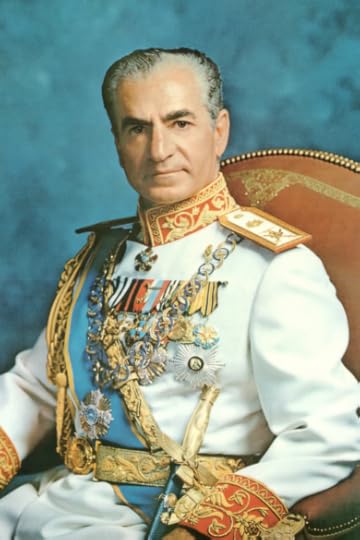
The key figure in this book is the tragic Shah, as he grew from a young planted U.S. puppet to an Emperor of the House of Pahlavi, the King of Kings. Testing his independent legs from imperial control, the Shah began to force the issue of raising oil prices to fund his planned expansion. He had big plans to modernize Iranian society and becoming the leader and protector of the Persian Gulf via enormous arms expenditure. Luck seemed to be on his side with the advent of the Nixon administration and the Shah gaining the President’s admiration, “The President has a strong feeling”, as stated by Henry Kissinger in the National Security Archive. With tacit approval from the U.S., seeing Iran as an ally against communism, Iran promoted the raising of oil prices and received arms sales from the U.S. under generous conditions. With the funding from oil, the Shah continued his father’s, Reza Shah, work of modernizing Iranian society in which women were liberated, a modern educational, judicial and financial system were set up, and an overall modernization of railway, light, factories, and irrigation systems. Basically, the plan between the U.S. and the Shah was for the Shah to raise oil prices to fund arms and expansion, in return for Iran protecting U.S. interests in the Gulf.
Unfortunately, several major events occurred to thwart the Shah and the Nixon administration’s plans. The U.S. had several events that weakened its strength in the world. The U.S.‘s withdrawal from Vietnam greatly lessened its impact as world police, the Nixon administration became embroiled in the Watergate scandal which caused the replacement of Nixon and his Iranian primacy policy, allowing the Saudi friendly Treasury Secretary William Simon to persuade Ford to shift the balance over to the Saudis. Within the Persian Gulf, the Shah’s increasing confidence and muscling over his neighbors caused resentments, in particular with Saudi Arabia, with whom the modern Iran conflicted with in ideology and competed as exporter of oil. Domestically, the Shah’s western secular influences, extravagances, increasing dictatorial control and oppression of the clergy caused public sentiments to turn against him. The manipulated increase in oil prices caused a global economic crisis as prices rise but economic growth slowed, bringing in stagflation. Under this environment came the Arab oil embargo of 1973 to punish the U.S. for supplying Israel with arms in response to a surprise attack on Israel.
All this and the Shah’s prognosis of terminal cancer, set the stage for complex interactions that led to the Shah’s fall and the U.S.’s increasing dependence on Saudi Arabia’s good will. The oil embargo on world economy affected cash strapped Iran, already overly extended from quick growth and mainly reliant on oil revenues. In 1977, with the world still reeling from the oil embargo of 1973, the Shah proposed a 15% price hike to members of OPEC to generate much needed revenue due to his spending. King Khalid of Saudi Arabia argued against it, stating that the world economy cannot bear another price hike. The Shah managed to persuade members of OPEC to his side, but the Saudis went against the vote and started pumping surplus oil into the market. This caused Iran to lose “billions of dollars in anticipated oil revenue.” This economic blow to Iran helped to strengthen the forces that deposed the Shah’s government in February 1979 and put in its place the conservative clergy.
Besides the Shah, the major players in The Oil Kings were complex and flawed individuals. Richard Nixon was an alcoholic who gets drunk even during critical encounters with foreign dignitaries, and who prepared for major meetings with a quick jot on a notepad. Henry Kissinger was shown to be compartmentalized and duplicitous in negotiations, and sometimes sabotaging another cabinet member’s negotiation. Members of the Presidential cabinet often were unaware of secret negotiations he made without their knowledge. He was also revealed to be disastrously ignorant of the workings of the global economy. William Simon was portrayed as another devious negotiator but leaning toward the Saudis, and used his influence on the clueless and not too intelligent Ford. The changing of power within the U.S. pulled the weight toward Iran’s rival, the Saudis, with the economic influence of the enigmatic Saudis still in place today.
Recent Developments:
Is the world heading toward another major crisis, perhaps exacerbated by Saudi Arabia potentially punishing the U.S. if it disagrees with its foreign policy, as insinuated by the introduction in this book? Since the book was published, new technologies have “made it possible to extract oil and gas from shale rock formations” within the U.S., thereby raising the possibility of the U.S.’s energy independence, according to the New York Times. This also raised the possibility of disastrous consequences to countries reliant on revenues from oil exports.
The Dark Side of Energy Independence
As rebuttal, Forbes posted an article ridiculing the NYT’s doom and gloom.
Leave It to the New York Times to Gin Up a Downside to the American Oil Boom
What does the future hold for global politics and economies, and the Middle East? Whether there will be parallel events to the 1970’s, The Oil Kings is an absorbing and entertaining read worthy of a thriller, with explosive revelations about the inside working and intrigue of political and economic negotiations, and intriguing characterizations of the main characters involved. It will make you realize how strong the butterfly effect can be on the world with events set up by a few powerful individuals.
Stepping Into Iraq
Obaid’s article warned that the Saudis would have to use its prominent position within the Middle East to protect the Sunni population in Iraq against the Iranian Shiites, if the U.S. ignored Saudi Arabia’s ambassador Prince Turki al-Faisal’s warning “since America came into Iraq uninvited, it should not leave Iraq uninvited.” “As the economic powerhouse of the Middle East, the birthplace of Islam and the de facto leader of the world’s Sunni community..., Saudi Arabia has both the means and the religious responsibility to intervene.” Besides mentioning that the Saudis can fund the Sunni groups and establishing new Sunni brigades, “(King) Abdullah may decide to strangle Iranian funding of the (Shiite) militias through oil policy...” Prince Turki fired Obaid for his provocative revelation, but this is close to the facts. Thirty years earlier, the Saudis have helped topple the spendthrift Shah of Iran’s regime by flooding the market with oil, thereby causing the country’s economic chaos.
Referencing recently declassified documents of the U.S., Iran, and Saudi oil diplomacy, the Watergate scandal, phone conversations and memoirs of key figures, Cooper built a convincing trail of cause and butterfly effect of political and economic manipulation between these countries seeking to protect their interests. The trail began with a complex forced removal of Iranian leaders who were nationalists seeking to remove foreign influences from Iran, starting with Britain and the Soviet’s forced abdication of Reza Khan to replace him with the then powerless son (the last Shah) to protect the oil reserve from the Germans during WWII. Then in 1953, Churchill and the Eisenhower administration conspired to overthrow Iran’s democratically elected Prime Minister Mohammad Mosaddegh after he nationalized Iran’s oil industry. With the British facing a loss of its valuable oil asset and Churchill’s warning that Mosaddegh would turn to the communists, Churchill and the Eisenhower administration staged a coup to replace Mosaddegh, and increasing the power of Mohammad-Reza Shah Pahlavi (last shah of Iran) as the constitutional monarch. This began the uneasy close alliance between the U.S. and Iran.
The key figure in this book is the tragic Shah, as he grew from a young planted U.S. puppet to an Emperor of the House of Pahlavi, the King of Kings. Testing his independent legs from imperial control, the Shah began to force the issue of raising oil prices to fund his planned expansion. He had big plans to modernize Iranian society and becoming the leader and protector of the Persian Gulf via enormous arms expenditure. Luck seemed to be on his side with the advent of the Nixon administration and the Shah gaining the President’s admiration, “The President has a strong feeling”, as stated by Henry Kissinger in the National Security Archive. With tacit approval from the U.S., seeing Iran as an ally against communism, Iran promoted the raising of oil prices and received arms sales from the U.S. under generous conditions. With the funding from oil, the Shah continued his father’s, Reza Shah, work of modernizing Iranian society in which women were liberated, a modern educational, judicial and financial system were set up, and an overall modernization of railway, light, factories, and irrigation systems. Basically, the plan between the U.S. and the Shah was for the Shah to raise oil prices to fund arms and expansion, in return for Iran protecting U.S. interests in the Gulf.
Unfortunately, several major events occurred to thwart the Shah and the Nixon administration’s plans. The U.S. had several events that weakened its strength in the world. The U.S.‘s withdrawal from Vietnam greatly lessened its impact as world police, the Nixon administration became embroiled in the Watergate scandal which caused the replacement of Nixon and his Iranian primacy policy, allowing the Saudi friendly Treasury Secretary William Simon to persuade Ford to shift the balance over to the Saudis. Within the Persian Gulf, the Shah’s increasing confidence and muscling over his neighbors caused resentments, in particular with Saudi Arabia, with whom the modern Iran conflicted with in ideology and competed as exporter of oil. Domestically, the Shah’s western secular influences, extravagances, increasing dictatorial control and oppression of the clergy caused public sentiments to turn against him. The manipulated increase in oil prices caused a global economic crisis as prices rise but economic growth slowed, bringing in stagflation. Under this environment came the Arab oil embargo of 1973 to punish the U.S. for supplying Israel with arms in response to a surprise attack on Israel.
All this and the Shah’s prognosis of terminal cancer, set the stage for complex interactions that led to the Shah’s fall and the U.S.’s increasing dependence on Saudi Arabia’s good will. The oil embargo on world economy affected cash strapped Iran, already overly extended from quick growth and mainly reliant on oil revenues. In 1977, with the world still reeling from the oil embargo of 1973, the Shah proposed a 15% price hike to members of OPEC to generate much needed revenue due to his spending. King Khalid of Saudi Arabia argued against it, stating that the world economy cannot bear another price hike. The Shah managed to persuade members of OPEC to his side, but the Saudis went against the vote and started pumping surplus oil into the market. This caused Iran to lose “billions of dollars in anticipated oil revenue.” This economic blow to Iran helped to strengthen the forces that deposed the Shah’s government in February 1979 and put in its place the conservative clergy.
Besides the Shah, the major players in The Oil Kings were complex and flawed individuals. Richard Nixon was an alcoholic who gets drunk even during critical encounters with foreign dignitaries, and who prepared for major meetings with a quick jot on a notepad. Henry Kissinger was shown to be compartmentalized and duplicitous in negotiations, and sometimes sabotaging another cabinet member’s negotiation. Members of the Presidential cabinet often were unaware of secret negotiations he made without their knowledge. He was also revealed to be disastrously ignorant of the workings of the global economy. William Simon was portrayed as another devious negotiator but leaning toward the Saudis, and used his influence on the clueless and not too intelligent Ford. The changing of power within the U.S. pulled the weight toward Iran’s rival, the Saudis, with the economic influence of the enigmatic Saudis still in place today.
Recent Developments:
Is the world heading toward another major crisis, perhaps exacerbated by Saudi Arabia potentially punishing the U.S. if it disagrees with its foreign policy, as insinuated by the introduction in this book? Since the book was published, new technologies have “made it possible to extract oil and gas from shale rock formations” within the U.S., thereby raising the possibility of the U.S.’s energy independence, according to the New York Times. This also raised the possibility of disastrous consequences to countries reliant on revenues from oil exports.
The Dark Side of Energy Independence
As rebuttal, Forbes posted an article ridiculing the NYT’s doom and gloom.
Leave It to the New York Times to Gin Up a Downside to the American Oil Boom
What does the future hold for global politics and economies, and the Middle East? Whether there will be parallel events to the 1970’s, The Oil Kings is an absorbing and entertaining read worthy of a thriller, with explosive revelations about the inside working and intrigue of political and economic negotiations, and intriguing characterizations of the main characters involved. It will make you realize how strong the butterfly effect can be on the world with events set up by a few powerful individuals.

June 30, 2024
کتاب “پادشاهان نفت” به قلم اندرو اسکات کوپر ،دکترای تاریخ و پژوهشگر سازمان ملل متحد و دیدهبان حقوق بشر، نوشته شده. کتاب بر پایه آرشیوهای وزارت خارجه آمریکا و مصاحبه با افراد مختلفی که در وقایع اون زمان مشارکت داشتند از جمله سیاستمداران تدوین شده. کتاب جنبههای مختلفی از اوضاع دهه ۴۰ ایران، خاورمیانه و آمریکارو نشون میده؛ از منفعت طلبی ها و دخالت های آمریکا در سیاستهای داخلی و خارجی کشورهای دیگه تا دیدگاه سیاسی شاه نسبت به ایران و نحوه عملکردش در اون زمان و سواستفاده عربستان از اوضاع نابهسامان به وجود اومده و تغییر شرایط به نفع خودش. کتاب به شدت به همه ایرانیها به خصوص متولدین دهه ۶۰ و ۷۰ که به سیاست علاقهمندن و در تب و تاب تغییرات در کشور هستن توصیه میشه؛ به مخالفین شاه توصیه میشه چون با جنبه مثبت، ملی گرایی و افکار مدرنیزه کردن و قدرت طلبی شاه آشنا میشن و به موافقین شاه هم توصیه میشه تا با عملکرد اشتباه، دیکتاتوری، اوضاع نابهسامان کشور و جاه طلبی شاه آشنا بشن. این کتاب خیلی حرف برای گفتن داره که واقعا تو یه ریویو خلاصه نمیشه، امیدوارم که بخونید و لذت ببرید.
یه جمله که به نظرم جالب اومد از متن کتاب:
ونس، وزیر خارجه آمریکا در دوران کارتر، در نشست وزرای سنتو در تهران جملهی جالبی دارد: «پیشرفت، خوشبختی و ثبات هر کشوری بستگی به قدرت انجام آرزوهای آن ملت برای حقوق بشر دارد و بهبود زندگی آن ملت در حقیقت پایه مشروعیت آنها را در داخل کشور مستحکم خواهد نمود.»
یه جمله که به نظرم جالب اومد از متن کتاب:
ونس، وزیر خارجه آمریکا در دوران کارتر، در نشست وزرای سنتو در تهران جملهی جالبی دارد: «پیشرفت، خوشبختی و ثبات هر کشوری بستگی به قدرت انجام آرزوهای آن ملت برای حقوق بشر دارد و بهبود زندگی آن ملت در حقیقت پایه مشروعیت آنها را در داخل کشور مستحکم خواهد نمود.»

March 14, 2016
It seems a pity, when a person is so involved with a subject, that they cannot convey a better understanding of the issues with which they are so entranced. We get every flicker of the eyelash of persons ensconced in the Nixon White House conducting foreign policy with regards to the Shah Pahlavi of Iran. Considering this is some fifty years ago now, I’ll bet Cooper has difficulty finding many folks who share his enthusiasm for minutiae.
That said, I did become interested in reading more about Iran, largely as a result of the kind of spending the Shah did at the height of the oil crisis, only one-third of the way through this magnum opus:
Anyway, Kissinger has remained silent in his books and writings about the Shah of Iran, but he was one most intimately involved in propping up his government when Pahlavi wildly overspent on military equipment in the seventies, before his fall in 1979. I am disappointed I could not thrash my way through the thicket of detail in this book to get a decent look at the situation from a greater distance.
P.S. I neglected to mention that we, the U.S. that is, sold Iran nuclear technology in the 70s. Iran's stores of oil was less than the other Arab oil-producing countries, and the Shah had a tendency to crank up production (and prices) to increase income so as to allay rising debt (he overspent wildly, and not wisely). To meet energy needs he saw coming down the pike, we generously provided the nuclear wherewithal. Is there a lesson there? Just asking...
That said, I did become interested in reading more about Iran, largely as a result of the kind of spending the Shah did at the height of the oil crisis, only one-third of the way through this magnum opus:
”For the Shah, thinking big meant that nothing was off-limits. The Shah unveiled a $3 billion plan to bulldoze Tehran’s city center and replace it with a grand plaza bigger than Red Square in Moscow. The 2.5 mile border around the proposed Shah and Nation Square would include six hotels, forty thousand parking spaces, 55 million square feet of office space, housing for fifty thousand residents, and the new Pahlavi National Library. Upon completion, Iran’s national library would comprise one of the great scholarly wonders of the world, boasting a staff of five thousand and more than 5 million books, a hotel for visiting scholars, and the most advanced cataloguing system in the world. Iran’s Persian heritage would also receive a boost from a ten-year, multimillion-dollar project to rebuild the seven fluted columns of Xerxes in Persepolis. Oil money would meld Iran’s past to its glorious future.I never heard whether any of that was completed but it sounds like a good start to an informed public.
Anyway, Kissinger has remained silent in his books and writings about the Shah of Iran, but he was one most intimately involved in propping up his government when Pahlavi wildly overspent on military equipment in the seventies, before his fall in 1979. I am disappointed I could not thrash my way through the thicket of detail in this book to get a decent look at the situation from a greater distance.
P.S. I neglected to mention that we, the U.S. that is, sold Iran nuclear technology in the 70s. Iran's stores of oil was less than the other Arab oil-producing countries, and the Shah had a tendency to crank up production (and prices) to increase income so as to allay rising debt (he overspent wildly, and not wisely). To meet energy needs he saw coming down the pike, we generously provided the nuclear wherewithal. Is there a lesson there? Just asking...

September 30, 2016
مراجعة لتاريخ مضى ولكنه لا يزال يؤثر في حياتنا، أنه التاريخ الذي عشناه يا سادة. تاريخ أحداث والأهم من ذلك تاريخ انفعالات وعواطف وعلاقات بشر مثلنا، لكنهم في مكانة ارفع منا.
هذا الكتاب هو مبحث وتحقيق تاريخي مفصل في العلاقة السرية بين أمريكا وإيران والسعودية. إنها العلاقة السرية التي جعلت أسعار السلعة الاستراتيجية الأهم في العالم، يعني النفط، ترتفع بما يكفي لبدء أكبر عملية انتقال للثروات من العالم الأول للعالم الثالث. إنها العلاقة السرية التي تكشف لنا كيف استطاعت السعودية أن تأخذ مكان شاه إيران محمد رضا بهلوي، كالحليف الأقوى والأكثر موثوقية للولايات المتحدة الأمريكية والغرب في منطقتنا.
هذا الكتاب يكشف حقائق للمرة الأولى حول العلاقة الشخصية الحميمة والغريبة بين الرئيس الأمريكي ريتشارد نيكسون -الذي امتلك فهما استراتيجيا متقنا لوقائع الجيولوبولتيكا- وشاه إيران محمد رضا بهلوي -الذي فهم بالضبط مآلات سوق النقط العالمي وتأثيره على توازنات القوة في منطقتنا الشرق أوسطية الغريبة والعنيفة والمتطرفة- .
تلك الأيام وتلك السنون بين 1969 و 1977، التي شهدت "العلاقة الخاصة" بين شاه إيران والبيت الأبيض، يتم مراجعتها تاريخيا هنا كما يليق بتاريخ أي علاقة حساسة أثرت وتؤثر على حياة الملايين والملايين من البشر. لن أطيل عليكم أكثر.
كتاب تاريخ يستحق القراءة.
هذا الكتاب هو مبحث وتحقيق تاريخي مفصل في العلاقة السرية بين أمريكا وإيران والسعودية. إنها العلاقة السرية التي جعلت أسعار السلعة الاستراتيجية الأهم في العالم، يعني النفط، ترتفع بما يكفي لبدء أكبر عملية انتقال للثروات من العالم الأول للعالم الثالث. إنها العلاقة السرية التي تكشف لنا كيف استطاعت السعودية أن تأخذ مكان شاه إيران محمد رضا بهلوي، كالحليف الأقوى والأكثر موثوقية للولايات المتحدة الأمريكية والغرب في منطقتنا.
هذا الكتاب يكشف حقائق للمرة الأولى حول العلاقة الشخصية الحميمة والغريبة بين الرئيس الأمريكي ريتشارد نيكسون -الذي امتلك فهما استراتيجيا متقنا لوقائع الجيولوبولتيكا- وشاه إيران محمد رضا بهلوي -الذي فهم بالضبط مآلات سوق النقط العالمي وتأثيره على توازنات القوة في منطقتنا الشرق أوسطية الغريبة والعنيفة والمتطرفة- .
تلك الأيام وتلك السنون بين 1969 و 1977، التي شهدت "العلاقة الخاصة" بين شاه إيران والبيت الأبيض، يتم مراجعتها تاريخيا هنا كما يليق بتاريخ أي علاقة حساسة أثرت وتؤثر على حياة الملايين والملايين من البشر. لن أطيل عليكم أكثر.
كتاب تاريخ يستحق القراءة.

June 29, 2020
أحد أجمل الكتب التي قرأتها مؤخرا، سواء من حيث المعلومة أو من حيث الترجمة.
الكتاب يحكي باختصار قصة الشاه وعلاقته بالولايات المتحدة الأمريكية: كيف بنيت ووثقت العلاقة ثم كيف انهارت وانهار معها نظام الشاه
أخطاء الشاه هي نفسها أخطاء الحكام في الدول الملكية، إنهاك للميزانية وصرف مبالغ فيه في الشؤون العسكرية وبالتالي إهمال التنمية الإنسانية ما يؤدي لانهيار اقتصادي يتبعه تفكك المجتمع
الكتاب يحكي باختصار قصة الشاه وعلاقته بالولايات المتحدة الأمريكية: كيف بنيت ووثقت العلاقة ثم كيف انهارت وانهار معها نظام الشاه
أخطاء الشاه هي نفسها أخطاء الحكام في الدول الملكية، إنهاك للميزانية وصرف مبالغ فيه في الشؤون العسكرية وبالتالي إهمال التنمية الإنسانية ما يؤدي لانهيار اقتصادي يتبعه تفكك المجتمع

March 19, 2020
I enjoyed knowing how the oil price changed the political map for the Middle East in the 70s. but reading this book was quite overwhelming, there is so much to absorb, had to go back to past events to link the ones i read and so on...

Read
July 25, 2020هذا الكتاب بضخامته ،، بين لي كيفية تحويل النفط كمصدر مادي للدول وسلاح حساس قد يقظي على نصف العالم..
وصف علاقة الشاه بنيكسون ، دافئة وقوية حيث كانا صديقين مقربين ، وبلغ التغلغل الإيراني في الحياة الاميركية حدا جعله يتدخل في سير الانتخابات الرئاسية بالمال .
لكن الذي خسر الشاه عرشه هي الزيدات المتتكرة بآسعار النفط التي هزت اقتصاد الدول المعتمدة على البترول، لكي يوفي ميزانية المالية للدولة لسداد طموحاته المسكونة بالإرث الفارسي الإمبراطوري حيث كان يريد فوائض عوائد النفط المالية في شراء كافة الأسلحة والعتاد العسكري الاميركي من طائرات ، ومقاتلات ، ودبابات ، وسفن ، وحاملات طائرات. لكن هذا آدى إلى عجز في الحكومة الإيرانية عندما رفضت الحكومة السعودية رفع الآسعار مرة أخرى و اغرقت الأسواق بالنفط. هذا الأمر تدهورت الأوضاع في إيران
الشاهد أن الكتاب يعكس لك العكس تماما حول العلاقة الأمريكية و إيران، ،و كيف الان!
لم يتصور ان هذين البلدين كانا حليفين مقربين قبل نصف قرن من الآن .
وصف علاقة الشاه بنيكسون ، دافئة وقوية حيث كانا صديقين مقربين ، وبلغ التغلغل الإيراني في الحياة الاميركية حدا جعله يتدخل في سير الانتخابات الرئاسية بالمال .
لكن الذي خسر الشاه عرشه هي الزيدات المتتكرة بآسعار النفط التي هزت اقتصاد الدول المعتمدة على البترول، لكي يوفي ميزانية المالية للدولة لسداد طموحاته المسكونة بالإرث الفارسي الإمبراطوري حيث كان يريد فوائض عوائد النفط المالية في شراء كافة الأسلحة والعتاد العسكري الاميركي من طائرات ، ومقاتلات ، ودبابات ، وسفن ، وحاملات طائرات. لكن هذا آدى إلى عجز في الحكومة الإيرانية عندما رفضت الحكومة السعودية رفع الآسعار مرة أخرى و اغرقت الأسواق بالنفط. هذا الأمر تدهورت الأوضاع في إيران
الشاهد أن الكتاب يعكس لك العكس تماما حول العلاقة الأمريكية و إيران، ،و كيف الان!
لم يتصور ان هذين البلدين كانا حليفين مقربين قبل نصف قرن من الآن .
June 19, 2021
The book has several interesting facts and details, however, it is not well written. The book has so much minute details which aren’t very much relevant or critical hence leading the reader to get confused and sometimes becomes boring. Also, in general the information laid out in the book is not in a chronological order.

May 10, 2020
With All The Oil Talks Nowadays, This Book Has Been A True Eye-opener For Me. Like It Or Not Oil Is A (And Will Be) Controlling Factor In The Economic World And You Can Learn More From This One Book Than You Could Learn In School Of 4 Years Of International Economics (Exaggerated, But Yes If You're Good At Connecting The Dots There's Great Amount To Learn Here)
I Have Always Wondered Why Don't They Teach You This Sort Of Stuff At The School, And Now I Exactly Know Why.
With All The Dirty Politics That Gets Orcastrated Behind Closed Doors, After Reading This Book You Will Not Look At The World With The Same Lens That You're Used To.
What I Loved Most About The Book Is That It Is Written In A Very Objective Manner,
Where The Writer Gives You The Facts And Figures Without His Personal Opinions But Rather Declassified Reports And Transcripts, Leaving It Up To The Readers To Make From It.
A Must Read To Understand The Current World Events With The Help Of History (History Repeats Itself), Key Players, And How Oil Has Been A Major Major Influence In It. It Was Interesting To Understand How The Powers Changed From Iran To Saudi Arabia In The World Of Oil.
I Would've Liked A Little Less Detail, But I Think The Nature Of The Book Asks For A Detailed Oriented Book Or Else People Would Call It Conspiracy Theory.
This Technology That Technology, All The Buzz Words Of The 4Th Industrial Revolution Is Nothing If You Don't Have Energy. All And Everything Works Because Of Energy And Right Now Dominantly We Get That Energy From Oil.
After Reading The Book You'll Never Look At Oil As Simply A Commodity Rather A Weapon.
Well Written And Researched.
I Have Always Wondered Why Don't They Teach You This Sort Of Stuff At The School, And Now I Exactly Know Why.
With All The Dirty Politics That Gets Orcastrated Behind Closed Doors, After Reading This Book You Will Not Look At The World With The Same Lens That You're Used To.
What I Loved Most About The Book Is That It Is Written In A Very Objective Manner,
Where The Writer Gives You The Facts And Figures Without His Personal Opinions But Rather Declassified Reports And Transcripts, Leaving It Up To The Readers To Make From It.
A Must Read To Understand The Current World Events With The Help Of History (History Repeats Itself), Key Players, And How Oil Has Been A Major Major Influence In It. It Was Interesting To Understand How The Powers Changed From Iran To Saudi Arabia In The World Of Oil.
I Would've Liked A Little Less Detail, But I Think The Nature Of The Book Asks For A Detailed Oriented Book Or Else People Would Call It Conspiracy Theory.
This Technology That Technology, All The Buzz Words Of The 4Th Industrial Revolution Is Nothing If You Don't Have Energy. All And Everything Works Because Of Energy And Right Now Dominantly We Get That Energy From Oil.
After Reading The Book You'll Never Look At Oil As Simply A Commodity Rather A Weapon.
Well Written And Researched.

April 29, 2025
Very interesting, data driven, and historically informative. I didn’t know anything about the oil, crisis or context, or how Iran got to be where it is today. A broader lesson that I’m reminded of when I read detailed historical books like this, is that at the highest levels of the government everyone is just guessing just like me in my domestic life. Your faith and trust have to be in something higher than the government.

May 27, 2013
Despite the title this is really a book about US-Iranian relations during the 70's.
As a bankrupt Britain left the Middle East it created a power vacuum. To prevent the Soviets from expanding southward in to the oil rich region upon which the free world depended, Cold War politics dictated that America had to act. Unwilling to shoulder the burden itself, the US instead built up Iran to defend the region from the communist threat and a Soviet backed Iraq.
The American arms necessary to match the soviet army proved to be so immensely expensive that Iran would push OPEC for ever larger increases to the price of oil. Price increases that combined with the Arab oil embargo eventually lead to a deep world wide recession in the 1970's. The South European economies were especially hard hit and communist election victories looked likely. Forced to "choose between Italy and Iran" America turned to Saudi Arabia to break OPEC.
With its wast oil resources the kingdom sought lower oil prices as a way to ensure the industrialized world's dependence on oil continued long in to the future. As the Saudis flooded the market with cheap oil the Iranian economy plummeted. The political unrest that followed soon lead to the Islamic revolution and the fall of one of the western world's most important allies. With the Shah gone American forces would now ensure the safety of the gulf monarchies and their critical oilfields.
As a bankrupt Britain left the Middle East it created a power vacuum. To prevent the Soviets from expanding southward in to the oil rich region upon which the free world depended, Cold War politics dictated that America had to act. Unwilling to shoulder the burden itself, the US instead built up Iran to defend the region from the communist threat and a Soviet backed Iraq.
The American arms necessary to match the soviet army proved to be so immensely expensive that Iran would push OPEC for ever larger increases to the price of oil. Price increases that combined with the Arab oil embargo eventually lead to a deep world wide recession in the 1970's. The South European economies were especially hard hit and communist election victories looked likely. Forced to "choose between Italy and Iran" America turned to Saudi Arabia to break OPEC.
With its wast oil resources the kingdom sought lower oil prices as a way to ensure the industrialized world's dependence on oil continued long in to the future. As the Saudis flooded the market with cheap oil the Iranian economy plummeted. The political unrest that followed soon lead to the Islamic revolution and the fall of one of the western world's most important allies. With the Shah gone American forces would now ensure the safety of the gulf monarchies and their critical oilfields.

June 16, 2026
كتاب مُدهش جدًا في الكشف عن تفاصيل كيف ساهمت الولايات المتحدة والسعودية في إسقاط نظام الشاه وصعود الخمينية -طبعًا ليس وفقًا لمبدأ المؤامرة السخيف الذي يعتبر الخمينية صناعة مخابراتية أمريكية وإلخ من الهراء- يغطي فيه كوبر الفترة بين عاميّ (1970-1977) ولماذا بالتحديد؟ لأن فرضية كوبر تنطلق من أن أزمة نفط العام 77 وهي من تبعات أزمة نفط 73 الشهيرة، هي الأكثر تأثيرًا على تاريخ الشرق الأوسط الحديث، في عام 1977 أعلن زكي يماني عن انقلاب السعودية الشهير على الأوبك. المهم، أن الدور الأمريكي في إسقاط الشاه، والذي يغطيه هذا الكتاب، هو إيقاف مبدأ (تويتشل) على يد كيسنجر ونِكسن، وهو المبدأ الذي كان يشترط على الشاه إصلاحات إقتصادية داخلية مقابل الحصول على سلاح. أما، وأن الإتفاق الذي عُقد بين الشاه ونِكسن كان شيكًا على بيّاض انقلب على طبيعة العلاقة الأمريكية الإيرانية منذ إنقلاب أجاكس 1953، تعاظم نفوذ الشاه، وتعاظم الخمول المخابراتي الأمريكي بشأن طبيعة الشاه ونوايا حكمه، وبتبدل طبيعة تلك العلاقة بالتوازي مع نهم الشاه الذي لا يتوقف تجاه السلاح وطموحه بإيران إمبراطورية تُسيّطر على الخليج، وتمن بالنفط وحركته على الدول الصناعية الكبرى، كان قد وقع الشاه في خطيئة الجشع، وهي مُهلكة، ولكن بعيدًا عن سرد قصة الخطايا السبعة، بل بسرد وقائع تاريخية سياسية عن الاقتصاد السياسي للعالم وإيران بالتحديد في السنوات الثماني التي يغطيها كوبر ببراعة لا ينقصها متعة السرد والتسلسل المنطقي

March 10, 2020
Finished reading it on the way back from London. A very informative account for those who wants to know the behind-the-scene details on power balance in the Middle East.
I have not been very familiar with geopolitics of the Middle East yet. It helped answer a few questions:
1. What makes Iran and the US enemies while Saudi and the US allies?
2. What role does oil play in the geopolitics calculation and what actual effect it had in history?(esp. 1974)
3. How does the negotiation and deal making work behind the scene?
It also makes me understand many a time it is not only about national interests but also about personal relationships between leaders. Personal preferences can mean very different results despite similar objective reality.
A great starting point. May review some chapters at a later stage.
I have not been very familiar with geopolitics of the Middle East yet. It helped answer a few questions:
1. What makes Iran and the US enemies while Saudi and the US allies?
2. What role does oil play in the geopolitics calculation and what actual effect it had in history?(esp. 1974)
3. How does the negotiation and deal making work behind the scene?
It also makes me understand many a time it is not only about national interests but also about personal relationships between leaders. Personal preferences can mean very different results despite similar objective reality.
A great starting point. May review some chapters at a later stage.

May 27, 2026
The author extensively cites newspaper articles, memoirs, declassified intelligence reports and other official documents. Very well written and detailed description of the US-Iran (and general Middle East) relations during the 1970s (including the period of the oil embargo) up to the Iranian revolution in 1979.
Presented are details of the complex relationships between Presidents Nixon, Ford and Carter, Henry Kissinger’s foreign policy, CIA executives, federal reserve governors, treasury secretaries and Pentagon officials on the US side and Mohammed Reza Pahlavi’s (the Shah, or “king of kings” of Iran), minister Asadollah Alam, and leaders of other Middle Eastern countries at the time (including Egypt, Saudi Arabia, Israel and others).
Extremely valuable book for people interested in geopolitics. 10/10
Presented are details of the complex relationships between Presidents Nixon, Ford and Carter, Henry Kissinger’s foreign policy, CIA executives, federal reserve governors, treasury secretaries and Pentagon officials on the US side and Mohammed Reza Pahlavi’s (the Shah, or “king of kings” of Iran), minister Asadollah Alam, and leaders of other Middle Eastern countries at the time (including Egypt, Saudi Arabia, Israel and others).
Extremely valuable book for people interested in geopolitics. 10/10

May 24, 2017
YESTERDAY:
How America’s unappeasable thirst for cheap oil led to foreign-policy bungling in the Persian Gulf?!
Once upon a time, United States of America was the world’s number one oil importer with Iran as his foremost ally in Middle East. To Americans, The Shah was the guardians of the Gulf. It was with United States of America’s approval that Shah raised the price of the oil and that kept America’s on top of richest countries in the world.
“I like him, I like him and I like the country. And some of those other bastards out there I don’t like, right?”
Richard Nixon – 1971
Him in “I like him” was Shah: The person who could run the country better, but instead he fell into the wrong trap.
Bastards: please you take the hint.
If you would remember the recession of 1969-1970, you would know that it lasted for almost 11 months. The beginning of it was in Dec.1969 following an economic slump which began in 1968 which became serious by end of 1969. One of the plans to rescue from this recession was having access on Middle East petrol!
It's always been about oil when it comes to the Middle East!
Various exploratory ventures were launched in Persia (present: Iran) at the turn of the 20th century. The first concession was formed between Baron Julius de Reuter, founder of the Reuters news agency, and the Persians in 1872 but it was later dissolved due to opposition within Persia and Russia.
“Now is time to cash in credit with Iranians.”
Henry Kissinger – 1972
With Iran’s annexation of Abu Musa, Greater Tunb and Lesser Tunb, Mohammad Reza Shah was confirmed in his self-designated as Guardian of the Gulf.
“Iran will get all available sophisticated weapons short of the atomic bombs”
Mohammad Reza Shah – 1972
“We were going to make the Shah the Guardian of the Gulf. Well, if we were going to make the Shah the Guardian of the Gulf, we’ve got to give him what he needs— which comes down to giving him what he wants.”
James Schlesinger – 1972
But Iran’s Arab’s neighbors were not happy with that. In the summer of 1972, a few weeks after Nixon’s meeting with the Shah in Tehran, the Saudis made it clear they wanted to renegotiate the terms of the oil production monopoly enjoyed by Aramco, as an alternative to nationalizing its operations outright. Late January 1973, United Sates was running low on sullies of natural gas. The shortage forced the Nixon administration to abandon the import quotas of the Eisenhower era in April. The oil shortage and Saudi’s success in taking over the oil companies convinced Shah to try similar tactic and he was successful. Iran took the control of Iran’s oil industry and Nixon agreed to remove the restrictions on conventional weapons sales on Tehran. Shah was seeing the plan as a great opportunity for his growth but to them it was a plan that had the potential to ignite a religious-based war pitting Shi’a Iran against its Sunni Arab neighbors and potentially draw in the Soviet Union but;
September 1, 1973: Colonel Qaddafi announced the expropriation of 51 percent of the assets of foreign oil companies operating in his country.
October 6, 1973 the combined armies of Egypt and Syria attacked Israel.
October 10, early on the morning Schlesinger phoned Kissinger to inform him that the Soviets were resupplying Arab forces and that King Faisal had committed Saudi troops.
October 13, the Israelis were bogged down, having lost a quarter of their air force.
October 19 Colonel Qaddafi imposed an oil embargo against the United States and raised the price of oil.
October 17, Arab oil ministers meeting in Kuwait agreed to monthly 5 percent cuts in production until Israel evacuated the territories it had seized in 1967.
October 21, Kuwait, Qatar, Bahrain, and Dubai announced that they were joining Saudi Arabia, Libya, Algeria, and Abu Dhabi in halting oil shipments to the United States.
November 25, President Nixon went on national television to announce strict limits on weekend sales of gasoline, a blackout on all unnecessary outdoor lighting.
Watergate scandal,
Nixon’s resignation,
Shah’s sickness,
U.S.‘s withdrawal from Vietnam,
Nation’s disappointment,
Start of revolution.
And plan got changed.
American started to increase their dependency on Saudi Arabia
Most of the book consists of historical descriptive narrative of US policy decision-making and diplomatic relations with Iranian and Saudi counterparts addressing the high oil prices and their impact on US and Western European economies.
TODAY:
China is the world’s largest net importer of crude oil, and in recent years, China’s crude oil imports have increasingly come from countries outside the Organization of the Petroleum Exporting Countries (OPEC).
Organization of the Petroleum Exporting Countries (OPEC) was founded in Baghdad, Iraq, with the signing of an agreement in September 1960 by five countries namely Islamic Republic of Iran, Iraq, Kuwait, Saudi Arabia and Venezuela. They were to become the Founder Members of the Organization.
These countries were later joined by Qatar (1961), Indonesia (1962), Libya (1962), United Arab Emirates (1967), Algeria (1969), Nigeria (1971), Ecuador (1973), Gabon (1975) and Angola (2007).
As the EIA reports in recent blog post, , while OPEC countries still made up most (57%) of China’s 7.6 million barrels per day (b/d) of crude oil imports in 2016, crude oil from non-OPEC countries made up 65% of the growth in China’s imports between 2012 and 2016. Leading non-OPEC suppliers included Russia (14% of total imports), Oman (9%), and Brazil (5%).
“The Oil Kings” is a captivating and interesting read worthy of confidential explosive political and economic informations.
How America’s unappeasable thirst for cheap oil led to foreign-policy bungling in the Persian Gulf?!
Once upon a time, United States of America was the world’s number one oil importer with Iran as his foremost ally in Middle East. To Americans, The Shah was the guardians of the Gulf. It was with United States of America’s approval that Shah raised the price of the oil and that kept America’s on top of richest countries in the world.
“I like him, I like him and I like the country. And some of those other bastards out there I don’t like, right?”
Richard Nixon – 1971
Him in “I like him” was Shah: The person who could run the country better, but instead he fell into the wrong trap.
Bastards: please you take the hint.
If you would remember the recession of 1969-1970, you would know that it lasted for almost 11 months. The beginning of it was in Dec.1969 following an economic slump which began in 1968 which became serious by end of 1969. One of the plans to rescue from this recession was having access on Middle East petrol!
It's always been about oil when it comes to the Middle East!
Various exploratory ventures were launched in Persia (present: Iran) at the turn of the 20th century. The first concession was formed between Baron Julius de Reuter, founder of the Reuters news agency, and the Persians in 1872 but it was later dissolved due to opposition within Persia and Russia.
“Now is time to cash in credit with Iranians.”
Henry Kissinger – 1972
With Iran’s annexation of Abu Musa, Greater Tunb and Lesser Tunb, Mohammad Reza Shah was confirmed in his self-designated as Guardian of the Gulf.
“Iran will get all available sophisticated weapons short of the atomic bombs”
Mohammad Reza Shah – 1972
“We were going to make the Shah the Guardian of the Gulf. Well, if we were going to make the Shah the Guardian of the Gulf, we’ve got to give him what he needs— which comes down to giving him what he wants.”
James Schlesinger – 1972
But Iran’s Arab’s neighbors were not happy with that. In the summer of 1972, a few weeks after Nixon’s meeting with the Shah in Tehran, the Saudis made it clear they wanted to renegotiate the terms of the oil production monopoly enjoyed by Aramco, as an alternative to nationalizing its operations outright. Late January 1973, United Sates was running low on sullies of natural gas. The shortage forced the Nixon administration to abandon the import quotas of the Eisenhower era in April. The oil shortage and Saudi’s success in taking over the oil companies convinced Shah to try similar tactic and he was successful. Iran took the control of Iran’s oil industry and Nixon agreed to remove the restrictions on conventional weapons sales on Tehran. Shah was seeing the plan as a great opportunity for his growth but to them it was a plan that had the potential to ignite a religious-based war pitting Shi’a Iran against its Sunni Arab neighbors and potentially draw in the Soviet Union but;
September 1, 1973: Colonel Qaddafi announced the expropriation of 51 percent of the assets of foreign oil companies operating in his country.
October 6, 1973 the combined armies of Egypt and Syria attacked Israel.
October 10, early on the morning Schlesinger phoned Kissinger to inform him that the Soviets were resupplying Arab forces and that King Faisal had committed Saudi troops.
October 13, the Israelis were bogged down, having lost a quarter of their air force.
October 19 Colonel Qaddafi imposed an oil embargo against the United States and raised the price of oil.
October 17, Arab oil ministers meeting in Kuwait agreed to monthly 5 percent cuts in production until Israel evacuated the territories it had seized in 1967.
October 21, Kuwait, Qatar, Bahrain, and Dubai announced that they were joining Saudi Arabia, Libya, Algeria, and Abu Dhabi in halting oil shipments to the United States.
November 25, President Nixon went on national television to announce strict limits on weekend sales of gasoline, a blackout on all unnecessary outdoor lighting.
Watergate scandal,
Nixon’s resignation,
Shah’s sickness,
U.S.‘s withdrawal from Vietnam,
Nation’s disappointment,
Start of revolution.
And plan got changed.
American started to increase their dependency on Saudi Arabia
Most of the book consists of historical descriptive narrative of US policy decision-making and diplomatic relations with Iranian and Saudi counterparts addressing the high oil prices and their impact on US and Western European economies.
TODAY:
China is the world’s largest net importer of crude oil, and in recent years, China’s crude oil imports have increasingly come from countries outside the Organization of the Petroleum Exporting Countries (OPEC).
Organization of the Petroleum Exporting Countries (OPEC) was founded in Baghdad, Iraq, with the signing of an agreement in September 1960 by five countries namely Islamic Republic of Iran, Iraq, Kuwait, Saudi Arabia and Venezuela. They were to become the Founder Members of the Organization.
These countries were later joined by Qatar (1961), Indonesia (1962), Libya (1962), United Arab Emirates (1967), Algeria (1969), Nigeria (1971), Ecuador (1973), Gabon (1975) and Angola (2007).
As the EIA reports in recent blog post, , while OPEC countries still made up most (57%) of China’s 7.6 million barrels per day (b/d) of crude oil imports in 2016, crude oil from non-OPEC countries made up 65% of the growth in China’s imports between 2012 and 2016. Leading non-OPEC suppliers included Russia (14% of total imports), Oman (9%), and Brazil (5%).
“The Oil Kings” is a captivating and interesting read worthy of confidential explosive political and economic informations.
February 19, 2025
Extremely well researched historical account detailing some of those most impactful, behind the scenes view on critical foreign policy plays in the Middle East. The outcome of these decisions, including the empowering of KSA, unwind of Iran, and break up of OPEC, live with us today.

June 8, 2024
كتاب ثمين جدا لمن اراد ان يعيش في تلك الفترة الزمنية.
عيوب الكتاب انه غير مرتب زمنيا فالكاتب يقفز إلى الأمام والخلف .
أيضا الترجمة اكثرت من كتابة التاريخ بالاسمين الميلاديين شباط/ فبراير ، كان يكفي ذكر شباط او فبراير .
الكتاب مرجع مهم حتى وان كان من نظرة احادية .
أيضا من عيوبه انه اغفل تماما ذكر اسرائيل في القصة .
يستحق القراءة
عيوب الكتاب انه غير مرتب زمنيا فالكاتب يقفز إلى الأمام والخلف .
أيضا الترجمة اكثرت من كتابة التاريخ بالاسمين الميلاديين شباط/ فبراير ، كان يكفي ذكر شباط او فبراير .
الكتاب مرجع مهم حتى وان كان من نظرة احادية .
أيضا من عيوبه انه اغفل تماما ذكر اسرائيل في القصة .
يستحق القراءة

February 21, 2019
كتاب يتناول تاريخ العلاقة بين ايران وامريكا في فترة حكم نيكسون وفورد بوجود هنري كسينجر تمتد من بداية السبعينات الميلادية الى بداية حكم كارتر وكيف أستطاع شاه ايران بموافقة من نيكسون رفع اسعار النفط بشكل كبير أثر على اقتصاديات الدول الصناعية وماترتب عليه من شراهة في التسلح ومحاولة ايران أخذ دور امريكا في المنطقة .
اغلب الكتاب يتناول هذه العلاقة أما السعودية فلم يتم الحديث عنها بشكل تفصيلي.
اغلب الكتاب يتناول هذه العلاقة أما السعودية فلم يتم الحديث عنها بشكل تفصيلي.

September 16, 2018
يتناول الكتاب ما وراء الكواليس في تاريخ العلاقات بين أمريكا وإيران والسعودية في الفترة التي أصبحت فيها أمريكا المستورد الأول للنفط وما تبعتها من أزمات وتحولات مفصلية في تاريخ المنطقة .
مثير للاهتمام وممتع ويغذي النهم القرائي .
مثير للاهتمام وممتع ويغذي النهم القرائي .
April 20, 2013
“The Oil Kings” is an in depth study of the labyrinthine relationships that existed between the Shah of Iran, the Saudi Royal Family and the United States during the Nixon and Ford administrations. The story line is so involved that I can only begin to summarize the contents. A few examples will have to suffice to give you a taste of what is in store for the reader. Some of us remember the day when Iran was America’s ally in the Persian Gulf. Here we get a glimpse of what went on behind the scenes. On these pages we read that the close relationship between the Shah and President Nixon, lubricated perhaps by inebriation on Nixon’s part, led to a promise to sell the Shah any military equipment “short of the atomic bomb.” We are introduced to the Shah’s insatiable appetite for military equipment that retarded development of his nation and ultimately led to his downfall. We are reminded of the oil shocks of the 1970s that so disrupted the economies of America and Europe that fears of revolution and Communist takeovers were realistically entertained. We read here of actions within OPEC that gave the House of Saud the opportunity to use the price of oil to undercut its rival for Middle Eastern supremacy by restricting the flow of petrodollars without which the Shah could not fulfill his financial commitments or the satisfy the demands of his people. We see an era during which the United States devolved from a superpower protecting its regional interests from Soviet expansion to an atrophied giant negotiating with its former clients from a position of weakness.
The personalities in this work are the giants of the world scene in the 1970s: the Shah, Henry Kissinger, Richard Nixon, Gerald Ford, Nelson Rockefeller, Treasury Secretary William Simon and a collection of Saudi officials who were as important, collectively, as many of the American individuals. The stakes were tremendous: the freedom of Europe, the American presidency, the crown of Iran and the stability of the oil kingdoms.
“The Oil Kings” is obviously the product of extensive research and thought. It is masterfully written and advances with the emotion of a mystery novel. It certainly advances author Andrew Scott Cooper’s agenda, that being to show that the Nixon-Kissinger-Ford foreign policy, far from being the magnificent success that is frequently portrayed was, in the case of the Persian Gulf region, a seriously flawed scheme that facilitated developments that continue to haunt the region and the United States to this day. Whenever I read books like this I always ask myself the question, “Is this true?” Has Cooper really unearthed something that Nixon and Kissinger omitted from their memoirs and that other historians have failed to uncover? I am not sure, but “The Oil Kings” raises disturbing questions in the minds of any thoughtful readers. After setting it down the reader will find himself returning to ponder its implications. Any book that can do that deserves the highest rating.
The personalities in this work are the giants of the world scene in the 1970s: the Shah, Henry Kissinger, Richard Nixon, Gerald Ford, Nelson Rockefeller, Treasury Secretary William Simon and a collection of Saudi officials who were as important, collectively, as many of the American individuals. The stakes were tremendous: the freedom of Europe, the American presidency, the crown of Iran and the stability of the oil kingdoms.
“The Oil Kings” is obviously the product of extensive research and thought. It is masterfully written and advances with the emotion of a mystery novel. It certainly advances author Andrew Scott Cooper’s agenda, that being to show that the Nixon-Kissinger-Ford foreign policy, far from being the magnificent success that is frequently portrayed was, in the case of the Persian Gulf region, a seriously flawed scheme that facilitated developments that continue to haunt the region and the United States to this day. Whenever I read books like this I always ask myself the question, “Is this true?” Has Cooper really unearthed something that Nixon and Kissinger omitted from their memoirs and that other historians have failed to uncover? I am not sure, but “The Oil Kings” raises disturbing questions in the minds of any thoughtful readers. After setting it down the reader will find himself returning to ponder its implications. Any book that can do that deserves the highest rating.

September 8, 2011
I tend to think of book jackets as the publisher's exaggerations written to build up book sales, but here's a book which hit the mark with its description. It's touted as being "...Brilliantly reported and filled with astonishing details about some of the key figures of the time (early 1970's), and a history of an era that we thought we knew, an era whose momentous reverberations still influence events at home and abroad today", and I couldn't agree more.
It's generally recognized that the U.S. suffers from a conflicted policy, with dependence on Mid-East Oil from Countries which frequently express extreme anti-American, anti-Western policies. The Oil Kings describes the processes and policies which brought us to the current position. The book also provided behind-the-scenes insights into the workings of the White House and Secretary of State during those critical years.
Clearly not the book for you if you're looking for a sweet romantic novel, but excellent for what it was intended to do, i.e., provide an insiders view of the politics and policies of oil producers and oil consumers in the 1970's leading up to the status of oil policy today. Especially interesting were the insights of the powerful Secretary of State under Nixon and Ford, Henry Kissinger. Also enjoyed the portrail of the Shah of Iran, and the kind of friend he was (or was NOT) to the United States. It was also very interesting to read about the parallels of the U.S. economy during the mid-1970's compared to the end of the Bush years and beginning of the Obama years. In both times, the banks teetered on collapse, and were criticized for greedy profit-driven motives seeking high profits with little regard for the high-risks of these loans. (Apparently, no lessons learned here). Also similar are the collapse of the housing markets, falling stock market, and high unemployment in both financial hard times. It also seemed like an old story to hear about how the rising oil prices led to imperilled economies in the West, especially in Greece, Spain, Portugal (sound familiar?), etc.
To me, history can be compared to a multi-piece jig-saw puzzle, with each book providing one or two additional pieces of the puzzle. A few pieces may provide a glimpse of the shape or picture of the puzzle, but each new book completes the picture that much more. This book provides more pieces to the puzzle of the U.S. oil policy and the nations involved than expected, and fills in a lot of the blank spaces, especially how Saudi Arabia became our key ally in the region and our preferred provider of Mid-East oil, our role in the fall of the Shah of Iran, and a look at many of the back-room deals made by Nixon & Kissinger in the early 1970's.
It's generally recognized that the U.S. suffers from a conflicted policy, with dependence on Mid-East Oil from Countries which frequently express extreme anti-American, anti-Western policies. The Oil Kings describes the processes and policies which brought us to the current position. The book also provided behind-the-scenes insights into the workings of the White House and Secretary of State during those critical years.
Clearly not the book for you if you're looking for a sweet romantic novel, but excellent for what it was intended to do, i.e., provide an insiders view of the politics and policies of oil producers and oil consumers in the 1970's leading up to the status of oil policy today. Especially interesting were the insights of the powerful Secretary of State under Nixon and Ford, Henry Kissinger. Also enjoyed the portrail of the Shah of Iran, and the kind of friend he was (or was NOT) to the United States. It was also very interesting to read about the parallels of the U.S. economy during the mid-1970's compared to the end of the Bush years and beginning of the Obama years. In both times, the banks teetered on collapse, and were criticized for greedy profit-driven motives seeking high profits with little regard for the high-risks of these loans. (Apparently, no lessons learned here). Also similar are the collapse of the housing markets, falling stock market, and high unemployment in both financial hard times. It also seemed like an old story to hear about how the rising oil prices led to imperilled economies in the West, especially in Greece, Spain, Portugal (sound familiar?), etc.
To me, history can be compared to a multi-piece jig-saw puzzle, with each book providing one or two additional pieces of the puzzle. A few pieces may provide a glimpse of the shape or picture of the puzzle, but each new book completes the picture that much more. This book provides more pieces to the puzzle of the U.S. oil policy and the nations involved than expected, and fills in a lot of the blank spaces, especially how Saudi Arabia became our key ally in the region and our preferred provider of Mid-East oil, our role in the fall of the Shah of Iran, and a look at many of the back-room deals made by Nixon & Kissinger in the early 1970's.

January 29, 2012
This book is a fascinating account of the 1970’s oil crisis. It focuses mainly on the Nixon and Ford Administrations dealings with the Shaw of Iran Muhammad Reza Pahlavi and later Saudi ruler King Faisal and King Khalid.
It starts with American CIA agents in the Eisenhower Administration when they reinstated a young deposed Shaw into his inherited role as the Shaw of Iran. The loyalty generated by this act responded to the United States and particularly to President Eisenhower and Vice President Nixon.
When Nixon became president he renewed his friendship with the Shaw. The Shaw was rebuilding Iran. He was attempting to propel Iran into a world power financed through the sale of Iran’s oil. The Shaws liberal attempted reforms included suffrage for women, increasing schools, hospitals and public structures. He also attempted to build a powerful military. So with that in mind, he negotiated a trade of oil for U.S. military equipment with President Nixon.
The U.S./Iran relationship was running fine in this trade arrangement until Egypt and Syria launched a surprise attack on Israel know as the Yom Kippur War in 1973. President Nixon delivered much needed Arms supplies to the Israelis which turned certain defeat into a Jewish victory. The Shaw was surprisingly a supporter of Israel however; the remainder of the OPEC nations were not. So, OPEC retaliated by halting oil production. This led to a severe supply shortage and called for drastic measures in the U.S. such as gas station shutdowns on weekends and instituting 55 MPH speed limits to conserve fuel in the U.S.
President Nixon, Secretary of State Henry Kissinger and Secretary of Treasury Bill Simon worked feverishly to resolve the oil stoppage. While Kissinger assuaged the Shaw Simon actively courted Saudi Arabia. OPEC gradually started to increase oil production due mainly to their lost revenue stream.
Then Watergate happened and President Nixon lost a lot of his power as a result. The Shaw took advantage of Nixon’s handicap. He boldly went to the OPEC meeting and demanded an increase of pricing despite the havoc it would cause in many European countries. He needed this increase to fund his huge revitalization effort. It cost much more than he could afford. However, the Saudi's feared a strong Iran and courted a relationship with the U.S. and argued against the increase in prices.
As Saudi Arabia generated good feelings with the U.S. the Shaw was once again deposed and shortly afterward died of cancer. Saudi Arabia flooded the market and oil prices dropped in the later 1970’s and 1980’s.
The book does not delve into the 1980’s but an Oil Kings II will hopefully be in author Andrew Cooper’s future works.
It starts with American CIA agents in the Eisenhower Administration when they reinstated a young deposed Shaw into his inherited role as the Shaw of Iran. The loyalty generated by this act responded to the United States and particularly to President Eisenhower and Vice President Nixon.
When Nixon became president he renewed his friendship with the Shaw. The Shaw was rebuilding Iran. He was attempting to propel Iran into a world power financed through the sale of Iran’s oil. The Shaws liberal attempted reforms included suffrage for women, increasing schools, hospitals and public structures. He also attempted to build a powerful military. So with that in mind, he negotiated a trade of oil for U.S. military equipment with President Nixon.
The U.S./Iran relationship was running fine in this trade arrangement until Egypt and Syria launched a surprise attack on Israel know as the Yom Kippur War in 1973. President Nixon delivered much needed Arms supplies to the Israelis which turned certain defeat into a Jewish victory. The Shaw was surprisingly a supporter of Israel however; the remainder of the OPEC nations were not. So, OPEC retaliated by halting oil production. This led to a severe supply shortage and called for drastic measures in the U.S. such as gas station shutdowns on weekends and instituting 55 MPH speed limits to conserve fuel in the U.S.
President Nixon, Secretary of State Henry Kissinger and Secretary of Treasury Bill Simon worked feverishly to resolve the oil stoppage. While Kissinger assuaged the Shaw Simon actively courted Saudi Arabia. OPEC gradually started to increase oil production due mainly to their lost revenue stream.
Then Watergate happened and President Nixon lost a lot of his power as a result. The Shaw took advantage of Nixon’s handicap. He boldly went to the OPEC meeting and demanded an increase of pricing despite the havoc it would cause in many European countries. He needed this increase to fund his huge revitalization effort. It cost much more than he could afford. However, the Saudi's feared a strong Iran and courted a relationship with the U.S. and argued against the increase in prices.
As Saudi Arabia generated good feelings with the U.S. the Shaw was once again deposed and shortly afterward died of cancer. Saudi Arabia flooded the market and oil prices dropped in the later 1970’s and 1980’s.
The book does not delve into the 1980’s but an Oil Kings II will hopefully be in author Andrew Cooper’s future works.

August 26, 2021
بقول کسروی: ملتی که #تاریخ خود را نداند محکوم به تکرار آن است…
هرچند مطالب این کتاب، کامل و همه جانبهای نیست و بسیاری از عوامل تأثیرگذار در وقایع آن روزگار، از جمله نقش #اروپا در مسائل نفت را نادیده میگیرد، ولی اظهار میکند که خطاهای آمریکا (در رأس آن نیکسون و کیسینجر) در #انقلاب ایران بسیار موثر بود و این انقلاب صرفاً توطئه نبود.
از یک طرف توافقات شاه و #نیکسون به حدی محرمانه بود که کمتر سندی در مورد آن موجود است. در خاطرات نیکسون فقط دوجا بصورت مختصر به این رابطه اشاره شده و اینکه #هنری_کیسینجر با تمام رهبران سیاسی عصر خود عکس دارد بجز با شاه ایران!! شاهی که روزی متحد بی قید و شرط آمریکا بود! آیا این عدم ثبت وقایع به معنی ترس از بیان حقایق نیست؟
اطلاع از نتایج اتفاقات مطرح شده در این مرقومه معادل چندین واحد درس #اقتصاد و روابط بینالملل است و درواقع یک دریچه جدید رو به دنیای #نفت است.
از طرف دیگر همانطور که اکنون ما ایرانیان میخواهیم در ۱۰ روز لاغر شویم یا در یکماه زبان انگلیسی بیاموزیم، #پهلوی_دوم هم تصمیم داشت خیلی زود در رده ۵ کشور برتر دنیا قرار گیرد. فارغ از اینکه پیشرفت، علاوه بر زیرساخت سخت افزاری نیازمند زیرساختهای #فرهنگی و نرم نیز هست.
#محمدرضاشاه بواسطه افزایش شتابزده قیمت نفت، علاوه بر #تورم داخلی، موجب رکود و فروپاشی #اقتصادی و #سیاسی در بسیاری از کشورها منجمله پرتغال، یونان، ایتالیا و اسپانیا شد و اکنون ما #میراثدار خطای پیشینیان خود هستیم.
دراین مرقومه برخلاف اقوالی که تا به امروز از پادشاه #پهلوی شنیده بودم، خدماتش را نیز خواندم و امروز معتقدم بزرگترین ضعف ایشان، کمبود دانش جامعهشناسی بود.
به بعضی از مسائل کاملا سربسته و خلاصه پرداخته شده که بیشتر شبهه برانگیز است ولی پاسخ بعضی از سوالهای ذهنی من در #پادشاهان_نفت یافت شد. همچنین سوالات جدیدی نیز نقش بست؛ آمریکایی که براحتی از #برجام خارج میشود، چجور تضمینی برای فروش #تسلیحات_نظامی داده بود که نمیتوانست از این معامله خارج شود؟ نظر به اینکه از ایران و عربستان سعودی به عنوان دو ستون پایداری سیاست نیکسون یاد شده، سوال اینجاست که آیا واشینگتن با علم بر ضعف پادشاه #ایران، برای او چک سفید امضا صادر کرد؟ این شائبه برای من زمانی قدرت بیشتری پیدا کرد که کیسینجر حتی بعد از گذشت سالها، این مورد را کتمان میکند.
اطلاعاتی درمورد تبعید امام به تصمیم شاه و مورد توجه واقع شدن ایشان از جانب مردم، در پی جنگ اعراب با اسرائیل در این کتاب قید شده. همچنین پیدایش نام مجعول خلیج ع.ر.ب بجای #خلیج_فارس، روابط ایران و اسرائیل و آمریکا و اعراب و دودوزه بازیهای #کیسینجر نیز از جمله مواردی است که در این کتاب به آنها اشاره شده.
جالب اینکه در فصل پایانی کتاب از آخرین وضعیت افراد نقشآفرین (تا زمان چاپ کتاب) اطلاعات مختصری داده شده که البته اکثراً در قید حیات نیستند.
هرچند که بعضی از مسائل، گذرا مطرح شده ولی مسائل کلان به تفصیل در آن مورد بحث قرار گرفته که همین اطلاعات بسیاری از جای خالیهای محفوظاتم را پرکرد. با علم به تمام سیاستها و تصمیماتی که در پشت درهای بسته اتخاذ میشود، پس از خواندن این #کتاب دیگر با همان دیدگاه مألوف به جهان نگاه نمیکنید.
هرچند مطالب این کتاب، کامل و همه جانبهای نیست و بسیاری از عوامل تأثیرگذار در وقایع آن روزگار، از جمله نقش #اروپا در مسائل نفت را نادیده میگیرد، ولی اظهار میکند که خطاهای آمریکا (در رأس آن نیکسون و کیسینجر) در #انقلاب ایران بسیار موثر بود و این انقلاب صرفاً توطئه نبود.
از یک طرف توافقات شاه و #نیکسون به حدی محرمانه بود که کمتر سندی در مورد آن موجود است. در خاطرات نیکسون فقط دوجا بصورت مختصر به این رابطه اشاره شده و اینکه #هنری_کیسینجر با تمام رهبران سیاسی عصر خود عکس دارد بجز با شاه ایران!! شاهی که روزی متحد بی قید و شرط آمریکا بود! آیا این عدم ثبت وقایع به معنی ترس از بیان حقایق نیست؟
اطلاع از نتایج اتفاقات مطرح شده در این مرقومه معادل چندین واحد درس #اقتصاد و روابط بینالملل است و درواقع یک دریچه جدید رو به دنیای #نفت است.
از طرف دیگر همانطور که اکنون ما ایرانیان میخواهیم در ۱۰ روز لاغر شویم یا در یکماه زبان انگلیسی بیاموزیم، #پهلوی_دوم هم تصمیم داشت خیلی زود در رده ۵ کشور برتر دنیا قرار گیرد. فارغ از اینکه پیشرفت، علاوه بر زیرساخت سخت افزاری نیازمند زیرساختهای #فرهنگی و نرم نیز هست.
#محمدرضاشاه بواسطه افزایش شتابزده قیمت نفت، علاوه بر #تورم داخلی، موجب رکود و فروپاشی #اقتصادی و #سیاسی در بسیاری از کشورها منجمله پرتغال، یونان، ایتالیا و اسپانیا شد و اکنون ما #میراثدار خطای پیشینیان خود هستیم.
دراین مرقومه برخلاف اقوالی که تا به امروز از پادشاه #پهلوی شنیده بودم، خدماتش را نیز خواندم و امروز معتقدم بزرگترین ضعف ایشان، کمبود دانش جامعهشناسی بود.
به بعضی از مسائل کاملا سربسته و خلاصه پرداخته شده که بیشتر شبهه برانگیز است ولی پاسخ بعضی از سوالهای ذهنی من در #پادشاهان_نفت یافت شد. همچنین سوالات جدیدی نیز نقش بست؛ آمریکایی که براحتی از #برجام خارج میشود، چجور تضمینی برای فروش #تسلیحات_نظامی داده بود که نمیتوانست از این معامله خارج شود؟ نظر به اینکه از ایران و عربستان سعودی به عنوان دو ستون پایداری سیاست نیکسون یاد شده، سوال اینجاست که آیا واشینگتن با علم بر ضعف پادشاه #ایران، برای او چک سفید امضا صادر کرد؟ این شائبه برای من زمانی قدرت بیشتری پیدا کرد که کیسینجر حتی بعد از گذشت سالها، این مورد را کتمان میکند.
اطلاعاتی درمورد تبعید امام به تصمیم شاه و مورد توجه واقع شدن ایشان از جانب مردم، در پی جنگ اعراب با اسرائیل در این کتاب قید شده. همچنین پیدایش نام مجعول خلیج ع.ر.ب بجای #خلیج_فارس، روابط ایران و اسرائیل و آمریکا و اعراب و دودوزه بازیهای #کیسینجر نیز از جمله مواردی است که در این کتاب به آنها اشاره شده.
جالب اینکه در فصل پایانی کتاب از آخرین وضعیت افراد نقشآفرین (تا زمان چاپ کتاب) اطلاعات مختصری داده شده که البته اکثراً در قید حیات نیستند.
هرچند که بعضی از مسائل، گذرا مطرح شده ولی مسائل کلان به تفصیل در آن مورد بحث قرار گرفته که همین اطلاعات بسیاری از جای خالیهای محفوظاتم را پرکرد. با علم به تمام سیاستها و تصمیماتی که در پشت درهای بسته اتخاذ میشود، پس از خواندن این #کتاب دیگر با همان دیدگاه مألوف به جهان نگاه نمیکنید.

May 10, 2014
An excellent book, which offers great insights on American foreign policy and the sort of strategic alliances made on the 1970s. The bulk of the book talks about 3 men: Nixon, Kissinger and the Shah. Although the book is a strictly narrative nonfiction, yet you tend to get that exciting page flipping urge associated with thriller fiction. In the beginning we know that Nixon is going to be eventually disgraced due the Watergate scandal, but it's exciting to see him battling his way to his demise. Then comes the Shah or the so called king of kings, that man was ambitious and majestic in every measurable way, he wanted to industrialize his nation and he stood to it, he got all the elements to establish a great regional power, he was just reckless and he couldn't do it right. It was both joyful and sad to see him fall with his shattered dreams. Kissinger on the other hand, was a master tactician but a poor economist, or as better described by one of his opponents a devious bastard. Towards the end of the book you see that everybody have lost, except Sheikh Yamani (Saudi oil minister) and Bill Simon (Secretary of treasury) these two had pulled the right move, and checkmated the Shah in a single move, creating the current state of affairs in the middle east. Again a very informative book, and I would definitely give it a reread some time in the future.
October 29, 2020
“The Oil Kings is the story of how oil came to dominate world politics”. I found this to be a fascinating read which gave me many insights into how oil and the need to protect its supply came to dominate the foreign policy of the Nixon and Ford administrations. Initially betting on the Shah of Iran and later Saudi Arabia. The Shah’s spending on Iran’s military build up was encouraged by America as they saw Iran as key to Middle East stability but they failed to heed the warning signs that the military build and over ambitious development plans were causing irreparable harm to Iran’s economy. This led Iran to seek oil price increases to try to balance the books that were resisted by the west due to the potential damage to their own economies and by Saudi Arabia. The failure to secure price increases worsened Iran’s economy to the point that combined with a discontented population the Iranian Revolution ultimately overthrew the Shah and created the Islamic Republic. It also left Saudi Arabia as the dominate force in OPEC. I found it well analyzed and argued and written in an easy to read style. For those interested in what follows Black Wave by Kim Ghattas is an excellent choice. I also found it interesting to ponder what might have been had the west continued to wean itself off oil as it started to do during the 1973 Saudi led oil embargo.
June 5, 2022
ویرایش نسخه فارسی کتاب افتضاحه
در استفاده از علائم نگارشی ویراستار محترم نهایت خِست رو بکار برده تا جایی که گاهی مشخص نیست جملات قید شده از نویسنده کتابه یا شخصیت های سیاسی
در استفاده از ویرگول به نظر میرسه فحش گذاشته شده چرا که ویراستار اصلا علاقه ای به استفاده از ویرگول نداره
برخی امارها و اطلاعات کتاب اشتباهه و مشخص نیست این اشتباه در ترجمه رخ داده یا در متن اصلی بوده که من احتمال میدم در ترجمه این اشتباهات رخ داده
مثلا در صفحه 667 اومده شاه سرلشکر پاکروان را دو سال بعد(یعنی سال 1344) جانشین تیمسار نعمت الله نصیری در ساواک کرد، در حالیکه نصیری تا سال 57 رئیس ساواک بود و فی الواقع نصیری جانشین پاکروان در سال 1343 شده بود، نه بلعکس
یا در مورد امارهایی که در کتاب اومده اشتباهاتی وجود داره
بخاطر گرانی کاغذ هم ناشر قید فهرست اعلام و اشخاص و منابع رو بکلی زده
اوایل کتاب اسامی انگلیسی شخصیت ها در پاورقی ذکر میشده اما هرچی جلوتر میریم همین هم از خواننده دریغ شده
در استفاده از علائم نگارشی ویراستار محترم نهایت خِست رو بکار برده تا جایی که گاهی مشخص نیست جملات قید شده از نویسنده کتابه یا شخصیت های سیاسی
در استفاده از ویرگول به نظر میرسه فحش گذاشته شده چرا که ویراستار اصلا علاقه ای به استفاده از ویرگول نداره
برخی امارها و اطلاعات کتاب اشتباهه و مشخص نیست این اشتباه در ترجمه رخ داده یا در متن اصلی بوده که من احتمال میدم در ترجمه این اشتباهات رخ داده
مثلا در صفحه 667 اومده شاه سرلشکر پاکروان را دو سال بعد(یعنی سال 1344) جانشین تیمسار نعمت الله نصیری در ساواک کرد، در حالیکه نصیری تا سال 57 رئیس ساواک بود و فی الواقع نصیری جانشین پاکروان در سال 1343 شده بود، نه بلعکس
یا در مورد امارهایی که در کتاب اومده اشتباهاتی وجود داره
بخاطر گرانی کاغذ هم ناشر قید فهرست اعلام و اشخاص و منابع رو بکلی زده
اوایل کتاب اسامی انگلیسی شخصیت ها در پاورقی ذکر میشده اما هرچی جلوتر میریم همین هم از خواننده دریغ شده

July 19, 2017
هذا الكتاب الثاني الذي أقرأه من ترجمات الأستاذ أحمد المعيني، وأراه أحسَنَ الاختيار. يُمكن القول إجمالًا إن الكتاب مجموعة وثائق للسنوات التي لعب فيها النفط دورًا أساسيًا في قلب الموازين، كما يشير إلى ذلك عنوان الكتاب سلفًا. لغة الكتاب تُيسِّر للقارئ سهولة الوصول للمعلومة المرجوة وسهولة البحث عنها أيضًا! فالحواشي كانت بالنسبة لي أهم وأكثر نفعًا من متن المقالات نفسها. إلى ذلك، كل ما صُبَّ في هذا الكتاب من آثارٍ وحالات كان النفط فيها سيد المضمار -كما هو حاله في أكثر الحالات!- لا يزال باقٍ، وأثره متمدد، ويمكن كنه ذلك، دون الغفلة عن خُبث السياسة وشدة بأسها في العلاقات النفطية بين الدول المذكورة. "ملوك النفط" عنوان جيِّد، وأرى كُوبر قد وُفِّقَ في أول كتابٍ له. كتاب جيِّد للمهتمين بالشؤون السياسية للمنطقة.

June 3, 2021
Surely, the most insightful and informative book I have ever read.
Shah of Iran was drugged in his exile, that is the main reason why President Carter(1924-2024) wanted to get rid of him to spread terrorism in the entire region of the Middle East so that USA could sell Billions of war components including Jets, missiles, tanks and firearm.
کتاب فوق العاده عالی بود حتما هر ایرانی بایستی یک بار این کتاب را خوانش کند .
جاه طلبی های شاه مانند افزایش ناگهانی قیمت نفت اوپک، سیاست و توازن خاورمیانه را برای همیشه تغییر داد و شوربختانه متحد ها و دوستان نزدیک شاه مثل آقای انورسادات و شیخ ملک فیصل هر دو ترور شدند.
بارها پادشاه عربستان سعودی به شاه توصیه می کرد قیمت نفت رو افزایش نده و می گفت که ما رو آمریکا مجبور به حذف کردن می کنه!
همین هم شد
Shah of Iran was drugged in his exile, that is the main reason why President Carter(1924-2024) wanted to get rid of him to spread terrorism in the entire region of the Middle East so that USA could sell Billions of war components including Jets, missiles, tanks and firearm.
کتاب فوق العاده عالی بود حتما هر ایرانی بایستی یک بار این کتاب را خوانش کند .
جاه طلبی های شاه مانند افزایش ناگهانی قیمت نفت اوپک، سیاست و توازن خاورمیانه را برای همیشه تغییر داد و شوربختانه متحد ها و دوستان نزدیک شاه مثل آقای انورسادات و شیخ ملک فیصل هر دو ترور شدند.
بارها پادشاه عربستان سعودی به شاه توصیه می کرد قیمت نفت رو افزایش نده و می گفت که ما رو آمریکا مجبور به حذف کردن می کنه!
همین هم شد

September 7, 2012
Good story to tell the story of the people involved with the 1970s Oil Crash and US dealings with Iran and the Saudi Arabia with regards to oil. However, I was very disappointed with the complete lack of analysis, the book reads (or sounds if you're listening to it on Audible like me) like someone who went through the archives and just copied what everyone told you. The whole story is basically told in the first chapter, without much analysis and explanations of the motives of, for example, Kissinger on keeping up the knowingly catastrophic dealings with Iran, or the Shah for "foolishly" spending everything on military build-up etc..
Still, its worth a look.
Still, its worth a look.
Displaying 1 - 30 of 104 reviews