

What do you think?

Rahel Varnhagen: The Life of a Jewess
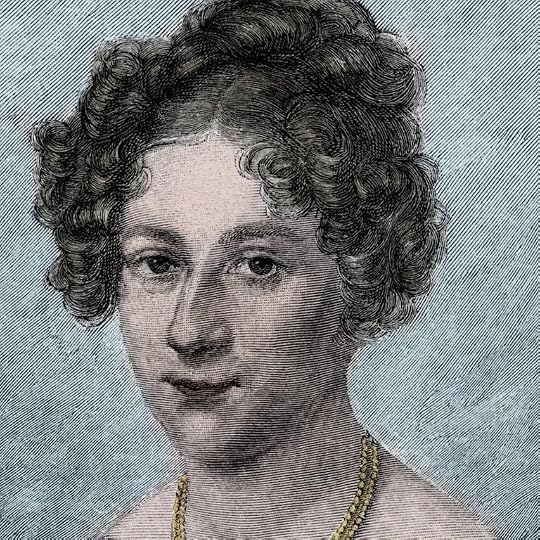
She was, Hannah Arendt wrote, "my closest friend, though she has been dead for some hundred years." Born in Berlin in 1771 as the daughter of a Jewish merchant, Rahel Varnhagen would come to host one of the most prominent salons of the late eighteenth and early nineteenth centuries. Arendt discovered her writings some time in the mid-1920s, and soon began to reimagine Rahel's inner life and write her biography. Long unavailable and never before published as Arendt intended, Rahel Varnhagen: The Life of a Jewess returns to print in an extraordinary new edition.
Arendt draws a lively and complex portrait of a woman during the period of the Napoleonic wars and the early emancipation of the Jews, a figure who met and corresponded with some of the most celebrated authors, artists, and politicians of her time. She documents Rahel's attempts to earn legitimacy as a writer and gain access to the highest aristocratic circles, to assert for herself a position in German culture in spite of her gender and religion.
Arendt had almost completed a first draft of her book on Rahel by 1933 when she was forced into exile by the National Socialists. She continued her work on the manuscript in Paris and New York, but would not publish the book until 1958. Rahel Varnhagen became not just a study of a historical Jewish figure, but a poignant reflection on Arendt's own life and times, her first exploration of German-Jewish identity and the possibility of Jewish life in the face of unimaginable adversity.
For this first complete critical edition of the book in any language, Liliane Weissberg reconstructs the notes Arendt planned for Rahel Varnhagen but never fully executed. She reveals the extent to which Arendt wove the biography largely from the words of Rahel and her contemporaries. In her extended introduction, Weissberg reflects on Rahel's writings and on the importance of this text in the development of Arendt's political theory. Weissberg also reveals the hidden story of how Arendt manipulated documents relating to Rahel Varnhagen to claim for herself a university position and reparation payments from the postwar German state.
Arendt draws a lively and complex portrait of a woman during the period of the Napoleonic wars and the early emancipation of the Jews, a figure who met and corresponded with some of the most celebrated authors, artists, and politicians of her time. She documents Rahel's attempts to earn legitimacy as a writer and gain access to the highest aristocratic circles, to assert for herself a position in German culture in spite of her gender and religion.
Arendt had almost completed a first draft of her book on Rahel by 1933 when she was forced into exile by the National Socialists. She continued her work on the manuscript in Paris and New York, but would not publish the book until 1958. Rahel Varnhagen became not just a study of a historical Jewish figure, but a poignant reflection on Arendt's own life and times, her first exploration of German-Jewish identity and the possibility of Jewish life in the face of unimaginable adversity.
For this first complete critical edition of the book in any language, Liliane Weissberg reconstructs the notes Arendt planned for Rahel Varnhagen but never fully executed. She reveals the extent to which Arendt wove the biography largely from the words of Rahel and her contemporaries. In her extended introduction, Weissberg reflects on Rahel's writings and on the importance of this text in the development of Arendt's political theory. Weissberg also reveals the hidden story of how Arendt manipulated documents relating to Rahel Varnhagen to claim for herself a university position and reparation payments from the postwar German state.
388 pages, Paperback
First published December 1, 1958
About the author
Hannah Arendt
373 books5,310 followersHannah Arendt (1906 – 1975) was one of the most influential political philosophers of the twentieth century. Born into a German-Jewish family, she was forced to leave Germany in 1933 and lived in Paris for the next eight years, working for a number of Jewish refugee organisations. In 1941 she immigrated to the United States and soon became part of a lively intellectual circle in New York. She held a number of academic positions at various American universities until her death in 1975. She is best known for two works that had a major impact both within and outside the academic community. The first, The Origins of Totalitarianism, published in 1951, was a study of the Nazi and Stalinist regimes that generated a wide-ranging debate on the nature and historical antecedents of the totalitarian phenomenon. The second, The Human Condition, published in 1958, was an original philosophical study that investigated the fundamental categories of the vita activa (labor, work, action). In addition to these two important works, Arendt published a number of influential essays on topics such as the nature of revolution, freedom, authority, tradition and the modern age. At the time of her death in 1975, she had completed the first two volumes of her last major philosophical work, The Life of the Mind, which examined the three fundamental faculties of the vita contemplativa (thinking, willing, judging).
Ratings & Reviews
Friends & Following
Create a free account to discover what your friends think of this book!
Community Reviews
Displaying 1 - 30 of 32 reviews

January 8, 2022
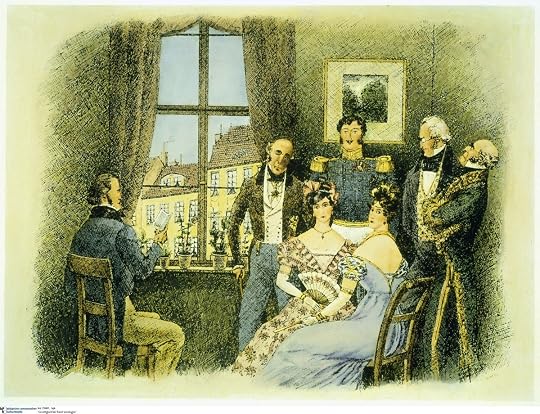
Hannah Arendt began work on her account of Rahel Varnhagen in Weimar Germany, but finished it in exile after fleeing the Gestapo. It’s an unusual piece, as a biography it flouts every convention - Sybille Bedford rightly called it, “relentlessly abstract.” It’s a claustrophobic, challenging combination of an exploration of ideas around Jewish identity, German history, and the possibility/impossibility of Jewish assimilation into wider society; and a dense, intricate attempt to reconstruct Rahel Varnhagen’s inner world, her shifting sense of self, from her dreams to her lost loves, and desperate struggles to make a place for herself as a Jewish woman. Born Rahel Levin in Berlin in 1771, Rahel Varnhagen was a prominent figure in Prussian cultural and intellectual circles: from the late 1700s to the early 1800s she resided over a salon in her attic flat. She entertained royalty, diplomats, philosophers, bohemians and writers, and was deeply involved in the first flowering of German Romanticism. Rahel's Jewishness meant an outsider status that for a brief time became a social virtue, the Jewish salon a kind of liminal space in which people from different cultural and social backgrounds could meet and mingle. Although this meant that, for many, Rahel was one of the “exceptional Jews.” She was never allowed to forget her outcast status, and is since regarded by some as a controversial figure in Jewish history.
After Prussia’s defeat by Napoleon’s forces in 1806, the age of the Jewish salon essentially ended, and Prussia’s sudden impoverished state and disarray opened up a space in which anti-Semitism flourished. Rahel spent time living abroad, although she returned to Berlin from time to time, but she could never escape what she saw as the stain of Jewishness, although she changed her name from Levin to Robert, and later married a Christian, undergoing baptism to become Frederike Varnhagen. Rahel Varnhagen lived through a particularly turbulent period in European history, leaving behind diaries and over six thousand letters, carefully preserved by her husband. Arendt was clearly fascinated by Rahel and what she might represent, referring to her as a close friend despite making it clear she disapproved of Rahel’s decision to sever her connections to Jewish society and community - not only because it isolated her and made her an easy target for prejudice but because her pursuit of assimilation was in itself foolish and deluded, making her a kind of Don Quixote figure. Although I found this a little dry and convoluted at times, I also found the detail on Prussian society striking, as was the insight into a younger Arendt’s thoughts on love, culture and the construction of the self, although her comments can tend towards the overly aphoristic. This NYRB edition's introduced by Barbara Hahn and ably translated by Clara and Richard Winston.
Thanks to Edelweiss Plus and publisher NYRB Classics for an arc
After Prussia’s defeat by Napoleon’s forces in 1806, the age of the Jewish salon essentially ended, and Prussia’s sudden impoverished state and disarray opened up a space in which anti-Semitism flourished. Rahel spent time living abroad, although she returned to Berlin from time to time, but she could never escape what she saw as the stain of Jewishness, although she changed her name from Levin to Robert, and later married a Christian, undergoing baptism to become Frederike Varnhagen. Rahel Varnhagen lived through a particularly turbulent period in European history, leaving behind diaries and over six thousand letters, carefully preserved by her husband. Arendt was clearly fascinated by Rahel and what she might represent, referring to her as a close friend despite making it clear she disapproved of Rahel’s decision to sever her connections to Jewish society and community - not only because it isolated her and made her an easy target for prejudice but because her pursuit of assimilation was in itself foolish and deluded, making her a kind of Don Quixote figure. Although I found this a little dry and convoluted at times, I also found the detail on Prussian society striking, as was the insight into a younger Arendt’s thoughts on love, culture and the construction of the self, although her comments can tend towards the overly aphoristic. This NYRB edition's introduced by Barbara Hahn and ably translated by Clara and Richard Winston.
Thanks to Edelweiss Plus and publisher NYRB Classics for an arc

September 28, 2023
After reading “Rahel Varnhagen: The Life of a Jewess,” it wasn’t surprising to me why Hannah Arendt chose to write this book; they had a lot in common.
Rahel Varnhagen née Levin was born in 1771 in Berlin in the Kingdom of Prussia. Despite this, Rahel was stateless—she was considered a foreigner because she was Jewish. By the time that Hannah Arendt had completed her original manuscript on Rahel’s life, Arendt—along with the rest of Germany’s Jews—had also become stateless.
During Rahel’s life, Germany as we know it now didn’t exist. Instead, it consisted of a number of different kingdoms and city states. Berlin didn’t emancipate its Jewish residents until after Prussia’s defeat by Napoleon. When Rahel was about 41 years old, she, along with other Prussian Jews, finally became citizens. However, German Jews as a whole weren’t emancipated until 1871.
Although this book is usually listed as a biography, readers should understand that it isn’t a biography in the traditional sense. By this, I mean that Arendt heavily focused on analyzing Rahel’s life through the lens of philosophy. Utilizing a philosophical analysis, the author shows readers how Rahel lived during the late Enlightenment.
I freely acknowledge that I know very little about philosophy; my area of expertise is in an entirely different field. And although one doesn’t need a PhD in Philosophy in order to understand what either Arendt or Rahel is saying, a refresher on the Age of Enlightenment is recommended.
There’s a lot to be said about the Age of Enlightenment, but in a nutshell, this era was epitomized by new and “radical” ideas about liberty, the separation of church and state, human reason and progress, and about the rights and roles of each individual human being in society. These ideas began to shape the world in amazing ways. One example of this can be seen in the French Revolution in general and specifically in France’s emancipation of French Jewry.
Arendt often uses the term “magic” when discussing Rahel and the society of the time. This “magic” was the Age of Enlightenment and all of its ideas about social justice and tolerance. But there’s a big difference between what things **should** be or **could** be (i.e., the “magic”) and the reality of how things really are. Jews during this era were ready for these social changes to occur. But not everyone was.
Rahel grew up during this momentous period in history. As she grew into womanhood, she entertained numerous guests, including intellectuals of all classes and religions, and they would meet in her house to discuss ideas. Prior to the Enlightenment, Jews and Gentiles remained separate. But with this new era, people began to see themselves as individuals and a degree of intermixing occurred, including friendships, marriages, and affairs. This can be seen in both of Rahel’s engagements, both of them to Gentiles. Prior to the Enlightenment, this was virtually unheard of.
But just like today, new ideas aren’t always accepted, at least not right away. Rahel’s friendships and love interests were like “magic”; but that doesn’t mean that old habits seemingly vanish. There was still antisemitism, a lot of it. So Rahel had to contend with living in a new world with a new way of thinking (e.g., the Age of Enlightenment”) with the reality of the world as it was: filled with discrimination. And this meant that while one could have a relationship—either a friendship or sexual relationship—with someone of a different ethnicity and/or religion, mixed marriages were still out of the question. And it also meant that even if a Jew converted to Christianity, he or she would still be “tainted” with Judaism. In fact, Rahel did convert just before she married her husband, Karl August Varnhagen. It also meant that even if total freedom and the “brotherhood of man” was preached from every street corner, that inequalities and discriminations were still going to (and did) persist.
Arendt’s book is both an academic analysis and also a Jewish analysis of society. Although Rahel lived during the 17th and 19th centuries, it’s easy to see how her life was so comparable to Arendt: Rahel was born stateless and then became a citizen, while Arendt was born a citizen and then became stateless; both had to deal with ongoing discrimination because of their ethnicity; both were heavily influenced by Goethe; both had to come to terms with their Judaism while living within a hostile society.
This was an excellent book and provides a lot of insight into the hardships faced by minorities when confronted with discrimination by a majority. Arendt did an excellent job writing this book, and especially so given that she was being abused in Nazi Germany while she was writing it. I recommend this book wholeheartedly.
Rahel Varnhagen née Levin was born in 1771 in Berlin in the Kingdom of Prussia. Despite this, Rahel was stateless—she was considered a foreigner because she was Jewish. By the time that Hannah Arendt had completed her original manuscript on Rahel’s life, Arendt—along with the rest of Germany’s Jews—had also become stateless.
During Rahel’s life, Germany as we know it now didn’t exist. Instead, it consisted of a number of different kingdoms and city states. Berlin didn’t emancipate its Jewish residents until after Prussia’s defeat by Napoleon. When Rahel was about 41 years old, she, along with other Prussian Jews, finally became citizens. However, German Jews as a whole weren’t emancipated until 1871.
Although this book is usually listed as a biography, readers should understand that it isn’t a biography in the traditional sense. By this, I mean that Arendt heavily focused on analyzing Rahel’s life through the lens of philosophy. Utilizing a philosophical analysis, the author shows readers how Rahel lived during the late Enlightenment.
I freely acknowledge that I know very little about philosophy; my area of expertise is in an entirely different field. And although one doesn’t need a PhD in Philosophy in order to understand what either Arendt or Rahel is saying, a refresher on the Age of Enlightenment is recommended.
There’s a lot to be said about the Age of Enlightenment, but in a nutshell, this era was epitomized by new and “radical” ideas about liberty, the separation of church and state, human reason and progress, and about the rights and roles of each individual human being in society. These ideas began to shape the world in amazing ways. One example of this can be seen in the French Revolution in general and specifically in France’s emancipation of French Jewry.
Arendt often uses the term “magic” when discussing Rahel and the society of the time. This “magic” was the Age of Enlightenment and all of its ideas about social justice and tolerance. But there’s a big difference between what things **should** be or **could** be (i.e., the “magic”) and the reality of how things really are. Jews during this era were ready for these social changes to occur. But not everyone was.
Rahel grew up during this momentous period in history. As she grew into womanhood, she entertained numerous guests, including intellectuals of all classes and religions, and they would meet in her house to discuss ideas. Prior to the Enlightenment, Jews and Gentiles remained separate. But with this new era, people began to see themselves as individuals and a degree of intermixing occurred, including friendships, marriages, and affairs. This can be seen in both of Rahel’s engagements, both of them to Gentiles. Prior to the Enlightenment, this was virtually unheard of.
But just like today, new ideas aren’t always accepted, at least not right away. Rahel’s friendships and love interests were like “magic”; but that doesn’t mean that old habits seemingly vanish. There was still antisemitism, a lot of it. So Rahel had to contend with living in a new world with a new way of thinking (e.g., the Age of Enlightenment”) with the reality of the world as it was: filled with discrimination. And this meant that while one could have a relationship—either a friendship or sexual relationship—with someone of a different ethnicity and/or religion, mixed marriages were still out of the question. And it also meant that even if a Jew converted to Christianity, he or she would still be “tainted” with Judaism. In fact, Rahel did convert just before she married her husband, Karl August Varnhagen. It also meant that even if total freedom and the “brotherhood of man” was preached from every street corner, that inequalities and discriminations were still going to (and did) persist.
Arendt’s book is both an academic analysis and also a Jewish analysis of society. Although Rahel lived during the 17th and 19th centuries, it’s easy to see how her life was so comparable to Arendt: Rahel was born stateless and then became a citizen, while Arendt was born a citizen and then became stateless; both had to deal with ongoing discrimination because of their ethnicity; both were heavily influenced by Goethe; both had to come to terms with their Judaism while living within a hostile society.
This was an excellent book and provides a lot of insight into the hardships faced by minorities when confronted with discrimination by a majority. Arendt did an excellent job writing this book, and especially so given that she was being abused in Nazi Germany while she was writing it. I recommend this book wholeheartedly.

July 13, 2022
Rahel is just a pretext for Arendt to denounce the failure of Enlightenment and Christianity vis-a-vis the Jews, to show that there is nothing new to antisemitism in Germany 100 years later, to meditate on the Jewish and woman condition, and to write her own story under a different name/pretext. In Arendt's fashion - Rahel is not just admired, but also criticized and ridiculed. The reader can glimpse Arendt's brilliant insights into politics and philosophy to follow in her major works.

February 15, 2016
One of the most unusual biographies I have ever read, Arendt's account of a minor notable in Germany has intrigued me. She wrote most of the manuscript after leaving Nazi Germany without her passport--first fleeing to Paris, then being shipped to Gurs, then escaping the Concentration Camp to Switzerland and obtaining a Visa to the U. S. where she finished the final two chapters and published it in 1958. In other words, it took her nearly 20 years to publish this medium-sized biography.
What made it unique for me was its style: Arendt really cares little for biographical minutiae and instead focuses on interpreting the letters to and from Rahel. From her letters, Arendt relates her friend. Like an epistolary novel, this biography carried the thoughts, feelings, and observations of Rahel and her associates.
I sense that Arendt was intrigued by Rahel because as a Jewess, as a female, as a literate but lacking formal education lower-bourgeois, she made the best of her circumstances. She must have been an amazing conversationalist. For years in a variety of European cities, she hosted a salon in which many came to her and through her to circulate the most interesting news. But because of her limitations, principally being born in a race without a nation, she carried this with her and was never able to achieve what she envisioned her ambitions to be.
Finally, it gave me a stronger appreciation for Arendt, who noted once that her best friend in her own stateless years was Rahel Varnhagen.
What made it unique for me was its style: Arendt really cares little for biographical minutiae and instead focuses on interpreting the letters to and from Rahel. From her letters, Arendt relates her friend. Like an epistolary novel, this biography carried the thoughts, feelings, and observations of Rahel and her associates.
I sense that Arendt was intrigued by Rahel because as a Jewess, as a female, as a literate but lacking formal education lower-bourgeois, she made the best of her circumstances. She must have been an amazing conversationalist. For years in a variety of European cities, she hosted a salon in which many came to her and through her to circulate the most interesting news. But because of her limitations, principally being born in a race without a nation, she carried this with her and was never able to achieve what she envisioned her ambitions to be.
Finally, it gave me a stronger appreciation for Arendt, who noted once that her best friend in her own stateless years was Rahel Varnhagen.

October 20, 2011
Was given 3 days to read this book AND write an essay by my grad school professors. Was not thrilled. Surprisingly enough, I finished the book in a day and actually went over the page limit on my essay. Arendt uses Varnhagen's life as a Zionist criticism of Jewish assimilation into German society. She ended up recanting this pov later in life, but the book still stands as a wonderful work--the beginnings of my Arendt obsession.

June 10, 2013
Rahel Varnhagen: Ein Rätsel, ein Monstrum und ein Paradox
"Was mich interessierte, war lediglich, Rahels Lebensgeschichte so nachzuerzählen, wie sie selbst sie hätte erzählen können. Warm sie selbst sich, im Unterschied zu dem, was andere über sie sagten, für ausserordentlich hielt, hat sie in nahezu jeder Epoche ihres Lebens in sich gleichbleibenden Wendungen und Bildern, die alle das umschreiben sollten, was sie unter Schicksal verstand, zum Ausdruck gebracht."
Hannah Arendt erzählt die Lebensgeschichte der Rahel Varnhagen und gibt dabei sehr viel von sich selber preis. Die Suche nach dem eigenen Platz in der Welt ist nicht nur Thema bei Rahel Varnhagen, sie durchzieht auch Hannah Arendts politisches Denken. Hannah Arendt begann 1930 mit der Arbeit an diesem Buch, 1933 verliess sie Deutschland, das durch die politischen Umstände nicht mehr ihr Zuhause bleiben konnte. Zu dem Zeitpunkt stand das Buch über Rahel Varnhagen bis auf die letzten beiden Kapitel.
Arendt bettet Rahels Geschichte ein in die die sie umgebende Zeit der Romantik, sie beleuchtet ihren Charakter mit den Stilmitteln ihrer Zeit, verweist auf verwandte (Frauen)Schicksale und Freundschaften zu Männern. Aus Briefwechseln und Aussagen anderer zu Rahels Person zeichnet sie das Bild einer im inneren einsamen Frau, die sich selber und ihren Platz in der Welt sucht, zu der sie nicht dazuzugehören scheint. Sie beschreibt eine Frau, die krampfhaft versucht, das von Geburt ihr anhaftende Stigma des Jüdischseins abzuschütteln, die aber bei jedem Anpassungsversuch an die nichtjüdische Welt scheitert.
"Es gibt keine Assimilation, wenn man nur seine eigene Vergangenheit aufgibt, aber die fremde ignoriert. In einer im grossen Ganzen judenfeindlichen Gesellschaft [...] kann man sich nur assimilieren, wenn man sich an den Antisemitismus assimiliert."
Erst als Rahel sich selber als Jüdin anerkennen kann, steht ihr der Weg in die Gesellschaft wirklich offen und sie kann als politisches Wesen agieren. Diese Einsicht am Ende ihres Lebens hilft Rahel, aus ihrer eigenen Selbstverleugnung herauszutreten.
Die vielen Verweise auf Rahel Varnhagens Zeitgenossen, der philosophisch tiefe Blick in deren Denken, Handeln und Sein in einer Zeit, die genauso detailliert durchdrungen wird, macht dieses Buch zu einer eher schwierigen Lektüre. Es zeichnet das Bild einer Frau, die weder schön noch charmant ist, die sich selber verleugnet und sich ihrer selber schämt. Rahel Varnhagen ist eine Frau, die trotz klarem Blick auf die Gesellschaft sich selber nicht in ihr verhaften kann und immer am Rande und allein bleibt. Trotzdem übt sie eine Faszination auf ihre Umwelt aus, wird als scharfe und individuelle Denkerin erkannt. Sie setzt nie auf Hergebrachtes oder Überliefertes, sie sucht selber nach der Wahrheit, indem sie selber denkt. Sie löst sich von einer historisch gegebenen Welt, indem sie unbeschwert auf das schaut, was ist und versucht, vorurteilslos an die Dinge heranzugehen.
"Worauf es ihr ankam, war, sich dem Leben so zu exponieren, dass es sie treffen konnte ‚wie Wetter ohne Schirm’."
Das als Biographie gedachte Buch ist zugleich die Geschichte der jüdischen Emanzipation in einer Zeit des aufkeimenden Antisemitismus sowie die Suche nach der weiblichen Identität in einer Zeit, da diese schwer öffentlich zu leben war.
Fazit:
Eine historische, philosophische und biographische Sicht auf eine Zeit, auf das Leben einer Frau in dieser Zeit. Sehr empfehlenswert, allerdings keine leichte Lektüre.
"Was mich interessierte, war lediglich, Rahels Lebensgeschichte so nachzuerzählen, wie sie selbst sie hätte erzählen können. Warm sie selbst sich, im Unterschied zu dem, was andere über sie sagten, für ausserordentlich hielt, hat sie in nahezu jeder Epoche ihres Lebens in sich gleichbleibenden Wendungen und Bildern, die alle das umschreiben sollten, was sie unter Schicksal verstand, zum Ausdruck gebracht."
Hannah Arendt erzählt die Lebensgeschichte der Rahel Varnhagen und gibt dabei sehr viel von sich selber preis. Die Suche nach dem eigenen Platz in der Welt ist nicht nur Thema bei Rahel Varnhagen, sie durchzieht auch Hannah Arendts politisches Denken. Hannah Arendt begann 1930 mit der Arbeit an diesem Buch, 1933 verliess sie Deutschland, das durch die politischen Umstände nicht mehr ihr Zuhause bleiben konnte. Zu dem Zeitpunkt stand das Buch über Rahel Varnhagen bis auf die letzten beiden Kapitel.
Arendt bettet Rahels Geschichte ein in die die sie umgebende Zeit der Romantik, sie beleuchtet ihren Charakter mit den Stilmitteln ihrer Zeit, verweist auf verwandte (Frauen)Schicksale und Freundschaften zu Männern. Aus Briefwechseln und Aussagen anderer zu Rahels Person zeichnet sie das Bild einer im inneren einsamen Frau, die sich selber und ihren Platz in der Welt sucht, zu der sie nicht dazuzugehören scheint. Sie beschreibt eine Frau, die krampfhaft versucht, das von Geburt ihr anhaftende Stigma des Jüdischseins abzuschütteln, die aber bei jedem Anpassungsversuch an die nichtjüdische Welt scheitert.
"Es gibt keine Assimilation, wenn man nur seine eigene Vergangenheit aufgibt, aber die fremde ignoriert. In einer im grossen Ganzen judenfeindlichen Gesellschaft [...] kann man sich nur assimilieren, wenn man sich an den Antisemitismus assimiliert."
Erst als Rahel sich selber als Jüdin anerkennen kann, steht ihr der Weg in die Gesellschaft wirklich offen und sie kann als politisches Wesen agieren. Diese Einsicht am Ende ihres Lebens hilft Rahel, aus ihrer eigenen Selbstverleugnung herauszutreten.
Die vielen Verweise auf Rahel Varnhagens Zeitgenossen, der philosophisch tiefe Blick in deren Denken, Handeln und Sein in einer Zeit, die genauso detailliert durchdrungen wird, macht dieses Buch zu einer eher schwierigen Lektüre. Es zeichnet das Bild einer Frau, die weder schön noch charmant ist, die sich selber verleugnet und sich ihrer selber schämt. Rahel Varnhagen ist eine Frau, die trotz klarem Blick auf die Gesellschaft sich selber nicht in ihr verhaften kann und immer am Rande und allein bleibt. Trotzdem übt sie eine Faszination auf ihre Umwelt aus, wird als scharfe und individuelle Denkerin erkannt. Sie setzt nie auf Hergebrachtes oder Überliefertes, sie sucht selber nach der Wahrheit, indem sie selber denkt. Sie löst sich von einer historisch gegebenen Welt, indem sie unbeschwert auf das schaut, was ist und versucht, vorurteilslos an die Dinge heranzugehen.
"Worauf es ihr ankam, war, sich dem Leben so zu exponieren, dass es sie treffen konnte ‚wie Wetter ohne Schirm’."
Das als Biographie gedachte Buch ist zugleich die Geschichte der jüdischen Emanzipation in einer Zeit des aufkeimenden Antisemitismus sowie die Suche nach der weiblichen Identität in einer Zeit, da diese schwer öffentlich zu leben war.
Fazit:
Eine historische, philosophische und biographische Sicht auf eine Zeit, auf das Leben einer Frau in dieser Zeit. Sehr empfehlenswert, allerdings keine leichte Lektüre.

January 7, 2016
This is one of my favourite books right now. Beautiful piece of work.

January 31, 2022
4 stars
“The history of a bankruptcy, & a rebellious spirit”. This is how Arendt sums up Rahel’s legacy in the conclusion to her biography of a remarkable woman of the Enlightenment. This book touches on personal identity in many forms, & how Rahel was shaped by societal constraints (as a non-wealthy, Jewish woman in Prussia) but also rebelled against those constraints in pursuit of personal meaning & happiness. I really enjoyed this book.
[What I liked:]
•Beautifully written! You can just tell this was written by a philosopher. That said, the language isn’t hard to read, though it is elegant. Nor is it wordy or dense.
•Rahel is a very interesting person to read about. Though lacking formal education or “culture”, traditional beauty, & wealth, she impacted many important writers & political figures of her day with her personality & her mind. I truly enjoyed learning about her in this biography, which heavily excerpts her diaries & letters.
•I learned so much from this book. It is about Rahel, but in discussing her life Arendt addresses larger cultural & historical issues that impacted Rahel’s life, namely anti-semitism & the assimilation of German Jews. I also learned a lot about the cultural ideals of the Enlightenment era that influenced Rahel, such as her striving to be an individual, a person who meant something.
[What I didn’t like as much:]
•There are many passages (quotes) in French & Latin for which no English translation or paraphrase is provided. I don’t understand much of either language, & since I was listening to the audiobook version I didn’t even have the written text to try to type into Google translate. That was frustrating.
•This is a me problem, not a problem with the book, but despite the clarity of the writing I sometimes had a hard time fully grasping what the writer was trying to communicate. I think this is because much of the book is abstract, it’s about philosophical ideals of the Enlightenment & the Romantic era, & about Rahel’s inner life. I often had the sense that I was very close to fully grasping a concept that was being discussed only for it to slip through my fingers. I only wish I understood this book better so I could enjoy it that much more.
CW: infidelity, sexism, racism, anti-semitism, classism
[I received an ARC ebook copy from NetGalley in exchange for my honest review. Thank you for the book!]
“The history of a bankruptcy, & a rebellious spirit”. This is how Arendt sums up Rahel’s legacy in the conclusion to her biography of a remarkable woman of the Enlightenment. This book touches on personal identity in many forms, & how Rahel was shaped by societal constraints (as a non-wealthy, Jewish woman in Prussia) but also rebelled against those constraints in pursuit of personal meaning & happiness. I really enjoyed this book.
[What I liked:]
•Beautifully written! You can just tell this was written by a philosopher. That said, the language isn’t hard to read, though it is elegant. Nor is it wordy or dense.
•Rahel is a very interesting person to read about. Though lacking formal education or “culture”, traditional beauty, & wealth, she impacted many important writers & political figures of her day with her personality & her mind. I truly enjoyed learning about her in this biography, which heavily excerpts her diaries & letters.
•I learned so much from this book. It is about Rahel, but in discussing her life Arendt addresses larger cultural & historical issues that impacted Rahel’s life, namely anti-semitism & the assimilation of German Jews. I also learned a lot about the cultural ideals of the Enlightenment era that influenced Rahel, such as her striving to be an individual, a person who meant something.
[What I didn’t like as much:]
•There are many passages (quotes) in French & Latin for which no English translation or paraphrase is provided. I don’t understand much of either language, & since I was listening to the audiobook version I didn’t even have the written text to try to type into Google translate. That was frustrating.
•This is a me problem, not a problem with the book, but despite the clarity of the writing I sometimes had a hard time fully grasping what the writer was trying to communicate. I think this is because much of the book is abstract, it’s about philosophical ideals of the Enlightenment & the Romantic era, & about Rahel’s inner life. I often had the sense that I was very close to fully grasping a concept that was being discussed only for it to slip through my fingers. I only wish I understood this book better so I could enjoy it that much more.
CW: infidelity, sexism, racism, anti-semitism, classism
[I received an ARC ebook copy from NetGalley in exchange for my honest review. Thank you for the book!]
December 31, 2024
Twee sterren. Niet omdat het een slecht boek was, wel omdat ik er meer van had verwacht. Arendt geeft een weergave van het leven van de Joodse Rahel Varnhagen. Historisch interessant om te lezen: ik heb veel geleerd de Jood-zijn in de 18e en 19e eeuw. Toch hoopte ik op meer analyse vanuit Arendt, of in ieder geval minder (in mijn ogen) irrelevante details uit Rahel’s leven. Al met al een boek dat langer geopend op de plank heeft gelegen dan ik van tevoren had gedacht.

April 29, 2024
I've been wanting to read from Hannah Arendt for quite some time, and decided her first book was a fitting place to start. Since this is a biography, it also seemed to be a more accessible option that her more philosophical work. That being said, I was unfamiliar with Rahel Varnhagen prior to seeing this title. A Jewish woman living in Germany in the 18th century, Varnhagen set herself apart as an intellectual. She frequented salons and surrounded herself with the thinkers of her time in the era of German romanticism. She was instrumental in the rising popularity of Goethe during her lifetime, of which I am particularly thankful because his writing is fabulous.
I was struck repeatedly with the ingrained Antisemitism in society during this era, particularly that which manifested itself within the Jewish populations in Europe. This baseless hatred had existed long before the 1700s, and continues to insidiously permeate thought today unfortunately, but to see the self-hatred in Varnhagen was rather depressing. Her goal seemed to be to distance herself from her heritage as much as possible to advance in society. I can't help but wonder what her attitude would have been if she truly ascribed to Judaism beyond her ethnicity, if faith in God and acknowledgement of her standing as one of His chosen race would have propelled her to be a resounding voice for her people instead of trying to distance herself and attempt to ignore the racism inbedded in her society.
This was well written, and I will for sure continue on with Arendt's works, but I feel as though I should have a better sense of Varnhagen after completing this book. (I acknowledge this is perhaps on me, as I do have auditory processing issues and chose to read this as an audiobook)
Format: Audiobook via Hoopla
Rating: 3 stars
Book 70 of 2024
I was struck repeatedly with the ingrained Antisemitism in society during this era, particularly that which manifested itself within the Jewish populations in Europe. This baseless hatred had existed long before the 1700s, and continues to insidiously permeate thought today unfortunately, but to see the self-hatred in Varnhagen was rather depressing. Her goal seemed to be to distance herself from her heritage as much as possible to advance in society. I can't help but wonder what her attitude would have been if she truly ascribed to Judaism beyond her ethnicity, if faith in God and acknowledgement of her standing as one of His chosen race would have propelled her to be a resounding voice for her people instead of trying to distance herself and attempt to ignore the racism inbedded in her society.
This was well written, and I will for sure continue on with Arendt's works, but I feel as though I should have a better sense of Varnhagen after completing this book. (I acknowledge this is perhaps on me, as I do have auditory processing issues and chose to read this as an audiobook)
Format: Audiobook via Hoopla
Rating: 3 stars
Book 70 of 2024
Read
September 8, 2026Rahel Varnhagen: The Life of a Jewish Woman, Hannah Arendt’s first book, poignantly details and develops the story of a Jewish woman named Rahel Varnhagen, born in Germany and known in the 18th and 19th century most prominently to have hosted well-known intellectual salons in Berlin. Arendt approaches Rahel’s life and history with such deep emotion and passionate care, claiming Rahel as her “closest friend”, despite Rahel having been dead at that point for over a hundred years. Throughout the book, Arendt tends to intermittently indulge in deep philosophical speculation upon different fragments of Rahel’s life, and the breadth of these theories did at times start to feel a bit redundant in and of themselves. I did often wish the book would’ve prioritized Rahel’s own biography more than its own speculation upon it, and given me a more personal understanding of our subject more than Arendt’s own ideas of her, but otherwise it was still very interesting, incredibly thoughtful, and forged a deeply unique historical identity.
August 21, 2022
new audiobook version of Hannah Arendt’s first postdoctoral project, an analytical biography of Rachel Varnhagen, is now available. Arendt carried around and tinkered with this manuscript for her decade-long exile in France in her twenties during the 1930s. Varnhagen was a late-eighteenth and early-nineteenth century German-Jewish writer. Rahel Varnhagen as a primary source, now available in engaging enough audio, offers an invaluable lens into Arendt’s early thoughts on Jewishness and womanhood at a time when they shaped her life, too.
October 31, 2022
Although a brilliant topic, I was disappointed by how much time and space Arendt dedicated to the men in Rahel Varnhagen’s life which I felt was at the expense of her other activities. I found it hard to ascertain how she ran such a successful salon in 1790s Berlin and what happened there. The later chapters on RV’s relationship to her Jewishness and assimilation were thoughtful and incisive - much needed in view of her one-dimensional depiction elsewhere in the literature of Jewish history as a ‘self-hating Jew’.
The version I read was published by the New York Review of Books with an introduction by Barbara Hahn, not the one pictured here on Goodreads. It has a beautiful pencil drawing of Varnhagen on the cover.
The version I read was published by the New York Review of Books with an introduction by Barbara Hahn, not the one pictured here on Goodreads. It has a beautiful pencil drawing of Varnhagen on the cover.

May 15, 2024
Zuerst einmal muss ich sagen, dass ich allgemein nicht so viele Lebensgeschichten lese, da ich meist Probleme habe den Zugang zur Person, über die berichtet wird, zu finden. Ein solches Problem hatte ich auch hier: Die Erzählung war für meinen Geschmack zum Teil zu distanziert. Darüberhinaus nutzte Arendt an einigen Stellen Zitate Varnhagens, die zwar charakterisierend für Rahel waren, jedoch wurden diese häufig sehr schlecht in den Text eingegliedert: So wechselte dann plötzlich die Erzählperspektive des Er-/Sie-Erzählers zum Ich-Erzähler, was beim Lesen anstrengend war und dieses eher holprig gestaltet hat.
Inhaltlich fand ich das Buch mittelmäßig: Einige Aussagen waren sehr inspirierend und bewegend, gleichzeitig gab es aber auch Stellen, wo ich mir einen anderen inhaltlichen Fokus gewünscht hätte.
Zusammenfassend würde ich sagen, dass die Lebensgeschichte von Rahel definitiv Gehör verdient, jedoch empfehle ich nicht unbedingt dieses Buch dafür. Ich denke, dass es da andere gibt, die beim Lesen angenehmer sind und bessere Schwerpunkte haben.
Inhaltlich fand ich das Buch mittelmäßig: Einige Aussagen waren sehr inspirierend und bewegend, gleichzeitig gab es aber auch Stellen, wo ich mir einen anderen inhaltlichen Fokus gewünscht hätte.
Zusammenfassend würde ich sagen, dass die Lebensgeschichte von Rahel definitiv Gehör verdient, jedoch empfehle ich nicht unbedingt dieses Buch dafür. Ich denke, dass es da andere gibt, die beim Lesen angenehmer sind und bessere Schwerpunkte haben.

Read
September 22, 2025Stunning and deeply personal biography that is really just Arendt reflecting on the futility of assimilation - which I necessarily have to disagree with, but she gets a pass given that this was written at the dawn of the third Reich. And also she’s Hannah Arendt.
September 7, 2025
"Everything you do after unhappiness has come is always tinged with ignobility because the unhappiness seems to forbid continuance..."

August 21, 2008
underrated.
the wild part, among so much - which hey it's way different than the other arendts - is the dream sequence with its outright rejection of interpreting dreams in "Night and Day" and then right into the most splendid dream interpretation sequence. most innovative of Arendt's? why have mosts?
the wild part, among so much - which hey it's way different than the other arendts - is the dream sequence with its outright rejection of interpreting dreams in "Night and Day" and then right into the most splendid dream interpretation sequence. most innovative of Arendt's? why have mosts?

November 20, 2017
Одно из первых произведений Ханны Арендт - биография Рахели Фарнхаген, которую она называла "моя самая близкая подруга, хоть она уже сотни лет мертва".
Пожалуй, самая необычная биографическая книга, которую я читала... Интересен сам подход Арендт к написанию книги:
"Я никогда не намеревалась написать книгу о Рахели; ни о ее личности, которую можно интерпретировать по-разному, в соответствии с психологическими стандартами и категориями, привнесенными автором извне; ни о ее роли в романтизме и влиянии культа Гёте в Берлине, основоположницей которого она фактически была; ни о значимости ее салона в социальной истории того времени; ни о ее идеях и "мировоззрении", в той мере, в которой их можно воссоздать на основании ее писем. Единственное, что меня интересовало - изложить историю жизни Рахели так, как она сама могла бы ее рассказать."
Можно ли воссоздать внутренний мир женщины, умершей сто лет назад, даже если она оставила дневники и письма?.. Арендт попыталась сделать именно это.
Основная часть книги была написана в 1933 году, незадолго до того, как Арендт покинула Германию, а опубликована она была в 1957 году на английском и в 1959 году на немецком.
Итак, кто такая была Рахель Фарнхаген?
Родилась она в 1771 году в Берлине, в богатой еврейской семье. Отец был торговцем драгоценными камнями. Однако, большую часть жизни Рахель вовсе не была богата. Когда ей было около 19, отец умер, его бизнес поделили между собой братья, матери выделили пожизненное содержание, а двух сестер - Рахель и Розу - решили поскорее выдать замуж, никакой доли от отцовского состояния они не получили. С младшей, Розой, им это удалось, а вот с Рахелью - нет. До самой смерти матери Рахель зависела финансово от нее и от помощи братьев, которые выделяли незамужней сестре средства на жизнь по своему усмотрению - когда больше, когда меньше.
Образования Рахель не получила почти никакого. Как пишет Ханна Арендт, евреи в ту пору были либо ученые, либо богатые. Причем, ученость подразумевалась специфическая - изучение Торы, а это занятие занимает всё отведенное ему время и с зарабатыванием денег плохо совместимо. Богатые же не считали нужным ни светское, ни религиозное образование; даже отправлять сыновей в университеты в состоятельных еврейских семьях тогда еще не было принято, что уж говорить об образовании девочек...
Кроме того, Рахель не была красива, как она сама о себе говорила - никаких уродливых черт, но и никакой красоты. Простушка. Возможно, поэтому выдать ее замуж братьям так и не удалось.
Что же ждало в жизни девушку небогатую, некрасивую и необразованную? В общем-то никаких блестящих перспектив...
Если еще добавить к этому принадлежность к еврейскому народу, ситуация становится еще хуже. Евреи не считались полноправными гражданами, антисемитизм процветал, распространялись юдофобские памфлеты, довелось Рахели пережить и погромы.... Она практически всю жизнь тяготилась своим еврейством и считала это главной причиной несчастий в своей жизни. Еврейство по тем временам было клеймом.
Тем не менее, Рахель Левин (ее девичья фамилия) каким-то образом умудрилась собрать вокруг себя, в своем литературном салоне, чрезвычайно интересных людей. В ее круг общения в разное время входили братья Гумбольдты, Фридрих Шлегель и его жена Доротея Шлегель, Фридрих Генц, Шлейермахер, принц Луи Фердинанд Прусский и его любовница Паулина Визель, Клеменс Брентано и Беттина фон Арним, Генриетта Герц, Гегель, Гейне, Адельберт фон Шамиссо.
Было в ее жизни несколько любовных историй, сплошь неудачных, несколько помолвок, закончившихся разрывом. Первый ее жених был, ни много ни мало, графом, и его семья, разумеется, противилась браку с еврейской девушкой-бесприданницей. Лишь в возрасте 43 лет она вышла замуж за Карла Августа Фарнхагена фон Энзе, который был младше ее на 14 лет. Странный это был брак... Фарнхаген был, как сейчас сказали бы, ее "фанатом", его отношение к Рахели было подобно почитанию подростком какой-нибудь celebrity. Скажем, он говорил, что она "третья по счету гордость еврейского народа" - после Христа и Спинозы. Неслабо, да? Как-то уже попахивает одержимостью... Для нее же этот брак был последней надеждой устроить свою жизнь, вписаться в общество, обрести почву под ногами. Также она крестилась, приняв имя Антония Фридерика.
Рахель хотела считать себя немецкой женщиной, но считали ли ее таковой сами немцы? Нельзя сказать, что брак с христианином и крещение спасли ее от антисемитизма. Скажем, некоторые люди могли ее принимать совместно с мужем, но никогда - саму по себе. От этого "пятна" она так никогда и не смогла избавиться - это было невозможно. Сбежать от своего еврейства можно было разве что на Луну, как говорит Арендт.
Думаю, без лишних слов понятно, чем Ханну Арендт, ассимилированную немецкую еврейку, в преддверии Холокоста так глубоко затронула история Рахели Фарнхаген, что она назвала ее "своей ближайшей подругой" и решила посвятить ей книгу...
Пожалуй, самая необычная биографическая книга, которую я читала... Интересен сам подход Арендт к написанию книги:
"Я никогда не намеревалась написать книгу о Рахели; ни о ее личности, которую можно интерпретировать по-разному, в соответствии с психологическими стандартами и категориями, привнесенными автором извне; ни о ее роли в романтизме и влиянии культа Гёте в Берлине, основоположницей которого она фактически была; ни о значимости ее салона в социальной истории того времени; ни о ее идеях и "мировоззрении", в той мере, в которой их можно воссоздать на основании ее писем. Единственное, что меня интересовало - изложить историю жизни Рахели так, как она сама могла бы ее рассказать."
Можно ли воссоздать внутренний мир женщины, умершей сто лет назад, даже если она оставила дневники и письма?.. Арендт попыталась сделать именно это.
Основная часть книги была написана в 1933 году, незадолго до того, как Арендт покинула Германию, а опубликована она была в 1957 году на английском и в 1959 году на немецком.
Итак, кто такая была Рахель Фарнхаген?
Родилась она в 1771 году в Берлине, в богатой еврейской семье. Отец был торговцем драгоценными камнями. Однако, большую часть жизни Рахель вовсе не была богата. Когда ей было около 19, отец умер, его бизнес поделили между собой братья, матери выделили пожизненное содержание, а двух сестер - Рахель и Розу - решили поскорее выдать замуж, никакой доли от отцовского состояния они не получили. С младшей, Розой, им это удалось, а вот с Рахелью - нет. До самой смерти матери Рахель зависела финансово от нее и от помощи братьев, которые выделяли незамужней сестре средства на жизнь по своему усмотрению - когда больше, когда меньше.
Образования Рахель не получила почти никакого. Как пишет Ханна Арендт, евреи в ту пору были либо ученые, либо богатые. Причем, ученость подразумевалась специфическая - изучение Торы, а это занятие занимает всё отведенное ему время и с зарабатыванием денег плохо совместимо. Богатые же не считали нужным ни светское, ни религиозное образование; даже отправлять сыновей в университеты в состоятельных еврейских семьях тогда еще не было принято, что уж говорить об образовании девочек...
Кроме того, Рахель не была красива, как она сама о себе говорила - никаких уродливых черт, но и никакой красоты. Простушка. Возможно, поэтому выдать ее замуж братьям так и не удалось.
Что же ждало в жизни девушку небогатую, некрасивую и необразованную? В общем-то никаких блестящих перспектив...
Если еще добавить к этому принадлежность к еврейскому народу, ситуация становится еще хуже. Евреи не считались полноправными гражданами, антисемитизм процветал, распространялись юдофобские памфлеты, довелось Рахели пережить и погромы.... Она практически всю жизнь тяготилась своим еврейством и считала это главной причиной несчастий в своей жизни. Еврейство по тем временам было клеймом.
Тем не менее, Рахель Левин (ее девичья фамилия) каким-то образом умудрилась собрать вокруг себя, в своем литературном салоне, чрезвычайно интересных людей. В ее круг общения в разное время входили братья Гумбольдты, Фридрих Шлегель и его жена Доротея Шлегель, Фридрих Генц, Шлейермахер, принц Луи Фердинанд Прусский и его любовница Паулина Визель, Клеменс Брентано и Беттина фон Арним, Генриетта Герц, Гегель, Гейне, Адельберт фон Шамиссо.
Было в ее жизни несколько любовных историй, сплошь неудачных, несколько помолвок, закончившихся разрывом. Первый ее жених был, ни много ни мало, графом, и его семья, разумеется, противилась браку с еврейской девушкой-бесприданницей. Лишь в возрасте 43 лет она вышла замуж за Карла Августа Фарнхагена фон Энзе, который был младше ее на 14 лет. Странный это был брак... Фарнхаген был, как сейчас сказали бы, ее "фанатом", его отношение к Рахели было подобно почитанию подростком какой-нибудь celebrity. Скажем, он говорил, что она "третья по счету гордость еврейского народа" - после Христа и Спинозы. Неслабо, да? Как-то уже попахивает одержимостью... Для нее же этот брак был последней надеждой устроить свою жизнь, вписаться в общество, обрести почву под ногами. Также она крестилась, приняв имя Антония Фридерика.
Рахель хотела считать себя немецкой женщиной, но считали ли ее таковой сами немцы? Нельзя сказать, что брак с христианином и крещение спасли ее от антисемитизма. Скажем, некоторые люди могли ее принимать совместно с мужем, но никогда - саму по себе. От этого "пятна" она так никогда и не смогла избавиться - это было невозможно. Сбежать от своего еврейства можно было разве что на Луну, как говорит Арендт.
Думаю, без лишних слов понятно, чем Ханну Арендт, ассимилированную немецкую еврейку, в преддверии Холокоста так глубоко затронула история Рахели Фарнхаген, что она назвала ее "своей ближайшей подругой" и решила посвятить ей книгу...
June 27, 2026
Letters, diaries, and a stubborn devotion drag Rahel Levin's interior life into open court a century after her death in this unique biography. Levin ran one of Berlin's most celebrated salons, gathering philosophers, poets, and princes around her table, charming Goethe and flattering Schlegel into steady attendance. Levin's eventual conversion, marriage, and rename to Varnhagen produce a syllable swap that practically rhymes with varnish, a coincidence the plot exploits at every turn, assimilation working like several coats applied again and again to a surface that keeps its original color regardless of the coats.
Arendt names Levin "my closest friend, though she has been dead for some hundred years," then debates choices Levin made under pressure decades earlier. This affection turns critical fast. Arendt watches Levin attempt to erase her own birth into Judaism through baptism and marriage, calling the effort an act of self-erasure and tragedy, though Levin's own letters dress the effort as triumph.
Arendt's framework splits Levin into pariah and parvenu, two roles played simultaneously, like an actor cast as both villain and hero in a single scene. The chapter titled "Jewess and Shlemihl" is cruel and comedic. A shlemihl spills the soup and Levin spills her own carefully built reputation at regular intervals throughout the climb. Goethe's admiration, Schlegel's flattery, and the aristocracy's tolerance all arrive on schedule, then predictably vanish, leaving Levin to rebuild her standing through fresh correspondence and fresher charm.
Levin's deathbed speech closes the book with a reversal. The Jewish birth lineage that for decades was perceived as a misfortune becomes, in her own words, a source of pride. A twist that the salon crowd, despite years of wit, manages to match only here. Arendt, composing much of this manuscript while fleeing the very catastrophe that made Jewish identity unavoidable again, gives Levin's late embrace of her origin a weight the earlier chapters spend three hundred pages building toward.
Four stars suit this book well, awarded for the daring of the project and withheld only because Arendt's prose density asks readers to retrace paragraphs before the line between Levin's voice and Arendt's grows visible again. A biography about a woman determined to talk her way into another culture, written by a woman forced to walk her way out of one, makes for a pairing sharper than coincidence and steadier than irony, varnish included.
❤️ 🇮🇱
Arendt names Levin "my closest friend, though she has been dead for some hundred years," then debates choices Levin made under pressure decades earlier. This affection turns critical fast. Arendt watches Levin attempt to erase her own birth into Judaism through baptism and marriage, calling the effort an act of self-erasure and tragedy, though Levin's own letters dress the effort as triumph.
Arendt's framework splits Levin into pariah and parvenu, two roles played simultaneously, like an actor cast as both villain and hero in a single scene. The chapter titled "Jewess and Shlemihl" is cruel and comedic. A shlemihl spills the soup and Levin spills her own carefully built reputation at regular intervals throughout the climb. Goethe's admiration, Schlegel's flattery, and the aristocracy's tolerance all arrive on schedule, then predictably vanish, leaving Levin to rebuild her standing through fresh correspondence and fresher charm.
Levin's deathbed speech closes the book with a reversal. The Jewish birth lineage that for decades was perceived as a misfortune becomes, in her own words, a source of pride. A twist that the salon crowd, despite years of wit, manages to match only here. Arendt, composing much of this manuscript while fleeing the very catastrophe that made Jewish identity unavoidable again, gives Levin's late embrace of her origin a weight the earlier chapters spend three hundred pages building toward.
Four stars suit this book well, awarded for the daring of the project and withheld only because Arendt's prose density asks readers to retrace paragraphs before the line between Levin's voice and Arendt's grows visible again. A biography about a woman determined to talk her way into another culture, written by a woman forced to walk her way out of one, makes for a pairing sharper than coincidence and steadier than irony, varnish included.
❤️ 🇮🇱

August 23, 2026
Barbra Hahn's introduction cites a review from a girl, who describes Hannah Arendt's biography of the German Jewish bohemian as "slow, cluttered, static," and "curiously oppressive [...] like sitting in a hothouse with no watch." I like "curiously oppressive" books, but this book is still just ok.
Maybe Arendt uses RV to analyze her life and ideas. About one translation, Hahn notices that RV now "sounded like the biography's author, Arendt herself." RV doesn't want to "worship" boys, not even Johann Wolfgang von Goethe, and Arendt probably didn't want to "worship" Martin Heidegger. Arendt admits that "beauty in a woman can mean power," yet "nature went to no great trouble" for RV. Arendt likely felt chopped too.
In The Origins of Totalitarianism, Arendt concludes that pervasive atomization and "loneliness" are the main causes of lethal governments. RV is alienated. She says, "Facts mean nothing to me at all," and she believes "lying" is an "important component of freedom." Arendt then extrapolates, explaining to readers that "the world" is the "totality of facts," though single facts might be "undone" or "wiped out" by untruths.
Staying with the unreal, Arendt argues that the "more imaginary a life, the more imaginary its suffering," which compels a "craving for an audience" to receive "confirmation." Arendt is writing about a girl who was born in 1771, but her formula applies to the present and atomized media.
Maybe Arendt uses RV to analyze her life and ideas. About one translation, Hahn notices that RV now "sounded like the biography's author, Arendt herself." RV doesn't want to "worship" boys, not even Johann Wolfgang von Goethe, and Arendt probably didn't want to "worship" Martin Heidegger. Arendt admits that "beauty in a woman can mean power," yet "nature went to no great trouble" for RV. Arendt likely felt chopped too.
In The Origins of Totalitarianism, Arendt concludes that pervasive atomization and "loneliness" are the main causes of lethal governments. RV is alienated. She says, "Facts mean nothing to me at all," and she believes "lying" is an "important component of freedom." Arendt then extrapolates, explaining to readers that "the world" is the "totality of facts," though single facts might be "undone" or "wiped out" by untruths.
Staying with the unreal, Arendt argues that the "more imaginary a life, the more imaginary its suffering," which compels a "craving for an audience" to receive "confirmation." Arendt is writing about a girl who was born in 1771, but her formula applies to the present and atomized media.
October 29, 2024
Despite its abstract and dense style, this book stands out as a unique specimen of biography. Writing deeply and empathetically about another person without falling into the traps of psychological formulas—be it Freudianism, feminism, or any other theoretical framework—is no easy task. If the book is influenced by any school of thought, it would be Heideggerian anthropology or phenomenology. Yet its style reaches even further back to Kierkegaard, the philosophical ancestor of these systems. In fact, this work may be one of the few genuine reproductions of the Kierkegaardian approach, in content, form, and intention. It feels like a thinly veiled autobiography. Like Kierkegaard, it resists easy consumption, transforming the mundane with layers of abstraction, heightened complexity, and sometimes deliberate obscurity. Ultimately, the book reflects what its author, Hannah Arendt, valued most in herself and others: the ability to think beyond clichés and delve into the essence of life, language, and the world.
September 11, 2025
The book was a bit repetitive and difficult to finish. I was disappointed in Rahel Varnhagen, and how her life was portrayed. I have a feeling she was a more dynamic, influential person than what came across in this book.
The most interesting part was the introduction, which was a good biography of Hannah Arendt, including the background to her writing this book; how the manuscript was somehow saved; her efforts to publish is in Germany after the war; and her successful attempt to get reparations.
The most interesting part was the introduction, which was a good biography of Hannah Arendt, including the background to her writing this book; how the manuscript was somehow saved; her efforts to publish is in Germany after the war; and her successful attempt to get reparations.

December 6, 2020
I think I prefer biographies written by historians over those by philosophers, even if the philosopher author happens to be Hannah Arendt. I expected more from Arendt. The best parts of the book are the quotes from Varnhagen's letters, most of Arendt's reflections are speculations, she added little context, information and substance.

Read
March 20, 2022Arendt sets out to write the biography of a a prominent if largely forgotten figure of the German Romantic-era in the Romantic style, which is to say, with enormously self-indulgent melodrama. Its a fascinating exercise that elicits some interesting points about Judaism but also I really can't stand Rahel Varnhagen or the Romantics generally so I had to kind of drag myself through this.

December 9, 2022
The biography of Rahel was recently reissued by NY Review of Books, so I snatched it up as I'd previously had difficulty tracking down a copy in English. It was astonishing how close Arendt gets to Rahel; we sense her whole person as she struggles to live despite her 'lot in life' as a Jewish woman in Renaissance-era Germany. No one figure in her life is spared critique, including Rahel herself.

July 21, 2026
非常奇特的传记写法,传主的生平活动模糊不清,但每步精神发展都以相当概念化的方式展开,生命中的人物都是某种“典范”的参照物,如成长小说或精神现象学一般,十分具有哲学味。拉赫尔与其说想要作为犹太人得到解放,不如说想从“犹太性”中解放出来,外部世界却不会因此将她不视为犹太人,接受洗礼彻底同化又会丧失自我与尊严。既然肉体现实永远将她排除在外,那排除肉体现实的非个人化的启蒙理性成为自然的避难所,精神在此得以自由驰骋。只有藉由歌德与费希特的阅读,她才能接受德意志民族主义,因为他们将其奠基于合理化的基础上,让她感到吸引的同时不会感到威胁。但拿破仑战争后反犹情绪重新抬头(对应阿伦特写作年代),最后拉赫尔没有迎来和解,只能自居贱民,不断反叛。对后辈海涅的提携,恰是下一个时代的预示。
May 21, 2024
“One does not escape Jewishness”
What more is there to say about this little gem of a book that is already awaiting the next person to stumble upon its magic, and words that move towards one like recaptured wonder.
What more is there to say about this little gem of a book that is already awaiting the next person to stumble upon its magic, and words that move towards one like recaptured wonder.

August 1, 2023
I'm not sure what I expected from this book, but I found it a very slow read and it didn't give me much at all.

Read
September 23, 2023read the beginning 50 pages and last 50 pages of this book for school, will 100% be returning

March 15, 2024
The most perplexing biography I have read.
Displaying 1 - 30 of 32 reviews