

What do you think?

The Toymaker
A person is defined by the secrets they keep. Adam Kulakov likes his life. He’s on the right side of middle age; the toy company he owns brightens the lives of children around the world; and he has more money than he can ever spend, a wife and child he adores, and as many mistresses as he can reasonably hide from them. He is not the only one with secrets. In 1944, Adam’s grandfather, Arkady, was imprisoned in Auschwitz and given an impossible choice. Now, as he’s coming to the end of his life, he has to keep the truth from his family, and hold back the crushing memories of his time with one of history’s greatest monsters. As a mistake threatens to bring Adam’s world tumbling down around him, the past reaches for Arkady. Everything he’s spent a lifetime building will be threatened, as will everything Adam and his family think they know of the world. Bold, dark, and compelling, The Toymaker is a novel about privilege, fear, and the great harm we can do when we are afraid of losing what we hold dear.
272 pages, Paperback
First published January 1, 2016
Ratings & Reviews
Friends & Following
Create a free account to discover what your friends think of this book!
Community Reviews
Displaying 1 - 30 of 204 reviews

January 2, 2017
Non fiction writer Liam Pieper delves into the world of fiction with his ambitious novel, The Toymaker. The Toymaker is a book that contrasts life in modern day Australia, Melbourne and the death camps of World War II. Linking these two vastly different settings is one man, Arkady Kulakov, a Holocaust survivor and now the owner of a successful toy manufacturing empire.
When we meet Arkady he is nearing the end of his life. As his health fails, Arkady watches over the heir to his business, his grandson Adam, as he bumbles his way through managing the lucrative family business. Adam is a ruthless manager, bullying to his staff and looking for ways to cost cut the business. He is greedy and a cheating womanizer. Adam is a character who always seems to make his escape at the most pivotal times. Often Adam leaves his wife Tess to pick up the pieces of the business, as well as the health of his grandfather when times are tough. The Toymaker fuses the present with the past, revealing how our life choices and human nature’s fight for survival impacts on the present.
I found The Toymaker a hard novel to rate. Whilst I found that the writing was assured and the concept for the book itself ambitious, I had difficulty with the confronting subject matter. My distaste for the character of Adam came immediately, the opening scenes in which Adam indulges in an affair were hard to stomach. The choices that Adam makes are downright despicable and frustrated me to the core. I did read on and I was able to put my dislike for this character aside. I held much hope that Adam would make a miraculous character transformation or karma would get to him in the end!
Supporting Adam is his long suffering wife Tess, whom I had much more time for. Tess is essentially the backbone for the family toy manufacturing business. She also balances her time as a mother to her son by Adam, Kade. Tess’ devotion to Adam’s grandfather also gives her more redeeming features in my eyes. However, there was something about Tess I couldn’t quite put my finger on, she was not as clearly defined character wise compared to Adam.
The final point of view we witness in The Toymaker is by far the most powerful. Arkady is Adam’s grandfather and a survivor of the Holocaust. The compelling story of how Arkady came to Auschwitz, his horrific time at the death camp and his eventual escape to a new life in Australia, drove this novel forward. The writing in these sections of the book are confronting but utterly compelling. It is not a story from the Holocaust I will forget in a hurry. Pieper also chooses this section to deliver an artistic twist to the story, which was entirely unexpected on my behalf. It turned the novel completely on its head. The nature of this clever narrative twist enabled me to dig deep into my perceptions of survival, human nature and morality. This is a hard task for the writer and the reader, but Pieper manages to pull this off with ease.
The Toymaker is a book that pushes the moral boundaries and it will make the reader question their views on the will to survive. At times bleak, utterly heartbreaking and reflective, I would recommend this novel if you have an interest in history, the Holocaust and split narrative style novels.
https://mrsbbookreviews.wordpress.com
When we meet Arkady he is nearing the end of his life. As his health fails, Arkady watches over the heir to his business, his grandson Adam, as he bumbles his way through managing the lucrative family business. Adam is a ruthless manager, bullying to his staff and looking for ways to cost cut the business. He is greedy and a cheating womanizer. Adam is a character who always seems to make his escape at the most pivotal times. Often Adam leaves his wife Tess to pick up the pieces of the business, as well as the health of his grandfather when times are tough. The Toymaker fuses the present with the past, revealing how our life choices and human nature’s fight for survival impacts on the present.
I found The Toymaker a hard novel to rate. Whilst I found that the writing was assured and the concept for the book itself ambitious, I had difficulty with the confronting subject matter. My distaste for the character of Adam came immediately, the opening scenes in which Adam indulges in an affair were hard to stomach. The choices that Adam makes are downright despicable and frustrated me to the core. I did read on and I was able to put my dislike for this character aside. I held much hope that Adam would make a miraculous character transformation or karma would get to him in the end!
Supporting Adam is his long suffering wife Tess, whom I had much more time for. Tess is essentially the backbone for the family toy manufacturing business. She also balances her time as a mother to her son by Adam, Kade. Tess’ devotion to Adam’s grandfather also gives her more redeeming features in my eyes. However, there was something about Tess I couldn’t quite put my finger on, she was not as clearly defined character wise compared to Adam.
The final point of view we witness in The Toymaker is by far the most powerful. Arkady is Adam’s grandfather and a survivor of the Holocaust. The compelling story of how Arkady came to Auschwitz, his horrific time at the death camp and his eventual escape to a new life in Australia, drove this novel forward. The writing in these sections of the book are confronting but utterly compelling. It is not a story from the Holocaust I will forget in a hurry. Pieper also chooses this section to deliver an artistic twist to the story, which was entirely unexpected on my behalf. It turned the novel completely on its head. The nature of this clever narrative twist enabled me to dig deep into my perceptions of survival, human nature and morality. This is a hard task for the writer and the reader, but Pieper manages to pull this off with ease.
The Toymaker is a book that pushes the moral boundaries and it will make the reader question their views on the will to survive. At times bleak, utterly heartbreaking and reflective, I would recommend this novel if you have an interest in history, the Holocaust and split narrative style novels.
https://mrsbbookreviews.wordpress.com

July 23, 2016
What a fucking book!!!!!!! Dear lord! Let me just say that the charters in this are assholes! But omg the story was amazing! The ending!!!! The twist!!!!! I hated Adam so so much but his character was written so well as the asshole he is. And the twist at the end how everything came together and you look back on what you just read and understand everything that has been happening. Well done!!! Well done!!!! I can honestly say this was put together so well. Even tho the characters are mostly are dicks it works and is amazing! So much praise

August 29, 2016
I did not like this book. Not at all.
The Toy Maker is the first novel of Liam Pieper, a freelance journalist from Melbourne. It has been reviewed in The Australian and The Saturday Paper and the SMH so it doesn’t need any additional publicity from me and I will keep this brief.
Its crude language and sleazy beginning put me in mind of the unpleasant characters in Christos Tsolkias’s The Slap and the juxtaposition of the contemporary story strand with Grandfather Arkady’s survival of the Holocaust was grotesque.
To read the rest of my review please visit https://anzlitlovers.com/2016/08/30/t...
The Toy Maker is the first novel of Liam Pieper, a freelance journalist from Melbourne. It has been reviewed in The Australian and The Saturday Paper and the SMH so it doesn’t need any additional publicity from me and I will keep this brief.
Its crude language and sleazy beginning put me in mind of the unpleasant characters in Christos Tsolkias’s The Slap and the juxtaposition of the contemporary story strand with Grandfather Arkady’s survival of the Holocaust was grotesque.
To read the rest of my review please visit https://anzlitlovers.com/2016/08/30/t...

June 9, 2016
What is this story about: Survival. It comes in different forms for Adam (scandal), Arkady (Nazi death camps), and Tess (who really, has to survive Adam and his ego).
What else is this about?: Part of Arkady's POV includes his time in the Nazi death camps, which is stark and brutal and hard to read. But, his past made him the man he is today, and without them he doesn't make sense.
Should you read: Yes. Absolutely yes.
The quote from Hannah Kent on the cover encapsulates what this book is about: survival, whether it is a Nazi death camp, a mistake borne out of ego or a crumbling marriage and public humiliation.
This is the story of Arkady Kulakov, his grandson Adam, and Tess, Adam’s wife. It's the story about each's will to survive the events in the book that threaten them and their lives. And, they're the only family that matter to each other and readers, save for Kade, Tess and Adam’s son.
It’s Adam’s mistake that begins this tale – he is a man who expects to get what he wants, never thinking about the consequences. There’s very little about him that is actually decent, besides his love for his grandfather, in the fleeting moments it appears. It’s as if Arkady’s goodness rubs off on him and makes him more palatable in those moments, until his true nature reasserts itself. Adam is removed from Tess and Arkady in this story, wrapped up in manipulating everyone around him to correct his mistakes and save his reputation. And all the while, the grandfather he loves, is in hospital dying.
Arkady is the grandfather any reader would love. Gregarious and adoring of Adam, Kade and Tess, he’s the type of guy that will get on with anyone. He and Tess have a close bond, the both of them building their relationship when Tess first started doing the books for the company. Tess adores him, values him and his expertise, and it is she who is around for him when his dementia results in a hospitalisation and the realisation that he is dying. Most probably, according to the doctors, from his time in the camps. Theirs is relationship that has heart, and will break yours when you read it.
Tess' story is hard to discern, for in the beginning I was sure that the story's focus was Adam and Arkady, more than anything, and her story was to be Arkady's confidant and Adam's long-suffering wife. But, she's much more than that; the book simply builds her story differently, leaving it simmering in the background until the right time. There's something elegant about her storyline, about the way it's built until it's ready to be revealed.
While Adam and Tess’ stories are set in the future, Arkday’s is revealed bit by bit through his time before the war, his relationships and his time in the camps, most importantly how he survived. Pieper walks a fine line with Arkady, managing to evoke sympathy for someone who seemed at times to be a monster, who would do anything to survive. Pieper’s writing is stark, painful at times but never hiding the truth of Arkady – as I mentioned above, the death camps made Arkady who he is.
Twists are the name of the game these days, and the bigger and better they are, the more likely they are to be mentioned in blurbs and publishing materials these days. After reading this book, I was reminded how twists can pale in comparison to writing that's just that good, heartbreaking and you feel like a punch to the gut. That's what this book is and when the "t" word gets pulled out, ignore it. Read this because you want to be enthralled by human nature, by what humans will do to survive no matter what.
Read this book because nothing in it is what it seems, but the desire humans have to survive.
What else is this about?: Part of Arkady's POV includes his time in the Nazi death camps, which is stark and brutal and hard to read. But, his past made him the man he is today, and without them he doesn't make sense.
Should you read: Yes. Absolutely yes.
The quote from Hannah Kent on the cover encapsulates what this book is about: survival, whether it is a Nazi death camp, a mistake borne out of ego or a crumbling marriage and public humiliation.
This is the story of Arkady Kulakov, his grandson Adam, and Tess, Adam’s wife. It's the story about each's will to survive the events in the book that threaten them and their lives. And, they're the only family that matter to each other and readers, save for Kade, Tess and Adam’s son.
It’s Adam’s mistake that begins this tale – he is a man who expects to get what he wants, never thinking about the consequences. There’s very little about him that is actually decent, besides his love for his grandfather, in the fleeting moments it appears. It’s as if Arkady’s goodness rubs off on him and makes him more palatable in those moments, until his true nature reasserts itself. Adam is removed from Tess and Arkady in this story, wrapped up in manipulating everyone around him to correct his mistakes and save his reputation. And all the while, the grandfather he loves, is in hospital dying.
Arkady is the grandfather any reader would love. Gregarious and adoring of Adam, Kade and Tess, he’s the type of guy that will get on with anyone. He and Tess have a close bond, the both of them building their relationship when Tess first started doing the books for the company. Tess adores him, values him and his expertise, and it is she who is around for him when his dementia results in a hospitalisation and the realisation that he is dying. Most probably, according to the doctors, from his time in the camps. Theirs is relationship that has heart, and will break yours when you read it.
Tess' story is hard to discern, for in the beginning I was sure that the story's focus was Adam and Arkady, more than anything, and her story was to be Arkady's confidant and Adam's long-suffering wife. But, she's much more than that; the book simply builds her story differently, leaving it simmering in the background until the right time. There's something elegant about her storyline, about the way it's built until it's ready to be revealed.
While Adam and Tess’ stories are set in the future, Arkday’s is revealed bit by bit through his time before the war, his relationships and his time in the camps, most importantly how he survived. Pieper walks a fine line with Arkady, managing to evoke sympathy for someone who seemed at times to be a monster, who would do anything to survive. Pieper’s writing is stark, painful at times but never hiding the truth of Arkady – as I mentioned above, the death camps made Arkady who he is.
Twists are the name of the game these days, and the bigger and better they are, the more likely they are to be mentioned in blurbs and publishing materials these days. After reading this book, I was reminded how twists can pale in comparison to writing that's just that good, heartbreaking and you feel like a punch to the gut. That's what this book is and when the "t" word gets pulled out, ignore it. Read this because you want to be enthralled by human nature, by what humans will do to survive no matter what.
Read this book because nothing in it is what it seems, but the desire humans have to survive.

July 4, 2016
I started this book after finishing dinner late one night intending to just get into the first chapter or two, but then I couldn't put it down and I was up until 2.30am reading. I only went to sleep because my partner complained of the light from our bedside table. I cancelled plans the following afternoon so I could go home and finish it. So glad I did. This book grabs a hold of you and it doesn't let go. I didn't want to skip any sections (i.e. no boring bits) and yet I NEEDED to know what happened next.
The book definitely deals with some heavy content, and I'd be lying if I said some of the first couple of chapters didn't provoke a kind of moral unease, but the humanity in this book unfurls so slowly and in such surprising, complex ways, it'd be an injustice not to push through those parts.
It had super funny bits and super sad bits, and a BIG SURPRISE BIT, and it's been a long time since I was just so damn hooked on a novel. Worth the time and money 100% sure guaranteed would recommend you won't regret it yesyes.
The book definitely deals with some heavy content, and I'd be lying if I said some of the first couple of chapters didn't provoke a kind of moral unease, but the humanity in this book unfurls so slowly and in such surprising, complex ways, it'd be an injustice not to push through those parts.
It had super funny bits and super sad bits, and a BIG SURPRISE BIT, and it's been a long time since I was just so damn hooked on a novel. Worth the time and money 100% sure guaranteed would recommend you won't regret it yesyes.

July 24, 2016
The story had great potential and would have benefited from some rework. The characters were two dimensional, the prose wooden and overall the book was poorly edited. Very disappointing.

Did Not Finish
June 20, 2016Abandoned after four pages when the "on the right side of middle age" (from the blurb) male protagonist is having sex with a teenaged school girl (she's in year 10), who is described as "a voluptuous dark-haired milk-treat" (p3). No. Really no.

January 6, 2017
This is the first book I have read for a book club I have just joined. I'd give it 2.5 stars (struggled between 2.5 and 3). The book was underwhelming. As far as the narrative goes, it does have an interesting twist, and there is a provocative storyline with an 'inappropriate' Lolita-esque affair at the beginning. This actually turned me off wanting to continue reading the book as, being a woman, I have no tolerance for this patriarchal fantasy which still seems to pervade both literature and film, however, I will refrain jumping onto my soap box and I concede the author was portraying the character as an unpleasant, shallow, self-absorbed human being. The book touches very lightly on the western exploitation of cheap labour in third world countries to increase profits, but only superficially. The narrative was mildly engaging, enough for me to finish, which is why I have given it 2.5 stars. It is providing the reader with a fairly novel approach to the holocaust but, in spite of this, on my reading there is nothing that really stands out in this novel at all.

February 7, 2018
Nad ránem jsem ho dorazila, jednohubka o 240 stránkách, která sleduje současný příběh zmlsaného Adama, který si užívá bohatství, u jehož zrodu byl jeho dědeček Arkadij. Ten je ústřední postavou druhé dějové linie, která nás navrací do období druhé světové války. Arkadij se ocitl v Osvětimi - na rozdíl od jiných knížek ne proto, že by byl Žid. Zde se zrodil jeho "podnikatelský záměr" výroby hraček, když jimi utěšoval děti v Mengeleho Zoo.
V současnosti pak sledujeme Adama, silně nesympatická postava zbohatlého slizouna (aspoň za mě), který teda zasloužil dostat nějakou facku, které se mu v knížce také dostane. Bohužel se dotkne i jeho rodiny a několika nevinných lidí v zemi daleko od něj.
Musím říct, že jsem ten "plot twist" Arkadije prokoukla už někdy v půlce knížky, ale Liam Pepper se mi snažil pořád dávat záminku k tomu myslet si, že se možná mýlím (jizvy, vyřezávání hraček atd...), aby mi na konci ukázal, že mám pravdu!!:-)
V současnosti pak sledujeme Adama, silně nesympatická postava zbohatlého slizouna (aspoň za mě), který teda zasloužil dostat nějakou facku, které se mu v knížce také dostane. Bohužel se dotkne i jeho rodiny a několika nevinných lidí v zemi daleko od něj.
Musím říct, že jsem ten "plot twist" Arkadije prokoukla už někdy v půlce knížky, ale Liam Pepper se mi snažil pořád dávat záminku k tomu myslet si, že se možná mýlím (jizvy, vyřezávání hraček atd...), aby mi na konci ukázal, že mám pravdu!!:-)

February 26, 2017
4.5 stars! I enjoyed this book immensely! I love a good unlikeable character, and Adam is exactly that! I liked the parallel storylines of Adam in contemporary Melbourne contrasted with Arkady in Auschwitz, as well as the contrasts between how their characters were portrayed- Arkady as gentle and kind, and his grandson Adam as a self-centred businessman. A theme of survival ran through the novel, in an obvious way regarding Arkady's imprisonment during the holocaust, and also in the sense that Adam is struggling to survive the consequences of his own horrendous behaviour and decisions. And then right when you think it couldn't get any worse, THAT REVELATION. THAT TWIST. WHAT A TWIST! Overall, one of the most well-written books I've read in a while, I couldn't put it down!

March 7, 2018
Dva extrémně kontrastní příběhy se v knize důmyslně protnou a já jen dočítala s otevřenou pusou a nevěděla, který z nich mě šokoval víc. Tomuhle autorovi se fakt nedá věřit a to v tom nejlepším slova smyslu. Po delší době román, kterému bez mrknutí oka dávám pět hvězd a doporučuji dál. Navíc se dá díky krátkosti slupnout za odpoledne, a přesto je to jeden z těch příběhů, které mě budou provázet už navždycky.

March 16, 2018
A Holocaust book with a difference. A book that made me feel distinctly uncomfortable with a surprising twist at the end.

July 28, 2016
**spoiler alert**
I don't know about you, but I had the plot all worked out by Chapter 4 and it was just as disappointing. Another also ran book, but somehow this one gets the big thumbs up for a Nazi murdering and stealing the identity of an Auschwitz prisoner. It has left very distasteful and annoyed feelings with me. Not recommended.
I don't know about you, but I had the plot all worked out by Chapter 4 and it was just as disappointing. Another also ran book, but somehow this one gets the big thumbs up for a Nazi murdering and stealing the identity of an Auschwitz prisoner. It has left very distasteful and annoyed feelings with me. Not recommended.
This entire review has been hidden because of spoilers.

December 17, 2016
Immensely readable and cleverly pieced together, this book is stuffed with terrible people doing terrible things, but somehow remains entirely enjoyable.

June 16, 2017
The twist. Yay for the twist!

January 2, 2017
Initially I strongly disliked this book but by the end I reluctantly admired it. It shows some skill, I think, to portray a group of such selfish, nasty characters.
The story shifts between the present, in Melbourne, and the past, mainly in Auschwitz. In Melbourne, egotistical Adam is seducing young women and trying to run a toy company by sending production offshore to factories where he can make the most profit. The company was founded by his grandfather, Arkady. Much of the novel shows how Arkady saves his own life by agreeing to be part of the Auschwitz medical team experimenting on children in the most grotesque ways - he salves his conscience by whittling wooden toy dolls for the patients. Adam's womanising gets him into trouble and Arkady, it seems, also has a dark secret which is revealed in a very unexpected twist.
Initially I couldn't see any point in reading about Adam who was both weak and exploitative. His wife, Tess, seemed a more decent character but by the end of the novel she too chooses a dubious path in order to survive. In an interview, Liam Pieper talks about his fascination with Nazi history and the need to continue to tell stories of the Holocaust so it will not be forgotten. I agree. However, this book is, in the writer's own words, so 'irredeemably bleak' that I could find very little of the finer side of human nature - and I need that balance when I read unhappy or disturbing stories.
A further complaint is that the editing is poor. While there is some fine writing, there are also numerous grammatical and vocabulary errors that are not justified by the style or dialogue - just ignorance, I concluded.
We are to discuss this novel in our online book group next week and I'm sure it will provoke lively debate. I hope others got more out of it than I did!
The story shifts between the present, in Melbourne, and the past, mainly in Auschwitz. In Melbourne, egotistical Adam is seducing young women and trying to run a toy company by sending production offshore to factories where he can make the most profit. The company was founded by his grandfather, Arkady. Much of the novel shows how Arkady saves his own life by agreeing to be part of the Auschwitz medical team experimenting on children in the most grotesque ways - he salves his conscience by whittling wooden toy dolls for the patients. Adam's womanising gets him into trouble and Arkady, it seems, also has a dark secret which is revealed in a very unexpected twist.
Initially I couldn't see any point in reading about Adam who was both weak and exploitative. His wife, Tess, seemed a more decent character but by the end of the novel she too chooses a dubious path in order to survive. In an interview, Liam Pieper talks about his fascination with Nazi history and the need to continue to tell stories of the Holocaust so it will not be forgotten. I agree. However, this book is, in the writer's own words, so 'irredeemably bleak' that I could find very little of the finer side of human nature - and I need that balance when I read unhappy or disturbing stories.
A further complaint is that the editing is poor. While there is some fine writing, there are also numerous grammatical and vocabulary errors that are not justified by the style or dialogue - just ignorance, I concluded.
We are to discuss this novel in our online book group next week and I'm sure it will provoke lively debate. I hope others got more out of it than I did!

April 11, 2018
tbh, I didn't care for the current day timeline. Adam is a pretty shit character.
But the Arkady past story during WWII hooked me every time it came around and the twist by the end had me shook.
But the Arkady past story during WWII hooked me every time it came around and the twist by the end had me shook.

February 13, 2017
RECENSIONE A CURA DEL BLOG IL SALOTTO DEL GATTO LIBRAIO
http://ilsalottodelgattolibraio.blogs...
Ho scelto di leggere questo romanzo proprio per preparami a questa giornata ma non pensavo che avrei letto un libro così meraviglio e commovente.
Il fabbricante di giocattoli è la storia di tre persone, che se pur diverse tra di loro hanno in comune lo stesso senso di rinascita. Arkady infatti sopravvissuto ai campi di sterminio nazista, grazie all'impegno e al sacrificio è riuscito a costruirsi un impero, Adam il nipote che ha sempre visto nel nonno, una figura da prendere come esempio, nel momento della catastrofe è riuscito a rimettere in sesto la sua vita. Tess invece, la moglie di Adam che, forse per riconoscenza, è stata fin troppo accondiscendente verso un marito infedele, trova il coraggio di uscire dal suo guscio con la morte di una persona a lei cara.
"Il fatto che ci sia un destino rende tutto più semplice, non credi? Il fatto di non avere scelta. Io e te non siamo dei degenerati, dei medici falliti. Siamo due uomini destinati da sempre a incontrarsi, a trovarsi qui, adesso. Se ci baciassimo" e dicendo quelle parole avrebbe avvicinato le labbra a quelle di Jan " il nostro gesto sarebbe scritto nelle stelle.
"Tutto ciò che siamo e che saremo è stato deciso da un ingranaggio forgiato prima che nascessimo. La cosa orribile e meravigliosa è che non sapremo mai di cosa si tratta."
Toverete quindi il romanzo sviluppato in due tempi, quello presente di Adam Kulakov che nonostante sia consapevole del passato del nonno e di tutte le sue fatiche nel creare la Mitty & Sarah, una fabbrica di giocattoli, non riesce a ricavare niente di buono dalla sua vita anzi, si trastulla con giovani ragazze finendo anche nelle mani di un ricattatore dopo averlo sorpreso con una minorenne. Faremo anche la conoscenza di un Arkady ormai vecchio e prossimo alla morte che assistito dalla nuora, Tessa, ci svelerà piano piano i suoi segreti.
"Permettetemi di raccontarvi una storia su mio nonno..."
L'altro filone narrativo invece si sviluppa nel passato, ad Auschwitz, attraverso i ricordi di un giovane Arkady Kulakov che ci racconto quei giorni in cui le persone deportate, venivano divise in gruppi. Chi era più "fortunato" finiva tra i lavori forzati ma altri con la scusa di doversi dare una ripulita, venivano accompagnati a morire. Arkady nel suo piccolo, cercava di rallegrare i bambini che venivano usati per gli esperimenti nazisti, intagliando con il legno, dei semplici giocattoli.
Si chiedeva se ci fossero altri medici nascosti nella sua unità, gente in grado di capire cosa facesse il gas alle persone: l'acido che privava d'ossigeno le cellule, il panico che si impadroniva dei corpi prima ancora che la mente si rendesse conto di qualcosa. All'inizio cominciavano a sbavare e a schiumare, in preda a convulsioni improvvise. Le grida si intensificavano quando si mettevano a lottare gli uni contro gli altri, calpestando amici e famigliari nel tentativo di allontanarsi dal gas che si spandeva da terra in tentacoli grigi, prima di diffondersi ovunque. I primi a morire erano i più deboli - vecchi, gli infermi, i bambini - le ossa spaccate da quell'orda terrorizzata, spinti verso il gas, verso l'intrico di arti e vomito, verso il sangue e gli escrementi espulsi dai corpi agonizzanti.
L'autore sembra proprio che, attraverso questi due filoni narrativi, voglia riportarci tutti alla realtà,
realtà che ormai abbiamo perso di vista. Purtroppo al giorno d'oggi avendo tutto, non diamo più il giusto valore alla vita danto tutto per scontato. Ne è un esempio Adam che pur avendo tutto, soldi, fama e una bella famiglia, si perde in frivolezze che lo conduranno solo alla rovina.
Quando ci sentiamo inutili e insoddifatti per delle cavolate, perchè non ci fermiamo per un attimo a ricordare quello che hanno passato i nostri nonni o bisnonni!?
Anche se la narrazione a volte può sembrare un po' confusionaria proprio per questo passare dal presente al passato, lo troverete comunque un libro scorrevole e piacevole e, piano piano, vi accorgerete che in realtà niente è come sembra.
Ho trovato veramente toccante rivivere quei giorni con gli occhi di Arkady soprattutto perchè un anno fà, anche io ho potute vedere uno di quei posti in cui milioni di persone hanno perso la vita, Dachau.
Non mi resta che consigliarvi di leggere questo libro, perchè a parte ricordarvi in maniera delicata e ponderata quei giorni della seconda guerra mondiale, vi stupirà per il suo finale del tutto inaspettato e sarete sorpresi dai numerosi colpi di scena che l'autore ha riservato per noi.
http://ilsalottodelgattolibraio.blogs...
Ho scelto di leggere questo romanzo proprio per preparami a questa giornata ma non pensavo che avrei letto un libro così meraviglio e commovente.
Il fabbricante di giocattoli è la storia di tre persone, che se pur diverse tra di loro hanno in comune lo stesso senso di rinascita. Arkady infatti sopravvissuto ai campi di sterminio nazista, grazie all'impegno e al sacrificio è riuscito a costruirsi un impero, Adam il nipote che ha sempre visto nel nonno, una figura da prendere come esempio, nel momento della catastrofe è riuscito a rimettere in sesto la sua vita. Tess invece, la moglie di Adam che, forse per riconoscenza, è stata fin troppo accondiscendente verso un marito infedele, trova il coraggio di uscire dal suo guscio con la morte di una persona a lei cara.
"Il fatto che ci sia un destino rende tutto più semplice, non credi? Il fatto di non avere scelta. Io e te non siamo dei degenerati, dei medici falliti. Siamo due uomini destinati da sempre a incontrarsi, a trovarsi qui, adesso. Se ci baciassimo" e dicendo quelle parole avrebbe avvicinato le labbra a quelle di Jan " il nostro gesto sarebbe scritto nelle stelle.
"Tutto ciò che siamo e che saremo è stato deciso da un ingranaggio forgiato prima che nascessimo. La cosa orribile e meravigliosa è che non sapremo mai di cosa si tratta."
Toverete quindi il romanzo sviluppato in due tempi, quello presente di Adam Kulakov che nonostante sia consapevole del passato del nonno e di tutte le sue fatiche nel creare la Mitty & Sarah, una fabbrica di giocattoli, non riesce a ricavare niente di buono dalla sua vita anzi, si trastulla con giovani ragazze finendo anche nelle mani di un ricattatore dopo averlo sorpreso con una minorenne. Faremo anche la conoscenza di un Arkady ormai vecchio e prossimo alla morte che assistito dalla nuora, Tessa, ci svelerà piano piano i suoi segreti.
"Permettetemi di raccontarvi una storia su mio nonno..."
L'altro filone narrativo invece si sviluppa nel passato, ad Auschwitz, attraverso i ricordi di un giovane Arkady Kulakov che ci racconto quei giorni in cui le persone deportate, venivano divise in gruppi. Chi era più "fortunato" finiva tra i lavori forzati ma altri con la scusa di doversi dare una ripulita, venivano accompagnati a morire. Arkady nel suo piccolo, cercava di rallegrare i bambini che venivano usati per gli esperimenti nazisti, intagliando con il legno, dei semplici giocattoli.
Si chiedeva se ci fossero altri medici nascosti nella sua unità, gente in grado di capire cosa facesse il gas alle persone: l'acido che privava d'ossigeno le cellule, il panico che si impadroniva dei corpi prima ancora che la mente si rendesse conto di qualcosa. All'inizio cominciavano a sbavare e a schiumare, in preda a convulsioni improvvise. Le grida si intensificavano quando si mettevano a lottare gli uni contro gli altri, calpestando amici e famigliari nel tentativo di allontanarsi dal gas che si spandeva da terra in tentacoli grigi, prima di diffondersi ovunque. I primi a morire erano i più deboli - vecchi, gli infermi, i bambini - le ossa spaccate da quell'orda terrorizzata, spinti verso il gas, verso l'intrico di arti e vomito, verso il sangue e gli escrementi espulsi dai corpi agonizzanti.
L'autore sembra proprio che, attraverso questi due filoni narrativi, voglia riportarci tutti alla realtà,
realtà che ormai abbiamo perso di vista. Purtroppo al giorno d'oggi avendo tutto, non diamo più il giusto valore alla vita danto tutto per scontato. Ne è un esempio Adam che pur avendo tutto, soldi, fama e una bella famiglia, si perde in frivolezze che lo conduranno solo alla rovina.
Quando ci sentiamo inutili e insoddifatti per delle cavolate, perchè non ci fermiamo per un attimo a ricordare quello che hanno passato i nostri nonni o bisnonni!?
Anche se la narrazione a volte può sembrare un po' confusionaria proprio per questo passare dal presente al passato, lo troverete comunque un libro scorrevole e piacevole e, piano piano, vi accorgerete che in realtà niente è come sembra.
Ho trovato veramente toccante rivivere quei giorni con gli occhi di Arkady soprattutto perchè un anno fà, anche io ho potute vedere uno di quei posti in cui milioni di persone hanno perso la vita, Dachau.
Non mi resta che consigliarvi di leggere questo libro, perchè a parte ricordarvi in maniera delicata e ponderata quei giorni della seconda guerra mondiale, vi stupirà per il suo finale del tutto inaspettato e sarete sorpresi dai numerosi colpi di scena che l'autore ha riservato per noi.
March 3, 2025
This book is an interesting exploration of some of the darker elements of human nature and less flattering aspects of personality played out in everyday life. A twist that I didn’t see coming elevated my rating from 3.5 to 4.5 stars.
October 31, 2016
I never read WWII novels, or even any historical fiction to be honest, but I whipped through this in a day. Could not put it down AND THEN THAT ENDING! I'll be thinking about that for a long time to come.

January 13, 2017

- Ho ricevuto dalla casa editrice una copia del libro in cambio di un'onesta recensione -
Questa recensione è presente anche sul blog: http://thebooksblender.altervista.org...
«Permettetemi di raccontarvi una storia». Quella di Adam e di suo nonno Arkady, sopravvissuto al più conosciuto campo di sterminio tedesco: Auschwitz.
Emigrato in Australia alla ricerca di un po' di stabilità, Arkady fonda la Mitty & Sarah, una fabbrica di giocattoli. "Mitty" è l'abbreviazione di una parola ebraica che significa "una buona azione per Dio"; mentre "Sarah" è il nome del primo giocattolo, una bambola, creata da Arkady. Sì, perché Arkady, all'interno del campo di sterminio, creava giocattoli, sottraendo scorte ai tedeschi con grandissimo rischio, solo per strappare un sorriso ai bambini rinchiusi ad Auschwitz.
Quello che era solo un sogno, oggi è una realtà passata nelle mani di Adam, il nipote di Arkady. Tuttavia... be', Adam non pare aver proprio recepito gli insegnamenti e i valori del nonno: tradisce costantemente la moglie (non che anche lei sia una santa)... e, di recente, tra le sue scappatelle si annovera anche quella con una quattordicenne.
Il matrimonio di Adam e Tess, quindi, non è indirizzato verso una buona china, ma anche la Mitty & Sarah si ritroverà molto presto ad affrontare una bella tempesta: qualcuno sta rubando all'azienda e, a quanto pare, lo fa da anni.

Il libro si divide su due piani: quello presente di Adam (in cui Arkady è oramai anziano) e quello passato di Arkady, giovane carico di speranze e di buona volontà distrutte dai nazisti.
All'inizio ci accoglie Adam con il suo linguaggio molto colorito ricco da parolacce usate come intercalare, un po' volgarotto e superficiale e il suo davvero scarso rispetto per gli altri. La differenza con il pacato e gentile nonno Arkady, chiuso nel campo di sterminio e costretto a sopportare atrocità e a commetterle pure pur di sopravvivere, non potrebbe essere più evidente.
Da questa iniziale centralità sul nipote lassista, il punto di vista si sposta fino a seguire per quasi tutto il resto del libro, Tess, l'ipocrita controparte femminile di Adam. Classica bohémien squattrinata e dai grandi ideali (non so se qui si sente una certa eco della biografia dello stesso autore), Tess giunge al matrimonio con il facoltoso - e un po' viziato - Adam a causa/grazie a una gravidanza non programmata.
Entrambi i coniugi si pongono come censori dell'altrui comportamento, dicendosi il primo interessato alle esigenze dei bambini (quando se ne porta a letto una appena quattordicenne) per la resa della sua azienda e la seconda ci tiene a precisare di non essere un'arrampicatrice sociale (sebbene il solo motivo del matrimonio con il danaroso marito è stata la gravidanza... e il motivo per cui continua a restare con lui sono sostanzialmente la disponibilità economica di famiglia... e l'azienda).
Insomma, il messaggio di apertura di Pieper pare quasi essere: attenzione, abbiamo completamente perso il senso dell'orientamento. Al giorno d'oggi si dà importanza solo all'apparire perfetti; non si presta attenzione a nulla a meno che non possa tornarci, in qualche modo, utile; e stiamo perdendo completamente ogni valore.
Le parentesi che ci riportano all'atroce passato di Arkady paiono quasi ammonirci mentre ci mostrano come un uomo, in mezzo a follie e orrori, tenta disperatamente di mantenere la sua umanità e come oggi, invece, nulla abbia più valore... nemmeno noi stessi e la nostra coerenza.
La conclusione mi spinge a pensare che il messaggio di Pieper per il suo romanzo fosse proprio quello di far comprendere che apparire non vuol dire essere e che, molto spesso, l'apparenza inganna.
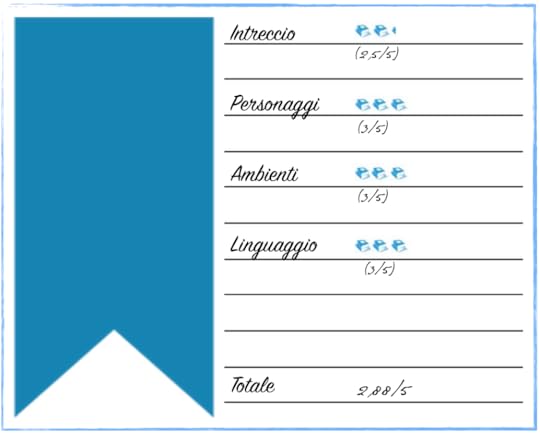
Sebbene abbia apprezzato l'intento del libro e la rivelazione finale, tuttavia resto perplessa dal modo in cui la narrazione è stata condotta.
Il tono e il modo in cui vengono esposti i fatti è asettico, distante. Manca uno stile alla narrazione, un ritmo che coinvolga il lettore.
La narrazione - a prescindere dal personaggio che si sta seguendo - procede interrompendosi spesso in favore di lunghi ricordi che la frammentano.
I flashback mi piacciono - molto -, ma non quando il passato spezzetta l'azione creando una specie di commistione non ben definita. Mi piacciono i ricordi, mi piace scoprire il passato dei personaggi, ma mi piace che questi momenti sia ben definiti nella narrazione e non spezzino troppo l'azione con continui rimandi. In qualche passaggio, poi, si usano tempi verbali diversi per descrivere la stessa sequenza di eventi, con la conseguenza che lo strato temporale sfugge talvolta alla sfera della chiarezza.
Personaggi e ambienti sono riportati ugualmente con una certa distanza, in uno stile asciutto che porta a vedere la vicenda con un certo distacco da parte del lettore.
Insomma, la storia avrebbe davvero molte basi da sfruttare, ma viene condotta in modo è atono, impendendo al lettore - almeno per quel che mi riguarda - di appassionarsi alla vicenda, di sentirla propria o di poter vivere gli eventi al fianco dei personaggi.
Quest'ultimi, come accennavo poco sopra, sono solo tre: Adam, sua moglie Tess e il nonno Arkady. È un pregio che l'impianto di un intero libro riesca a reggersi su una rosa così ristretta di personaggi abbastanza strutturati. Il passato dei personaggi ricorre spesso all'interno della narrazione, creando un background abbastanza definito. Sicuramente, il personaggio maggiormente riuscito nonché quello centrale all'intera storia è Arkady. E, tuttavia, anche qui mi è difficile non rilevare che si presentano sempre con un certo distacco, con una certa freddezza agli occhi del lettore.
Gli altri personaggi, sebbene ognuno emerga con un tratto della personalità distinto dagli altri, restano comunque sullo sfondo.
In conclusione, si tratta di un libro interessante che, tuttavia, non sfrutta al massimo tutte le sue potenzialità. La lettura è agevole - anche se il linguaggio non è molto complesso o strutturato.
La strana scelta di condurre gli eventi in questo modo un poco distaccato e, talvolta, confuso non mi ha permesso però di restare coinvolta nella vicenda.
December 25, 2017
This book was tracking at a solid 4* but the last couple of chapters were pretty amazing and I had to bump it up to a 5*. The characters in this book are pretty horrible people doing very horrible things, but the author really gets into their heads and makes them into real people rather than unbelievable monsters. It's quite impressive.

Read
August 14, 2018I did not like this book at all. Did not read further than a few chapters. The sleazy opening made me feel uncomfortable to say the least and seemed to be attempting to justify the grooming of a young teenager for the sexual gratification of a much older man. Yuk
First time I’ve heard that the SS heated the cattle trucks taking people to the death camps.
First time I’ve heard that the SS heated the cattle trucks taking people to the death camps.

October 24, 2021
Oh wow! I couldn't put this down and read the entire 259pp in two sittings. Short, sharp and punchy with some very explicit and graphic descriptions, and extremely confronting subject matter. This is not for the faint hearted. The first few pages were "what the hell am I reading?" but really glad I persevered, as once I got past the start this book kept me engaged the entire time.. and a couple of very unexpected plot twists right at the end.

March 30, 2025
Amazing story! So well written and so believable. Characters you could accept as people living in very difficult times, doing very human things, but very horrible things. Such unexpected twists and turns in the lives of the characters that just make you say out loud “Wow. Just wow!”

September 11, 2022
The Toymaker is a complex story...
https://thelibraryenthusiast.blogspot...
https://thelibraryenthusiast.blogspot...

January 22, 2026
Actually really enjoyed it. Great story about deceit following onto next and next generation. Really enjoyed the plot twist and that it wasn’t the typical good guys always win!
This entire review has been hidden because of spoilers.
December 13, 2018
This is a dark story, partly set in Auschwitz, and some of the narrative from there, particularly involving children, was quite disturbing and turned me off the book. Other parts set in the present day, I found quite readable. However there seemed to be a few narrative threads that led nowhere, and the story as a whole was disappointing.

December 21, 2023
I hope Emil dies alone.

August 11, 2017
Good god. I've finally finished this bloody book. I must say I'm not really a fan. I didn't connect with the characters, I particularly hated Adam right from the beginning. There was a surprise at the end which I didn't see coming, but overall I forced myself to finish this book.
Displaying 1 - 30 of 204 reviews