

What do you think?

Truth About Me, The: A Hijra Life Story
We got stared at a lot. People asked out loudly—some out of curiosity, others out of malice—whether we were men or women or ‘number nines’ or devadasis. Several men made bold to touch us, on our backs, on our shoulders. Some attempted to grab our breasts. ‘Original or duplicate?’ they shouted and hooted. At such moments I felt despair and wondered if there would ever be a way for us to live with dignity and make a decent living. Revathi was born a boy, but felt and behaved like a girl. In telling her life story, Revathi evokes marvellously the deep unease of being in the wrong body that plagued her from childhood. To be true to herself, to escape the constant violence visited upon her by her family and community, the village-born Revathi ran away to Delhi to join a house of hijras. Her life became an incredible series of dangerous physical and emotional journeys to become a woman and to find love. The Truth about Me is the unflinchingly courageous and moving autobiography of a hijra who fought ridicule, persecution and violence both within her home and outside to find a life of dignity.
312 pages, Kindle Edition
First published July 10, 2010
Ratings & Reviews
Friends & Following
Create a free account to discover what your friends think of this book!
Community Reviews
Displaying 1 - 30 of 84 reviews

May 2, 2019
I find the concept of othering entirely senseless. If the basic tenet of our survival follows the same structure, aren't we hypocrites in accepting one group of people and negating the other? Our ability to express and empathise makes us more humane. If we lose this ability, can we emotionally relate ourselves to others?
The Truth About Me: A Hijra Life Story narrates the life of Doraisamy, who, in light of being true to his inner feelings, had his nirvaanam done and turned into a woman called Revathi. She insisted upon being called Revathi after her transformation. In a world of smashing patriarchy, she was born a man who felt like a woman. This made her life altogether more difficult than it already is for those who are born as girls and go on to live as women. She has her weaknesses, like everyone else, but her courage and willingness to evolve makes her invincible.
This book informed me and taught me like a like a patient teacher, the only kind of teacher I am interested in. The self-proclaimed 'better' people of our society have attached a negative connotation to the word 'hijra'. I would still call them hijras if they are okay with the word; if not, this book taught me of an alternative - aravanis - and that's what this book is about; it is about an alternative proposition from what we know.
Even though I really loved this book, I am still giving it three stars because a book's language matters a lot to me. I like flowery ornamentations when it comes to language. Simplicity is for how I carry myself when it comes to life.
The Truth About Me: A Hijra Life Story narrates the life of Doraisamy, who, in light of being true to his inner feelings, had his nirvaanam done and turned into a woman called Revathi. She insisted upon being called Revathi after her transformation. In a world of smashing patriarchy, she was born a man who felt like a woman. This made her life altogether more difficult than it already is for those who are born as girls and go on to live as women. She has her weaknesses, like everyone else, but her courage and willingness to evolve makes her invincible.
This book informed me and taught me like a like a patient teacher, the only kind of teacher I am interested in. The self-proclaimed 'better' people of our society have attached a negative connotation to the word 'hijra'. I would still call them hijras if they are okay with the word; if not, this book taught me of an alternative - aravanis - and that's what this book is about; it is about an alternative proposition from what we know.
Even though I really loved this book, I am still giving it three stars because a book's language matters a lot to me. I like flowery ornamentations when it comes to language. Simplicity is for how I carry myself when it comes to life.

May 29, 2012
This book was a special read for me in a few ways. It was recommended by a good friend over here and very first autobiography read for me. This book developed a liking for autobiographies in me, earlier I was not preferring to read them as I presume that they are not my cup of tea rather I would say gripping type of books, but I was proved wrong.
Truth about me is originally a Tamil book being translated by V. Geetha. This was a commendable and courageous effort by A. Revathi to write her own story, about a community that we know nothing much in depths. A very simple read, of course not a quick one as some of the events I found very disturbing and I have to put it aside when I was not able to handle more.
Revathi, originally born as man with feminine feelings who in turn get transformed into a woman and renamed herself as Revathi. All her struggles to make her place in the society and the pains she has been through are heart-breaking. We can come to know in depth about the culture of this community, the rituals they follow, how they learn their living, how they suffer in their day to day life, how they are ill-treated by our society, how they have to fight for their civil rights and to get them considered as human beings.
Each and every event is narrated to the fact in a very simple language but it is Tragic, moving and heart-breaking. Reader may feel the drastic changes in the pace of the book, sometimes too slow, sometimes too fast, it does not follow a rhythm but we know that this is a life story & life has its own rhythms that we cannot predict.
Truth about me is originally a Tamil book being translated by V. Geetha. This was a commendable and courageous effort by A. Revathi to write her own story, about a community that we know nothing much in depths. A very simple read, of course not a quick one as some of the events I found very disturbing and I have to put it aside when I was not able to handle more.
Revathi, originally born as man with feminine feelings who in turn get transformed into a woman and renamed herself as Revathi. All her struggles to make her place in the society and the pains she has been through are heart-breaking. We can come to know in depth about the culture of this community, the rituals they follow, how they learn their living, how they suffer in their day to day life, how they are ill-treated by our society, how they have to fight for their civil rights and to get them considered as human beings.
Each and every event is narrated to the fact in a very simple language but it is Tragic, moving and heart-breaking. Reader may feel the drastic changes in the pace of the book, sometimes too slow, sometimes too fast, it does not follow a rhythm but we know that this is a life story & life has its own rhythms that we cannot predict.
February 4, 2019
A honest self-portrait that makes the struggles of people who dare deviate from societal norm hit you on your face.
Revathi is completely candid in this compelling book. She does not shy away from telling us everything, including her own faults. This level of candour, perhaps coupled with the fact that I had the good fortune of reading this book in her native Tamil - Vellai Mozhi - takes this book to another level. Her story feels very valid and very important and deserves to be read a lot more. It highlights the struggles faced by Hijras and there is a common thread there that any non-conforming individual can associate with. The search for her real identity and a place in her current society are universal themes. Family politics is perhaps something any Indian can associate with as well.
Reading this book, I feel, has taken me to another empathetic level of understanding the struggles trans people face. She often questions why people don't acknowledge her very natural feeling of being a woman who happened to be born in a man's body. It is as simple as that and I don't think anyone can deny that. I wish this book were made compulsory reading to homophobic and transphobic people, so that they can expand the way they think. When making sweeping statements about how unnatural all these things are, people often forget the very real people who are undergoing things like gender dysphoria. This book brings that fact to light. There is no way you can deny Revathi what she has gone through and perhaps still is, and there is no way you can invalidate that experience of trans people world wide.
After reading this, I feel a yearning to know more about trans people. Especially the Hijra people and their culture that has so much historic roots here. A look into where these things originated and the myths behind it all would make for a very fascinating read without a doubt. There is a lot about their culture in this book and it makes the lives of people who we just see begging on the trains seems much fuller. Revathi herself has also compiled some stories from her community and written a book in Tamil - I look forward to reading that. Kudos to her and here's hoping we get to learn more about Hijras and bring them to the mainstream conscience.
Revathi is completely candid in this compelling book. She does not shy away from telling us everything, including her own faults. This level of candour, perhaps coupled with the fact that I had the good fortune of reading this book in her native Tamil - Vellai Mozhi - takes this book to another level. Her story feels very valid and very important and deserves to be read a lot more. It highlights the struggles faced by Hijras and there is a common thread there that any non-conforming individual can associate with. The search for her real identity and a place in her current society are universal themes. Family politics is perhaps something any Indian can associate with as well.
Reading this book, I feel, has taken me to another empathetic level of understanding the struggles trans people face. She often questions why people don't acknowledge her very natural feeling of being a woman who happened to be born in a man's body. It is as simple as that and I don't think anyone can deny that. I wish this book were made compulsory reading to homophobic and transphobic people, so that they can expand the way they think. When making sweeping statements about how unnatural all these things are, people often forget the very real people who are undergoing things like gender dysphoria. This book brings that fact to light. There is no way you can deny Revathi what she has gone through and perhaps still is, and there is no way you can invalidate that experience of trans people world wide.
After reading this, I feel a yearning to know more about trans people. Especially the Hijra people and their culture that has so much historic roots here. A look into where these things originated and the myths behind it all would make for a very fascinating read without a doubt. There is a lot about their culture in this book and it makes the lives of people who we just see begging on the trains seems much fuller. Revathi herself has also compiled some stories from her community and written a book in Tamil - I look forward to reading that. Kudos to her and here's hoping we get to learn more about Hijras and bring them to the mainstream conscience.

June 27, 2021
"We got stared at a lot. People asked loudly—some out of curiosity, others out of malice—whether we were men or women, ‘number nines’ or devadasis. Several men made bold to touch us, on our backs, on our shoulders. Some attempted to grab our breasts. ‘Original or duplicate?’ they shouted and hooted. At such moments I felt despair and wondered if there would ever be a way for us to live with dignity and make a decent living."
Revathi initially published the book in English (translated by V Geetha superbly) instead of the original Tamil that come out a year later because she did not want to create conflict with her family as they feature in unwholesome light. She is assigned male at birth—have seen some reviews misgender & deadname her—but she always knew she was a woman & acted accordingly, much to the consternation of her parents and the ire of her brothers who physically assaulted her for so flagrantly stepping outside of established gender norms.
The autobiography traces her journey as a young adult who runs away from home and lives in various Hijra parivaars in Delhi and then in Bangalore. She talks really candidly about her experiences, which are tinged with sorrow & tragedies. From physical & sexual abuse—at the hands of customers, cops, common men—to social exclusion and discrimination that is ever-present. Narrating her attempts to make a living through begging, sex work, an NGO job, she's always trying to better herself and her community members. Not an easy or comfortable read, but it's graceful, honest, enlightening.

January 25, 2017
நாம் கற்காத/கேட்காத/படிக்காத/அறியப்படாத விஷயங்கள் எவ்வளவோ உண்டு, இவ்வுலுகம் முதல் அண்டம் வரை....
அதெல்லாம் ஒரு புறம் இருந்தாலும், நாம் தினம் சந்திக்கும் மனிதர்களில், மூன்றாவதாக ஒரு பாலினம் இருக்கிறது என்றும் , அந்த மனிதர்கள் தினப்படி வாழக்கையை
ந(கர்)டத்தும் விதமும் எப்படி என்பதை அறிவோமா??
அவர்களின் பிறப்பு தெரியும், ஆனால் அவர்களின் வாழ்வும்/இறப்பும் அவ்வளவு எளிமையானதாக இருப்பதில்லை என்பது தெரியுமா ?...அதை அறிந்துகொள்ள ஆர்வம் ஏற்பட்டு, அந்த ஆர்வம் தந்த உந்துதலில் தேடி, அது ஒரு அரவானியின் சுயசரிதையை படிப்பதில் நிவர்த்தியானது.
"வெள்ளை மொழி" என்ற தன்வரலாறை, நாமக்கல்லை சேர்ந்த "ரேவதி"(எனும் துரைசாமி) என்ற திருநங்கை(ஹிஜ்ரா) எழுதியுள்ளார். புத்தக முகப்பில், அவருடைய புகைப்படமே இடம்பெற்றிருக்கிறது ..பார்ப்பதற்கு நடிகை ரேவதி போலவே இருப்பதால் அப்பெயரை தனக்கு வைத்து கொண்டதாக தெரிவித்துள்ளார்.
பெருமாள் முருகனின் முன்னுரையே போதுமானதாக இருந்தது, இப்புத்தகத்தை நாம் படிக்க.
இவரின் சுயசரிதையை படிக்க ஆரம்பித்த பின், முழுக்க முழுக்க அரவானிகளுடனேயே நாமக்கல், டெல்லி, மும்பை, பெங்களூரு சென்னை, ஹைதராபாத் என பல நகரங்களுக்கு பயணப்பட்டது போன்ற உணர்வு ஏற்பட்டது.
சுயசரிதை என்றாலே வாசிப்பு ஈர்ப்பெல்லாம் இல்லாமல், வறட்சியாய் செல்லும் என்று நினைத்ததுண்டு..ஆனால், இந்த புத்தகத்தை பொறுத்தமட்டில் அதற்கு விலக்கு அளிக்கலாம்.
மேலும்,
இவர்களை எப்படி குழு/கூட்டாக வாழ்கிறார்கள், அவரவர் குடும்பத்தில்/சமூகத்தில் இவர்கள் சந்திக்கும் அவலம்/அவமானம், இவர்கள் பயன்படுத்தும் உறவுமுறைகள்(குரு,சேலா,குருபாய், காலாகுரு,நாணி,நாத்தி), நிர்வாணம்(ஆப்ரேஷன்) ஆகும் முறை, சம்பாதிக்கும் வகை, இவர்களின் ஆசைகள், ஏக்கங்கள், போராட்டங்கள் என அனைத்தையும் ஆவணப்படுத்தும் விதமாக இந்த சுயசரிதை அமைந்தது என்றால் மிகையல்ல..!
"Sangama " எனும் தொண்டு நிறுவனத்தில், பாலின சிறுபான்மையினருக்கு ஆதரவாக தொண்டாற்றி வருகிறார்.
அரவானிகளை சந்தித்து, அவர்களின் கதையை கேட்டறிந்து "உணர்வும் உருவமும்" என்னும் புத்தகமாக எழுதியுள்ளார். இதுவே இவரின் முதல் புத்தகம்.
இவரின் சுயசரிதையை படித்த பின், நாம் அரவானிகளை பார்க்கும் விதம் நிச்சயமாக மாறுபடும்.
அதெல்லாம் ஒரு புறம் இருந்தாலும், நாம் தினம் சந்திக்கும் மனிதர்களில், மூன்றாவதாக ஒரு பாலினம் இருக்கிறது என்றும் , அந்த மனிதர்கள் தினப்படி வாழக்கையை
ந(கர்)டத்தும் விதமும் எப்படி என்பதை அறிவோமா??
அவர்களின் பிறப்பு தெரியும், ஆனால் அவர்களின் வாழ்வும்/இறப்பும் அவ்வளவு எளிமையானதாக இருப்பதில்லை என்பது தெரியுமா ?...அதை அறிந்துகொள்ள ஆர்வம் ஏற்பட்டு, அந்த ஆர்வம் தந்த உந்துதலில் தேடி, அது ஒரு அரவானியின் சுயசரிதையை படிப்பதில் நிவர்த்தியானது.
"வெள்ளை மொழி" என்ற தன்வரலாறை, நாமக்கல்லை சேர்ந்த "ரேவதி"(எனும் துரைசாமி) என்ற திருநங்கை(ஹிஜ்ரா) எழுதியுள்ளார். புத்தக முகப்பில், அவருடைய புகைப்படமே இடம்பெற்றிருக்கிறது ..பார்ப்பதற்கு நடிகை ரேவதி போலவே இருப்பதால் அப்பெயரை தனக்கு வைத்து கொண்டதாக தெரிவித்துள்ளார்.
பெருமாள் முருகனின் முன்னுரையே போதுமானதாக இருந்தது, இப்புத்தகத்தை நாம் படிக்க.
இவரின் சுயசரிதையை படிக்க ஆரம்பித்த பின், முழுக்க முழுக்க அரவானிகளுடனேயே நாமக்கல், டெல்லி, மும்பை, பெங்களூரு சென்னை, ஹைதராபாத் என பல நகரங்களுக்கு பயணப்பட்டது போன்ற உணர்வு ஏற்பட்டது.
சுயசரிதை என்றாலே வாசிப்பு ஈர்ப்பெல்லாம் இல்லாமல், வறட்சியாய் செல்லும் என்று நினைத்ததுண்டு..ஆனால், இந்த புத்தகத்தை பொறுத்தமட்டில் அதற்கு விலக்கு அளிக்கலாம்.
மேலும்,
இவர்களை எப்படி குழு/கூட்டாக வாழ்கிறார்கள், அவரவர் குடும்பத்தில்/சமூகத்தில் இவர்கள் சந்திக்கும் அவலம்/அவமானம், இவர்கள் பயன்படுத்தும் உறவுமுறைகள்(குரு,சேலா,குருபாய், காலாகுரு,நாணி,நாத்தி), நிர்வாணம்(ஆப்ரேஷன்) ஆகும் முறை, சம்பாதிக்கும் வகை, இவர்களின் ஆசைகள், ஏக்கங்கள், போராட்டங்கள் என அனைத்தையும் ஆவணப்படுத்தும் விதமாக இந்த சுயசரிதை அமைந்தது என்றால் மிகையல்ல..!
"Sangama " எனும் தொண்டு நிறுவனத்தில், பாலின சிறுபான்மையினருக்கு ஆதரவாக தொண்டாற்றி வருகிறார்.
அரவானிகளை சந்தித்து, அவர்களின் கதையை கேட்டறிந்து "உணர்வும் உருவமும்" என்னும் புத்தகமாக எழுதியுள்ளார். இதுவே இவரின் முதல் புத்தகம்.
இவரின் சுயசரிதையை படித்த பின், நாம் அரவானிகளை பார்க்கும் விதம் நிச்சயமாக மாறுபடும்.
May 26, 2012
Reading a book of this sort really make me wonder about the society in general. Any person leading a normal life is not that easy. How one needs to encounter so many hardships. This book really a thought provoking one.

April 12, 2022
"We got stared a lot. People asked out loud- some out of curiosity, others out of malice- whether we were men or women or 'number nines' or devadasis. Several men mad bold to touch us, on our backs, on our shoulders. some attempted to grab our breast. 'Original or duplicate?' they shouted and hooted. At such moments I felt despair and wondered if there would ever be a way for us to live with dignity and make a decent living".
How to judge a person’s life, their story? While reading what should be the priority- the information/the story or the aesthetic elements such as writing, structure etc? On what basis should one say, it is a good book? These are the questions that I kept asking myself in the course of reading this book.
The Truth About Me: A Hijra Life Story is an autobiography of a trans-woman from Tamil Nadu previously known as Doraisamy, her childhood, her journey to self acceptance, her transformation, her many troubles and fewer joy. As much as it is a personal story, it is highly political as well as social. Though the eyes of Revathi, we see the condition of transgender people in Indian society, the ignorance of the system as well as that of general public, the culture and traditions of hijra community and by the end, the slight progress made to include them in the conversation.
This book is very simple. The writing serves its purpose of telling the story, it serves what a language at the very base is supposed to do. There aren’t any embellishments or use of clever literary devices, neither is there anything hidden nor metaphorical. It is just as simple as anything in this world can be. The story itself is quite straightforward; starting from her childhood till the time of writing this book. A linear narration. And this simplicity is not because Revathi chose to write in this way; it is because she didn’t have the tools, the education to write any differently. In the introduction, she tell us the purpose of this autobiography, that the book exists, not to educate us but to make us see the everyday lives of transgender people in our country. So of course the question I asked above- on what basis should one judge a book, a non fiction, an autobiography?
An excellent book nevertheless.
How to judge a person’s life, their story? While reading what should be the priority- the information/the story or the aesthetic elements such as writing, structure etc? On what basis should one say, it is a good book? These are the questions that I kept asking myself in the course of reading this book.
The Truth About Me: A Hijra Life Story is an autobiography of a trans-woman from Tamil Nadu previously known as Doraisamy, her childhood, her journey to self acceptance, her transformation, her many troubles and fewer joy. As much as it is a personal story, it is highly political as well as social. Though the eyes of Revathi, we see the condition of transgender people in Indian society, the ignorance of the system as well as that of general public, the culture and traditions of hijra community and by the end, the slight progress made to include them in the conversation.
This book is very simple. The writing serves its purpose of telling the story, it serves what a language at the very base is supposed to do. There aren’t any embellishments or use of clever literary devices, neither is there anything hidden nor metaphorical. It is just as simple as anything in this world can be. The story itself is quite straightforward; starting from her childhood till the time of writing this book. A linear narration. And this simplicity is not because Revathi chose to write in this way; it is because she didn’t have the tools, the education to write any differently. In the introduction, she tell us the purpose of this autobiography, that the book exists, not to educate us but to make us see the everyday lives of transgender people in our country. So of course the question I asked above- on what basis should one judge a book, a non fiction, an autobiography?
An excellent book nevertheless.
August 17, 2024
hijra community has the strongest people ever
the painful experiences revathi had to endure in her life are unbelievable need people in my country to not only respect the trans community but also start actively fighting for their rights because it’s been high time
i need everyone to read this! just like you’re interested in reading memoirs about rich white trans celebs you should be equally interested in knowing about trans communities of third world countries
the painful experiences revathi had to endure in her life are unbelievable need people in my country to not only respect the trans community but also start actively fighting for their rights because it’s been high time
i need everyone to read this! just like you’re interested in reading memoirs about rich white trans celebs you should be equally interested in knowing about trans communities of third world countries

August 6, 2010
I picked up the book because I read an article in the newspaper about the launch of the book recently. The article was written with much compassion and since the book was quite famous in Tamil, I wanted to read if it was written for sensationalism or it came across as a sincere attempt to tell an unusual story.
The book is well written and translated. It has many details about life in Namakkal and in the cities wherever Revathi has lived. The book is tragic and hard to read at times. I mean, it saddened me for sure. It has too many details and it talks about Revathi's sufferings.
However, the book did not come across as a story written to bring about awareness. When I read the newspaper review, it seemed like that. I am not sure if readers would like the book. At times, reading that tragic tale gave me a splitting headache. I mean, if one has to endure so much of suffering, one would easily lose faith in this world.
If you want to read about a community we mostly do not know much about, or ignore out of repulsion, please do read this book.
The book is well written and translated. It has many details about life in Namakkal and in the cities wherever Revathi has lived. The book is tragic and hard to read at times. I mean, it saddened me for sure. It has too many details and it talks about Revathi's sufferings.
However, the book did not come across as a story written to bring about awareness. When I read the newspaper review, it seemed like that. I am not sure if readers would like the book. At times, reading that tragic tale gave me a splitting headache. I mean, if one has to endure so much of suffering, one would easily lose faith in this world.
If you want to read about a community we mostly do not know much about, or ignore out of repulsion, please do read this book.

Read
November 27, 2024-No Rating
I don't rate memoirs hence the lack of rating, but this is a must read for everyone. I learnt so much and it was enlighten to read about Revathi's life. It was a hard read and the difficult to get through.
The translation was also incredible. My only complaint is it seemed to end a bit abruptly, I'm not sure if it was intentional or if something got missed during the translation but apart from that it was good. Would recommend, but do check Trigger Warnings before reading.
Review written on 27th November, 2024.
DISCLAIMER-All opinions on books I’ve read and reviewed are my own, and are with no intention to offend anyone. If you feel offended by my reviews, let me know how I can fix it.
How I Rate-
1 star- Hardly liked anything/was disappointed
2 star- Had potential but did not deliver/was disappointed
3 stars- Was ok but could have been better/was average/Enjoyed a lot but something was missing
4 stars- Loved a lot but something was missing
5 stars- Loved it/new favourite
I don't rate memoirs hence the lack of rating, but this is a must read for everyone. I learnt so much and it was enlighten to read about Revathi's life. It was a hard read and the difficult to get through.
The translation was also incredible. My only complaint is it seemed to end a bit abruptly, I'm not sure if it was intentional or if something got missed during the translation but apart from that it was good. Would recommend, but do check Trigger Warnings before reading.
Review written on 27th November, 2024.
DISCLAIMER-All opinions on books I’ve read and reviewed are my own, and are with no intention to offend anyone. If you feel offended by my reviews, let me know how I can fix it.
How I Rate-
1 star- Hardly liked anything/was disappointed
2 star- Had potential but did not deliver/was disappointed
3 stars- Was ok but could have been better/was average/Enjoyed a lot but something was missing
4 stars- Loved a lot but something was missing
5 stars- Loved it/new favourite

September 22, 2012
The book was very insightful about the condition of the hijra community. In novels and books, there would just be fleeting paragraphs about this. I was curious to know and I'm much moe aware now. The book gets repetitive a little in the middle but it picks up and is definitely worth a read!

June 25, 2016
The book is very important because of the voice it is making people listen to and also for the distinct style of writing that the author has employed. Just like how women's writing finds a language of its own, this book can be seen as an attempt to explore the transgender language. Portions from the book i would like to quote.
For exposing the kind of discrimination faced by hijras from the time they are in school and to understand how important it is to sensitize especially children about various minority identities. This is one among the many experiences the author encountered while in school.
'Since I wore the same uniform every day to school, frequent washing had worn down the seat of my shorts. My classmates used to stick a bit of rolled paper into the tear, clap their hands loudly and scream 'post box!' I would go all hot and angry and hurl obscenities at them, as I have heard women do. This would set them off even more, and they would chant, 'Girl-boy!' 'Ali!' 'Number 9!' My heart would sink at these words, but I also felt faintly gratified and even happy that these boys actually conceded that I was somehow a woman.'
'...I think I was punished not just for being distracted, but also because I spoke like a girl, holding my body coyly like one. I remember being caned for 'not being brave like a boy'. And since I did not play boys' games, I got punished by the PT teacher too. He would box my ears and yell, 'Are you a girl or what? Pull your trousers down, let me check'. He would make as if he was going to strip me and I would start crying. The other boys laughed at this.'
'At school, I felt fear looking at the big boys, those in Classes 11 and 12. And they were always on the lookout for me. They had marked me out from the others. Whenever I walked past them on school grounds, they would yell, 'Hey girl-boy' and hit me on the head with their balled-up fists. They would pinch me on my chest, and taunt me saying, 'When you played Chandramathi, what did you stuff your chest with?' On the days this happened, I did not want to sit next to the boys in my class, for I felt coy and shy. On the other hand, I felt drawn to the boys who did not tease me, and I imagined I was in love with them. This confused me-I was a boy and yet I felt I could love other boys. Was this right or wrong?'
The following is an incident of rape which happened to one of the authors' friends. It is a common thing that rowdies and police attack hijras and force sexual favours from them or rape them. This was one such incident and the young author had no clue as to what was done to her friend.
'I asked her what had happened, and she said that they had done danda on her. 'Danda? What is that?\ I asked. She told me that they had forced her to have sex through her mouth and her backside, 'near where you shit,' she explained. I was horrified and wondered if such things were indeed possible. She looked so wan and was in obvious pain. When I asked the others about this, they said that this is how we would have to have sex: 'If you are a girl-boy you have no choice. Don't you know this? Don't you want to have sex this wa?'
When I said that I did not want to have sex that way, and and, above all, I desired to become a woman, marry and educated man and only then have sex, they laughed derisively. I was told that it was not all that easy to become a woman. Only if I went to Mumbai and Delhi and stayed for years with those who wore saris and had undergone 'operations', could I hope to become one.
Would also like to quote a story from the mythologies that i was not aware of till i read the book. Nani narrates to the author the story of how and why hijras are supposed to be gods.
''If you want stories about hijras, there are hundreds of tales I can tell you. But for now, I'll tell you just this one. You must have heard of Ramayanam, Mahabharatam and all that.
Well, when Rama went off on exile for fourteen years, his subjects, both men and women, came to see him off to the forest. They walked with him to the forest's edge and would have accompanied him further inside, when he told them, "All of you, men, women and children, go back to your houses. I'll complete my fourteen years of exile and return to rule over you." So, everyone left, men, women and children, but a group of people stayed back and there they remained at the forest rim for fourteen years until Rama came back. Astonished, he asked them, "Who are you? Why haven't you gone back to your homes in the city?" They replied, "Swamy! We belong neither to mankind, nor to womankind. You said then that men, women and children ought to return to the city. But you did not ask us to go. Bound by your wishes, we remained here." Rama was so astounded and moved by their sincerity that he granted them a boon. "Whatever you speak will be true. Your words will come true'
'So from that day onwards, people here have believed that a hijra's word will come true and think of us as godly beings. They hold that it is good to start the day by seeing a hijra. Those who run businesses think that the day will go well for them if they give us money and earn our blessings.'
It was when i watched a play by the name 'Colour of Trans' that i got to know of some of the problems faced by hijras. I am quoting some narrated in the book. This was while the author was going back home after she was informed that her mother had fallen ill. She had to change into men's clothes because she was going home where her identity was not accepted.
'I tried to find a room in some lodge near the bus stand, but no one appeared to want to let me in. I returned to the bus stand and decided to go to the women's toilet there. But the man who stood there to receive money for the pay-and-use toilets dismissed me as a pottai and would not let me in. When I tried to get into the men's toilet section I was shooed away from there as well. What a mess, I thought. In Delhi, they let me use the women's toilet, but here things were clearly different. Then there was the issue of entering the toilet dressed as a woman and coming out as a man-this was sure to cause trouble. I was confused and not sure what I could do. I had to somehow get into male clothes; the question was how.
Finally I told the man who stood in front of the men's toilets, collecting the fare to enter them, that I was a man, and had dressed up as a woman for a show. Now that the show was over, I wanted to change back into my regular clothes. He took five rupees from me and let me in. Startled, the men who were peeing in there started yelling. I muttered, 'I'm a man too,' and ran into one of the bathrooms, and shut the door behind me. I ought to have changed on the train but the necessity of changing into male clothes hadn't occurred to me then. Besides, I had travelled by ladies coach-imagine what would have happened if I'd emerged as a man from the toilet!'
In buses,
'College students on the bus too stared at me. They did not dare tease me but one asked the other, 'Ay macchan! What's the time?'
To which, the other replied, 'Nine da!' All this in an undertone that neither I nor others in the bus could hear clearly.
'What about Bus Number 9?' quipped another. Through barely concealed taunts, and by making eyes at each other, they spoke about me.'
'...Whenever the bus driver used his brake and halted suddenly, the men sitting behind would deliberately lean over and fall over my back. Younger men, little more than boys would call out:'Macchan! Bus'll reach at nine o' clock! Or 'Mapillai! What's the time? And the reply invariably would be 'Nine da!' Such teasing upset me
Sometimes, unable to hold back my rage, I would yell back, 'Why call out "Number 9" in such a roundabout way? So, I am that Number 9! What do you care? Have I come to you for a sari? Or begged for food from you? Watch out! I'll get you with my slippers-hit you till they fall apart!'
'Oh my! What a voice! A man's voice, da!' they'd retort and laugh
Could not God have given me a woman's voice at least? When I was dressed like a man, they said I spoke like a woman, and now I've changed into a woman, they say my voice is like a man's! Ashamed and frustrated, I would not be able to respond.
Now to what a transgender person usually faces in their own families. I myself am somebody who believes that all abuse starts in families. For sexual minorities it is more so.
'...As soon as I stepped in, he [Revathi's middle brother] shut the door, grabbed a cricket bat, and began hitting me, all the while screaming, 'That'll teach you to go with those Number 9s. Let's see you wear a sari again, or dance, you mother-fucking pottai!' He beat me hard mindlessly, yelling that he wanted to kill me, I who had dared to run away. I tried to protect my face and head with my hands to keep the blows from falling. But nevertheless they came down hard, and I felt my hands swell. I was beaten on my legs, on my back, and finally my brother brought the bat down heavily on my head. My skull cracked and there was blood all over, flowing, warm.
'That's right. Beat him and break his bones. Only then will he stay at home and not run away,' I heard my mother say.'
Again, it was when i watched the same play that i realized how most of the transgender people are abused even in hospitals by doctors. Most of the sex change operations are done in unhygienic manner. It was when one of the actors stripped herself completely that i saw the wounds that her sexuality had inflicted upon her just because it was a minority. Some of Revathi's experiences post operation.
'On the third day after operation, they remove the tube and we are expected to pee normally. We did not even have a nightgown those days and had to go to the bathroom in our saris. Holding our saris high and away from the operated area and walking with our legs far apart, we had a time of it. If the pee did not flow freely, we had to be careful and not force it out, for the pain would be unbearable and there would be bleeding. When I think of that time, I shudder even today. As for shitting, that was an ordeal and if i had to take a deep breath to force things out, my nerves felt as if they would snap. I was also scared that the stitches would come off.
On the seventh day, they removed my chela's stitches. It was my sixth day but I insisted on having them removed. We were down to 500 rupees and had decided that we would leave for Mumbai as soon as possible.
On their way back,
'...At the station, as soon as we got off, we noticed that the auto-rickshaw drivers were pointing at us and sniggering. Some other people too were laughing. We did not have the energy to argue or fight back. We were in great discomfort, could not walk properly and, besides, were weak from not having eaten proper, nutritious food. But we understood that they knew we had come to have the operation and were laughing about that...
...We had taken care to place cotton wads on our wounds and pad them up with a loincloth of sorts. Two inner skirts offered double-layered protection, but we had an uncomfortable journey as we were at the back of the bus. We sat with our feet planted firmly on the floor of the bus and held onto the iron rod of the seat in front of us to protect ourselves from being thrown up with every bump on the road. But if we let go and relaxed even for a moment, because it was a strain to hold the position, the wound would begin to throb again. We kept praying to our Mata, muttering her name in our hearts all the way to Chennai.
...I reached the ladies' bathroom. The woman police officer stationed outside looked at me scornfully and said, 'I can see that you've had an operation. Why can't you be like other men? Why can't you be normal? Find a woman, get married, and be a good householder, who works for a living?' I didn't think she would understand me or my troubles. She made it seem easy, this business of being a normal man. I did not have the energy then to explain matters to her and so, without replying, staggered into the nearest bathroom and shut the door.'
I find the following portion important because it explains at an emotional level why issues regarding a community should be fought with the the help of members from the same community.
'...Only a pottai knows another's feelings, pain, loss and anguish. Even when they didn't know us, didn't these pottais come to our assistance? Pottais stand by each other, and believe me, a pottai looking for consolation is sure to find it, and often only in another pottai. We are, in a sense, like a flock of crows. We stick together.'
Quoting another instance of rape, this time which the author herself faced. To most of the people around me, this might not 'count' as rape primarily because it was done to a sex worker and also because the woman did not 'fight' it in a way they would like it.
P.S. Don't know why the author had to mention the complexion of the person who raped her.
'...Once a large, dark rowdy tried to force me into having sex with him. I ran into the hut, but he followed me. My gurubais ran away and my guru could not do anything under the circumstances. She could not come in or ask for help.
I felt trapped and not knowing what to do, I had to accede to his demands. I held onto his legs and pleaded when he wanted to do things that i did not like doing. (He wanted me to have anal sex with him.) He spat abuse at me and forced me into the act. When I screamed in pain and yelled for my guru, he shut my mouth with one of his hands, whipped out a knife with the other and threatened to take it into my throat. I was hurting all over, and yet had to give in and do as he told me. The skin down there felt abraded and I was bleeding. Unmindful, he left, but only after he had snatched my purse away from me. Men like him will understand the terror and pain they caused only if they become hijras and are hurt by rowdy men such as themselves.
After he left, my guru came in to see me. She asked me if I had ever had sex in this fashion before. When I said no, she said that if I were to do this sort of thing, I must apply oil in that area. I cried out that I did not want to have anal sex, that I did it only because that man held a knife to me and forced me. I understood then what had happened to my friend that evening up there in the hill near my village. She must have suffered as I suffer now.'
A portion in the book which instantly reminded me of the malayalee 'chettans' back home, who feigh 'brotherhood' or 'fatherhood' and ultimately do things that the people from whom they are supposedly 'protecting' you do. It is a common practice among men in Kerala to claim you by calling you 'chechi' (elder sister) amma (mother) or sahodari (sister). See what Revathi had to face. This is after she complained to a shop owner about others throwing tomatoes at her when she went grocery shopping. He appeared to be well-meaning in the beginning.
'...'Look, we've seen people like you for years. We speak to you with civility, always address you as amma... Are you new around here?
'Yes, I am.'
'Your people come here regularly. They're not here today.'
'No, they are not.'
'These men tease you with those tomatoes because you're new. They are scared of the regulars. They say whatever slides off their tongues. The lads speak nonsense, and these people retaliate... Leave that aside, there's a god that'll account for all such talk. What vegetables do you want today?
'One kilo onions, quarter kilo tomatoes, and how much does a drumstick cost?'
'Two rupees for one, amma.'
'Two rupees for one! In my village you get a bundle of six or seven for one rupee. The place is awash with drumsticks and you charge so much for it!'
'Amma, this is Bangalore. I bought them for one rupee and seventy-five paise. I make a profit of only a quarter of a rupee.
'All right, give me five of those.'
Even as I was bundling up the drumsticks, he asked me, 'Amma, did you have an operation, and those'-he pointed to my breasts-'are they real?'
'How does it matter to you?' I glared at him. And so I discovered he was like the rest of them. He seemed different, spoke nicely, and yet he asked such a question.'
About police brutality, some glimpses. Please remember that these are just some of the many instances of violence meted out against sexual minorities and sex workers. I shudder when i imagine all of this happening to any human being on a daily basis.
'I screamed that I did not want to go into the cell. I fell at the policeman's feet. He kicked me with his boots. He then asked me to take my clothes off-right there, while the prisoner was watching. I pleaded with him and wept, but he forcibly stripped me. When I was standing naked, he stuck his lathi where I'd had my operation and demanded that I stand with my legs apart, like a woman would. He repeatedly struck at that part with his lathi and said, 'So, can it go in there? Or is it a field one can't enter? How do you have sex then?'
I felt heart-broken and could not speak. The policeman then shouted at the prisoner. 'Dai! Have you seen enough? Want to see more?'
...Picking up a sheet of paper, the policeman scribbled something on it, and asked me, 'Where did those breasts come from? They grew on their own?'
'No, not on their own. I took hormone tablets to grow them.'
'Open your mouth wide.'
I obliged him.
'Bend down. I've got to inspect your back.'
I bent and showed him my back. He then asked me to hold my buttocks apart so that he could see my anal passage. When I did, he thrust his lathi in there and asked, 'So you get it there?'
I straightened up, yelling with the pain of it...
...On the way to court, they told me that I must not speak of how I was beaten or humiliated. Instead, I was to accept responsibility for my crime, pay the requisite fine and leave. I agreed to do what they asked of me. Once we reached the court, they said that they'd rather I paid them two hundred rupees. In which case I could go straight home, and they would pay the fine on my behalf. I gave them the money I had hidden inside my petticoat and left, glad to exit the scene forever. I went straight to the hamam.'
When hijras get some respite from sex work, they are mostly asked to dance in festivities. And what they have to face over there is something like this.
'The village elders would do this: they'd come, look at us and choose whoever they wanted to come and dance that year. My guru showed me off the year I was there. 'Look how lovely she is! She must dance in your village. You must pay all you can to get her to come. She is not like the others.'
'Oh, so you've got an Urvashi or a Ramba here? What about breasts? Does she have to stuff her chest with cotton or...'
'No, no, all real. If you wish, you can inspect her.' My guru then asked me to show them my breasts. Rates were discussed afterwards.
It is like shopping at the vegetable market. You pinch, squeeze and satisfy yourself of the vegetable's quality before you buy. We were inspected likewise. One's self-respect had to be hawked thus to feed one's stomach. Imagine, they actually grab your breast to make sure it is real!'
These are some portions i would like to quote. The word limit here is not permitting me to quote all i want. Will do that in my blog.
For exposing the kind of discrimination faced by hijras from the time they are in school and to understand how important it is to sensitize especially children about various minority identities. This is one among the many experiences the author encountered while in school.
'Since I wore the same uniform every day to school, frequent washing had worn down the seat of my shorts. My classmates used to stick a bit of rolled paper into the tear, clap their hands loudly and scream 'post box!' I would go all hot and angry and hurl obscenities at them, as I have heard women do. This would set them off even more, and they would chant, 'Girl-boy!' 'Ali!' 'Number 9!' My heart would sink at these words, but I also felt faintly gratified and even happy that these boys actually conceded that I was somehow a woman.'
'...I think I was punished not just for being distracted, but also because I spoke like a girl, holding my body coyly like one. I remember being caned for 'not being brave like a boy'. And since I did not play boys' games, I got punished by the PT teacher too. He would box my ears and yell, 'Are you a girl or what? Pull your trousers down, let me check'. He would make as if he was going to strip me and I would start crying. The other boys laughed at this.'
'At school, I felt fear looking at the big boys, those in Classes 11 and 12. And they were always on the lookout for me. They had marked me out from the others. Whenever I walked past them on school grounds, they would yell, 'Hey girl-boy' and hit me on the head with their balled-up fists. They would pinch me on my chest, and taunt me saying, 'When you played Chandramathi, what did you stuff your chest with?' On the days this happened, I did not want to sit next to the boys in my class, for I felt coy and shy. On the other hand, I felt drawn to the boys who did not tease me, and I imagined I was in love with them. This confused me-I was a boy and yet I felt I could love other boys. Was this right or wrong?'
The following is an incident of rape which happened to one of the authors' friends. It is a common thing that rowdies and police attack hijras and force sexual favours from them or rape them. This was one such incident and the young author had no clue as to what was done to her friend.
'I asked her what had happened, and she said that they had done danda on her. 'Danda? What is that?\ I asked. She told me that they had forced her to have sex through her mouth and her backside, 'near where you shit,' she explained. I was horrified and wondered if such things were indeed possible. She looked so wan and was in obvious pain. When I asked the others about this, they said that this is how we would have to have sex: 'If you are a girl-boy you have no choice. Don't you know this? Don't you want to have sex this wa?'
When I said that I did not want to have sex that way, and and, above all, I desired to become a woman, marry and educated man and only then have sex, they laughed derisively. I was told that it was not all that easy to become a woman. Only if I went to Mumbai and Delhi and stayed for years with those who wore saris and had undergone 'operations', could I hope to become one.
Would also like to quote a story from the mythologies that i was not aware of till i read the book. Nani narrates to the author the story of how and why hijras are supposed to be gods.
''If you want stories about hijras, there are hundreds of tales I can tell you. But for now, I'll tell you just this one. You must have heard of Ramayanam, Mahabharatam and all that.
Well, when Rama went off on exile for fourteen years, his subjects, both men and women, came to see him off to the forest. They walked with him to the forest's edge and would have accompanied him further inside, when he told them, "All of you, men, women and children, go back to your houses. I'll complete my fourteen years of exile and return to rule over you." So, everyone left, men, women and children, but a group of people stayed back and there they remained at the forest rim for fourteen years until Rama came back. Astonished, he asked them, "Who are you? Why haven't you gone back to your homes in the city?" They replied, "Swamy! We belong neither to mankind, nor to womankind. You said then that men, women and children ought to return to the city. But you did not ask us to go. Bound by your wishes, we remained here." Rama was so astounded and moved by their sincerity that he granted them a boon. "Whatever you speak will be true. Your words will come true'
'So from that day onwards, people here have believed that a hijra's word will come true and think of us as godly beings. They hold that it is good to start the day by seeing a hijra. Those who run businesses think that the day will go well for them if they give us money and earn our blessings.'
It was when i watched a play by the name 'Colour of Trans' that i got to know of some of the problems faced by hijras. I am quoting some narrated in the book. This was while the author was going back home after she was informed that her mother had fallen ill. She had to change into men's clothes because she was going home where her identity was not accepted.
'I tried to find a room in some lodge near the bus stand, but no one appeared to want to let me in. I returned to the bus stand and decided to go to the women's toilet there. But the man who stood there to receive money for the pay-and-use toilets dismissed me as a pottai and would not let me in. When I tried to get into the men's toilet section I was shooed away from there as well. What a mess, I thought. In Delhi, they let me use the women's toilet, but here things were clearly different. Then there was the issue of entering the toilet dressed as a woman and coming out as a man-this was sure to cause trouble. I was confused and not sure what I could do. I had to somehow get into male clothes; the question was how.
Finally I told the man who stood in front of the men's toilets, collecting the fare to enter them, that I was a man, and had dressed up as a woman for a show. Now that the show was over, I wanted to change back into my regular clothes. He took five rupees from me and let me in. Startled, the men who were peeing in there started yelling. I muttered, 'I'm a man too,' and ran into one of the bathrooms, and shut the door behind me. I ought to have changed on the train but the necessity of changing into male clothes hadn't occurred to me then. Besides, I had travelled by ladies coach-imagine what would have happened if I'd emerged as a man from the toilet!'
In buses,
'College students on the bus too stared at me. They did not dare tease me but one asked the other, 'Ay macchan! What's the time?'
To which, the other replied, 'Nine da!' All this in an undertone that neither I nor others in the bus could hear clearly.
'What about Bus Number 9?' quipped another. Through barely concealed taunts, and by making eyes at each other, they spoke about me.'
'...Whenever the bus driver used his brake and halted suddenly, the men sitting behind would deliberately lean over and fall over my back. Younger men, little more than boys would call out:'Macchan! Bus'll reach at nine o' clock! Or 'Mapillai! What's the time? And the reply invariably would be 'Nine da!' Such teasing upset me
Sometimes, unable to hold back my rage, I would yell back, 'Why call out "Number 9" in such a roundabout way? So, I am that Number 9! What do you care? Have I come to you for a sari? Or begged for food from you? Watch out! I'll get you with my slippers-hit you till they fall apart!'
'Oh my! What a voice! A man's voice, da!' they'd retort and laugh
Could not God have given me a woman's voice at least? When I was dressed like a man, they said I spoke like a woman, and now I've changed into a woman, they say my voice is like a man's! Ashamed and frustrated, I would not be able to respond.
Now to what a transgender person usually faces in their own families. I myself am somebody who believes that all abuse starts in families. For sexual minorities it is more so.
'...As soon as I stepped in, he [Revathi's middle brother] shut the door, grabbed a cricket bat, and began hitting me, all the while screaming, 'That'll teach you to go with those Number 9s. Let's see you wear a sari again, or dance, you mother-fucking pottai!' He beat me hard mindlessly, yelling that he wanted to kill me, I who had dared to run away. I tried to protect my face and head with my hands to keep the blows from falling. But nevertheless they came down hard, and I felt my hands swell. I was beaten on my legs, on my back, and finally my brother brought the bat down heavily on my head. My skull cracked and there was blood all over, flowing, warm.
'That's right. Beat him and break his bones. Only then will he stay at home and not run away,' I heard my mother say.'
Again, it was when i watched the same play that i realized how most of the transgender people are abused even in hospitals by doctors. Most of the sex change operations are done in unhygienic manner. It was when one of the actors stripped herself completely that i saw the wounds that her sexuality had inflicted upon her just because it was a minority. Some of Revathi's experiences post operation.
'On the third day after operation, they remove the tube and we are expected to pee normally. We did not even have a nightgown those days and had to go to the bathroom in our saris. Holding our saris high and away from the operated area and walking with our legs far apart, we had a time of it. If the pee did not flow freely, we had to be careful and not force it out, for the pain would be unbearable and there would be bleeding. When I think of that time, I shudder even today. As for shitting, that was an ordeal and if i had to take a deep breath to force things out, my nerves felt as if they would snap. I was also scared that the stitches would come off.
On the seventh day, they removed my chela's stitches. It was my sixth day but I insisted on having them removed. We were down to 500 rupees and had decided that we would leave for Mumbai as soon as possible.
On their way back,
'...At the station, as soon as we got off, we noticed that the auto-rickshaw drivers were pointing at us and sniggering. Some other people too were laughing. We did not have the energy to argue or fight back. We were in great discomfort, could not walk properly and, besides, were weak from not having eaten proper, nutritious food. But we understood that they knew we had come to have the operation and were laughing about that...
...We had taken care to place cotton wads on our wounds and pad them up with a loincloth of sorts. Two inner skirts offered double-layered protection, but we had an uncomfortable journey as we were at the back of the bus. We sat with our feet planted firmly on the floor of the bus and held onto the iron rod of the seat in front of us to protect ourselves from being thrown up with every bump on the road. But if we let go and relaxed even for a moment, because it was a strain to hold the position, the wound would begin to throb again. We kept praying to our Mata, muttering her name in our hearts all the way to Chennai.
...I reached the ladies' bathroom. The woman police officer stationed outside looked at me scornfully and said, 'I can see that you've had an operation. Why can't you be like other men? Why can't you be normal? Find a woman, get married, and be a good householder, who works for a living?' I didn't think she would understand me or my troubles. She made it seem easy, this business of being a normal man. I did not have the energy then to explain matters to her and so, without replying, staggered into the nearest bathroom and shut the door.'
I find the following portion important because it explains at an emotional level why issues regarding a community should be fought with the the help of members from the same community.
'...Only a pottai knows another's feelings, pain, loss and anguish. Even when they didn't know us, didn't these pottais come to our assistance? Pottais stand by each other, and believe me, a pottai looking for consolation is sure to find it, and often only in another pottai. We are, in a sense, like a flock of crows. We stick together.'
Quoting another instance of rape, this time which the author herself faced. To most of the people around me, this might not 'count' as rape primarily because it was done to a sex worker and also because the woman did not 'fight' it in a way they would like it.
P.S. Don't know why the author had to mention the complexion of the person who raped her.
'...Once a large, dark rowdy tried to force me into having sex with him. I ran into the hut, but he followed me. My gurubais ran away and my guru could not do anything under the circumstances. She could not come in or ask for help.
I felt trapped and not knowing what to do, I had to accede to his demands. I held onto his legs and pleaded when he wanted to do things that i did not like doing. (He wanted me to have anal sex with him.) He spat abuse at me and forced me into the act. When I screamed in pain and yelled for my guru, he shut my mouth with one of his hands, whipped out a knife with the other and threatened to take it into my throat. I was hurting all over, and yet had to give in and do as he told me. The skin down there felt abraded and I was bleeding. Unmindful, he left, but only after he had snatched my purse away from me. Men like him will understand the terror and pain they caused only if they become hijras and are hurt by rowdy men such as themselves.
After he left, my guru came in to see me. She asked me if I had ever had sex in this fashion before. When I said no, she said that if I were to do this sort of thing, I must apply oil in that area. I cried out that I did not want to have anal sex, that I did it only because that man held a knife to me and forced me. I understood then what had happened to my friend that evening up there in the hill near my village. She must have suffered as I suffer now.'
A portion in the book which instantly reminded me of the malayalee 'chettans' back home, who feigh 'brotherhood' or 'fatherhood' and ultimately do things that the people from whom they are supposedly 'protecting' you do. It is a common practice among men in Kerala to claim you by calling you 'chechi' (elder sister) amma (mother) or sahodari (sister). See what Revathi had to face. This is after she complained to a shop owner about others throwing tomatoes at her when she went grocery shopping. He appeared to be well-meaning in the beginning.
'...'Look, we've seen people like you for years. We speak to you with civility, always address you as amma... Are you new around here?
'Yes, I am.'
'Your people come here regularly. They're not here today.'
'No, they are not.'
'These men tease you with those tomatoes because you're new. They are scared of the regulars. They say whatever slides off their tongues. The lads speak nonsense, and these people retaliate... Leave that aside, there's a god that'll account for all such talk. What vegetables do you want today?
'One kilo onions, quarter kilo tomatoes, and how much does a drumstick cost?'
'Two rupees for one, amma.'
'Two rupees for one! In my village you get a bundle of six or seven for one rupee. The place is awash with drumsticks and you charge so much for it!'
'Amma, this is Bangalore. I bought them for one rupee and seventy-five paise. I make a profit of only a quarter of a rupee.
'All right, give me five of those.'
Even as I was bundling up the drumsticks, he asked me, 'Amma, did you have an operation, and those'-he pointed to my breasts-'are they real?'
'How does it matter to you?' I glared at him. And so I discovered he was like the rest of them. He seemed different, spoke nicely, and yet he asked such a question.'
About police brutality, some glimpses. Please remember that these are just some of the many instances of violence meted out against sexual minorities and sex workers. I shudder when i imagine all of this happening to any human being on a daily basis.
'I screamed that I did not want to go into the cell. I fell at the policeman's feet. He kicked me with his boots. He then asked me to take my clothes off-right there, while the prisoner was watching. I pleaded with him and wept, but he forcibly stripped me. When I was standing naked, he stuck his lathi where I'd had my operation and demanded that I stand with my legs apart, like a woman would. He repeatedly struck at that part with his lathi and said, 'So, can it go in there? Or is it a field one can't enter? How do you have sex then?'
I felt heart-broken and could not speak. The policeman then shouted at the prisoner. 'Dai! Have you seen enough? Want to see more?'
...Picking up a sheet of paper, the policeman scribbled something on it, and asked me, 'Where did those breasts come from? They grew on their own?'
'No, not on their own. I took hormone tablets to grow them.'
'Open your mouth wide.'
I obliged him.
'Bend down. I've got to inspect your back.'
I bent and showed him my back. He then asked me to hold my buttocks apart so that he could see my anal passage. When I did, he thrust his lathi in there and asked, 'So you get it there?'
I straightened up, yelling with the pain of it...
...On the way to court, they told me that I must not speak of how I was beaten or humiliated. Instead, I was to accept responsibility for my crime, pay the requisite fine and leave. I agreed to do what they asked of me. Once we reached the court, they said that they'd rather I paid them two hundred rupees. In which case I could go straight home, and they would pay the fine on my behalf. I gave them the money I had hidden inside my petticoat and left, glad to exit the scene forever. I went straight to the hamam.'
When hijras get some respite from sex work, they are mostly asked to dance in festivities. And what they have to face over there is something like this.
'The village elders would do this: they'd come, look at us and choose whoever they wanted to come and dance that year. My guru showed me off the year I was there. 'Look how lovely she is! She must dance in your village. You must pay all you can to get her to come. She is not like the others.'
'Oh, so you've got an Urvashi or a Ramba here? What about breasts? Does she have to stuff her chest with cotton or...'
'No, no, all real. If you wish, you can inspect her.' My guru then asked me to show them my breasts. Rates were discussed afterwards.
It is like shopping at the vegetable market. You pinch, squeeze and satisfy yourself of the vegetable's quality before you buy. We were inspected likewise. One's self-respect had to be hawked thus to feed one's stomach. Imagine, they actually grab your breast to make sure it is real!'
These are some portions i would like to quote. The word limit here is not permitting me to quote all i want. Will do that in my blog.

January 22, 2017
It is sobering to read this in the backdrop of the women's marches all around the world. I picked this book to count as one of the categories of the 2017 Book Riot and had no idea with would be this heavy. This is the first LGBT-South Asia book I've read and I can't imagine the resilience one might need to survive as a transgender person in India. This book was eye-opening and humanizing, and I can imagine sociologists and economists would be really interested in the economic rituals of hijra kinship. If you are interested in expanding your India-bubble, I recommend. You'll have the work through some meh sentence construction and grammar, but select quotes (to keep it family friendly, I'm not including some compelling passages describing torture) follow.
“Men and even women stared at us and laughed, and heckled us. I realized what a burden a hijra's daily life is. Do people harass those who are men and women when they go out with their families? Why, a crippled person, a blind person -- even they attract pity and people help them. If someone has experienced physical hurt, they are cared for both by the family and by outsiders who come to know of it. But we -- we are not considered human... The looks I got then and the things I heard hurt me more than any wound. I wondered too, if I had not actually asked for this. Maybe I would have been better off as a blind man or a woman, an invalid of either sex, than what I was now.”
“If society scorns us, then we turn to our families, if we have a family. But if family scorns us, who do we turn to? Is this why people like me do not stay in touch with their families? Could not God have created me as a man or a woman? Why did He make me this way? Why is He savoring this spectacle that He created? Families respect you only if you have money, you look modern, wear nice clothes and jewels. If you are a hijra and poor, you must expect to be abused and humiliated. It is best I be with others like me, only that would ensure me of dignity.”
“I am today, where many of us are today. It is not so much that we are abducted into sex work, rather we are the very reasons for the existence of sex work and that is no exaggeration. Society and law not only think we are doing wrong, but are violent towards us. For the sake of money, I have put aside my honour and taken to the roads. I’m called a hooker. What should the police be called then – they who use us and snatch money from us?”
“Men and even women stared at us and laughed, and heckled us. I realized what a burden a hijra's daily life is. Do people harass those who are men and women when they go out with their families? Why, a crippled person, a blind person -- even they attract pity and people help them. If someone has experienced physical hurt, they are cared for both by the family and by outsiders who come to know of it. But we -- we are not considered human... The looks I got then and the things I heard hurt me more than any wound. I wondered too, if I had not actually asked for this. Maybe I would have been better off as a blind man or a woman, an invalid of either sex, than what I was now.”
“If society scorns us, then we turn to our families, if we have a family. But if family scorns us, who do we turn to? Is this why people like me do not stay in touch with their families? Could not God have created me as a man or a woman? Why did He make me this way? Why is He savoring this spectacle that He created? Families respect you only if you have money, you look modern, wear nice clothes and jewels. If you are a hijra and poor, you must expect to be abused and humiliated. It is best I be with others like me, only that would ensure me of dignity.”
“I am today, where many of us are today. It is not so much that we are abducted into sex work, rather we are the very reasons for the existence of sex work and that is no exaggeration. Society and law not only think we are doing wrong, but are violent towards us. For the sake of money, I have put aside my honour and taken to the roads. I’m called a hooker. What should the police be called then – they who use us and snatch money from us?”

Read
June 17, 2021Hijra. Wikipedia says, in the Indian subcontinent, hijras are eunuchs, intersex people, and transgender people.
They are fellow human beings who remain true to their selves, who have will power and inner strength in unfathomable degrees.
They have found mention in the Indian epics of Ramayana and Mahabharata. Yet, till date they are looked down upon, treated as unnatural beings. Revathi gives you an inside look into what she had to go through to live, as she was meant to be. I had to stop reading and take a breath several times. I can not even imagine what it must have been like for a fellow human to have gone through what she and many others did.
Let me give you some instances by quoting her from the book:
" For the sake of money, I have put aside my honour and have taken to the roads. I'm called a hooker. what should the police be called then- they who use us and snatch money from us? "
" It is like shopping at the vegetable market. You pinch, squeeze and satisfy yourself of the vegetable's quality before you buy. We were inspected likewise. One's self respect had to be hawked thus to feed one's stomach. Imagine, they actually grab your breasts to make sure it is real! "
" Do people harass those who are men and women when they go out with their families? Why, a crippled person, a blind person- even they attract pity and people help them. If someone has experienced physical hurt, they are cared for both by the family and by outsiders who come to know of it. But we- we are not considered human. "
There are several mentions of abuse, both physical and mental. The abusers are not just men who were her customers, but her own brothers, the police, her parents, each and every one who looked down upon her for choosing to do what is not deemed "normal" by society. Everywhere she went, she had to justify her existence. Why? Why can't you live like a normal man, marry and have a family?
I somehow can't and don't want to review this book, this 300 page story of Revathi's life, where she pours her heart out. It does not deserve to be criticized by someone who did not have to go through all the things she did.
They are fellow human beings who remain true to their selves, who have will power and inner strength in unfathomable degrees.
They have found mention in the Indian epics of Ramayana and Mahabharata. Yet, till date they are looked down upon, treated as unnatural beings. Revathi gives you an inside look into what she had to go through to live, as she was meant to be. I had to stop reading and take a breath several times. I can not even imagine what it must have been like for a fellow human to have gone through what she and many others did.
Let me give you some instances by quoting her from the book:
" For the sake of money, I have put aside my honour and have taken to the roads. I'm called a hooker. what should the police be called then- they who use us and snatch money from us? "
" It is like shopping at the vegetable market. You pinch, squeeze and satisfy yourself of the vegetable's quality before you buy. We were inspected likewise. One's self respect had to be hawked thus to feed one's stomach. Imagine, they actually grab your breasts to make sure it is real! "
" Do people harass those who are men and women when they go out with their families? Why, a crippled person, a blind person- even they attract pity and people help them. If someone has experienced physical hurt, they are cared for both by the family and by outsiders who come to know of it. But we- we are not considered human. "
There are several mentions of abuse, both physical and mental. The abusers are not just men who were her customers, but her own brothers, the police, her parents, each and every one who looked down upon her for choosing to do what is not deemed "normal" by society. Everywhere she went, she had to justify her existence. Why? Why can't you live like a normal man, marry and have a family?
I somehow can't and don't want to review this book, this 300 page story of Revathi's life, where she pours her heart out. It does not deserve to be criticized by someone who did not have to go through all the things she did.

August 16, 2018
A.Revathi tell the story of her life in her own words about how she grew up female trapped in a male form, along with the pressure, ridicule, and violence she endured from her family and the community around her, trying to convince her she was really male. Often she fled from them to find a refuge among the hijras, a subculture of transsexual women similar to herself, misunderstood, abused, and finding solace in each other, creating lives of meaning and ritual in their own communities. The narrator discovered their strengths and fatal flaws, going from location to location, trying to survive and find a safety in a society which offered little. Eventually she struggled toward a life of activism, improving her lot, while experiencing love and heartbreak.
In a way I’m glad I read A Life of Trans Activism first, because I know A.Revathi has some joys waiting for her in the future which haven’t happened yet in this book. This account was a struggle, a struggle to survive, to dare to dream, and to learn to dare, snatching up whatever moments of happiness she could find. It was quite an eye opener, the level of corruption which existed in some locations. Bribery seems like an essential part of life in them. This account reaffirms that those who shout, accuse, and do violence themselves are often guilty of things far worse than they accuse others of. There is hope amidst the struggle that people can change or acknowledge a trans woman who sticks to her path, even if she has to go through hellish misery to get there.
This was not an easy read. It often made me angry or I started crying in sheer frustation at all the living obstacles that placed themselves between A.Revathi and her dreams. It is, however, an essential read which teaches much about the hijras, India, and how things are changing through one hijra’s eyes. This account offers up a crucial slice of life that the world needs to know about. For all of these things, I give this book five stars.
In a way I’m glad I read A Life of Trans Activism first, because I know A.Revathi has some joys waiting for her in the future which haven’t happened yet in this book. This account was a struggle, a struggle to survive, to dare to dream, and to learn to dare, snatching up whatever moments of happiness she could find. It was quite an eye opener, the level of corruption which existed in some locations. Bribery seems like an essential part of life in them. This account reaffirms that those who shout, accuse, and do violence themselves are often guilty of things far worse than they accuse others of. There is hope amidst the struggle that people can change or acknowledge a trans woman who sticks to her path, even if she has to go through hellish misery to get there.
This was not an easy read. It often made me angry or I started crying in sheer frustation at all the living obstacles that placed themselves between A.Revathi and her dreams. It is, however, an essential read which teaches much about the hijras, India, and how things are changing through one hijra’s eyes. This account offers up a crucial slice of life that the world needs to know about. For all of these things, I give this book five stars.

February 2, 2013
I found this an incredibly compelling book. At times I couldn't put it down, at other times I had to shut the book and walk away in horror, anger, and disgust. The author is brutally honest about her life, her tragedies, and yes, her mistakes. The ending is abrupt. The language is stark and simple.
By the end, I feel like I knew this woman, understood why she made the choices she made, even when the results were painful and maybe ill-concieved. But who among us hasn't made mistakes? Who wouldn't/hasn't felt trapped at the indifferent injustice of the world? And how many of us can really say they've faced this kind of hate and discrimination from their own family, and their community?
In the end, I wanted more of her journey. It may be tragic, but there is also triumph. There is cruelty, but also friendship, and even love. I feel like I've really come to understand so much more about the Hijra culture and the great steps forward they've made, as well as how intensely they have struggled to gain acceptance. It's a very brave book, and an intimate portrayal of an incredible human being, flaws and all.
By the end, I feel like I knew this woman, understood why she made the choices she made, even when the results were painful and maybe ill-concieved. But who among us hasn't made mistakes? Who wouldn't/hasn't felt trapped at the indifferent injustice of the world? And how many of us can really say they've faced this kind of hate and discrimination from their own family, and their community?
In the end, I wanted more of her journey. It may be tragic, but there is also triumph. There is cruelty, but also friendship, and even love. I feel like I've really come to understand so much more about the Hijra culture and the great steps forward they've made, as well as how intensely they have struggled to gain acceptance. It's a very brave book, and an intimate portrayal of an incredible human being, flaws and all.

April 15, 2012
Although I've known of the existence of Aurobind/Hijra culture, this is the first memoir I've encountered translated into English (the original is in Tamil). All those interested in human rights, sexual, and gender minorities will find Revathi's story both familiar and moving. For me, it was also very educational, as Revathi describes Aurobind/Hijra cultural practices and their differences from place to place. The beginnings of Sangoma, included towards the end of the book, also point toward a tremendous resource and advocate for sexual & gender minorities. Throughout, Revathi relates her story with modesty, humility, frankness, and self-possession.
Sex work is discussed openly and frankly, but also as modestly as possible.
The descriptions of violence, including domestic violence and hate crimes, are graphic. Because of violence and hate related in the memoir, I recommend the text, if taken up with youth, be read with supportive adults and resources for care and counseling available.
Sex work is discussed openly and frankly, but also as modestly as possible.
The descriptions of violence, including domestic violence and hate crimes, are graphic. Because of violence and hate related in the memoir, I recommend the text, if taken up with youth, be read with supportive adults and resources for care and counseling available.
January 21, 2019
The idea of this book is fascinating, the execution not so much. It was interesting to read about her past life and what happened to her but the writing was clunky (maybe it's the fault of the translation and the original in Tamil flows better). The book didn't elaborate enough on the author's motivations or feelings during her story. I did not understand why she did a lot of what she did or her thought process.

February 28, 2012
I picked this one to learn more about the community and was also curious. Got to know certsin things and how their life is. Its not easy for them. I couldn't finish reading the book as I found it a bit disturbing. Still managed to read half or 3/4th of it. I don't usually leave books halfway but couldn't help this time.
April 7, 2011
A good revealation about sexual discrimination. As conventional we hardly think about the being just the physical appearance however we still admire internal beauty....without waighing about our own shallow philosophy....
April 29, 2012
An eyeopening book regarding the condition of transgenders in India. There are parts of the book that will make you squirm and make you really uncomfortable. But a very honest narration nevertheless.

September 5, 2020
What do you understand by the word GAZE? This was one of the questions a professor asked me in one of the interviews I gave for admission to a postgraduate college. I gave, what I now consider, a stupid answer related to camera and filmmaking. However, I have finally found a real and rather hard hitting answer to that question after reading this book. Transgenders face ostracization their entire life and people judge or rather hate on them every step of the way. From their clothes, to gestures, to voice, to their work, every step is scrutinized and undermined. They face that agonizing gaze everyday, and Revathi recounts all of that painstakingly in this book. Everytime she walked on the street, into the bazaar, a community temple, a public toilet or a police station, her mind was constantly trying to anticipate what everyone is thinking. Each gaze questioned her very right to exist.
I had to stop every time to take a breath and absorb the pain, injustice and violence inflicted on Revathi and her community of transgenders. The sad part is that a lot of that continues unabashed even after the government passed a law - a rather flawed one - to protect them. Running away from home as a child to an unknown city all alone, returning to only face violence at home, and then fleeing again only to be trapped in a cycle of exploitation via sex work. The society entraps transgenders in this circle by taking away their right to employment, property, and protection from law. At the same time, it manages to erase them from our consciousness so that we don't see them as individuals but a nuisance to be dealt with on traffic signals. Revathi's autobiography will take you into those erased streets and bylanes where a majority of transgenders spend their lives. It will take into that whirlwind of emotions, where you do not feel at home in your body and long for freedom to express your emotions as another sex. It will impress upon you the conflict between desire and survival. And even though she felt lucky to be able to find a conventional job and a partner in later part of her life, the struggles never ended. It is difficult for us to imagine a future without a job, or continuous source of income free from violence, but for transgenders that is the norm. Still, they keep going back to their families and try to keep those bonds alive even after suffering violence, humiliation and trauma from the same people.
This book might leave you dejected and disoriented. But perhaps we should feel lucky that this is all we will have to deal with.
I had to stop every time to take a breath and absorb the pain, injustice and violence inflicted on Revathi and her community of transgenders. The sad part is that a lot of that continues unabashed even after the government passed a law - a rather flawed one - to protect them. Running away from home as a child to an unknown city all alone, returning to only face violence at home, and then fleeing again only to be trapped in a cycle of exploitation via sex work. The society entraps transgenders in this circle by taking away their right to employment, property, and protection from law. At the same time, it manages to erase them from our consciousness so that we don't see them as individuals but a nuisance to be dealt with on traffic signals. Revathi's autobiography will take you into those erased streets and bylanes where a majority of transgenders spend their lives. It will take into that whirlwind of emotions, where you do not feel at home in your body and long for freedom to express your emotions as another sex. It will impress upon you the conflict between desire and survival. And even though she felt lucky to be able to find a conventional job and a partner in later part of her life, the struggles never ended. It is difficult for us to imagine a future without a job, or continuous source of income free from violence, but for transgenders that is the norm. Still, they keep going back to their families and try to keep those bonds alive even after suffering violence, humiliation and trauma from the same people.
This book might leave you dejected and disoriented. But perhaps we should feel lucky that this is all we will have to deal with.

June 21, 2021
'The Truth about Me~ A Hijra Life Story' is an inspiring autobiography of a transwomen, A. Revati who is a writer, actor and activist based in Bangalore. She is the author of Unarvum Uruvamum (Feelings of the Entire Body) and The Truth about Me, is the first of its kind in English from a member of the hijra community. This book is originally written in Tamil and the translated version is translated by V. Geetha who is also a writer, social historian and activist.
Revati lived in a small village in Namakkal taluk, Salem district. She lived with her parents, three brothers and one sister. She's the youngest child of the family. Her parents named her Doraisamy. Despite being born a boy, she felt and behaved like a girl. From the time when she was ten, her female traits began to grow. Her schoolmates, neighbours would address her as 'Number 9','female thing', 'Girl-boy', 'Ali' and 'female boy'. Behaving like a girl was a natural thing for her to do so. She started to take part in plays and dramas. She played female roles only because she didn't know how to be like a boy. When her family got to know about this they became furious and started to scold her.
When she was in class 10 she experienced a growing sense of irrepressible femaleness in her body and in her being. One day she met some men whose body language was exactly like hers. She felt an easy and comfortable vibe while talking with them. She used to meet them very often. She learnt about hijra community from them and left home to know more about this. From that day onwards, her journey from Doraisamy to Revati began.
Despite digesting the constant violence of family and society, ran away to Delhi to join the hijra community, begging and doing sex work, having the surgery and facing the everyday experiences of humiliation, pain and discrimination, she also writes about endurance and joy in this autobiography. Through this book she wants to show that hijras do have the right to live in the society with dignity and respect.
Revati lived in a small village in Namakkal taluk, Salem district. She lived with her parents, three brothers and one sister. She's the youngest child of the family. Her parents named her Doraisamy. Despite being born a boy, she felt and behaved like a girl. From the time when she was ten, her female traits began to grow. Her schoolmates, neighbours would address her as 'Number 9','female thing', 'Girl-boy', 'Ali' and 'female boy'. Behaving like a girl was a natural thing for her to do so. She started to take part in plays and dramas. She played female roles only because she didn't know how to be like a boy. When her family got to know about this they became furious and started to scold her.
When she was in class 10 she experienced a growing sense of irrepressible femaleness in her body and in her being. One day she met some men whose body language was exactly like hers. She felt an easy and comfortable vibe while talking with them. She used to meet them very often. She learnt about hijra community from them and left home to know more about this. From that day onwards, her journey from Doraisamy to Revati began.
Despite digesting the constant violence of family and society, ran away to Delhi to join the hijra community, begging and doing sex work, having the surgery and facing the everyday experiences of humiliation, pain and discrimination, she also writes about endurance and joy in this autobiography. Through this book she wants to show that hijras do have the right to live in the society with dignity and respect.
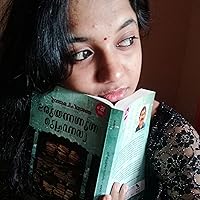
September 26, 2025
I came to know about this book from Seeing like a feminist Seeing Like a Feminist by Niveditha Menon, the book that I read just before. This book was educational, giving me a lot of insights into the lives of Hijras in India. I only knew very little about the lives of the transgender community in India, most of them being misinformation and prejudices from mainstream cinema and public conscience. Revathi's story taught me a lot.

January 2, 2022
It gives the total idea and struggle of transgender. I came to know lot of things. A good initiative which created awareness among people.
January 29, 2024
The struggle a trans faces in their journey from knowing about themselves to actually making the world understand that it's normal being different is actual make u think that we are pure cruel... We never try to understand their feelings and for this too we blame them... Truely fantastically penned..

August 30, 2025
Revathi with her honesty has laid bare the horrors and joys of the trans experience.
July 16, 2024
Everybody should read this :,))
April 24, 2022
An important book to understand the sexual minorities of India. Revathi's words are capable of rendering so much out of the heart and mind.
July 2, 2021
I felt one thing as I read this book. Horrified. I was horrified throughout the book. Don't get me wrong, I wasn't horrified because the book was bad but quite the contrary. This book was plain simple. And I didn't know simplicity could horrify me but it definitely did.
So what horrified me? The treatment of the child doraisamy, because he was different. The pain the little guy had to go through because he couldn't share his emotions with anyone. The way people ostracised and discriminated against Revathi because she was different. How her parents shunned her because they thought she was against the laws of God. The way a hijra woman is treated by our society. The misdeeds done towards these people because they took part in sex work. How even simple everyday things are not easy for these people just because of who they are.
If you want to learn more about this community you definitely have to read this book. This book talks about the culture and lives of the Hijra clan in different parts of India. And this is something everyone must read just to realise that we must be more compassionate towards everyone irrespective of who they are.
An absolute eye opening read!
So what horrified me? The treatment of the child doraisamy, because he was different. The pain the little guy had to go through because he couldn't share his emotions with anyone. The way people ostracised and discriminated against Revathi because she was different. How her parents shunned her because they thought she was against the laws of God. The way a hijra woman is treated by our society. The misdeeds done towards these people because they took part in sex work. How even simple everyday things are not easy for these people just because of who they are.
If you want to learn more about this community you definitely have to read this book. This book talks about the culture and lives of the Hijra clan in different parts of India. And this is something everyone must read just to realise that we must be more compassionate towards everyone irrespective of who they are.
An absolute eye opening read!
Displaying 1 - 30 of 84 reviews