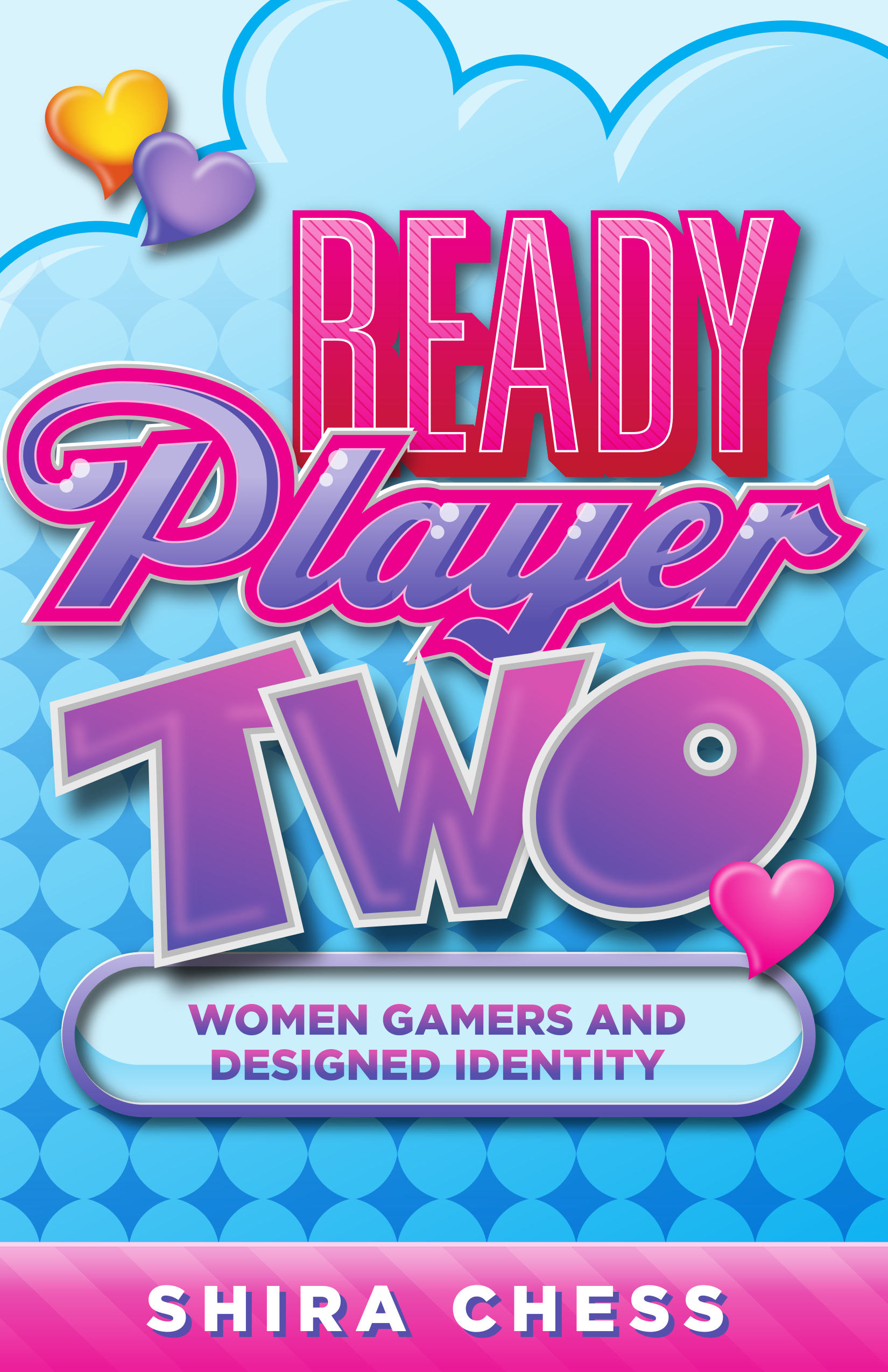
Cultural stereotypes to the contrary, approximately half of all video game players are now women. A subculture once dominated by men, video games have become a form of entertainment composed of gender binaries. Supported by games such as Diner Dash , Mystery Case Files , Wii Fit , and Kim Hollywood —which are all specifically marketed toward women—the gamer industry is now a major part of imagining what femininity should look like. In Ready Player Two , media critic Shira Chess uses the concept of “Player Two”—the industry idealization of the female gamer—to examine the assumptions implicit in video games designed for women and how they have impacted gaming culture and the larger society. With Player Two, the video game industry has designed specifically for the feminine she is white, middle class, heterosexual, cis-gendered, and abled. Drawing on categories from time management and caregiving to social networking, consumption, and bodies, Chess examines how games have been engineered to shape normative ideas about women and leisure. Ready Player Two presents important arguments about how gamers and game developers must change their thinking about both women and games to produce better games, better audiences, and better industry practices. Ultimately, this book offers vital prescriptions for how one of our most powerful entertainment industries must evolve its ideas of women.
Chess explores the designed identity of female gamers, asking questions that are less about who is playing games and more about "Who do we think is playing games, and who do we think we are designing games for?"
There are a lot of things to unpack in that question, and Chess digs deep with studies of advertisements, unexpected peripherals (I had no idea Nintendo once pitched a "Knitting Machine" for the NES to retailers), and thoughtful analyses of popular games like Diner Dash and Candy Crush. To my joy, she also does this with wit and verve and excellent storytelling. This is the kind of academic writing that I love to read and hope to emulate.
It’s an interesting discussion featuring some interesting points, however the writing itself is riddled with typos, including most cringe-inducingly referring to “The Legend of Zelda: Windwalker” instead of Wind Waker which leads me to believe she hasn’t even played the games discussed (I’ve never played a Zelda game in my life and still know the correct title). Furthermore, the author repeats herself endlessly as if trying to reach a word count for an emotionless academic essay and constantly referring back to herself. There are five whole pages going over the mechanics of the Kim Kardashian game in excruciating detail. I skipped most of it. It’s also unclear who her intended demographic is. She uses jargon that assumes core knowledge of feminism but then explains over and over again very basic elements of gaming as if the reader has never played anything before, which makes no sense considering most people are somewhat familiar with games but less are familiar with feminist philosophy. Overall the book leaves me with the vibe that it was not edited at all.
I would not recommend reading this, but maybe skimming it. There is meat in it but you have to filter so much garbage.
This book is an amazing study into the designed identity of female gamers. It's comprehensive and readable, a must-read for video game scholars and enthusiasts.
Chess breaks the book down into 5 easy to read sections: each section is an in-depth analysis on how games are marketed to and played by women within the context of identity, time, emotions, consumption, and bodies. Her analysis opened my eyes to the way casual games liberate and trap women all at the same time and how nuanced the idea of leisure time is for women.
Oh, and another thing I love about this book is how Chess brings in sooooo many insightful references into her analysis. The references in the book are extensive and I've already added so many books from this one, to my reading list.
This is not a mass-market book, no matter how catchy the cover and title are. This is a PhD thesis. If you have a taste for--or the patience for--the writing style of a PhD thesis, there're some interesting ideas in the text. Unfortunately, they're so buried in exhaustively detailed, and repetitive, explanations of how certain games work that they may be hard to mine.
Ready Player Two: Women Gamers and Designed Identity by Shira Chess examines the relationship between female gamers and the industry of which they make up 50% of the audience, but are still massively underrepresented. Chess creates the ‘Player Two’ character to represent the white, middle class, heterosexual able woman that the industry markets the few female intended games they create to, and she examines how cultural gender stereotypes impact game design and culture. The novel was originally written as a paper for the media critics PHD thesis, so the book is quite academic and more suited to students or specialist reading, rather than the average reader - however, I believe anyone interested in feminism or games would enjoy this book. She splits her novel into five chapters, each detailing how feminised games are marketed to women while examining how women play these games in comparison to male users. These chapters include: identity, time management, emotional response, consumption and bodies. Chess studies how games contribute to female stereotypes and how in turn, these gender performance expectations impact gaming culture and design. In this book she examines popular adverts for female intended games and consoles such as the Wii and the Nintendo DS and the adverts which promoted these. She goes into great detail discussing games such as diner dash and Kim kardashian to support her claims, mentioning lots of recognisable and popular titles of which I was surprised to see how many of them I had played. Although these games entertain and fulfil some of the desires women have, they also enforce and contribute to the damaging narrative which women are expected to adhere their lives too. I was most interested in Chess’s discussion of time and time management, discussing how women have less leisure time in the home than their male counterparts. Although males typically game for hours at a time, women only have brief moments of leisure, so their games need to be able to be played in short bursts. I also took a great interest in her investigation into the language game designers use, how words such as mania, hysteria, dash and rush are often used in titles - recognisable language for women. Additionally, I was very interested in the consumption and expected woman consumer role which designers expect from Player Ready Two. Although women were not the intended target audience that the industry imagined, now that they make up 50% of players, designers are still struggling to create a variety of games which appeal to us. Chess argues that both gamers and game designers need to rethink their practices to create better games and change the toxic male culture surrounding game playing.
Like a lot of academic books, this one struggles a bit when it comes to drawing grand conclusions, but the close readings of seemingly ephemeral texts like the Kim Kardashian mobile game are genuinely fascinating.