

What do you think?

The Exodus: How it Happened and Why It Matters
"In fluent prose . . . makes a gripping and persuasive case that it was the Levites who escaped Egypt and carried the story of the Exodus into Canaan." —The New York Times Book Review
The Exodus has become a core tradition of Western civilization. Millions read it, retell it, and celebrate it. But did it happen? Unable to find physical evidence until now, many archaeologists and scholars claim this mass migration is just a story, not history.
Pioneering Bible scholar and bestselling author of Who Wrote the Bible? Richard Elliott Friedman cuts through the noise — the serious studies and the wild theories — merging new findings with new insight. From a spectrum of disciplines, state-of-the-art archeological breakthroughs, and fresh discoveries within scripture, he brings real evidence of a historical basis for the exodus —the history behind the story. The biblical account of millions fleeing Egypt may be an exaggeration, but the exodus itself is not a myth.
Known for his ability to make Bible scholarship accessible to readers, Friedman proceeds to reveal how much is at stake when we explore the historicity of the exodus. We learn that it became the starting-point of the formation of monotheism, the defining concept of Judaism, Christianity, and Islam. Moreover, we learn that it precipitated the foundational ethic of loving one's neighbors — including strangers — as oneself. He concludes, the actual exodus was the cradle of global values of compassion and equal rights today.
"Sensational and profound. An eye-opening study of perhaps the single most consequential event in the biblical narrative and one of the touchstones of both Jewish and Zionist aspiration." —Jewish Journal
The Exodus has become a core tradition of Western civilization. Millions read it, retell it, and celebrate it. But did it happen? Unable to find physical evidence until now, many archaeologists and scholars claim this mass migration is just a story, not history.
Pioneering Bible scholar and bestselling author of Who Wrote the Bible? Richard Elliott Friedman cuts through the noise — the serious studies and the wild theories — merging new findings with new insight. From a spectrum of disciplines, state-of-the-art archeological breakthroughs, and fresh discoveries within scripture, he brings real evidence of a historical basis for the exodus —the history behind the story. The biblical account of millions fleeing Egypt may be an exaggeration, but the exodus itself is not a myth.
Known for his ability to make Bible scholarship accessible to readers, Friedman proceeds to reveal how much is at stake when we explore the historicity of the exodus. We learn that it became the starting-point of the formation of monotheism, the defining concept of Judaism, Christianity, and Islam. Moreover, we learn that it precipitated the foundational ethic of loving one's neighbors — including strangers — as oneself. He concludes, the actual exodus was the cradle of global values of compassion and equal rights today.
"Sensational and profound. An eye-opening study of perhaps the single most consequential event in the biblical narrative and one of the touchstones of both Jewish and Zionist aspiration." —Jewish Journal
302 pages, Kindle Edition
First published January 1, 2017
About the author
Richard Elliott Friedman
23 books167 followersRICHARD ELLIOTT FRIEDMAN is one of the premier bible scholars in the country. He earned his doctorate at Harvard and was a visiting fellow at Oxford and Cambridge, a Senior Fellow of the American Schools of Oriental Research in Jerusalem, and a Visiting Professor at the University of Haifa. He is the Ann & Jay Davis Professor of Jewish Studies at the University of Georgia and the Katzin Professor of Jewish Civilization Emeritus of the University of California, San Diego.
He is the author of Commentary on the Torah, The Disappearance of God, The Hidden Book in the Bible, The Bible with Sources Revealed, The Bible Now, The Exile and Biblical Narrative, the bestselling Who Wrote the Bible?, and his newest book, The Exodus.
He was an American Council of Learned Societies Fellow and was elected to membership in The Biblical Colloquium. His books have been translated into Hebrew, German, Italian, Spanish, Russian, Japanese, Polish, Hungarian, Dutch, Portuguese, Czech, Turkish, Korean, and French.
He was a consultant for the Dreamworks film "The Prince of Egypt," for Alice Hoffman's The Dovekeepers, and for NBC, A&E, PBS, and Nova.
He is the author of Commentary on the Torah, The Disappearance of God, The Hidden Book in the Bible, The Bible with Sources Revealed, The Bible Now, The Exile and Biblical Narrative, the bestselling Who Wrote the Bible?, and his newest book, The Exodus.
He was an American Council of Learned Societies Fellow and was elected to membership in The Biblical Colloquium. His books have been translated into Hebrew, German, Italian, Spanish, Russian, Japanese, Polish, Hungarian, Dutch, Portuguese, Czech, Turkish, Korean, and French.
He was a consultant for the Dreamworks film "The Prince of Egypt," for Alice Hoffman's The Dovekeepers, and for NBC, A&E, PBS, and Nova.
Ratings & Reviews
Friends & Following
Create a free account to discover what your friends think of this book!
Community Reviews
Displaying 1 - 30 of 119 reviews

November 11, 2020
مقدمه:
خروج دو میلیون اسرائیلی از مصر و سکونت چهل سالهشان در صحرای سینا، به شدت مورد تردید است. هیچ اثری از حضور چنین جمعیت عظیمی در صحرای سینا یافت نشده، با این که حرکت قبایل کوچکتر از این اثری از خود بهجای میگذارد: استخوان حیواناتی که خورده شدهاند، زبالهها و...
همچنین انتظار میرود فرهنگ اسرائیلیان اولیه که از مصر آمده بودند، معماری معابد و خانهها، اشیای آیینی، سبکهای کوزهگری، نقشهای تزیینی و... ارتباطی با مصر داشته باشد، ولی چنین ارتباطی در یافتههای باستانشناسی وجود ندارد.
و دست آخر، تورات میگوید که اسرائیلیان با تخریب و کشتار و فتوحات گسترده کنعان را فتح کردند، اما رد چنین جنگهایی در کاوشهای باستانشناسی یافت نشده. کنعان هرگز «فتح» نشده.
تمام اینها باعث شده که بسیاری از محققان واقعهٔ خروج را به کلی انکار کنند. اما ریچارد فریدمن، یکی از صاحبنظران مطالعات کتاب مقدس، در این کتاب پیشنهاد دیگری مطرح میکند.
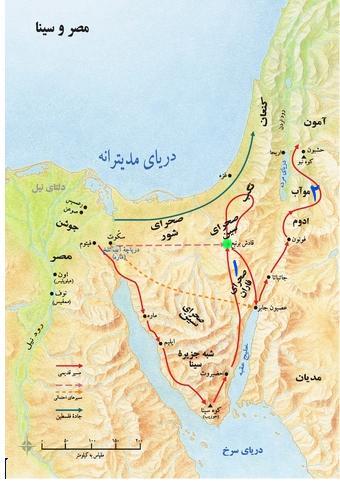
مسیر خروج از مصر به کنعان
فرضیهٔ مؤلف:
از بین دوازده قبیلهٔ اسرائیل، تنها لاویها بودند که از مصر گریختند و راهی کنعان شدند و به باقی قبایل اسرائیل که بومی کنعان بودند پیوستند. وقتی به تورات نگاه میکنیم، لاویها با قبایل دیگر اسرائیل بسیار متفاوتند و شبیه وصلهای ناجور به نظر میآیند: بنا به نص تورات لاویها هیچ حقی بر زمین کنعان نداشتند، بر خلاف قبایل دیگر که هر یک منطقهای مشخص برای خود داشتند. لاویها باید همچون بیگانههایی میان باقی قبایل زندگی میکردند و معاش خود را از باقی اسرائیلیها دریوزگی میکردند، هرچند دریوزگی محترمانه و در ازای کهانت و روحانیت مذهبی.
این گروه ناهمجنس، اتفاقاً تنها گروهی هستند که به نص تورات، حافظ سنتهای دین موسی و مبلّغان کیش پرستش یهوه بودند، در حالی که به نظر میرسد باقی اسرائیلیان مشکلی با پرستش خدایان دیگر، همچون بعل و مولک و عشتاروت نداشتند.
همچنین جمعیت لاویها به نص تورات بسیار کمتر از باقی قبایل بود، به نحوی که بنا بر آمار و ارقام کتاب اعداد، لاویها تنها حدود دو درصد از جمعیت اسرائیل را تشکیل میدادند و یازده قبیلهٔ دیگر ۹۸ درصد باقیمانده را.
با توجه به این تفاوتها فرضیهٔ بیگانه بودن لاویها چندان غریب نیست و با توجه به جمعیت کمشان معقول است که هیچ اثری از حضور آنها در صحرای سینا یافت نشود.
دلایل مؤلف:
۱.
تعداد قابل توجهی از لاویانی که در تورات نام برده شدهاند، نامهایی مصری دارند، در حالی که هیچ کدام از شخصیتهای قبایل دیگر اسامی مصری ندارند. فینِحاس، حُفنی، حور، موشی، مِراری، فَشحور و مهمتر از همه: موسی، اسمهایی مصریاند (برای ریشهشناسی اسم موسی اینجا را ببینید). ظاهراً نویسندههای تورات خبر ندارند این اسمها عبری نیستند و سعی میکنند ریشهای عبری برایشان پیدا کنند. مثل موشه (موسی) که به «مشا» ربطش میدهند که یعنی برگرفتن .
۲.
نام لاوی به احتمال زیاد معنای «الصاق شده» میدهد که خبر از الصاق لاویان به جامعه مصری در مصر، و نیز الصاقشان به جامعه اسرائیلی در کنعان میدهد.
هرچند در تورات لاوی به نام یکی از پسران یعقوب (اسرائیل) تبدیل میشود و لاویان در کنار باقی قبایل، از فرزندان اسرائیل به شمار میآیند.
۳.
قدیمیترین بخشهای تورات دو شعر هستند که زبان عبریشان از زبان عبری تورات قدیمیتر است. این دو شعر مدتها پیش از تألیف تورات سروده شدهاند و مؤلفان تورات آنها را در تورات وارد کردهاند. یکی شعر مریم خواهر موسی پس از عبور از دریای سرخ، و دیگری شعر دبوره که قبایل اسرائیل را به جنگ با کنعانیان ترغیب میکند.
در شعر اول که ماجرای خروج نقل شده، اسمی از اسرائیل نیست و مقصد قومی که از مصر خارج شدهاند نه سرزمین کنعان، بلکه کوه خداوند و «مَقدِس» معرفی شده.
در شعر دوم که ماجرای جنگ اسرائیلیان با کنعانیان نقل شده، اسمی از لاویها نیامده، هرچند تمام قبایل اسرائیل نام برده شدهاند.
این نشان میدهد که اسرائیلیان از لاویان بی خبر بودند، و کسانی که از مصر گریخته بودند هم کاری با اسرائیل نداشتند.
شعر سومی هم هست که هرچند به قدمت دو شعر بالا نیست، اما باز از متن تورات قدیمیتر است. این شعر که در تثنیه ۳۳ آمده، پیشگویی موسی در حق قبایل اسرائیل است. در این شعر نام هر قبیله به ترتیب برده میشود و در حقش پیشگویی و دعای خیری میشود. در این شعر، تنها در پیشگویی مربوط به قبیلهٔ لاوی است که اشارهای به عبور از دریای سرخ میشود و در مورد قبایل دیگر، چنین اشارهای نیست.
۴.
چنان که اینجا نوشتم، تورات از چهار منبع ترکیب شده که سه تا از آنها توسط کاهنان لاوی نوشته شده. در این سه منبع آمده که نام خدا تا قبل از موسی، اِل یا اِلوهیم بود. ابراهیم و اسحاق و یعقوب، پدران قوم اسرائیل، خدا را با این نام میشناختند. تنها در زمان موساست که خدا نام حقیقی خود، یهوه، را آشکار میکند. از طرفی، اِل نام خدایی است که پرستیدنش در منطقهٔ کنعان رایج بود و کنعانیان غیر اسرائیلی نیز خدا را اِل میخواندند.
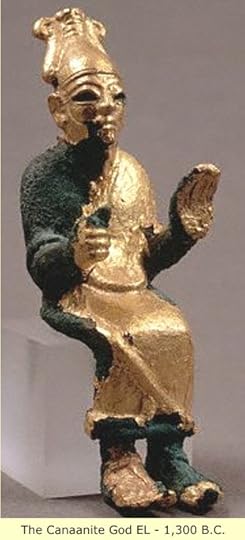
از طرف دیگر، بنا به شهادت کتیبههای مصری، یهوه اسم خدای قوم «شاسو» بود که در سرزمین مِدیَن میزیستند، درست همان جایی که کوههای سینا و سِعیر قرار دارند: دو کوهی که در تورات محل ظهور یهوه دانسته شدهاند.
مؤلف این دو نام خدا را این گونه با فرضیهٔ خود تطبیق میدهد که: اسرائیلیان که در حقیقت بومی کنعان بودند، همان خدای کنعان را میپرستیدند که اِل نام داشت، و لاویان خدایی به نام یهوه را میپرستیدند که از مدین با خود آورده بودند.
میشود ماجرا را این گونه تصور کرد: لاویان پس از گریختن از مصر ابتدا به سوی مدین رفتند که در نزدیکی مرز مصر قرار داشت. بنا به روایت تورات پدرزن موسی کاهنی مدینی بود. لاویان در کوه سینا و سعیر یهوه را پرستیدن گرفتند، سپس راهی کنعان شدند. پس از این که لاویان با اسرائیلیان متحد شدند، یهوه مدینی و اِل کنعانی در هم ادغام شدند و یک خدا گشتند. تورات این ادغام دو خدا را این گونه توضیح میدهد که همین خدا بود که تا قبل از فرارسیدن لاویان اِل نامیده میشد و پس از فرارسیدن لاویان نام حقیقی خود را آشکار کرد.
۵.
در مقدمه گفته شد فرهنگ اسرائیلیان ساکن کنعان شباهتی با فرهنگ مصری ندارد، در حالی که اگر اسرائیلیان از مصر گریخته بودند باید چنین شباهتی یافت میشد.
حال اگر در میراث فرهنگی لاویها دقت کنیم، ردّ فرهنگ مصری را در آن مییابیم. از چهار منبع تورات، سه منبعی که توسط لاویان نوشته شده با دقت زیادی از اسم شهرهای مصری و رسم ساختمانسازی مصریان صحبت میکنند و برخی از داستانهایی که این منابع نقل میکنند، به افسانههای مصری شباهت دارند.
همچنین اشیاء مقدسی که منابع لاوی معرفی میکنند شباهت زیادی با اشیاء مقدس مصری دارد.
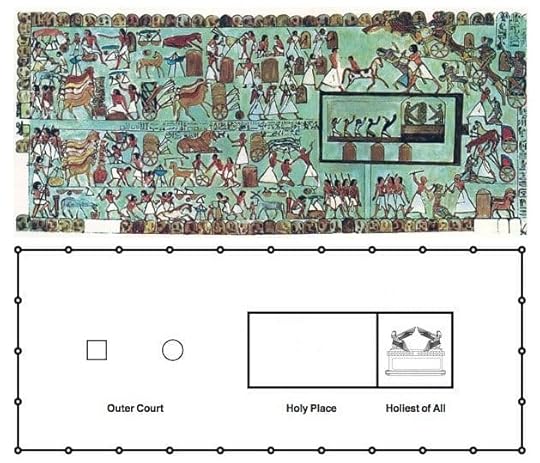
مثلاً خیمهٔ اجتماع که اتفاقاً لاویان مسئول نگهداری از آن بودند، ساختمانی شبیه به خیمهٔ جنگ رامسس دوم دارد.
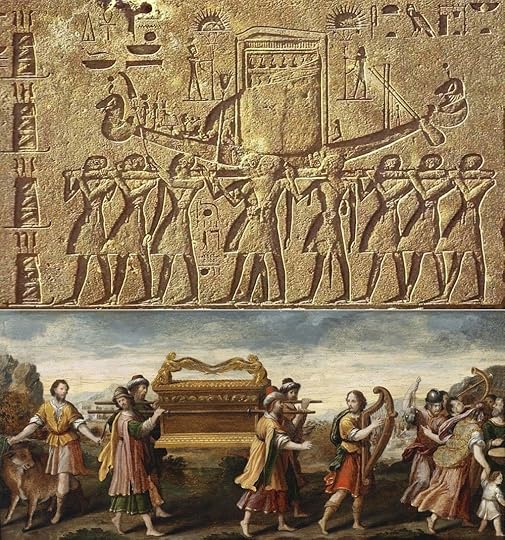
تابوت عهد نیز که مقدسترین شیء آیینی است و باز هم لاویان مسئول حفظ و نگهداری از آن بودند، به قایق مقدّس مصری شباهت دارد: هر دو نشستنگاه الهی بودند، با تیرکهایی چوبی بر دوش کاهنان حمل میشدند، با صفحاتی از طلا پوشانده میشدند و حاوی تمثالهایی از موجودات پرنده بودند.
خروج دو میلیون اسرائیلی از مصر و سکونت چهل سالهشان در صحرای سینا، به شدت مورد تردید است. هیچ اثری از حضور چنین جمعیت عظیمی در صحرای سینا یافت نشده، با این که حرکت قبایل کوچکتر از این اثری از خود بهجای میگذارد: استخوان حیواناتی که خورده شدهاند، زبالهها و...
همچنین انتظار میرود فرهنگ اسرائیلیان اولیه که از مصر آمده بودند، معماری معابد و خانهها، اشیای آیینی، سبکهای کوزهگری، نقشهای تزیینی و... ارتباطی با مصر داشته باشد، ولی چنین ارتباطی در یافتههای باستانشناسی وجود ندارد.
و دست آخر، تورات میگوید که اسرائیلیان با تخریب و کشتار و فتوحات گسترده کنعان را فتح کردند، اما رد چنین جنگهایی در کاوشهای باستانشناسی یافت نشده. کنعان هرگز «فتح» نشده.
تمام اینها باعث شده که بسیاری از محققان واقعهٔ خروج را به کلی انکار کنند. اما ریچارد فریدمن، یکی از صاحبنظران مطالعات کتاب مقدس، در این کتاب پیشنهاد دیگری مطرح میکند.
مسیر خروج از مصر به کنعان
فرضیهٔ مؤلف:
از بین دوازده قبیلهٔ اسرائیل، تنها لاویها بودند که از مصر گریختند و راهی کنعان شدند و به باقی قبایل اسرائیل که بومی کنعان بودند پیوستند. وقتی به تورات نگاه میکنیم، لاویها با قبایل دیگر اسرائیل بسیار متفاوتند و شبیه وصلهای ناجور به نظر میآیند: بنا به نص تورات لاویها هیچ حقی بر زمین کنعان نداشتند، بر خلاف قبایل دیگر که هر یک منطقهای مشخص برای خود داشتند. لاویها باید همچون بیگانههایی میان باقی قبایل زندگی میکردند و معاش خود را از باقی اسرائیلیها دریوزگی میکردند، هرچند دریوزگی محترمانه و در ازای کهانت و روحانیت مذهبی.
در پایان هر سه سال، تمامی دهیکِ محصول آن سالِ خود را بیاورید و در شهرهایتان ذخیره کنید، تا لاویان که آنان را چون شما نصیب و میراثی [از زمین کنعان] نیست، و غریبان و یتیمان و بیوه زنانی که در شهرهای شمایند، بیایند و بخورند و سیر شوند.
تثنیه ۱۴: ۲۸-۲۹
این گروه ناهمجنس، اتفاقاً تنها گروهی هستند که به نص تورات، حافظ سنتهای دین موسی و مبلّغان کیش پرستش یهوه بودند، در حالی که به نظر میرسد باقی اسرائیلیان مشکلی با پرستش خدایان دیگر، همچون بعل و مولک و عشتاروت نداشتند.
همچنین جمعیت لاویها به نص تورات بسیار کمتر از باقی قبایل بود، به نحوی که بنا بر آمار و ارقام کتاب اعداد، لاویها تنها حدود دو درصد از جمعیت اسرائیل را تشکیل میدادند و یازده قبیلهٔ دیگر ۹۸ درصد باقیمانده را.
جمع کلّ لاویان سرشماری شده که موسی آنان را به فرمان یهوه برحسب قبایل شمرد، رقم ذکور از سنّ یک ماه به بالا، ۲۲هزار تن بود.
اعداد ۳: ۳۹
با توجه به این تفاوتها فرضیهٔ بیگانه بودن لاویها چندان غریب نیست و با توجه به جمعیت کمشان معقول است که هیچ اثری از حضور آنها در صحرای سینا یافت نشود.
دلایل مؤلف:
۱.
تعداد قابل توجهی از لاویانی که در تورات نام برده شدهاند، نامهایی مصری دارند، در حالی که هیچ کدام از شخصیتهای قبایل دیگر اسامی مصری ندارند. فینِحاس، حُفنی، حور، موشی، مِراری، فَشحور و مهمتر از همه: موسی، اسمهایی مصریاند (برای ریشهشناسی اسم موسی اینجا را ببینید). ظاهراً نویسندههای تورات خبر ندارند این اسمها عبری نیستند و سعی میکنند ریشهای عبری برایشان پیدا کنند. مثل موشه (موسی) که به «مشا» ربطش میدهند که یعنی برگرفتن .
دختر فرعون او را به فرزندی گرفت، و وی را موسی نامید چرا که میگفت «او را از آب برگرفتم».
خروج ۲: ۹
۲.
نام لاوی به احتمال زیاد معنای «الصاق شده» میدهد که خبر از الصاق لاویان به جامعه مصری در مصر، و نیز الصاقشان به جامعه اسرائیلی در کنعان میدهد.
هرچند در تورات لاوی به نام یکی از پسران یعقوب (اسرائیل) تبدیل میشود و لاویان در کنار باقی قبایل، از فرزندان اسرائیل به شمار میآیند.
۳.
قدیمیترین بخشهای تورات دو شعر هستند که زبان عبریشان از زبان عبری تورات قدیمیتر است. این دو شعر مدتها پیش از تألیف تورات سروده شدهاند و مؤلفان تورات آنها را در تورات وارد کردهاند. یکی شعر مریم خواهر موسی پس از عبور از دریای سرخ، و دیگری شعر دبوره که قبایل اسرائیل را به جنگ با کنعانیان ترغیب میکند.
در شعر اول که ماجرای خروج نقل شده، اسمی از اسرائیل نیست و مقصد قومی که از مصر خارج شدهاند نه سرزمین کنعان، بلکه کوه خداوند و «مَقدِس» معرفی شده.
قوم خود را خواهی آورد و بر کوه میراث خود مستقر خواهی کرد
مکانی که، ای یهوه، که آن را مسکن خود ساختی
مَقدِسی که، ای خداوند، دستانت ساخته است.
خروج ۱۵: ۱۷
در شعر دوم که ماجرای جنگ اسرائیلیان با کنعانیان نقل شده، اسمی از لاویها نیامده، هرچند تمام قبایل اسرائیل نام برده شدهاند.
این نشان میدهد که اسرائیلیان از لاویان بی خبر بودند، و کسانی که از مصر گریخته بودند هم کاری با اسرائیل نداشتند.
شعر سومی هم هست که هرچند به قدمت دو شعر بالا نیست، اما باز از متن تورات قدیمیتر است. این شعر که در تثنیه ۳۳ آمده، پیشگویی موسی در حق قبایل اسرائیل است. در این شعر نام هر قبیله به ترتیب برده میشود و در حقش پیشگویی و دعای خیری میشود. در این شعر، تنها در پیشگویی مربوط به قبیلهٔ لاوی است که اشارهای به عبور از دریای سرخ میشود و در مورد قبایل دیگر، چنین اشارهای نیست.
در باب لاوی گفت:
پس از آن که او را در مسّه آزمودی
و در آبهای مریبه با او مجادله کردی...
تثنیه ۳۳: ۸
۴.
چنان که اینجا نوشتم، تورات از چهار منبع ترکیب شده که سه تا از آنها توسط کاهنان لاوی نوشته شده. در این سه منبع آمده که نام خدا تا قبل از موسی، اِل یا اِلوهیم بود. ابراهیم و اسحاق و یعقوب، پدران قوم اسرائیل، خدا را با این نام میشناختند. تنها در زمان موساست که خدا نام حقیقی خود، یهوه، را آشکار میکند. از طرفی، اِل نام خدایی است که پرستیدنش در منطقهٔ کنعان رایج بود و کنعانیان غیر اسرائیلی نیز خدا را اِل میخواندند.
از طرف دیگر، بنا به شهادت کتیبههای مصری، یهوه اسم خدای قوم «شاسو» بود که در سرزمین مِدیَن میزیستند، درست همان جایی که کوههای سینا و سِعیر قرار دارند: دو کوهی که در تورات محل ظهور یهوه دانسته شدهاند.
یهوه از سینا آمد
و از سِعیر بر آنان طلوع فرمود.
او از کوه فاران درخشید.
و از نزد کرورهای قُدسیان آمد.
تثنیه ۳۳: ۲
مؤلف این دو نام خدا را این گونه با فرضیهٔ خود تطبیق میدهد که: اسرائیلیان که در حقیقت بومی کنعان بودند، همان خدای کنعان را میپرستیدند که اِل نام داشت، و لاویان خدایی به نام یهوه را میپرستیدند که از مدین با خود آورده بودند.
میشود ماجرا را این گونه تصور کرد: لاویان پس از گریختن از مصر ابتدا به سوی مدین رفتند که در نزدیکی مرز مصر قرار داشت. بنا به روایت تورات پدرزن موسی کاهنی مدینی بود. لاویان در کوه سینا و سعیر یهوه را پرستیدن گرفتند، سپس راهی کنعان شدند. پس از این که لاویان با اسرائیلیان متحد شدند، یهوه مدینی و اِل کنعانی در هم ادغام شدند و یک خدا گشتند. تورات این ادغام دو خدا را این گونه توضیح میدهد که همین خدا بود که تا قبل از فرارسیدن لاویان اِل نامیده میشد و پس از فرارسیدن لاویان نام حقیقی خود را آشکار کرد.
۵.
در مقدمه گفته شد فرهنگ اسرائیلیان ساکن کنعان شباهتی با فرهنگ مصری ندارد، در حالی که اگر اسرائیلیان از مصر گریخته بودند باید چنین شباهتی یافت میشد.
حال اگر در میراث فرهنگی لاویها دقت کنیم، ردّ فرهنگ مصری را در آن مییابیم. از چهار منبع تورات، سه منبعی که توسط لاویان نوشته شده با دقت زیادی از اسم شهرهای مصری و رسم ساختمانسازی مصریان صحبت میکنند و برخی از داستانهایی که این منابع نقل میکنند، به افسانههای مصری شباهت دارند.
همچنین اشیاء مقدسی که منابع لاوی معرفی میکنند شباهت زیادی با اشیاء مقدس مصری دارد.
مثلاً خیمهٔ اجتماع که اتفاقاً لاویان مسئول نگهداری از آن بودند، ساختمانی شبیه به خیمهٔ جنگ رامسس دوم دارد.
تابوت عهد نیز که مقدسترین شیء آیینی است و باز هم لاویان مسئول حفظ و نگهداری از آن بودند، به قایق مقدّس مصری شباهت دارد: هر دو نشستنگاه الهی بودند، با تیرکهایی چوبی بر دوش کاهنان حمل میشدند، با صفحاتی از طلا پوشانده میشدند و حاوی تمثالهایی از موجودات پرنده بودند.

April 5, 2018
Thirty years ago I read Who Wrote the Bible? by Richard Elliott Friedman in which he mentioned that the Exodus story may have originated from the experiences of a small group who later became the Levite Tribe. At that time he wrote that this idea was “in the realm of hypothesis, and we must be very cautious about it.”
I recall that it was mentioned in that book that the name Moses was of Egyptian origin as were many names within the Levite Tribe. I found that fact convincing, and during the years since I have often claimed the theory of a Levite Exodus as my own original idea. It wasn’t until I read this new book by Friedman that I was reminded that I got the idea in the first place from his 1987 book.
In this book Friedman says that many advances have been made in archaeological and critical biblical studies during the past thirty years, and that there is now considerable evidence available to propose with more certainty the probable origins of both monotheism and the Exodus story. Friedman isn’t saying the Exodus story is historical in its details, but that its origin is based upon historical happenings which over many years were elaborated upon as various fragments of poems and oral stories were stitched together into edited written form in the Bible.
The following discussion includes references to the J, E, D, and P sources. I’ve placed an explanation of those terms in this
Friedman proceeds to parse the details and provide the following reasons why the Exodus story is not creative fantasy.
Friedman also concludes that there was no Canaanite conquest. There was no need for a conquest because the Israelites were in the Canaanite highlands all along. The fact that the Levites had no land area designated as their ancestral home is an indication that they were relative newcomers to the highlands.
The conquest stories were partly inspired as an explanation for the presence of ruins left over from the late bronze age, and of course these stories provided Israel with a heroic and militaristic past. It’s interesting to note at this point that the Bible’s worst examples of God commanding the Children of Israel to commit genocide are those parts which are the least historically accurate.
In a later chapter Friedman points to the results of genetic studies that support the theory than those of priestly ancestry have a more diverse genetic origin than other portions of the Jewish population. This supports the theory that Levites had ancestral origins from areas outside the Canaanite highlands.
In the second part the book Friedman explores possible origins for the concept of monotheism. Of course he is suggesting that the Levites were the ones who introduced it to Israel and Judah. However, where did the Levites get it? There are suggestions from Egyptian sources that it may have originated in Midian. But he goes on to suggest all sorts of possible combinations of origins.
_______
The following is an interesting link to an article titled "Bethel the Forgotten God of Israel." It discusses the early process of development of the worship of "El."
https://isthatinthebible.wordpress.co...
______
Another link of interest:
https://www.haaretz.com/archaeology/....
I recall that it was mentioned in that book that the name Moses was of Egyptian origin as were many names within the Levite Tribe. I found that fact convincing, and during the years since I have often claimed the theory of a Levite Exodus as my own original idea. It wasn’t until I read this new book by Friedman that I was reminded that I got the idea in the first place from his 1987 book.
In this book Friedman says that many advances have been made in archaeological and critical biblical studies during the past thirty years, and that there is now considerable evidence available to propose with more certainty the probable origins of both monotheism and the Exodus story. Friedman isn’t saying the Exodus story is historical in its details, but that its origin is based upon historical happenings which over many years were elaborated upon as various fragments of poems and oral stories were stitched together into edited written form in the Bible.
The following discussion includes references to the J, E, D, and P sources. I’ve placed an explanation of those terms in this
Friedman proceeds to parse the details and provide the following reasons why the Exodus story is not creative fantasy.
•Israelites would not have motive to say they were descended from slaves.From the above Friedman concludes that the exodus involved a small number, and that this group were what became the Levite tribe. In the writing of their stories there was an introduction and merger of Yahweh with El, and that merger was a crucial step in the formation of monotheism.
• There’s no motive to not be indigenous residents of their land.
• Levite priests have Egyptian names.
• Moses is an Egyptian name.
• Father-in-law of Moses was a Midianite priest.
• Architectural match between Israeli Tabernacle with the battle tent of Rameses II.
• Arch of the Covenant and the Egyptian bark are similar in design.
• Circumcision was an Egyptian practice.
• Circumcision is mentioned only in the E, P, and D (Levite) sources.
• 52 references to being good to aliens in the Pentateuch.
• Over 200 references in Pentateuch of “because we were aliens in Egypt.”
• Historical evidence of four hundred years of the presence of Western Semites as aliens in Egypt.
• E and P sources indicate God’s name is unknown prior to exodus story.
Friedman also concludes that there was no Canaanite conquest. There was no need for a conquest because the Israelites were in the Canaanite highlands all along. The fact that the Levites had no land area designated as their ancestral home is an indication that they were relative newcomers to the highlands.
The conquest stories were partly inspired as an explanation for the presence of ruins left over from the late bronze age, and of course these stories provided Israel with a heroic and militaristic past. It’s interesting to note at this point that the Bible’s worst examples of God commanding the Children of Israel to commit genocide are those parts which are the least historically accurate.
In a later chapter Friedman points to the results of genetic studies that support the theory than those of priestly ancestry have a more diverse genetic origin than other portions of the Jewish population. This supports the theory that Levites had ancestral origins from areas outside the Canaanite highlands.
In the second part the book Friedman explores possible origins for the concept of monotheism. Of course he is suggesting that the Levites were the ones who introduced it to Israel and Judah. However, where did the Levites get it? There are suggestions from Egyptian sources that it may have originated in Midian. But he goes on to suggest all sorts of possible combinations of origins.
The idea of monotheism may have been in the air in Egypt after the demise of Pharaoh Akhenaten's religion of Aten. The majority of Egypt's population may have rejected that idea. A minority may have been attracted to it. The Levite community that left Egypt may have been led by an Egyptian man Moses, who was attracted to that one-God idea, and when they arrived at Midian he married a priest's daughter and learned of the god Yahweh, whom he identified as the one God. Or the Levites may have left Egypt and then met a Midianite man, Moses, and were attracted to identify his God Yahweh as the one God. Or maybe Moses and/or the Levites found the idea of one God on their own, and they were then influenced either by the Egyptian monotheism in the air or by the Midianite faith of Yahweh. We can arrange these puzzle pieces in a number of possible ways. The bottom line, though, one way or another, is that the Levites had spent time in both Egypt and Midian, their God was Yahweh, and then they came to Israel.Concluding chapters of the book address some textual issues such as those indicating that El had a female consort at one time, that earlier gods needed to die, and that God sometimes speaks in plural. The book also contains some textual exegesis defending the ethical concept that, "Love your Neighbor," applies to strangers, not just other Jews.
_______
The following is an interesting link to an article titled "Bethel the Forgotten God of Israel." It discusses the early process of development of the worship of "El."
https://isthatinthebible.wordpress.co...
______
Another link of interest:
https://www.haaretz.com/archaeology/....

February 15, 2018
The historical Moses
I read Richard Elliott Friedman's previous book, The Bible Now, eight or nine years ago and found it helpful but on the dry side. This book, in contrast, is written the way he speaks, funny and irreverent, matter-of-fact, or take-no-prisoners, as the case may be. It's not necessarily an easy read all the way through but it's a good read.
Richard Elliott Friedman (henceforth, REF) pierces the belief, common today, that the exodus can be proved never to have happened since neither hide nor hair of a large number of Hebrews have been found in Sinai. ...a vehicle that was lost in Sinai in the 1973 war was found recently under sixteen meters of sand. ... Finding objects thirty-three hundred years down presents a rather harder challenge. And, as we know, absence of evidence isn't evidence of absence. What do we expect to find, anyway? A piece of petrified wood with "Moses loves Zipporah"...?
Well, that's an example of his humor.
He's referring there to the use of archeological evidence in recent decades to refute biblical stories, whereas during earlier decades there used to be claims that archeologists had "proved" the bible. Surely, he says, all evidence should be used: textual, linguistic, archeological.
His stated goal is to tease history out of narrative (and to know the difference). Example: Cinderella is a fairy tale. But the tellers of the Cinderella story did know what shoes were. Shoes are historical.
His major hypothesis is that not all the Israelites were in Egypt or left it in the exodus. The mass of Israelites were already in the land of Israel (the Levant, Canaan, or your preferred name). The only group that left in the exodus were those who later became known as the Levites, who had been resident aliens in Egypt.
In arguably the two oldest poems of the Hebrew bible, one, the Song of the Sea, never mentions Israelites, while the other, the Song of Deborah, never mentions Levites. The Levites arrived early, though, and thereafter, Levites are included, written into the narrative as the tribe of Levi. The hypothesis that it was a relatively small group leaving Egypt resolves numerous issues. For example it's apparently now a given that the Israelites were already there during centuries they were supposed to have been in Egypt. Also, all the occurrences of Egyptian names fall in the Levite sources, which, per REF, are all the documentary sources--E (Elohist), P (Priestly), and D (Deuteronomist) --except for one, the J, or Yahwist, source. In fact, all sorts of Egyptian customs and similarities show up in and only in the various Levite sources and not in J. REF's hypothesis makes a lot of diverse facts fall into place.
REF goes into detail re the the documentary hypothesis--its evidence and its challengers. His divisions are not in the old manner of which source uses which name of God, but according to when each source was given the name of God: the E source at the burning bush, the P source in Egypt, while the J source always had it.
A strength of this book is REF's use and actual citation of evidence. In that connection, he also responds to the arguments of those who disagree with him. Both of those approaches are indicative of his respect for his readers. He doesn't pander or bamboozle the reader with references to conventional beliefs or to the great majority of scholars who agree with him. Just the evidence, ma'am!
Of course one reason for not citing the majority of scholars who agree with him is that often the majority doesn't agree with him. But since he cites his evidence while his critics mostly don't (resorting to the "most scholars" claim), his arguments are convincing.
For example, his disagreement on when monotheism began: he would place it earlier, while acknowledging its acceptance by the masses was later. He says most of his scholarly adversaries on this matter argue there was no monotheism whatsoever, neither among the priests and leaders nor the common people, until the Babylonian exile. REF places the origin of monotheism much earlier, and he supports his argument. Fortunately he has the biblical languages at his command. Reading the bible in its original language is his stock and trade, allowing him to make some incisive assertions.
When he offers evidence in that way, he's very convincing. If I were confronted with other scholars citing conflicting evidence, I could compare and contrast. But it seems to me that many scholars making their claims in the public square aren't primary scholars. Instead, these other scholars are quoting others and picking conclusions that support their prepackaged narratives while ignoring findings that don't.
When it comes to the claim that "love your neighbor" in the Hebrew bible means to love only other Hebrews, REF's argument is devastating.
I found REF's overriding hypothesis regarding the Levites intriguing. At the very first it was off-putting. Wouldn't more people claim the Hebrew bible was lying? But rapidly it all began to make sense.
I forgot to mention that part of REF's hypothesis is that the Levites became the clergy--the priests and teachers--of the Israelites. The idea of God they brought along during the exodus merged with the God already worshiped in those parts, so that all and sundry saw just one God. As indicated by my capital "G," that understanding that there was just one God, not two, was the start of monotheism's spread.
And the Levite clergy taught their understanding of the exodus and its significance to the Israelites, a narrative in which they, too, now shared: the good news that they've been saved and that God loves them.
First comes the central vision, which subsequently comes to function as a powerful vacuum drawing in all of history until everything is encompassed and everything is seen through that lens. (My theological conceptualization--although REF does note the bible writers extended their history all the way back to creation.)
When REF says what's in the bible and what isn't, he's the best. He made me see how each source's narrative omitted what was not important to them, while leaving in, or, rather, writing in, that which solidified the specific role and connection of that particular group--all that escapes notice in the interwoven overall narrative. (With regard to the New Testament, some teachers advise against combining the four gospels into one general story, since doing so entails losing the particulars of each narrative. With the Hebrew Bible that's not an option, since the story line comes to us already melded into one. Thus the challenge of teasing it apart!)
REF made me see how the final redaction reflects the group that had come out on top, including their polemics against their main competitors. And that gave me a new angle on such dynamics, historically and in the present.
When he says or seems to say that seeing the Israelites' God and the Egyptian Levites' God as one and the same was the cause of monotheism, and that the Levites' status as resident aliens in Egypt before their exodus is behind the ethical part of ethical monotheism--broad hypotheses about causality like those--I have a little more difficulty. I'm not sure he's pinned down those claims.
About particular hypotheses, though, REF is careful. He does not conclude that Moses was a Midianite or Moses was an Egyptian but, rather, examines the evidence, which suggests he spent time in both regions.
People often think that bible scholars deliberately divide up the text among sources to support their own hypotheses. In fact, I read a review the author of which says REF got the results he did by putting into E what nearly all other scholars consider to be from J. But what does it matter if "all other scholars" have another view, if REF has the evidence?
Here's a write-up that came out before the book was published. See Note 2 as to the impossibility of deliberately manipulating all this data. http://thetorah.com/the-historical-ex...
I read Richard Elliott Friedman's previous book, The Bible Now, eight or nine years ago and found it helpful but on the dry side. This book, in contrast, is written the way he speaks, funny and irreverent, matter-of-fact, or take-no-prisoners, as the case may be. It's not necessarily an easy read all the way through but it's a good read.
Richard Elliott Friedman (henceforth, REF) pierces the belief, common today, that the exodus can be proved never to have happened since neither hide nor hair of a large number of Hebrews have been found in Sinai. ...a vehicle that was lost in Sinai in the 1973 war was found recently under sixteen meters of sand. ... Finding objects thirty-three hundred years down presents a rather harder challenge. And, as we know, absence of evidence isn't evidence of absence. What do we expect to find, anyway? A piece of petrified wood with "Moses loves Zipporah"...?
Well, that's an example of his humor.
He's referring there to the use of archeological evidence in recent decades to refute biblical stories, whereas during earlier decades there used to be claims that archeologists had "proved" the bible. Surely, he says, all evidence should be used: textual, linguistic, archeological.
His stated goal is to tease history out of narrative (and to know the difference). Example: Cinderella is a fairy tale. But the tellers of the Cinderella story did know what shoes were. Shoes are historical.
His major hypothesis is that not all the Israelites were in Egypt or left it in the exodus. The mass of Israelites were already in the land of Israel (the Levant, Canaan, or your preferred name). The only group that left in the exodus were those who later became known as the Levites, who had been resident aliens in Egypt.
In arguably the two oldest poems of the Hebrew bible, one, the Song of the Sea, never mentions Israelites, while the other, the Song of Deborah, never mentions Levites. The Levites arrived early, though, and thereafter, Levites are included, written into the narrative as the tribe of Levi. The hypothesis that it was a relatively small group leaving Egypt resolves numerous issues. For example it's apparently now a given that the Israelites were already there during centuries they were supposed to have been in Egypt. Also, all the occurrences of Egyptian names fall in the Levite sources, which, per REF, are all the documentary sources--E (Elohist), P (Priestly), and D (Deuteronomist) --except for one, the J, or Yahwist, source. In fact, all sorts of Egyptian customs and similarities show up in and only in the various Levite sources and not in J. REF's hypothesis makes a lot of diverse facts fall into place.
REF goes into detail re the the documentary hypothesis--its evidence and its challengers. His divisions are not in the old manner of which source uses which name of God, but according to when each source was given the name of God: the E source at the burning bush, the P source in Egypt, while the J source always had it.
A strength of this book is REF's use and actual citation of evidence. In that connection, he also responds to the arguments of those who disagree with him. Both of those approaches are indicative of his respect for his readers. He doesn't pander or bamboozle the reader with references to conventional beliefs or to the great majority of scholars who agree with him. Just the evidence, ma'am!
Of course one reason for not citing the majority of scholars who agree with him is that often the majority doesn't agree with him. But since he cites his evidence while his critics mostly don't (resorting to the "most scholars" claim), his arguments are convincing.
For example, his disagreement on when monotheism began: he would place it earlier, while acknowledging its acceptance by the masses was later. He says most of his scholarly adversaries on this matter argue there was no monotheism whatsoever, neither among the priests and leaders nor the common people, until the Babylonian exile. REF places the origin of monotheism much earlier, and he supports his argument. Fortunately he has the biblical languages at his command. Reading the bible in its original language is his stock and trade, allowing him to make some incisive assertions.
When he offers evidence in that way, he's very convincing. If I were confronted with other scholars citing conflicting evidence, I could compare and contrast. But it seems to me that many scholars making their claims in the public square aren't primary scholars. Instead, these other scholars are quoting others and picking conclusions that support their prepackaged narratives while ignoring findings that don't.
When it comes to the claim that "love your neighbor" in the Hebrew bible means to love only other Hebrews, REF's argument is devastating.
I found REF's overriding hypothesis regarding the Levites intriguing. At the very first it was off-putting. Wouldn't more people claim the Hebrew bible was lying? But rapidly it all began to make sense.
I forgot to mention that part of REF's hypothesis is that the Levites became the clergy--the priests and teachers--of the Israelites. The idea of God they brought along during the exodus merged with the God already worshiped in those parts, so that all and sundry saw just one God. As indicated by my capital "G," that understanding that there was just one God, not two, was the start of monotheism's spread.
And the Levite clergy taught their understanding of the exodus and its significance to the Israelites, a narrative in which they, too, now shared: the good news that they've been saved and that God loves them.
First comes the central vision, which subsequently comes to function as a powerful vacuum drawing in all of history until everything is encompassed and everything is seen through that lens. (My theological conceptualization--although REF does note the bible writers extended their history all the way back to creation.)
When REF says what's in the bible and what isn't, he's the best. He made me see how each source's narrative omitted what was not important to them, while leaving in, or, rather, writing in, that which solidified the specific role and connection of that particular group--all that escapes notice in the interwoven overall narrative. (With regard to the New Testament, some teachers advise against combining the four gospels into one general story, since doing so entails losing the particulars of each narrative. With the Hebrew Bible that's not an option, since the story line comes to us already melded into one. Thus the challenge of teasing it apart!)
REF made me see how the final redaction reflects the group that had come out on top, including their polemics against their main competitors. And that gave me a new angle on such dynamics, historically and in the present.
When he says or seems to say that seeing the Israelites' God and the Egyptian Levites' God as one and the same was the cause of monotheism, and that the Levites' status as resident aliens in Egypt before their exodus is behind the ethical part of ethical monotheism--broad hypotheses about causality like those--I have a little more difficulty. I'm not sure he's pinned down those claims.
About particular hypotheses, though, REF is careful. He does not conclude that Moses was a Midianite or Moses was an Egyptian but, rather, examines the evidence, which suggests he spent time in both regions.
People often think that bible scholars deliberately divide up the text among sources to support their own hypotheses. In fact, I read a review the author of which says REF got the results he did by putting into E what nearly all other scholars consider to be from J. But what does it matter if "all other scholars" have another view, if REF has the evidence?
Here's a write-up that came out before the book was published. See Note 2 as to the impossibility of deliberately manipulating all this data. http://thetorah.com/the-historical-ex...

July 25, 2021
I’m a son of a preacher man, and I was raised on Bible stories. Though I moved on from the faith of my childhood, I’ve never lost my fascination with those stories - how they affect our culture, our literature, our ethics. I’ve always enjoyed the puzzle of their historicity, deciphering what parts of the stories have a foundation in history, and what is myth or folk tale.
Several years back I read a book by the acclaimed archeologists Israel Finkelstein where he presented an impressive case that the Exodus never happened. The archeology definitively shows that their was no conquest of Canaan, and makes a strong case that the Hebrews were indigenous to the land all along. The archeological record also shows no evidence of a massive group of people (some two million by the Bible’s numbers) exiting Egypt, and has found no trace of such a group in the Sinai Desert. (This last bit is the weakest link of the argument, considering the challenges the desert presents to archeology.) Altogether, Finkelstein made a strong case that The Exodus, the central foundation story of one faith and vital to another, never happened.
Richard Elliott Friedman doesn’t argue against this archeological evidence. Instead, he uses his knowledge of the Biblical texts and ancient Hebrew to present a different possibility, a remarkably plausible alternative. The Exodus was not a massive movement of two millions of people, not a migration of the entire people, but a much smaller affair. The Exodus was one tribe - the Tribe Of Levi - the tribe of Moses the Lawgiver and Aaron the High Priest.
Friedman makes his argument from fascinating textual details, using the Documentary Hypothesis of the JEPD sources, and knowledge of the ancient languages. Among the evidence he presents is that the only Hebrews in the Bible story with Egyptian names were Levites (including Moses himself). He points out that the Levites were the only tribe without their own portion of the land, but became an itinerant priesthood for Israel (and thus in a position to shape and teach the stories). He explores the idea, found only in the E,P, and D documents (those written by Levites) that God’s name of Yahweh was unknown to the Hebrews until God revealed it to Moses, and how Elohim and Yahweh were merged into one god, marking the beginnings of the monotheist idea.
In addition, Friedman explores many details of great interest. The strong connection of both Yahweh and Moses to the Midianites, the influence of Pharaoh Akhenaten’s possible monotheism, the great resemblance of the Hebrew Tabernacle to Pharaoh Ramses War tent, and the Ark of the Covenant to the Egyptian barks - all these details build his case. Possibly the most fascinating part of the whole book is when Friedman uses the text and language to show both the early idea within Genesis (and Job) that the Hebrews originally believed in an assembly of gods, and that they developed a definite tradition of the death of all those gods but Yahweh.
Friedman builds a strong, scholarly case for all of this, while writing for a general audience with a style both accessible and fun. He cites the arguments of those who disagrees with him and gives them their due. Whether or not he convinces you, I promise that he will engage you, draw you in, and that you won’t be sorry for reading this excellent book.
Several years back I read a book by the acclaimed archeologists Israel Finkelstein where he presented an impressive case that the Exodus never happened. The archeology definitively shows that their was no conquest of Canaan, and makes a strong case that the Hebrews were indigenous to the land all along. The archeological record also shows no evidence of a massive group of people (some two million by the Bible’s numbers) exiting Egypt, and has found no trace of such a group in the Sinai Desert. (This last bit is the weakest link of the argument, considering the challenges the desert presents to archeology.) Altogether, Finkelstein made a strong case that The Exodus, the central foundation story of one faith and vital to another, never happened.
Richard Elliott Friedman doesn’t argue against this archeological evidence. Instead, he uses his knowledge of the Biblical texts and ancient Hebrew to present a different possibility, a remarkably plausible alternative. The Exodus was not a massive movement of two millions of people, not a migration of the entire people, but a much smaller affair. The Exodus was one tribe - the Tribe Of Levi - the tribe of Moses the Lawgiver and Aaron the High Priest.
Friedman makes his argument from fascinating textual details, using the Documentary Hypothesis of the JEPD sources, and knowledge of the ancient languages. Among the evidence he presents is that the only Hebrews in the Bible story with Egyptian names were Levites (including Moses himself). He points out that the Levites were the only tribe without their own portion of the land, but became an itinerant priesthood for Israel (and thus in a position to shape and teach the stories). He explores the idea, found only in the E,P, and D documents (those written by Levites) that God’s name of Yahweh was unknown to the Hebrews until God revealed it to Moses, and how Elohim and Yahweh were merged into one god, marking the beginnings of the monotheist idea.
In addition, Friedman explores many details of great interest. The strong connection of both Yahweh and Moses to the Midianites, the influence of Pharaoh Akhenaten’s possible monotheism, the great resemblance of the Hebrew Tabernacle to Pharaoh Ramses War tent, and the Ark of the Covenant to the Egyptian barks - all these details build his case. Possibly the most fascinating part of the whole book is when Friedman uses the text and language to show both the early idea within Genesis (and Job) that the Hebrews originally believed in an assembly of gods, and that they developed a definite tradition of the death of all those gods but Yahweh.
Friedman builds a strong, scholarly case for all of this, while writing for a general audience with a style both accessible and fun. He cites the arguments of those who disagrees with him and gives them their due. Whether or not he convinces you, I promise that he will engage you, draw you in, and that you won’t be sorry for reading this excellent book.

May 31, 2018
I appreciate when biblical scholars attempt to give academia a popular-level treatment. The scholar may recount basic arguments from the world of academia (which is refreshing to me), lengthy arguments are boiled down to their essential points, and the author lets his/her personality shine through. Therefore, I was delighted when I saw this book by Richard Elliott Friedman at Barnes & Noble. Since I am teaching a Sunday school class on Exodus, I decided to pick up a copy.
The book is entitled "Exodus," but really only about a third of it is about the exodus. Friedman does believe that the exodus is historical, but he does not believe it happened the way the Bible describes it. His basic argument is that it was not all of the children of Israel who fled Egypt, but only the tribe of Levi. The Levites (who worshipped Yahweh) had to settle into the land of Canaan with the other tribes of Israel (who worshipped El or Elohim). The Conquest did not happen. Eventually Levi fully integrated into Israel and their story became the story of all Israel.
The second third of the book is about literacy in Israel. Interestingly, he argues that literacy was widespread in Israel and quotes Christopher Rollston in this section. Dr. Rollston was my seminary professor and he actually argues the opposite, that literacy was not widespread in ancient Israel!
The last third of the book is about the rise of monotheism. Not much of this is new information. Scholars such as Frank Moore Cross, Mark S. Smith, Christopher Rollston, and others have been arguing for the evolution of monotheism in Israel for decades.
While I found Friedman's Levite theory interesting, I do not find it convincing. Friedman makes some bizarre leaps of logic. For example, he cites three examples of the Tribe of Levi's history of violence. THEREFORE, that explains why the Levites claimed a city in each tribal allotment of territory. Three times God talks in the first person plural, but this all stops at the Tower of Babel. THEREFORE, this is where all of the other gods of the pantheon died. This kind of logic runs throughout the book.
The book is entitled "Exodus," but really only about a third of it is about the exodus. Friedman does believe that the exodus is historical, but he does not believe it happened the way the Bible describes it. His basic argument is that it was not all of the children of Israel who fled Egypt, but only the tribe of Levi. The Levites (who worshipped Yahweh) had to settle into the land of Canaan with the other tribes of Israel (who worshipped El or Elohim). The Conquest did not happen. Eventually Levi fully integrated into Israel and their story became the story of all Israel.
The second third of the book is about literacy in Israel. Interestingly, he argues that literacy was widespread in Israel and quotes Christopher Rollston in this section. Dr. Rollston was my seminary professor and he actually argues the opposite, that literacy was not widespread in ancient Israel!
The last third of the book is about the rise of monotheism. Not much of this is new information. Scholars such as Frank Moore Cross, Mark S. Smith, Christopher Rollston, and others have been arguing for the evolution of monotheism in Israel for decades.
While I found Friedman's Levite theory interesting, I do not find it convincing. Friedman makes some bizarre leaps of logic. For example, he cites three examples of the Tribe of Levi's history of violence. THEREFORE, that explains why the Levites claimed a city in each tribal allotment of territory. Three times God talks in the first person plural, but this all stops at the Tower of Babel. THEREFORE, this is where all of the other gods of the pantheon died. This kind of logic runs throughout the book.

September 14, 2017
I read half of this book in an e-reader, and I heard the other half as an audiobook (narrated by Friedman himself). There is a lot to be said about it.
First, Richard Elliott Friedman is one of my all-time favorite scholars. Reading his work is much like opening the doors to a detective story. One of his earlier books, Who Wrote the Bible is a must read for anyone interested in how the Hebrew Bible was written. Although not strictly necessary, I highly recommend that you read that book before reading this one. In both, you will feel like you are following the steps of a Sherlock Holmes who is an expert in Ancient Israel (at least that's how I feel).
Secondly, Friedman has the art of picking the most interesting parts of the study of Antiquity or at least present it to you in a very interesting manner. As a result, you enjoy the book a great deal.
Finally, Friedman is one of those scholars who critically challenges accepted Bible scholarship presenting solid arguments for his case. He is a great defender of the existence of a pre-exilic priestly source (P), an idea held previously by Yehezkel Kaufmann, and also by S. Mowinckel. Now he tries to propose a more robust theory about the exodus that actually does account for several oddities, especially regarding the Levitic tribe.
This book comes just in time when there is (in my non-expert opinion) an angry division among scholars of Ancient Israel, especially pertaining to the figures of David and Salomon, and the existence of a unified kingdom under their rule. William Dever has denounced a tendency towards a postmodern hyperskepticism (sometimes with political agendas) that is affecting the field. This has led to some of these exotic scholars to the point of stating that the composition of the earliest writings of the Hebrew Bible took place centuries later than the consensus (more loose now than before) now holds, that there was no united kingdom, and there was no David nor Salomon. Friedman's job in this book is far more problematic, because there is at least an archaological evidence of David's dynasty, but there is next to no archaeological evidence for Moses or an Exodus.
One of the issues that he deals with is the many years that archaeologists and Bible literary critics didn't communicate much with each other. Right now, we are seeing a situation where both are sitting down to discuss the evidence accumulated by both fields, and trying to present the most coherent profile they can.
Basically there is a consensus among scholars of two things: 1. That if there was an exodus, it did not happen in the way that the Torah states; and 2. that though highly fictionalized, the stories regarding Moses and the Exodus must have had some basis in something that happened. This book is not a silver bullet that proves that Moses existed or that there was an Exodus. However, this book builds on the most recent findings from archaeology, genetics, Bible criticism, and other fields that have substantiated the hypothesis that there was indeed an Exodus, but that it was not of all Israelites (whose tribes were all indigenous from Canaan), but only as a small number of people who would later become the Levitic tribe. Using the Documentary hypothesis widely accepted by scholars today, he shows that there are habits that are derived from Egyptian customs, highly suggesting that they lived among the Egyptians for a while. The sources that they wrote (namely the elohist, the priestly, and the deuteronomist sources) are all concerned with the welfare of slaves and foreigners, about circumcision, Egyptian names, the Ark of the Covenant's similarities with Egyptian barques, and so on.
Friedman also shows what some scholars have believed for years, that the Levites in general placed a great importance to Madian, a region where the shasu worshiped the god Yahu (or Yahweh). Apparently, ancient sources seem to indicate that Moses was either of Egyptian origin or a Madianite. In either case, he apparently drove a small number of people out of Egypt, interacted with the shasu in Madian, and later (after Israel imposed itself against the Hazor nobility and destroyed it) these pilgrims established a solidarity with the Israelites, becoming its priestly sector. Later, as Friedman shows in his book, the experience of this small group gradually became the historical memory of an entire nation, each time with more fantastic elements as time went by. The way he argues all of this with great clarity and with a great sense of humor makes this book very fascinating.
Another thing that took me completely by surprise was his discussion about how, from an Israel that believed in many gods, it ended up with one exclusive god, namely Yahweh Elohim. Most scholars think that this move from polytheism to monotheism was gradual. Friedman argues that if one looks for many of the details in the Torah, the story can tell you how, from the point of view of the authors of the Torah, Yahweh ended alone: Yahweh "killed" the other gods alluded to in the text. I'll leave that elaboration to your reading, but I promise you that it is a very interesting view.
From what I could read and listen of the book, there is an apologetic tone in the discussion of these elements. This is not the sort of apology that seeks to validate religious belief (this is not what he tries to do), but one that seeks to show the cultural value of these texts of the Hebrew Bible. He confronts some new atheists and unbelievers such as Christopher Hitchens and Richard Dawkins. At one point, he criticizes the latter's The God Delusion for adopting a distorted interpretation (from a scholarly standpoint) of the commandment "Love thy neighbor as thyself". Friedman doesn't deny at any point the parts of the Bible that are objectionable, but he explains their presence in the book, while simultaneously valuing the positive aspects that we can find in the Hebrew Bible and are now embedded in our Western Judeo-Christian culture.
All in all, I highly recommend this reading. I thank Dr. Friedman for such a delight for the intellect, and opening for the public this beautiful window into the past.
First, Richard Elliott Friedman is one of my all-time favorite scholars. Reading his work is much like opening the doors to a detective story. One of his earlier books, Who Wrote the Bible is a must read for anyone interested in how the Hebrew Bible was written. Although not strictly necessary, I highly recommend that you read that book before reading this one. In both, you will feel like you are following the steps of a Sherlock Holmes who is an expert in Ancient Israel (at least that's how I feel).
Secondly, Friedman has the art of picking the most interesting parts of the study of Antiquity or at least present it to you in a very interesting manner. As a result, you enjoy the book a great deal.
Finally, Friedman is one of those scholars who critically challenges accepted Bible scholarship presenting solid arguments for his case. He is a great defender of the existence of a pre-exilic priestly source (P), an idea held previously by Yehezkel Kaufmann, and also by S. Mowinckel. Now he tries to propose a more robust theory about the exodus that actually does account for several oddities, especially regarding the Levitic tribe.
This book comes just in time when there is (in my non-expert opinion) an angry division among scholars of Ancient Israel, especially pertaining to the figures of David and Salomon, and the existence of a unified kingdom under their rule. William Dever has denounced a tendency towards a postmodern hyperskepticism (sometimes with political agendas) that is affecting the field. This has led to some of these exotic scholars to the point of stating that the composition of the earliest writings of the Hebrew Bible took place centuries later than the consensus (more loose now than before) now holds, that there was no united kingdom, and there was no David nor Salomon. Friedman's job in this book is far more problematic, because there is at least an archaological evidence of David's dynasty, but there is next to no archaeological evidence for Moses or an Exodus.
One of the issues that he deals with is the many years that archaeologists and Bible literary critics didn't communicate much with each other. Right now, we are seeing a situation where both are sitting down to discuss the evidence accumulated by both fields, and trying to present the most coherent profile they can.
Basically there is a consensus among scholars of two things: 1. That if there was an exodus, it did not happen in the way that the Torah states; and 2. that though highly fictionalized, the stories regarding Moses and the Exodus must have had some basis in something that happened. This book is not a silver bullet that proves that Moses existed or that there was an Exodus. However, this book builds on the most recent findings from archaeology, genetics, Bible criticism, and other fields that have substantiated the hypothesis that there was indeed an Exodus, but that it was not of all Israelites (whose tribes were all indigenous from Canaan), but only as a small number of people who would later become the Levitic tribe. Using the Documentary hypothesis widely accepted by scholars today, he shows that there are habits that are derived from Egyptian customs, highly suggesting that they lived among the Egyptians for a while. The sources that they wrote (namely the elohist, the priestly, and the deuteronomist sources) are all concerned with the welfare of slaves and foreigners, about circumcision, Egyptian names, the Ark of the Covenant's similarities with Egyptian barques, and so on.
Friedman also shows what some scholars have believed for years, that the Levites in general placed a great importance to Madian, a region where the shasu worshiped the god Yahu (or Yahweh). Apparently, ancient sources seem to indicate that Moses was either of Egyptian origin or a Madianite. In either case, he apparently drove a small number of people out of Egypt, interacted with the shasu in Madian, and later (after Israel imposed itself against the Hazor nobility and destroyed it) these pilgrims established a solidarity with the Israelites, becoming its priestly sector. Later, as Friedman shows in his book, the experience of this small group gradually became the historical memory of an entire nation, each time with more fantastic elements as time went by. The way he argues all of this with great clarity and with a great sense of humor makes this book very fascinating.
Another thing that took me completely by surprise was his discussion about how, from an Israel that believed in many gods, it ended up with one exclusive god, namely Yahweh Elohim. Most scholars think that this move from polytheism to monotheism was gradual. Friedman argues that if one looks for many of the details in the Torah, the story can tell you how, from the point of view of the authors of the Torah, Yahweh ended alone: Yahweh "killed" the other gods alluded to in the text. I'll leave that elaboration to your reading, but I promise you that it is a very interesting view.
From what I could read and listen of the book, there is an apologetic tone in the discussion of these elements. This is not the sort of apology that seeks to validate religious belief (this is not what he tries to do), but one that seeks to show the cultural value of these texts of the Hebrew Bible. He confronts some new atheists and unbelievers such as Christopher Hitchens and Richard Dawkins. At one point, he criticizes the latter's The God Delusion for adopting a distorted interpretation (from a scholarly standpoint) of the commandment "Love thy neighbor as thyself". Friedman doesn't deny at any point the parts of the Bible that are objectionable, but he explains their presence in the book, while simultaneously valuing the positive aspects that we can find in the Hebrew Bible and are now embedded in our Western Judeo-Christian culture.
All in all, I highly recommend this reading. I thank Dr. Friedman for such a delight for the intellect, and opening for the public this beautiful window into the past.

April 3, 2019
I grokked this book at a library when it first came out. I soon enough saw enough of the thesis to know that I wasn't convinced. Still not convinced, not from the book, Friedman's blog or others.
First, the fact that Levites have Egyptian names means nothing. So did Moses, as Friedman claims, and Moses never existed. And, I think Friedman also rejects claims of Moses' historicity, based on rejecting a "traditional" Exodus claim. If he believes Moses is not historical, then why believe these Levites are historical just because of Egyptian names?
Second, I've never before heard the E strand of the Torah called "Levite."
Third, while I lean toward some version of the documentary hypothesis, I know that fragmentary hypothesis modifications and tendrils are part of the history of the writing of sections of the Torah.
Fourth, as Friedman knows, the relations between Levites and priesthood, and the nature of the priesthood and its putative origins, are more complex than he puts forth. It's more than simple opposition between self-identified followers of Moses and self-identified followers of Aaron — who is also, of course, not a historical person.
And, I must have missed this when I read Friedman's "Who Wrote the Books of the Bible?" No, P didn't write in the time of Hezekiah. That's simply incorrect. So is his reasoning why. If there was no historic Moses and no historic exodus, there is no bronze serpent created by Moses and venerated by Moses-followers for Hezekiah to have destroyed in the name of Aaronic followers.
This would be like Dominicans claiming the Shroud of Turin was created by St. Dominic and the current pope destroying it to uplift Franciscans.
Fifth, Egypt-type ideas are borrowed in biblical books outside the Torah. Isaiah 9 so beloved of Christians is lifted from Egyptian coronation language, for example.
The book is thought-provoking enough, and Friedman knows his chops enough, that I don't think I would cut this below three stars. But, the best of biblical scholars write clunkers at times.
First, the fact that Levites have Egyptian names means nothing. So did Moses, as Friedman claims, and Moses never existed. And, I think Friedman also rejects claims of Moses' historicity, based on rejecting a "traditional" Exodus claim. If he believes Moses is not historical, then why believe these Levites are historical just because of Egyptian names?
Second, I've never before heard the E strand of the Torah called "Levite."
Third, while I lean toward some version of the documentary hypothesis, I know that fragmentary hypothesis modifications and tendrils are part of the history of the writing of sections of the Torah.
Fourth, as Friedman knows, the relations between Levites and priesthood, and the nature of the priesthood and its putative origins, are more complex than he puts forth. It's more than simple opposition between self-identified followers of Moses and self-identified followers of Aaron — who is also, of course, not a historical person.
And, I must have missed this when I read Friedman's "Who Wrote the Books of the Bible?" No, P didn't write in the time of Hezekiah. That's simply incorrect. So is his reasoning why. If there was no historic Moses and no historic exodus, there is no bronze serpent created by Moses and venerated by Moses-followers for Hezekiah to have destroyed in the name of Aaronic followers.
This would be like Dominicans claiming the Shroud of Turin was created by St. Dominic and the current pope destroying it to uplift Franciscans.
Fifth, Egypt-type ideas are borrowed in biblical books outside the Torah. Isaiah 9 so beloved of Christians is lifted from Egyptian coronation language, for example.
The book is thought-provoking enough, and Friedman knows his chops enough, that I don't think I would cut this below three stars. But, the best of biblical scholars write clunkers at times.

September 26, 2017
Warning: spoilers!
This was really good. I struggled with his conclusion that Levi was pretty much the only tribe that came out of Egypt... I am totally fine with a limited number of Israelites, as 2 million is ridiculous, just based on the logic and the math. His point that it happened is correct. There is just too much evidence textually, the Egyptian names, the details of the story, etc. that there were Hebrews that left (maybe multiple leavings/exoduses?) Egypt during this time period.
I wish that he did more with the conclusion. Yes, monotheism and "love your neighbor" came out of this episode. But there was so much more. The idea of deliverance. This idea is then worked further by the writers of the Gospels - the idea that deliverance came by the blood of the Lamb of God, the same ideas taught in Exodus 11-13. Christ is the deliverer. He is the reason the Israelites were freed. But I understand that Friedman is dealing with just only this book. But there is so much more to the story.
I want to dig into the Midian connection better. I want to understand some of his arguments by reading more scholarship on this topic. He did a great job of explaining that monotheism did not come out of "Second Isaiah" and the captivity. I thought that chapter was persuasive.
This was really good. I struggled with his conclusion that Levi was pretty much the only tribe that came out of Egypt... I am totally fine with a limited number of Israelites, as 2 million is ridiculous, just based on the logic and the math. His point that it happened is correct. There is just too much evidence textually, the Egyptian names, the details of the story, etc. that there were Hebrews that left (maybe multiple leavings/exoduses?) Egypt during this time period.
I wish that he did more with the conclusion. Yes, monotheism and "love your neighbor" came out of this episode. But there was so much more. The idea of deliverance. This idea is then worked further by the writers of the Gospels - the idea that deliverance came by the blood of the Lamb of God, the same ideas taught in Exodus 11-13. Christ is the deliverer. He is the reason the Israelites were freed. But I understand that Friedman is dealing with just only this book. But there is so much more to the story.
I want to dig into the Midian connection better. I want to understand some of his arguments by reading more scholarship on this topic. He did a great job of explaining that monotheism did not come out of "Second Isaiah" and the captivity. I thought that chapter was persuasive.

November 23, 2017
Richard Elliott Friedman knows a whole lot about Old Testament history. He knows much, much more than I do. For that reason, my issues with this book probably lie far more with me than with him or this book. Friedman examines the events of the book of Exodus to discover whether we can determine if the exodus from Egypt actually occurred as it says it did in the Bible and what the implications are if it did or didn't. The problem comes in when Friedman starts discussing original intent of the writers of the Old Testament and Exodus in particular. For a layman on this history, his analysis is confusing and he lost me at numerous points in the book. Friedman concludes that yes, the exodus did occur, but not as completely as Exodus would have us believe. It was a relatively small pilgrimage of one group of the Jews - the Levites - who made the trip. Friedman also looks at how the exodus made monotheism possible and the golden rule a reality. Along the way he refers to a seemingly endless number of fellow scholars (almost all of whom he seems to know personally based on his comments) and either refutes them or uses their support. Friedman tends to be a bit condescending in his writing about scholars with whom he does not necessarily agree. His conclusions are supported but the effort to get to them is a laborious task. I must say I won this book in a Goodreads giveaway and found the subject intriguing. It was just exhausting to finally get to the end of it.

May 18, 2020
Fabulous little history book. Friedman’s thesis is very plainly put:
1. the story of Exodus happened, but the ridiculous 2 million number was exaggerated, only the Tribe of Levi escaped Egypt to settle into modern day Israel.
2. This small tribe incorporated into the other, already existing, tribes in Israel / Judea, and consolidated power as religious leaders
3. This consolidation of power came with a consolidation of gods into a single god, introducing monotheism to what eventually became the Abrahamic religions. The Levite god was Yahweh, which they merged with the Israelite / Canaanite god Elohim (specifically, that Yahweh was El, but didn’t “make himself known” to them until the events of Exodus). Other gods (e.g., Asherah) were “killed off” (literally believed to have died) as is evidenced by the mythical “Tower of Babylon” story
4. Because they were an alien minority in Egypt where they came from, the Tribe of Levi kept as a core tenant of “loving your neighbor as yourself”. This was an unknown standard of morality to hold in in that time and place, and transformational in history as Abrahamic religion bloomed.
What’s so fabulous about this telling is how conclusively and concisely Friedman lays out such an enormous theory. The thesis is put up front, and what follows is a tight line of archaeological, genetic, and textual evidence, seldom straying from the plot, never far from the original evidence, and responding to contradictory theories, as needed. I wish more history books were written this way. Admittedly, Friedman consistently repeats his primary points, but I rather enjoyed this – the book read like a college lecture.
Friedman mostly subscribes to what is known as the Documentary Hypothesis of the Bible, and doesn’t really explain where this hypothesis is challenged, beyond admitting that it is. I wonder how conclusive his theory above is? Based on his credentials, he seems to be the mainstream of this field of research, if there is one.
One interesting aside is a debate as to the definition of “neighbor” in “love one’s neighbor as yourself.” In “Zealot”, Reza Aslan explains that, in the time of Jesus, “neighbor” was understood to only be people of the same tribe, and specifically not strangers. Friedman argues strenuously against this, at least with relation to the original Hebrew tradition that Jesus was referring to. The Levite sources E, P, and D all mention this moral lesson frequently (52 times), while the non-Levite source (J) never mentions it. A comprehensive look at these references makes clear that aliens were the intended subject of “neighbor”.
1. the story of Exodus happened, but the ridiculous 2 million number was exaggerated, only the Tribe of Levi escaped Egypt to settle into modern day Israel.
2. This small tribe incorporated into the other, already existing, tribes in Israel / Judea, and consolidated power as religious leaders
3. This consolidation of power came with a consolidation of gods into a single god, introducing monotheism to what eventually became the Abrahamic religions. The Levite god was Yahweh, which they merged with the Israelite / Canaanite god Elohim (specifically, that Yahweh was El, but didn’t “make himself known” to them until the events of Exodus). Other gods (e.g., Asherah) were “killed off” (literally believed to have died) as is evidenced by the mythical “Tower of Babylon” story
4. Because they were an alien minority in Egypt where they came from, the Tribe of Levi kept as a core tenant of “loving your neighbor as yourself”. This was an unknown standard of morality to hold in in that time and place, and transformational in history as Abrahamic religion bloomed.
What’s so fabulous about this telling is how conclusively and concisely Friedman lays out such an enormous theory. The thesis is put up front, and what follows is a tight line of archaeological, genetic, and textual evidence, seldom straying from the plot, never far from the original evidence, and responding to contradictory theories, as needed. I wish more history books were written this way. Admittedly, Friedman consistently repeats his primary points, but I rather enjoyed this – the book read like a college lecture.
Friedman mostly subscribes to what is known as the Documentary Hypothesis of the Bible, and doesn’t really explain where this hypothesis is challenged, beyond admitting that it is. I wonder how conclusive his theory above is? Based on his credentials, he seems to be the mainstream of this field of research, if there is one.
One interesting aside is a debate as to the definition of “neighbor” in “love one’s neighbor as yourself.” In “Zealot”, Reza Aslan explains that, in the time of Jesus, “neighbor” was understood to only be people of the same tribe, and specifically not strangers. Friedman argues strenuously against this, at least with relation to the original Hebrew tradition that Jesus was referring to. The Levite sources E, P, and D all mention this moral lesson frequently (52 times), while the non-Levite source (J) never mentions it. A comprehensive look at these references makes clear that aliens were the intended subject of “neighbor”.

March 5, 2018
Friedman, one of the leading authors in popular Bible commentary, takes on a very audacious thesis: that the Levites left Egypt for the land of Canaan more than three thousand years ago, ultimately created the Exodus myth and other fundamentals of monotheism. Of course, Friedman can't prove this thesis. One major challenge I have is to an assertion central to his book: that the Levites arrived as outsiders to the Israelites but were accepted by them as the priests and teachers. Why would an established population let that happen? Still, the value of the book is established by its multiple explorations into topics such as the female Ashtaroth goddess and the injunctions to love the stranger. Also, Friedman is easy and fun to read, and impressive in finding support for his ideas in texts, archeology, and history. As always, he provides general lessons in how to study religion.

November 3, 2022
Two stars. Barely. As in I was tempted to give it one.
Why the disdain? First, because Friedman is a theological liberal. As a result, his work never ceases to cast doubt on the veracity of God's Word. I realize that for many readers this is normal, but I think the first part of this sentence is wretched. There is in Friedman not an ounce of belief. There is however, a mountain of arrogance, and it is constantly displayed as he casts judgment on each and every fact or hint of a fact mentioned in the Torah concerning the Exodus.
Why the disdain? Second, because Friedman is simplisticly illogical or purposely obtuse, one or the other. I could easily refute at least 3/4 of his objections to the text. For all of his supposed bona fides in being a "biblical scholar" he displays a staggering ignorance of simple hermeneutics, hermeneutics that would remove the majority of his condescending correction of God's Word rather easily.
Why the disdain? Third, his pet theory - that the Exodus did happen but it was just the Levites who joined an existing nation of Israel in Canaan - is so much Swiss cheese. I haven't seen this many holes in an academic theory since the last essay I read on a flat earth. His primary support - that several different authors/edited gradually wrote the Torah over a lengthy period - is nonsensically obnoxious.
The only possible value I found in the book was when the liberal Friedman deconstructed the even more egregious theological liberals to his left. Essentially, these are those who deny the Exodus as an event even happened. He does a good job showing from the historical/archeological record that it did.
The thing is, Friedman's work isn't new. At all. Most of what he posits has its roots in the German Higher Criticism of the 19th century. Everything he uses as the foundation of his reasoning has long ago been deconstructed by conservative theologians. In a sense, this work is reassuringly bad. If this is what passes for the best of liberal American academia's "scholarship" it is clear there is not any there there. In short, and badly spoken, they got nothin'.
Why the disdain? First, because Friedman is a theological liberal. As a result, his work never ceases to cast doubt on the veracity of God's Word. I realize that for many readers this is normal, but I think the first part of this sentence is wretched. There is in Friedman not an ounce of belief. There is however, a mountain of arrogance, and it is constantly displayed as he casts judgment on each and every fact or hint of a fact mentioned in the Torah concerning the Exodus.
Why the disdain? Second, because Friedman is simplisticly illogical or purposely obtuse, one or the other. I could easily refute at least 3/4 of his objections to the text. For all of his supposed bona fides in being a "biblical scholar" he displays a staggering ignorance of simple hermeneutics, hermeneutics that would remove the majority of his condescending correction of God's Word rather easily.
Why the disdain? Third, his pet theory - that the Exodus did happen but it was just the Levites who joined an existing nation of Israel in Canaan - is so much Swiss cheese. I haven't seen this many holes in an academic theory since the last essay I read on a flat earth. His primary support - that several different authors/edited gradually wrote the Torah over a lengthy period - is nonsensically obnoxious.
The only possible value I found in the book was when the liberal Friedman deconstructed the even more egregious theological liberals to his left. Essentially, these are those who deny the Exodus as an event even happened. He does a good job showing from the historical/archeological record that it did.
The thing is, Friedman's work isn't new. At all. Most of what he posits has its roots in the German Higher Criticism of the 19th century. Everything he uses as the foundation of his reasoning has long ago been deconstructed by conservative theologians. In a sense, this work is reassuringly bad. If this is what passes for the best of liberal American academia's "scholarship" it is clear there is not any there there. In short, and badly spoken, they got nothin'.

May 29, 2019
The author contradicts himself throughout this book. I have two major (and many other) problems with this book. First, the author refers to an outdated JEPD documentary hypothesis for the authorship of the Torah. The author clearly states that there is no consensus among scholars regarding which passages of Scripture belong to J, E, P and D. This should be enough to reject this docuentary hypothesis. But the main problem with the JEPD documentary hypothesis is that it detracts from proper exegesis of a text and puts the interpretatio into the hands of the person who is dividng the texts into J, E, P or D. A good alternative to the JEPD documentary hypothesis is discourse analysis which analyzes how texts cohere.
The second major problem with this book is the author's claim that only the Levites were in the exodus from Egypt. The author clearly states that he cannot accept the idea that we should believe somehting simply because the Bible says so. He states that archeological evidence is necessary. However, the author presents no archeological evidence to support his claim that only the Levites were the ones in the exouds from Egypt. He spend a lot of time in the book using evidence other than archeological for this claim. One has to wonder why he demands archeological evidence for everyone but himself.
The second major problem with this book is the author's claim that only the Levites were in the exodus from Egypt. The author clearly states that he cannot accept the idea that we should believe somehting simply because the Bible says so. He states that archeological evidence is necessary. However, the author presents no archeological evidence to support his claim that only the Levites were the ones in the exouds from Egypt. He spend a lot of time in the book using evidence other than archeological for this claim. One has to wonder why he demands archeological evidence for everyone but himself.

July 14, 2021
I’m a fan of Richard Elliott Friedman. I really am. He’s the people's biblical scholar - an Ann Lamott of biblical criticism . He’s funny, witty, thoughtful and generally respectful. He doesn’t throw around obscure terminology and tries to differentiate between findings and conjectures, though he doesn’t always succeed.
Biblical scholarship has more tools available to it than ever: genetics, supercomputing, linguistics, new archeological findings, more parallel sources than ever and the kind of easy connectivity between scholars that allow research to progress faster than ever. All of that certainly does give Friedman a better tools than ever for positing interesting theories, and Friedman embraces every one of those tools, along with own intellect and natural curiosity.
However, just as there’s is a fundamental difference between correlation and causation, there’s a huge difference between being able to describe various findings and having a fully supported theory. Each of Friedman’s specific findings is fascinating and important, but I think he’s far from having a full understanding of the Exodus or of who wrote the Bible. Many of Friedman’s findings are enlightening and informative but anyone looking for even semi-conclusive evidence is sure to be disappointed.
I found some of the theories posited in The Exodus to be far-fetched. It makes no sense to me that Friedman could point to the historical underpinnings of the Exodus despite no relics having been found in the desert, yet to assert that the book of Joshua is wholesale fiction based on no findings of conquests. The theory of a historical Levite Exodus to Israel and a merging of monotheistic religions between the Levites and the Israelites is interesting, but also seems kinda tenuous. The story of Levy seems to tightly interwoven with the rest of the tribes in Genesis for them to have been so separate from everyone else. So, I don’t quite know where this book takes me, but I do know that it’s a book that I’d want to read again and ponder, as it is full of interesting little nuggets, which have their own independent value even if they don’t amount to a universal theory.
Biblical scholarship has more tools available to it than ever: genetics, supercomputing, linguistics, new archeological findings, more parallel sources than ever and the kind of easy connectivity between scholars that allow research to progress faster than ever. All of that certainly does give Friedman a better tools than ever for positing interesting theories, and Friedman embraces every one of those tools, along with own intellect and natural curiosity.
However, just as there’s is a fundamental difference between correlation and causation, there’s a huge difference between being able to describe various findings and having a fully supported theory. Each of Friedman’s specific findings is fascinating and important, but I think he’s far from having a full understanding of the Exodus or of who wrote the Bible. Many of Friedman’s findings are enlightening and informative but anyone looking for even semi-conclusive evidence is sure to be disappointed.
I found some of the theories posited in The Exodus to be far-fetched. It makes no sense to me that Friedman could point to the historical underpinnings of the Exodus despite no relics having been found in the desert, yet to assert that the book of Joshua is wholesale fiction based on no findings of conquests. The theory of a historical Levite Exodus to Israel and a merging of monotheistic religions between the Levites and the Israelites is interesting, but also seems kinda tenuous. The story of Levy seems to tightly interwoven with the rest of the tribes in Genesis for them to have been so separate from everyone else. So, I don’t quite know where this book takes me, but I do know that it’s a book that I’d want to read again and ponder, as it is full of interesting little nuggets, which have their own independent value even if they don’t amount to a universal theory.

May 30, 2022
Critical Biblical scholar Friedman argues that the Exodus happened, but that it was a small group that would come to be known as the tribe of Levi. Levi brought the worship of Yahweh to Israel, which already existed and worshipped El.
With the arrival of Levi, El and Yahweh were merged into one god, setting the stage for monotheism.
Also explores the possible Midian connection, and the influence Midian may have had on Levi's adoption of Yahweh worship.
A particularly interesting digression deals with the "death of the gods." Psalm 82 and the Tower of Babel story, Friedman argues, are narratives of the death of the other gods in ancient SW Asian pantheon, and the emergence of El/Yahweh as sole surviving deity.
Friedman writes well and has an accessible, personable voice. His core argument about the exodus is persuasive.
At times, such as when arguing for the earlier onset of monotheism than generally believed, and for the universalist orientation of the Bible, his reasoning does come across as motivated; he *wants* to believe what he is arguing for. Still he makes a fascinating case and this book is essential reading for anyone interested in the Bible and the ancient world that produced it.
With the arrival of Levi, El and Yahweh were merged into one god, setting the stage for monotheism.
Also explores the possible Midian connection, and the influence Midian may have had on Levi's adoption of Yahweh worship.
A particularly interesting digression deals with the "death of the gods." Psalm 82 and the Tower of Babel story, Friedman argues, are narratives of the death of the other gods in ancient SW Asian pantheon, and the emergence of El/Yahweh as sole surviving deity.
Friedman writes well and has an accessible, personable voice. His core argument about the exodus is persuasive.
At times, such as when arguing for the earlier onset of monotheism than generally believed, and for the universalist orientation of the Bible, his reasoning does come across as motivated; he *wants* to believe what he is arguing for. Still he makes a fascinating case and this book is essential reading for anyone interested in the Bible and the ancient world that produced it.
This entire review has been hidden because of spoilers.

March 23, 2026
This book was recommended to me by an old Old Testament professor of mine. I usually enjoy theological texts more, but surprisingly, I thought this historical/textual critical book about the Exodus was a great reading experience. It had great content that was challenging, but also eased some of my doubts and questions about thew historical Exodus. However, I would caution that this book raises many issues that are challenging for the average church goer. Also, if you are a Christian, perhaps you would have problems reading from a Jewish scholar. However, these were not problems for me. I won't spoil the books points. I highly recommend to people interested in the historical Exodus, while also of course admitting that some of his ideas are still being considered by me with a grain of salt.

March 3, 2023
The Exodus by Richard Elliott Friedman provides a fascinating account of one of the most significant events in the history of the Jewish people. The author skillfully blends archaeology, linguistics, and biblical studies to present a compelling case for the historical accuracy of the Exodus story. Friedman's writing style is clear and accessible, making it easy to follow along with his arguments.

August 17, 2022
In a wonderfully entertaining style, Friedman does the detective word to understand (1) the Exodus, (2) the rise of monotheism, and (3) the origin of the ethic to love thy neighbor. Friedman is superb at weaving together bits of evidence, though at times the assertions were a bit stretched.
August 17, 2019
This book is bible criticism lite, for educated laypersons and those familiar with the underlying texts. For the record, "bible criticism" shouldn't have a negative connotation. It means, critical analysis of aspects of the bible, including language, structure, literary themes, etc.
The main thesis of the book is that the biblical story of the Israelites' exodus from Egypt actually occurred, though in some limited and watered down form. Friedman proposes that a group of people called Levites were in Egypt and left. Moses, their leader, may have been an Egyptian or a Midianite. This group left Israel, brought or learned some basic form of monotheism with them, which was bolstered by a sojourn in Midian / Edom / Seir on the way to Canaan. In Canaan, these Levites linked up with Israelites who were already in the land. The J E P D groups of authors of the bible were largely Levite in origin and these groups filled in some of the back-stories so that the Levites appeared to be a part of Israel's history from the days of Jacob and his twelve sons (and at least one daughter).
Friedman styles himself as a detective, tying together disparate sources of information and theories, in order to arrive at a cohesive theory for the Exodus. He is careful to say this is all speculative, and theoretical, but it seems he is a believer.
I find some of his data points interesting and worth thinking about, but ultimately find his theory about the Levites to be extremely weak. His questions are stronger than his answers. At some point we must allow ourselves to live with the uncertainty. There are many indications in the text itself that the bible is not an objective history as we might expect today. For those looking to find meaning in the bible, I believe it is better to take it on its own terms and search for meaning within rather than chopping the text into almost unrecognizable components.
For my benefit, I'm listing what I believe are his principal arguments:
1. 8 of 8 Israelite names (including Moses) that are Egyptian in origin were Levites.
2. Revelation of God's name, YHWH, was revealed to Moses twice, and both stories are recounted in Levite sources (E and D I believe).
3. The tabernacle (which consumes approx. 40% of the biblical book of Exodus) has significant parallels in the Egyptian tent of Rameses II. This also comes from Levite authorship sources.
4. The ark has many parallels to an Egyptian ritual object called a bark (no pun intended).
5. Egyptian motifs are prevalent in chapters 1 - 15 of the Exodus and specifically in Levite authorship sources. E.g., hidden divine name, transforming inanimate object into a reptile, converting water to blood, three days of darkness, death of the firstborn, parting the waters and death by drowning, are paralleled in Egyptian sources.
6. Legal sources regarding circumcision (known to be a practice in ancient Egypt) are recorded only in Levite authorship sources.
7. Levite authorship sources are also the only sources to tell the story of the plagues and the exodus.
8. Texts addressing slavery, the history of ancient Israel, are all Levite sources.
9. References to aliens, and that the Israelites should not oppress the aliens because they were aliens in Egypt, also only appear in Levite sources.
10. The mikdash, i.e., where the people will travel to, is only permitted to be entered by Levites.
The main thesis of the book is that the biblical story of the Israelites' exodus from Egypt actually occurred, though in some limited and watered down form. Friedman proposes that a group of people called Levites were in Egypt and left. Moses, their leader, may have been an Egyptian or a Midianite. This group left Israel, brought or learned some basic form of monotheism with them, which was bolstered by a sojourn in Midian / Edom / Seir on the way to Canaan. In Canaan, these Levites linked up with Israelites who were already in the land. The J E P D groups of authors of the bible were largely Levite in origin and these groups filled in some of the back-stories so that the Levites appeared to be a part of Israel's history from the days of Jacob and his twelve sons (and at least one daughter).
Friedman styles himself as a detective, tying together disparate sources of information and theories, in order to arrive at a cohesive theory for the Exodus. He is careful to say this is all speculative, and theoretical, but it seems he is a believer.
I find some of his data points interesting and worth thinking about, but ultimately find his theory about the Levites to be extremely weak. His questions are stronger than his answers. At some point we must allow ourselves to live with the uncertainty. There are many indications in the text itself that the bible is not an objective history as we might expect today. For those looking to find meaning in the bible, I believe it is better to take it on its own terms and search for meaning within rather than chopping the text into almost unrecognizable components.
For my benefit, I'm listing what I believe are his principal arguments:
1. 8 of 8 Israelite names (including Moses) that are Egyptian in origin were Levites.
2. Revelation of God's name, YHWH, was revealed to Moses twice, and both stories are recounted in Levite sources (E and D I believe).
3. The tabernacle (which consumes approx. 40% of the biblical book of Exodus) has significant parallels in the Egyptian tent of Rameses II. This also comes from Levite authorship sources.
4. The ark has many parallels to an Egyptian ritual object called a bark (no pun intended).
5. Egyptian motifs are prevalent in chapters 1 - 15 of the Exodus and specifically in Levite authorship sources. E.g., hidden divine name, transforming inanimate object into a reptile, converting water to blood, three days of darkness, death of the firstborn, parting the waters and death by drowning, are paralleled in Egyptian sources.
6. Legal sources regarding circumcision (known to be a practice in ancient Egypt) are recorded only in Levite authorship sources.
7. Levite authorship sources are also the only sources to tell the story of the plagues and the exodus.
8. Texts addressing slavery, the history of ancient Israel, are all Levite sources.
9. References to aliens, and that the Israelites should not oppress the aliens because they were aliens in Egypt, also only appear in Levite sources.
10. The mikdash, i.e., where the people will travel to, is only permitted to be entered by Levites.

February 26, 2018
Friedman has a breezy, almost irreverant style of writing that belies the seriousness of his scholarship and his suprising assertions. His main thesis is that only the Levites exited Egypt, not the entire nation of Israelites who were already established in Canaanite land. In their exodus, the Levites received the Law and moved into Canaan to meld the worship of Yahweh with El (the Canaanite god), thus establishing monotheism.
Other themes strongly supported by Friedman are those of justice to aliens within their midst and of love for one's neighbor, both specified in the Law. Friedman challenges his colleagues in their propositions that these two basic premises are more narrow. Friedman adeptly uses his vast experience and highly respected scholarship to set out his theses. Overall, Friedman insists that the exodus was very real and highly significant. It continues to impact the world and the three religions originating from it. A very intriguing and easy to read book that will give both readers and Biblical scholars much to consider.
Other themes strongly supported by Friedman are those of justice to aliens within their midst and of love for one's neighbor, both specified in the Law. Friedman challenges his colleagues in their propositions that these two basic premises are more narrow. Friedman adeptly uses his vast experience and highly respected scholarship to set out his theses. Overall, Friedman insists that the exodus was very real and highly significant. It continues to impact the world and the three religions originating from it. A very intriguing and easy to read book that will give both readers and Biblical scholars much to consider.

July 25, 2021
I am writing a langer review for publication elsewhere. Friedman supports my thesis that the Levites, coming from Egypt, took an essentially anarchic and self-governing Israel and forced a monarchy upon them in summary fashion as the First Estate is wont to do; this continued with the Roman Catholics, first as its own monarchy (the Holy Roman Empire), and then supporting every other, it could entice its claws into.
A second position is a more metaphoric one. While the Levites imprisoned God in the Holy of Holies, attending him annually, bringing his voice to the Jews yearly, it took Christ to free him upon his death by the symbolic ripping of the Temple Curtain. Christ returned God to humanity. He was the people's God. At least, in part.
In one sense, Luther committed a similar act by the (possibly mythical) nailing of his Ninety-Five Theses. Rome held Christ, in the form of the Eucharist, both behind a fence where only the priesthood was allowed to prowl and where only the initiates into the gnostic rights of Roman Catholicism and the fear of the confessional could pass.
Luther broke the works from salvation, the slave to the Catholic State to which believers previously had been chained in utter terror. God became the God of grace, the price of salvation became faith, the arbiter of dispute shifted from a distant and impersonal writer of inks on vellums to the good news; sola gracie, sola fidei, sola scriptura.
Further along, the church, Roman, of course, (Calvinism comes to the fore in America as a force of warmongering in the latter half of the 20th century) continues to enjoy power in absolute monarchies until the French Revolution and the fall of the ancien règime.
A second position is a more metaphoric one. While the Levites imprisoned God in the Holy of Holies, attending him annually, bringing his voice to the Jews yearly, it took Christ to free him upon his death by the symbolic ripping of the Temple Curtain. Christ returned God to humanity. He was the people's God. At least, in part.
In one sense, Luther committed a similar act by the (possibly mythical) nailing of his Ninety-Five Theses. Rome held Christ, in the form of the Eucharist, both behind a fence where only the priesthood was allowed to prowl and where only the initiates into the gnostic rights of Roman Catholicism and the fear of the confessional could pass.
Luther broke the works from salvation, the slave to the Catholic State to which believers previously had been chained in utter terror. God became the God of grace, the price of salvation became faith, the arbiter of dispute shifted from a distant and impersonal writer of inks on vellums to the good news; sola gracie, sola fidei, sola scriptura.
Further along, the church, Roman, of course, (Calvinism comes to the fore in America as a force of warmongering in the latter half of the 20th century) continues to enjoy power in absolute monarchies until the French Revolution and the fall of the ancien règime.
November 21, 2021
Good stuff.
The first portion of the book is great: a credible, well-told, funny hosted tour of how the accumulated evidence from critical Bible studies, archeology, linguistics, genetics, and various related fields I couldn’t begin to spell mutually reinforce the conclusion that the Exodus happened, that the Levites learned material things from it, and that those learnings anchored the resulting religion of the Israelites that became Judaism.
The remainder is interesting, if a bit non-sequitur, exploration of how this relates to the emergence of monotheism and of (to us) traditional ethics. The section on the biblical “death of the gods” is particularly interesting, if also the piece least anchored in the central story.
Recommend…
The first portion of the book is great: a credible, well-told, funny hosted tour of how the accumulated evidence from critical Bible studies, archeology, linguistics, genetics, and various related fields I couldn’t begin to spell mutually reinforce the conclusion that the Exodus happened, that the Levites learned material things from it, and that those learnings anchored the resulting religion of the Israelites that became Judaism.
The remainder is interesting, if a bit non-sequitur, exploration of how this relates to the emergence of monotheism and of (to us) traditional ethics. The section on the biblical “death of the gods” is particularly interesting, if also the piece least anchored in the central story.
Recommend…

January 13, 2018
Friedman's attempted historical argument and explanation for the story of the Jewish exodus from Egypt. His primary claim is that the actual participants of the exodus were the Levites, who united with their cousins in the existing area of Israel and became their priestly caste. Some intriguing ideas (I particularly the enjoyed the section on the origins of monotheism) although I found some of the arguments fuzzy and scantly supported.

April 27, 2018
I would have given this well-written book five stars if not for the fact that the author's "Who Wrote The Bible?" was even more interesting. It's a must read for those interested in the Jewish people, the Hebrew Bible, and the Exodus story.
March 26, 2026
The Exodus, by Richard Elliott Friedman is a rebuttal to an argument most people are unaware of. When Friedman begins this book, he points out that many Bible scholars do not believe there was an Exodus of Israelites from Egypt to what became Israel.
These scholars point out that the Egyptians wrote profusely, and that much of what they wrote still exists. In what exists there is no mention of Moses, no mention of the ten plagues mentioned in Exodus chapters 7 to 11, no mention that about two million Hebrew slaves left Egypt, and no mention that an Egyptian army sent to bring them back drowned in the Red Sea.
Nevertheless, the Egyptians did not like writing about slaves. They did not like writing about military defeats. They would not have mentioned that large number of Hebrew slaves escaped into the Sinai Peninsula. They would not have mentioned happened to the Egyptian army sent to bring the Hebrew slaves back. They would have scrubbed mention of Moses from their records.
In The Exodus Friedman argues that the Exodus did happen, but that only the Levites participated. He points out that all of the Levites have Egyptian names, and that the book of Exodus reveals much knowledge of Egypt at the time. For example, the Tabernacle and the Arc of the Covenant have Egyptian antecedents. The rest of the Israelites were Canaanites who lived in what is now the West Bank of the land the Israelis conquered in the Six Day War of 1967.
After leaving Egypt the Levites lived for a spell in Midian. They adopted the worship of Yahweh from the Midianites. When they got to Canaan, they found that the other Israelite tribes were worshiping a god named “El” as were the other Canaanites. When the Levites reached Canaan the Israelites combined Yahweh with El, into one God.
Jews and Christians who read The Exodus will be pleased to learn that the Exodus did happen. Some may be disturbed that Friedman’s writing can be interpreted to indicate that the worship of Yahweh and El were adopted, rather than revealed by define revelation.
My response to that comes from Charles Murray’s recent book Taking Religion Seriously, although I anticipated several of Murray’s arguments before reading his book.
The Big Bang theory of the universe holds that fourteen and a half billion years ago the universe was a point of infinite density. This expanded, creating the universe. The big bang theory has become the consensus among astronomers. If I remember my junior high school mathematics, a point has no dimensions: no height, no width, and no depth. If you can believe that you should have no trouble believing in the miracles of the Bible.
Moreover, the Big Bang theory holds that if the power of gravity was slightly greater the stars would burn out in about ten thousand years. If the power of gravity was slightly less the stars would not have enough of it to keep together. Murray claims that the universe seems to have been designed to make life possible. Moreover, occult phenomena, near death experiences, and the fact that some children remember past lives that turn out to have been lived by real people indicate that the mind survives the death of the brain. Murray goes on to find rational reasons for believing in Christianity.
I see the different religions as finite human efforts to understand and worship the infinite, divine Creator of the Universe.
When I go to church on Sunday, I do not worship the God who created Adam and Eve six thousand years ago in the Garden of Eden. I worship the God who caused a point of infinite density to become the universe. I understand religious intolerance, but I regret it.
These scholars point out that the Egyptians wrote profusely, and that much of what they wrote still exists. In what exists there is no mention of Moses, no mention of the ten plagues mentioned in Exodus chapters 7 to 11, no mention that about two million Hebrew slaves left Egypt, and no mention that an Egyptian army sent to bring them back drowned in the Red Sea.
Nevertheless, the Egyptians did not like writing about slaves. They did not like writing about military defeats. They would not have mentioned that large number of Hebrew slaves escaped into the Sinai Peninsula. They would not have mentioned happened to the Egyptian army sent to bring the Hebrew slaves back. They would have scrubbed mention of Moses from their records.
In The Exodus Friedman argues that the Exodus did happen, but that only the Levites participated. He points out that all of the Levites have Egyptian names, and that the book of Exodus reveals much knowledge of Egypt at the time. For example, the Tabernacle and the Arc of the Covenant have Egyptian antecedents. The rest of the Israelites were Canaanites who lived in what is now the West Bank of the land the Israelis conquered in the Six Day War of 1967.
After leaving Egypt the Levites lived for a spell in Midian. They adopted the worship of Yahweh from the Midianites. When they got to Canaan, they found that the other Israelite tribes were worshiping a god named “El” as were the other Canaanites. When the Levites reached Canaan the Israelites combined Yahweh with El, into one God.
Jews and Christians who read The Exodus will be pleased to learn that the Exodus did happen. Some may be disturbed that Friedman’s writing can be interpreted to indicate that the worship of Yahweh and El were adopted, rather than revealed by define revelation.
My response to that comes from Charles Murray’s recent book Taking Religion Seriously, although I anticipated several of Murray’s arguments before reading his book.
The Big Bang theory of the universe holds that fourteen and a half billion years ago the universe was a point of infinite density. This expanded, creating the universe. The big bang theory has become the consensus among astronomers. If I remember my junior high school mathematics, a point has no dimensions: no height, no width, and no depth. If you can believe that you should have no trouble believing in the miracles of the Bible.
Moreover, the Big Bang theory holds that if the power of gravity was slightly greater the stars would burn out in about ten thousand years. If the power of gravity was slightly less the stars would not have enough of it to keep together. Murray claims that the universe seems to have been designed to make life possible. Moreover, occult phenomena, near death experiences, and the fact that some children remember past lives that turn out to have been lived by real people indicate that the mind survives the death of the brain. Murray goes on to find rational reasons for believing in Christianity.
I see the different religions as finite human efforts to understand and worship the infinite, divine Creator of the Universe.
When I go to church on Sunday, I do not worship the God who created Adam and Eve six thousand years ago in the Garden of Eden. I worship the God who caused a point of infinite density to become the universe. I understand religious intolerance, but I regret it.

March 15, 2026
I was hesitant about getting this book since its main argument seemed quite tentative based on reviews. But I'm glad I did. Friedman makes a decent case for the historicity of an Exodus, not that the current story in the Pentateuch reflects reality but rather that the story reflects a historical kernel. Instead of the Israelites at mass living in and being driven from Egypt, which the archaeological evidence very much does not support, Friedman argues that a smaller group of Levites likely made the journey.
He makes his case based on multiple strands of evidence, including the following:
- One of the oldest parts of the Hebrew Bible is the Song of the Sea in Exodus 15, which describes an Exodus; in other words, a basic Exodus story appears to be one of the oldest Jewish stories that we have.
- Apparently a large number of the Levites mentioned in the Hebrew Bible have Egyptian names, whereas other tribes of Israel do not evidence Egyptian names.
- The name Moses is Egyptian, in spite of the attempted Jewish explanation of the name, indicating an Egyptian origin.
- Elements of Mosaic religion, including the tabernacle, apparently mirror ancient Egyptian religious ritual.
Friedman details how reading the Pentateuch through the Documentary Hypothesis leads to new perspectives on the story of Moses, including the emphasis on Moses' relationship to Midian and the divine name. After discussing the Exodus Friedman spends the rest of his book talking about the emergence of monotheism, the role of the Babylonian captivity in the development of Judaism, and the Torah-rooted teaching of loving one's neighbor.
Friedman convinced me that a potential case can indeed be made, and that a Levitical connection may even be likely, but after weighing back-and-forth between 2 and 3 stars I've ultimately given it two stars only. The reason is that the book is so popular/surface level that it lacks academic rigor and persuasiveness. The contention that religious rituals in the Pentateuch reflect ancient Egyptian ritual, for example, was not at all exhaustively treated, and deserved much more depth. The overall tone of the book is one likely to appeal to the believer who is already inclined to accept a historical exodus and the book does not at all discuss the context of Egyptology. Nor does it really cover alternate theories on the origins of the Exodus story in anything else than causal references. Friedman may indeed be more right than wrong in his arguments, and as a religious believer I'm inclined to want him to be right, but I wish this had been a more detailed, scholarly, rigorous, and ultimately more persuasive treatment than it was.
He makes his case based on multiple strands of evidence, including the following:
- One of the oldest parts of the Hebrew Bible is the Song of the Sea in Exodus 15, which describes an Exodus; in other words, a basic Exodus story appears to be one of the oldest Jewish stories that we have.
- Apparently a large number of the Levites mentioned in the Hebrew Bible have Egyptian names, whereas other tribes of Israel do not evidence Egyptian names.
- The name Moses is Egyptian, in spite of the attempted Jewish explanation of the name, indicating an Egyptian origin.
- Elements of Mosaic religion, including the tabernacle, apparently mirror ancient Egyptian religious ritual.
Friedman details how reading the Pentateuch through the Documentary Hypothesis leads to new perspectives on the story of Moses, including the emphasis on Moses' relationship to Midian and the divine name. After discussing the Exodus Friedman spends the rest of his book talking about the emergence of monotheism, the role of the Babylonian captivity in the development of Judaism, and the Torah-rooted teaching of loving one's neighbor.
Friedman convinced me that a potential case can indeed be made, and that a Levitical connection may even be likely, but after weighing back-and-forth between 2 and 3 stars I've ultimately given it two stars only. The reason is that the book is so popular/surface level that it lacks academic rigor and persuasiveness. The contention that religious rituals in the Pentateuch reflect ancient Egyptian ritual, for example, was not at all exhaustively treated, and deserved much more depth. The overall tone of the book is one likely to appeal to the believer who is already inclined to accept a historical exodus and the book does not at all discuss the context of Egyptology. Nor does it really cover alternate theories on the origins of the Exodus story in anything else than causal references. Friedman may indeed be more right than wrong in his arguments, and as a religious believer I'm inclined to want him to be right, but I wish this had been a more detailed, scholarly, rigorous, and ultimately more persuasive treatment than it was.
May 7, 2018
I have read other Friedman books. I loved this one just like Who Wrote the Bible.
The premise of this scholarly book is that the Exodus story originated from the experiences of a small group who did leave Egypt and who later became the Levite Tribe. Friedman tells about the many advances in archaeological and biblical studies during the past thirty years. And, he explains that there is now very good (and a lot of it) evidence to explain the origins of monotheism and the Exodus story. Like Friedman's other books, he explains that many biblical stories, like Exodus, are based on real, historical events that, naturally, over many years, were elaborated on, retold, finally written down, and then pieced together into the Bible.
Friedman wrote painstaking details about the Egyptian Levite tribe and how they were instrumental in introducing and merging Yahweh with El, and that merger was a crucial step in the formation of monotheism.
I loved the logic that a limited number of Israelites (2 million was ridiculous) left Egypt. He explained a lot of evidence that related back to Egypt....textually, Egyptian names, details of the story, Egyptian customs like the Ark, etc. He makes an excellent case that there were Hebrews that left Egypt during the stated biblical time period. Friedman is very persuasive that the idea of monotheism and "love your neighbor" came out of this episode. (I really enjoyed his thoughts about "how parents explained to their children and descendants where the other gods went....they were bad and they died.)
I could not write a better short summary than Pedro Rosario-Barbosa wrote, I quote: "Apparently, ancient sources seem to indicate that Moses was either of Egyptian origin or a Midianite. In either case, he apparently drove a small number of people out of Egypt, interacted with the shasu in Midian, and later (after Israel [freed] itself against the Hazor nobility and destroyed it) these pilgrims established a solidarity with the Israelites, becoming its priestly sector. Later, as Friedman shows in his book, the experience of this small group gradually became the historical memory of an entire nation, each time with more fantastic elements as time went by. The way he argues all of this with great clarity and with a great sense of humor makes this book very fascinating."
The premise of this scholarly book is that the Exodus story originated from the experiences of a small group who did leave Egypt and who later became the Levite Tribe. Friedman tells about the many advances in archaeological and biblical studies during the past thirty years. And, he explains that there is now very good (and a lot of it) evidence to explain the origins of monotheism and the Exodus story. Like Friedman's other books, he explains that many biblical stories, like Exodus, are based on real, historical events that, naturally, over many years, were elaborated on, retold, finally written down, and then pieced together into the Bible.
Friedman wrote painstaking details about the Egyptian Levite tribe and how they were instrumental in introducing and merging Yahweh with El, and that merger was a crucial step in the formation of monotheism.
I loved the logic that a limited number of Israelites (2 million was ridiculous) left Egypt. He explained a lot of evidence that related back to Egypt....textually, Egyptian names, details of the story, Egyptian customs like the Ark, etc. He makes an excellent case that there were Hebrews that left Egypt during the stated biblical time period. Friedman is very persuasive that the idea of monotheism and "love your neighbor" came out of this episode. (I really enjoyed his thoughts about "how parents explained to their children and descendants where the other gods went....they were bad and they died.)
I could not write a better short summary than Pedro Rosario-Barbosa wrote, I quote: "Apparently, ancient sources seem to indicate that Moses was either of Egyptian origin or a Midianite. In either case, he apparently drove a small number of people out of Egypt, interacted with the shasu in Midian, and later (after Israel [freed] itself against the Hazor nobility and destroyed it) these pilgrims established a solidarity with the Israelites, becoming its priestly sector. Later, as Friedman shows in his book, the experience of this small group gradually became the historical memory of an entire nation, each time with more fantastic elements as time went by. The way he argues all of this with great clarity and with a great sense of humor makes this book very fascinating."
September 20, 2017
Were the Israelites enslaved by the Egyptians for some four hundred years and was there an exodus from Egypt? Well, yes and no. According to Richard Elliott Friedman's easy to read account, it is not true that over 600,000 Israelite males, aged 20-60, left Egypt, totaling over two million when women, children, and the elderly are included in the count, but a much smaller number, and they were not Israelites at that time but Levites. They traveled to Israel and found two kingdoms there, Israel in the north and Judah in the south. They wanted the tribes to grant them a parcel of land. When the tribes refused to give up their possession, a compromise was formed. The Levites joined the Israelites, were allotted cities throughout the two kingdoms, and the Levites became the priests for the citizens of the countries and their teachers.
Although this group were later called Levites, this group most likely had another name before they came to Israel and joined the Israelites. The name Levite means “attached” or “joined.” After being in Israel for some time, a belief arose that they were descendant from Jacob’s son Levy and one of twelve tribes.
The Israelites were never in Egypt. The idea that they were enslaved for some four hundred years, according to Friedman, arose from the fact that the Egyptians ruled over Israel for some four hundred years, which appeared like an enslavement.
Two “radical developments, major developments, in human consciousness” happened, according to Friedman, as a result of the joining of the Levites to the two kingdoms. The Levites taught the Israelites about monotheism and that people should love one another as themselves, the latter meaning caring for other people, even strangers, a concept mentioned in the Torah 52 times.
Friedman states that we do not know from where the Levites acquired the idea of the existence of just a single God, but suggests that the source may have been the country of Midian.
Friedman, as other scholars, contends that the Five books of Moses is a composite from many sources. He adds that one of these sources was composed by the Levites.
Friedman offers ten proofs that his view is correct. Among them are: only Levites have Egyptian names in the Torah (there are eight of them).
Although this group were later called Levites, this group most likely had another name before they came to Israel and joined the Israelites. The name Levite means “attached” or “joined.” After being in Israel for some time, a belief arose that they were descendant from Jacob’s son Levy and one of twelve tribes.
The Israelites were never in Egypt. The idea that they were enslaved for some four hundred years, according to Friedman, arose from the fact that the Egyptians ruled over Israel for some four hundred years, which appeared like an enslavement.
Two “radical developments, major developments, in human consciousness” happened, according to Friedman, as a result of the joining of the Levites to the two kingdoms. The Levites taught the Israelites about monotheism and that people should love one another as themselves, the latter meaning caring for other people, even strangers, a concept mentioned in the Torah 52 times.
Friedman states that we do not know from where the Levites acquired the idea of the existence of just a single God, but suggests that the source may have been the country of Midian.
Friedman, as other scholars, contends that the Five books of Moses is a composite from many sources. He adds that one of these sources was composed by the Levites.
Friedman offers ten proofs that his view is correct. Among them are: only Levites have Egyptian names in the Torah (there are eight of them).
July 25, 2021
I am writing a langer review for publication elsewhere. Friedman supports my thesis that the Levites, coming from Egypt, took an essentially anarchic and self-governing Israel and forced a monarchy upon them in summary fashion as the First Estate is wont to do; this continued with the Roman Catholics, first as its own monarchy (the Holy Roman Empire), and then supporting every other, it could entice its claws into.
A second position is a more metaphoric one. While the Levites imprisoned God in the Holy of Holies, attending him annually, bringing his voice to the Jews yearly, it took Christ to free him upon his death by the symbolic ripping of the Temple Curtain. Christ returned God to humanity. He was the people's God. At least, in part.
In one sense, Luther committed a similar act by the (possibly mythical) nailing of his Ninety-Five Theses. Rome held Christ, in the form of the Eucharist, both behind a fence where only the priesthood was allowed to prowl and where only the initiates into the gnostic rights of Roman Catholicism and the fear of the confessional could pass.
Luther broke the works from salvation, the slave to the Catholic State to which believers previously had been chained in utter terror. God became the God of grace, the price of salvation became faith, the arbiter of dispute shifted from a distant and impersonal writer of inks on vellums to the good news; sola gracie, sola fidei, sola scriptura.
Further along, the church, Roman, of course, (Calvinism comes to the fore in America as a force of warmongering in the latter half of the 20th century) continues to enjoy power in absolute monarchies until the French Revolution and the fall of the ancien règime.
A second position is a more metaphoric one. While the Levites imprisoned God in the Holy of Holies, attending him annually, bringing his voice to the Jews yearly, it took Christ to free him upon his death by the symbolic ripping of the Temple Curtain. Christ returned God to humanity. He was the people's God. At least, in part.
In one sense, Luther committed a similar act by the (possibly mythical) nailing of his Ninety-Five Theses. Rome held Christ, in the form of the Eucharist, both behind a fence where only the priesthood was allowed to prowl and where only the initiates into the gnostic rights of Roman Catholicism and the fear of the confessional could pass.
Luther broke the works from salvation, the slave to the Catholic State to which believers previously had been chained in utter terror. God became the God of grace, the price of salvation became faith, the arbiter of dispute shifted from a distant and impersonal writer of inks on vellums to the good news; sola gracie, sola fidei, sola scriptura.
Further along, the church, Roman, of course, (Calvinism comes to the fore in America as a force of warmongering in the latter half of the 20th century) continues to enjoy power in absolute monarchies until the French Revolution and the fall of the ancien règime.

July 30, 2021
Summary (spoilers):
The Exodus really happened, but the group leaving Egypt was smaller than the number reported in Genesis. This theory is key to understanding history and Genesis because the dominant view held by archaeologists today is that the biblical Exodus is a myth, since there are no archaeological remains that attest to 1 million people escaping slavery in Egypt and migrating to the Levant. Friedman's theory about the smaller Exodus is based mainly on his (expert) biblical source criticism. According to the theory, Moses, who appears to have been from either Midian (a parcel of the land between Israel and Arabia) or Egypt (since Moses is an Egyptian name) or a combination of both, was probably someone who played a major part in rescuing a group of enslaved people from Egyptian servitude. Friedman theorizes that the (small) group that left Egypt with Moses came to be known as the Levites. These Levites ended up incorporating into the existing people of the Levant, Israel in the north and Judah in the south, and were adopted as members of the imagined nation. The Levite's God was YHWH. The chief god of Israel and Judah had been El. YHWH and El were amalgamated into YHWH/Elohim. When the new amalgamated people of the Levant ended up compiling their founding myth-history, they portrayed the events of the Exodus as occurring to a united group of 1 million people exiting Egypt. Friedman thinks this account of 1 million people exiting Egypt, travelling the Sinai, and conquering the land around the Jordan River, has misled archaeologists into thinking the Exodus is simply a myth - leading them to theorize about a late date of composition for the sources found in Genesis. He thinks that upon viewing the Exodus as a smaller migration of people, it is possible to reconcile the story with the archaeological record. In the book, Friedman verifies his theory against a source critical reading of the texts of the Hebrew bible, against the archaeological record, and even against genetics.
The Exodus really happened, but the group leaving Egypt was smaller than the number reported in Genesis. This theory is key to understanding history and Genesis because the dominant view held by archaeologists today is that the biblical Exodus is a myth, since there are no archaeological remains that attest to 1 million people escaping slavery in Egypt and migrating to the Levant. Friedman's theory about the smaller Exodus is based mainly on his (expert) biblical source criticism. According to the theory, Moses, who appears to have been from either Midian (a parcel of the land between Israel and Arabia) or Egypt (since Moses is an Egyptian name) or a combination of both, was probably someone who played a major part in rescuing a group of enslaved people from Egyptian servitude. Friedman theorizes that the (small) group that left Egypt with Moses came to be known as the Levites. These Levites ended up incorporating into the existing people of the Levant, Israel in the north and Judah in the south, and were adopted as members of the imagined nation. The Levite's God was YHWH. The chief god of Israel and Judah had been El. YHWH and El were amalgamated into YHWH/Elohim. When the new amalgamated people of the Levant ended up compiling their founding myth-history, they portrayed the events of the Exodus as occurring to a united group of 1 million people exiting Egypt. Friedman thinks this account of 1 million people exiting Egypt, travelling the Sinai, and conquering the land around the Jordan River, has misled archaeologists into thinking the Exodus is simply a myth - leading them to theorize about a late date of composition for the sources found in Genesis. He thinks that upon viewing the Exodus as a smaller migration of people, it is possible to reconcile the story with the archaeological record. In the book, Friedman verifies his theory against a source critical reading of the texts of the Hebrew bible, against the archaeological record, and even against genetics.
Displaying 1 - 30 of 119 reviews