Nada hacía suponer a Mauro Larrea que la fortuna que levantó tras años de tesón y arrojo se le derrumbaría con un estrepitoso revés. Ahogado por las deudas y la incertidumbre, apuesta sus últimos recursos en una temeraria jugada que abre ante él la oportunidad de resurgir. Hasta que la perturbadora Soledad Montalvo, esposa de un marchante de vinos londinense, entra en su vida envuelta en claroscuros para arrastrarle a un porvenir que jamás sospechó. De la joven república mexicana a la espléndida Habana colonial; de las Antillas al Jerez de la segunda mitad del XIX, cuando el comercio de sus vinos con Inglaterra convirtió la ciudad andaluza en un enclave cosmopolita y legendario. Por todos estos escenarios transita La Templanza, una novela que habla de glorias y derrotas, de minas de plata, intrigas de familia, viñas, bodegas y ciudades soberbias cuyo esplendor se desvaneció en el tiempo. Una historia de coraje ante las adversidades y de un destino alterado para siempre por la fuerza de una pasión.
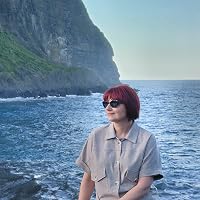
María Dueñas Vinuesa was born on 1964 in Puertollano, Spain. She has seven siblings. She is a professor of English Language and Literature at the University of Murcia, and is also an academic author and has worked at different universities in North America. She came into the spotlight in 2009, achieving great success in Spain thanks to her first novel, El tiempo entre costuras, published in English language as The Time in Between and The Seamstress, a historical espionage novel, which sold more than a million copies. It has already been translated into more than 25 different languages.
María Dueñas is marrried with Manuel Ballesteros, also a professor, and they have two children, the family lives in Cartagena.
Me ha gustado, pero entre que ha sido pausado, y que la historia no tiene ese toque desgarrador ni tampoco te engancha... es un libro sin más.. quizás con menos hojas, hubiera sido mejor. Eso si, la autora escribe tan bonito que sigues leyendo sin darte cuenta. Una historia llena de altibajos, de luchas, de minerías, de vinos.. le doy un 3/5
Recunosc că am fost sceptic în ceea ce privește Cumpătarea Maríei Dueñas; mi-am dat seama că, de-a lungul poveștii, curiozitatea mi-a fost atrasă de sfârșiturile unor fragmente revelatoare care vorbeau despre elementele puzzle-ului pe care autoarea l-a creat. Într-adevăr, este o operă lungă și, poate, plictisitoare din cauza descrierilor minuțios făcute, dar eu am fost uimit de ceea ce am citit!
"- Romanii au spus-o deja, amice: testamentul e expresia justă a voinței cuiva cu privire la ceea ce dorește să se facă după moartea sa." "Mai bine așa, mai bine așa pentru toți. Fiecare cu ale lui, fiecare să-și urmeze propriul drum: poteca neașteptată a unor destine pe care nici unul nu le căutase, dar pe care zbuciumul vieții izbutise să le pună în mișcare."
Cuando era joven Mauro Larrea levantó un imperio de la nada con sus manos, con su inagotable esfuerzo y con una inteligencia innata para los negocios, consiguió convertirse en uno de los hombres más ricos y poderosos del México de la época. En la actualidad, sin embargo, casi treinta años después, un accidente de última hora en uno de sus últimos negocios le hará perderlo todo de la noche a la mañana. Comenzará entonces un viaje a contrareloj para recuperar todo lo que ha perdido, que lo llevará de México a la Habana, y de aquí hasta Jerez (pasando por mi Cádiz de camino), sin saber que por el camino entrará en juego mucho más que simplemente dinero.
Han pasado más de cuatro años desde que leí "El tiempo entre costuras", un libro que me descubrió un nuevo mundo y me hizo valorar un género que pensaba, prejuzgándolo, que quizás no era para mí. Lo que me gustó el tiempo entre costura, lo que me gustaron sus personajes femeninos, lo que me gustó la trama, y como esta llevaba a su protagonista por diferentes países y culturas, aún lo recuerdo hoy. Y es quizás, eso último lo que marca su estilo y lo que más me ha gustado de "La templanza", esas tramas con constantes saltos entre diferentes culturas y lugares.
Pese a que he disfrutado el libro por todo lo que comparte con "El tiempo entre costuras", y también por todo lo que aporta por si mismo, quizás no me han conquistado al completo ciertas partes de la trama, ni ciertas resoluciones que se me antojaban sencillas y siempre a favor de los protagonistas. Junto a este hecho, también me ha aguado algo la fiesta el no encontrar esos personajes femeninos poderosos que esperaba encontrarme, y aunque tenemos a Soledad Montalvo, como coprotagonista femenina, y es un personaje interesante, no he terminado de verlo del todo aprovechado. Para mi gusto, tarda demasiado en aparecer.
Eso sí, donde María Dueñas es una genia y siempre lo será es lo en la ambientación y en la habilidad para sumergirnos en diferentes contextos historicos simultáneamente. Es capaz de darle autenticidad a los primeros años de la república mexicana, mientras nos muestra la Habana colonial o el auge del comercio de los vinos en Jerez durante la segunda mitad del siglo XIX, y tiene un don haciéndolo, desde luego.
Quizás mi opinión sobre esta obra peca mucho de la comparación con "El tiempo entre costuras", pero no puedo evitar valorar lo que se asemeja a este, y echar de más en todo lo que falla y no fallaba este. Creo que la historia tenía un potencial brutal, respaldado por una ambientación maravillosa, pero que no termina de explotar al completo. Pese a todo lo he disfrutado bastante y se lee prácticamente solo, lo cual es otro punto a favor de la autora.
Was für eine Lese-Qual war dieses langatmige Abenteuerbuch fast ohne Abenteuer, diese furchtbare Schmonzette. Ich fragte mich die ganze Zeit, was die Spanier so an dieser Autorin und ihrer Art zu erzählen finden. Dramaturgisch hat dieses Werk die Qualität einer Telenovela mit gefühlten 1000 Folgen, die Handlung ist alles andere als rasant, es passiert sehr wenig aber es zieht sich ewig laaang. Sprachlich hatte ich ohnehin keinen Anspruch an dieses Werk. Ständig zählte ich die Seiten, die ich noch lesen musste, aber wegen der Autorinnenchallenge habe ich bis zum Ende durchgehalten.
Am Ende ist ist der beinharte Abenteurer auch noch in einer romantischen schmalzigen Verwicklung gefangen, ihm schlottern die Knie und Schmetterlinge flattern im Bauch - wäh das ist furchtbar und total glaubwürdig (Ironie off). Ganz zum Schluss wollte ich aber dann auch wie bei einem Autounfall, bei dem man nicht wegschauen kann, wissen, wie die Autorin die gesamten Intrigen auflöst.
Fazit: Wer kein Spanier ist und Telenovelas nicht liebt, sollte tunlichst die Finger von diesem Buch lassen.
La repentina pérdida de toda una fortuna, un viaje transoceánico y una mujer que cambiará las reglas de juego.
Cuando Mauro Larrea recibe la noticia de que está arruinado, decide salir adelante como sea y apuesta lo poco que le queda a una arriesgada jugada que le llevará de México a la Habana y a Jerez y que cambiará su vida por completo cuando entre en escena la misteriosa Soledad Montalvo.
María Dueñas teje una novela de victorias, derrotas, miserias, conspiraciones, intrigas familiares, engaño y amor que trascurre entre minas de plata, viñas y bodegas a través de distintas ciudades y continentes. Una historia de superación personal, de fuerza y de voluntad.
✔️ Puntos fuertes: estilo narrativo de la autora, misterio entorno a Soledad Montalvo, descripciones, lenguaje cautivador, la documentación y ambientación, la recreación de los personajes y sus dialectos.
❤ Te gustará si: buscas una lectura entretenida, autoconclusiva y fácil de leer y si te gusta el estilo personal de la autora.
Maria Duenas shot to international fame with her first novel THE TIME BETWEEN, which was translated into numerous languages and later made into a successful television series in Spain. Her next novel went in a different direction, and THE VINEYARD follows her unpredictable path. As a fan of her first book, I was intrigued by the setting for this one: mid-19th century Mexico, Cuba, and southern Spain. And as someone who grew up in southern Spain and is familiar with the famous sherry-producing region of Jerez, I decided it was a book I really wanted to read. So, I did.
As I prepared to write this review, I was surprised to see some of the vehemently negative reviews from other readers. I understand that books are subjective, one person's cup of tea is another person's poison, but really? "The worst book ever published."? No, it is not.
That said, it is a distinctly Spanish novel, in that Duenas doesn't adhere to the time-honored methods familiar to most contemporary English-speaking writers and readers. She uses shifting third-person points of view in this one, which at times, especially when in the head of Larrea, the male protagonist, proves effective. At other moments, such as with Soledad, the enigmatic woman he encounters upon his unexpected return to Spain, it's less so. Yet Duenas's deft turns of phrase and powers of description are on full display here, and I read this book in English, not Spanish, though I might go back some day and read it in the language in which it was written. Overall, the way the story is told can be a challenging for those expecting a streamlined narrative and definitive point of view.
Mauro Larrea is a successful former miner and widower who has built an empire in Mexico when a business deal gone awry due to the U.S. Civil War plunges him into chaos. With a crumbling estate to protect and two grown children - one of whom, his wayward son, is engaged to a wealthy Mexican heiress - he cuts a deal with a loan-shark to stave off the scandalous revelation of his new-found penury and embarks on an ocean-crossing journey to replenish his wealth that ends up with him finding himself instead. While Larrea comes across almost as a cliche of the Iberian male with his "impressive physique" and unwillingness to let his heart be seen, his arrival in Havana, one of Spain's last remaining colonies in the New World, strips him of his defenses while testing him to his limit. The Cuban part of the book simmers with the sultry passion and excitement of that small island dominated by an Hispanic classicist society and melting pot of cultures introduced by the slave trade. A particular life-changing scene for Larrea over a game of billiards in a Havana brothel is mesmerizing.
His eventual return to Spain dampens the book a bit, mainly because at the time, Spain was dampened as her once-vast empire fell apart. Larrea's arrival in a country he barely recalls is poignant, however, as his eventual meeting of Soledad, the woman who will pierce his heart. What follows involves a lot of wrangling over land and inheritances that can be muddled, but Larrea's evolution from hardened business tycoon intent on rescuing his fortune to knight errant intent on rescuing a woman who really doesn't require much in the way of rescuing holds the disparate threads together.
Duenas knows her country and her people. Though certain areas in the book could have been explored more, and other areas might have benefited from less, this novel is constructed in the grand, now near-extinct tradition of an actual 19th century novel, complete with impromptu conflagrations and dastardly sons-in-law. To me, as a fellow writer, it's indeed an ambitious feat. It's certainly not for every reader, but for those who persevere, THE VINEYARD holds hidden gems and rewards.
Svaka čast autorici na odličnim opisima Kube, Havane i ostalih, tadašnjih, kolonija Španjolske kao i ondašnjeg načina života. Vidi se da se jako dobro informirala i pripremala da sve to čim vjernije napiše. Ali, nakon izvrsnog prvijenca "Vrijeme između krojenja" nekako sam više očekivala... Priča je zanimljiva, likovi su isto, vrlo životni i dobro strukturirani, možda je negdje mogla malo skratiti, iako, ima taj "pripovjedački" stil pisanja koji ja volim pa mi čak niti (pre)dugački opisi nisu smetali. Sve u svemu meni je roman dobar, no "Vrijeme između krojenja" mi je puno bolji..
WARNING: You'll need an antidepressant or strong glass of something in order to get through the garbage that is The Vineyard.
If ever there was a book that could actually ruin reading for me (even though, CLEARLY, that is not physically possible), The Vineyard would be that book, hands down.
This book is cringe worthy, shudder-inducing, and frustrating beyond belief. I cannot fathom how the author was able to get away with publishing such trash. It makes a mockery of writing, publishing, and reading.
I'm embarrassed FOR HER. I am in total shock at how bad this book is...
It's ghastly, is what I'm trying to say.
It was so tedious that I need a new, better word for tedious. It was tediously written, and it was BEYOND TEDIOUS to read.
It was so bad that I found myself literally feeling angry and frustrated as I read it. It brought my entire mood down. I dreaded coming back to it and picking up where I had left off.
The characters were shockingly simple and one-dimensional. Nothing made sense. The plot was all over the damn place. Nothing was enjoyable, least of all the descriptions. Oh. My. God. The descriptions. The author gave descriptions for her descriptions. How is that even possible?!?
Worst of all, the synopsis did not even match the plot!! Soledad wasn't widowed until the very end of the story, and the MC does not want to restore the vineyard to its former glory until the very, very end. Wtf?!
SoOoOoOoOo tedious!!!
Good riddance to this "book." (I cringe at even calling it that--it's such an insult to the rest of the books in this world.)
If I could give this piece of trash ZERO STARS, I would.
*An ARC was provided to me by NetGalley and the publisher in exchange for an honest review.*
Pero ¡Qué bonito escribe María Dueñas!. Delicioso. Me encantaron los dos anteriores. Éste, a mi juicio, los supera en el manejo del lenguaje, en las descripciones que se viven, disfrutan y transportan. Muchas cosas buenas se puede destacar de la manera de escribir que elevan esta novela a literatura de altura. Una de las que más me gusta es el juego con los tonos del lenguaje. Cada personaje tiene un tono, no solo un geolecto o dialecto debido al origen geográfico, sino también un fasolecto y un idiolecto basados en el resto de condiciones, al igual que ocurría con "El tiempo entre costuras", pero más si cabe, habida cuenta de la mezcla tan variopinto de personajes que aparecen en la novela. Ese aspecto enriquece mucho la narración pues la escritora los conjuga de forma magistral. En cuestión de contenido, sin adelantar nada para quien no lo haya leído todavía, la novela es rica en acción, hasta el punto que, si se llevara a la televisión, cada capítulo podría coincidir exactamente con uno de la serie, pues en todos ocurren cosas que mantienen al lector pegado al libro y robándole horas al sueño. Es magnífica. El amor con todos sus vértices que marca el carácter, las miserias y las virtudes de las personas, la aventura a raudales, hasta el punto que en ocasiones parece una comedia de enredo propia del Siglo de Oro o de Shakespeare, la historia viva de ciudades, pintadas con maestría gracias a la prosa, en ocasiones lírica, de la autora, etc. Magnífico. Lo único que siento de haber leído éste y el anterior, "Hombre Buenos" de Pérez Reverte en el mismo mes es que dejan un listón demasiado alto. Pero hay que alegrarse por el nivel y el prestigio que dan estos dos autores a nuestra literatura. Maravilloso: Un 10.
Kaip ir su knyga "Laiko gijos", taip ir su šita reikėjo kažkur 50 psl. "įsivažiuoti", bet paskui ėjosi labai gerai. Sunku trumpai apibūdinti šią knygą dėl nepramoginio rašymo stiliaus ir ne vieno siužetinio užkaborio, bet man labai patiko.
La Templanza nos trae una historia bien construida, entretenida, de lectura fácil y en la que se puede disfrutar del buen hacer de María Dueñas. Decía más arriba que su segundo libro, Misión Olvido, posiblemente no tenía detrás una historia tan redonda como la que le llevó a la fama con El tiempo entre costuras. Ahora vuelve trayéndonos a un protagonista masculino, Mauro Larrea, un tipo hecho a sí mismo, que ha llegado a lo más alto desde abajo y que los avatares del destino, la situación política le lleva a perderlo todo. Pero el está acostumbrado a salir adelante, a renacer de las cenizas y eso es lo que nos encontramos en La Templanza.
Aún así no es libro que me haya terminado de gustar, me gustan las historias bien cerradas, donde los puntos están sobre las íes, y aquí quedan muchos retazos sueltos. Se me podrá que no tiene una importancia primordial en la historia, sí, pero no. Personajes que aparecen y desaparecen, detalles que quedan pendientes de un hilo. Como digo es una historia que se lee muy bien, que puede encajar perfectamente con esas lecturas suaves para el verano pero a la que tampoco hay que pedirle mucho más porque no lo tiene. Supongo que escribir un primer libro y que esté sea un auténtico bombazo al final termina acarreando consecuencias negativas para el autor porque la sensación es que nunca más va a estar a la altura.
María Dueñas ist hierzulande sicher nicht jedem ein Begriff, in Spanien sind ihre Werke jedoch absolute Bestseller. „Wenn ich jetzt nicht gehe“ war dort 2015 sogar das meistverkaufte Buch. Ich kannte die Autorin vorher nicht, habe mich aber nichtsdestotrotz sehr gefreut, als ich ihren neuesten Roman bei einem Adventskalender-Gewinnspiel ergattert habe.
Die Geschichte spielt in der zweiten Hälfte des 19. Jahrhunderts und hat gleich mehrere fantastische Settings zu bieten. Ich fand es sehr spannend, mehr darüber zu erfahren, wie die Menschen in Mexiko, auf Kuba und in Spanien zu dieser Zeit gelebt haben. Die Schauplätze sind wunderbar anschaulich beschrieben, sodass man mit allen Sinnen in die Epoche eintauchen kann. Insgesamt hat mir der Schreibstil gut gefallen. Der Text liest sich schön leicht und flüssig, sodass ich den Roman trotz der beachtlichen Seitenzahl doch recht schnell beendet habe. Das lag sicher auch an den relativ kurzen Kapiteln, die für den klassischen „Nur noch eins“-Effekt gesorgt haben. Die Autorin schreibt lebendig und bildhaft, ohne krampfhaft poetisch wirken zu wollen. Positiv sind mir auch die einprägsamen Figurenbeschreibungen aufgefallen. Ich hatte immer sofort ein Bild der Person vor Augen. Außerdem finde ich es sehr angenehm, wenn Autoren mehr als einmal etwas zum Äußeren der Figuren sagen, weil ich leider ein Mensch bin, der sich solche Feinheiten nicht länger als ein Kapitel merken kann.
Protagonist Mauro war mir auf Anhieb sympathisch. Er ist bzw. war wohlhabend, hinter der Fassade des makellos gekleideten Geschäftsmanns verbirgt sich jedoch immer noch der mit allen Wassern gewaschene Minenarbeiter, der er einmal war. Gerade diese zwei Seiten seiner Persönlichkeit sind es, die die Figur so interessant machen. Mauro hat perfekte Umgangsformen, wenn nötig ist er aber auch jederzeit bereit, unter freiem Himmel auf dem Erdboden zu schlafen. Das innige Verhältnis zu seinen Kindern hat ebenfalls dazu beigetragen, dass ich ihn schnell ins Herz geschlossen habe.
Mir ist es sehr schwer gefallen, diesen Roman zu bewerten, weil mir die erste Hälfte wesentlich mehr zugesagt hat als die zweite, die in Spanien spielt. Ich fand es unheimlich fesselnd, zu lesen wie Mauro sich mit Müh und Not in der Karibik durchschlägt, nachdem ihm sein Vermögen zwischen den Fingern zerronnen ist. Dieser erste Teil bietet alles, was ich mir von der Story erhofft hatte: Spannung, Intrigen, atmosphärische Beschreibungen und große Gefühle. Zudem ist es von der Autorin geschickt gemacht, wie nach und nach immer mehr Details über Mauros Vergangenheit enthüllt werden. Sobald er in Spanien ankommt, baut die Geschichte jedoch stark ab. Dueñas verzettelt sich in zu vielen Handlungssträngen und die Story wird immer chaotischer und unglaubwürdiger. Dafür werden interessante Ansätze der ersten Hälfte, z.B. Mauros Feindschaft mit einem ehemaligen Gönner oder die unzertrennliche Männerfreundschaft mit seinem Prokuristen, mehr oder weniger fallengelassen.
Dazu kommt, dass mir Mauros große Liebe Soledad, die er in Spanien trifft, atemberaubend unsympathisch war. So sehr, dass ich gegen Ende im Grunde ihre und damit auch Mauros Widersacher angefeuert habe. Im Klappentext wird Sol als „schön, klug und unberechenbar“ beschrieben, meiner Meinung nach trifft es skrupellos, grausam und egoistisch jedoch wesentlich besser. Sie, und unter ihrem Einfluss zunehmend auch Mauro, gehen absolut rücksichtslos mit ihren Mitmenschen um, ohne dass dafür überzeugende Begründungen geliefert werden.
Fazit
Die Handlung von „Wenn ich jetzt nicht gehe“ fängt stark an, baut dann aber leider stark ab. Das ist besonders schade, weil mit großartigen Settings, einem angenehmen Schreibstil und dem sympathischen Protagonisten eigentlich beste Voraussetzungen für ein Lesehighlight vorhanden gewesen wären.
Normally I have a rule to read at least 20-30% of a book before giving up. I'm making an exception to this book for two reasons: 1) all it is doing is telling me boring things (instead of showing) 2) the third person narrative is rigid and feels more like a screenplay than a story. Where's the descriptions of setting, characters, etc.
I was really hoping for a rich look at Mexico and mining during the US civil war (1800's) instead it was a lecture on so-so did this and so-so did that. And all I want to know is why? And how does that affect our lead guy? But I don't want to learn this via a stuffy conversation of basic figures and investments. Again there needs to be more. More richness, more feelings and less content.
I read a lot of historical fiction and when done right you feel like your there and not just a spectator. The Vineyard made me feel like I was reading a historical document describing the facts with no feelings, setting or context applied.
For this and more of my reviews please visit my blog at: Epic Reading
Please note: I received an eARC of this book from the publisher via NetGalley. This is an honest and unbiased review.
Maria Duenas is not a familiar author to me at all. I’ve seen her most well known novel The Time in Between, come up on my recommended reading list more time that I can remember, but I just never think to give her books a second look.
I think mostly because her books seem to be more about culture and heaving than something I would normally read, however when her latest book THE VINEYARD came up for review, I loved the cover and the description sounded like it would be right up my alley.
It’s been compared to authors such as Kate Morton and Kristin Hannah which are big names so I thought, why not? It would be something different if nothing else.
This book was a little outside my comfort zone in terms of location. Normally I tend to read books set in Europe or Russia, because that’s where my interests are historically. While this book was set in a number of areas such as Mexico and Cuba, it had hints of European roots which helped make me enjoy it. Though I will say that at times I felt like there was a little too much going on in terms of location. I think it might have been easier to digest if there had been more of a focus on one region rather than trying to incorporate so much.
I loved Duenas’s lyrical hand at descriptions and her whimsy with the storylines and plots. Her details are vivid and vibrating with richness. In that sense I felt like she did a marvelous job and I can see why she has been compared to Kate Morton and Kristin Hannah.
I also enjoyed how she explored the national identity of the characters. That was something unique to this book and I appreciated how well she illustrated the Mexican people and heritage in a way that was so much more than something simple. She went to great effort to showcase the people as they were rather than what was imagined. Well done!
This book was a 4 star for me, I liked the story and the characters but at times I felt like the movement of locations was just too much and overwhelming. I appreciated the effort but I was much more wrapped up in the characters than the locations.
It is not often I give a book rating of one star but here it is. In MY mind, once an author gets a one star Rating from me, I continue to pass them by - they’ve lost my attention...there are just way too many good books out there to waste my time and effort on something that just isn’t working.
It was difficult to keep up with the people, places, things as the story line of The Vineyard jumped around quite a bit with all of those things. There was history detail in the story as well and but it just did not grab me in any way. I literally gave up and shut the book down after several chapters in.
Mind you, this book is 500 something pages long and if I’m not grabbed at the early beginnings of a book it becomes extremely tedious reading, like a dull required school assignment from my very very distant past. Ugh - Not fun at all.
“As Vinhas de La Templanza” vão ficar comigo muito tempo, tenho a certeza. Isto porque vivi esta história intensamente e senti-me parte dela. Um livro que tem indíos, escravos e nobres... que se passa em Espanha, Cuba e México... que fala de mineiros, aventureiros e vinhateiros... e tudo escrito por uma autora de excelente qualidade como é Maria Dueñas só podia resultar numa grande história. Intensa e épica!
Me llamó la atención porque soy mexicana y la primera parte de la historia se desarrolla ahí. Muy bien ambientado en todos sentidos.
La segunda parte, en Cuba, me pareció también muy buena, mantienen el susupenso.
Aunque la tercera parte, en España, es igual de amena y entretenida, ahí sí deduje el final muchas páginas antes de leerlo. Sin embargo eso no le quita méritos.
Lo leí casi de corrido, signo de que me gustó mucho.
Seguimos com as leituras em espanhol. Esta ainda não foi publicada em Portugal, mas a sua autora não é uma desconhecida entre nós. A sua primeira obra - O tempo entre costuras - é maravilhosa! Esta não é tão arrebatadora, mas deixou-me com um sorriso nos lábios!
Una historia lenta de poca trama, casi sin giros de tuerca, y con exceso de descripciones. Las locaciones están completamente desaprovechadas, especialmente Jerez. Me pareció aburrido y con exceso de paja. Decepción total.
This historical novel has an ambitious range of settings from Mexico City to Havana to Jerez. The protagonist, Mauro Larrea, faces losing the fortune he has made in Mexican silver mines, and sets out for Havana. There he gambles everything on unseen properties in Spain..
Maria Dueñas has researched her settings thoroughly and there is a wealth of detail about clothes, food, the wine trade and more. The formality of the social life of the aristocracy and the bordellos of Havana are brought to life through vivid descriptions. The plot is a straightforward historical romance but quite engaging, although at times the suspense is undermined - such as when two characters discuss their plans for an upcoming key confrontation in such detail that the outcome is never in doubt for the reader.
The characterisation is not as strong as the descriptions of the settings. Apart from Larrea, who is a well rounded and interesting protagonist, the other characters are quite flat and mainly serve to advance the central plot. Larrea's daughter Mariana fares the worst - she has the potential to be a strong and intelligent character, a counterpoint to her father's impulsiveness, but is largely reduced to being described in terms of her pregnancy. At every appearance, there is a reference to her 'belly', which soon becomes irritating.
I am not sure if the responsibility lies with the writer or the translator, but the language used is often outlandish and over dramatic. A more understated style could have actually heightened the tension and drama, and left the actions of the characters to speak for themselves. At times the prose even verges on the bizarre, and this distracted my attention from the story.
Overall I would give this 2.5 stars - there is a good story and lots of excellent research there, but for me this was obscured by the odd use of language and the lack of subtlety in the characterisation.
I received a free copy of this book from a Goodreads giveaway.
Una linda historia. Lleva a conocer realidades pasadas de otras latitudes. México, La Habana y Jerez. Me gusta la manera de narrar de María. Me costó un poco engancharme con el personaje principal al principio. Luego se hizo llevadero. Volveré a leer a la autora. Las ⭐⭐⭐ se las doy porque no logré la conexión que me hibiera gustado con los personajes. No me han conmovido. De todos modos, la recomiendo.
This book swept me away into a world of history, love, and ambition. I really enjoyed how Maria Duenas wove together a lush setting of 19th-century Mexico and Spain with a mix of politics (not my fav), business, and romance. The main character, Mauro, isn't the easiest man to like at first - he's ambitious, flawed, and driven by survival and success - but over time, I came to appreciate his determination and how far he was willing to go to secure his future.
What stood out the most to me was the historical detail, which I love. The descriptions of the wine trade (and I'm not a wine drinker), the landscapes, and the way society operated in that time made me feel like I was right there. It's definitely a slower read in parts, but that gave me more time to sink into the atmosphere.
I gave it four out of five stars because while I admired the writing and the scope of the story, it did feel a little long at times, and I wished for just a touch more emotional depth between the characters. But overall, it's a rich, dramatic novel that made me think about ambition, love, and sacrifice.
Claramente no es lo mejor de la autora, aunque fue una gran decisión leerlo en la playa ya que es una lectura muy relajada para vacaciones. Destaco la capacidad de María Dueñas de meterte en el mundo que relata, en este caso ambientado en Cuba, México y España. Recomiendo como libro para leer sin tener que pensar demasiado y cuando uno se quiere perder entre sus páginas y personajes.