

What do you think?

Love in Excess
Love in Excess is a well-crafted novel in which the claims of love and ambition are pursued through multiple storylines until the heroine engineers a melodramatic conclusion. Love in Excess and its reception provide a lively and valuable record of the challenge that female desire posed to social decorum.
286 pages, Paperback
First published January 1, 1719
About the author
Eliza Fowler Haywood
140 books71 followersEliza Haywood (1693 – 1756), born Elizabeth Fowler, was an English writer, actress and publisher. Since the 1980s, Eliza Haywood’s literary works have been gaining in recognition and interest. Described as “prolific even by the standards of a prolific age” (Blouch, intro 7), Haywood wrote and published over seventy works during her lifetime including fiction, drama, translations, poetry, conduct literature and periodicals. Haywood is a significant figure of the 18th century as one of the important founders of the novel in English. Today she is studied primarily as a novelist.
Ratings & Reviews
Friends & Following
Create a free account to discover what your friends think of this book!
Community Reviews
Displaying 1 - 30 of 132 reviews

June 15, 2015
Panting and misspelled, Love in Excess is easy to roll your eyes at. But I think it deserves more. It was a blockbuster smash when it was published in 1720, as popular as Robinson Crusoe. It influenced Samuel Richardson and it's much more fun than his work. It was written by a woman and shows women who have their own sexual agendas. It's not great, but it's a good time.
The bodice-ripping plot follows the "exstatick ruiner" Count D'Elmont, so pretty that knickers fly like John Woo's doves in his presence, through a series of amorous intrigues and Elizabethan plot contrivances. All your favorites are here: cross-dressing women who are unrecognizable with pants on; men disguising themselves in order to sneak into lady's chambers; and my personal favorite, that thing where the lights are off so the guy accidentally fucks the wrong lady altogether. (If I had a dollar for every time!)
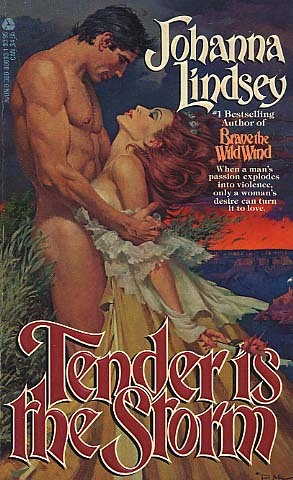
bodice ripping in progress
D'Elmont is an archetypical rake, whose reformation the book desultorily traces. Like Pamela's Mr. B, he starts off vile enough that you're not likely to root for him to get with Melliora, who is not his wife and whom he nearly succeeds in raping early on. You're more likely to identify with one or more of the many women who cycle in and out of his life. Like Ciamara, who exclaims,
Fuck it, she says, I want to get laid. And this is the subversive fun of Love in Excess: it frequently turns the tables. Its women are horny, dammit. D'Elmont is a dick, but he's also pretty, and some women try to use him in ways that flip gender expectations. "Few men, how amorous soever themselves, care that the female part of their family should be so," Haywood snarks, but some of her ladies rip their own bodices.
And there is lots of sex, but it does bang on a little too long. When Part Three introduces a whole new batch of characters to excessively love, you're likely to feel a little bit fatigued. But I'm not sure why it's so totally forgotten today. It's much better than plenty of other books from its era. It's not that you shouldn't roll your eyes! Just, y'know, roll 'em with respect.
The bodice-ripping plot follows the "exstatick ruiner" Count D'Elmont, so pretty that knickers fly like John Woo's doves in his presence, through a series of amorous intrigues and Elizabethan plot contrivances. All your favorites are here: cross-dressing women who are unrecognizable with pants on; men disguising themselves in order to sneak into lady's chambers; and my personal favorite, that thing where the lights are off so the guy accidentally fucks the wrong lady altogether. (If I had a dollar for every time!)
bodice ripping in progress
D'Elmont is an archetypical rake, whose reformation the book desultorily traces. Like Pamela's Mr. B, he starts off vile enough that you're not likely to root for him to get with Melliora, who is not his wife and whom he nearly succeeds in raping early on. You're more likely to identify with one or more of the many women who cycle in and out of his life. Like Ciamara, who exclaims,
Is this an hour to preach of virtue? - Married - betrothed - engaged by love or law, what hinders but this moment you may be mine, this moment, well improved, might give us joys to baffle a whole age of woe; make us, at once, forget our troubles past, and by its sweet remembrance, scorn those to come.
Fuck it, she says, I want to get laid. And this is the subversive fun of Love in Excess: it frequently turns the tables. Its women are horny, dammit. D'Elmont is a dick, but he's also pretty, and some women try to use him in ways that flip gender expectations. "Few men, how amorous soever themselves, care that the female part of their family should be so," Haywood snarks, but some of her ladies rip their own bodices.
And there is lots of sex, but it does bang on a little too long. When Part Three introduces a whole new batch of characters to excessively love, you're likely to feel a little bit fatigued. But I'm not sure why it's so totally forgotten today. It's much better than plenty of other books from its era. It's not that you shouldn't roll your eyes! Just, y'know, roll 'em with respect.

January 27, 2008
This book taught me that chapters are awesome and that I take modern text formatting way too for granted.

January 27, 2009
Eliza Haywood is perhaps best remembered for the caricature Alexander Pope provides of her in his satirical poem The Dunciad -- Haywood is the prize for the victor of a (literal) pissing contest. The loser receives a chamber pot, though it's clear that Pope didn't see a huge difference between the two prizes. Love in Excess was widely read in the 1720s but much of the British literati vehemently dismissed it as trash. You get the impression that the cover of its modern-day equivalent would have Fabio on it.
In many ways, Love In Excess sucks. The characters are cardboard, 18th century soap opera cliches. The plot is meandering and ultimately really predictable. But the reason it was a fascinating read, at least for me, was that it constantly reminded me that this book only sucks because everything we've ever been taught about literature has programmed us to think that a book like this sucks. The reductive ol' history-of-lit narrative tells us that the novel as we know it began with Samuel Richardson and Henry Fielding and perhaps a few other (white male) dudes. It tells us that everything before them is a nebulous haze of primitive, formless mush -- the "prehistory" of the novel, as we've been taught to call it.
But to dismiss Love In Excess entirely would be a huge mistake, because it's just weird enough to get a couple of things right. The novels that we're told to consider "great" are all so terrified of female desire and sexuality that they have to cover up the fact that they're actually talking about those things with an elaborate, stifling system of metaphor. In a lot of ways, and not unlike Degrassi, this book goes there. The novel would take about 240 years to catch up to some of what Haywood was doing. So what do you say to that? 3 stars? So be it.
In many ways, Love In Excess sucks. The characters are cardboard, 18th century soap opera cliches. The plot is meandering and ultimately really predictable. But the reason it was a fascinating read, at least for me, was that it constantly reminded me that this book only sucks because everything we've ever been taught about literature has programmed us to think that a book like this sucks. The reductive ol' history-of-lit narrative tells us that the novel as we know it began with Samuel Richardson and Henry Fielding and perhaps a few other (white male) dudes. It tells us that everything before them is a nebulous haze of primitive, formless mush -- the "prehistory" of the novel, as we've been taught to call it.
But to dismiss Love In Excess entirely would be a huge mistake, because it's just weird enough to get a couple of things right. The novels that we're told to consider "great" are all so terrified of female desire and sexuality that they have to cover up the fact that they're actually talking about those things with an elaborate, stifling system of metaphor. In a lot of ways, and not unlike Degrassi, this book goes there. The novel would take about 240 years to catch up to some of what Haywood was doing. So what do you say to that? 3 stars? So be it.

July 25, 2022
SOOO POPERA as my daughter used to say (but she also used to think that the commercial said ankle block coma and she thought she had that because her ankles were always twisting lol so there’s that)
think this author is second only to Stephen king in sentence length. Good lord by the time I finish a paragraph I can’t remember what started the argument or seduction etc
And it’s written using spelling from the era, which is fine, but you’ll read a word on say page 22 and it’s spelled one way then on page 63 it’s spelled another way, which I find a tad funny.
think this author is second only to Stephen king in sentence length. Good lord by the time I finish a paragraph I can’t remember what started the argument or seduction etc
And it’s written using spelling from the era, which is fine, but you’ll read a word on say page 22 and it’s spelled one way then on page 63 it’s spelled another way, which I find a tad funny.
April 15, 2012
This book sucks. Don't read it. It's almost worth avoiding classes which prescribe it. The language is about as dense and tangled as Count D'elmont's pubic hair, and what's worse is that the often self-conscious narrative style makes no attempt to be succinct. This is an apparently deliberate device to support the novel's concerns of interchangeability of (particularly female) characters, but which complicates readability and drags out the text even longer. A word of the wise: look up plot line and key concerns from Wikipedia, essays and other secondary readings BEFORE you read the first page.
There are needle-like threads of amatory insight buried beneath this haystack of death, yes, but you're better off looking for a more digestible (yet nonetheless deliberately tacky) narrative discussion of the love vs. marriage debate in a couple of Mills and Boon novels.
Taking a class on 18th C. literature, I can assure you L.I.E. stands out from its counterparts as unworthy of the hassle. And the anaemic fare of available criticism on this text suggests many scholars feel the same way.
In all, this book receives a generous 2/5.
There are needle-like threads of amatory insight buried beneath this haystack of death, yes, but you're better off looking for a more digestible (yet nonetheless deliberately tacky) narrative discussion of the love vs. marriage debate in a couple of Mills and Boon novels.
Taking a class on 18th C. literature, I can assure you L.I.E. stands out from its counterparts as unworthy of the hassle. And the anaemic fare of available criticism on this text suggests many scholars feel the same way.
In all, this book receives a generous 2/5.

October 21, 2019
A fabulously over-the-top extravaganza of erotic adventures and obsession from one of the most important, popular, and prolific writers of romance in English in the early eighteenth century. Just when you think she can’t wind up things up to a higher level of intensity and extravagance, she does. Sex, love, betrayal, passion, madness, violence, murder, suicide, despair, thrills—they’re all there in big fabulous heaps of beautifully excessive language.

January 23, 2018
If you think current romance novels are nuts, you'll change your mind after reading this. Yes, the men are trash, but the heroines are interesting. I wish it they had more depth and the period in which Haywood lived was less terrible.
June 29, 2007
I hate this book from start to finish. I still can't believe I had to read it for class, and not a single lecture addressed the violent sexual terrorization the main character afflicts on his ward, a young adolscent girl. Instead the lectures focused on his "love" for her, and explaining the qualities of a "redeemable rake."
Unbelievable.
Unbelievable.

October 13, 2023
I'm happy to not have to read more about how hot Count D'Elmont is and how deserving he is of the loves of every single women he's ever met.

February 9, 2022
probably one of the horniest books i’ve ever had to read for a class… however, especially in its sensual moments, Haywood crafts some of the most beautiful sentences i have ever read

January 3, 2014
Number 17 of 1001 Books you must read before you die. Eliza Haywood's book was one of the most popular novels in its day, competing with Defoe's Robinson Crusoe. It tells the story of Count D'Elmont and his quest for romantic and fulfilling love. On his way he ravishes one woman, whom he mistakenly thinks is writing him love letters, marries the woman who was writing him the letters, but whom one he doesn't love, and falls in love with his ward. He attempts to seduce the ward and ends up causing jealousy in his wife who dies as a result of a bed room mix up. He rejects others, one because she is too forceful and obvious in her passion for him and he finds it a turn off, and another who while loving him discreetly from afar is no competition for his ward. Eventually through a series of adventures he is reunited with his true love. While Eliza Haywood was a successful writer in her time she was also frowned upon for writing of the true nature of women's feelings and desires, which then were supposed to be suppressed and only expressed when a man expressed his first. In this book it is only the women who follow this rule that are successful in love, so while considered risqué at the time the book really could be seen as a manual for proper feminine etiquette in the 18th century. I disliked how D'Elmont as the hero was able to get away with his poor treatment of his first love and his wife and even his unsuccessful and downright devious attempts at seduction of his ward and still come out a triumphant in his love.

June 22, 2022
I've been going back and forth on how to rate this since yesterday, and in all honesty I'm still not sure. I probably wouldn't recommend it to anyone who isn't already reasonably well-versed in eighteenth century literature because OH BOY are there some dodgy things here that would be quite jarring (at best) for someone jumping straight into the time period - modern understandings of consent are definitely not part of the era's discourses around sex, which is especially uncomfortable given the general message of 'love makes people act out of control and that's okay'. That being said, I did find this novel pretty entertaining, and interesting as an example of the period's literature! Especially since I'm rereading Clarissa at the moment, this definitely felt like it put Lovelace more into context for me (like, oh, this is the kind of guy he thinks he is).

March 30, 2021
En el inagotable mundo literario nunca hemos de sorprendernos con las salidas de algunos libros, que por su título deja mucho que decir, pero más allá de su titulo, lo que hay en su interior puede ser un fracaso o a la inversa puede colocarse en los rankings maás alto de los gustos y ventas. El por qué leí este libro, es lo de menos, ya anteriormente hice mención que tengo plan trazado de lectura, y dentro de este plan estaba este libro a leer, pero dejemos el tema para otra ocasión y hablemos de este libro.
La novela Amor en exceso con su título corto, o en su defecto, Amor en exceso, o la investigación fatal de la escritora Eliza Haywood, trata sobre dos mujeres que se disputan por el corazón del conde D’elmont, o mejor dicho el relato de las experiencias del conde D’elmont medida que se abre paso y se extravía por los vericuetos traicioneros de la satisfacción sentimental y sexual. Dos mujeres a las cuales se le prohíbe declarar sus sentimientos y afecto hacia él, solo están dispuesta a la espera de quien elegirá el conde D’elmont, un héroe impetuoso y disoluto libertino a partes iguales. Alovisa escribe una carta a D’elmont anunciándole su amor por él, pero D’elmont supuso que la carta era de Amena. D’elmont decidió entonces que intentaría tener una relación con Amena. El padre de Amena luego le prohibió a Amena ver a D’elmont hasta que le proporcionó a Amena algún tipo de compromiso, más aún el matrimonio. Debido a esto, la pareja se conocería en secreto. Alovisa les permite reunirse dentro de su casa y luego, a espaldas de Amena, acuerdan con su padre enviarla a un convento.
El condesillo este no era fácil, en un momento de la historia, Después de que Amena es enviada al convento, Alovisa gana al hombre de sus sueños. D’elmont se casa con Alovisa y su hermano se casa con la hermana de Alovisa, Ansellina. Más adelante a lo largo de la novela, D’elmont se enamora de una mujer que puso a su cuidado Melliora. D’elmont estuvo a punto de violar a la pobre chica, pero luego se detuvo. Pero no sigamos contando la novela.
Cabe destacar que esta novela tuvo un gran éxito de venta, la cual estuvo a la par en ventas con Robinson Crusoe y Gulliver’ travels en la Inglaterra del siglo XVIII, pero lo que hay detrás de este éxito es la franqueza con que Eliza Haywood aborda la pasión sexual y el deseo convirtiéndola en una figura de la tradición femenina de la ficción amorosa con este escabroso triangulo amoroso, y como bien se establece una dicotomía entre razón y pasión, pero mas allá a desenmascarar la doble moral a partir de la cual se regulaba el deseo de hombres y mujeres. En si es una novela que el tema que trata no me sorprende, ya había leído algunos titulo con estas características, lo que si esta en juegue lo arriesgado de la escritora en publicar esta novela para una sociedad donde de las mujeres tenían ciertas restricciones, y ya eso la hace grande.
La novela Amor en exceso con su título corto, o en su defecto, Amor en exceso, o la investigación fatal de la escritora Eliza Haywood, trata sobre dos mujeres que se disputan por el corazón del conde D’elmont, o mejor dicho el relato de las experiencias del conde D’elmont medida que se abre paso y se extravía por los vericuetos traicioneros de la satisfacción sentimental y sexual. Dos mujeres a las cuales se le prohíbe declarar sus sentimientos y afecto hacia él, solo están dispuesta a la espera de quien elegirá el conde D’elmont, un héroe impetuoso y disoluto libertino a partes iguales. Alovisa escribe una carta a D’elmont anunciándole su amor por él, pero D’elmont supuso que la carta era de Amena. D’elmont decidió entonces que intentaría tener una relación con Amena. El padre de Amena luego le prohibió a Amena ver a D’elmont hasta que le proporcionó a Amena algún tipo de compromiso, más aún el matrimonio. Debido a esto, la pareja se conocería en secreto. Alovisa les permite reunirse dentro de su casa y luego, a espaldas de Amena, acuerdan con su padre enviarla a un convento.
El condesillo este no era fácil, en un momento de la historia, Después de que Amena es enviada al convento, Alovisa gana al hombre de sus sueños. D’elmont se casa con Alovisa y su hermano se casa con la hermana de Alovisa, Ansellina. Más adelante a lo largo de la novela, D’elmont se enamora de una mujer que puso a su cuidado Melliora. D’elmont estuvo a punto de violar a la pobre chica, pero luego se detuvo. Pero no sigamos contando la novela.
Cabe destacar que esta novela tuvo un gran éxito de venta, la cual estuvo a la par en ventas con Robinson Crusoe y Gulliver’ travels en la Inglaterra del siglo XVIII, pero lo que hay detrás de este éxito es la franqueza con que Eliza Haywood aborda la pasión sexual y el deseo convirtiéndola en una figura de la tradición femenina de la ficción amorosa con este escabroso triangulo amoroso, y como bien se establece una dicotomía entre razón y pasión, pero mas allá a desenmascarar la doble moral a partir de la cual se regulaba el deseo de hombres y mujeres. En si es una novela que el tema que trata no me sorprende, ya había leído algunos titulo con estas características, lo que si esta en juegue lo arriesgado de la escritora en publicar esta novela para una sociedad donde de las mujeres tenían ciertas restricciones, y ya eso la hace grande.

July 2, 2014
I just finished reading Part the First of Love in Excess. This novel takes a lot of intense focus (or at least it did for me) because of the 18th century language and spelling. I did, however, find that it held my attention much better and was more enjoyable to read that most other 18th century novels that I've read. It focuses a lot on the ideas of duty and desire in romantic relationships. Should I marry for love or should I marry to create a strategic partnership that will benefit my family? That is the million dollar question. The novel also highlights the frustration of women in the time period, who were forbidden from expressing their desires or affections toward a man until he expressed romantic feelings toward them. Women are resourceful, though, and one of the main characters finds a way around this custom by sending anonymous letters to her love interest, via one of her servants.
A few hundred years have changed the way that men and women interact with one another, so it seems very far-fetched to read about a time when a woman could not express her feelings openly, but had to wait for the man to make the first move. And what if he didn't? She would live unhappily ever after, I suppose.
One of the best parts of the novel was that it felt very real. The characters were described in such a way that I felt like I knew them, and the way the events unfolded was so realistic that I felt like it could've been me that Haywood was writing about.
If you want to explore the complications of love in the 18th century, I recommend this novel!
A few hundred years have changed the way that men and women interact with one another, so it seems very far-fetched to read about a time when a woman could not express her feelings openly, but had to wait for the man to make the first move. And what if he didn't? She would live unhappily ever after, I suppose.
One of the best parts of the novel was that it felt very real. The characters were described in such a way that I felt like I knew them, and the way the events unfolded was so realistic that I felt like it could've been me that Haywood was writing about.
If you want to explore the complications of love in the 18th century, I recommend this novel!
November 22, 2023
I never got to write a proper review about this book, and I still don't really have the time, but let me try: Love in Excess is delightful. It took a while to get through, seeing as it was published in 1719, but it was the most fun "historical" and "classic" books I've ever read.
If you need any other proof that 18th-century mass culture was bawdy, fun, and downright frivolous compared to their Victorian descendants, this is the text for you. It's camp really--Here we have bodice-ripping, disguised identities, fatal love triangles, and every and other ribald and ridiculous scenario you can basically think off. Modern day romance novels have much to owe to Haywood, and seeing the seeds of such a lusty genre was worth the page-long paragraphs that truly tested me at times. I laughed a lot, groaned a lot, rolled my eyes a lot, and yet still kept turning the pages to see what would happen. I loved it.
Thank you Ms. Haywood, you wrote a gem.
If you need any other proof that 18th-century mass culture was bawdy, fun, and downright frivolous compared to their Victorian descendants, this is the text for you. It's camp really--Here we have bodice-ripping, disguised identities, fatal love triangles, and every and other ribald and ridiculous scenario you can basically think off. Modern day romance novels have much to owe to Haywood, and seeing the seeds of such a lusty genre was worth the page-long paragraphs that truly tested me at times. I laughed a lot, groaned a lot, rolled my eyes a lot, and yet still kept turning the pages to see what would happen. I loved it.
Thank you Ms. Haywood, you wrote a gem.

Read
August 13, 2010Haywood's novel was as popular as its contemporary, Robinson Crusoe, but its "outrageous" exploration of female sexuality caused the novel to fall into neglect in later more conservative times.
It shows how very rudimentary the novel form was at the time; it commits just about every "error" that first novelists are now enjoined against, including pages-long paragraphs. But it was tremendously influential.
It shows how very rudimentary the novel form was at the time; it commits just about every "error" that first novelists are now enjoined against, including pages-long paragraphs. But it was tremendously influential.

April 3, 2019
1719! Disguises, wrong bedrooms in the dark, abductions, fatal loves at first sight. A few characters satisfyingly perish, some in throes of agony, of unrequited love/unsuccessful manipulation of other people. "Tis certain this way of fooling raised desires...little different from what is commonly called love" should be the subtitle, were it not too long.

April 19, 2026
A princípio, achei que essa seria mais uma tola história de amor, da qual cedo me enfadaria. Mas foi uma grata surpresa perceber tudo o que essa autora era capaz de fazer ainda em 1719! Isto é, é sim uma história de amor, mas marcada por tantos escândalos e reviravoltas que em nenhum momento alguém pode se dizer entediado durante a leitura. Não espere desse livro a literatura inglesa casta do século 19. Aqui, os homens "tomam liberdades" com as mulheres antes do casamento, e por vezes não querem absolutamente se casar com elas, mas apenas "pegá-las" mesmo, ao passo que algumas delas são capazes de se atirar, nuas, em cima de homens por quem não têm mais do que desejo sexual.
E tudo isso é conjugado em uma trama que muda a cada instante, focada muito na surpresa do leitor, que o tempo todo se admira com as descobertas de que, por exemplo, tal pessoa não era quem dizia que era, além de seguidamente acontecerem eventos que mudam totalmente os planos dos "heróis". É uma história bastante movimentada e me pareceu que renderia uma grande novela, pela enorme quantidade de plot twists e de eventos grandiosos e dramáticos narrados ao longo do livro.
Há uma surpreendente carga de erotismo no livro (mas nunca chegando ao pornográfico), sem com isso deixar de ser feita uma defesa do amor leal e constante. Os homens aqui não são os perfeitos mocinhos românticos que seria de se esperar de livro tão antigo, e isso é uma ótima característica, pois impediu que esse livro fosse, como eu pensei, mais uma tola história de amor.
Foi só depois dessa época que nos tornamos mais caretas!
Em tempo: a edição brasileira é "Amor em excesso", publicada pela Pedra Azul.
E tudo isso é conjugado em uma trama que muda a cada instante, focada muito na surpresa do leitor, que o tempo todo se admira com as descobertas de que, por exemplo, tal pessoa não era quem dizia que era, além de seguidamente acontecerem eventos que mudam totalmente os planos dos "heróis". É uma história bastante movimentada e me pareceu que renderia uma grande novela, pela enorme quantidade de plot twists e de eventos grandiosos e dramáticos narrados ao longo do livro.
Há uma surpreendente carga de erotismo no livro (mas nunca chegando ao pornográfico), sem com isso deixar de ser feita uma defesa do amor leal e constante. Os homens aqui não são os perfeitos mocinhos românticos que seria de se esperar de livro tão antigo, e isso é uma ótima característica, pois impediu que esse livro fosse, como eu pensei, mais uma tola história de amor.
Foi só depois dessa época que nos tornamos mais caretas!
Em tempo: a edição brasileira é "Amor em excesso", publicada pela Pedra Azul.
September 10, 2025
Well, this was certainly something! It is fascinating as an early novel and a popular piece of amatory fiction. It had some sublime moments (most the bathetic breaks in the high emotion where, for example, someone accidentally stabs someone to death through running in the dark. Oops.) and it had some eye-rolling moments. I need them to bang on significantly less about how excessively in love with each other they are.
As with pretty much all of Haywood's fiction, the 'seductions' are very rapey so be aware. It does explore the ways in which women's desires are necessarily hidden because of social norms, but it also depicts and/or explores a 'might is right' attitude among the male characters (mostly but not exclusively male) with a side of 'once love takes hold, you can't stop'.
As with pretty much all of Haywood's fiction, the 'seductions' are very rapey so be aware. It does explore the ways in which women's desires are necessarily hidden because of social norms, but it also depicts and/or explores a 'might is right' attitude among the male characters (mostly but not exclusively male) with a side of 'once love takes hold, you can't stop'.
March 25, 2020
Interesting to read a book from 1720 but I found this virtually unreadable and completely unenjoyable - it was both the author's own style mixed with out-of-date obsolete English grammar, spelling and format.
Several wealthy gadabouts Counts, Baron, Chevalier mix it up and engineer to bed various beauties (that have their own intrigues amongst them). This is not however a humorous, bawdy, Moll Flanders type story.
Despite few characters overall, I too readily lost track and lost interest over the three parts.
Several wealthy gadabouts Counts, Baron, Chevalier mix it up and engineer to bed various beauties (that have their own intrigues amongst them). This is not however a humorous, bawdy, Moll Flanders type story.
Despite few characters overall, I too readily lost track and lost interest over the three parts.
February 4, 2025
read part 1 for class,, the misogynistic portrayal of women and their desire is insane to read now but expected coming from a book written in the 1700s lol
also realised how much i appreciate the use of paragraphs and quotation marks in modern literature while reading this..
also realised how much i appreciate the use of paragraphs and quotation marks in modern literature while reading this..
August 31, 2026
If you love Drama and Scandal you will enjoy this book. It was entertaining.

September 16, 2026
jaw dropping levels of dramatic reveals
October 1, 2025
count d'elmont needs to be jailed tbh

October 4, 2023
(read for class) more like sexual aggression in excess sorry to say

August 10, 2012
I was expecting a far more juicy tale to begin with, hearing as this was the most scandalous book ever to be published and how it was a best seller of the 50 Shades of Grey format back in it's day. Safe to say it was probably quite scandalous for it's time, especially as the blurb points out, since it depicts not only the lust of men, but also, and perhaps especially of women. Here women, and men, rave, sigh, cry, faint and go mad with love. It is indeed Love in Excess.
Yet all the time Haywood remain sensible of decorum. The heroine never gives in fully to her passions due to her sense of propriety and honor. The hero D'Elmont, as a man, is more easily persuaded by his friend to try to 'own her person', but is still mostly honorable after he learns how to truly love. Though women are granted the right to feel strong passions and love, they are still required to remain aware of the or else be condemned by Haywood's pen. Of the multitude of women who fall for D'Elmont, only two are depicted as truly tragic and pure in their love. All the rest are portrayed as wanton, or at least despicable women who love, and persist in their love and courtship of D'Elmont, where love is not returned.
Though the novel isn't that long I have to confess that at times I struggled to continue reading and I was bored by all the protestations of love. The language is as I imagine letters or verse were written at the time, full of twists and turns and flowery exclamations.
The book has three parts, and luckily for those who want something to look forward to, the third, final, part was the far most intriguing. The first part set in Paris is mostly describing D'Elmont as a regular Don Juan and laying the foundations for his ill fated marriage. The middle part in the country houses of D'Elmont and a neighbor, is where the two actual lovers meet and where it seems that Haywood is scratching her head to determine how to circumvent the laws of marriage and yet draw out the suspense of the lovers joining together. Some parts of the book seem to have been better carried out in a play, especially this part at the large houses where all the characters are scheming to get into each others chambers and running around in confusion.
Finally there's the last part, mainly staged in Italy, where there are duels, secret meetings in gardens and churches, there's abductions and plenty of secret and mistaken identities. This part is where I can finally see some different characterisation of different women, and where some real villans enter. Although much of the content might be cliché by now, and perhaps was just as much at the time, I find that the flow of the story seems to fall into place, and I become genuinely engrossed.
Although it might not be the finest novel ever written, it has merits such as being on of the English language first best sellers and pissing of misogynists, such as Alexander Pope, back in the 1700s, and so I would recommend anyone interested in the history of the novel to read it.
Yet all the time Haywood remain sensible of decorum. The heroine never gives in fully to her passions due to her sense of propriety and honor. The hero D'Elmont, as a man, is more easily persuaded by his friend to try to 'own her person', but is still mostly honorable after he learns how to truly love. Though women are granted the right to feel strong passions and love, they are still required to remain aware of the or else be condemned by Haywood's pen. Of the multitude of women who fall for D'Elmont, only two are depicted as truly tragic and pure in their love. All the rest are portrayed as wanton, or at least despicable women who love, and persist in their love and courtship of D'Elmont, where love is not returned.
Though the novel isn't that long I have to confess that at times I struggled to continue reading and I was bored by all the protestations of love. The language is as I imagine letters or verse were written at the time, full of twists and turns and flowery exclamations.
The book has three parts, and luckily for those who want something to look forward to, the third, final, part was the far most intriguing. The first part set in Paris is mostly describing D'Elmont as a regular Don Juan and laying the foundations for his ill fated marriage. The middle part in the country houses of D'Elmont and a neighbor, is where the two actual lovers meet and where it seems that Haywood is scratching her head to determine how to circumvent the laws of marriage and yet draw out the suspense of the lovers joining together. Some parts of the book seem to have been better carried out in a play, especially this part at the large houses where all the characters are scheming to get into each others chambers and running around in confusion.
Finally there's the last part, mainly staged in Italy, where there are duels, secret meetings in gardens and churches, there's abductions and plenty of secret and mistaken identities. This part is where I can finally see some different characterisation of different women, and where some real villans enter. Although much of the content might be cliché by now, and perhaps was just as much at the time, I find that the flow of the story seems to fall into place, and I become genuinely engrossed.
Although it might not be the finest novel ever written, it has merits such as being on of the English language first best sellers and pissing of misogynists, such as Alexander Pope, back in the 1700s, and so I would recommend anyone interested in the history of the novel to read it.

September 17, 2018
This must be the most difficult book I've ever read. It was published in the early eighteenth century and its main feature is strange spelling and the absence of almost any structure in the text, making it difficult to follow the story it describes. All of this, of course, was not unusual in the books of that era, so it was not surprising. This book is the first of a writer particularly successful in her era, when the literary genre we call novel made its first steps. Of course, for our time, what this book contains is not something original or special, it's just a set of erotic stories, other funny, other sentimental and others more dramatic, but it's interesting as there are many of the elements we find later in the history of literature. I can not lie, it's definitely not a book I enjoyed, so my rating is almost exclusively for the place of this book in the literature of its time.
Αυτό πρέπει να είναι το πιο δύσκολο βιβλίο που έχω διαβάσει ποτέ. Εκδόθηκε στις αρχές του δέκατου όγδοου αιώνα και το κύριο χαρακτηριστικό του είναι η περίεργη ορθογραφία και η απουσία σχεδόν οποιασδήποτε δομής στο κείμενο, κάτι που κάνει δύσκολο την παρακολούθηση της ιστορίας που περιγράφει. Όλα αυτά, βέβαια, δεν ήταν ασυνήθιστα στα βιβλία εκείνης της εποχής, οπότε δεν ήταν κάτι που μου προκάλεσε έκπληξη. Αυτό το βιβλίο είναι το πρώτο μιας συγγραφέως ιδιαίτερα επιτυχημένης στην εποχή της, τότε που το λογοτεχνικό είδος που αποκαλούμε μυθιστόρημα έκανε τα πρώτα του βήματα. Φυσικά για την εποχή μας αυτό που περιέχει αυτό το βιβλίο δεν είναι κάτι το πρωτότυπο ή το ιδιαίτερο, είναι απλά ένα σύνολο ερωτικών ιστοριών, άλλες αστείες, άλλες αισθηματικές και άλλες περισσότερο δραματικές, έχει, όμως, ενδιαφέρον καθώς υπάρχουν πολλά από τα στοιχεία που συναντάμε στη συνέχεια της ιστορίας της λογοτεχνίας. Βέβαια δεν μπορώ να πω ψέματα, σίγουρα δεν είναι ένα βιβλίο που απόλαυσα, οπότε η βαθμολογία μου είναι σχεδόν αποκλειστικά για τη θέση αυτού του βιβλίου στη λογοτεχνία της εποχής του.
Αυτό πρέπει να είναι το πιο δύσκολο βιβλίο που έχω διαβάσει ποτέ. Εκδόθηκε στις αρχές του δέκατου όγδοου αιώνα και το κύριο χαρακτηριστικό του είναι η περίεργη ορθογραφία και η απουσία σχεδόν οποιασδήποτε δομής στο κείμενο, κάτι που κάνει δύσκολο την παρακολούθηση της ιστορίας που περιγράφει. Όλα αυτά, βέβαια, δεν ήταν ασυνήθιστα στα βιβλία εκείνης της εποχής, οπότε δεν ήταν κάτι που μου προκάλεσε έκπληξη. Αυτό το βιβλίο είναι το πρώτο μιας συγγραφέως ιδιαίτερα επιτυχημένης στην εποχή της, τότε που το λογοτεχνικό είδος που αποκαλούμε μυθιστόρημα έκανε τα πρώτα του βήματα. Φυσικά για την εποχή μας αυτό που περιέχει αυτό το βιβλίο δεν είναι κάτι το πρωτότυπο ή το ιδιαίτερο, είναι απλά ένα σύνολο ερωτικών ιστοριών, άλλες αστείες, άλλες αισθηματικές και άλλες περισσότερο δραματικές, έχει, όμως, ενδιαφέρον καθώς υπάρχουν πολλά από τα στοιχεία που συναντάμε στη συνέχεια της ιστορίας της λογοτεχνίας. Βέβαια δεν μπορώ να πω ψέματα, σίγουρα δεν είναι ένα βιβλίο που απόλαυσα, οπότε η βαθμολογία μου είναι σχεδόν αποκλειστικά για τη θέση αυτού του βιβλίου στη λογοτεχνία της εποχής του.
September 1, 2010
What I learned by reading "Love in Excess" by Eliza Haywood:
Ultimately, that I am going to hate the 18th century English novel.
Characters, in my first two experiences with the 18th century English novel (which is a course I'm currently taking), are completely and utterly without depth. They serve no purpose. The book is entirely about desire, and how men are able to follow their desires without consequence, and if women chose to follow their desires they are branded as whores. Chastity is valued, and lust is worthless. Wants are irrelevant. A woman had no wants. Count D'Elmont can cheat on his wife, be responsible for her death, and fall "in love" with women left and right, but women, if they know what is good for them, should resist all advances.
So why does this book have 2 stars instead of 1?
Because it's a wonderful critique of the time period. Women being branded as whores is a very sad but true reality of what a woman of the 18 century was likely to encounter. Having desire for anything, whether it be power, money, or sex will always be viewed by society as a terrible thing. However, a woman is also in no position to refuse a man. So it is the man who will be responsible for turning her into a whore, but she is the one who shall receive all the blame because she tempted him with so called "feminine charms".
Lets hope this gets better with Defoe's "Roxana", but I'm not hopeful. To be continued.
Ultimately, that I am going to hate the 18th century English novel.
Characters, in my first two experiences with the 18th century English novel (which is a course I'm currently taking), are completely and utterly without depth. They serve no purpose. The book is entirely about desire, and how men are able to follow their desires without consequence, and if women chose to follow their desires they are branded as whores. Chastity is valued, and lust is worthless. Wants are irrelevant. A woman had no wants. Count D'Elmont can cheat on his wife, be responsible for her death, and fall "in love" with women left and right, but women, if they know what is good for them, should resist all advances.
So why does this book have 2 stars instead of 1?
Because it's a wonderful critique of the time period. Women being branded as whores is a very sad but true reality of what a woman of the 18 century was likely to encounter. Having desire for anything, whether it be power, money, or sex will always be viewed by society as a terrible thing. However, a woman is also in no position to refuse a man. So it is the man who will be responsible for turning her into a whore, but she is the one who shall receive all the blame because she tempted him with so called "feminine charms".
Lets hope this gets better with Defoe's "Roxana", but I'm not hopeful. To be continued.
This entire review has been hidden because of spoilers.
Read
August 21, 2009So I just finished reading this book today.
This was reading material for a class on 18th century lit. I was interested to discover that this book was wildly popular in its day and curious as to why it faded into obscurity after the author's death. Upon reading it, I came to the conclusion that it wasn't as timeless as other books that have stayed popular. Perhaps it was the characters, most of whom I found unrelatable to the modern reader and either uninteresting, worrisome or just plain silly. Count D'elmont is a particularly troubling character and a shameless lothario. The behaviour of many of the women in this book just seems so over the top and ridiculous that I had to take a step back and say... seriously? Surely people didn't actually carry on like this. On the other hand, the author does depict female sexuality in a way that most other authors would have been afraid to by showing that women can also be taken over by an excess of "love" (in this case, lust) in the same way that men are. There is still a double standard in our society that shies away from representing women in this manner. So despite the book's flaws, there's still some interesting stuff going on here that's worthy of study. But I wouldn't pick this one up if I was looking for a light-read (don't let the book's relative shortness throw you off.)
This was reading material for a class on 18th century lit. I was interested to discover that this book was wildly popular in its day and curious as to why it faded into obscurity after the author's death. Upon reading it, I came to the conclusion that it wasn't as timeless as other books that have stayed popular. Perhaps it was the characters, most of whom I found unrelatable to the modern reader and either uninteresting, worrisome or just plain silly. Count D'elmont is a particularly troubling character and a shameless lothario. The behaviour of many of the women in this book just seems so over the top and ridiculous that I had to take a step back and say... seriously? Surely people didn't actually carry on like this. On the other hand, the author does depict female sexuality in a way that most other authors would have been afraid to by showing that women can also be taken over by an excess of "love" (in this case, lust) in the same way that men are. There is still a double standard in our society that shies away from representing women in this manner. So despite the book's flaws, there's still some interesting stuff going on here that's worthy of study. But I wouldn't pick this one up if I was looking for a light-read (don't let the book's relative shortness throw you off.)

September 22, 2022
My alternative title: "How To Be Good Virtuous Christian Women Who Never Doubts The Authority Of A Man And Never Feels Anger Or Jealousy; You Must Always Be The Perfect Woman Who Lets Your Husband 'Sleep' With Whoever He Wishes Or Else You May End Up Mysteriously Stabbed In A Dark Hallway After Plotting Against Your Shitty Husband." This book is quick and abrupt, you need to know whats going on every paragraph or else you'll miss an important introduction of some Marquis or Baron who just chills for 50 pages until the woman in D'Elmont's life ends up being ushered out of his life through either serendipitous events or punishment for not being the perfect virtuous 18th century lady. Come on now ladies, D'Elmont simply has ambitious passions he can't control! Totally not rape!
I enjoy how dialogue reads, and mad respect to Haywood for being a well renowned actress and writer in her time.
I enjoy how dialogue reads, and mad respect to Haywood for being a well renowned actress and writer in her time.
This entire review has been hidden because of spoilers.
Displaying 1 - 30 of 132 reviews