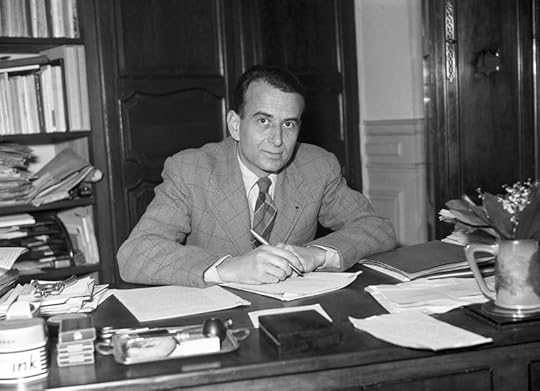
En 1935, Edmond Charlot a vingt ans et il rentre à Alger avec une seule idée en tête, prendre exemple sur Adrienne Monnier et sa librairie parisienne. Charlot le sait, sa vocation est de choisir, d'accoucher, de promouvoir de jeunes écrivains de la Méditerranée, sans distinction de langue ou de religion. Placée sous l'égide de Giono, sa minuscule librairie est baptisée Les Vraies Richesses. Et pour inaugurer son catalogue, il publie le premier texte d'un inconnu : Albert Camus. Charlot exulte, ignorant encore que vouer sa vie aux livres c'est aussi la sacrifier aux aléas de l'infortune et de l'Histoire.
En 2017, Ryad a le même âge que Charlot à ses débuts. Mais lui n'éprouve qu'indifférence pour la littérature. Étudiant à Paris, il est de passage à Alger avec la charge de repeindre un local poussiéreux, où les livres céderont bientôt la place à des beignets. Pourtant, vider ces lieux se révèle étrangement compliqué par la surveillance du vieil Abdallah, le gardien du temple.
Kaouther Adimi, (born 1986 Algiers) is a writer, graduate in modern literature and human resources management. She works today in Paris, where she has lived since 2009. Kaouther Adimi was born in Alger, Algeria, in 1986. From the age of 4 to the age of 8, she lived with her family in Grenoble, France. It's during this period that she discovered the pleasure of reading, by going to the public library every week with her dad
In 1994, she returned to Algeria, which was then under the influence of terrorism. Having very few opportunities to read, she started to write her own stories. While she was studying in the Alger university, she entered a writing contest organized by the French Institute, for the young writers in Muret (Haute-Garonne). The short story she submitted held the attention of the jury who published it in a collection alongside the other laureates' productions. Thanks to this contest, she was invited to Muret then Toulouse and finally Paris, where she met with les éditions Barzakh.
She has a degree in modern literature and human resources management.
In 2009, she wrote her first novel L'envers des autres. The same year, she left Alger for Paris.
She worked for a time in the human resources field for L'Oréal. Now, she's working for the L'Oreal Foundation as skincare program supervisor.
This is a fictionalized biography of a real person, Edmond Charlot, a lover of books, who founded a bookstore in Algiers in 1935 when he was 20 years old. He called the bookstore Les Vraies Richesses - Our True Wealth. (Note that another edition in English has the title A Bookstore in Algiers.)
It was as true in 1935 as it is now that’s it's hard to make money with a bookstore. But Charlot was quite an entrepreneur. The bookstore became a cultural center for the city, the largest city in Algeria. It served as a painting and sculpture gallery and he hosted events featuring local and visiting speakers. He started a subscription service where students could rent books rather than buy them.
Charlot achieved greater fame when he started a publishing house. He published early works by Camus, Rilke, Garcia Lorca and Gertrude Stein. Charlot was daring. He pushed the limits of what could be published. He was imprisoned by the Vichy authorities for a time as a Gaullist and communist sympathizer. An entire press run of one of Lorca’s books was seized and destroyed by police.
The book is structured with a variety of sections that keep the reader’s interest. Some sections are journal entries from Charlot. These are somewhat fictionalized too but based on material left behind by Charlot. The chapters jump back and forth from past to present. In modern times a young man arrives from Paris charged with the task of cleaning out and painting the bookstore so it can become a coffee/baguette shop. The young man is literally told to trash the books and he struggles to figure out what he actually should do with them.
The is an old Arab man who worked in the bookstore for much of his life. He ‘stands guard’ across the street watching all the activities. He attempts to acquaint the young man with the rich history of the bookstore.
Charlot had to serve in the French army in WW II and he ended up stationed in Paris. He had turned the running of the Algiers bookstore over to his brother and sister-in-law and he stayed on in Paris. He had some success it is starting up a Paris-based publishing house and a literary magazine. (While in Paris he shared a suite of office rooms with Sartre and Simone de Beauvoir.) But he could not compete with the established publishers and eventually came back to Algiers to start another bookstore.
Charlot was an advocate for Algerian independence and the story is peppered with historical incidents of violence and massacres during the war for independence.
We learn some things about colonial history and French-Algerian relations. For example, in the 1920s there had been separate schools for French boys and ‘native boys.’ When there was initial talk of integrating the schools we read excerpts from a report issued at the time saying the schools could never be integrated because of the horrible psychological impact upon a French boy if a native boy received better marks than the French boy did! When the schools finally were integrated, the French boys wore white shirts and ties but the Arab boys were made to wear a fez with a purple tassel and an orange jacket – just a made-up getup that had nothing to do with their traditional dress. Arab and Berber boys, who were Muslim, had to attend Catholic mass and they could not speak their languages at school.
(I go on a bit much about the schools in the paragraph above because it ties in with a book I reviewed about a month ago: The Simple Past by Driss Chraibi. It’s the story of a ‘native boy’ in French Morocco whose father sent him to French school to ‘learn how his enemy thinks.’)
I liked the story. It flowed smoothly although a bit slow at times, but we expect that of a book about a bookstore, don’t we? LOL. The variety in the structure of the chapters keeps it interesting.
The author was born in Algeria (1983) and now lives in France. This is her third novel and it was nominated for the Prix Goncourt.
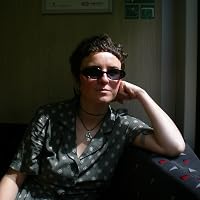
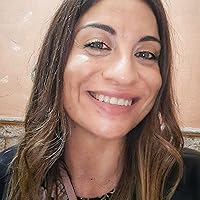
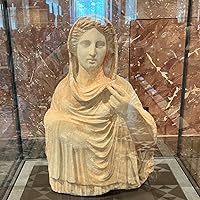
Top photo of the bookstore from nytimes.com Edmond Chalot from frenchculture.fr The author from frenchculture.org
A book spanning the history of late colonial and early post independence Algeria, through a bookseller. Switching between the impersonal we, the diaries of the bookseller and the travails of a modern day youth, I thought the book could have been a bit more focussed People don’t really live in places, it’s places that live in people
The royal, impersonal we, used by one of the two streams of narration, is rather distracting in A Bookshop in Algiers. We follow Edmund the bookstore owner of the eponymous bookshop from the title. Albert Camus is a child at home in the bookshop, as is Andre Gide, Little Prince writer Antoine de Saint-Exupéry, while Sartre and Simone de Beauvoir are met later on in the book when Edmund visits Cafe de Flore.
The backdrop to these literary endeavors is far from ideal, permanent money and paper shortages culminate in the company of the main character in 1948 for 22 million francs in the red, despite publishing famous authors. The history of independence is also intertwined, with characters observing: We become exotic in our own country and pogroms occurring in 1961 Paris against Arabs.
The contemporary storyline is rather redundant compared to the interesting tale of Edmund (albeit he annoyed me a bit at times in the sense that he doesn't request help or tries to overcome his own lack of business sense). The history contained in this tale of a bookshop is fascinating, the rendition provided by Kaouther Adimi as a tale of two timelines unfortunately works a bit less than I would have hoped.
A Bookshop in Algiers is a multiple award-winning work of historical fiction about the beauty of books and the sanctity of freedom. Algiers, 2017. Ryad, a lazy 20-year-old university student in Paris, arrives in Algiers intending to complete his internship, which consists of a thankless task: emptying and closing The True Wealth bookstore and disposing of all of the books. This dusty four by seven metre shop, crammed with yellowed volumes, faded photos, paintings and a thousand other editorial relics, hides the story of an exceptional human and literary adventure, guarded by its last witness, the mysterious Abdallah. Ryad does not like reading and is almost afraid of writing; for him, books are just a source of mites and dust. Thus, he sees this experience as an unpleasant task that is imposed on him. However, once installed in the bookstore, the young man inevitably immerses himself in the immensely evocative atmosphere of the place and, through books with yellowed pages, whose stacks cram into the tiny space, and the countless faded photos still hanging on the walls, he gradually discovers the exceptional human experience of Edmond Charlot.
Algiers, 1936. Edmond Charlot, an enthusiastic 20-year-old, returns home after a trip to Paris with a great idea in mind: to found a bookshop-publishing house that publishes writers from both shores of the Mediterranean, regardless of language, nationality or religion. Supported by a community of talents and affections, he opens a hybrid and welcoming place at 2 Bis of the Rue Charras that soon becomes the seat of the mythical Éditions Charlot, frequented by an extraordinary group of aspiring writers as well as by figures of the calibre of Albert Camus, Jean Giono, Antoine de Saint-Exupéry and André Gide. From that passionate little room, entitled to the "true riches" of life, the first editions of memorable texts come out, including the debut of young genius Camus. In this experience, Ryad is accompanied by old Abdallah, the last bookseller of The True Wealth, a kind of spiritual guide who refuses to leave the place. This is a captivating, uplifting and richly atmospheric read which uses Edmond Charlot's diaries as a guiding thread.
Mixing past and present, reality and invention, history and intimate everyday life, Kaouther Adimi leads us with finesse and simplicity through the alleys of an imaginative city and gives life to the novel of a ferryman of books and ideas who was, perhaps without knowing it, the secret creator of much of the best literature of the twentieth century. With her award-winning novel, the young Algerian author succeeds in paying homage to literature and being an outstanding sponsor. In a fictional diary, she sketches Edmond Charlot's eventful life in a lifelike and sensitive manner and tells of a politically and culturally closely interwoven and at the same time torn Mediterranean region in a turbulent time. And it ties in with the present, where Charlot's world of literature can be rediscovered. It explores the history of Algeria and, above all, a profession that cannot be understood without the love of books and that is fundamental for the survival of literature. Highly recommended to literature connoisseurs and those who enjoy basking in the light of other cultures.
Interesantísima. La trama principal es el trabajo diario de librero y editor de Edmond Charlot, a través de un diario con entradas muy breves de sus principales circunstancias en cada momento, desde 1935 hasta 1961, y en el contexto geopolítico de Argelia durante esas décadas. Amigo y editor de Albert Camus, quien aparece con naturalidad, entre otros como Gide, Emmanuel Roblés, o Guibert. Mientras avanza el diario, se fragmentan otras dos líneas narrativas, una sobre la evolución histórica de Argelia hacia su independencia, desconocía por ejemplo la matanza de Sétif en 1945, y otra en el "presente", que muestra la desaparición de la librería por una tienda de buñuelos.
Para una historia con un potencial magnífico, me ha extrañado su estilo fragmentado, y casi lacónico. Muy recomendable en su acercamiento a Edmond Charlot.
The True Wealth Review of the Serpent's Tail hardcover edition (2020) translated from the French language original Nos richesses (Our Wealth) (2017) [TW: Although generally this is a feel-good book about books, bookshops and publishing, there are some disturbing descriptions about the French police massacre events leading up to (1945) or occurring during (1961) the Algerian War of Independence (1954-1962)]
A Bookshop in Algiers toggles between two plot lines. There is a historical fiction of how Edmond Charlot (1915-2004) began his career as a publisher and bookseller in then French Algieria at his store called "Les Vraies Richesses" (The True Wealth) at 2 bis Rue Charras, Algiers in the 1930s. Then there is a modern day fiction of Ryad, a young man who is between jobs and who has been hired to clear out the present day shop & lending library in order to make way for a new owner's bakery. Ryad faces a lack of cooperation by Abdallah, the shop's last librarian and the local community.
Charlot's bookshop is named after a novel that he admires Les Vraies Richesses: (1937) by Jean Giono (1895-1970). Adimi adds many cameo appearances by young writers of the time that Charlot was to publish, notably Albert Camus (1913-1960) with his first works. She builds a complete timeline of Charlot's life through a series of diary entries that take us through all of the ups and downs of his career.
Ryad's story in the present day setting is more of a comedic fish-out-of-water tale as the young intern tries to cope with his task. There is somewhat of a reconciliation and appreciation that grows through his struggles.
I am pretty much a pre-sold believer in any books about books, libraries and publishing and I was completely captivated by Adimi's world building here of Charlot's life and of present day Algiers. The translation by Chris Andrews was excellent and flowed smoothly.
Although the book seems to end on the apparent closure of the bookshop there is somewhat of an epilogue that implies the store (and others like it) and all of their magic will live on in our hearts. That is the true wealth.
I read A Bookshop in Algiers thanks to my subscription to Paris bookshop Shakespeare and Company's Year of Reading 2020 New Releases.
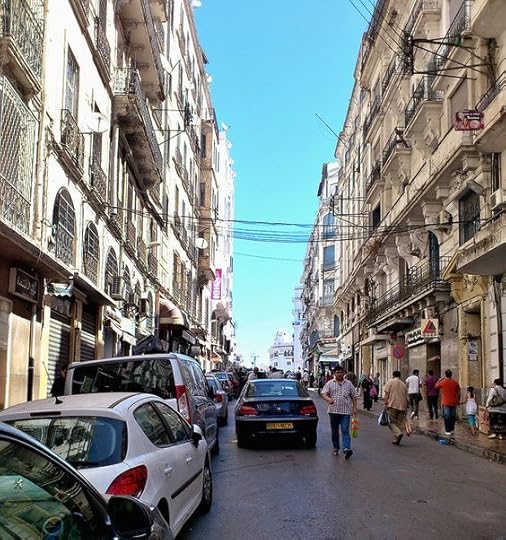
Trivia and Links I tried to see if I could locate 2 bis Rue Hamani (previously Rue Charras) via Google Maps but didn't get very far, but here is a photo of Rue Hamani in general: Alger- Rue Hamani (ex: Rue Charras) Photo Credit Nachida F. saved to Algeria on Pinterest.
Tenían la costumbre de esperar órdenes para vivir. Ahora se han decidido a vivir, humildemente, por su propia voluntad, sin escuchar a nadie, y entonces todo se ha iluminado, realmente como cuando uno encuentra las cerillas y la lámpara y la casa se ilumina, y uno sabe por fin dónde dirigir la mano para encontrar las cosas que necesita (...) Esto es lo que yo sentí cuando llegué a esta librería
No encuentro las palabras para transmitir lo maravilloso que ha sido perderme en las páginas de este pequeño gran libro. Estoy absoluta y completamente enamorada del 2bis de la calle Hamami. Siento un flechazo absoluto por el entusiasmo de Edmond Charlot, por su amor a los libros y por fundar 'Las Verdaderas Riquezas', una librería/hogar donde he podido conocer los comienzos de Camus, Gide, Giono, Jules Roy y un montón de autoras y autores más que no he parado de apuntar. Siento que ese pequeño rincón, ya es un poco mío.
Ese punto de encuentro nos dará a conocer también la historia de Argel, los años de ocupación francesa y su posterior lucha por la independencia; en pocas páginas la autora consigue un retrato político y social que no nos resulta desconocido.
Este pequeño universo humano, íntimo y empático emociona con su sencillez, claridad y cercanía; una auténtica declaración de amor a los libros y la literatura. Directo a favoritos.
Hoy estoy más convencido que nunca de que las ediciones Charlot no habrían existido sin la amistad. Fundamentalmente se debieron a un cúmulo de circunstancias, de amistades y de encuentros
От онези книги, които си купувам заради прекрасната корица и заглавието. Тук обаче добавям и номинация за “Гонкур”. В известна степен книгата много ми хареса - пълна е с имена на известни френски автори и произведения, запозна ме частично и с историята на Алжир, за която не знаех почти нищо.
На практика получих нахвърляни откъси от дневника на главния герой (макар и много интересни, бяха крайно недостатъчни) и бегло запознаване със съвременната нишка в историята. Хубав замисъл, но не добро изпълнение. Твърде кратка, за да се развие в дълбочина идеята и замисъла на авторката.
A Bookshop in Algiers follows two timelines as we see the creation and then ruin of a bookshop that once felt like the heart of so many bibliophiles. Going between the 1930’s-1960’s and present day, we see two different characters and their relationships with books, and how books change them.
I really enjoyed the way this book went between these two timelines, whilst also inserting cultural and political turmoil into the shaping of the plot. We saw a very personal insight into part of Algeria’s history, as well as a perspective offering a wider view on this political unrest. All the while not feeling daunting or like it was belittling the reader in anyway. This is a moment in history I don’t know too much about, but I now feel compelled to learn more.
I loved this novel for its timeless adoration of literature. Stories withstand throughout all and that is truly beautiful. “Literature, at least, will never abandon me” being a fantastic quote to stand by this. There is so much gorgeous writing in this book, a credit to the Adimi, but also to Chris Andrews, the translator.
A beautiful book with a true respect for writing and passion. It was a delight to read and made me fall in love with reading even more.
Modern Cezayir Edebiyatından okuduğum ilk kitap sanırım Zenginliklerimiz. Arka kapak yazısı ilgimi çektiği için (Albert Camus ve Antoine de Saint Exupery dahil pek çok ünlü yazarın kariyerine yön vermiş yayıncı ve editör Edmond Charlot’nun yayıncılık serüveni) uzun zamandır okuma listemdeydi ancak fiyatını çok pahalı bulduğumdan satın almak istememiştim. Şimdi bütün kitap fiyatları aşırı arttığı için alayım bari, dedim. Ama bu fiyat politikasına devam ederse Delidolu’dan gerçekten merakla beklediğim bir şey çıkmadığı sürece herhangi bir şey almayı düşünmüyorum.
Zenginliklerimiz’de üç farklı karakteri ve onların birbiriyle kesişen hikayelerini okuyoruz. Biri Edmond Charlot, diğeri Charlot’nun kitabevinin kütüphaneye dönüştürülmesinin ardından uzun yıllar o kütüphanenin bekçiliği yapan Abdallah ve son olarak kütüphaneyi boşaltacak, temizleyecek ve yerine açılacak çörekçi için (ne kadar da tanıdık!) hazırlayacak olan Ryad. Son iki karakter Cezayir’in yıllar içindeki dönüşümünü göstermek ve biraz da çatışma yaratmak için konulmuş. Bu kısımlar ilginç ve düşündürücü olmakla birlikte biraz daha geliştirilmeye muhtaç, şu haliyle iki karakterin çatışması biraz yarım kalmış ve kitabı da biraz didaktikleştirmiş maalesef.
Kitabın en güzel yanı Kaouther Adimi’nin arşivleri, kitapları, söyleşileri tarayarak oluşturduğu Charlot’nun kurmaca günlüğü. Bu günlük aracılığıyla 1930’dan 1961’e kadar hem Cezayir’in kültürel ortamı hem yayıncılık dünyasında yaşanan sıkıntılar hem de Cezayir’in bağımsızlaşma sürecinde yaşananlar hakkında bilgi sahibi oluyoruz. Charlot, bastığı kitaplarla yıllar içinde ünlenen bir kitapçoksever. Edebiyatı o kadar seviyor ki başka bir iş düşünemiyor ve bir kitabevi kurmaya karar veriyor. Sonra kitabevine ek olarak beğendiği genç yazarların tanınmasını da sağlayacak bir yayınevi kuruyor. Kitabevinde sanat eserleri de sergiliyor. İlk eserlerini yayımlayarak tanınmasını sağladığı yazarlar arasında Camus, Gide, Kessel var.
Bir gün kitabevi açma/yayınevi kurma hayali olan tüm okurlar için Charlot’nun öyküsü oldukça heveslendirici ve motive edici. Sadece okur olarak kalmak isteyenler ise Camus, Exupery, Gide ve pek çok başka yazar hakkında bilgi sahibi olmakla yetinebilirler. Bence hiç de az buz bir şey değil! 😊
“Bugün müşteriler hâlâ sadece en son ödül alan kitaplarla ilgileniyor. Yeni yazarlar keşfetmelerini ve Camus’nün Tersi ve Yüzü’nü almalarını sağlamaya çalıştım, ama hiç umurlarında olmadı. Ben edebiyat diyorum, onlar başarılı yazar diye cevap veriyor!”
Edmond Charlot – Buchhändler, Verleger, Freund von Schriftstellern. Nie gehört? Ich bis vor wenigen Tagen auch nicht. Charlot gründete in den 30er Jahren eine Buchhandlung in Algier, die von Beginn an viel mehr als eine Buchhandlung war. Von den 30ern bis ins Jahr 2017 folgen wir dieser Geschichte, mal in Tagebuchnotizen Charlots, mal aus Sicht des Studenten Ryad, der in der Gegenwart die ehemalige Buchhandlung ausräumen und streichen soll. Da passiert allerhand Geschichte so nebenbei; der Zweite Weltkrieg, der Unabhängigkeitskamp Algeriens… Camus redigiert in der Buchhandlung seine Texte, auch Saint-Exupéry gehört zu den engen Freunden. Zeitweise lenkt Charlot das Geschäft von Paris aus. Freundschaften werden zu Feindschaften. Vieles wird zerstört.
Wie kann es sein, dass wir von „Shakespeare & Company“ wissen, aber nichts von Charlots Buchhandlung in Algier? Es ist der ganz jungen Autorin Kaouther Adimi garnicht hoch genug anzurechnen, dass sie diese Bildungslücke schließt. Schön auch, dass es am Ende ein paar weiterführende Literaturliste gibt sowie eine Liste aller von Charlot herausgegebenen Werke.
"Our Riches" is a fictionalized biography of book publisher Edmond Charlot, a window into mid-Twentieth Century Algerian history, and an expression of love of the written word. At the young age of 20, Charlot opened Les Vraies Richesses (the true wealth) in 1936 in Algiers. It was a small bookstore, lending library, and cultural center where Charlot also published Mediterranean authors. Many of his publications are widely read classics today, especially those written by Albert Camus. Charlot's life is told in brief journal entries from the 1930s to the 1960s, grounded in historical research. The creation of the bookstore and publishing company, a second publishing location in wartime Paris, and Charlot's friendships with the authors are all part of the journal.
A second timeline, set in 2017, is devoted to the destruction of the bookstore to transform the space into a beignet shop. Ryad, a student who needs an internship experience performing manual labor, travels from France with orders to destroy all the books and furniture, and paint the walls. Ryad does not enjoy reading, and has no idea of the cultural history of the bookstore. An old Arab man, Abdallah, often stands on the sidewalk outside the bookstore where he formerly worked. He tells Ryad his fond memories of the store. While Ryad will never be a book lover himself, he gains an appreciation of what the books mean to others. Ryad is around the same age as Charlot was when he started his dream of publishing books. It was impossible not to compare and contrast the two young men.
The colonial power of France occupied Algeria for 132 years, and Algeria's fight for independence was woven into the story. The author's love for the city of Algiers, with its beautiful Mediterranean location, is sensed throughout the story. This is a slim book with lovely writing that is well worth reading.
Λένε ότι δεν πρέπει να κρίνεις ένα βιβλίο από το εξώφυλλό του. Σωστά. Όμως, μπορείς κάλλιστα να αγοράσεις ένα βιβλίο σχεδόν χάρη στο εξώφυλλό του. Όλοι οι φυσιολογικοί βιβλιοφάγοι το έχουν κάνει ή θα το κάνουν έστω και μια φορά στη ζωή τους. Και το εξώφυλλο του συγκεκριμένου βιβλίου από τις εκδόσεις Πόλις είναι πραγματικά πανέμορφο και εξαιρετικά ταιριαστό με τη θεματολογία του. Αλλά, εντάξει, προφανώς μετράει παραπάνω και το περιεχόμενο του βιβλίου, το οποίο στην περίπτωσή μας είναι πολύ ενδιαφέρον και ιδιαίτερο.
Η νεαρή συγγραφέας βγάζει από την αφάνεια τον πρώτο εκδότη του Καμύ, τον Εντμόν Σαρλό, δίνοντας έτσι την ευκαιρία στον αναγνώστη να πάρει λίγο μάτι από τον λογοτεχνικό κόσμο του Αλγερίου των δεκαετιών του '30, του '40 και του '50, και τις προσπάθειες ενός ανθρώπου να προσφέρει πολιτισμό και να αναδείξει συγγραφείς κόντρα στις κάθε είδους δυσκολίες και πολιτικές συγκυρίες, ενώ παράλληλα γινόμαστε μάρτυρες κάποιων πολύ σημαντικών γεγονότων στην ιστορία της Αλγερίας, αλλά και της (πιθανής) τελικής κατάληξης του ιστορικού βιβλιοπωλείου του Σαρλό.
Πρόκειται για ένα όμορφο, άκρως βιβλιοφιλικό και εξαιρετικά καλογραμμένο βιβλίο, με τον τρόπο αφήγησης να είναι αρκετά ιδιαίτερος και ξεχωριστός: Από την μια έχουμε τις επινοημένες ημερολογιακές σημειώσεις του Σαρλό που αναδεικνύουν την όλη πορεία του, από την άλλη περιγραφές ιστορικών γεγονότων στην Αλγερία, καθώς και σημαντικά κομμάτια αφήγησης που δείχνουν την τωρινή κατάσταση του βιβλιοπωλείου. Ο λόγος ρέει αβίαστα -σαν γάργαρο νερό-, η ατμόσφαιρα είναι ευχάριστη και συνάμα μελαγχολική, ενώ οι περιγραφές προσφέρουν πανέμορφες εικόνες και συναισθήματα.
Este libro nos habla del amor a los libros y a la cultura. De como hay personas que apuestan por ellos, por ayudar a los escritores, por motivarlos. A pesar de la falta de recursos, de los tiempos convulsos, y de los intereses en contra, Edmond Charlot siguió adelante con su pequeña librería y con su editorial, publicando los libros de muchos de los escritores franceses y argelinos del momento. Me ha parecido una delicia de libro.
Öncelikle Edmond Charlot’a sözüm; “ Fortune favors the bold!” Ve tabiiki elimden bırakamadığım bu harika kitabın yazarına sonsuz minnettarım ki bana verdiği zenginliğin ölçüsü yoktur! Yazıldığı dilin akıcılığında kendi dilimde okuyabilmek çevirmenin çok kıymetli emeği! .... Peki nedir insan ömrü, tarih diye diye biteviye döndüğümüz bir fasit daire .... Cezayir veya ? Ölüme, öldürmeye bitmeyen bir veda(!). Zenginlik olmadığı kesin:(
Un libro que trata de dos de mis cosas favoritas en el mundo, que son la literatura y la amistad… Cómo no iba a gustarme. Pues bueno, me he enamorado de la historia, está tan bien contada y es tan bonita, trasmite una esperanza que te acompaña a lo largo de la lectura hasta la última página… Hermosa. (Gracias a mi queridísima Lydia, que me lo recomendó y prestó hace algunas semanas, creo que en diciembre de 2022).
«Así es como yo concibo mi trabajo. El escritor tiene que escribir, el editor tiene que dar vida a los libros. No veo límites a esta idea. La literatura es demasiado importante como para no dedicarle todo mi tiempo».
Nuestras riquezas, de la joven escritora Kaouther Adimi (Argel, 1986), pertenece a una especie de subgénero literario que nunca caerá en desuso porque se alimenta de un sentimiento imperecedero: sí, esa febril nostalgia que cualquier amante de la lectura ha experimentado al sumergirse entre las páginas de un libro que habla sobre otros libros. Nuestras riquezas es una obra que estruja hasta la última gota, sin ningún tipo de remordimiento, ese pasteloso romanticismo que nos hace venerar la mera proximidad de un manuscrito. Con suma artesanía narrativa, un lenguaje seductor y un tono que atrapa desde la primera escucha, Kaouther Adimi nos invita a pasear por las abarrotadas calles de Argel hasta el 2 bis de la calle Hamani, antigua calle Charras, donde un emprendedor e idealista Edmond Charlot abrió en 1936 una librería de préstamo llamada Las Verdaderas Riquezas.
El relato de Adimi, una biografía novelada del prestigioso editor parisino, está compuesto de tres hilos argumentales que se trenzan a lo largo de la obra hasta formar un delicioso y vibrante fresco donde la librería actúa como epicentro de la narración. Proyecto editorial, estandarte político, refugio para desamparados, testigo de acontecimientos históricos y cuna de escritores como André Gide o Albert Camus, Las Verdaderas Riquezas constituye en sí misma un fascinante personaje que, olvidada ya su época de mayor gloria, está a punto de ser convertida por su nuevo propietario en un puesto dedicado a la venta de buñuelos.
Mientras desaloja las pocas pertenencias que quedan allí, Ryad, un joven ingeniero recién llegado de París que no siente el más mínimo interés por la literatura, irá descubriendo —gracias, sobre todo, a los testimonios de los vecinos— la estrecha conexión existente entre la librería y las gentes del lugar. Intercalado con el relato del presente, encontramos extractos del diario de Edmond Charlot donde se recogen, entre otras cosas, los tortuosos inicios comerciales de la librería, las desavenencias de Charlot con sus socios o el esfuerzo titánico que implicaba llevar a cabo dirigir todas las actividades relacionadas con la recepción, corrección, traducción y publicación de cada nuevo título. El crecimiento lento pero constante, la inevitable llegada de los premios y posterior reconocimiento... de todo ello da cuenta el apasionante diario de Charlot, al que ni los problemas para hacer frente a los pagos, ni la censura, ni el estallido de la Segunda Guerra Mundial, ni el hecho de estar robando cada vez más tiempo a su familia consiguieron arrebatarle la ilusión por estar al frente de Las Verdaderas Riquezas.
En Nuestras riquezas, lo individual se engarza con lo colectivo de manera sublime. Kaouther Adimi nunca pierde la perspectiva histórica del relato, sino que añade, junto a las de Ryad y Charlot, una tercera capa narrativa que actúa como voz en off y proporciona tridimensionalidad al contexto. El pueblo argelino, en masa, adquiere gracias a Adimi una representación necesaria, una plataforma donde escenificar la historia sangrienta de un país menospreciado por los franceses desde la violenta apropiación de sus tierras y que fue arrastrado interesadamente al conflicto bélico en nombre de una patria que después se desentendió. El conjunto, a pesar de su aparente carácter desarticulado, posee una solidez y una potencia realmente contundentes, haciendo de Nuestras riquezas una de las radiografías metaliterarias más absorbentes, comprometidas y, por encima de todo, enriquecedoras de los últimos años.
Edmond Charlot, 1936’da 21 yaşındaydı ve bir kitabevi açmaya karar verdi: Vraies Richesses. Öyle hayalleri vardı ki.. Yeni kitaplar, ilk basımlar, yazar ve eser keşifleri, sergiler.. Yaptı da.. Küçücük kitabevinin kapısından Albert Camus, Antoine de Saint-Exupery,Andre Gide gibi nice isimler girdi.Edmond Charlot ise onların yayıncısı,editörü ve dostu oldu. Ancak bunca güzellik ile birlikte engeller de mevcuttu. İlk olarak bu kitabevi Cezayir’deydi. Fransa’nın,savaşın,ayrımcılığın gölgesinde olduğunuzda tutkulularınızı yerine getirmek pek kolay olmuyor.. Kağıt bulamıyorsunuz, cepheye çağrılıyorsunuz,bastığınız kitaplar ‘tehlikeli’ görünürse hapis yatıyorsunuz,Cezayir özgürlüğünü savunduğunuz halde Fransız olduğunuz için dükkanınız bombalanıyor,sürgün ediliyorsunuz,köksüz bırakılıyorsunuz. Ama içinizde bir ateş var adına edebiyat denen. Sizi düşürse de, kolunuz kanadınız kırılsa da o ateş sizi kavuruyor. . Kaouther Adimi, çok kapsamlı bir eser ortaya koyuyor. Yakın ve uzak geçmiş ile bugün arasında gelip gidiyor..Hem Cezayir hem Fransa tarafını anlatıyor. Sadece Charlot ve kitabevinin hikayesini değil; Abdallah ve Ryad karakterleriyle de başka bir evrenin kapılarını aralıyor. Abdallah’ın sadakati,Ryad’ın kafa karışıklığı, kitabevinin bulunduğu sokaktaki sakinler.. Tarihsel gelişmeler bu öykülerin beraberinde geliyor; bir bakmışsınız ikinci dünya savaşı cephesine gönderilen Cezayirli asker olmuşsunuz; bir bakmışsınız 1961’de uğruna savaştığınız, size güzellikler vadeden aynı ülkenin nehrine atılmışsınız..Barbar olduğunuz ileri sürülerek.. Çamaşır suyu katılmış sular püskürtülmüş yüzlerinize, sizin dilinizi alıp kendi dillerini öğrenmeniz için var olan okullara kabul edilmemişsiz.. . Her sayfasında ayrı bir duygu..Kızdım, gülerken ağladım,ağlarken güldüm bu kısa ama çarpıcı eserde.. Edmond Charlot inancı, Abdallah sabrı.. Kısacası bana çok şey katan bir kitap oldu Zenginliklerimiz..
The premise interested me: a publisher in Algiers trying to keep their business alive against a backdrop of political turmoil and a nation’s push for indepence from France.
Unfortunately, it didn’t work for me. The plot was paper thin (geddit). It was all work work work for the main characters and name-dropping authors and book titles. Neither of the dual timelines gripped me. One was trying to keep the venue open, the other sent to close it down.
What I did enjoy was getting a feel for the location and a bit of the culture. It’s not a place I know much about and it was good learning.
The low rating is for my own enjoyment level. I tend not to gel with the literary fiction genre, so don’t take my word for it. My GR friends liked it a lot.
Dans ce roman, l'auteure nous raconte le parcours passionnant d'Edmond Charlot, libraire, éditeur, bibliothécaire, et "accoucheur" de nouveaux écrivains (dont le célèbre Albert Camus) et ce depuis l'ouverture de sa petite librairie baptisée "Les Vraies Richesses" au 2 bis de la rue Hamani (ex rue Charras) à Alger durant les années 30 du siècle dernier, jusqu'à la disparition (fictive, heureusement) de cette librairie en 2017. Une librairie minuscule, certes, mais oh combien grande par les écrivains qui l'ont fréquentée, par les amitiés qui s'y sont nouées et par le courageux combat mené par Charlot et ses amis pour surmonter les différentes difficultés matérielles et autres obstacles politico-bureaucratiques afin de poursuivre la réalisation de leur rêve. L'auteure nous fait voyager dans le temps (passé et présent) et dans l'espace (les deux rives de la méditerranée). Elle met en scène des personnages ayant des rapports variés vis-à-vis des livres et de la littérature, d'un côté nous avons Edmond Charlot et ses amis qui en sont férus, et de l'autre nous avons Abdallah et Ryad qui n'aiment pas lire, mais contrairement à Ryad, Abdallah aimerait préserver les livres dont il a été le gardien durant de longues années, dans cette librairie qui était devenue son foyer. J'ai adoré découvrir Edmond charlot, dont je n'avais jamais entendu parler auparavant, j'ai adoré lire son carnet (une sorte de journal intime écrit par l'auteure en se basant sur des anecdotes et des informations glanées ici et là lors de ses recherches). Certains passages de ce carnet m'ont fortement émue. Par contre j'ai moins aimé les parties du roman consacrée à Ryad et Abdallah (des personnages qui ne sont pas assez travaillés à mon gout), et aux événements historiques tels que les massacres du 8 mai 1945 et du 17 octobre 1961…etc. J'avais l'impression de réviser mes cours d'histoire. A mon humble avis, ces passages auraient été moins ennuyants s'ils avaient été intégrés dans le journal de Charlot. Je n'ai pas aimé non plus la narration à la 1ère personne du pluriel. En conclusion, je dirai que j'ai aimé ce roman qui parle de livres, d'écrivains, de littérature, d'amitié et de lutte pour la réalisation d'un rêve, mais il n'a pas été un coup de cœur. Et ma réponse à la question posée par l'auteure à la fin du roman est : oui, un jour je viendrai au 2 bis de la rue Hamani, inchallah.
Sabahları kitabevine gelince, küçük basamakta durup bana ait olan bu yeri seyrediyorum. Bazen öyle uzun hareketsiz kalıyorum ki, yandaki kahvehanenin garsonu meraklanıp her şeyin yolunda olup olmadığını soruyor. Evet ya, her şey yolunda: Kitaplar alfabetik sıraya göre dizilmiş, sanat eserleri hemen üste asılmış ve burada sadece edebiyata, sanata ve dostluğa yer var.
The author provides a fictional account of the real Edmond Charlot (1915-2004) who opened a bookshop/publishing business in Algiers that published Camus and other French authors for the first time. During WWII he was also publishing for the Free French movement in contrary to the laws of Vichy France. The book is broken into segments. Each segment covered a period of Charlot's life through a fictional diary, a short summary of what was happening in Algiers/France at the time and a modern day story covering the end of the bookshop. It's a short book, very elegant style and one that pays great respect to Charlot. I'm just surprised its not more widely read.
This was quite challenging to read in French, so I read the English translation "A Bookshop in Algiers" too. I wasn't blown away by this. The book is about the life of Edmond Charlot, a French-Algerian publisher and editor, and the bookshop "Les Vrais Richesses" that he owned in Algiers. He dreamed of publishing Mediterranean writers and books. One of his clients was Albert Camus. The story is told from three different point of views. Diary entries by Charlot himself. I found these very average, he goes on and on about lacking paper and funds. Then there's the contemporary story of a young Algerian man living in France called Ryad, who is given the mission to travel back to Algiers, empty the bookshop and clean it up before the property will be handed over to a new owner. The story involving Ryad showcased the passage of time and the lack of appreciation for history and the past by the younger generation. There was also a very humorous tone in Ryad's chapters, which I enjoyed. Finally, there are short chapters in between that recount historical events and serve as a guide to give the reader context. These were well done. But overall, I was kind of bored by this story.
While the subject was very interesting (and well researched!), this book could have benefited from being three times as long. If, as a reader, you do not have in-depth knowledge about the literary circles of French Algeria in the 20th century, you will find yourself bombarded with names you most likely won't be able to retain or associate with any character traits. This makes the story feel a bit flat and like a list of historical facts, pressed into an ill-fitting fiction corset. Nonetheless, I am so happy that this book exists and that the story of Edmond Charlot has been preserved in this way. Also, for what it's worth, the book itself is beautiful and I will be happy to keep it in my collection.
4,5 💫 Me encantan los libros sobre librerías, y si además está ambientado en un país del que desconozco la historia, eso es un plus para leerlo. En este caso, se trata de la historia ficcionada de Edmond Charlot, soñador, amante empedernido de los libros, librero y editor argelino que publicó primeras obras de Lorca, Saint- Exúpery y Camús, entre otros.
Con una mezcla de diario y vivencias, la autora nos cuenta el auge y decadencia de una pequeña librería que se convierte en centro cultural y político de Argel, en una época en la que se empieza a respirar el sentimiento de rechazo ante la colonización francesa en el país.
Emotivo y muy bien documentado, me ha parecido una pequeña joyita.
They were used to waiting for orders and being told how to live. Now they decided to live as they pleased, simply, not listening to anyone, and everything was lit up, truly, as when we find the match and the lamp, and the house is illuminated, and we know at last where to reach for what we need as when the dawn lights up a larger dwelling, and a part of the world that had been smothered by night's mud, with it's valleys, rivers, hills and forests is revealed in all its living joy" from Les Vraies Richesses by Monsieur Giono - This is what the old man, Abdallah, says he felt when he started working in the bookstore. A small little hole in the wall with an enormous history in French Literature. Once owned by the bookstore owner and publisher, Edmond Charlot, a real person in history, who was described as a man 'whose life was devoted to international understanding between Arabs and Europeans; an impassioned bibliophile and literary enthusiast who started the careers of many famous authors. He also defended the idea of "Mediterranean civilisation" as a force for peace and artistic excellence in a world rent asunder by politics and war.’ The story in this short novella, is told in two streams one in set in 2017 and the other which is in a diary entry form narrated by Charlot and spans 1930s, through WW2 and Algiers resistance through to 1961. The modern stream features a young man sent to clean out the bookshop for a new owner who wants to sell sweet treats. The young man does not have a literary bone in his body and as the story progresses, his ignorance becomes palatable and the neighbours of the shops do all they can to foil his efforts to clear out the shop. Their loyalties lie with the old man, Abdallah, who has been working there all his life and it had become his home. While sometimes a harrowing story, it's revealing with a little bit of googling just how much literary culture was wrapped up in the little bookshop. This book could lead you down many a French and Algerian literary rabbit holes. I found it completely delightful and fascinating, sometimes was blown away by what I was learning. Many treasures to be found in this novella's few pages.
The novella won the 2020 International Prize for Arabic Fiction (IPAF) and I think I'll look for more titles from this prize list. It was such a surprise and one I'd highly recommend. A terrific book to end my year of trying to read more books in translation.
Seguro que muchos de nosotros hemos pensado más de una vez en dedicarnos al sector editorial o a los libros. Incluso, muchos de nosotros habremos soñado con tener una librería propia. Y es principalmente de esto de lo que habla la novela, de libros y de sueños. Esencialmente de esto último.
Pequeñas riquezas es una librería que abre sus puertas a principios del siglo XX con mucha ilusión y con muchas ideas en mente por parte de nuestro personaje. Incluso, con el paso del tiempo decide ser él el que publique algunas obras, algunas de ellas sabiendo que no serían vistas muy bien por la época y la sociedad y otras que serían de grandísimos autores como Albert Camus. Pero como todo negocio, tanto la librería como la editorial pasan por dificultades. Nuestro librero trata a toda costa de salvar su pequeño negocio y para cuando decide jubilarse la librería todavía sigue abierta.
No obstante, la historia comienza con el fin de la librería, más tarde convertida en biblioteca cuando ya no vende ningún libro y es de alguna manera rescatada por los organismos públicos de Argel. Pero, incluso convertida en biblioteca, el establecimiento no resulta fácil de mantener y al final, termina siendo vendido para convertirse en pastelería, muy a pesar del bibliotecario de ese momento, a quien le duele que la gente parezca haber dejado de interesarse por la literatura.
Con Nuestras riquezas asistimos al nacimiento y muerte de una librería, aunque yo más bien diría a un sueño. En la actualidad, la librería sigue existiendo justo donde la autora indica y la historia en la que se basa este libro es ficticia pero aún así no puedes evitar sentirte feliz cuando la librería logra sus objetivos e impotente cuando la van a hacer desaparecer. Al menos a mí me ha hecho reflexionar sobre las pequeñas librerías, la poca importancia que le damos muchas veces, al menos parte de la población, a los libros y sobre todo a los sueños y miedos internos.
I try not to give five stars too often. In my eyes, it diminishes the value of the books that truly deserve to be read. I suppose that you could argue that all books deserve to be read. I also suppose that you would probably be right in that argument.
This book deserves to be read.
An unassuming, short, but by no means little book. It is equal parts memoir, novella, and biography. A memoir of a man I had never heard of, and wish that I had sooner. A novella of a nation. A biography of the history of a country which barely registers on some people's radars.
This book has had a profound impact upon what I believe about the world, about myself, and about the role that literature and art plays within culture. I have recently been pondering what it means to exist within culture, what it means to have an effect upon culture, and what it means to allow culture to affect your outlook. Not just your own culture, but the idea of culture as a whole. There are so many different subcultures in the world that we don't even allow to have play in our mind. I think that the role of the bookshop in society has been diminished somewhat, and I think that this is having a negative impact, and it was great to just bathe in a book which still adored all the things that bookshops stand for while allowing me a glimpse of a subset of a culture both different from my own, and yet still bearing the weight of decisions made centuries ago.
I picked up this book because of its connection to Albert Camus and found it to be a tiny yet interesting window into Algerian Independence, French Colonialism and the literary voices coming out of the Maghreb both pre- and post- World War II. It is narrated via the journal entries of Edmond Charlot (the editor/publisher who “discovered” Camus), the perspective of an Algerian-born, French educated engineer, and “we” the Algerian people. I found it both a delight and a disappointment to read, as it left me wanting more.
a new directions translation from 2020, subtle and beautiful story of opening a book store/publishing house/lending library in Algeria pre wwii and its success and eventually demise after 1960, based on true events and people with nice bibliography.