

What do you think?

Il signor Mani: Romanzo in cinque dialoghi
A ritroso nel tempo, partendo dal 1928 fino al 1848, il testo ricostruisce la storia di una famiglia ebrea sefardita che incrocia il proprio destino con gli avvenimenti della storia ebraica moderna.
453 pages, Paperback
First published January 1, 1989
About the author
A.B. Yehoshua
88 books289 followersAbraham B. Yehoshua (Hebrew: א.ב. יהושע also: אברהם ב. יהושע) is one of Israel's preeminent writers. His novels include A Journey to the End of the Millenium, The Liberated Bride, and A Woman in Jerusalem, which was awarded the Los Angeles Times Book Prize in 2007.
Ratings & Reviews
Friends & Following
Create a free account to discover what your friends think of this book!
Community Reviews
Displaying 1 - 30 of 135 reviews

December 31, 2019
In this novel translated from the Hebrew, the author recapitulates Jewish history and the founding of Israel by tracing the personal histories of a line of men named Mani. I’ll give a very brief outline here, which rather than being a spoiler, will actually help you follow the book if you read it, as I will explain below.
Back in the 1840’s a spice merchant in Greece impregnated his son’s childless widow in order to perpetuate his line. That son ends up running an obstetric clinic in Jerusalem open to all, including Arabs. A Jewish brother and sister from Poland get interested in the annual Zionist conferences held in Basel, Switzerland starting in 1898, which the doctor attends. The doctor falls in love with the sister when she visits Jerusalem, but in the end he commits suicide. His son is accused of spying for the Turks against Britain which controls Palestine. A British Jew in the military prosecutes him in a military trial but manages to get his sentence to entail exile to Crete rather than death.
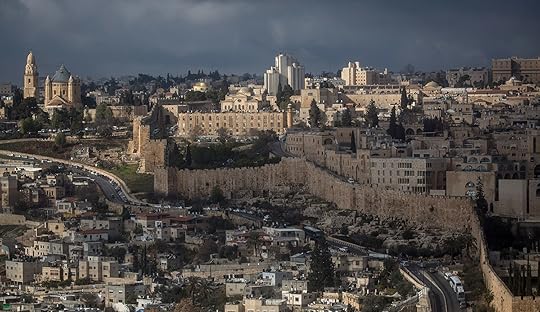
Although that man and his son die during WW II, a grandson survived hidden in a rural area. The grandson eventually becomes a judge who lives in Jerusalem at the site of the former obstetric clinic inherited from his great-grandfather. The judge’s son has fathered a child by a woman on a kibbutz. Our story begins with that woman meeting the judge. In the book, the events outlined are told in reverse chronological order from the present back to the birth of the first Mani followed in the story, back in Greece in 1799.
The author uses a unique (?) narrative ploy. Most of the book is conversation between two people but we hear only one person’s half of the conversation as if we are overhearing a person talking on the phone. It takes a while to get used to this and you have to be willing to read a lot of dialog like this which takes place on a phone call between the woman in Jerusalem and her psychologist mother back on the kibbutz:
--- Incredible! You’re bringing that up now? And all this time you were saying it was just my imagination…
--- But what does that have to do with Father? Now I really don’t get it.
--- I don’t get it…
--- I still don’t get it.
---Now you’re frightening me…
--- Fine, but later, later… I’m begging you, give me time before you start bombarding me with all your interpretations…
Often the Manis are telling the story, but not always. For example, as shown in the dialog above, it is the mother of a future Mani telling the story. The story of the obstetrician in Jerusalem is told by the brother of the sister that Mani falls in love with. The story of the Manis on Crete is told by a German soldier, part of the Nazi occupation force on the island.
Real historical events impact the various Manis, such as on Crete. First the Italians, then the Germans occupied the island. The Germans rounded up all the Jews they could find to ship them on a tanker to Auschwitz. Not knowing the ship's cargo, a British submarine torpedoed the German tanker and almost all of the Jews drowned, including the middle-aged Mani (although his son survives hidden on the island). Other than the Manis, this ship story is true which you can read here in a recent article https://www.timesofisrael.com/greek-j...
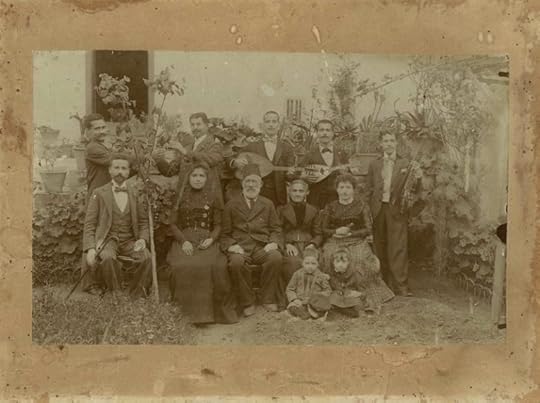
There are a number of themes and use of symbolism throughout the book. Some of the Manis commit suicide and most consider it or attempt it. There is always a herd of black goats and deteriorating vision or lost glasses that disable the individual. Jerusalem is shown at its various stages of development. And despite all the adversity “The world would have its Manis after all.”
So, a great book and a monumental effort by this author. My main complaint is that it is at times hard to follow exactly what is happening due to the narrative device of only hearing half of the conversation. And despite brief summaries – really min-biographies at the end of each chapter, it was hard for me to follow the genealogical connection between generations of Manis. I’d find myself wondering, “so is this Mani his son or his grandson and how did he end up here?” That is why I gave a brief outline above and you can also see more detailed reviews in the NY Times and LA Times at https://www.nytimes.com/1992/03/01/bo... and https://www.latimes.com/archives/la-x... and of course on GR.
Still an excellent book and a very worthwhile read. I also enjoyed and reviewed several other works by this author. Here are links to my reviews of other books by Yehoshua:
A Journey to the End of the Millenium
A Woman in Jerusalem
Friendly Fire
A Late Divorce
Photo of Jerusalem from mosaicmagazine.com
Photo of a Jewish family on Crete from greekcitytimes.com
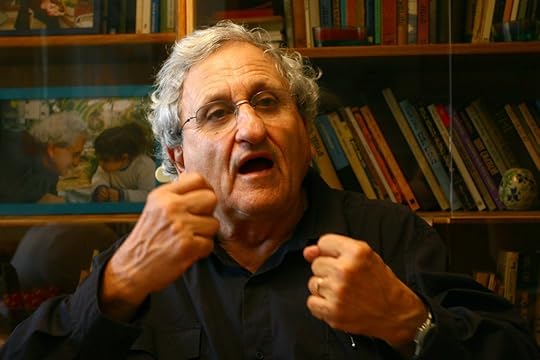
Photo of the author from timesofisrael.com
Back in the 1840’s a spice merchant in Greece impregnated his son’s childless widow in order to perpetuate his line. That son ends up running an obstetric clinic in Jerusalem open to all, including Arabs. A Jewish brother and sister from Poland get interested in the annual Zionist conferences held in Basel, Switzerland starting in 1898, which the doctor attends. The doctor falls in love with the sister when she visits Jerusalem, but in the end he commits suicide. His son is accused of spying for the Turks against Britain which controls Palestine. A British Jew in the military prosecutes him in a military trial but manages to get his sentence to entail exile to Crete rather than death.
Although that man and his son die during WW II, a grandson survived hidden in a rural area. The grandson eventually becomes a judge who lives in Jerusalem at the site of the former obstetric clinic inherited from his great-grandfather. The judge’s son has fathered a child by a woman on a kibbutz. Our story begins with that woman meeting the judge. In the book, the events outlined are told in reverse chronological order from the present back to the birth of the first Mani followed in the story, back in Greece in 1799.
The author uses a unique (?) narrative ploy. Most of the book is conversation between two people but we hear only one person’s half of the conversation as if we are overhearing a person talking on the phone. It takes a while to get used to this and you have to be willing to read a lot of dialog like this which takes place on a phone call between the woman in Jerusalem and her psychologist mother back on the kibbutz:
--- Incredible! You’re bringing that up now? And all this time you were saying it was just my imagination…
--- But what does that have to do with Father? Now I really don’t get it.
--- I don’t get it…
--- I still don’t get it.
---Now you’re frightening me…
--- Fine, but later, later… I’m begging you, give me time before you start bombarding me with all your interpretations…
Often the Manis are telling the story, but not always. For example, as shown in the dialog above, it is the mother of a future Mani telling the story. The story of the obstetrician in Jerusalem is told by the brother of the sister that Mani falls in love with. The story of the Manis on Crete is told by a German soldier, part of the Nazi occupation force on the island.
Real historical events impact the various Manis, such as on Crete. First the Italians, then the Germans occupied the island. The Germans rounded up all the Jews they could find to ship them on a tanker to Auschwitz. Not knowing the ship's cargo, a British submarine torpedoed the German tanker and almost all of the Jews drowned, including the middle-aged Mani (although his son survives hidden on the island). Other than the Manis, this ship story is true which you can read here in a recent article https://www.timesofisrael.com/greek-j...
There are a number of themes and use of symbolism throughout the book. Some of the Manis commit suicide and most consider it or attempt it. There is always a herd of black goats and deteriorating vision or lost glasses that disable the individual. Jerusalem is shown at its various stages of development. And despite all the adversity “The world would have its Manis after all.”
So, a great book and a monumental effort by this author. My main complaint is that it is at times hard to follow exactly what is happening due to the narrative device of only hearing half of the conversation. And despite brief summaries – really min-biographies at the end of each chapter, it was hard for me to follow the genealogical connection between generations of Manis. I’d find myself wondering, “so is this Mani his son or his grandson and how did he end up here?” That is why I gave a brief outline above and you can also see more detailed reviews in the NY Times and LA Times at https://www.nytimes.com/1992/03/01/bo... and https://www.latimes.com/archives/la-x... and of course on GR.
Still an excellent book and a very worthwhile read. I also enjoyed and reviewed several other works by this author. Here are links to my reviews of other books by Yehoshua:
A Journey to the End of the Millenium
A Woman in Jerusalem
Friendly Fire
A Late Divorce
Photo of Jerusalem from mosaicmagazine.com
Photo of a Jewish family on Crete from greekcitytimes.com
Photo of the author from timesofisrael.com

September 6, 2016
הספר מורכב מ 5 שיחות בתקופות שונות של ההיסטוריה.
שיחה ראשונה: הגר שילה משוחחת עם אמה יעל שלה על המפגש שלה עם מר מאני. הגר יתומה מאב, בת לקיבוצניקים וסטודנטית במכינה. כל השנים חייה בצל אמה שלה, היתמות ובחיפוש אחר אב, מנהלת רומאן עם אפרים מאני מרצה שלה במכינה האוניברסיטאית.
אחרי חודש של היכרות, אפרים מאני נשלח למילואים והגר יוצאת בשליחות לאביו בירושלים שבדיוק איבד את אימו.
המפגש בינהם מרתק ומסופר מעיניה של הגר. בשיחה החד צדדית בה הגר מתארת את המפגש, לא שומעים את הצד של אמה שלה אלה ניתן להבין מהתשובות של הגר את הדינמיקה בין האם והילדה.
הגר חושבת שהיא בהריון מאפי. היא עוד לא סיפרה לו, אך מלווה אותה תחושת שליחות בהריון הזה. היא מגיעה לאב ומגלה שמצבו הנפשי לא טוב והיא נרתמת להציל את הסב של בנה העתידי.
החלק הזה מקסים. מלבב. כתוב ביד אמן. מהשיחה וההשלמות הביוגרפיות עולות דמויות מרתקות ומערכת יחסים מעניינת בין הבת לאמה ובין הבת למר מאני.
שיחה שניה אגון ברונר משוחח עם אימו החורגת אנדריאה זאוכון, כרתים 1944: אגון ברונר נולד כתחליף לאגון זאוכון שנהרג במלחמת העולם הראשונה. הוא גדל אצל אביו, גנרל וורנר זאוכון ואימו החורגת אנדריאה והיא ניסתה לעצב אותו בדמות גרמני טוב ונאמן. האב התעקש כי בנו ישמור על שם אימו, ברונר וכי יקרא לו ולאישתו סבא וסבתא.
מכאן, מוטיב הזהות החמקמק באישיותו של אגון ברונר יצמח זרועות לכיוונים בלתי צפויים שיתבררו בשיחה זו.
אנדריאה ביקשה שבנה החורג ישרת את גרמניה כחייל נאמן, לכן פעלה שיצטרף ליחידת עלית שצנחה לכבוש את כרתים. אלא שהצניחה השתבשה ואגון נותר חסר משקפיים ובודד.
בשנת 1941 השתמשו הגרמנים בצנחנים לכיבוש האי. הקרב היה מר והאוכלוסיה המקומית פעלה באופן נחרץ תוך הבעת התנגדות קשה לכוחות הכיבוש.
במהלך זה, מוצא עצמו אגון מבודד עם האזרח האב מר מאני והמפגש הקצר והסוריאליסטי בינהם מוביל את אגון לפיתוח תאוריה על פיה גרמניה צריכה לתת ליהודים לבטל את זהותם ולאמץ זהות חדשה. יש להרוג רק את אלה שיכשלו בתהליך.
בשנת 1944, אמו/סבתו אנדריאה שלא ראתה אותו 3 שנים מגיעה לאי לתת לו ביד פקודת העברה לאיזור המלחמה בגבול גרמניה אולם אגון ששקוע כולו בפנטזיית אזרח העולם הגדול מסרב למות למען גרמניה והפרידה בינהם קשה.
החלק הזה כתוב נהדר. דמותו של אגון מעוצבת על טהרת הגרמני הנאור בתחילה לא ניתן להבחין בטירוף המשתולל אבל הדמות מעוצבת כל כך טוב שפתאום משהו נשבר ואפשר לראות כיצד רעיונות הפכו לטירוף מערכות נאצי.
אגון המטורף מפתח רעיונות סרק בתקופה שבה כל ניסיון לאמר משהו בזכות היהודים גוררת הוצאה להורג. החיפוש שלו אחר הבן והאם שנותרו ממשפחת מאני וברחו מהגירוש הגדול הופך לדיבוק שמשאיר אותו באי.
סבתו, הגרמניה הטובה שמאחוריה שם המשפחה שיש לכבד ולשמור מנסה ככל יכולתה להוביל את הבן החורג הסורר בדרך הנכונה אבל נכשלת חרוצות. היא עוזבת בחמיצות מתוך מודעות שהפסידה בקרב, אבל לא מתוך הבנה שהדרך שגויה.
ההשלמות הביוגרפיות בחלק הזה פחות משמעותיות.
השיחה השלישית לוטננט סטיבן הורביץ משוחח עם קולונל וודהאוס מייקל, 1918 פלשתינה. האמת היא שהשיחה הזו הכי פחות מעניינת מבין השלושה שקראתי עד כה.
מר מאני, יהודי המתגורר בפלשתינה נתפס ע"י הבריטים כשהוא מעביר מידע לתורכים, ערבים וגרמנים והוא עומד לפני משפט.
הביוגרפיה של הדמויות המשוחחות מעניינת ודווקא היתה מבטיחה אבל התוכן המתאר את המאבקים לשליטה בארץ פשוט לא מדברים אלי.
השיחה הרביעית היא סיפור המסע של דר' אפרים שפירו ואחותו לינקה לפלשתינה בפתח המאה ה- 20. המשוחחים הם דר' שפירו ואביו שלום שפירו שקולו נעדר מהשיחה.
סיפור המסע מתחיל בקונגרס הציוני השלישי של 1899. נבצר מהאב הפעיל בתנועה הציונית לנסוע לקונגרס בשל מחלת אישתו ולכן הוא שולח את בנו ובתו לקונגרס.
במהלך הקונגרס פוגשים האחים בדר' מאני דמות לא שיגרתית אחריה הם נמשכים וכך מתוארת תחילת הידידות: "והנה כך זה מתחיל, אבא, באמת. פגישה במסדרון חשוך, בסמוך למעלות המשרתים, ירושלמי שממתין לי ונר קטן דולק בידו, ועדין מפליא אותי שהיה לו נר מזומן בכיסו, כאילו הוא מורגל להיקלע למבואות אפלים, ולא רק בשביל עצמו מוכן לו נר, אלא גם בשבילי הוציא נר.... "
הפגישה בין האחים ובין דר' מאני סוריאליסטית מתעתעת ויש בה מתח אירוטי מסויים ובלתי ברור האם רק לינקה התאהבה בו או גם הדובר.
ובסיום הקונגרס במקום לנסוע לשבועיים מנוחה בלוגאנו, נוסעים השנים בפרץ של הרפתקנות לארץ ישראל אחר דר' מאני לירושלים.
הנסיעה לירושלים הובילה להעמקת הקשר בין דר מאני ולינקה ומתחיל סיחרור. המסע מסתיים במפח נפש וטרגדיה איומה שקבעה את גורל 2 המשפחות.
על השיחה הזו שורים אווירה סוריאליסטית אפלה ומתח מתגבר שמצביע של סופה הטראגי. אהבתי את השיחה הזו היא כתובה מצויין.
השיחה האחרונה בספר מספרת את סיפור שושלת מאני ומערכת היחסים המוזרה שתוצאותיה היו היוולדו של דר מאני אותו הקורא פגש בכל אחת מהשיחות הקודמות. סיפור של קינאה ואהבה לדונה פלורה שנישאה לרב עדיה והיא צעירה ממנו ב 40 שנה וסיפורו של התלמיד האהוב על הרב שהתבלבלה דעתו מאהבה לדונה פלורה עד כדי כך ששלח את בנו אל הגב' והרב כמנחה והיא גידלה את הילד.
מדובר בסיפור מורכב שההתרה שלו מגיעה רק בשליש האחרון של הסיפור. ויחד עם זאת חבל שבחר הסופר לסיים את הספר המופלא הזה בשיחה שלא בהירה לקורא עד כמעט מחציתה ושאינה מתעלה לרמת השיחות האחרות בספר.
שיחה ראשונה: הגר שילה משוחחת עם אמה יעל שלה על המפגש שלה עם מר מאני. הגר יתומה מאב, בת לקיבוצניקים וסטודנטית במכינה. כל השנים חייה בצל אמה שלה, היתמות ובחיפוש אחר אב, מנהלת רומאן עם אפרים מאני מרצה שלה במכינה האוניברסיטאית.
אחרי חודש של היכרות, אפרים מאני נשלח למילואים והגר יוצאת בשליחות לאביו בירושלים שבדיוק איבד את אימו.
המפגש בינהם מרתק ומסופר מעיניה של הגר. בשיחה החד צדדית בה הגר מתארת את המפגש, לא שומעים את הצד של אמה שלה אלה ניתן להבין מהתשובות של הגר את הדינמיקה בין האם והילדה.
הגר חושבת שהיא בהריון מאפי. היא עוד לא סיפרה לו, אך מלווה אותה תחושת שליחות בהריון הזה. היא מגיעה לאב ומגלה שמצבו הנפשי לא טוב והיא נרתמת להציל את הסב של בנה העתידי.
החלק הזה מקסים. מלבב. כתוב ביד אמן. מהשיחה וההשלמות הביוגרפיות עולות דמויות מרתקות ומערכת יחסים מעניינת בין הבת לאמה ובין הבת למר מאני.
שיחה שניה אגון ברונר משוחח עם אימו החורגת אנדריאה זאוכון, כרתים 1944: אגון ברונר נולד כתחליף לאגון זאוכון שנהרג במלחמת העולם הראשונה. הוא גדל אצל אביו, גנרל וורנר זאוכון ואימו החורגת אנדריאה והיא ניסתה לעצב אותו בדמות גרמני טוב ונאמן. האב התעקש כי בנו ישמור על שם אימו, ברונר וכי יקרא לו ולאישתו סבא וסבתא.
מכאן, מוטיב הזהות החמקמק באישיותו של אגון ברונר יצמח זרועות לכיוונים בלתי צפויים שיתבררו בשיחה זו.
אנדריאה ביקשה שבנה החורג ישרת את גרמניה כחייל נאמן, לכן פעלה שיצטרף ליחידת עלית שצנחה לכבוש את כרתים. אלא שהצניחה השתבשה ואגון נותר חסר משקפיים ובודד.
בשנת 1941 השתמשו הגרמנים בצנחנים לכיבוש האי. הקרב היה מר והאוכלוסיה המקומית פעלה באופן נחרץ תוך הבעת התנגדות קשה לכוחות הכיבוש.
במהלך זה, מוצא עצמו אגון מבודד עם האזרח האב מר מאני והמפגש הקצר והסוריאליסטי בינהם מוביל את אגון לפיתוח תאוריה על פיה גרמניה צריכה לתת ליהודים לבטל את זהותם ולאמץ זהות חדשה. יש להרוג רק את אלה שיכשלו בתהליך.
בשנת 1944, אמו/סבתו אנדריאה שלא ראתה אותו 3 שנים מגיעה לאי לתת לו ביד פקודת העברה לאיזור המלחמה בגבול גרמניה אולם אגון ששקוע כולו בפנטזיית אזרח העולם הגדול מסרב למות למען גרמניה והפרידה בינהם קשה.
החלק הזה כתוב נהדר. דמותו של אגון מעוצבת על טהרת הגרמני הנאור בתחילה לא ניתן להבחין בטירוף המשתולל אבל הדמות מעוצבת כל כך טוב שפתאום משהו נשבר ואפשר לראות כיצד רעיונות הפכו לטירוף מערכות נאצי.
אגון המטורף מפתח רעיונות סרק בתקופה שבה כל ניסיון לאמר משהו בזכות היהודים גוררת הוצאה להורג. החיפוש שלו אחר הבן והאם שנותרו ממשפחת מאני וברחו מהגירוש הגדול הופך לדיבוק שמשאיר אותו באי.
סבתו, הגרמניה הטובה שמאחוריה שם המשפחה שיש לכבד ולשמור מנסה ככל יכולתה להוביל את הבן החורג הסורר בדרך הנכונה אבל נכשלת חרוצות. היא עוזבת בחמיצות מתוך מודעות שהפסידה בקרב, אבל לא מתוך הבנה שהדרך שגויה.
ההשלמות הביוגרפיות בחלק הזה פחות משמעותיות.
השיחה השלישית לוטננט סטיבן הורביץ משוחח עם קולונל וודהאוס מייקל, 1918 פלשתינה. האמת היא שהשיחה הזו הכי פחות מעניינת מבין השלושה שקראתי עד כה.
מר מאני, יהודי המתגורר בפלשתינה נתפס ע"י הבריטים כשהוא מעביר מידע לתורכים, ערבים וגרמנים והוא עומד לפני משפט.
הביוגרפיה של הדמויות המשוחחות מעניינת ודווקא היתה מבטיחה אבל התוכן המתאר את המאבקים לשליטה בארץ פשוט לא מדברים אלי.
השיחה הרביעית היא סיפור המסע של דר' אפרים שפירו ואחותו לינקה לפלשתינה בפתח המאה ה- 20. המשוחחים הם דר' שפירו ואביו שלום שפירו שקולו נעדר מהשיחה.
סיפור המסע מתחיל בקונגרס הציוני השלישי של 1899. נבצר מהאב הפעיל בתנועה הציונית לנסוע לקונגרס בשל מחלת אישתו ולכן הוא שולח את בנו ובתו לקונגרס.
במהלך הקונגרס פוגשים האחים בדר' מאני דמות לא שיגרתית אחריה הם נמשכים וכך מתוארת תחילת הידידות: "והנה כך זה מתחיל, אבא, באמת. פגישה במסדרון חשוך, בסמוך למעלות המשרתים, ירושלמי שממתין לי ונר קטן דולק בידו, ועדין מפליא אותי שהיה לו נר מזומן בכיסו, כאילו הוא מורגל להיקלע למבואות אפלים, ולא רק בשביל עצמו מוכן לו נר, אלא גם בשבילי הוציא נר.... "
הפגישה בין האחים ובין דר' מאני סוריאליסטית מתעתעת ויש בה מתח אירוטי מסויים ובלתי ברור האם רק לינקה התאהבה בו או גם הדובר.
ובסיום הקונגרס במקום לנסוע לשבועיים מנוחה בלוגאנו, נוסעים השנים בפרץ של הרפתקנות לארץ ישראל אחר דר' מאני לירושלים.
הנסיעה לירושלים הובילה להעמקת הקשר בין דר מאני ולינקה ומתחיל סיחרור. המסע מסתיים במפח נפש וטרגדיה איומה שקבעה את גורל 2 המשפחות.
על השיחה הזו שורים אווירה סוריאליסטית אפלה ומתח מתגבר שמצביע של סופה הטראגי. אהבתי את השיחה הזו היא כתובה מצויין.
השיחה האחרונה בספר מספרת את סיפור שושלת מאני ומערכת היחסים המוזרה שתוצאותיה היו היוולדו של דר מאני אותו הקורא פגש בכל אחת מהשיחות הקודמות. סיפור של קינאה ואהבה לדונה פלורה שנישאה לרב עדיה והיא צעירה ממנו ב 40 שנה וסיפורו של התלמיד האהוב על הרב שהתבלבלה דעתו מאהבה לדונה פלורה עד כדי כך ששלח את בנו אל הגב' והרב כמנחה והיא גידלה את הילד.
מדובר בסיפור מורכב שההתרה שלו מגיעה רק בשליש האחרון של הסיפור. ויחד עם זאת חבל שבחר הסופר לסיים את הספר המופלא הזה בשיחה שלא בהירה לקורא עד כמעט מחציתה ושאינה מתעלה לרמת השיחות האחרות בספר.

January 25, 2011
At this point I don't know if it's masochism, optimism, or just insanity, but I just keep reading Yehoshua, an Israeli author whose view on Diaspora Jews and own sense of entitlement and arrogance are borderline self parody, hoping to find something worthwhile.
In the last book of his I read 'A Woman in Jerusalem' this search, for the most part, paid off. That book was a mostly subtle and understated work of skill and authorial poise, dancing more times than not gracefully between the realms of symbolic parable and a realistic collage of life in the modern Israeli/Jewish state, just about equaling Yehoshua's one other, in my opinion, masterwork 'The Lover'.
However, whereas in 'A Woman in Jerusalem' the axiom 'less is more' was seemingly the guiding principle, here in 'Mr. Mani' (apparently Yehoshua's most critically acclaimed novel to date), the exact opposite technique, that of stuff the novel so damn full that it nearly suffocates not only the reader but the plot itself at certain moments, is employed and is done so much to the novel's detriment.
It looked like in writing this Yehoshua was consciously setting out to write his 'big novel'. A national and cultural as well as historical epic as seen in the events involving and surrounding an 'ill fated' (as one of the cover blurbs states) Sephardi Jewish family, the eponymous 'Mani' family. Going further, Yehoshua eschews linearity and decides to tell the story backwards starting in modern day Israel and ending in Greece at the end of the 1800's. And taking an additional step (and possibly giving this book the genre classification of 'post modern') Yehoshua divides the story up into five sections (designated as 'conversations') that are basically pages and pages long monologues of a single character talking to another, mute, character, with a few pages before and after the monologues telling the stories of who was speaking to who and what was to be their eventual fates.
Now granted, this is several boulders worth of literary weight to shoulder and control, let alone make an effective story out of. And I will grant that Yehoshua certainly shows a hell of a lot of ambition in this undertaking. But unfortunately despite a promising though vague opening section, and three solid and at times impressive middle sections, the book is nearly undone by the fifth and final section of the story where (the problems inherent in the novel from the very beginning coming to a head) the story descends into what can only be called farcical high camp.
Yehoshua frequently and almost gleefully crosses the line between confidence and arrogance over the course of the story. It seeps off the pages and from between the words. Where some sections are written with a true passion and a historian's dedication to rendering details as astutely as possible, others devolve into pseudo political and, even worse, pseudo philosophical 'navel gazing'. This is no more badly shown then in the book's final conversation where (SPOILER) the chronologically eldest and first Mani holds forth with a near dead Rabbi whom he admires. And goes through what can only be described best as 'verbal diarrhea' pouring out emotion and imagery at a machine gun's pace and with about as much wit and subtlety. When the final truth of a certain Mani's parentage is revealed I was already mentally (and damn near literally screaming) I GET IT, OKAY, GET ON WITH IT. You'll have figured it out ten to fifteen pages within the section and the rest is just crappy melodrama that can be hysterically funny at times considering how seriously the characters take it.
The story of the Manis, as important as it is to the book as a whole feels oddly under represented in the text and it seems, undercut by Yehoshua's endless pretensions to post modern sleights of hand and digressions into (what I imagine he thinks are Faulkner-esque) detail driven emotionally charged philosophical ramblings that, more than anything else, just left me saying 'Okay, that was nice, certainly even interesting, but what the hell does it mean and more importantly what does it do for the story?'.
An at times decent but for the most part (given the mammoth amounts of hype and critical adoration) disappointing read.
In the last book of his I read 'A Woman in Jerusalem' this search, for the most part, paid off. That book was a mostly subtle and understated work of skill and authorial poise, dancing more times than not gracefully between the realms of symbolic parable and a realistic collage of life in the modern Israeli/Jewish state, just about equaling Yehoshua's one other, in my opinion, masterwork 'The Lover'.
However, whereas in 'A Woman in Jerusalem' the axiom 'less is more' was seemingly the guiding principle, here in 'Mr. Mani' (apparently Yehoshua's most critically acclaimed novel to date), the exact opposite technique, that of stuff the novel so damn full that it nearly suffocates not only the reader but the plot itself at certain moments, is employed and is done so much to the novel's detriment.
It looked like in writing this Yehoshua was consciously setting out to write his 'big novel'. A national and cultural as well as historical epic as seen in the events involving and surrounding an 'ill fated' (as one of the cover blurbs states) Sephardi Jewish family, the eponymous 'Mani' family. Going further, Yehoshua eschews linearity and decides to tell the story backwards starting in modern day Israel and ending in Greece at the end of the 1800's. And taking an additional step (and possibly giving this book the genre classification of 'post modern') Yehoshua divides the story up into five sections (designated as 'conversations') that are basically pages and pages long monologues of a single character talking to another, mute, character, with a few pages before and after the monologues telling the stories of who was speaking to who and what was to be their eventual fates.
Now granted, this is several boulders worth of literary weight to shoulder and control, let alone make an effective story out of. And I will grant that Yehoshua certainly shows a hell of a lot of ambition in this undertaking. But unfortunately despite a promising though vague opening section, and three solid and at times impressive middle sections, the book is nearly undone by the fifth and final section of the story where (the problems inherent in the novel from the very beginning coming to a head) the story descends into what can only be called farcical high camp.
Yehoshua frequently and almost gleefully crosses the line between confidence and arrogance over the course of the story. It seeps off the pages and from between the words. Where some sections are written with a true passion and a historian's dedication to rendering details as astutely as possible, others devolve into pseudo political and, even worse, pseudo philosophical 'navel gazing'. This is no more badly shown then in the book's final conversation where (SPOILER) the chronologically eldest and first Mani holds forth with a near dead Rabbi whom he admires. And goes through what can only be described best as 'verbal diarrhea' pouring out emotion and imagery at a machine gun's pace and with about as much wit and subtlety. When the final truth of a certain Mani's parentage is revealed I was already mentally (and damn near literally screaming) I GET IT, OKAY, GET ON WITH IT. You'll have figured it out ten to fifteen pages within the section and the rest is just crappy melodrama that can be hysterically funny at times considering how seriously the characters take it.
The story of the Manis, as important as it is to the book as a whole feels oddly under represented in the text and it seems, undercut by Yehoshua's endless pretensions to post modern sleights of hand and digressions into (what I imagine he thinks are Faulkner-esque) detail driven emotionally charged philosophical ramblings that, more than anything else, just left me saying 'Okay, that was nice, certainly even interesting, but what the hell does it mean and more importantly what does it do for the story?'.
An at times decent but for the most part (given the mammoth amounts of hype and critical adoration) disappointing read.
October 29, 2021
El Sr. Mani es una saga sobre la estirpe de los Mani, una familia judía sefardí desde fines del siglo XVIII hasta el año 1982.
Los sefardíes provienen de la península ibérica, denominada en hebreo como Sefarad, de donde fueron expulsados por los Reyes Católicos en 1492, asentándose en el Magreb, la zona norte de África donde convivieron pacíficamente con los árabes y otros musulmanes, y posteriormente se fueron diseminando, dentro de lo que fue el imperio Otomano, por todo el territorio que abarcaba, desde Marruecos hasta más allá de Persia, incluyendo Grecia y la península de los Balcanes.
La historia está narrada a través de cinco conversaciones, ocurridas en distintos momentos de este período. Y en general narrada por otras personas que en algún momento tuvieron contacto con alguno de los Mani, con la particularidad de que no se escuchan las respuestas del interlocutor, que se pueden inferir claramente por la manera en que el narrador responde.
Lo que me hizo más difícil la integración de la historia, es que las conversaciones son presentadas empezando por la más reciente y retrocediendo en la siguiente conversación a un período anterior. Podría decirse que el final de una conversación, explica el inicio de la anterior. Un desafío.
La novela logra transmitir muy bien, y con mucho rigor geográfico e histórico, a través de estos personajes ficticios, el devenir de los sefardíes, siempre yendo y viniendo, atraídos y repelidos por el imán ambiguo que es la mítica ciudad de Jerusalén.
He de señalar, sin embargo, que los Mani de ninguna manera se podrían definir como "típicos", pero esto requeriría toda otra reseña.
Aunque me requirió un esfuerzo, una muy buena novela que me quedará profundamente grabada.
Los sefardíes provienen de la península ibérica, denominada en hebreo como Sefarad, de donde fueron expulsados por los Reyes Católicos en 1492, asentándose en el Magreb, la zona norte de África donde convivieron pacíficamente con los árabes y otros musulmanes, y posteriormente se fueron diseminando, dentro de lo que fue el imperio Otomano, por todo el territorio que abarcaba, desde Marruecos hasta más allá de Persia, incluyendo Grecia y la península de los Balcanes.
La historia está narrada a través de cinco conversaciones, ocurridas en distintos momentos de este período. Y en general narrada por otras personas que en algún momento tuvieron contacto con alguno de los Mani, con la particularidad de que no se escuchan las respuestas del interlocutor, que se pueden inferir claramente por la manera en que el narrador responde.
Lo que me hizo más difícil la integración de la historia, es que las conversaciones son presentadas empezando por la más reciente y retrocediendo en la siguiente conversación a un período anterior. Podría decirse que el final de una conversación, explica el inicio de la anterior. Un desafío.
La novela logra transmitir muy bien, y con mucho rigor geográfico e histórico, a través de estos personajes ficticios, el devenir de los sefardíes, siempre yendo y viniendo, atraídos y repelidos por el imán ambiguo que es la mítica ciudad de Jerusalén.
He de señalar, sin embargo, que los Mani de ninguna manera se podrían definir como "típicos", pero esto requeriría toda otra reseña.
Aunque me requirió un esfuerzo, una muy buena novela que me quedará profundamente grabada.

August 24, 2021
The complex and in some parts confusing history of the Mani family as presented by 5 conversations.
The first thing you notice in the book is that it has a unique and interesting format. The book is comprised of 5 conversations each taking place at a different time, different place and between different people. On top of this the latest conversation is presented first and each proceeding conversation takes place chronologically tens of years earlier in a different place and between different people. If this is not confusing enough, while you are presented with the background and credentials of both the people participating in the conversation, you only get to hear one side of the conversation.
In this manner, floating from a kibutz in Israel in 1982 to German occupied Crete in 1944 to Jerusalem in 1918 to Athens in 1899 and somewhere in east Europe (Zeleni-Sad I think) in 1848 we are presented with the history of the Mani family combined with the Jewish and Zionist history in these places and times.
The book is written with humor and the author built the characters to represent the time/place/nation that they live in. Even the language they use, while presented as Hebrew, differs from conversation to conversation and has some adaptation to the era.
I liked the first three conversations very much when getting to the fourth and fifth, I started losing the plot and characters and therefore losing interest. Still, this is an original well written and well researched book by one of the pillars of the Israeli writing community.
This is the third book I have read of the author and I do expect to read more.
The first thing you notice in the book is that it has a unique and interesting format. The book is comprised of 5 conversations each taking place at a different time, different place and between different people. On top of this the latest conversation is presented first and each proceeding conversation takes place chronologically tens of years earlier in a different place and between different people. If this is not confusing enough, while you are presented with the background and credentials of both the people participating in the conversation, you only get to hear one side of the conversation.
In this manner, floating from a kibutz in Israel in 1982 to German occupied Crete in 1944 to Jerusalem in 1918 to Athens in 1899 and somewhere in east Europe (Zeleni-Sad I think) in 1848 we are presented with the history of the Mani family combined with the Jewish and Zionist history in these places and times.
The book is written with humor and the author built the characters to represent the time/place/nation that they live in. Even the language they use, while presented as Hebrew, differs from conversation to conversation and has some adaptation to the era.
I liked the first three conversations very much when getting to the fourth and fifth, I started losing the plot and characters and therefore losing interest. Still, this is an original well written and well researched book by one of the pillars of the Israeli writing community.
This is the third book I have read of the author and I do expect to read more.

August 27, 2019
Spirale e vertigine
I signori Mani presenti nel libro sono cinque, vissuti fra il XX e il XVIII secolo; sono l’argomento di altrettanti dialoghi, dei quali si sente una voce sola. Il fatto che in genere non sia il Signor Mani a parlare consente una visione trasversale e più oggettiva della storia.
Il procedere a ritroso nel tempo e l’effetto ellittico dei dialoghi a una voce sola alimenta un senso di vertigine che dura tutta la lettura. I signori Mani, Ebrei sefarditi, sono persone singolari, con vite interiori non lineari e vite esteriori che spaziano nel bacino del Mediterraneo orientale, fra Salonicco, Atene, Cnosso, Beirut, Istanbul, Gerusalemme, come se non ci fossero confini o lingue a separare, cosmopolitismo frequente degli Ebrei, spesso necessario più che voluto, premiato evoluzionisticamente: si salvi chi può. Il libro è piuttosto affascinante e come spesso accade con Yehoshua il fascino non è nella costruzione o nello stile ma proprio nell’idea di fondo, che è universale: il procedere a ritroso nelle generazioni, incontrando antenati dai quali si discende ma che tuttavia ci sfuggono, intravisti in fotografie ritoccate, i cui caratteri non conosciamo o magari non approviamo, eppure ci hanno definiti, almeno in parte. E i signori Mani che incontriamo sono disparati: il ragazzo che fa il servizio di leva che non vuole il figlio, il padre giudice che invece vuole il nipote, l’homo politicus poi turisticus, il cretese che si immola, il ginecologo suicida, l’antenato che desidera la discendenza più di quanto tema il peccato mortale.
Yehoshua si leva un sasso dalla scarpa dando voce nel secondo dialogo a un soldato tedesco di stanza a Creta durante l’ultima guerra mondiale, facendone una specie di filosofo demente: lui di Mani ne incontra tre, nonno, padre e figlio. Il nonno è un affabile poliglotta agente turistico a Cnosso, che agisce con aplomb britannico per preservare la preziosa discendenza. Di tutto questo il Mani junior contemporaneo probabilmente non sa nulla, conosce solo una lapide del nonno del nonno al cimitero degli Ulivi e una vecchia casa di famiglia che era stata clinica ginecologica.
I signori Mani presenti nel libro sono cinque, vissuti fra il XX e il XVIII secolo; sono l’argomento di altrettanti dialoghi, dei quali si sente una voce sola. Il fatto che in genere non sia il Signor Mani a parlare consente una visione trasversale e più oggettiva della storia.
Il procedere a ritroso nel tempo e l’effetto ellittico dei dialoghi a una voce sola alimenta un senso di vertigine che dura tutta la lettura. I signori Mani, Ebrei sefarditi, sono persone singolari, con vite interiori non lineari e vite esteriori che spaziano nel bacino del Mediterraneo orientale, fra Salonicco, Atene, Cnosso, Beirut, Istanbul, Gerusalemme, come se non ci fossero confini o lingue a separare, cosmopolitismo frequente degli Ebrei, spesso necessario più che voluto, premiato evoluzionisticamente: si salvi chi può. Il libro è piuttosto affascinante e come spesso accade con Yehoshua il fascino non è nella costruzione o nello stile ma proprio nell’idea di fondo, che è universale: il procedere a ritroso nelle generazioni, incontrando antenati dai quali si discende ma che tuttavia ci sfuggono, intravisti in fotografie ritoccate, i cui caratteri non conosciamo o magari non approviamo, eppure ci hanno definiti, almeno in parte. E i signori Mani che incontriamo sono disparati: il ragazzo che fa il servizio di leva che non vuole il figlio, il padre giudice che invece vuole il nipote, l’homo politicus poi turisticus, il cretese che si immola, il ginecologo suicida, l’antenato che desidera la discendenza più di quanto tema il peccato mortale.
Yehoshua si leva un sasso dalla scarpa dando voce nel secondo dialogo a un soldato tedesco di stanza a Creta durante l’ultima guerra mondiale, facendone una specie di filosofo demente: lui di Mani ne incontra tre, nonno, padre e figlio. Il nonno è un affabile poliglotta agente turistico a Cnosso, che agisce con aplomb britannico per preservare la preziosa discendenza. Di tutto questo il Mani junior contemporaneo probabilmente non sa nulla, conosce solo una lapide del nonno del nonno al cimitero degli Ulivi e una vecchia casa di famiglia che era stata clinica ginecologica.

July 4, 2021
A very interesting read, not so much from the themes and characters, but mostly from the book’s structure. Told in 5 parts, each about an earlier generation of the same Mani family, each is one part of a dialogue between two people, and their counterparts’ part is always missing. So many times it’s up to us to fill in the gaps.
I love Yehoshua’s books, and feel lucky that I can read the original Hebrew, as the language is always so rich with lovely structure. At times in this book it was harder to follow because of the missing dialogue and Yehoshua’s regression into older Hebrew as a mechanism in the storytelling of the older periods.
Still, a good read.
I love Yehoshua’s books, and feel lucky that I can read the original Hebrew, as the language is always so rich with lovely structure. At times in this book it was harder to follow because of the missing dialogue and Yehoshua’s regression into older Hebrew as a mechanism in the storytelling of the older periods.
Still, a good read.

December 20, 2019
מוזר אבל עד כה כלל לא קראתי ספר כלשהו של א.ב. יהושע ולכן ניגשתי לספרו זה בסקרנות גדולה. התרשמתי מאד מכתיבתו של יהושע אבל אין לי מושג אם סגנון הכתיבה בספר זה, שמושפע לתחושתי ממנדלי ועגנון, בא כדי לשרת את הסיפור או שזהו סגנון כתיבתו.
מדובר בסיפור די מורכב אודות שושלת מאני כפי שהיא מסופרת באמצעות ״שיחות״ בתקופות שונות כאשר הקורא מתוודע רק למשוחח אחד ואמור להבין לבד מה הצד השני חושב או אומר. בשיחה הראשונה זה עדיין הגיוני כיוון שהיא נסובה בין אם לביתה שמשוחחות בטלפון ולכאורה ״שומעים״ רק את הבת מדברת... בשיחות הבאות זה כבר לא הגיוני בעליל אבל יהושע כנראה החליט, וסיבותיו עמו, לנקוט בטכניקה הזו לאורך כל הספר, נו שוין.. הסיפור ברובו מעניין אבל לקראת הסוף סובל מפטפטת מסחררת, מתישה וטרחנית (שמשרתת את הסיפור לאור הלך רוחו הסוער והנרגש של ה״משוחח״) ורק לקראת סיום הספר ניתן להירגע קצת מהקצב ולסיים את הספר בנחת. אז למרות כל חסרונותיו אני ממליץ לקרוא כיוון שמדובר ביצירה יוצאת דופן ומעניינת ובסופר גדול.
מדובר בסיפור די מורכב אודות שושלת מאני כפי שהיא מסופרת באמצעות ״שיחות״ בתקופות שונות כאשר הקורא מתוודע רק למשוחח אחד ואמור להבין לבד מה הצד השני חושב או אומר. בשיחה הראשונה זה עדיין הגיוני כיוון שהיא נסובה בין אם לביתה שמשוחחות בטלפון ולכאורה ״שומעים״ רק את הבת מדברת... בשיחות הבאות זה כבר לא הגיוני בעליל אבל יהושע כנראה החליט, וסיבותיו עמו, לנקוט בטכניקה הזו לאורך כל הספר, נו שוין.. הסיפור ברובו מעניין אבל לקראת הסוף סובל מפטפטת מסחררת, מתישה וטרחנית (שמשרתת את הסיפור לאור הלך רוחו הסוער והנרגש של ה״משוחח״) ורק לקראת סיום הספר ניתן להירגע קצת מהקצב ולסיים את הספר בנחת. אז למרות כל חסרונותיו אני ממליץ לקרוא כיוון שמדובר ביצירה יוצאת דופן ומעניינת ובסופר גדול.

November 24, 2020
23/11/2020 (*****)
Romanzo costruito in maniera molto particolare: la trama si dipana dal presente (anni Ottanta del Novecento) indietro fino a metà Ottocento, in 5 episodi la cui struttura è altrettanto particolare, poiché sono dialoghi fra due soggetti (tre solo nell'ultimo), in cui viene riportata solo la parte del soggetto che racconta, mentre l'altra, quella del soggetto in ascolto, rimane silente nel testo, e il lettore intuisce le risposte (o le domande) di quest'ultimo solo da ciò che emerge nel dialogo del narrante.
Sembra un gran casino, e il primo dialogo, quello a noi più vicino e quello che apre il libro, lascia piuttosto sconcertati, nella forma e nella sostanza. L'io narrante è una giovane ragazza ebrea, che racconta alla madre ("censurata" nel dialogo) le peripezie attraversate recentemente a seguito dell'incontro a Gerusalemme con il padre del fidanzato, a cui è appena morta la vecchia madre e i cui strani e autolesionisti comportamenti la sconcertano (come lasciano esterrefatto il lettore, che non comprende nella maniera più assoluta). Quest'uomo è identificato, così come il figlio e il bambino di questi che la ragazza crede di portare in grembo, semplicemente come il signor Mani. E cominciando a leggere il secondo dialogo, si inizia a capire qual è il filo conduttore del romanzo.
I 5 dialoghi (con una eccezione) ripercorrono a ritroso la vita della famiglia Mani e in essi la parte narrante è sempre quella del personaggio che ha, per un solo momento ma cruciale, incrociato la propria vita con quella dei Mani e, più precisamente, con quella di un certo signor Mani (uno dei cinque qui raccontati). Gli io narranti (sempre con una eccezione) sono quanto di più diverso si possa immaginare per estrazione culturale e contesto storico: una studentessa universitaria ebrea nello stato d'Israele degli anni '80 del Novecento, come si diceva poc'anzi; un ufficiale tedesco nella Creta occupata dai nazisti nella Seconda Guerra Mondiale; un tenente britannico nella Gerusalemme dell'immediato primo dopoguerra; un ricco e giovane ebreo austriaco nella Beirut di fine Ottocento.
L'unica eccezione è l'ultimo dialogo, l'unico a tre (ma il terzo soggetto in scena è davvero muto), l'unico in cui l'io narrante è uno dei signor Mani della famiglia, il primo, quello da cui comincia, nell'Atene ottocentesca in mano ottomana, tutta la vicenda che così enormi ripercussioni avrà, coscientemente o inconsciamente, sui futuri discendenti.
Forma inconsueta, il dialogo-monologo non aiuta la scorrevolezza anche se Yehoshua si dimostra abilissimo a tenere viva l'attenzione del lettore, soprattutto dopo il primo dialogo che sconcerta non poco per forma e per significato; gli altri quattro dialoghi sono formidabili, con particolare riguardo al secondo (il migliore in assoluto) e all'ultimo, quello rilevatore del triste destino della famiglia Mani, quando si capisce come il celebre motto biblico riguardante le conseguenze delle colpe dei padri sia quanto mai vero nel loro caso.
Gran romanzo, pregno di cultura ebraica ma non per questo escludente per i lettori non particolarmente ferrati in dottrina, usi e costumi giudaici (adatto anche a lettori gentili, si sarebbe detto una volta). Consigliato.
Romanzo costruito in maniera molto particolare: la trama si dipana dal presente (anni Ottanta del Novecento) indietro fino a metà Ottocento, in 5 episodi la cui struttura è altrettanto particolare, poiché sono dialoghi fra due soggetti (tre solo nell'ultimo), in cui viene riportata solo la parte del soggetto che racconta, mentre l'altra, quella del soggetto in ascolto, rimane silente nel testo, e il lettore intuisce le risposte (o le domande) di quest'ultimo solo da ciò che emerge nel dialogo del narrante.
Sembra un gran casino, e il primo dialogo, quello a noi più vicino e quello che apre il libro, lascia piuttosto sconcertati, nella forma e nella sostanza. L'io narrante è una giovane ragazza ebrea, che racconta alla madre ("censurata" nel dialogo) le peripezie attraversate recentemente a seguito dell'incontro a Gerusalemme con il padre del fidanzato, a cui è appena morta la vecchia madre e i cui strani e autolesionisti comportamenti la sconcertano (come lasciano esterrefatto il lettore, che non comprende nella maniera più assoluta). Quest'uomo è identificato, così come il figlio e il bambino di questi che la ragazza crede di portare in grembo, semplicemente come il signor Mani. E cominciando a leggere il secondo dialogo, si inizia a capire qual è il filo conduttore del romanzo.
I 5 dialoghi (con una eccezione) ripercorrono a ritroso la vita della famiglia Mani e in essi la parte narrante è sempre quella del personaggio che ha, per un solo momento ma cruciale, incrociato la propria vita con quella dei Mani e, più precisamente, con quella di un certo signor Mani (uno dei cinque qui raccontati). Gli io narranti (sempre con una eccezione) sono quanto di più diverso si possa immaginare per estrazione culturale e contesto storico: una studentessa universitaria ebrea nello stato d'Israele degli anni '80 del Novecento, come si diceva poc'anzi; un ufficiale tedesco nella Creta occupata dai nazisti nella Seconda Guerra Mondiale; un tenente britannico nella Gerusalemme dell'immediato primo dopoguerra; un ricco e giovane ebreo austriaco nella Beirut di fine Ottocento.
L'unica eccezione è l'ultimo dialogo, l'unico a tre (ma il terzo soggetto in scena è davvero muto), l'unico in cui l'io narrante è uno dei signor Mani della famiglia, il primo, quello da cui comincia, nell'Atene ottocentesca in mano ottomana, tutta la vicenda che così enormi ripercussioni avrà, coscientemente o inconsciamente, sui futuri discendenti.
Forma inconsueta, il dialogo-monologo non aiuta la scorrevolezza anche se Yehoshua si dimostra abilissimo a tenere viva l'attenzione del lettore, soprattutto dopo il primo dialogo che sconcerta non poco per forma e per significato; gli altri quattro dialoghi sono formidabili, con particolare riguardo al secondo (il migliore in assoluto) e all'ultimo, quello rilevatore del triste destino della famiglia Mani, quando si capisce come il celebre motto biblico riguardante le conseguenze delle colpe dei padri sia quanto mai vero nel loro caso.
Gran romanzo, pregno di cultura ebraica ma non per questo escludente per i lettori non particolarmente ferrati in dottrina, usi e costumi giudaici (adatto anche a lettori gentili, si sarebbe detto una volta). Consigliato.

September 21, 2013
In an article that appeared in the Summer, 2013 issue of The Jewish Review of Books, Alan Mintz suggests that to get a true understanding of A.B. Yehoshua’s newly published novel, The Retrospective, one has to have read Yehoshua’s celebrated novel from 1992, Mr. Mani. Mintz suggests that these two books, together with Yehoshua’s wonderful novel, A Journey to the End of the Millenium, comprise a trilogy about the Sephardic experience. Since I found The Retrospective to be rewarding but also somewhat puzzling, and since Alan is not someone to Mintz words, I turned to Mr. Mani.
This is a complex book that I needed--and desired--to read twice. In five sections, it tells the story of at least six generations of a Sephardic family, in reverse order, starting with the 1980’s and going backwards to the mid-1700’s. Each section takes the form of one character’s side of a lengthy dialogue, so that we only hear what this character said and not how his interlocutor responded. So, we are going backwards in time via a series of story-telling monologues from different periods. (Do they count as monologues exactly, since the other character’s responses have an impact on the character’s unfolding account of the story? It’s a technical question.) Given the challenge of following this multi-generational family saga told in reverse order, one could make an argument that the sections of the book could be more easily and just as aptly read back to front, that is, moving forward chronologically.
Mr. Mani, artfully translated by Hillel Halkin, is a fully realized historical tale about members of a particular family with their own particular quirks and struggles. It can also be seen (and has been by some people) as a Sephardic counter-narrative to the well-known European-centric saga of Zionism.
Members of the Mani family lived in Jerusalem during much of this period, as well as in a Sephardic diaspora consisting of Athens, Alexandria, Beirut, Constantinople, Crete, and Salonika—Mediterranean locations that were not all that far or remote in culture from Jerusalem. For some of the Mani’s, 19th and early 20th century Jerusalem was not a concept from psalms, prayers, or manifestos but, rather, their home and backyard. Rooted as they were in a milieu that brought them into close connection with Arabs and Turks, members of the Mani family came to see themselves as belonging to a larger, multi-ethnic Levantine community—so much so that one family member came to view the Arabs as “Jews who simply don’t realize yet that they are Jews” and for another, the moment came when his allegiance to Arabs and Turks surpassed his allegiance to the British and to European Zionists.
Mr. Mani’s counter narrative does not elide the Holocaust. A generation of Mani’s, living in Crete, had a close and personal encounter with these cataclysmic events. However, the Manis’ narrative is separate from the European Jewish story. It is, indeed, a rich historical tale about the Sephardic experience.
This is a complex book that I needed--and desired--to read twice. In five sections, it tells the story of at least six generations of a Sephardic family, in reverse order, starting with the 1980’s and going backwards to the mid-1700’s. Each section takes the form of one character’s side of a lengthy dialogue, so that we only hear what this character said and not how his interlocutor responded. So, we are going backwards in time via a series of story-telling monologues from different periods. (Do they count as monologues exactly, since the other character’s responses have an impact on the character’s unfolding account of the story? It’s a technical question.) Given the challenge of following this multi-generational family saga told in reverse order, one could make an argument that the sections of the book could be more easily and just as aptly read back to front, that is, moving forward chronologically.
Mr. Mani, artfully translated by Hillel Halkin, is a fully realized historical tale about members of a particular family with their own particular quirks and struggles. It can also be seen (and has been by some people) as a Sephardic counter-narrative to the well-known European-centric saga of Zionism.
Members of the Mani family lived in Jerusalem during much of this period, as well as in a Sephardic diaspora consisting of Athens, Alexandria, Beirut, Constantinople, Crete, and Salonika—Mediterranean locations that were not all that far or remote in culture from Jerusalem. For some of the Mani’s, 19th and early 20th century Jerusalem was not a concept from psalms, prayers, or manifestos but, rather, their home and backyard. Rooted as they were in a milieu that brought them into close connection with Arabs and Turks, members of the Mani family came to see themselves as belonging to a larger, multi-ethnic Levantine community—so much so that one family member came to view the Arabs as “Jews who simply don’t realize yet that they are Jews” and for another, the moment came when his allegiance to Arabs and Turks surpassed his allegiance to the British and to European Zionists.
Mr. Mani’s counter narrative does not elide the Holocaust. A generation of Mani’s, living in Crete, had a close and personal encounter with these cataclysmic events. However, the Manis’ narrative is separate from the European Jewish story. It is, indeed, a rich historical tale about the Sephardic experience.

July 9, 2022
I picked this up as a tribute to Yehoshua's memory and what a fascinating portrait of Jerusalem it turned out to be: a jigsaw puzzle assembled backwards, chronologically, that relates the peripatetic history of one Sephardic family over the course of two centuries. Tragic, wondrous, very human story. I might not agree with Yehoshua's politics, but I am in awe of his talent.

May 13, 2013
In cinque dialoghi, di cui viene con una ardita ellissi tagliata la parte di uno dei due colloquianti, viene raccontata in questo capolavoro la storia di due secoli di una famiglia ebrea, che si dipana per otto generazioni. Due secoli lunghi e terribili, che cambieranno il mondo molto di più di quanto ha fatto il millennio precedente, e dei quali nel bene e nel male il popolo ebraico sarà profondo protagonista: insieme con le sue tradizioni, il suo modo di vedere la vita ed il mondo, la sua identità cosi forte da risultare una sfida perenne agli stati nazionali; che con l'avvento dell'imperialismo tardo ottocentesco sarà sempre meno tollerata, con i drammatici risultati che conosciamo.
Dalla vita dura ma libera nel tollerante impero ottomano al fremente sguardo al futuro che arriva con gli inglesi, dalla tragedia della shoah in un mondo di cui la follia nazista ha capovolto la morale allo scontro senza fine tra due religioni che non arrivano a rispettarsi nella Israele contemporanea.
Dalle acque nere della Vistola che diventeranno rosse di sangue al finto paradiso ginevrino, dai chiassosi e coloratissimi mercati di Costantinopoli alle fredde pietre del muro del pianto in Gerusalemme, insieme con la famiglia Mani il lettore rivive nel profondo il sorgere di speranze sempre nuove e gli eventi che le funesteranno senza pietà, per un popolo che da due millenni sembra inseguire un destino sempre più misterioso.
Colpisce molto come i protagonisti dei racconti, pur nella spiccatissima identità culturale del loro popolo, sappiano conservare una profonda umanità che non sanno nascondere in alcun modo, con tyutti i loro difetti e le loro paure ma anche con una sete di vivere che difficilmente si incontra nella letteratura contemporanea.
Fa molto riflettere, come filo rosso di tuutto il libro, il senso di doloroso sradicamento che contraddistingue tutti i Mani: ciascuno alle prese con un perpetuo peregrinare in terre straniere, nell'ossessionata ricerca di risposte a domande che non sanno porsi in modo chiaro e di una pace che sembra non arrrivare mai neanche dopo la fondazione di una patria.
Il tormento ma anche la missione del popolo ebraico di darsi una casa e di vivere in modo pacifico nel mondo sembra essere il messaggio dell'intero libro.
Se le pagine più dure da digerire sono sicuramente quelle ambientate durante il dominio nazista dell'isola di Creta, dove Yehoshua mostra di conoscere il pazzo e perverso meccanismo di annientamento del pensiero e di rovesciamento della morale che ha reso possibile concepire la Shoah (e che condurrà nel romanzo alla morte di due dei Mani, padre e figlio), quelle che più mi hanno colpito non sono state quelle.
Alla fine del terzo racconto, quando un sottufficiale inglese di orginie ebraica riesce ad ottenere con un astuto discorso la sospensione della pena di morte da parte del tribunale militare per la spia Josef Mani, ho sentito un certo fastidio nei confronti degli ebrei. Mi sono parsi una specie di setta segreta i cui membri si proteggono gli uni con gli altri al punto da arrivare a tradire la propria patria (il sottufficiale era uns oldato in tempo di guerra, ed ha salvato la vita ad una spia!) pur di non tradire la propria ascendenza culturale. Ripensandoci ho avuto momenti di puro orrore, perchè ho capito che è da sentimenti di questo tipo che nasce l'antisemitismo con tutti gli orrori che si trascina dietro. Perchè non ho pensato prima di tutto al fatto che era comunque stata salvata una vita da una morte inutile? Da dove viene questo automatismo per cui si prova rabbia al cospetto di una comunità che non sia quella dello stato, anche se in nome di quella si agisce per il bene? La vergogna che ho provato mostra quanto sia prezioso questo libro per vincere certi rischi ma anche quanto poco controllo abbiamo di noi stessi, e conseguentemente quanto poco siamo al sicuro dal ritorno di simili tragedie. Occorre vigilare.
Nonostante sia un'opera che parla del popolo ebraico, non emerge solo questo: pagina dopo pagina si colora un imponente arazzo dell'intera Europa di fine Ottocento/inizio novecento, e si impara a pensarla ed a conoscerla molto più che da tanti eruditi ma piatti saggi storici; la vividezza di questo panorama viene aumentata dall'impressionante coerenza geografica e temporale che Yehoshua riesce a dare al dipanarsi di eventi che si distendono su centocinquant'anni e che coinvolgono dozzine di persone. Da questo punto di vista, "Il signor mani" può essere avvicinato al Decameron di Boccaccio senza sfigurare.
Era emersa già nella "scena Perduta" ma viene confermata qui la grande maestria di Yehoshua nel genere letterario del dialogo, che diventa qui fondamento e cardine di tutto il libro.
Un capolavoro indimenticabile, dal quale si esce arricchiti di riflessioni e conoscenze, umane, storiche e letterarie.
Dalla vita dura ma libera nel tollerante impero ottomano al fremente sguardo al futuro che arriva con gli inglesi, dalla tragedia della shoah in un mondo di cui la follia nazista ha capovolto la morale allo scontro senza fine tra due religioni che non arrivano a rispettarsi nella Israele contemporanea.
Dalle acque nere della Vistola che diventeranno rosse di sangue al finto paradiso ginevrino, dai chiassosi e coloratissimi mercati di Costantinopoli alle fredde pietre del muro del pianto in Gerusalemme, insieme con la famiglia Mani il lettore rivive nel profondo il sorgere di speranze sempre nuove e gli eventi che le funesteranno senza pietà, per un popolo che da due millenni sembra inseguire un destino sempre più misterioso.
Colpisce molto come i protagonisti dei racconti, pur nella spiccatissima identità culturale del loro popolo, sappiano conservare una profonda umanità che non sanno nascondere in alcun modo, con tyutti i loro difetti e le loro paure ma anche con una sete di vivere che difficilmente si incontra nella letteratura contemporanea.
Fa molto riflettere, come filo rosso di tuutto il libro, il senso di doloroso sradicamento che contraddistingue tutti i Mani: ciascuno alle prese con un perpetuo peregrinare in terre straniere, nell'ossessionata ricerca di risposte a domande che non sanno porsi in modo chiaro e di una pace che sembra non arrrivare mai neanche dopo la fondazione di una patria.
Il tormento ma anche la missione del popolo ebraico di darsi una casa e di vivere in modo pacifico nel mondo sembra essere il messaggio dell'intero libro.
Se le pagine più dure da digerire sono sicuramente quelle ambientate durante il dominio nazista dell'isola di Creta, dove Yehoshua mostra di conoscere il pazzo e perverso meccanismo di annientamento del pensiero e di rovesciamento della morale che ha reso possibile concepire la Shoah (e che condurrà nel romanzo alla morte di due dei Mani, padre e figlio), quelle che più mi hanno colpito non sono state quelle.
Alla fine del terzo racconto, quando un sottufficiale inglese di orginie ebraica riesce ad ottenere con un astuto discorso la sospensione della pena di morte da parte del tribunale militare per la spia Josef Mani, ho sentito un certo fastidio nei confronti degli ebrei. Mi sono parsi una specie di setta segreta i cui membri si proteggono gli uni con gli altri al punto da arrivare a tradire la propria patria (il sottufficiale era uns oldato in tempo di guerra, ed ha salvato la vita ad una spia!) pur di non tradire la propria ascendenza culturale. Ripensandoci ho avuto momenti di puro orrore, perchè ho capito che è da sentimenti di questo tipo che nasce l'antisemitismo con tutti gli orrori che si trascina dietro. Perchè non ho pensato prima di tutto al fatto che era comunque stata salvata una vita da una morte inutile? Da dove viene questo automatismo per cui si prova rabbia al cospetto di una comunità che non sia quella dello stato, anche se in nome di quella si agisce per il bene? La vergogna che ho provato mostra quanto sia prezioso questo libro per vincere certi rischi ma anche quanto poco controllo abbiamo di noi stessi, e conseguentemente quanto poco siamo al sicuro dal ritorno di simili tragedie. Occorre vigilare.
Nonostante sia un'opera che parla del popolo ebraico, non emerge solo questo: pagina dopo pagina si colora un imponente arazzo dell'intera Europa di fine Ottocento/inizio novecento, e si impara a pensarla ed a conoscerla molto più che da tanti eruditi ma piatti saggi storici; la vividezza di questo panorama viene aumentata dall'impressionante coerenza geografica e temporale che Yehoshua riesce a dare al dipanarsi di eventi che si distendono su centocinquant'anni e che coinvolgono dozzine di persone. Da questo punto di vista, "Il signor mani" può essere avvicinato al Decameron di Boccaccio senza sfigurare.
Era emersa già nella "scena Perduta" ma viene confermata qui la grande maestria di Yehoshua nel genere letterario del dialogo, che diventa qui fondamento e cardine di tutto il libro.
Un capolavoro indimenticabile, dal quale si esce arricchiti di riflessioni e conoscenze, umane, storiche e letterarie.

September 1, 2019
« Monsieur Mani » d’A. B. Yehoshua ressemble beaucoup de « Cent ans de Solitude » de Gabriel Marquez dans le sens que les deux romans relatent l’histoire d’un pays en parallèle avec l’histoire d’une famille qui y vit. Dans le cas de « Monsieur Mani » qui commence en 1982 et qui finit en 1848 la période est plus exactement 132 ans. Marquez raconte l’histoire Colombie tandis que Yehoshua nous donne le récit du parcours de la nation juive.
Le roman de Yehoshua est composé de cinq conversations ou plutôt cinq monologues car Yehoshua présente les paroles de seulement un des deux participants aux dialogues. Le procédé de Yehoshua souligne la solitude des protagonistes et leur incapacité de communique effectivement avec leurs proches.
Yehoshua choisit de raconter son histoire à rebours afin de souligner que les racines des maux contemporaine ont des racines très profondes. Son roman est très noir.
La première conversation a lieu en 1982. La guerre de Liban est en cours. On entend les paroles d’une jeune kibboutzim enceinte. L’amant de l’interlocutrice est le dernier des Manis mais le lecteur ne peut pas être certain. L’amant trouve tous les moyens d’éviter la jeune femme qui devient obsédé par les tendances suicidaires du père de l’amant. Le lecteur se met à penser que la guerre crée des tensions psychologiques chez les Israéliens. Au fur et à mesure que le roman s’avance on constate que les mêmes problèmes psychologiques sont toujours présents.
La deuxième conversation qui est la moins bien réussi des quatre a lieu sous l’occupation allemande de Crète (1941 – 1945). Un jeune policier allemand raconte son expérience avec le grand-père de l’amant de la première conversation. Ce M. Mani prétend qu’il a révoqué son statut de juif. L’allemand trouve l’idée intéressant car il trouve qu’il existe un « juif au fond de chacun ». Alors au lieu de les exterminer, on peut simplement leur demande de renoncer leur statut de juif. Yehoshua croit clairement que l’allemand est fou. Parce qu’Icare est tombé dans la mer près de Crète Yehoshua introduit aussi le thème de l’hubris dans cette conversation ce qui constitue une digression qui semble manquer de pertinence.
La troisième conversation a lieu en Palestine sous l’occupation Britannique. Celui qui parle est un juif de l’Angleterre qui le procureur de responsable de traduire en justice le Mani qui est agent des forces d’intelligence Britanniques. On apprend que M. Mani s’oppose à la politique de permettre les juifs d’immigrer en Palestine car les arables seront lésés. Cette opposition le mènera à passer des secrets Britanniques aux Turques. Au lieu de l’exécuter, le procurer l’envoie en exile à Crète.
La quatrième conversation a lieu au troisième congrès sioniste de Bâle en suisse (1899). Ici, Yehoshua introduit le thème des vue divergentes des ashkénazes et sépharades. Un ashkénaze polonais et sa sœur appuie son réserve le projet sioniste. Ils rencontrent au congrès un autre Mani qui est sépharade et médecin. Ce Mani est déchiré entre le désir de créer un état hébreu et son désir d’aider tout le monde. Il opère une clinique de maternité ouverte à tous. Il ne trouve pas de manière à réconcilier ses deux aspirations et se suicide.
La cinquième conversation se passe en 1848 l’année des Printemps des peuples. Un Monsieur M. Mani commence à perdre patience avec son qui a l’idée fixes musulmanes de Palestine vont devenir des juifs. « Ce sont des juifs, papa, qui ne savent pas encore qu’ils sont juifs. » Grace à cette idée fixe, le fils néglige son devoir d’engendrer. Quand le fils excentrique meurt son père fait un enfant à sa bru. Le moins que l’on puisse dire c’est que la manière don Yehoshua termine son roman dérangent énormément.
« Monsieur Mani » est un roman très puissant mais je préfère finalement rejeter toutes sa grand thèse que l'histoire d'Israel et le "récit d'une perdition qui se répète de génération en génération." (p. 399)
Le roman de Yehoshua est composé de cinq conversations ou plutôt cinq monologues car Yehoshua présente les paroles de seulement un des deux participants aux dialogues. Le procédé de Yehoshua souligne la solitude des protagonistes et leur incapacité de communique effectivement avec leurs proches.
Yehoshua choisit de raconter son histoire à rebours afin de souligner que les racines des maux contemporaine ont des racines très profondes. Son roman est très noir.
La première conversation a lieu en 1982. La guerre de Liban est en cours. On entend les paroles d’une jeune kibboutzim enceinte. L’amant de l’interlocutrice est le dernier des Manis mais le lecteur ne peut pas être certain. L’amant trouve tous les moyens d’éviter la jeune femme qui devient obsédé par les tendances suicidaires du père de l’amant. Le lecteur se met à penser que la guerre crée des tensions psychologiques chez les Israéliens. Au fur et à mesure que le roman s’avance on constate que les mêmes problèmes psychologiques sont toujours présents.
La deuxième conversation qui est la moins bien réussi des quatre a lieu sous l’occupation allemande de Crète (1941 – 1945). Un jeune policier allemand raconte son expérience avec le grand-père de l’amant de la première conversation. Ce M. Mani prétend qu’il a révoqué son statut de juif. L’allemand trouve l’idée intéressant car il trouve qu’il existe un « juif au fond de chacun ». Alors au lieu de les exterminer, on peut simplement leur demande de renoncer leur statut de juif. Yehoshua croit clairement que l’allemand est fou. Parce qu’Icare est tombé dans la mer près de Crète Yehoshua introduit aussi le thème de l’hubris dans cette conversation ce qui constitue une digression qui semble manquer de pertinence.
La troisième conversation a lieu en Palestine sous l’occupation Britannique. Celui qui parle est un juif de l’Angleterre qui le procureur de responsable de traduire en justice le Mani qui est agent des forces d’intelligence Britanniques. On apprend que M. Mani s’oppose à la politique de permettre les juifs d’immigrer en Palestine car les arables seront lésés. Cette opposition le mènera à passer des secrets Britanniques aux Turques. Au lieu de l’exécuter, le procurer l’envoie en exile à Crète.
La quatrième conversation a lieu au troisième congrès sioniste de Bâle en suisse (1899). Ici, Yehoshua introduit le thème des vue divergentes des ashkénazes et sépharades. Un ashkénaze polonais et sa sœur appuie son réserve le projet sioniste. Ils rencontrent au congrès un autre Mani qui est sépharade et médecin. Ce Mani est déchiré entre le désir de créer un état hébreu et son désir d’aider tout le monde. Il opère une clinique de maternité ouverte à tous. Il ne trouve pas de manière à réconcilier ses deux aspirations et se suicide.
La cinquième conversation se passe en 1848 l’année des Printemps des peuples. Un Monsieur M. Mani commence à perdre patience avec son qui a l’idée fixes musulmanes de Palestine vont devenir des juifs. « Ce sont des juifs, papa, qui ne savent pas encore qu’ils sont juifs. » Grace à cette idée fixe, le fils néglige son devoir d’engendrer. Quand le fils excentrique meurt son père fait un enfant à sa bru. Le moins que l’on puisse dire c’est que la manière don Yehoshua termine son roman dérangent énormément.
« Monsieur Mani » est un roman très puissant mais je préfère finalement rejeter toutes sa grand thèse que l'histoire d'Israel et le "récit d'une perdition qui se répète de génération en génération." (p. 399)
November 24, 2012
One of the best works of historical fiction I've ever encountered. The book is narrated by five characters from five different generations, in a dialogue Yehoshua gives us the words of only one of the interlocutors forcing the reader to imagine the response of the second interlocutor. The book starts in the present day and makes its way to over a hundred years ago. A brilliant work, which i am still thinking about six or seven years later.
Just reread this for a class I just taught and it’s in my number 1 spot of favorite novels. for this class that was taught in four sessions I wrote 21 pages of notes. I don’t want to offer any spoilers here but the novel is a mystery about a family curse, we know from the beginning of the novel that all mani men are cursed, only at the end do we find out what caused the curse that forces all the men or most of them to seek suicide. The answer is the same as the major idea on beckett’s waiting for Godot. Are we witnesses or do we all participate in violence and genocide by not intervening.
Just reread this for a class I just taught and it’s in my number 1 spot of favorite novels. for this class that was taught in four sessions I wrote 21 pages of notes. I don’t want to offer any spoilers here but the novel is a mystery about a family curse, we know from the beginning of the novel that all mani men are cursed, only at the end do we find out what caused the curse that forces all the men or most of them to seek suicide. The answer is the same as the major idea on beckett’s waiting for Godot. Are we witnesses or do we all participate in violence and genocide by not intervening.

February 20, 2019
Penki pokalbiai. Penkios istorijos. Penkios vietovės. Penki skirtingi laikotarpiai. Kas juos sieja? Giminės istorija? Penki Ponai Maniai - tos pačios giminės vyrai? O gal kažkas daugiau?
“Ponas Manis” – tai kelionė apimanti 200 metų laikotarpį ir atspindinti žydų gyvenimo aktualijas nuo Jeruzalės iki Viduržemio jūros pakrančių.
Penki pokalbiai, parašyti neįprastu rašymo stiliumi. Ką turiu mintyje? O gi iš dialogo yra pašalinamas vienas asmuo ir visas pokalbis vyksta tik vieno personažo akimis. Kito atsakymai yra paliekami skaitytojo vaizduotei. Labai unikalus sprendimas ir tikrai neblogas. Dar niekur neteko matyti, tokio autoriaus pasirinkimo, bet tenka pripažinti labai įdomu ir suteikia kūriniui žavesio.
Pirmasis pokalbis man asmeniškai buvo vienas iš įdomiausių. Tad prikaustė mano dėmesį iš kart. Tai pokalbis tarp motinos ir dukters. Gal kad pasirodė be galo artimas man pačiai. Tas kalbėjimo tonas, ginčai ir pasierzinimai – tai tarsi mano ir mano mamos pokalbio atspindys. Todėl buvo be galo lengva įsivaizduoti tai ką praleido autorius – šį kart motinos žodžius.
Antrasis pokalbis vyksta tarp vokiečių kareivio ir jo senelės, antrojo pasaulinio karo saulėlydį. Nors pakalbis sukasi apie karo baisumus, bet visas pokalbis krypsta į literatūriškąją pusę, tampa labiau filosofinis bei ieškantis prasmės karo žiaurume.
Apie kitus pokalbius nepasakosiu, nes nenoriu gadinti skaitymo malonumo
Nardžiau po tuos pokalbius ir vis ieškojau to kas juos sujungtų. Skaičiau ir nenorėjau patikėti, jog tai tik atskiri pasakojimai jungiami tik tos pačios pavardės. Norėjosi kažko gilesnio, kažko kas verstų susimąstyti. Ar tai radau? Žinoma! Tiesiog reikėjo paskutinio pokalbio, jog suprasčiau kur čia “šuo pakastas”.
Nors visi pokalbiai vedami visiškai svetimų žmonių, kurie lyg ir pasakoja savo asmenines istorijas, bet taip tik sudaroma iliuzija. Iš tiesų po ja slepiasi vienos giminės “kelionė”, išgyvenimai ir sprendimai padarę turbūt didžiausią įtaką tolimesniems gyvenimams.
Skaitant net pasirodė, jog tai vos ne vieno žmogaus istorija tik perkelta į skirtingus laikotarpius, su ta pačia užslėpta mintimi (beje kokia nesakysiu ). Vienose istorijose ta mintis pateikta labai aiškiai, kituose užsimenama lyg prabėgomis. Tarsi idėja perduodama iš kartos į kartą, kaip koks virusas, kaip giminės genetinis paveldas užkoduotas pačioje DNR.
Tikrai labai patiko! Neeilinis rašymo stilius, kalbos grožis ir vaizdingumas. Autoriui nesvetimas humoro jausmas, vietomis privertė išspausti ir šypseną, tad skaityti neprailgo ir visus 500psl įveikiau nepastebimai.
O jei įdomu, kodėl vis gi įvertinimas ne 5, o 4? Visos istorijos pasakojamos visiškai skirtingų žmonių, tad norėjosi ir ryškesnių asmenybių skirtumų. Dabar labai jaučiasi autoriaus braižas ir visi pasakotojai tampa kažkiek panašūs.
“Ponas Manis” – tai kelionė apimanti 200 metų laikotarpį ir atspindinti žydų gyvenimo aktualijas nuo Jeruzalės iki Viduržemio jūros pakrančių.
Penki pokalbiai, parašyti neįprastu rašymo stiliumi. Ką turiu mintyje? O gi iš dialogo yra pašalinamas vienas asmuo ir visas pokalbis vyksta tik vieno personažo akimis. Kito atsakymai yra paliekami skaitytojo vaizduotei. Labai unikalus sprendimas ir tikrai neblogas. Dar niekur neteko matyti, tokio autoriaus pasirinkimo, bet tenka pripažinti labai įdomu ir suteikia kūriniui žavesio.
Pirmasis pokalbis man asmeniškai buvo vienas iš įdomiausių. Tad prikaustė mano dėmesį iš kart. Tai pokalbis tarp motinos ir dukters. Gal kad pasirodė be galo artimas man pačiai. Tas kalbėjimo tonas, ginčai ir pasierzinimai – tai tarsi mano ir mano mamos pokalbio atspindys. Todėl buvo be galo lengva įsivaizduoti tai ką praleido autorius – šį kart motinos žodžius.
Antrasis pokalbis vyksta tarp vokiečių kareivio ir jo senelės, antrojo pasaulinio karo saulėlydį. Nors pakalbis sukasi apie karo baisumus, bet visas pokalbis krypsta į literatūriškąją pusę, tampa labiau filosofinis bei ieškantis prasmės karo žiaurume.
Apie kitus pokalbius nepasakosiu, nes nenoriu gadinti skaitymo malonumo
Nardžiau po tuos pokalbius ir vis ieškojau to kas juos sujungtų. Skaičiau ir nenorėjau patikėti, jog tai tik atskiri pasakojimai jungiami tik tos pačios pavardės. Norėjosi kažko gilesnio, kažko kas verstų susimąstyti. Ar tai radau? Žinoma! Tiesiog reikėjo paskutinio pokalbio, jog suprasčiau kur čia “šuo pakastas”.
Nors visi pokalbiai vedami visiškai svetimų žmonių, kurie lyg ir pasakoja savo asmenines istorijas, bet taip tik sudaroma iliuzija. Iš tiesų po ja slepiasi vienos giminės “kelionė”, išgyvenimai ir sprendimai padarę turbūt didžiausią įtaką tolimesniems gyvenimams.
Skaitant net pasirodė, jog tai vos ne vieno žmogaus istorija tik perkelta į skirtingus laikotarpius, su ta pačia užslėpta mintimi (beje kokia nesakysiu ). Vienose istorijose ta mintis pateikta labai aiškiai, kituose užsimenama lyg prabėgomis. Tarsi idėja perduodama iš kartos į kartą, kaip koks virusas, kaip giminės genetinis paveldas užkoduotas pačioje DNR.
Tikrai labai patiko! Neeilinis rašymo stilius, kalbos grožis ir vaizdingumas. Autoriui nesvetimas humoro jausmas, vietomis privertė išspausti ir šypseną, tad skaityti neprailgo ir visus 500psl įveikiau nepastebimai.
O jei įdomu, kodėl vis gi įvertinimas ne 5, o 4? Visos istorijos pasakojamos visiškai skirtingų žmonių, tad norėjosi ir ryškesnių asmenybių skirtumų. Dabar labai jaučiasi autoriaus braižas ir visi pasakotojai tampa kažkiek panašūs.
January 4, 2022
With apologies to T.S. Eliot, I had the experience but missed the meaning. I finished it and even marked a few passages for contemplation or sharing. But in the end, I didn't see what the point of the book was. So many one-sided conversations, so very words. I felt obliged to finish it -- and I guess I glad I did -- but I was eager to be done with the Mani family.

May 14, 2019
Įdomus knygos formatas - kadangi užrašyta tik viena dialogo pusė, atrodė, kad visą laiką "klausiausi" svetimų pokalbių telefonu. Dar atrodė, kad esu įtraukta į šaknų ir priežasčių ieškojimą, ir tik aš tą suprantu - nei pačiam Maniui visi tie istoriniai dalykai rūpi, nei besikalbantiems su juo. O aš stebiu, kaip bandančių nusėsti klajoklių gyvenime vis atsikartoja vyriškas paltas, neviltis ir bereikalingos mirtys.
February 8, 2017
Interesting literary experiment
Yehoshua tells the story of 6 generations in reverse historical order using the interesting technique of reporting conversations but with only one side of the conversation recorded. Like other readers I found this style a bit infuriating at first and I was about to put the book down several times except the author then introduces some other interesting and yes, gossipy, detail and I felt compelled to carry on.
Of the various Mr. Manis described I found the middle segments of the book strongest and the opening and closing segments the weakest. The reader should be advised of the time line at the back of the book which should keep each of the individual Manis sorted out, especially as there 3 different Yoseph Manis. The segment that takes place in WWII where the speaker is a Nazi soldier talking to his estranged mother is perhaps the most interesting, followed by the middle segments that take place in and around Jerusalem, esp. the young Joseph Mani who flits from group to group as if he were a secret agent working to create a destiny for the future trying both hopefully and desperately to bring it about.
Its probably not the kind of a book you can hand to a friend and tell them to read but it's good literature and if you persevere with the style it grows on you and is quite excellent.
Yehoshua tells the story of 6 generations in reverse historical order using the interesting technique of reporting conversations but with only one side of the conversation recorded. Like other readers I found this style a bit infuriating at first and I was about to put the book down several times except the author then introduces some other interesting and yes, gossipy, detail and I felt compelled to carry on.
Of the various Mr. Manis described I found the middle segments of the book strongest and the opening and closing segments the weakest. The reader should be advised of the time line at the back of the book which should keep each of the individual Manis sorted out, especially as there 3 different Yoseph Manis. The segment that takes place in WWII where the speaker is a Nazi soldier talking to his estranged mother is perhaps the most interesting, followed by the middle segments that take place in and around Jerusalem, esp. the young Joseph Mani who flits from group to group as if he were a secret agent working to create a destiny for the future trying both hopefully and desperately to bring it about.
Its probably not the kind of a book you can hand to a friend and tell them to read but it's good literature and if you persevere with the style it grows on you and is quite excellent.

July 9, 2016
I made it to page 100 and gave up. The technique of telling the story by just relating one side of a conversation got very old very fast. The characters that we could "hear" were self-centered and self-absorbed. Not worth my effort.

May 24, 2018
A wonderfully puzzling book. Any one else read it? Would love to hear from you here.

March 30, 2019
Koks įdomus ABRAHAM B. YEHOSHUA būdas parašyti romaną PONAS MANIS. Daugeliui, kurie turėjo progos pasidomėti kūriniu anksčiau, žino, kad tai – penkių pokalbių istorija. Ir tie pokalbiai tik į vieną pusę, be atgalinio, tačiau numanomo teksto. Dialogas į vienus vartus. Ką simbolizuoja PONAS MANIS?
Pasakojimas aprėpia kelis šimtus metų, užgvelbia kelias kartas, papasakoja ir apžvelgia kiekvieną istoriją. Skaitytojas turi proga susipažinti su Manių šeimos medžiu, o aš sau tai pasivadinau Manių šeimos vyrų tragedija.
„Užkratas pats save sunaikino“. Viename iš pokalbių tai pasakius turima drąsos džiaugtis.
Autorius paliečia įvairių tautų santykius, jų gyvenimą skirtingose ir tose pačiose vietose – Palestina, Jeruzalė, Tel Avivas, Kreta, pan. Bet labiausiai išryškėja žydai viso pasaulio kontekste. Tai, kaip jais yra didžiuojamasi, džiaugiamasi. Kaip jų yra bijoma. Kaip jie yra engiami ir niekinami. Autorius ir penki jo pasakojimai leido pažvelgti į žydų tautą įvairiais rakursais. Rodos, tarsi užsilipčiau į kalną ir apžvelgčiau 360 laipsnių vaizdą.
„ – Nežinia, kas buvo vedlys, o kas tik uolus sekėjas, mat konsulas, kaip ir visi anglai, į mus, žydus, žiūri ne kaip į gyvus žmones iš kūno ir kraujo, o veikiau kaip į literatūrinius veikėjus, išlipusius tiesiai iš Senojo Testamento puslapių ir Paskutinio Teismo dieną turinčius sulipti į Naująjį Testamentą, bet kol kas derėtų nepaleisti jų iš akių, kad per klaidą neįkeltų kojos į kokią kitą knygą.“
Nenagrinėjant ir neatskleidžiant esmnių pokalbių detalių, noriu pažvelgti į paties pastebėtas smulkmenas, kaip autorius meistriškai vynioja pasakojimą, sujungia likimus, gyvenimus ir kartas įvairiomis detalėmis. Ar tai būtų kalbama apie veidrodžius, laivus, geležinkelio bėgius, piligrimų namus, ar tai būtų paltas, Anglijos pilietybė, žvakė kišenėje, o gal tiesiog teismas ir teisėjavimas. Neskaičiusiam tai tik padriki žodžiai ir žodžių junginiai, bet skaičiusiam – tai atsekamumas ir jungtis.
Paminėjau, kad tai Manių šeimos vyrų tragedija. Galbūt. Galbūt vienintelis (vienas) pastebėjau ir išsigalvojau, kad savižudybė – tai savotiškas visos šeimos prakeiksmas. Ar taip yra?
Reziumuojant, labai rekomenduoju. Pasirinktas nekasdieniškas rašymo stilius (savotiškas eksperimentas), kuris persmelktas maginiu pasakojimu apie kartų kartas. Rodos, pasižymi mintį, tuomet perskaitai toliau, tą mintį pasitaisai. Vėl pasižymi, vėl paitaisai. Perskaitęs visą knygą – pašalini visas savo mintis ir užsirašai naujai. Kiek atradimų! Knyga stebins iki pats galo, kadangi jos stiprybė ir unikalumas – iš pabaigos į pradžią.
Pasakojimas aprėpia kelis šimtus metų, užgvelbia kelias kartas, papasakoja ir apžvelgia kiekvieną istoriją. Skaitytojas turi proga susipažinti su Manių šeimos medžiu, o aš sau tai pasivadinau Manių šeimos vyrų tragedija.
„Užkratas pats save sunaikino“. Viename iš pokalbių tai pasakius turima drąsos džiaugtis.
Autorius paliečia įvairių tautų santykius, jų gyvenimą skirtingose ir tose pačiose vietose – Palestina, Jeruzalė, Tel Avivas, Kreta, pan. Bet labiausiai išryškėja žydai viso pasaulio kontekste. Tai, kaip jais yra didžiuojamasi, džiaugiamasi. Kaip jų yra bijoma. Kaip jie yra engiami ir niekinami. Autorius ir penki jo pasakojimai leido pažvelgti į žydų tautą įvairiais rakursais. Rodos, tarsi užsilipčiau į kalną ir apžvelgčiau 360 laipsnių vaizdą.
„ – Nežinia, kas buvo vedlys, o kas tik uolus sekėjas, mat konsulas, kaip ir visi anglai, į mus, žydus, žiūri ne kaip į gyvus žmones iš kūno ir kraujo, o veikiau kaip į literatūrinius veikėjus, išlipusius tiesiai iš Senojo Testamento puslapių ir Paskutinio Teismo dieną turinčius sulipti į Naująjį Testamentą, bet kol kas derėtų nepaleisti jų iš akių, kad per klaidą neįkeltų kojos į kokią kitą knygą.“
Nenagrinėjant ir neatskleidžiant esmnių pokalbių detalių, noriu pažvelgti į paties pastebėtas smulkmenas, kaip autorius meistriškai vynioja pasakojimą, sujungia likimus, gyvenimus ir kartas įvairiomis detalėmis. Ar tai būtų kalbama apie veidrodžius, laivus, geležinkelio bėgius, piligrimų namus, ar tai būtų paltas, Anglijos pilietybė, žvakė kišenėje, o gal tiesiog teismas ir teisėjavimas. Neskaičiusiam tai tik padriki žodžiai ir žodžių junginiai, bet skaičiusiam – tai atsekamumas ir jungtis.
Paminėjau, kad tai Manių šeimos vyrų tragedija. Galbūt. Galbūt vienintelis (vienas) pastebėjau ir išsigalvojau, kad savižudybė – tai savotiškas visos šeimos prakeiksmas. Ar taip yra?
Reziumuojant, labai rekomenduoju. Pasirinktas nekasdieniškas rašymo stilius (savotiškas eksperimentas), kuris persmelktas maginiu pasakojimu apie kartų kartas. Rodos, pasižymi mintį, tuomet perskaitai toliau, tą mintį pasitaisai. Vėl pasižymi, vėl paitaisai. Perskaitęs visą knygą – pašalini visas savo mintis ir užsirašai naujai. Kiek atradimų! Knyga stebins iki pats galo, kadangi jos stiprybė ir unikalumas – iš pabaigos į pradžią.

March 7, 2018
Ištrauka iš pokalbio su autoriumi (Tel Avivas, 2018 02 28):
Aš esu penktos kartos jeruzalietis. Mano tėvas pasišventė moksliniams Jeruzalės tyrimams, parašė dvylika knygų - negrožinių, folkloro studijų, ypač apie XIX amžiaus pabaigos - XX amžiaus pradžios sefardų bendruomenę. Nežinau, ar pastebėjote, kad pastarąją savo knygą dedikavau jam.
Jis mirė nesulaukęs pasirodant „Ponui Maniui“. Labai gailėjausi, kad taip nutiko. Perskaitęs mano romaną, jis būtų jautęsis pamalonintas, kad ten įsiterpė kelios ištraukos iš jo paties surinktų atsiminimų.
Turiu prisipažinti, kad po Šešių dienų karo 1967-aisiais mes su žmona persikraustėme į Haifą. Iki tol keletą metų gyvenome Paryžiuje, žmona parašė ten daktaratą, ir nutarėme nebegrįžti į Jeruzalę. Apsisprendėme gyventi Haifoje, ant kalvos prie jūros. Tai buvo išmintingas sprendimas - nebeįsilieti į seną draugų ir pažįstamųjų ratą. Norėjosi išlaikyti atstumą, patiko Paryžiuje patirtas anonimiškumas.
Tai man išėjo į naudą. Po Rytų Jeruzalės aneksijos miestas tapo siaubingas: perdėm religingas, smarkiai arabiškas. Galima sakyti, Jeruzalė vėl nusviesta praeitin, kaip mano vaikystėje, kai ji buvo padalinta.
Šioje knygoje, kurią parašiau devintajame dešimtmetyje, aš leidausi kompromisų koridoriumi. Tikrasis romano veikėjas yra Jeruzalė. Pasakojimas šuoliuoja atgal, toks mano sumanymas: grįžtu iš dabarties į praeitį. Tai gana psichoanalitiškas kūrinys. Jūs žinote, kas esate. Pažįstate savo tėvus, žmonės juk skiria labai daug dėmesio santykiams su tėvais. Šiek tiek numanote, kokie buvo jūsų seneliai. O proseneliai jums nebepažįstami. Tačiau jie jus veikia - jie yra jumyse, nors ir nepažįstami. Taigi aš suteikiu skaitytojui galimybę pakilti virš pagrindinio veikėjo ir nukeliauti per penkias ar net šešias kartas atgal. Anie protėviai jums svarbūs, net jei to nesuvokiate. Toks psichoanalitinis susikaustymas.
Įsisavinti sefardišką temą galėjau tik po tėvo mirties. Anksčiau nenorėjau jos liesti, rašiau kaip man patiko: kafkiškai, abstrakčiai, bet izraelietiškai. O tėvas daug rašė apie Jeruzalę, senuosius gyventojus, jų atsiminimus. Jam mirus, pajutau laisvę rašyti apie tuos pačius dalykus, tik savaip. Mes gerai sutarėme, jis buvo orientalistas iš profesijos. Mano kūrybą vertino santūriai, atsiliepdavo palankiai, bet žinau, kad nesižavėjo ankstyvaisiais mano apsakymais. Tačiau ši knyga jam tikrai patiktų.
Skaitytojui tenka pasistengti. Kiekvienas suvokia kalbantįjį savaip, be to, turi numanyti, ką sako kitas pašnekovas. Kai pagal romaną buvo statomas spektaklis... O „Ponas Manis“ buvo ir perkeltas į sceną, ir ekranizuotas televizijai... Viskas liko taip, kaip yra knygoje. Nors aktorius kreipėsi į mane, kad parašyčiau ir antrojo kalbėtojo tekstą. Sutikau. Parašiau tik kad aktoriui būtų lengviau repetuoti. Jis nesimokė antrosios dalies. Ir kai atidaviau jam dialogą įterpęs ir kito pašnekovo žodžius, pastebėjau, kad tekstas suprastėjo. Ta versija kur kas prastesnė už originaliąją.
Trečiąjį dialogą parašiau berods 1984-aisiais. Maniau, kad nepajėgsiu šitaip sukurti visos knygos, todėl stabtelėjau. Jums tenka galvoti, ką atsakytų pašnekovas pagrindiniam kalbėtojui. Juk baugu, ką atsakys šiek tiek antisemitiškas pulkininkas?
Man buvo svarbu nepateikti skaitytojui suvirškinto vaizdinio, palikti jam erdvės kurti pačiam.
Aš esu penktos kartos jeruzalietis. Mano tėvas pasišventė moksliniams Jeruzalės tyrimams, parašė dvylika knygų - negrožinių, folkloro studijų, ypač apie XIX amžiaus pabaigos - XX amžiaus pradžios sefardų bendruomenę. Nežinau, ar pastebėjote, kad pastarąją savo knygą dedikavau jam.
Jis mirė nesulaukęs pasirodant „Ponui Maniui“. Labai gailėjausi, kad taip nutiko. Perskaitęs mano romaną, jis būtų jautęsis pamalonintas, kad ten įsiterpė kelios ištraukos iš jo paties surinktų atsiminimų.
Turiu prisipažinti, kad po Šešių dienų karo 1967-aisiais mes su žmona persikraustėme į Haifą. Iki tol keletą metų gyvenome Paryžiuje, žmona parašė ten daktaratą, ir nutarėme nebegrįžti į Jeruzalę. Apsisprendėme gyventi Haifoje, ant kalvos prie jūros. Tai buvo išmintingas sprendimas - nebeįsilieti į seną draugų ir pažįstamųjų ratą. Norėjosi išlaikyti atstumą, patiko Paryžiuje patirtas anonimiškumas.
Tai man išėjo į naudą. Po Rytų Jeruzalės aneksijos miestas tapo siaubingas: perdėm religingas, smarkiai arabiškas. Galima sakyti, Jeruzalė vėl nusviesta praeitin, kaip mano vaikystėje, kai ji buvo padalinta.
Šioje knygoje, kurią parašiau devintajame dešimtmetyje, aš leidausi kompromisų koridoriumi. Tikrasis romano veikėjas yra Jeruzalė. Pasakojimas šuoliuoja atgal, toks mano sumanymas: grįžtu iš dabarties į praeitį. Tai gana psichoanalitiškas kūrinys. Jūs žinote, kas esate. Pažįstate savo tėvus, žmonės juk skiria labai daug dėmesio santykiams su tėvais. Šiek tiek numanote, kokie buvo jūsų seneliai. O proseneliai jums nebepažįstami. Tačiau jie jus veikia - jie yra jumyse, nors ir nepažįstami. Taigi aš suteikiu skaitytojui galimybę pakilti virš pagrindinio veikėjo ir nukeliauti per penkias ar net šešias kartas atgal. Anie protėviai jums svarbūs, net jei to nesuvokiate. Toks psichoanalitinis susikaustymas.
Įsisavinti sefardišką temą galėjau tik po tėvo mirties. Anksčiau nenorėjau jos liesti, rašiau kaip man patiko: kafkiškai, abstrakčiai, bet izraelietiškai. O tėvas daug rašė apie Jeruzalę, senuosius gyventojus, jų atsiminimus. Jam mirus, pajutau laisvę rašyti apie tuos pačius dalykus, tik savaip. Mes gerai sutarėme, jis buvo orientalistas iš profesijos. Mano kūrybą vertino santūriai, atsiliepdavo palankiai, bet žinau, kad nesižavėjo ankstyvaisiais mano apsakymais. Tačiau ši knyga jam tikrai patiktų.
Skaitytojui tenka pasistengti. Kiekvienas suvokia kalbantįjį savaip, be to, turi numanyti, ką sako kitas pašnekovas. Kai pagal romaną buvo statomas spektaklis... O „Ponas Manis“ buvo ir perkeltas į sceną, ir ekranizuotas televizijai... Viskas liko taip, kaip yra knygoje. Nors aktorius kreipėsi į mane, kad parašyčiau ir antrojo kalbėtojo tekstą. Sutikau. Parašiau tik kad aktoriui būtų lengviau repetuoti. Jis nesimokė antrosios dalies. Ir kai atidaviau jam dialogą įterpęs ir kito pašnekovo žodžius, pastebėjau, kad tekstas suprastėjo. Ta versija kur kas prastesnė už originaliąją.
Trečiąjį dialogą parašiau berods 1984-aisiais. Maniau, kad nepajėgsiu šitaip sukurti visos knygos, todėl stabtelėjau. Jums tenka galvoti, ką atsakytų pašnekovas pagrindiniam kalbėtojui. Juk baugu, ką atsakys šiek tiek antisemitiškas pulkininkas?
Man buvo svarbu nepateikti skaitytojui suvirškinto vaizdinio, palikti jam erdvės kurti pačiam.

July 9, 2014
The back cover of Mr. Mani describes it as six-generation family saga. That is true, but the form in which A.B. Yehoshua tells this story is so intimate that the reader never becomes overwhelmed by the history and instead becomes deeply immersed in the characters. What Yehosua does is tell the stories of the Mani family through a series of one-sided conversations. Most of these conversations are narrated by people outside of the Mani family but who intreact with them in some fashion. In this way, an aura of curiosity is woven throughout the book. The Mani's are indeed a curious family moving between Poland, Greece, and Israel for compelling personal, psycological, and religious reasons. Only at the end do we hear from an actual Mani. His story is shaped by tragedy.
Chronologically, Mr. Mani begins in modern day Israel and extends backward in time through 1948 in Athens. So the tragedy at the end is really the story's beginning. I found this an interesting way to read a history, as if I was exercising my brain in a new way, like using my left hand for a day vs my right. I found it a little harder to maintain the connections between the generations but it also allowed me to read each conversation with a fresh eye since Yehoshua provides only glimpses of the past in each conversation.
While Mr. Mani is filled with these intimate stories, Yehoshua gives descriptions of the political and social backdrops in which they took place. Paramount among these are the ways Jews existed in these various environments and what their Judaism meant to them. But this is not any kind of polemic. The story never strays from being about its characters.
I found that Yehoshua's writing was more effective in some chapters than others and I wonder if it had to do with an easiness about writing in certain time periods more than others. The most poetic for me was the conversation that occurs in 1918 between two military men--one a lieutenant prosecuting Joseph Mani and his colonel. The surprise humanity in this chapter adds to its allure for me.
The one-sided conversation had only one weakness. There were times, not many but enough to distract me at times, when I became confused trying to fill in the details or meaning of what the other silent person said. I finished the book feeling as if I had missed something or didn't fully understand the author's intent. Maybe a second reading would help me to see what I had missed. But most important is what I gained; an intense interaction with an unusual family and the environs they made their way in.
Chronologically, Mr. Mani begins in modern day Israel and extends backward in time through 1948 in Athens. So the tragedy at the end is really the story's beginning. I found this an interesting way to read a history, as if I was exercising my brain in a new way, like using my left hand for a day vs my right. I found it a little harder to maintain the connections between the generations but it also allowed me to read each conversation with a fresh eye since Yehoshua provides only glimpses of the past in each conversation.
While Mr. Mani is filled with these intimate stories, Yehoshua gives descriptions of the political and social backdrops in which they took place. Paramount among these are the ways Jews existed in these various environments and what their Judaism meant to them. But this is not any kind of polemic. The story never strays from being about its characters.
I found that Yehoshua's writing was more effective in some chapters than others and I wonder if it had to do with an easiness about writing in certain time periods more than others. The most poetic for me was the conversation that occurs in 1918 between two military men--one a lieutenant prosecuting Joseph Mani and his colonel. The surprise humanity in this chapter adds to its allure for me.
The one-sided conversation had only one weakness. There were times, not many but enough to distract me at times, when I became confused trying to fill in the details or meaning of what the other silent person said. I finished the book feeling as if I had missed something or didn't fully understand the author's intent. Maybe a second reading would help me to see what I had missed. But most important is what I gained; an intense interaction with an unusual family and the environs they made their way in.

October 7, 2018
Labai išmintinga ir virtuoziška, suteikianti kultūrinių ir istorinių žinių apie Izraelio valstybę.

Read
July 13, 2015Certainly a different kind of reading experience. Mr. Mani consists of five conversations taking place over a span of 130-some years, of which we hear only one side each time. Each conversation relates in some way to the Sephardic Jewish Mani family. The first is between a twenty-year-old woman and her mother, a kibbutz worker, about the daughter's relationship with a young soldier, Efrayim Mani, by whom she may be pregnant. Each subsequent conversation takes place earlier in time, until we reach the speaker Avraham Mani, born in 1799.
I'm the first to admire narrative ambition. No one had ever written a novel structured quite like this one before, I imagine, so why not try it? But my pleasure in the book, which wavered, was more intellectual than full-hearted. There are some intriguing situations (a Nazi soldier meeting his adoptive mother for the first time in years; a Jewish soldier in WWI charged with prosecuting a Jewish spy in Palestine), but the hysterical hectoring of the speakers ("Listen! I'm trying to make you see! The good part is coming up now!") becomes wearying, and the Big Idea in each conversation is often too obscure for me to grasp. Or maybe I DID grasp it, but it struck me as so unimpressive that I thought I must have missed something.
I'm always glad to read something unusual. Maybe it is my own shallow understanding of the Bible and Israeli history that are to blame here.
I'm the first to admire narrative ambition. No one had ever written a novel structured quite like this one before, I imagine, so why not try it? But my pleasure in the book, which wavered, was more intellectual than full-hearted. There are some intriguing situations (a Nazi soldier meeting his adoptive mother for the first time in years; a Jewish soldier in WWI charged with prosecuting a Jewish spy in Palestine), but the hysterical hectoring of the speakers ("Listen! I'm trying to make you see! The good part is coming up now!") becomes wearying, and the Big Idea in each conversation is often too obscure for me to grasp. Or maybe I DID grasp it, but it struck me as so unimpressive that I thought I must have missed something.
I'm always glad to read something unusual. Maybe it is my own shallow understanding of the Bible and Israeli history that are to blame here.

May 22, 2017
La historia de la familia Maní se organiza sobre cinco diálogos que van de delante atrás en el tiempo; el primer transcurre en los años 80 y el último en 1848. Cadaa uno sucede en una ciudad distinta y está protagonizado por personajes muy diferentes, a todos los une que a través de sus palabras rastreamos la historia de la familia Mani. Esta estructura narrativa exige al lector un esfuerzo para ir siguiendo el hilo entre un diálogo y otro, para recordar los detalles y a la vez meterse en la piel de cada narrador y su propia historia. Yehoshua es un grandísimo escritor que va cambiando de registro, lenguaje, tono y vocabulario en cada diálogo: una joven del siglo XX, un soldado alemán de la II Guerra Mundial, un soldado judío del ejército británico en la I Guerra Mundial, un pediatra polaco de finales del siglo XIX y un estudioso vendedor de especias en 1848. En cada diálogo, como es evidente e imprescindible, hay un interlocutor pero no oímos sus palabras. El talento de Yehoshua permite que el lector las imagine por las réplicas del único personaje que habla.

Read
May 25, 2023È stato il mio primo Yehoshua, un intellettuale che ha sempre detto cose molto interessanti e fortunatamente fuori dal coro in conferenze e interviste. Probabilmente non è il libro ideale per conoscerlo, perché ho fatto una fatica tremenda ad arrivare fino in fondo. La struttura a “dialogo a una voce” e le storie della famiglia Mani che vanno a ritroso sono sicuramente esperimenti letterari interessanti, ma in qualche modo rendono più difficile rimanere aggrappati al filo che unisce le varie generazioni di Mani. In questo senso non aiuta nemmeno il fatto che più Mani si chiamino Abraham e Josef. Resta comunque un interessantissimo spaccato su cosa significava essere ebrei a cavallo tra metà 800 e 900, e il mio interesse per Yehoshua resta immutato. Sicuramente leggerò ancora altre sue opere, ma non mi sento di consigliarlo come prima lettura dell’autore.

November 26, 2018
Un romanzo di grande ambizione, nel contenuto e nella forma. La struttura è affascinante: il movimento a ritroso attraverso le generazioni della famiglia Mani invita il lettore ad uno sforzo di avvicinamento alle situazioni umane descritte, e la modalità del dialogo/monologo è abbastanza efficace. L'intenzione manifesta di comporre il grande affresco del popolo ebraico mi sembra invece solo parzialmente riuscita, nel complesso i cinque "dialoghi" hanno peso e qualità differenti, e per lo più manca la forza narrativa o drammaturgica per farne un insieme.
In questo come in altri casi ho trovato la scrittura di Yehoshua interessante ma non sempre piacevolissima, talvolta prolissa, non brillante.
In questo come in altri casi ho trovato la scrittura di Yehoshua interessante ma non sempre piacevolissima, talvolta prolissa, non brillante.
February 6, 2016
Fascinating concept but couldn't get past 2nd part - very difficult and to some extent improbable - no male can possibly understand or describe what a woman feel and goes through during pregnancy and delivery - yet that is how the book starts and so it continued - improbable but author has an amazing imagination in my opinion. Lots of positive reviews - some views like mine - if you want to read, heck reviews.
October 3, 2022
אף על פי שכתוב בכשרון רב, דמיון שופע ומיומנות רבה, הספר לא דיבר אל ליבי לאורך כל הדרך. השיחה הראשונה והשניה היו טובות, אבל מהשלישית הקריאה הפכה למייגעת.
שני דברים קטנים שהפריעו לי היו:
1. הבהילות המעושה שהוכנסה לשיחות, הצד השני תמיד קצר רוח, אבל נראה שהסיבה היחידה לכך היא הצורך של הסופר להכניס קצת חיים לשיחה.
2. צורת הלוך-ושוב-הלוך-ושוב של חלק מהעלילות (למשל, בשיחה הראשונה, מספר פעמים מר מאני כמעט מתאבד אבל אז הדס חוזרת אליו שוב, ושוב, ושוב...) במקום שהעלילה תתקדם ותתפתל.
שני דברים קטנים שהפריעו לי היו:
1. הבהילות המעושה שהוכנסה לשיחות, הצד השני תמיד קצר רוח, אבל נראה שהסיבה היחידה לכך היא הצורך של הסופר להכניס קצת חיים לשיחה.
2. צורת הלוך-ושוב-הלוך-ושוב של חלק מהעלילות (למשל, בשיחה הראשונה, מספר פעמים מר מאני כמעט מתאבד אבל אז הדס חוזרת אליו שוב, ושוב, ושוב...) במקום שהעלילה תתקדם ותתפתל.
Displaying 1 - 30 of 135 reviews