Jump to ratings and reviews
Rate this book

Two Stories of Prague: King Bohush, The Siblings

Rate this book
Two short stories address Prague's relationship to Western Europe, particularly Germany, and the distemper of Europe at the turn of the century

151 pages, Hardcover

First published January 1, 1899

19 people are currently reading
315 people want to read

About the author

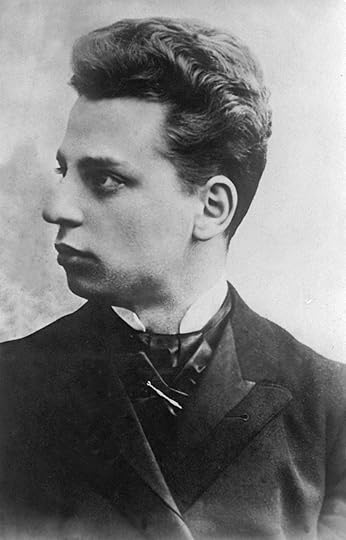
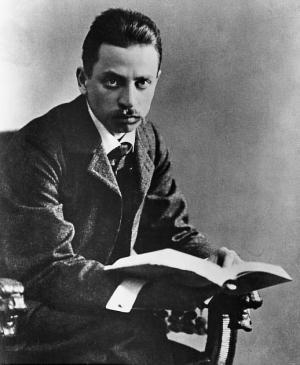
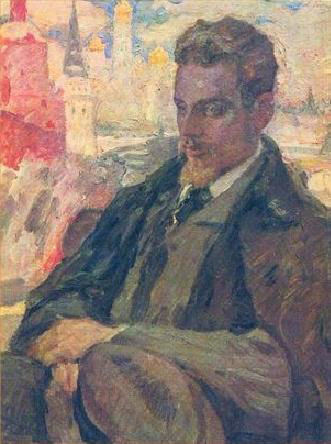
Rainer Maria Rilke

1,800 books6,956 followers
A mystic lyricism and precise imagery often marked verse of German poet Rainer Maria Rilke, whose collections profoundly influenced 20th-century German literature and include The Book of Hours (1905) and The Duino Elegies (1923).

People consider him of the greatest 20th century users of the language.

His haunting images tend to focus on the difficulty of communion with the ineffable in an age of disbelief, solitude, and profound anxiety — themes that tend to position him as a transitional figure between the traditional and the modernist poets.

His two most famous sequences include the Sonnets to Orpheus , and his most famous prose works include the Letters to a Young Poet and the semi-autobiographical The Notebooks of Malte Laurids Brigge .

He also wrote more than four hundred poems in French, dedicated to the canton of Valais in Switzerland, his homeland of choice.

Ratings & Reviews

What do you think?
Rate this book

Friends & Following

Create a free account to discover what your friends think of this book!

Community Reviews

5 stars
34 (12%)
4 stars
89 (32%)
3 stars
115 (42%)
2 stars
28 (10%)
1 star
6 (2%)
Displaying 1 - 28 of 28 reviews
Profile Image for Michael.
28 reviews33 followers
February 3, 2019


1895, Prague.
The young gentleman is seated at a table in the corner of the National Café. His dark suit to a certain extent makes him blend into the shadows, although his pale, intense face shines out into the world of the smoky room from above the starched color of his white shirt. On the table in front of him are stacked a small handful of books, and he is seen intermittently scribbling notes into a small octavo notebook, lying open-faced next to his glass of absinthe. His age is difficult to ascertain, but we know that he is twenty at this time. He should be studying for his University entrance examn, which is only a few weeks away, but as so often he has stolen away to spend a few hours here in the old café across from the Czech Theater. Here, where the artists and literati of Prague come to discuss the art and culture and issues of the day. Although he does not participate in these discussions at the tables around him, he astutely listens to the heated discussions taking place all around him. Often, the debates circle around to the most pressing question of the time: Czech independence from the rule of the Hapsburgs. Although himself of German descent, the rebellious atmosphere amongst the Czech finds sympathy with the young man, who has been waging his own rebellion against his class conscious German mother and father since adolescence. The name of the young man is René Karl Wilhelm Johann Josef Maria Rilke.


1988, Roskilde.
During the autumn and winter of my eighteenth year, I would once or twice a month take the autobus from my small village into Roskilde, and spend a few hours at the big “Amts Bibliotek.” The Central Library of the region was home, not only to a large music lending library, but also a considerable collection of English-language books, and above all histories of literature and cinema. I would come equipped with a stack of notecards, and then quickly skim through the large tomes discussing the literary history of different countries or movements, zeroing in on the names of any author that sounded interesting. Each notecard would then be dedicated to an author. On one side of the notecard the name of the author, the years of his or her life, the country of activity, and any other important notes. On the other side of the card, the key works, or often complete lists of works. I ended up with hundreds of these cards. Authors like Abe, Agee, Balzac, Beckett, Céline, De Beauvoir… Mann, Nabokov, Pasternak, Rilke…
Somehow, the entry for Rilke is the one I will never forget. It was a short biography of his life with a photograph of the poet leaning slightly forward over a large book, his hair combed back, a moustache drooping over his upper lip, his eyes intensely directed at the camera. His work was summed up in a couple of brief sentences that sought to impress on the reader, the quality of his poems as unique and otherworldly, his use of language as visually rich and intensely beautiful. The photo and brief text inspired a feeling in me akin to friendship, or, an interest to befriend this man through his work.


1897, Munich.
Outside, snow is descending on the old roofs of the city, and through the silence of the night, the bell of the Frauenkirche has just struck two. A kerosene lamp with a green shade throws its soft light over the surface of Rilke’s desk, many volumes of literature and philosophy pushed to its edges, a folded newspaper with a headline in Gothic script heralding riots in the streets of Prague, and papers covered with verses in the poet’s swirling hand visible on both sides of the young man’s hunched figure, as he is leaning over a sheet of paper with only a few lines on it so far: “Entering the National Café across from Prague’s Czech theater at three in the afternoon, the great actor Norinski started, then immediately smiled…”


1994, Chicago.
On one of my first days in this city that is so much grander and visually overpowering than I had ever imagined, I come upon a small bookstore called “Sandmeyer’s.” It is conveniently located in the Loop, close to the buildings that are home to my school. The middle-aged owner is very friendly and talkative, his English still flavored with a slight German accent. The store is small, and the selection of books is limited, but there is no book here that Mr. Sandmeyer and his wife do not personally love. I make good on a promise I made to myself a long time ago and purchase a beautiful little volume of Rilke’s poems. It is only a selection, but presented in dual language.
The following year is full of so many experiences, films seen and created, books read, friendships made. Sometimes, alone in my room at night, I open the little book of Rilke’s, and I let my eyes take in a single poem, first in English, then in the original German. I am not really up to the task in either language, but I savor the images, and imagine that I somehow touch from a distance what Rilke intended.

Sometimes the curtain in his eye lifts
inaudibly. An image enters dully,
travels the tautened quiet of the limbs--
and in the heart ceases to be.

Nur manchmal schiebt der Vorhang der Pupille
sich lautlos auf –. Dann geht ein Bild herein,
geht durch der Glieder angespannte Stille –
und hört im Herzen auf zu sein.


At the end of the year, I gift the book to a girl, who has become special to me – I write a couple of lines on the flyleaf, put it in a small brown paperbag with Sandmeyer’s logo printed on it, and push it into her mailbox. I never saw the girl again.


1899, Schmargendorff.
The two novellas about Prague are published early that year. Knowing perhaps that these two little stories will confound many of his German friends and colleagues, Rilke adds a short Foreword to the book before it goes to print:

This book is sheer past. Homeland and childhood – both of them long remote – form its background. – Today I would not have written it this way, and so I probably would not have written it at all. But back then, when I wrote it, it was necessary for me. It made half-forgotten things dear to me and thus enriched me; for all we possess of the past is that which we love. And we want to possess all that we have experienced.


2018, Prague.
People, authors and poets enter and exit our lives. Some stay with us longer, and some shorter; some become integral to our lives, and some not, no matter what we hoped and expected. Rilke has been a poet that I thought I would spend much time with, but I never did. I did read his Letters to a Young Poet some years ago, but I probably really should have read it a decade or two earlier. Many times I took his poems from my shelf, and placed the book on my desk. I would look at the poems sometimes over the following weeks, and then at some point return the book to the shelf to make room for other books, to my shame never really committing to read or study his work.
Moving to Prague, Rilke re-entered my life unexpectedly. In the Czech sections of the bookstores here, I came across a slim volume again and again entitled Two Prague Stories. Initially, I passed it over, thinking that Rilke was German, and did not belong in my project to read Czech literature. Then, on reading the afterword of the book, I learned that Rilke in fact was born in Prague, and lived most of his first twenty years in the city. Thus, I included Rilke’s little book in my reading list for this year, and a few weeks later, on impulse I added his Gesammelte Werke to my small library here. I could find no English translation, so it became this huge bound edition in German, which, incidentally, does not contain the two early tales he wrote about Prague. If nothing else, its imposing size and red cover with embossed gold lettering will serve as a fitting monument to a reading project that I envisioned many years ago, but never truly embarked on.


2019, Prague.
I read Two Prague Stories in a pair of local coffee shops over two consecutive days, as Rilke wrote the stories over two consecutive years. They are “Prague” stories through and through, suffused with the young poet’s lyrical descriptions of the locations and sites of the city, often overpowering the tales that play out on its stage. The stories are linked by the character of Rezek, a young, rebellious student, enmeshed in the Czech nationalist movement. He enters the life of the tragic, hunchbacked, eponymous character of “King Bohusch” in the first story, as he enters the lives of Luisa and Zdenko, “The Siblings” of the latter story. In both instances he engenders the sense of national identity and ignites the flame of revolt, and in both stories his influence has fateful consequences for its protagonists. However, whereas Bohusch’s tale is one that leads down into the catacombs of the city and, eventually, of the cripple’s mind, the tale of the siblings describes more of an ascent of the story’s Luisa from a state of shyness and retreat into the possibility of a fulfilled womanhood.

The greatness of Rilke’s later work is probably only vaguely reflected in these stories. On the other hand, as snapshots of one of the critical times in Prague’s history, and as a portrait of the Golden City as such, the poet’s early stories are well worth the read.
Profile Image for Scot.
956 reviews35 followers
June 30, 2008
These two translated stories, written near the end of the nineteenth century, are a bit cumbersome to work through, but one gets the sense that they had a more effective flow and sense of continuity in the original German. Both stories deal with the rise of Czech nationalism in that period, and problems growing between the German speaking and Czech speaking populations of Bohemia and their disparate perceptions of "national" identity. Although a German speaking resident of Prague, Rilke's sympathy for the perspectives and concerns of the Czech nationalists comes through. (The German speaking peoples of Bohemia in this period are the ones I know better as Sudetenland Germans in 20th century European history.)

The stories spend a lot of time and care using specific settings in Prague, and Prague's sense of and place in history, to establish tone and mood. If you have ever been to Prague or know this beautiful city well you would probably enjoy these references, comparing and contrasting them with your own sense of the places when you were there.

Rilke reminds me in some ways of the contemporary American author Jonathan Safran Foer in that both place deep emphasis on family legacies, history, a sense of place that draws on magical realism, and the rights of and perspectives of the marginalized.
Profile Image for G. Munckel.
Author 12 books117 followers
October 1, 2025
En estos dos relatos largos, “El rey Bohusch” y “Los hermanos”, importa más la atmósfera gris que la trama (sutil y caprichosa, impredecible dentro de lo poco que ocurre). En ambos, Rilke pasea a sus personajes por Praga, reflexionando sobre la ciudad, su historia y sus heridas; sobre su gente y la tristeza que la aqueja; sobre la cultura y el pueblo y lo que los separa. “Nosotros sólo tenemos viejos y niños en lo que a cultura se refiere. Tenemos nuestro principio y nuestro final al mismo tiempo. No podemos perdurar. Esta es nuestra tragedia, no los alemanes”, dice Rezek, un personaje secundario que se mueve por los dos cuentos: un estudiante disconforme que está gestando una revolución y cuya sombra se proyecta sobre los protagonistas. Y en ambos cuentos aparece también la primavera como símbolo de una esperanza tímida por el final del frío y los días grises.

Admito que me costó seguirle el hilo a Rilke, quizás porque venía de leer literatura más reciente, quizás porque, al ser lo primero que leo de él, me faltaban las claves para entenderlo.
Profile Image for Peeter Talvistu.
205 reviews13 followers
August 8, 2020
Quite empty. Some of the descriptions are nice. The second story is more readable than the first one but not by much. It seems that Rilke has tried to say something about the birth of nationalist feelings but hasn't actually managed to convey anything.
Profile Image for Alan (the Lone Librarian rides again) Teder.
2,714 reviews256 followers
August 22, 2020
Rare Rilke Prose
Review of the Estonian language translation of the German language original Zwei Prager Geschichten (Two Prague Stories) (1899)
One of the greatest of German poets, Rainer Maria Rilke (1875-1926) left his hometown of Prague at the age of 20 and wrote two Prague-themed short stories a few years later in order to bring "a half-forgotten memory back again." The stories reflect the mood of the Czech intellectual community in Prague in the mid-1890s, their contradictions and relations with the local Germans. An important character in the stories is the city of Prague itself, its bridges, streets, cafes, lounges, courtyards, basements and cemeteries, the humid coolness of an early spring evening and empty nights with howling winds.
"Two Prague Stories," published by Loomingu Raamatukogu, is an imaginary sequel to Rilke's selection of early prose Armastusest (About Love) (LR 2007, No. 23–24, translated by Tiiu Relve).
- translation of the Estonian language synopsis

Two Prague Stories contains the tales King Bohush and The Siblings. Bohush is the name of a forlorn and hapless hunchback who intermingles with the Czech nationalist underground in the Austro-Hungarian ruled city of Prague and meets a sad fate. The Siblings are sister Luisa and brother Zdenko, living in Prague with their mother and a housekeeper after their father's passing. The tie-in between the stories is a reckless nationalist university student named Rezek. While the end of the first story is shocking and depressing, the finale of the second is uplifting and is somewhat of a metaphor for Rilke's sympathies with Czech nationalism. I didn't get any sense of the mysticism and modernism of Rilke's later poetry. The stories paint a portrait in time of the city and its future nation's aspirations.

Publisher 'Loomingu Raamatukogu's usual care in presentation was superbly done with copious footnotes to explain all of the Prague/Czech references and an extensive afterword by translator Tiiu Relve.

Trivia and Links
The Loomingu Raamatukogu (The Creation Library) is a modestly priced Estonian literary journal which initially published weekly (from 1957 to 1994) and which now publishes 40 issues a year as of 1995. It is a great source for discovery as its relatively cheap prices (currently 3 to 5€ per issue) allow for access to a multitude of international writers in Estonian translation and of shorter works by Estonian authors themselves. These include poetry, theatre, essays, short stories, novellas and novels (the lengthier works are usually parcelled out over several issues).

For a complete listing of all works issued to date by Loomingu Raamatukogu see Estonian Wikipedia at: https://et.wikipedia.org/wiki/Looming...
Profile Image for Vittorio Ducoli.
581 reviews84 followers
January 1, 2016
La patria di un poeta senza patria

Pubblicando queste Due storie praghesi nel 1899 Rilke scrive: Questo libro non è altro che passato… Oggi non l'avrei scritto così, vale a dire che non l'avrei scritto affatto..
Quello del 1899 è già un Rilke senza patria, che vive ormai da due anni a Monaco di Baviera, ha dimenticato la tenera Vally della sua giovinezza praghese per gettarsi tra le braccia senza dubbio più energiche di Lou-Andreas Salomé, si accinge a partire per il lungo viaggio in Russia.
E' quindi logico che due racconti scritti qualche anno prima, ambientati nella natìa Praga e centrati sul tema dello scontro in atto tra la dominante élite tedesca e la nascente coscienza nazionale ceca fossero ormai lontani dall'orizzonte culturale e personale del poeta.
Eppure, con gli occhi dei posteri, possiamo dire che si tratta di due racconti estremamente importanti per comprendere l'evoluzione della poetica di Rilke, per scorgere le radici di quel cosmopolitismo che costituirà uno dei tratti più importanti , anche se non certamente l'unico, del suo pensiero. Si tratta anche, lo dico subito, di due racconti a mio avviso molto belli, anche se profondamente diversi l'uno dall'altro, dei quali consiglio caldamente la lettura.
Rilke appartiene alla minoranza tedesca di Boemia: si tratta di una vera e propria classe dominante che, come viene ben spiegato nella postfazione di Marino Freschi, guarda più al militarismo prussiano che alla paternalistica cacania, che dopo i moti del 1848 vede con sospetto ogni apertura alla cultura slava, sentendola come una minaccia al proprio predominio economico e sociale, che considera gli slavi poco più di un ottimo serbatoio di manodopera per le sue imprese. Il giovane poeta, tuttavia, non riconosce la propria appartenenza a questa casta, di cui percepisce tutta la carica prevaricatrice: forse questo atteggiamento deriva anche dal carattere oppressivo dei suoi rapporti familiari, stretti tra un padre che vuole instradarlo verso la carriera militare che a lui ha dato poche soddisfazioni e una madre che aspira, senza riuscirvi, alla promozione sociale nei salotti aristocratici e della grande borghesia, e che in memoria della figlia primogenita morta piccola costringe René (Rainer sarà nome datogli da Lou-Andreas Salomé) a vestirsi da bambina.
Rilke quindi si sente da subito uno straniero anche nella sua città natale, nella quale la maggior parte degli abitanti parla una lingua diversa dalla sua. Questo senso di straniazione è probabilmente accentuato anche dal carattere particolare della città, carattere gotico, oscuro, misterioso, esoterico; insomma la Praga magica ma anche matrigna, la Praga periferia dell'impero dove tre diverse culture si guardano con sospetto non riuscendo a convivere e ad esprimersi vicendevolmente appieno, che costituisce il fondamento essenziale delle mirabili cattedrali culturali erette da gente come Meyrink, Kafka, Werfel e molti altri.
E' in questo clima sociale e culturale che lo avvolge, e che si riflette appieno nei suoi tormenti interiori, che il giovane Rilke scrive le sue Due storie praghesi, nelle quali da un lato - nel primo racconto - punta il dito contro gli errori e il fanatismo del nazionalismo rivoluzionario di stampo anarchico e dall'altro – nel secondo - tenta, forse maldestramente e ingenuamente dal punto di vista politico ma con un già riconoscibile grande afflato poetico, di indicare una soluzione al conflitto latente tra tedeschi e cechi.
I due racconti sono infatti idealmente l'uno la continuazione dell'altro, e questa continuità è evidenziata plasticamente dalla presenza di un personaggio in comune, lo studente nazionalista e cospiratore Rezek, che nel primo racconto svolge un ruolo da coprotagonista mentre nel secondo appare in termini solo apparentemente più sfumati. Questa continuità programmatica non si ritrova invece a livello stilistico, in quanto il secondo racconto risulta molto più elaborato e maturo del primo, apparendo decisamente diverso anche nell'approccio stilistico.
Re Bohusch, che apre il libro, è la storia di un misero impiegato, gobbo, che vive ai margini della vacua intellighentsia ceca che solo a parole e comodamente sdraiata nei caffè cittadini blatera contro le prevaricazioni dei tedeschi: un giorno entra in contatto con lo studente Rezek, al quale confida per caso che nel suo scantinato c'è una sorta di stanza segreta; Rezek cerca di ingraziarsi il povero gobbo, al solo scopo di poter usare la stanza per le riunioni clandestine del suo gruppo. Re Bohush (è il soprannome del povero gobbo) che sino ad allora era stato emarginato da tutti, si sente improvvisamente al centro di un contesto importante, sogna di divenire il leader della rivolta rivoluzionaria e di poter così riconquistare la ragazza che ama, che naturalmente l'ha sempre preso in giro. Quando il nascondiglio sarà scoperto dalla polizia esploderà, crudele, il dramma.
Il racconto, dai toni molto cupi ed in cui la figura del protagonista assume tratti quasi caricaturali, è stato sicuramente molto influenzato dalla lettura de I demoni di Dostoevskij, soprattutto per quanto concerne la fosca figura di Rezek. Come dicevo con questo racconto Rilke lancia un atto d'accusa, sia nei confronti dell'intellettualità ceca praghese, dipinta con una grande carica sarcastica come vacua e parolaia, sia nei confronti di chi vede nella cospirazione e nell'azione violenta di stampo anarchico il mezzo per sconfiggere la dominazione tedesca. Nel racconto è espresso, per bocca di Rezek, un concetto che diverrà centrale nel secondo racconto: il fatto che il popolo ceco è un popolo ancora come un bambino pieno di desideri, nessuno dei quali è stato ancora esaudito. A questo popolo bambino si contrappone una intellettualità nata già adulta, che non è in grado di cogliere i veri desideri del popolo ma guarda astrattamente a modelli occidentali, parigini, per sognare una società diversa.
Il secondo racconto, Fratello e sorella, è estremamente più complesso, e contrappone alla matrice tardo-naturalista del primo una struttura stilistica che vira decisamente verso il simbolismo.
La storia è quella di una famigliola della piccola borghesia ceca, i Wanka, composta da madre e due figli, che dopo la morte del padre si trasferisce da Kromau (la splendida Český Krumlov di oggi) a Praga. Per vivere la madre va a servizio da una famiglia della borghesia tedesca, che la tratta con una sdegnosa sufficienza venata di razzismo. Il figlio maggiore Zdenko, che frequenta l'università, entra in contatto con il circolo rivoluzionario di Rezek; a lui la diafana e gracile sorella diciottenne di Zdenko, Luisa, sacrifica (è proprio il caso di dirlo, vista l'indifferenza di Rezek) la sua illibatezza. Poco dopo Zdenko muore di polmonite, ed in Luisa si fa strada la consapevolezza di dover contribuire alla tenuta sia economica sia emotiva della famiglia. La stanza di Zdenko, sino ad allora una sorta di santuario, viene affittata ad un giovane impiegato tedesco. Quando, poco dopo, anche la madre di Luisa muore, questa prende ancora più coscienza del suo nuovo ruolo ed addirittura fa una velata proposta di fidanzamento al giovane pensionante.
Credo che per interpretare questo racconto sia necessario andare al di là della semplice storia familiare. Come detto, secondo me il racconto è di fatto la metafora rilkiana (del giovane Rilke) della questione ceca e la proposta di quella che il poeta vedeva come la sua unica soluzione. Luisa e Zdenko passano infatti dalla fase della presa di coscienza della propria condizione di subalternità (le umiliazioni subite dalla famiglia tedesca) alla adesione al rivoluzionarismo anarchico, che però si rivela, come nel primo racconto, essere crudele e asfitticamente chiuso nel proprio fanatismo. L'unica soluzione sta, ci dice Rilke forse con una buona dose di ottimismo ed ingenuità, nel matrimonio tra le due culture. Luise in questa metafora complessiva è il popolo ceco, che prima di potersi sposare con la kultur tedesca deve crescere, deve smettere di essere quel bambino irresponsabile e debole evocato in Re Bohusch. E' infatti ciò che accade a Luise, che perde la sua verginità per mano dei fanatici cechi ma da quel momento smette davvero di essere una bambina per divenire una donna cosciente del proprio ruolo nella storia, che sa cosa deve fare.
Il volume è chiuso da tre saggi, dei quali il più importante è sicuramente quello finale di Marino Freschi che, sia pure con accenti a mio avviso troppo attenti agli aspetti di carattere esoterico della città e della poetica rilkiana, mette in luce alcuni nodi cruciali del rapporto tra Rilke e la sua città natale.
Chi ha letto le Elegie duinesi o I quaderni di Malte Laurids Brigge, chi ama il Rilke senza patria, il poeta dell'invisibile, forse si troverà spiazzato di fronte a queste opere giovanili: io credo tuttavia che quel Rilke non possa essere compreso appieno senza prima esplorare le radici profonde di questo suo essere apolide: in questi racconti le torri e i ponti di Praga ci possono fornire alcune di tali radici.
Profile Image for Kaarel Aadli.
212 reviews41 followers
January 18, 2021
No kuradi-kuradi-kurat. Veel ei ole tema luulet lugenud, loodan südamest, et seda suudan. Muidugi annan andeks ka, suur nimi, aga need lood on kirjutatud ikkagi väga noorelt. Südikus ja sisu on olemas, aga vorm ja keel lihtsalt kägistavad igasuguse lugemistahte: liiga palju kujundeid ja samas liiga laialivalguvalt edastatud. Seda viimast jällegi nagu ei saa kritiseerida, sest ta olevat need ka, nagu aru saan, suuremalt jaolt iseendale kirjutanud, et kallist lapsepõlvelinna mäletada. Oleks ilmselt kõvasti lahedam olnud, kui oleksin üleeelmise sajandi lõpus Prahas elanud, oleks kõigist nendest vihjetest popkultuurile ja geograafiale ka pihta saanud.
Profile Image for Ellen Lambrichts.
23 reviews4 followers
February 26, 2015
Dit is een jeugdwerk van Rilke, dat de sfeer in het Praag van 1900 uitstekend vat. Amper een halve eeuw geleden had Tsjechië zich losgemaakt uit het Oostenrijks-Boheemse Rijk, en de stille vijandschap tussen de Tsjechen, die ook wel 'Bohemers' werden genoemd, en de inwonende Duitsers, is niet alleen nog duidelijk te voelen; de Tsjechische rebellie groeit onderhuids zienderogen aan en stevent af op een explosie.
Met deze politieke onrust als achtergrond schildert Rilke zijn personages, en doet dat op meesterlijke manier. Hij weet het Duits een zeldzame poëzie te verlenen zonder zweverig te worden, weet weids te schrijven en toch intiem. Je wordt probleemloos meegetrokken in de gedachten van zijn personages, in hun angsten en dromen, je wandelt met hen mee door de straten van het Praag van 1900, en voor je het weet zit je in Café Slavia, over een koffie gebogen, stiekem te luisteren naar de gesprekken van de schrijvers en schilders om je heen.
Wat wil een mens nog meer?

"Aber als der Bucklige ihren Blick fand, musste er an einen dunklen Wald denken. An nichts Schreckliches, nur an einen dunklen Wald, und drin lässt sichs ja wohl wohnen."
Profile Image for Markus.
661 reviews105 followers
February 28, 2017
Prague 1899 -
Rilke n'a que 24 ans quand il écrit ces deux petites histoires, et pourtant ce sont déjà des chefs-d’œuvre. Il les considère comme des souvenirs de jeunesse, "Ce livre est sur le passé. Pays natal et enfance - tout deux disparu depuis longtemps - en sont le décor.
Les personnages : l’inquiétant étudiant Retzek ombrageux nationaliste; le "roi" Bohusch l'infirme méprisé, espérant d'impossibles amours et secret mégalomane; Louisa, la vierge perpétuellement inquiète et victime de visions hallucinantes et terrorisé par les contes de la vieille cuisinière;
Zdenko son frère, partagé entre ambitions et études de médecine et implications dans des organismes militantes;
Les deux histoires se trouvent entrelacés comme une symphonie, les mêmes personnages et les mêmes visions revenant avec un rythme musical.
Pour moi un très grand petit livre.
Profile Image for Graciosa Reis.
540 reviews52 followers
Read
April 16, 2023
Estas duas histórias, escritas pelo autor quando tinha 24 anos, retratam o ambiente político agitado pelo confronto nacionalista, no final do século XIX, em Praga. Na altura, era habitada por cento e quarenta mil checos e vinte e sete mil alemães.
“Foi ali [no Café Nacional, por poetas e pintores, actores e estudantes] que Wanda ouviu falar das questões da “nação” e que tomou, pela primeira vez, conhecimento das suas aflições e dificuldades e das suas aspirações secretas e profundas” (p.101)
Os protagonistas são jovens estudantes que vivem a ocupação alemã e por conseguinte acompanham os ideais revolucionários da época.
As duas histórias apresentam a mesma temática e algumas personagens em comum. No segundo conto
Gostei de ler e de conhecer o testemunho do autor sobre esta época conturbada da sua cidade natal.
Profile Image for josé almeida.
359 reviews18 followers
December 25, 2018
curioso livro - cuja existência desconhecia completamente - comprado em praga numa livraria que é uma réplica da shakespeare&sons. são duas histórias escritas por rilke no final do século, pouco depois de abandonar a sua cidade natal. já foram escritas na alemanha e nelas se notam duas coisas: o seu domínio da prosa está longe do que veio a mostrar na poesia e, como não podia deixar de ser, nelas está sempre presente esse conflito entre a alma checa e o domínio alemão. as duas pequenas novelas têm um sabor algo romântico, onde os personagens parecem comandados por impulsos alheios à vontade própria e onde a cidade de praga está omnipresente. rilke confessou mais tarde "se fosse hoje não as escreveria", e percebe-se. mas, mesmo assim, ainda bem que as escreveu.
Profile Image for John Bowis.
138 reviews1 follower
November 17, 2023
The German speaking, Austrian origin and Prague born wrote these two stories against the background of the struggle between the Czech and German populations of Bohemia and Moravia, that would eventually lead to the Sudeten issue seized on by Hitler some thirty years later. The two stories are different but complementary, linked by the student Rezek but also by the topography and cityscape of Prague. Knowing something of that city with its Quarters and cafés and bridges and churches, such as the Maltese Church, added to the enjoyment of the book. The 'afterword' points out that, to a considerable extent, Rilke was 'rebelling against his fanatically German and snobbish mother'.
Profile Image for Lysergius.
3,162 reviews
August 9, 2023
It seems Rilke was interested in Czech nationalism and these stories reflect this interest. There some interesting hints as to the nature of Prague and the German majority in the city. Clearly this situation was a powder keg for the authorities in Vienna since the Czechs could no longer be deflected from the aim of autonomy and self government. Apparently this interest was Rilke's for of youthful revolt against his parents.
Profile Image for Lucía.
24 reviews
August 2, 2025
Rilkean heart I looked for you
To give me transcendent experiences
To transport me out of self and aloneness

«Así llegó el Día de Difuntos. Ese día incluso las calles espaciosas de la Neustadt parecen pensativas. En las elegantes floristerías se exponen coronas lujosas y soberbias, y sus extrañas flores no saben sonreír».

Leer a Rilke por primera vez me hace pensar en Jeff Buckley (gracias Liz Fraser).
Profile Image for Felip Cervià.
12 reviews
June 13, 2024
D'altres llibres de poemes de Rilke m'han semblat el súmmum, aquest no desmereix. Tenia vint-i-quatre anys quan el va escriure, però igualment és ple del sentit poètic que impregna la resta de la seva obra.
Profile Image for Debra B..
324 reviews4 followers
March 3, 2019
I was delighted to read the lyrical prose of Rilke in these two beautifully written short stories/novellas, having only read Rilke's poems and letters before.
Profile Image for Tait.
Author 5 books62 followers
June 12, 2008
I am generally a big fan of Rilke's work, and after reading these early stories of the brilliant poet I was not surprised to learn that he had wanted them forgotten, or left unconnected to his mature oeuvre, though it is always interesting to see the places where great artists develop. These two longish short stories concern the lives of Czech students and artists living amongst the German occupation of Prague, which immediately sets this book apart, for it concerns political and even revolutionary themes which seem to have vanished in Rilke's more famous poetry, ideals of his youth perhaps transmuted into the all consuming vision of The Duino Elegies and The Notebooks of Malte Laurids Brigge. While there is some amount of plot, one can already see Rilke as poet making grand emotionally descriptive passages about setting and place, so that we are almost more presented with a window or kaleidoscope into the world of his youth then an actual plot, which at times makes it difficult to follow.
Profile Image for Aimi Tedresalu.
1,354 reviews49 followers
July 18, 2020
Rilke on minu jaoks siiani ennekõike luuletaja olnud, kuid need kaks novelli pakkusid üllatavalt mõnusa proosaelamuse. Eriti veel arvestades, et Rilke kirjutas need 22-aastasena pärast sünnilinnast lahkumist. Kindlasti meeldis mulle raamatu tagakaanel toodud fakt, et "oluline tegelane on lugudes ka Praha linn, selle sillad, tänavad, kohvikud, ärklitoad, hoovid, keldrid ja kalmistud, varakevadise õhtu niiske jahedus ja tühjad ulguvad ööd." Tegelased on enamasti 19.sajandi lõpu haritlaskonda kuuluvad ja lisaks omavahelistele suhetele ja olmemuredele tõusevad esile ka rahvusprobleemid. Kui kirjanik oskab kirjutada nii, et tegelaste käekäik lugejale südamesse läheb ja erinevaid tundeid esile kutsub, siis on ta eesmärk korda läinud. Muidugi soovitan.
Profile Image for Karla Huebner.
Author 7 books94 followers
Read
August 6, 2013
These 1890s novellas by the poet Rilke are, as the translator notes, most interesting for their view of Prague Czech-German relations during a period of aggressive Czechification. From a literary perspective, they show a young writer learning his craft under the strong influence of fin-de-siècle Prague literature (Meyrink, Leppin, Karásek, etc.). While I'm interested in that literature, it can be pretty heavy on the lugubrious, Gothic, morbid-psychology side of things, and typical of some of these writers, Rilke doesn't always make it clear just what's going on--the reader has to pay close attention to keep track and may still get confused.

So, this is probably a must-read for fans of Rilke, scholars of all things Czech or all things fin-de-siècle, and people who can't resist stories about gloom and decay and morbid psychology, but the average reader will probably not care much for it.
88 reviews
December 31, 2020
3+

Individual thoughts on each of the two stories:

King Bohusch
3
Lyrical, a little frenetic, and steeped in Prague-ness. A strange but charming little story, not the easiest read but full of lovely introspective moments, mostly for the peculiar King Bohusch. I quite enjoyed it, even if it doesn't appear to measure up to Rilke's extraordinary poetry. 

The Siblings
4
Another very poetic story, perhaps unsurprisingly given the author. This I found far more touching, even beautiful, in its lyrical writing, it's folksy magical touches, the strange and charming Luisa and her journey from fearfulness to joy and confidence, and the different characters' passages through grief, loss and healing. An unusual but worthwhile little read!
Profile Image for Emily.
431 reviews8 followers
December 28, 2013
I'm not particularly knowledgeable about Rilke, so I enjoyed these stories on their merits, especially "Two Siblings." The descriptions are wonderful, and the ending kind of reminded me of The Metamorphosis. Makes me inclined to read more of his poetry.
Profile Image for Chrétien Breukers.
Author 30 books73 followers
October 20, 2023
Geen top-Rilke, maar wel 3.5 sterren. Twee ‘magisch-realistische’ of symbolistische verhalen uit de kelders van het Duits-Tsjechische conflict dat eind negentiende eeuw opbloeide.
Displaying 1 - 28 of 28 reviews

Can't find what you're looking for?

Get help and learn more about the design.