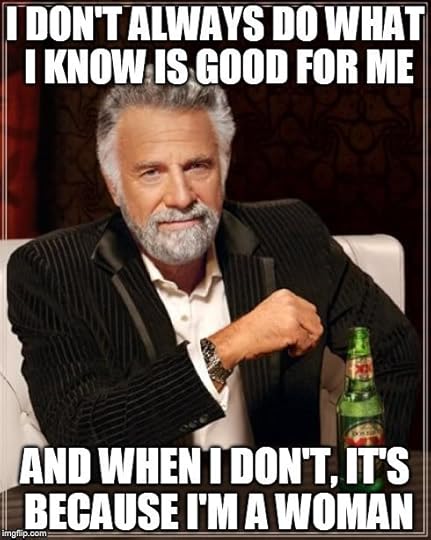
Tutte noi sappiamo quello che è giusto fare: seguire una dieta sana ed equilibrata, andare in palestra o in piscina, non sperperare il denaro in acquisti superflui, evitare di prendere decisioni affrettate e di cui un giorno potremmo pentirci. Eppure, trasgrediamo volentieri alle regole alimentari, ci sottraiamo con qualche scusa all'esercizio fisico, per distrarci dopo una brutta giornata andiamo a fare shopping in modo compulsivo e qualche volta, anzi più di una volta, ci accompagniamo a partner non proprio ideali. Anche se in famiglia e sul lavoro siamo bravissime, non ci prendiamo grande cura di noi stesse. In pratica, ci trascuriamo. Questo libro ci dimostra che è possibile salire sull'«autobus» della nostra vita per sederci al posto dell'autista e non nell'ultimo posto in fondo. Che è possibile, e doveroso, non rinunciare a noi stesse, e vivere in armonia con il mondo intero. Perché non faccio le cose che mi fanno bene? inizia esplorando le ragioni più comuni per cui le donne non si prendono cura di se stesse. Una volta riconosciute queste barriere, spiega come adottare le misure per superarle. Piccoli cambiamenti possono avere un grande impatto sulla qualità della vita: passo dopo passo possiamo abbandonare vecchie abitudini che sappiamo non essere adatte a noi. In modo semplice, diretto ed efficace, l'autrice fornisce consigli, strumenti e suggerimenti per volerci bene, il modo migliore per prenderci cura anche delle persone che amiamo.
Was hoping for more of why I don't do the things I know are good for me. Guess I have to go to therapy for that. Did read this in a day even though you are to read it a section per week. Not trying to sound smug, but I know that to do the things I should, I have to start doing them be it one small step at a time. So, maybe what I got out of this book is the enforced goal that this summer I will to try to eat one more serving of either fruits or veggies per day. That is a small step and perhaps I'll even achieve it. Notice I didn't say anything about not eating sugary snacks and/or ice cream. Wonder if I'd stop that if I knew more of why I do it? Nah, I doubt it.
Personal development is one of my interests - and her chapter ends on reflecting on the topic were valuable. Some of the content in th chapters was to self involved and presumed conditions were universal for all women.
I stopped reading on page 30, when she related how she used to feel oppressed and dominated by men, and how she was dependant on her dad to pay for her grad school, and her ex-husband to pay alimony, and how horribly resentful she was of them for it. She shared how she purposely bought an expensive coffee table, outside of her budget, as an act of rebellion, to show them that she owned herself, when they came by and saw that nice piece of furniture. That'll show them. I found this attitude and action so repulsive and idiotic, I immediately closed the book. "Oh no, poor me, someone else is paying my bills and helping me become eventually financially independant... must be a sign of male dominance in society..." Sweet Mercy, woman. If you want independence, you should have invested that coffee table money. Or maybe not chosen a useless degree in Sociology.
Understanding does not solve the problem. Actions solve the problem. Only actions alleviate anxiety. Do something. If it works, do more. If it does not work, do something else! Brilliant!
People who feel good about themselves produce great results and people who produce great results feel good about themselves. – Ken Blanchard
Don’t tell me where your priorities are. Show me where you spend your time and money and I’ll tell you what your priorities are.
The mind is everything. What you think, you become. – The Buddha
You can tell a lot about a person by the way they handle these 3 things: a rainy day, lost luggage and tangled Christmas tree lights. – Maya Angelou
Highly recommended by a patron when they returned it, this little self-help book is quite good. Gallagher keeps things short and sweet, and structures the book in a way that you can read through it, or come to it bit by bit. The idea that we can change our behavior by changing our language -- instead of saying "I should go to the gym tomorrow," saying "I want to go to the gym tomorrow" -- is a simple, and yet fascinating one.
Rather than being especiall enlightening or having better advice than anything else I've ever read, it really just got me thinking. Some of the exercises are kind of a waste of time and most of the advice is stuff you already know. But it did get me thinking and made me truly look at why I don't do the things I know are good for me.
Simple advice that you can get in any magazine. I do like her basic and easy writing style. Also, she occasionally interjects her own entertaining bits, i.e. "I pissed away the day" which I like, but a pretty simplistic book overall. Check out from the library but don't buy.
"letto", ma anche no. Magari avrebbe potuto non essere nemmeno male, ma perché indirizzarlo solo alle donne? E perché farne (quasi) unicamente un problema di genere?