

What do you think?
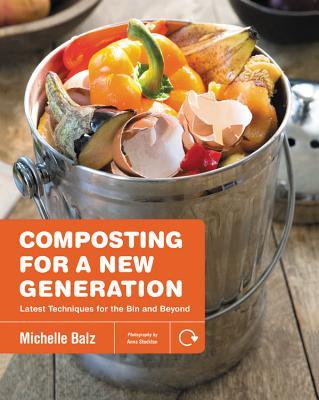
Composting for a New Generation: Latest Techniques for the Bin and Beyond
Whether you garden on a small city lot or on a large country property, Composting for a New Generation covers everything you need to know to make great compost quickly.
Composting is not just about reducing food and yard waste ; it’s also about improving the health of your soil and the productivity of your garden . Compost is full of nutrients and beneficial microbes that help plants thrive, but store-bought compost is expensive and often comes packaged in non-recyclable plastic bags. Instead of running to the store to purchase compost, learn how to make your own rich, earthy compost and watch your garden thrive .
Composting for a New Generation explains the complex science behind effective and efficient composting in layman’s terms and includes detailed information on tried-and-true composting methods right along with new, innovative techniques. From traditional bin composting (including step-by-step instructions for building your own bin) and vermicomposting , to keyhole gardens and trench composting , you’ll close the cover with all the knowledge needed to be an expert composter today . Plus, you’ll learn how to use all that “home cooked” compost successfully.
Composting for a New Generation is the most complete book to date on organic composting.
Composting is not just about reducing food and yard waste ; it’s also about improving the health of your soil and the productivity of your garden . Compost is full of nutrients and beneficial microbes that help plants thrive, but store-bought compost is expensive and often comes packaged in non-recyclable plastic bags. Instead of running to the store to purchase compost, learn how to make your own rich, earthy compost and watch your garden thrive .
Composting for a New Generation explains the complex science behind effective and efficient composting in layman’s terms and includes detailed information on tried-and-true composting methods right along with new, innovative techniques. From traditional bin composting (including step-by-step instructions for building your own bin) and vermicomposting , to keyhole gardens and trench composting , you’ll close the cover with all the knowledge needed to be an expert composter today . Plus, you’ll learn how to use all that “home cooked” compost successfully.
Composting for a New Generation is the most complete book to date on organic composting.
192 pages, Paperback
First published December 19, 2017
About the author
Michelle Balz
4 books10 followersMichelle Balz is a long-time backyard composter with a passion for reducing our impact on the planet. She spends her days writing laid-back advice for home composters in the Confessions of a Composter blog, teaching classes on backyard composting, and learning everything she can about composting, recycling, reusing, and waste reduction. Since 2002, Michelle has worked as a solid waste (a.k.a. garbage) professional encouraging residents and businesses to reduce their waste and use fewer resources. Michelle has a bachelor’s degree in Environmental Studies and a master’s degree in Professional Writing both from the University of Cincinnati. She lives in Cincinnati, Ohio with her high-school-sweetheart-turned-husband Adam and two adorable children Benjamin and Emily.
Ratings & Reviews
Friends & Following
Create a free account to discover what your friends think of this book!
Community Reviews
Displaying 1 - 30 of 60 reviews

April 29, 2018
If you’ve always wanted to compost but didn’t know where to start, or if you’ve been composting for years but want to switch up your methods, a great new book has you covered.Composting for a New Generation: Latest Techniques for the Bin and Beyond
Michelle Balz’s Composting for a New Generation: Latest Techniques for the Bin and Beyond is a phenomenal book to answer any questions you could possibly think up about composting, and a couple of hundreds you probably couldn’t think of.
I got the opportunity to read a digital version recently and didn’t expect to get much out of it. We’ve been using a rolling compost ball for a few years and I’m just not that happy with the results. It’s heavy and while I love the idea of just rolling it around to turn the compost, that doesn’t really work once it’s fairly full of veggie scraps, garden waste, soil, water and developing compost (at least not for 5 foot tall me). So I was really looking for some new ideas and was pleasantly surprised to come back with far more than I expected.
This is a gorgeous book, full of full color photographs, detailed instructions, charts, projects and helpful hints. It features all different kinds of compost piles, bins and plans, and information on everything related to compost.
What’s really surprising is that the book is so fun. The author is so passionate and likeable that her enthusiasm is contagious, and it’s honestly a just plain enjoyable read.
Chapters include information on composting basics, the science of composting, types of compost bins, vermiculture (worm composting), maintaining and using your compost and much more. There are also lots of plans to make all kinds of composters of your own, along with information on great principles like keyhole gardens, which use a central sort of compost pile with a built up garden around it.
I really enjoyed this book and heartily recommend it to anybody wanting to get started composting or improve their compost situation and skills. You can find it online at sites like Amazon, order it through your local book store or request it through your local library.
(From a review on my blog, A Magical Life here: http://magicalchildhood.com/life/2018...)
Michelle Balz’s Composting for a New Generation: Latest Techniques for the Bin and Beyond is a phenomenal book to answer any questions you could possibly think up about composting, and a couple of hundreds you probably couldn’t think of.
I got the opportunity to read a digital version recently and didn’t expect to get much out of it. We’ve been using a rolling compost ball for a few years and I’m just not that happy with the results. It’s heavy and while I love the idea of just rolling it around to turn the compost, that doesn’t really work once it’s fairly full of veggie scraps, garden waste, soil, water and developing compost (at least not for 5 foot tall me). So I was really looking for some new ideas and was pleasantly surprised to come back with far more than I expected.
This is a gorgeous book, full of full color photographs, detailed instructions, charts, projects and helpful hints. It features all different kinds of compost piles, bins and plans, and information on everything related to compost.
What’s really surprising is that the book is so fun. The author is so passionate and likeable that her enthusiasm is contagious, and it’s honestly a just plain enjoyable read.
Chapters include information on composting basics, the science of composting, types of compost bins, vermiculture (worm composting), maintaining and using your compost and much more. There are also lots of plans to make all kinds of composters of your own, along with information on great principles like keyhole gardens, which use a central sort of compost pile with a built up garden around it.
I really enjoyed this book and heartily recommend it to anybody wanting to get started composting or improve their compost situation and skills. You can find it online at sites like Amazon, order it through your local book store or request it through your local library.
(From a review on my blog, A Magical Life here: http://magicalchildhood.com/life/2018...)

January 21, 2020
I wish I could give this book ten stars. It is an excellent starting point for composting beginners like me! The tone of the book is light and conversational while also managing to be very precise and thorough.
The author covers all the basics and building blocks of composting and decomposition, then offers a great variety of composting methods, including DIY instructions and compost recipes for each of the different methods.
I truly enjoyed reading this book cover to cover, and will be very grateful to return to it as a reference book during the warmer months! 10/10 would recommend.
The author covers all the basics and building blocks of composting and decomposition, then offers a great variety of composting methods, including DIY instructions and compost recipes for each of the different methods.
I truly enjoyed reading this book cover to cover, and will be very grateful to return to it as a reference book during the warmer months! 10/10 would recommend.
October 25, 2019
Must have this one. Awesome info.

October 17, 2021
Okay……
Is it weird how much I loved this book about composting? Honestly I don’t think so because it was so good! I learned so much and the author made it feel so simple and stress-free to create a compost bin. I’m doing this for a school project but have wanted to make a compost bin for a while. Now I am ready to create some “brown gold”!
God I’m a nerd.
Is it weird how much I loved this book about composting? Honestly I don’t think so because it was so good! I learned so much and the author made it feel so simple and stress-free to create a compost bin. I’m doing this for a school project but have wanted to make a compost bin for a while. Now I am ready to create some “brown gold”!
God I’m a nerd.
April 25, 2018
Composting for the New Generation is a perfect book to get started in composting. It explains the different types of composters, the materials required to make the best compost and when and how to harvest it.
This book contains 8 chapters with the first three being dedicated to an introduction, science and the basics, such as tools needed. The other chapters explain where to put the compost bin, or using trenches, how to build various bins yourself, explains vermicomposting and harvesting.
The introduction contains information on soil layers, and the benefits of composting, apart from the lovely compost it makes - reducing waste at the landfill sites and improving soil are just two examples. The science chapter goes on to explain which creepie crawlies like the compost and that they should arrive by themselves. The 3 phases of decomposition is explained, alongside which materials provide carbon and nitrogen that a compost needs. Finally, there is a chapter on the basics which includes the tools required to get you started and what you can and can't put in the compost - vacuum dust is something that can be included along with small rodent droppings from any pets you may have. Cotton buds minus the plastic is also something that can be included.
The Maintenance chapter explains where to place your compost bin and how to get it started with the right material, including how to add air with aerator or certain materials and that it needs water. There are tips on how to avoid bad odours & other troubleshooting problems. It also explains hot composting, how to maintain in the winter and when to harvest the compost. An overview calendar of what to do each season is also supplied.
The Techniques chapter provides a number of projects on how to make you own compost bins, from using old trash cans to making your own tumbler. Each project comes with the materials needed to build it, the tools and pictures of how to go about it. There is a table with the advantages and disadvantages of each bin type..
Integrated composting explains a few other methods such as how to bury food in ground directly for the worms, trench composting, leaving grass cuttings on the grass, how to make African keyhole garden and moving compost heaps
Vermicomposting will be popular with the children as its all about having a wormery. It explains how to build your own & the type of worms required (not the gardens ones!) and what you can & can't put in there, Being worms its not as easy to retrieve the compost so gives tips on how to harvest the compost and troubleshooting the wormery.
Finally the Harvesting of that lovely compost. This chapter provides details on how to obtain the compost from each type of bin and what to do with it.
There is a helpful flow chart in appendix A to help you decide which method is best for you and Appendix B includes compost recipes.
Overall this is a great book for a beginner in composting, explaining all the different types of bins and how to put the correct materials in the bin. I will certainly be layering my own compost bin differently in the future so I get better compost from it and have learnt loads about composting that I had not considered before. Composting is like baking a cake, the right ingredients need to go in, in the right order and the right quantity, otherwise it's not very good!
I received this book from netgalley in return for a honest review.
This book contains 8 chapters with the first three being dedicated to an introduction, science and the basics, such as tools needed. The other chapters explain where to put the compost bin, or using trenches, how to build various bins yourself, explains vermicomposting and harvesting.
The introduction contains information on soil layers, and the benefits of composting, apart from the lovely compost it makes - reducing waste at the landfill sites and improving soil are just two examples. The science chapter goes on to explain which creepie crawlies like the compost and that they should arrive by themselves. The 3 phases of decomposition is explained, alongside which materials provide carbon and nitrogen that a compost needs. Finally, there is a chapter on the basics which includes the tools required to get you started and what you can and can't put in the compost - vacuum dust is something that can be included along with small rodent droppings from any pets you may have. Cotton buds minus the plastic is also something that can be included.
The Maintenance chapter explains where to place your compost bin and how to get it started with the right material, including how to add air with aerator or certain materials and that it needs water. There are tips on how to avoid bad odours & other troubleshooting problems. It also explains hot composting, how to maintain in the winter and when to harvest the compost. An overview calendar of what to do each season is also supplied.
The Techniques chapter provides a number of projects on how to make you own compost bins, from using old trash cans to making your own tumbler. Each project comes with the materials needed to build it, the tools and pictures of how to go about it. There is a table with the advantages and disadvantages of each bin type..
Integrated composting explains a few other methods such as how to bury food in ground directly for the worms, trench composting, leaving grass cuttings on the grass, how to make African keyhole garden and moving compost heaps
Vermicomposting will be popular with the children as its all about having a wormery. It explains how to build your own & the type of worms required (not the gardens ones!) and what you can & can't put in there, Being worms its not as easy to retrieve the compost so gives tips on how to harvest the compost and troubleshooting the wormery.
Finally the Harvesting of that lovely compost. This chapter provides details on how to obtain the compost from each type of bin and what to do with it.
There is a helpful flow chart in appendix A to help you decide which method is best for you and Appendix B includes compost recipes.
Overall this is a great book for a beginner in composting, explaining all the different types of bins and how to put the correct materials in the bin. I will certainly be layering my own compost bin differently in the future so I get better compost from it and have learnt loads about composting that I had not considered before. Composting is like baking a cake, the right ingredients need to go in, in the right order and the right quantity, otherwise it's not very good!
I received this book from netgalley in return for a honest review.
February 22, 2018
Wanting to start composting for a while and decide to do it this spring, this book just appear at the right time in my life and I decide to take a look at it. It's really good, if you're interest in composting of course. It give you the basic elements you need to get started, but it goes farther as well. I learned a lot of stuff and feel more confident in starting composting. A book well made, simple, without trying to be something else then it is, and it is a really great book about composting. So if you're new at it, or curious, don't hesitate to take a look at this one!

May 1, 2019
this was a second or third read through. Michalle Balz makes this book really fun to read, though I have only truly read through the plans section once. Worth the read for any compost-interested friends.

April 4, 2018
Not that I love to play in decomposing matter but it's end product is God's gift to gardeners. Michelle Balz's Composting for a New Generation was an interesting and educational read. I would love to gift this to several of my green thumbed friends who buy their compost from the local landfill and especially to that one who brings theirs home in plastic bags from the chain store garden center. (Shame on you!) The idea I like the most and hope to create this year is the small scale community plan. Some of our neighbors don't have an area suitable for a composting station or a tractor for the heavy work but they do have needy gardens. It would fit perfectly and will be nice to have help in keeping it turned until it makes us some brown gold. Two of us are building greenhouses this year also and wish to add worm beds right into the greenhouse for year round vermicompost. I appreciate the easy to follow, step by step directions interspaced with valuable knowledge on each type of composting and found it to be worthy of a space in my bookshelves.
Full Disclosure: I was allowed to read a copy of this book for free as a member of NetGalley in exchange for my unbiased review. The opinions I have expressed are my own and I was not influenced to give a positive review.
Full Disclosure: I was allowed to read a copy of this book for free as a member of NetGalley in exchange for my unbiased review. The opinions I have expressed are my own and I was not influenced to give a positive review.

May 15, 2022
This book has way more information and projects than I need--and I don't hate that at all. I kind of sort of compost, but, I'm going to be honest I bought this book because my composting needs some help. She breaks it down so that I now think I have several options: I can start from scratch with leaves and coffee grounds (her mainstay) or I can tweak amendments to my less-than-stellar compost.
The book features projects for several different types of composting, from African keyhole gardening, the tumbler style (which I have) and various option for on the ground in bins. She offers step by step DIYs for all of these.
She mostly concentrates on traditional composting, but she does mention bokashi and there's a whole section on vermicomposting (composting with worms) and then, and really interesting to me, ideas on how to USE compost and why. I just chucked some in a container planter, to amend the soil, but now I know roughly how much to add and why I'm adding it.
That said, it's not heavy or dense at all. I read the entire book in an evening. Her tone is very enthusiastic--this is a woman who really loves composting, is excited about it, and wants you, the reader, to love it too!. It's not dry or boring at all, even when she's giving you some knowledge.
If you're a newbie composter like me, there will be tons of stuff you are not yet ready for, but I think it's a good thing--it's inspiring me to get going again and then maybe I will need one of her larger projects!
FREE TIP: I did not know that you could use the vacuum cleaner dust as compost material! Now I do!
The book features projects for several different types of composting, from African keyhole gardening, the tumbler style (which I have) and various option for on the ground in bins. She offers step by step DIYs for all of these.
She mostly concentrates on traditional composting, but she does mention bokashi and there's a whole section on vermicomposting (composting with worms) and then, and really interesting to me, ideas on how to USE compost and why. I just chucked some in a container planter, to amend the soil, but now I know roughly how much to add and why I'm adding it.
That said, it's not heavy or dense at all. I read the entire book in an evening. Her tone is very enthusiastic--this is a woman who really loves composting, is excited about it, and wants you, the reader, to love it too!. It's not dry or boring at all, even when she's giving you some knowledge.
If you're a newbie composter like me, there will be tons of stuff you are not yet ready for, but I think it's a good thing--it's inspiring me to get going again and then maybe I will need one of her larger projects!
FREE TIP: I did not know that you could use the vacuum cleaner dust as compost material! Now I do!

September 29, 2020
I loved this book. It is the first print book that I have successfully read cover to cover in two years! And believe me, I have tried. This book is delightful, funny, and informative. As a gardener, I learned a huge amount about how to improve my composting technique and got loads of interesting ideas about new techniques I would like to try. I think this book could also be inspirational for someone who doesn't have a garden of their own, or who has one, but happens to live in a place where outdoor composting is not necessarily appropriate. There are tricks for indoor composting that can be done on any scale, reducing waste and prepping materials that can be added to a compost bin at a friend's house or at a local farm. I have to admit, I really enjoyed my compost production and application this season, and this book has helped to make it even more fun. I will recommend this book to volunteers and students who visit my garden.

October 25, 2021
"You may have heard the saying 'think global, act local.'" Backyard composting embraces this philosophy. Setting aside materials from our trash to create a resource for your own backyard can positively effect the environment on a global scale. Sometimes it is hard to imagine that one little person or household can really make a difference to something as large as our planet, but imagine the impact if everyone on your block, in your neighborhood, or your city started composting in their backyards. What we do matters."

December 25, 2021
Definitely a good reference for someone who has never done this before. I won't say it dives really deep into anything, but I'm not sure that composting is something you can really do that with anyway? One of the most valuable parts of this book is all the building plans for various compost containers, tools, etc. Unlike some resources I've used for other things, she actually takes you through a step by step process of building the item instead of assuming you can figure it out.

March 26, 2018
I received an ARC of this book in exchange for an honest review.
I have composted for a long time, but this book offered some new ideas towards this most efficient use of kitchen discards. Vermicomposting and Hugelkultur, and especially the African keyhole gardens, a new one for me, and one I am trying right now. A valuable addition to your gardening library.
I have composted for a long time, but this book offered some new ideas towards this most efficient use of kitchen discards. Vermicomposting and Hugelkultur, and especially the African keyhole gardens, a new one for me, and one I am trying right now. A valuable addition to your gardening library.
August 20, 2023
This is a great resource that has helped me get started with composting this summer, and feels less overwhelming than scouring the internet. A fun, light tone keeps this from being to science-y or technical, with a very accessible how-to structure.

April 21, 2018
Picked it up from the library and loved it. Explains everything in an easy to understand format, nicely laid out graphics and some dry humor. I’m ready to compost all the things!

May 30, 2022
Would not have guessed a book on compost could manage to be this entertaining, yet here we are. Very information and written by someone who truly loves compost. Recommended to everyone interested.

July 16, 2024
I do use this one a lot, but there is probably something better out there. I received this one for free, so it will do…

April 2, 2018
Highly accessible book on composting. Easy for the most novice among us (like me!) to understand the basics (and some advanced concepts) regarding composting and actually implement them. Balz gives us excellent instructions for building all types of composts and excellent guidelines for people of any and all levels of interest.
The content in this book is well laid out and will make an excellent reference as you create and cultivate your compost as Balz describes. Pictures throughout that help with building the compost structures from scratch, and help you visualize the ideas, methods and strategies she discusses. If you're even remotely interested in composting, this book is a must-read.
The content in this book is well laid out and will make an excellent reference as you create and cultivate your compost as Balz describes. Pictures throughout that help with building the compost structures from scratch, and help you visualize the ideas, methods and strategies she discusses. If you're even remotely interested in composting, this book is a must-read.
May 3, 2023
Very informative. With step by step instructions and different ways to compost.
April 3, 2025
Very accessible guide of the different types of composting! Great for someone looking to get into to but also understand the science
January 1, 2020
I have contemplated beginning the act of composting for years, unfortunately, I have absolutely no experience in it and years of reading multiple articles online has left me no closer to beginning. I picked this book up yesterday. YESTERDAY! I read it all the way through! I now feel completely prepared to begin composting. The author has written a book that is easy read, well organized, relevant and informative! She has left no question unanswered (for me)! The author has included research along with her own experience to open up the world of composting to even the novice.
I, personally, have been making changes in my lifestyle to reduce my footprint on this earth. I have NEVER thought about composting as a way to do so. The author has brought this aspect of composting to my attention and I am more motivated than ever to make this happen! I have already begun to collect food scraps in a coffee can (I am determined to re-use as much as I can as I begin this journey)!
If you have any interest in beginning your own composting journey, this is definitely the book for you!
I, personally, have been making changes in my lifestyle to reduce my footprint on this earth. I have NEVER thought about composting as a way to do so. The author has brought this aspect of composting to my attention and I am more motivated than ever to make this happen! I have already begun to collect food scraps in a coffee can (I am determined to re-use as much as I can as I begin this journey)!
If you have any interest in beginning your own composting journey, this is definitely the book for you!
June 25, 2019
I was pleasantly surprised by how much fun this book was to read. There were even a few moments where I laughed out loud, which was surprising, given the content. Balz does a good job of both knowing a TON about her subject matter (one might even say a shit-ton *rimshot*) and explaining it in a way that makes sense. The best analog I can think of is John Palmer's "How to Brew"; if there is a correlary book in the gardening hobby, it would definitely be this one. Both books seem to understand how to talk to their readers (who are probably laypeople), how to explain the process to them, and how to help them get started, and then take the next step after being a beginner.
If you're interested in gardening (or even just hippy dippy waste reduction stuff) this is a great book to read. You'll walk away with a good grasp of the subject matter and a lot of ideas on how to get started.
If you're interested in gardening (or even just hippy dippy waste reduction stuff) this is a great book to read. You'll walk away with a good grasp of the subject matter and a lot of ideas on how to get started.

April 17, 2019
Who knew composting could be so interesting and funny? I picked this book up because I wanted to learn the composting basics. It had lots of pictures and charts, and looked like it was easy to consume. Little did I know that the text would not only educate me on the dozens of ways to compost, but it would also make me laugh. The author compares the compost pile to a party throughout the book, making sure your guests (bacteria and earthworms) have multiple food (nitrogen and carbon) and drink (moisture) options, with the room temperature (hot, hot, hot!) enjoyable for munching, mixing, and mingling. Maybe I’m easily entertained, but I highly recommend this book to anyone remotely interested in doing their part to reduce waste.
July 5, 2020
A great book, especially for beginning composters. Michelle, with a bit of humor, details everything from the science side of this giving practice to building the best composting system for your needs, to using the finished composted product, and more. Each chapter builds upon the next, but readers could also go to whichever chapter they are more interested in. This is the first book on composting I’ve read and I wish I had had it sooner. Now I know what I’m doing and have a better plan in forging ahead with a better system for me. A copy of this will make a great gift for my son who is starting his own garden. Thank you, Michelle!!

June 15, 2021
I like this book. It’s written with a sense of humor, but it covers a lot of ground. In addition to the requisite chapters about what composting is, why it’s beneficial, and how it all works, it covers an assortment of things you can compost (some surprised me), and a variety of compost methods. Even better, the chapters on the different methods include directions for building your own set-up with plenty of photos. Vermicomposting is included. The author also included a two-page flowchart to help you quickly narrow down which composting method will work best for you. There are a lot of books about composting out there, but so far this looks like one of my favorites.
July 26, 2021
Having recently moved to Vermont from the South, I have learned many new things. One of them is that throwing your kitchen scraps into the regular garbage here is illegal! This is an extension of the Vermont recycling law that is intended to better manage landfill space. You can either take your scraps to the recycling center along with your other recyclables (separate, of course), or compost it yourself. Who knew? This book helped educate me on various options for composting. It's very informative and easy; "recycling for dummies" if you will. Although I have yet to set up my recycling bin in the backyard, I suspect the time is fast appraching!

February 5, 2019
This book makes composting extremely approachable. The writing is very clear, precise and funny. The author's love and enthusiasm for composting is infectious. Her book is perfect for beginners as well as for people who have some knowledge about composting but aren't necessarily familiar with all the different techniques out there. Although I have been doing some wormcomposting as well as exterior composting, I learned a lot and am now excited to experiment with new techniques. I highly recommend this very well written and accessible book.

June 8, 2021
My one complaint is that some of the food in the compost bin photos looks way too good to throw away... I would totally eat those slightly wrinkly peppers. That aside, this book is a wealth of information for the average composter. It's well organized, has great diagrams and photos, lists scientific information/data about the chemistry going on in composting, and has a section of plans for making your own composting set-up. Definitely a book I plan to revisit when I have a yard to put a compost bin.

April 10, 2019
This was so fun to read. I came to this book knowing next to nothing about composting, and while I'm sure this topic could get complex really fast, the author kept it at a beginner's level so it was never too much information at once. If I wanted to know more about any of the topics in the book, I would know enough to know where to find more info. Also, this author is HILARIOUS and super approachable in her writing.

May 20, 2022
Composting for a New Generation is an easy and straight-to-the-point read. It goes through everything from composting household organic waste all the way to showing how to insure you have the right chemistry. Very in-depth book and once I started reading it i couldn't put it down. I took about 7 pages of notes, finished within a day, and adjusted my own composting methods immediately. This is a must ready for gardeners and composters.
Displaying 1 - 30 of 60 reviews