Jump to ratings and reviews
Rate this book

Sabbaths Theater

Rate this book
Sabbaths theater is een van de meest gedurfde romans in het oeuvre van Philip Roth: choquerend, meedogenloos en weergaloos grappig. Mickey Sabbath, een diabolische en scandaleuze poppenspeler, vereert ontucht als principe en is op vierenzestigjarige leeftijd nog even vijandig als altijd. Hij heeft een heftige, erotische relatie met Drenka, de wellustige vrouw van een Joegoslavische hotelhouder. Sabbath raakt volledig uit zijn doen als zij plotseling aan kanker sterft. Beroofd van zijn Drenka wordt hij belegerd door de geesten van hen die hem het meest hebben liefgehad of gehaat, en hij begint een wanhopige zoektocht in zichzelf en naar zijn verleden.

517 pages, Paperback

First published January 1, 1995

944 people are currently reading
17785 people want to read

About the author

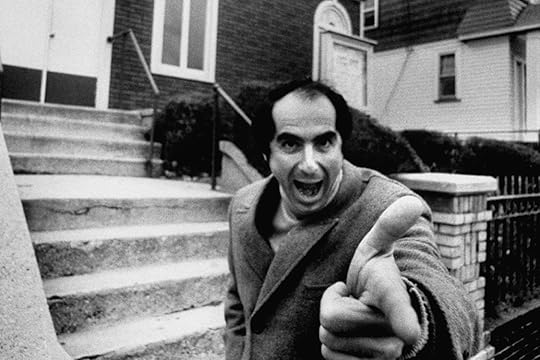
Philip Roth

237 books7,304 followers
Philip Milton Roth was an American novelist and short-story writer. Roth's fiction—often set in his birthplace of Newark, New Jersey—is known for its intensely autobiographical character, for philosophically and formally blurring the distinction between reality and fiction, for its "sensual, ingenious style" and for its provocative explorations of American identity. He first gained attention with the 1959 short story collection Goodbye, Columbus, which won the U.S. National Book Award for Fiction. Ten years later, he published the bestseller Portnoy's Complaint. Nathan Zuckerman, Roth's literary alter ego, narrates several of his books. A fictionalized Philip Roth narrates some of his others, such as the alternate history The Plot Against America.
Roth was one of the most honored American writers of his generation. He received the National Book Critics Circle award for The Counterlife, the PEN/Faulkner Award for Operation Shylock, The Human Stain, and Everyman, a second National Book Award for Sabbath's Theater, and the Pulitzer Prize for American Pastoral. In 2005, the Library of America began publishing his complete works, making him the second author so anthologized while still living, after Eudora Welty. Harold Bloom named him one of the four greatest American novelists of his day, along with Cormac McCarthy, Thomas Pynchon, and Don DeLillo. In 2001, Roth received the inaugural Franz Kafka Prize in Prague.

Ratings & Reviews

What do you think?
Rate this book

Friends & Following

Create a free account to discover what your friends think of this book!

Community Reviews

5 stars
4,267 (34%)
4 stars
4,154 (33%)
3 stars
2,435 (19%)
2 stars
913 (7%)
1 star
458 (3%)
Displaying 1 - 30 of 1,097 reviews
Profile Image for Michael Finocchiaro.
Author 3 books6,266 followers
October 8, 2019
Yes, Mickey Sabbath is a pretty revolting person. And yes, this book goes right to the edge in sexual perversion (some would say over the edge). But. But. But, isn't Mickey's displaced mourning for his mother, his brother, his first wife and his longtime lover and last true love - isn't he just an exaggerated version of our own egos (obviously speaking to males in the audience but perhaps the fantasies of Mickey's women also strike a nerve for female readers?)?
There are passages of great beauty in Sabbath's Theater - my favorite phrase was "while nonexistent to one another, unreal spectres compared to whoever sabotaged the sacred trust" - who else writes like this today? Wow. And the stream of consciousness bit in the middle? The vaudeville in the cemetery at the end of the first half and the second half of the book, the hilarious betting on blood pressure at the in-patient mental facility, the heartbreaking letter of Roseanne to her father and Mickey's reply from her father in Hell - pure genius! One has to laugh at Mickey's antics in Debbie's bedroom as sick as they were - because they are truly comical. This is Humbert Humbert Unbound. It is Herzog completely unwound and free. It is all of us with no filters, nothing to lose, and utterly free of constraint. And yet, Mickey does truly love Drenka up to the bitter end and that love - despite its perversity and cravenness - is truly reciprocal and in and of itself is - to me anyway - very beautiful. I think that is the deeper message here: humans are complex animals and can be simultaneously reprehensible and lovably pathetic as contradictory as a black and white world would like that to seem.

This is truly one of Roth's greatest works and the opposition of the "Swede" Lvov in American Pastoral as the nearly perfect Everyman to the reprehensible Mickey Sabbath was intentional. Roth has said that Sabbath's Theater is his favorite book among all the masterpieces he wrote.
RIP (1933-2018). One of America's literary giants has left us.
Profile Image for Valeriu Gherghel.
Author 6 books2,068 followers
December 29, 2024
Un roman formidabil, de un umor total.

Morris (Mickey) Sabbath a fost un artist păpușar. Ceea ce a realizat s-ar încadra, firește, în ceea ce numim azi, street art. A urmat studii de specialitate la Roma, a călătorit pe mări și oceane și, într-un sfîrșit, a poposit la New York, unde a pus bazele unui Teatru Indecent, ale cărui spectacole au succes îndeosebi la tineri. Din păcate, indecența se pedepsește drastic și Mickey e pe cale să fie închis pentru încălcarea bunelor moravuri. Părăsit brusc și definitiv de prima lui soție („o fată fragilă și labilă de origine greco-americană, cu un simț al crizei atotpătrunzător… pînă în ziua cînd criza de a fi ea însăși o măturase pur și simplu pe Nikki de pe fața pămîntului”), protagonistul renunță la cariera de artist ambulant și se retrage într-un sat din New England, cu numele Madamaska Falls. Se căsătorește cu Roseanna (clientă a unui grup de „Alcoolici anonimi”) și o cunoaște pe neverosimila, frenetica Drenka Balich, o „croată brunetă de pe coasta dalmată” (p.13), proprietara unei pensiuni.

Moartea femeii îl trezește dintr-un long desfrîu erotic și-l împinge să mediteze la moarte. Nu mai e mult, Mickey a obosit. Mai are, totuși, puterea de a se revolta: „Nu putea să moară nici de-al dracului. Cum să plece? Cum să se ducă? Tot ce ura era acolo” (p.517).

Dar cum vede Mickey Sabbath fericirea? Iată ce-i spune Drenkăi:
„Ce e fericirea? Soliditatea acestei femei. Amestecul din care e făcută. Spiritul, tăria ei caracter, agerimea, țesutul adipos, cuvintele bombastice cu care se mai răsfăța din cînd în cînd, rîsul ăla purtător de viață...” (p.387).

Profile Image for Orsodimondo.
2,458 reviews2,431 followers
May 29, 2024
L’ULTIMA COSA BELLA SULLA FACCIA DELLA TERRA


John Turturro nei panni teatrali di Mickey Sabbath. La bandiera che ha accompagnato a casa il cadavere del fratello Morty ritrovata in uno scatolone a casa di Fish.

Non giudicare Sabbath troppo severamente, Lettore. Né il turbinoso monologo interiore, né la sovrabbondanza di autosovversione, né anni di letture sulla morte, né l’amara esperienza di tribolazioni, perdite, avversità e dolore rendono più facile a un uomo di quel genere (o forse a un uomo di qualsiasi genere) usare il cervello dinnanzi a un’offerta del genere, e figuriamoci se è ripetuta con insistenza da una ragazza che ha un terzo dei suoi anni e un’occlusione dentale come quella di Gene Tierney in “Laura”.


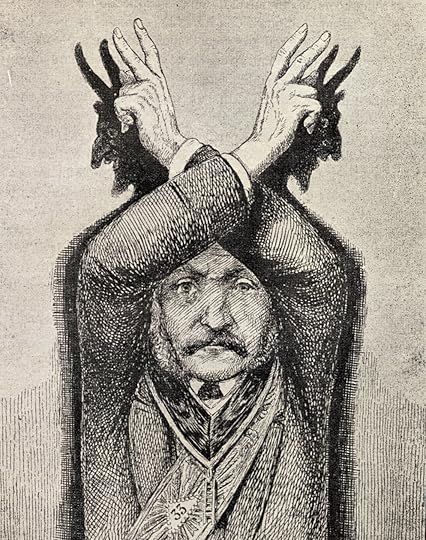
Eugen Lennhoff: Die Freimaurer, 1932.

Morris “Mickey” Sabbath, colosso larger -than-life di poco più di un metro e sessanta, con le mani deturpate da una dolorosa artrite – le stesse mani che gli hanno garantito il lavoro per anni, il teatro di strada, i burattini impersonati dalle sue stesse dita – sessantaquattrenne ancora capace di erezioni immediate e poderose, avido di vita ma in cerca di morte, affamato di sesso, si racconta ed è raccontato in uno perfetto impasto di prima e terza persona, narratore e io-narrante, in questo straordinario romanzo-mondo, che dei romanzi-mondo non condivide quasi nulla, ma che un vero autentico immenso universo mondo trasmette, non solo uno ma più mondi, succede ogni volta che entra in scena un personaggio della vita di Sabbath, vuoi la prima moglie Nikki, o la seconda Roseanna, o la croata Drenka, amore della sua vita, la compagna di sesso e scopate e threesome e gelosia, tutto alternato, non escludendo le masturbazioni notturne con le quali Sabbath onora la tomba di lei, succede con la fugace Madeleine che in un paio di pagine si staglia indelebile probabilmente mia preferita tra i preferiti, Mickey Sabbath emerge da questa vorticosa totentanz per scolpirsi immortale e indelebile nella mia memoria, nel mio cuore, a celebrare il mio amore più fondamentale che importante che si nutre di questa bellezza.


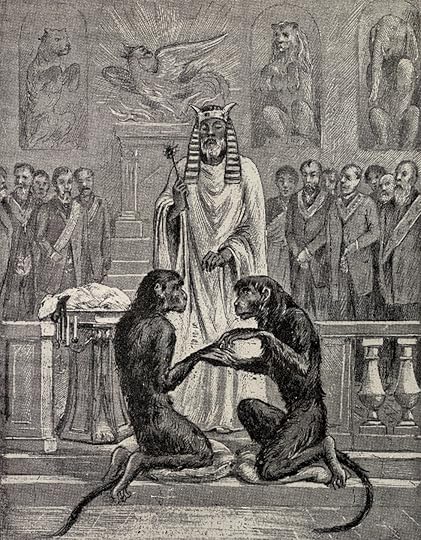
Eugen Lennhoff: Die Freimaurer, 1932.

Nulla succede e tutto accade, si ride e si piange, si balla e si va a spasso, ci s’incanta e si è trascinati, si ringraziano gli ebrei per esistere, per il loro dissacrante umorismo, si benedice il sesso a tutte le ore e a tutte le latitudini, ma ancora di più a tutte le età senza perdere mai un’occasione, sesso orgasmico sesso liberatorio sesso dissacrante sesso trasgressivo sesso gioioso sesso sfrenato, perché quando Mickey e Drenka scopano, ci mettono il cuore, ci mettono tutto se stessi, massima espressione dell’amore.
E se Mickey Sabbath non esistesse, andrebbe inventato: perché egoista e irritante e provocatore e infantile che possa essere, io l’ho amato profondamente, l’ho abbracciato, è diventato il mio eroe, è diventato me che lo leggo.
Eroe che sa vivere il suo totale isolamento - e non potrebbe essere altrimenti, la sua ribelle amoralità lo condanna a una vita di solitudine, non gli permette certo di trovare affiliati. D’altra parte, si sa, l’isolamento è la migliore preparazione alla morte che si conosca. Roth lo fa accompagnare nel suo terribile peregrinare dal ricordo del fratello maggiore morto ragazzo in guerra – l’episodio della bandiera, ah – e dal ricordo/fantasma della madre. Maestro Roth condensa qui tutta la sua sapienza letteraria riuscendo a non essere mai morboso o monotono anche di fronte alle ripetute scene di sesso sfrenato, anche quelle più bizzarre, regalando quattrocento e rotte pagine che sono un indimenticabile magnifico tourbillon emotivo (e mentale).
Sabbath o lo Svedese della Pastorale? Ma perché devo scegliere! Li tengo stretti entrambi, tutte e due nel mio cuore, ben piantati nell’anima.

La purezza, la mostruosa purezza del suo dolore era una novità, e faceva sembrare qualunque dolore provato in precedenza come un’imitazione del dolore. Questo era quel sentimento violento e appassionato, il peggiore, inventato per tormentare una specie soltanto, l’animale che ricorda, l’animale dotato di memoria.

Profile Image for MJ Nicholls.
2,274 reviews4,846 followers
October 1, 2012
Nerves of steel are required for this 450pp assault on decency, indecency and all things neither decent nor indecent, but which probably involve sexagenarians masturbating in a teenage girl’s knicker drawer. Mickey Sabbath is a monster with an unstoppable capacity for sex, lechery and outright molestation, plus a proclivity for sledgehammering all relationships between human beings who aspire to behave like semi-respectable grown-ups. Like Simon Lynxx in D. Keith Mano’s Take Five, he has a convenient knack for speaking in extremely unlikely literary sentences at a level of polished erudition no Harvard graduate-cum-Oscar Wilde descendant could possibly achieve, and is also such a prick of such catastrophic prickliness, your patience and tolerance levels are pushed to absolute snapping point—at no point would this man’s painful death be anything less than welcome. Instead of being locked up within five minutes for being a dangerous sexual deviant, Sabbath has reached his mid-sixties with a backlog of lovers with whom he has fulfilled all his perversions, and is currently lamenting the death of his East European fantasy lover and his sacking from professor of puppetry. A grotesque comedic reverie (and revelry), Sabbath’s Theater should be read as little more than an audacious, linguistically explosive piece of outré comedy. If you read it as a serious novel, you will no doubt aspire to strangle Mr. Roth.
Profile Image for Dave Schaafsma.
Author 6 books32.1k followers
October 30, 2022
"My manner of thinking, so you say, cannot be approved. Do you suppose I care? A poor fool indeed is he who adopts a manner of thinking for others!"—Marquis de Sade

Reading Roth’s 1995 National Book Award-winning novel is not easy. At a little more than a year anniversary from his 2018 death, I took a look at all my higher-rated Roth books, now concluding with his last great book, his personal favorite of all his books, but not the personal favorite of all his readers. And now I re-evaluate the book, which I think I judged a bit too harshly in my initial review. I see the book in three parts, the first part of Mickey Sabbath's affair with his mistress Drenka; the second part is about his descent into madness primarily through his reliving the past, and the third part takes place at the Jersey Shore, where he meets 100-year-old Fish, an old neighbor, and where he recovers (comes to a greater appreciation of) memories of his brother Morty and his lover Drenka.

For much of the first part, almost a quarter of it, former puppet master and adjunct puppet theater instructor Mickey Sabbath (or, Morris Shabas) is having an affair with Drenka Balich. Most of what we read is about their intense sexual relationship, which is very graphic. But then you have to see that Mickey is a type, a satyr. He's not a nice guy (see above, and he makes this clear repeatedly by his actions and words throughout). You're not supposed to "like" him, he's maybe a bit like Humbert Humbert, an amazingly-crafted character that constantly challenges your impulse to try and find a way to admire or even sympathize with him (though he really does finally achieve a bit of this in the last part for me). Seen in this way he is a thoroughly interesting character, Roth pulling out all the stops with his richest language yet. You can how Roth delights in the old goat:

"He'd paid the full price for art, only he hadn't made any."

He was "just someone who had grown ugly, old, and embittered, one of billions."

"Despite all my many troubles," Sabbath tells Norman, "I continue to know what matters in life: profound hatred."

He's a misanthrope, through and through.

And while Drenka is as sex-obsessed as Mickey, it's not lovely romantic sex, it's unapologetically animalistic. And then (spoiler alert, sorry!) Drenka dies, which begins for Mickey a spiraling descent into comically suicidal (I know it seems strange to say this, but Roth pulls it off somehow) reflection—sometimes in Joycean stream-of-consciousness. That's another reference here, to Joyce, Drenka as Mickey's Molly. I guess you might call this strange book dark comedy or comic farce, recalling others who write unapologetically about sex (and death), from de Sade, to Rabelais to Henry Miller.

“Many farcical, illogical, incomprehensible transactions are subsumed by the mania of lust”--Mickey

Nothing is too outrageous for this guy, and I think Roth, who shocked and offended and delighted the literary world with Portnoy's Comlaint, goes way darker and so some people hate this far more. But he's deliberately shocking, deliberately unsentimental. He's not trying to "please" you with a redemptive story. You think you might begin to like him? Well, Roth says, watch Sabbath do THIS; do you like him now? And you squirm. I surely squirmed, and couldn’t read a lot of it at one time. But he isn't a character from Ametican Pastoral, he's not an admirable father or complicated ethical deliberator, he's just a great outrageous character.

“He’d never lost the simple pleasure, which went way back, of making people uncomfortable, especially comfortable people.”

“All I know how to do is antagonize.”

Thrown out of his house finally by his drunken wife Roseanna, disgraced by audiotaped phone calls confirming a relationship (at 60) with his 20 year old student, Kathy, Sabbath is a train wreck of a man, unemployed, and angry at the world, but knows he has no one to blame but himself.

“Mistressless, wifeless, vocationless, homeless, penniless,” he goes to Manhattan for a funeral, stays at the home of his former best friend, and steals the panties of his nineteen year old daughter “ . . . on the self-destroying hilarity of the last roller coaster.” We learn of the libidinous Sabbath’s life in street and off-off-Broadway puppeteering--The Indecent Theater of Manhattan--and of his many sexual escapades. We are not—I think now—asked to admire this devil, this man seen in the process of destroying his life, but in these early years we can almost see his comically bawdy show and smile at his outrageousness; that is, until he gropes a woman from the audience engaged with him in one of his street theater shows, and charges are pressed against him by a passing cop (not by the woman; she sees it all as part of his act). Just when you begin to maybe begin to like him, he slaps you in the face.

“I am disorderly conduct.”

In Manhattan he meets his first wife, Nikki, who (spoiler alert) mysteriously disappears, leading him to escape to upstate New York and to the arms of another wife, Roseanna, who barely is able to stay with him until his public disgrace over the affair with his student makes it finally impossible. We are not led to cheer on this old horny goat, who is at the time of the tale told 64. This guy is a failure, an often arrogant, usually articulate, sometimes funny, sometimes disgusting pig whom we see suddenly faces despair and possibly death. You decide:

“In the masterpieces people are always killing themselves when they commit adultery. He wanted to kill himself when he couldn’t.”

“. . . those ejaculations leading nowhere.”

“The walking panegyric for obscenity. The inverted saint whose message is desecration"—Norman, about Sabbath

And yet, Sabbath, purchasing his gravesite, is funny; just when you have given up on any shred of decency in the man, he is finally thoughtful, anguished, seeing things closely for maybe the first time. I begin to even care for him when he finds, in his 100-year-old ex-neighbor Fish’s house, a box with his dead brother Morty’s artifacts in it, something that turns him around (for a bit? For good?). Each successive act of disaster leads him back in memory to Morty, killed in WWII, and Nikki, his missing wife, and to his lover Drenka, whom we can finally accept as the love of his life.

Sabbath is in the end King Lear, at least as he sees himself; not maybe quite admirable, but maybe Lear and Fool together, wrapped in his brother's honorary American flag, wearing his red, white and blue yarmulke. This is an image you will not forget, I think. As Drenka says of him,

“You are America.”

Roth as fiction writer is not unlike Sabbath in his puppet theater, manipulating his audience, messing with us, crossing the line and groping us, though sometimes impressing us! Creating illusions. Here's one, or is this real?

“We are immoderate because grief is immoderate, all the hundreds and thousands of kinds of grief.”

And then Mickey says of himself, in case we think he is just a joke: “I do not say correct or savory. I do not say seemly or even natural. I say serious. Sensationally serious. Unspeakably serious. Solemnly, recklessly, blissfully serious.”

Roth (RIP 1933-2018) has said that Sabbath's Theater is his favorite book, the one he had the most fun writing. Fun!? Well, I can see that. Yes, the act of creating, the sheer language in it! It’s not my favorite Roth—American Pastoral is mine--but I can finally appreciate it for its powerful literary achievement, maybe his most impressive accomplishment.
Profile Image for BJ Lillis.
329 reviews278 followers
April 22, 2023
I've always just assumed Philip Roth was one of those irrelevant, presumably-sexist 20th-century white men I'd never have to bother with. Turns out, Philip Roth is all those things—and also a fucking genius. This book is so fucked up on so many levels. It is also a virtuoso performance, the work of a writer so god damn good he can wring heartbreak out of farce, over and over, and do it with a protagonist who is, at absolute best, a total piece of shit. What the fuck, Philip Roth?

Roth’s masterstroke is that Mickey Sabbath doesn't have the last laugh, not really. At crucial moments, other characters speak and act; we get their words, their letters. In that way, at least, it is a humane book. Sabbath’s monstrous ego—for all that the entire book is spent in its thrall—is not allowed to define the women he is so dead set on screwing (literally and figuratively). We see more than enough of Nikki, Roseanna, Drenka, Michelle, Christa, Kathy, to imagine their realities, to see what Sabbath can’t or won’t. To push past his incomprehension.

This is a dreadful, disgusting book, and the only thing that makes it bearable is that there isn't a word of it that doesn't ring true. It's funny, thank God—but it's not the kind of humor that leavens the darkness. All this pain in life, all this suffering, and it doesn’t even have the courtesy to be dignified.
Profile Image for Paul Bryant.
2,409 reviews12.6k followers
September 30, 2016
I'm sad tonight - I just checked and I've run out of one-star-rated books to review. I've had my fun with all the really dreadful barrel-scrapings I've read over the years, and now I have to move into the two-star category. Which isn't half as amusing. Because now I have to be all wisely judging well on the one hand this, and the other hand that, you know, blah blah. So anyway, Philip The Roth. I need to explain that I went through this phase where a certain particular person (I will refer to the person as a person, the word bears no undertone of resentment nor yet intimates ill-disguised hostility) gave me to understand that Philip Roth was to literature as "We Are The World" was to the starving millions. So I read a whole heap. And I was not convinced. In fact I may say I was the opposite of convinced. I was unvinced. I was devinced.

I will say that occasionally, like every 120 pages in a long long book, you get a pretty good laugh from Sabbath's Theater, always ALWAYS of the O MY GOD that's so disgusting variety or the pages-of-spewed-forth-insults variety. That's not bad, I guess. I was going to say that's more than you get from The Bible. But actually, that's exactly what you get from the Bible. O my God that's so disgusting followed some time later by pages of hideous insults. There you go.
Profile Image for Jennifer Spiegel.
Author 10 books97 followers
May 14, 2013
Okay, now I get it. Now I get the whole Philip Roth thing—book prize judges quitting in protest over him, the sheer volume of those praising and condemning him, even what I’ve called elsewhere “absurd”—the suggestion that Roth is a self-hating Jew. (I still think this labeling applied to anyone is absurd.) I get what all the fuss is about.

Or how about that recent incident where Roth told a young writer to quit, because the writing life is hell? A bunch of us, including Elizabeth Gilbert of Eat, Pray, Love (oy vey), called him on this ridiculous claim because, hey, our life rocks! We write books! Roth should stop the silly moaning and groaning about his privileges.

I get all the fuss about this too.

But guess what: if you’re Philip Roth, the writing life is hell. You will die doing it. It will kill you. Even if you “retire” and stop the fiction, it’s terminal. You will die an ugly death.

Philip Roth, I will mourn you. I will mourn your death.

Now, I feel like I get it. I read Sabbath’s Theater, which is only my second Roth, and my head is spinning.

This book is, in short, an outrage!

Let me just tell you some of my wild, unrehearsed thoughts.

The book is—have no illusions—pornographic. I’m not a fan of writing graphically about sex. First, I think it’s silly. Second, I think it’s silly. Third, I think it’s silly. Fourth, I think it’s often—but not always—unnecessary. Sometimes it works. I’m not much of a writerly prude. This book grossed me out, though. In fact, when I told my perv husband that the book was a bit much for me and he asked me to show it to him—more like this: he made a grab for it—I snatched it away. I needed to protect his delicate perv ears, and I’ll be damned if he gets any weird ideas. I don’t care how much we’re getting along, we are not peeing on each other. And—I hate to break it to you, my beloved—we’re not even bringing home some young girl. Nope. Not gonna happen. Don’t call me Drenka. Not now. Not ever.

The book is gross.

That said, it’s brilliant.

So how should you read it? Or should you read it at all?

I’m going to have to be elitist here, and say something snooty. It’s not for everyone. It’s not for my mom. It’s not for many of my friends. It’s not for my kids, for sure.

I don’t know if it’s for you; you’ll have to make that call. Here are some miscellaneous thoughts on this amazing book.

The book is called “comedic” in a million places. I’m wondering who these freaks are who think it’s funny. This book is tragic. It’s tragic is an epic way. It’s probably one of the best portraits of humanity truly abandoned by God. Existentialist man, alone. What does a man without a god really look like? I’m not sure what to make of this comedic thing. This is a deeply sad picture of a human without any meaning in his life whatsoever. It’s painful to watch Mickey Sabbath, puppeteer for the Indecent Theater (get all those ironies?), try for suicide, try to get murdered. Dear God.

Sexual depravity really isn’t my thing—I’m depraved in other ways—but I think Roth reveals depravity with the kind of truth that, well, I’ve never encountered before. I have to be honest: this is why I will highly recommend this book. Roth writes better about the heart of man than any other author I’ve ever read. Let me tell you this, and you can take it or leave it: I started drooling when my Love Slave was called “wincingly candid.” Oh, I love wincing candor! I blushed! I flushed! Okay, I beamed with you-know-what!

But Roth? That man takes wincing candor to new heights. I’ve got nothing on him.

In short, Roth exposes the heart of human darkness in breathtaking candor, and you might want to read it. Though I think you should start with American Pastoral, which I did like better—and it’s not sexually explicit at all.

I’ve got other thoughts:

It struck me, after I finished, that I used to be one of those stupid girls who liked “bad boys”—but those girls are full of s#&%. Those girls have no clue what real bad boys are like. Roth has written about the real bad boy and, trust me, none of us silly girls would want anything to do with him. We’re just talking. Roth is smarter than us. You want to see what a real bad boy is like? Go here. It’s not fun. Real bad boys are gross.

There is this part of me that thinks that anyone capable of writing this is probably a vile human being. Of course, I thought that when I first read Nabokov too. I don’t anymore. What I do think, however, is that it’s valid for Roth to suggest that the writing life is brutal. For anyone to delve so deeply into this kind of depravity, suffering is not so far off. I do not doubt Roth’s genuine sorrow. A privileged life of sorrow?

You know, this book—interestingly enough—is similar to my all-time favorite book in the world, The Catcher in the Rye. Both books are about protagonists with dead brothers. These deaths were woven into their beings—intrinsic to their experiences in the world, coloring everything. What a fascinating contrast to make: Holden Caulfield and Mickey Sabbath!

Mostly—make no bones about it—this book is about man without God.

On his life as artist: “The main thing is to do what you want. His cockiness, his self-exalted egoism, the menacing charm of a potentially villainous artist were insufferable to a lot of people and he made enemies easily, including a number of theater professionals who believed that his was an unseemly, brilliantly disgusting talent that had yet to discover a suitably seemly means of ‘disciplined’ expression.”

Doing what you want. Where does it lead, after all? Like American Pastoral, this book ends perfectly. I won’t give it away, but it’s true. It’s right.

How can one read Philip Roth without being infected? One can’t. So there are other questions. How will you be infected? Is it worth it? For what end?

For myself, the answer is in the wincing candor. I’d like to be a student in the wincingly candid. He gets so close to the soul, so close indeed.
Profile Image for lorinbocol.
265 reviews434 followers
August 15, 2018
ora. non che billy joel sia un mio personal guru, ma quella sua frase sul fatto che preferisce ridere con i peccatori che piangere con i santi, perché i peccatori sono molto più divertenti, la appiccico pari pari sul frontespizio di questo libro. quel vecchio dissoluto di mickey sabbath è un colosso di personaggio, e i virtuosismi delle sue perversioni e dei suoi ricordi (o erano forse i ricordi perversi dei suoi virtuosismi?) dimostrano, a chi ancora avesse dubbi a riguardo, che i grandi peccatori non creano solo grandi cattedrali. creano pure grandissimi romanzi.
Profile Image for Φώτης Καραμπεσίνης.
435 reviews222 followers
July 3, 2018
Ο κυνισμός, η μισανθρωπία και ο πεσιμισμός δεν συνιστά Τέχνη καθ’ εαυτήν, εφόσον δεν συνάδει με τη συνεπή κατανόηση του υπαρξιακού άχθους, του άλγους που συνεπιφέρει το πέρασμα του χρόνου, της ηδονής ως αντιπάλου δέους του θανάτου. Ο ήρωας του Ροθ είναι χυδαίος, υβριστής, παρεκκλίνων και ταυτόχρονα γοητευτικός, καθώς η γραφή του κορυφαίου συγγραφέα – αγχέμαχο όπλο!- τον μετουσιώνει από λογοτεχνικό μετείκασμα σε Άνθρωπο και τους αναγνώστες σε συνενόχους, συνεργούς και συνεπιβάτες σε διαδρομή μαγική.
Profile Image for Andrew Smith.
1,252 reviews984 followers
March 24, 2024
I really wanted to like this book. I'm a fan of Roth's work, and I'm used to his ranting style and the way he unfolds a story, so I stuck with it for quite a time (about half the book). But in the end, it wore me down. I intensely disliked Mickey Sabbath from the start (well, I guess you're supposed to), but despite this, I did enjoy some of the early episodes and found some parts hugely amusing. This, however, was not enough to sustain my interest long enough to survive an incomprehensible section where he returns to New York to attend a funeral - at which point I realised I wasn't looking forward to whatever came next and decided I had no appetite to turn another page.

It's no doubt a clever piece of writing, and Sabbath is a unique character - one in which most of us can find a piece of ourselves - but for me, this just wasn't enough. It's probably worth more than one star, but as this is my standard score for any book I don't finish, one star it is.
Profile Image for Perry.
634 reviews617 followers
April 29, 2017
I storm and I roar, and I fall in a twist,
And missing my whore, I bugger my fist.

Grieving, Suicidal Puppeteer and Master Manipulator of Women

Swaths of this 1995 National Book Award winner pulsate with the prurient, the pornographic ponderings of Philip Roth, who vaunts his venery as a sex-tagenarian, plunging into the piercing tale of Mickey Sabbath, a 64-year-old primal puppeteer (-retired) with a penchant for prostitutes and loose women, bawdy bopping, and, generally, close encounters of the lewd kind. Sabbath delights in being labeled a "dirty old man," and the book flashes between legion acts of unfaithful, intimate intercourse and episodes of phallic farce, such as Sabbath using the dirty panties of a friend's co-ed daughter for self-gratis in the friend's tub.

I mostly agree with the assessment of Edward Porter, the National Book Award's blogger for this novel, who described the novel, in part, as "a celebration of the inexhaustible human need for carnality--as creative act, as vindication of individuality, as rebellion against failed marriage and other bad choices, and, most importantly, as fuck-you to the ever-present specter of death."

For much of the novel, Sabbath contemplates suicide while unconsolably grieving for Drenka, his lustful recently-deceased, long-term partner in unfaithful sexual hi-jinks. Sabbath repeatedly flashes back to their escapades. In these, Roth shows his mastery of lecherous linguistics:
"Lately, when Sabbath suckled at Drenka's uberous breasts--uberous, the root of exuberant, which is itself ex plus uberare, to be fruitful, to overflow like Juno lying prone in Tintoretto's painting where the Milky Way is coming out of her tit--suckled with an unrelenting frenzy that caused Drenka to roll her head back ecstatically back and to groan (as Juno herself may once have groaned), 'I feel it deep down in my c***,' he was pierced with the sharpest of longings for his late little mother."


***By censoring this word, I'm not being prudish. I can only think of a couple of words in the English lexicon that I more detest, and I simply will not write it out.
Profile Image for Eva Pliakou.
113 reviews222 followers
August 28, 2020
Ένα σπαρακτικό αριστούργημα, ένα βιβλίο για την απώλεια, περιέχει μέσα του τόση ελευθερία που σε μερικά σημεία είναι δύσκολα διαχειρίσιμη. Τεράστιος Ροθ γι' ακόμη μια φορά.
Profile Image for William2.
859 reviews4,046 followers
March 7, 2022
Non-stop, rebarbative descriptions of the sex act in a graveyard. An awful slog. For me, Roth is one of those hot or cold authors. This one left me stone cold. Hey, if you're looking for masturbatory fodder, this is your novel. I happen not to be. As an alternative I would recommended any of the following: American Pastoral, The Counterlife, Operation Shylock, The Ghost Writer or The Human Stain. Certainly the first three here are masterpieces.
Profile Image for Carlo Mascellani.
Author 15 books291 followers
June 11, 2021
Di rado capita di incontrare personaggi del calibro di Morris Sabbath. Anzi, direi praticamente mai. Chi è costui? Facile: un vecchio erotomane, cinico, depravato, pervertito e totalmente egoista che vive per se stesso e ad altro non oensa se non a se stesso. Ma...ma...ma.. Ma, poche pagine dopo, Roth traccia il profilo di un uomo straordinariamente profondo, delle sue ferite profonde, di un carattere che forse ha fatto del cinismo una maschera per celare i propri sentimenti. Chi è Sabbath? L'uomo totalmente libero che irride tutti coloro che vivono schiavi delle consuetudimi e del moralismo sociale o solo un semplice uomo che, come tanti altri, vive schiavo dei propri demoni? Un individuo che va disprezzato o compreso? Una persona che va giudicata non con sguardo superficiale, ma con l'attenzione di chi vuol scoprire il prossimo eludendo ogni pregiudizio? Mai incontrato prima un personaggio di tal fatta.
Profile Image for Steven Godin.
2,782 reviews3,380 followers
October 11, 2023
This is Roth's masterpiece - a morbidly funny, at times disturbing ,and deeply touching novel. Mickey Sabbath is one hell of a creation and has the behaviour of a complete perverted lunatic one minute and a caring, tender and quite sad person the next. Told in flashback sequences and the present day, mainly focusing on his troubled relationship with both wife and mistress, whilst also from his days as a puppeteer in New York. I guess it feels like a tragic-comedy overall but is so much more than that. Moments in the last third of reading were really heart rendering.
Profile Image for Bart.
Author 1 book127 followers
July 29, 2007
In my opinion, this is the finest work of American fiction in the last 25 years.

Mickey Sabbath goes further than any other of Roth's characters. Each time Roth comes to an intersection in this novel, each time he has to decide whether to stop, slow down or accelerate, Roth goes faster.

This novel is a work of genius, perhaps the only novel of Roth's - from one cover to another - about which that can be said.

The best novels are those that entertain on multiple levels and after multiple readings. I have read Sabbath's Theater twice. The first time, I was overwhelmed by its relentless sexual content. The second time, I found far more death than sex.

This novel has some of the best parts of Roth's other novels in it. The treatment of Sabbath's love for his brother in childhood is even better than the family's trip to Washington DC, in The Plot Against America (and that trip is the only good part of that whole dreadful novel).

The sexual introspection Sabbath shows - as brutal and assiduous as it is - presents Portnoy all grown up after 25 years of reading and thinking.

And Mickey Sabbath thinks better than both David Kepesh and Nathan Zuckerman.

My advice to future readers is this: Read the first sentence and decide if this novel might be for you. Sabbath's Theater does not hedge or relent after that; if the first sentence is too much, don't go any further.

But if you do venture further, you'll encounter contemporary American literature at its strongest.
Profile Image for Dan.
3,205 reviews10.8k followers
January 3, 2012
After the death of his longtime mistress, disgraced former puppeteer Mickey Sabbath sinks deeper and deeper into a prison of depression...

First off, Sabbath's Theater won the National Book award in 1995. It's not surprising since it was superbly written. On the other hand, it's also dirtier than a stack of used Longarm's. Seriously. Every time I thought it couldn't get any dirtier, Sabbath did something like masturbate on his mistress's grave.

There really isn't much of a plot. Sabbath's mistress dies and his life comes apart, forcing him to explore his past. Good thing he has the memories of unbelievably numerous conquests to dwell on. Sabbath's such a pervert that I couldn't seem to read more than fifty pages of this at a time. I cringed when a friend took pity on him only to catch him in the process of masturbating to a picture of his college age daughter.

There are themes and other novely things in Sabbath's Theater but it's hard to see past the river of semen to get to them. It seems to be about how people are unable to escape the prisons they create for themselves. And fornication.

It's a testament to Philip Roth's skill as a writer that he made me feel sorry for a dirty old man like Mickey Sabbath. Actually, I don't think there's a character in this book I liked.

I wonder if the next National Book award winner I read will have this much smut in it...

Profile Image for Ubik 2.0.
1,073 reviews294 followers
July 31, 2020
Eros e Thanatos

Non sono abituato alle riletture, ma questa la dovevo a Philip Roth, dopo avere terminato la lettura di tutti i 29 romanzi dell’autore ed avere notato retrospettivamente che in un unico caso avevo attribuito il minimo dei voti; per di più proprio la prima (o una delle prime) sua opera che lessi un quarto di secolo fa, la sola che avevo cancellato dalla memoria ma che molti amici includono fra i suoi romanzi migliori.

A quanto pare dovevo essere in uno stato di notevole distrazione quando lessi per la prima volta Il teatro di Sabbath perché oggi mi è chiaro che si tratta di un ottimo libro, che concentra al meglio tutti i temi più congeniali a Roth sviluppati con un audace gestione dei flussi temporali con frequenti flashback recenti (le precedenti esperienze sessuali e “professionali” del protagonista) e remoti (l’infanzia e l’adolescenza, dove l’autore, come spesso gli accade, si esprime al meglio nella rappresentazione della famiglia ebraica d’origine).

L’erotismo domina l’esistenza e la personalità di Mickey Sabbath e di conseguenza gran parte della narrazione con accenti in prevalenza indovinati e accorati (la diversa sessualità delle tre donne della vita del protagonista ma anche delle altre, tutte caratterizzate con grande efficacia), talora francamente eccessivi e piuttosto forzati (la registrazione della prolungata telefonata erotica con la ragazzina) e, a mia memoria, dilaga come in nessun altro romanzo dell’autore in ogni anfratto della narrazione fino a comparire anche nei momenti e nelle situazioni più imprevedibili.

Ma altrettanto dominante, ancorché più soffuso, è il senso della morte e della caducità del corpo umano: funerali, suicidi, morti precoci, cimiteri, cancri, si succedono cadenzando nel racconto le vicende dei personaggi in un “memento mori” che allo stesso tempo alimenta la sfrenata vitalità di Sabbath impegnato in una perenne sfida contro il tempo, la decadenza, l’abitudine e la vecchiaia, ben simboleggiata dal personaggio di Fish, il centenario amico del padre il cui incontro col protagonista è uno dei momenti più toccanti del romanzo.

Ambedue i registri, quello erotico e quello funereo, sono accompagnati come sempre in Roth, da dialoghi perfetti nella loro incisività e chirurgica precisione. In definitiva continuo a ritenere che “Il teatro di Sabbath” non sia il capolavoro di Roth, ma certamente è una delle sue opere più significative e stimolanti. Sono contento di congedarmi dall’autore con un romanzo come questo e non con il pallido “L’umiliazione”, l’ultimo romanzo che avevo letto del Maestro.
Profile Image for Aprile.
123 reviews94 followers
February 5, 2018
479 pagine di capriole a luci rosse di un erotomane, ma a dar soddisfazione
è la scrittura di Roth - lui sì che non perde un colpo -, la sua capacità di racchiudere in una struttura organizzata l’infinità di cose raccontate, di creare persone fra le pagine, di raccontare la loro storia, i loro umori, rabbie, dolori, passioni, il tutto calato nel contesto in cui vivono. E’ una scrittura precisa e dettagliata che affascina la mente e mira al cuore, anche se qui le parti descritte sono altre. Questo rimane al lettore (a me, perlomeno) mentre Roth narra di Mickey Sabbath, dissacratore, provocatore, istigatore, corruttore, sodomizzatore, distruttore della morale, lascivo, senza senso della vergogna, esibizionista, disoccupato, mantenuto, basso, panciuto, con barba caprina, trasandato. E continua ad essere il fascino della creazione letteraria ad affascinare il lettore, anche quando è colpito dal disgusto per Sabbath, per il suo teatrino di degenerato che supera continuamente verso il basso il limite degli insulti con cui sistematicamente ricopre chi lo circonda. Insulto all’amicizia, al buon gusto, al rispetto, alla dignità, all’ospitalità, alla decenza, senza parlar della morale. Fa tabula rasa intorno a sé. La sua vita non è una parabola, né ascendente, né discendente, la sua vita è una linea piatta, Sabbath non vive alcuna evoluzione, rimane sempre uguale a se stesso. L’unica variazione è che ad un certo punto inizia a soffrire. Sì, anche lui soffre. Dapprima per motivi che - essendosi lui sempre comportato nel suddetto modo - rasentano l’assurdo, il colmo dei colmi, come si suol dire: soffre perché qualcuno insinua in lui il dubbio che la prima moglie non sia scomparsa in seguito alla disperazione per un suo (di Sabbath) tradimento, ma sia fuggita a sua volta con un amante perché disgustata dai suoi (di Sabbath) comportamenti. Ciò lo getta nello sconforto, il suo ruolo sarebbe così secondario. Ancor più pesante è il colpo che riceve all’apprendere che il problema vitale della sua seconda moglie alcolizzata, non sia lui, né tantomeno il di lui abbandono, ma il suicidio del padre che le avrebbe segnato l’esistenza. Sabbath inizia a essere destabilizzato, fino a perdere l’equilibrio quando viene rifiutato dalla moglie del suo produttore. Bellissima la caratterizzazione di lei e del suo sentire dopo le avances di Sabbath: "E così, durante la notte, la lussuria e il tradimento erano stati impallinati dalla prudenza, dal buonsenso, dal cervello… Aveva usato (una scusa) per sbatterlo fuori prima che rovinasse tutto quello che lei si stava godendo… (Il motivo) era Sabbath (stesso). Forse sapeva ancora raccontare una storia, ma non gli era rimasto nient’altro di neanche remotamente attraente, nemmeno l’erezione che le aveva mostrato. Tutto ciò che restava del suo mettercela tutta, fino in fondo, la disgustava. Anche lei era brutale, sporca, imbrogliona, ma non era ancora incontrollabilmente disperata… (non cede)… L’intossicazione maniacale che riporterà magia nella sua esistenza non sono io. Lei farà meglio a guardarsi bene intorno finché non scova qualcuno che sia meno clamorosamente kaputt".
Poi succede qualcosa. Sentiamo l’amore che Sabbath ha provato e prova per il fratello morto e per Drenka, la sua compagna, amante, erotomane come lui. E l’amore è palpabile, lo si riconosce nella venerazione per i pochi oggetti ritrovati appartenenti al fratello e nell’assistenza al capezzale di Drenka morente. Qui il dolore è evidente, tra l’altro un dolore non egoista, non incentrato sull’autocommiserazione, sul fatto che in poco tempo rimarrà solo, ma un dolore causato dal vederla soffrire. Ed è un assistente perfetto, la ascolta, riparlano del loro passato, delle loro esperienze, dei loro rimpianti, sono un’unica entità, si amano. Ma Roth non vuol far intravedere un lieto fine e quella capacità di provar finalmente dolore non è sufficiente a riscattare Sabbath, lo rende solo più verosimile, in ognuno di noi c’è qualcosa di umano (lo diceva anche Cenerentola, non riuscendo però a citar nemmeno una dote del gatto Lucifero). Piuttosto, Sabbath è dissacrante e sprezzante fino alla fine: "Non riusciva a morire, cazzo. Come faceva a rinunciare? Ad andarsene? Tutto ciò che odiava era qui".
Profile Image for Gabriela Pistol.
643 reviews246 followers
September 8, 2022
"N-avem măsură pentru că suferința n-are măsură: există atâtea sute și mii de feluri în care putem suferi!".

Tricksterul fără măsură, regele exceselor, păpușarul sardonic care își arată degetul mijlociu Americii și așteptărilor ei, anti-eroul turbat, ratatul condus de impuls. Mickey Sabbath,
"iubit, curvar, seducător,
sodomist, persecutor al femeilor,
distrugator de principii morale, corupător de tineri,
Uxoricid,
Sinucigaș"
Sinucigaș ratat, pentru că nu poate pleca cât timp sunt încă atâtea lucruri pe care sa le urască.
Ratat în toate, opusul "tipului bogat și de treabă, destul de profund și care e dinamită la telefonul de la birou. Ce alte pretenții putea să aiba America de la evreii ei?".
Mickey se înfășoară în steagul Americii pretențioase și urinează pe mormântul femeii iubite, în semn de cel mai serios omagiu pentru adevăratul lui suflet-pereche, croata care a știut să smulgă bucuria de la viață. Nu Sabbath și Drenka sunt obsceni, moartea e obscenă.

Prima sută de pagini e pornografie pură (cred că, dincolo de oda exceselor, avem și un deget mijlociu ridicat de Roth puritanilor care i-au refuzat Nobelul din cauza Complexului lui Portnoy: ia uitați-vă, pot fi mult mai obscen de atât), apoi 300 de pagini de provocare intelectuală cu păpușarul cinic, care merge până la capătul jocurilor mintale, pentru a termina cu 100 de pagini de cea mai profundă scufundare în psihicul și emoțiile umane, în suferința primordială (pierderea fratelui), care îi determină drumul excesiv, "imboldul care-i marcase viata: dorința copleșitoare de a fi în altă parte", pentru a ieși în final la suprafața egal cu el însuși, plin de revoltă, de ură, de viață.

Niciun scriitor nu se apropie, încă, pentru mine, de Philip Roth. Și m-a trântit iarăși de toți pereții minții cu cartea asta.
Profile Image for None Ofyourbusiness Loves Israel.
875 reviews176 followers
November 5, 2025
Mickey Sabbath, aged, gouty, foul-mouthed, and magnificently ruined, is the last of the great lechers standing. Once he was a puppeteer of minor renown and major scandal, an artist of obscenity who believed that pulling strings was the same thing as defying fate. Now arthritis has turned his fingers into useless relics, and his remaining art is provocation.

He lives off his wife, Roseanna, a failed artist and recovering drunk, and he devotes his waking hours to what he calls "the indecent theater" of existence. His life is a circus without a tent: one aging clown, a few used puppets, and a backstage that smells like whiskey, regret, and his Croatian mistress, Drenka Balich.

Drenka, his mistress of thirteen years, is a Croatian innkeeper with a nose like a boxing injury and a libido like a Balkan uprising. When the novel opens, she presents him with the most implausible ultimatum in erotic history: either he forswears "fucking others" or the affair is over.

Sabbath finds this both touching and tyrannical. He mocks her, he lectures her, he philosophizes until even he can hear how absurd he sounds. "Love is slavery?" he asks. "Yes," she weeps. "Then I am Spartacus," he replies.

Their trysts in the woods are half pornographic, half metaphysical, conducted on a tarpaulin that serves as both altar and operating table. "Uberous," he calls her breasts, riffing on the Latin for "fruitful," as if etymology could turn lust into scholarship.

The trouble is that Sabbath cannot tell the difference between blasphemy and devotion. He venerates his mother while groping his mistress, mourns his dead brother while fantasizing about his dead wife. His mother, he thinks, "had been loosed on him," a ghost hovering above his sins like a moral referee with a scorecard.

His inner life is a courtroom where the prosecution, the defense, and the accused are all named Sabbath. When Drenka tells him she has cancer, he wonders if her dying body is the stage on which his final act of obscenity will be performed. Then, by the time he is ready to repent, she dies, mercifully, before the cancer can finish its work.

Bereft of Drenka, Sabbath becomes a one-man vaudeville of mourning. He spies on her grave, curses her husband, envies her other lovers, and imagines her ghost telling him dirty jokes from beyond the tomb. "He was jealous now of the very men about whom, when Drenka was living, he could never hear enough." His grief is grotesque. He is a man aroused by memory, choking on nostalgia, demanding one last encore from the dead.

The plot is a series of spirals from the obscene to the elegiac, from slapstick to despair. Sabbath revisits old haunts and old humiliations. His puppetry career, once bold and experimental, ended in disgrace after a scandal involving a much younger student. His wife drinks herself into a fog of penance. His friends have become respectable, which to Sabbath is the ultimate perversion. At one point, he muses, "There is no retirement from being obscene. The day you quit, you're dead."

He confides in ghosts the way others pray. His dead brother Morty, shot down in World War II, is his saint of lost innocence. His mother, once the queen of domestic order, now hovers in spectral disapproval. Sabbath's mind becomes a haunted house of unfinished performances.

Roth's genius here is that everything obscene doubles as sacred. Every sexual pun hides an honesty. It is a tragic farce written by Aristophanes and directed by Freud.

The novel moves toward Sabbath's long, chaotic contemplation of suicide. He wanders New York like a defrocked priest of filth, attending funerals, visiting old friends, rifling through memories, and arguing with himself in a tone that veers between vaudeville and Jeremiah. Every thought is an act of defiance against death. He mocks piety, he mocks grief, he mocks himself most of all. "He had fought authority all his life," Roth writes, "and authority had finally agreed with him."

By the end, Sabbath stands alone in a theater of his own making, surrounded by ghosts, failures, and bitter regrets. He wants to die, but life keeps interrupting him. The world refuses to take his final bow. He considers ending it all, but even despair, it seems, requires more energy than he can summon. A vulgar man so mired in his own filth that he almost becomes pure.

Sabbath's Theater is a frighteningly honest filthy masterpiece. It is brilliant, revolting, and, in its grotesque way, addictive. It reads like pornography written by Job and edited by Nietzsche. It is off-puttingly obscene, profound, hilarious, and hideous in equal measure. I don't recommend it but I think you should read it.
Profile Image for Mevsim Yenice.
Author 7 books1,265 followers
October 18, 2019
Bu yıl okuduğum ve en beğendiklerim listesinde ilk beşte olacağı gibi, uzun yıllar sonra da "en beğendiklerim" listesinde mutlaka olacağına inandığım bir roman oldu Sabbath'ın Tiyatrosu. Roth da bu metni için en iyi romanım diyormuş, ben tüm romanlarını okumadığım için bunu henüz bilmiyorum ama tüm romanlarını okutma motivasyonu verdiği kesin kitabın.

Fütursuzca yazılmış. İnanılmaz vurucu sahiden.

Kesinlikle tavsiye ederim.
Profile Image for marco renzi.
299 reviews101 followers
July 8, 2021
Sono ancora un po' perplesso; e quindi non saprei proprio che dire su una roba del genere.
Bello bello davvero, comunque.
Di Roth avevo letto solo "Lamento di Portnoy", "Indignation" e "Il fantasma esce di scena"; per quanto questi tre mi abbiano colpito, questo è proprio un altro pianeta, qualcosa di paurosamente eccessivo, alle volte distrurbante, eccitante.
Un romanzo molto complesso ma che, nel contempo, ti incolla lì, perché superata la prima trentina di pagine vuoi sapere tutto su quel personaggio enorme che è Sabbath, un concentrato unico di sfrontatezza, lidibo e peccato.
Mi aspettavo una sorta di "Versione di Barney", ma è davvero tutt'altra cosa: non necessariamente migliore, ma proprio diverso; sopratutto per via del protagonista e per tutto quel sesso che si respira dall'inizio alla fine.

(commento del febbraio 2012)
Profile Image for Francesco.
320 reviews
February 17, 2020
Qui siamo oltre Portnoy oltre tutto... Il più grande depravato della letteratura di tutti i tempi... Lo schifoso il reietto della letteratura... Un figlio di puttana ecco chi era, chi è e chi sarà Mickey Sabbath... Qui Roth ha raggiunto l'apice della sua produzione... Questo romanzo è una sinfonia di sublime bassezza un concentrato di perversione... È l'orrido che affascina... È lo schifo che sfonda la porta della nostra anima... La letteratura ha il potere di elevare gli abissi dell'animo umano... Sabbath è presente in ognuno di noi
Profile Image for Marc Lamot.
3,462 reviews1,975 followers
June 18, 2022
Philip Roth was a writer with a controversial reputation, - you like him or you don’t -, and that’s certainly so for this book. Apparently this has everything to do with the very pornographic content of 'Sabbath’s Theatre'. I am not going to start a semantic discussion on what is pornographic and what just is explicit writing more or less functional to the story; I suspect that Roth himself scrupulously opted for the former, and so we don't have to mess around about that. But to be honest, every now and then, reading 'Sabbath's Theatre', I really had to swallow (my apologies for the too obvious pun).

In a superficial reading of the book you see main character Mickey Sabbath, a 64-year-old former puppeteer, just as a sex addict, as a pervert: he can't get enough of his mistress, the 10-year younger nymphomaniac Drenka, of Croatian descent, and even apart from that, he dreams permanently of trios, he has phone sex with young girls, he gets a kick touching the underwear of the daughter of his best friend, and so on. For Mickey, it's all very innocent and his natural way of living; and through the intense and indeed sometimes very explicit way of describing by Roth that does sound rather plausible (p 245: "For a pure sense of being tumultuously alive, you can’t beat the nasty side of existence").

Throughout the book, we see that there’s a lot more to this natural, “amoral” state of mind of Sabbath. He is shocked and unbalanced by the death of Drenka, and then we discover that earlier on he has been traumatized by the early death of his brother Morty, the death of his mother (with whom he still talks), and by the sudden disappearance of his first wife Nicky. Gradually you get to see that the sex addiction of Sabbath essentialy is an intense attempt to live, born out of the existential feeling of deprivation and loss, and permanently stimulated by a flight for death. Roth succesfully turns the pervert that he describes at first into a touching, pitiful older man who notices that he is approaching the end and realizes he’s a failure (but nevertheless gives his orgiastic instinct free rein).

During the reading of the book I regularly was reminded of Leopold Bloom, the also Jewish main character of James Joyce in Ulysses: just as Sabbath Bloom is portrayed by Joyce as a "little man", but representative of men in general, like an Everyman. There are many implicit and explicit winkings at Ulysses in this book: shortly before halfway Roth offers a quick overview of the writing styles of Ulysses, as a brilliant homage to Joyce; and who can not link the masturbation scene of Sabbath's wife at the end of the book, with Penelope Bloom's (Leopold’s wife) orgiastic monologue at the end of Ulysses?

So, also from a literary point of view, this book must not be underestimated, and then I don’t even mention the rousing rhetorical delights Sabbath regularly gives, the countless hilarious scenes and the constatation that despite the sometimes embarrassing descriptions you can’t really put down this book. The picaresque novel (in the tradition of Apuleius, Rabelais and numerous others) is not really my favorite kind of literature, but in this genre this book sure is a 20th Century masterpiece! (rating 3.5 stars)
Profile Image for L.S. Popovich.
Author 2 books459 followers
September 25, 2020
Should Roth’s novels be lumped together with other transgressive works such as Vollmann’s Royal Family or anything by the Marquise de Sade? Most often they are not. Frequently, they are labeled as masterpieces, or literary fiction of the award-winning variety. Whereas, Vollmann’s far superior novel abovementioned is regarded by some as an eccentric display of scarcely fictionalized, dirty journalism.

Simply stated, about 80% of the content of this novel could be labeled as transgressive. A preoccupation with sexual mores, scatological humor, and phallocentric obsessive-compulsive mania are other descriptive terms I would use. But they are also reductive. It has been hailed as a comic epic. Comic, it is, at times, though also overwhelmingly pessimistic, sad, and impolite in the way desensitized five-year-old boys are impolite. Epic in the sense that Harold and Kumar is epic, if you are in the right mindset.

Roth excels at depicting the resonating effects of grief, betrayal and lust in many instances, but when combined with psychological transparency and fringe narrators with few, if any, redeeming qualities, it becomes necessary to define the novel by other means, lest it be consigned to the merely literal erotica section of the bookstore. Instead, let us consider how this novel, regardless of any other work he might have produced, constitutes a worthy achievement in the realm of satire, representation and the analysis of human beings.

The mental and societal situations alluded to include: madness, sexual frenzy, cartoonish seduction sequences, moving intimacy, grossly inappropriate discussions in the workplace, suggestion of far deeper corruption and crime, grief (of course), incestuous considerations, the pluses and minuses of marriage, the responsibility between lovers, spouses and professors toward those they violate, the purpose and power of art, and more. Overall, the main character represents, in my mind, a product of wish fulfilment, accomplishing in reality what could normally (and so often) only occur in the modern indelicate imagination.

Through a range of literary techniques Roth presents conflicts of varying depth and complexity, but never strays far from his central theme of the satisfaction of desires. Many farcical aspects intrude upon the serious tone it often assumes. Has anyone ever made money performing with finger puppets? Also, the ghost was an interesting way to conduct discussions and deliver character development. The dialogue can be witty, but it verges on shallow when entrenched in the single-track minds of the main characters.

I could go on extolling the great and execrable components of this multifaceted work, but I do not believe it is worth more than a modicum of my time. On to the next Roth book, to see what he can cook up with the same old ingredients.
Profile Image for Evi *.
395 reviews308 followers
August 1, 2022
Giura che non scoperai più le altre o fra noi è finita
È l'incipit del romanzo, più potente dell'incipit di Anna Karenina, diciamo più basico si esprime in un linguaggio universale e chiaro a chiunque senza il piccolo giro di parole Tolstojano che almeno per una frazione di secondo devi impegnarti a decifrare.
E fa ridere perché viene detto da Drenka 52 anni al suo l'amante Sabbath 64 anni, entrambi con una vitalità sessuale sfrenata che si dedicano, non solo reciprocamente l'uno all'altro, ma anche parallelamente ad altri partner con condiscendenza reciproca

In questo romanzo non si raggiunge, credo ma ancora non l'ho letto, l'ossessività di Lamento di Portnoy ma si completa il catalogo rothiano degi ebrei lussuriosi e profanatori sessuali che tanto fece vergognare l'establishment ebraico perché forniva al mondo un'immagine negativa dell' ebreo medio: l'eterno vessato della storia, prima dal suo Dio vendicativo e rabbioso, e poi più tardi dalla Shoah.

Ci sono alcune descrizioni di copule che... qualcuno potrebbe dire necessiterebbero di tagli come farà Philippe Noiret nel film di Tornatore quando censura i casti baci in Nuovo cinema Paradiso... ehm ehm la scena dell'accappatoio è però veramente potente (Omen nomen).
Non è che Roth sia ossessionato dal sesso (sì un po' lo è ma lo descrive con efficacia e anche esattezza, talvolta), d'altronde gli impulsi sessuali hanno una notevole influenza sul nostro comportamento, non aspettavamo Roth o Freud per capirlo, e Roth lo usa anche come strumento per capire e descrivere la vita e anticiparne la morte perché il sesso rappresenta, può essere definito anche come la petite mort.

Sesso, essere ebreo oggi, e la morte sono I TEMI attorno ai quali Roth gira e rigira, per tutta la sua vita di scrittore.
Lo fa ovviamente anche ne Il teatro di Sabbath che è teatro esistenziale e canto del cigno di un uomo - Sabbath - al culmine del fallimento:

Che ha scelto deliberatamente di vivere il lato sbagliato dell'esistenza

Personaggio che rimane impresso non solo perché è una specie di vilain - un eroe negativo (ma in letteratura i buoni sono sempre in minoranza, e spesso annoiano).
Ma Sabbath ha una testa notevole e che va di pari passo alla sua potenza sessuale.

Mi piace perché Sabbath non è un enigma è franco e non dissimula nulla non gioca a compiacere e non usa mai maschere, oscilla tra frivolezza e seriosità non ha alcuna simpatia per i valori morali, ha una natura iraconda, sarcastico verso ogni cosa, è un perfetto egoista.
Eppure sa anche mostrare un lato molle, una fessura dove finalmente si può insinuare la tenerezza di chi legge, come infilare la mano nella polpa di un'anguria dopo avere grattato a lungo carta vetrata.
La passione per Drenka non è solo sessuale è anche amore, Sabbath è tenerissimo quando trascorre le ultime sere in ospedale parlando con lei malata terminale con la vita agli sgoccioli.
Drenka quella esplosione di vita, di gioia e di esuberanza che giace emaciata, piena di tubicini, con il sacchetto dell'urina appeso al letto ma che ha ancora negli occhi una luce per il suo boyfriend americano, come lo chiamava sempre lei l'europea venuta dalla Jugoslavia.
O quando Sabbath rievoca il suo eroe, il fratello maggiore Morty, abbattuto nelle Filippine nel suo bimotore durante la seconda guerra mondiale.

Sabbath è un ex di tutto: ex figlio, ex fratello ex marito, ex amico, ex artista,
La sua vita rotola verso un precipizio inesorabile, senza ritorno, Sabbath agevola la discesa, rendendosi ancora più vilain non fa altro che accelerarne il moto: abbandona la moglie in un ospedale psichiatrico, vuole portarsi a letto la moglie del suo migliore amico che cerca di salvarlo, ruba a un vecchio cugino novantenne.
E in quel delirio ossianico al cimitero dove va a ritrovare i suoi morti e a preparare il suo posto con dilgente anticipo: una buca di 2 mt di lunghezza per 1 di profondità, prenotata al custode affiorano i ricordi più belli ma è anche un lento avvicinarsi alla morte, non esiste nulla di più serio della morte ed è l'unica soluzione per lui.

Di Sabbath mi resta una immagine bellissima: lui fermo nella sua trasandatezza all'angolo della 34esima o della 37esima strada di New York non importa quale, con un bicchiere in mano, uno sconosciuto fa cadere nel bicchiere mezzo dollaro una elemosina non richiesta, gli altri già vedono in lui quello che è diventato o sta per diventare, prima ancora che lui ne sia pienamente consapevole.

Non da ultimo è un romanzo dalla struttura temporale perfetta.
Profile Image for Ilja Leonard  Pfeijffer.
Author 69 books2,551 followers
May 25, 2021
Of course this is very good. Superb writing. A great master at work. Nonetheless I must admit that I struggled with this book, which in itself is not necessarily a bad thing, don’t get me wrong.

When I was half way through, I wanted to give up. I would have written the following review if I had abandoned Mickey Sabbath at that point: “Of course this is very good, but it’s also unbearable. One cleverly written sentence after another is wasted on the boring struggles of a despicable lowlife, of whom we can only hope that he doesn’t mirror too many aspects of the writer’s personality. This book is too American for me in its Woody Allenlike obsession with obsession, fornicating Jews and psychological victimism. Adultery doesn’t make a character complex and showing off with European culture doesn’t make a writer profound. This book is irritating and unlovable and for this very reason I could also give five stars, I know, and I probably should. The reason why I don’t, is that I could only admire the dexterity of narrator without one moment enjoying his company.” I was thinking of giving it two stars.

But I went on, I finished it and in spite of my earlier doubts and irritations, this big American novel leaves me impressed. The character of Mickey Sabbath, who gave me such a hard time empathising with him in the beginning, does in the end stand out as memorably profound and tragic. The masterly narrative technique of constantly mixing the present with the past in a sort of third person stream of consciousness pays off marvellously: in the end we see Mickey Sabbath exactly so, as a tragic mixture of present and past, as driven by loss, as hopelessly trying to regain a paradise lost, while his losses made him cynical enough to recognise the absurdity of his hopeless endeavour.

I’m grateful for the struggle.
Profile Image for Elspa1973.
80 reviews17 followers
March 19, 2021
Un uomo ormai anziano, solo, avvolto nella bandiera degli Stati uniti, su una spiaggia, di sera che piange disperato la morte in una guerra, combattuta quando quell'anziano era ancora un bambino, dell'unica persona capace di viverlo e amarlo. Sabbath è tutto in questo momento e questo momento è capace da solo di farne comprendere la vita, per tanti dissoluta, nell'istante in cui si è spezzata e non è più ripartita. Lui ci ha provato a scuotere il suo sè, sentiva che serviva una potenza pari alla sofferenza profonda e letale, sapeva dell'impotenza dell'incedere ordinario, dell'ordinario sentire, dell'ordinario agire. E ci ha provato per tutta una vita, ha sfidato la sorte per tutta una vita, si è rialzato tante volte ad ogni scontro con il destino e lo ha fatto fino alla fine. Sabbath è un eroe.
Displaying 1 - 30 of 1,097 reviews

Can't find what you're looking for?

Get help and learn more about the design.