It is the summer of 1939, and like the rest of Europe, the residents of the little idyllic Sussex fishing port of Bexham are preparing for war. Beautiful but shy Judy Melton, daughter of a naval war hero, her determinedly feckless friend, the social butterfly Meggie Gore-Stewart, seemingly demure Mathilda Eastcott, and Corrie Hogarth, the tomboy daughter of the owner of the local boatyard, are all in their very individual ways determined to play an active part in the defence of their country. Knitting socks and bomb-dodging is not what they have in mind for themselves while their husbands and brothers, fathers and lovers are away fighting.
But attitudes to women's roles in a warring world are difficult to change, and at first all four find it impossible to settle for the traditional kind of work that their families envisage. However, it is not just the young women of Bexham who are determined to find new roles for themselves - so are their mothers. In this manner the little Sussex village, facing as it does the coastline of Nazi-invaded France, finds its closely sewn social fabric gradually unstitch, inch by little inch.
Under the tree on the green the women of Bexham meet to look back on a landscape that has changed irrevocably, and which they have in their own ways helped to alter. None of them are the same, and yet, with the men returning from war, they are expected to slip back into their simple roles of mother, daughter, grandmother. This, more than anything perhaps, is their greatest sacrifice. Having been freed by war, they have now to relinquish that very independence that gave them the liberty for which they once fought.
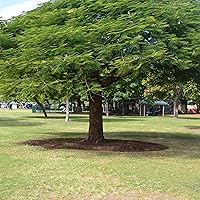
Only the chestnut tree planted by Corrie at the edge of the village flourishes in the accepted manner, finally becoming the uniting symbol of all that has passed forever.
The Honourable Charlotte Mary Thérèse Bingham was born on 29 June 1942 in Haywards Heath, Sussex, England, UK. Her father, John Bingham, the 7th Baron Clanmorris, wrote detective stories and was a secret member of MI5. Her mother, Madeleine Bingham, née Madeleine Mary Ebel, was a playwright. Charlotte first attended a school in London, but from the age of seven to 16, she went to the Priory of Our Lady's Good Counsel school in Haywards Heath. After she left school, she went to stay in Paris with some French aristocrats with the intention of learning French. She had written since she was 10 years old and her first piece of work was a thriller called Death's Ticket. She wrote her humorous autobiography, called Coronet Among the Weeds, when she was 19, and not long before her twentieth birthday a literary agent discovered her celebrating at the Ritz. He was a friend of her parents and he took off the finished manuscript of her autobiography. In 1963, this was published by Heinemanns and was a best seller.
In 1966, Charlotte Bingham's first novel, called Lucinda, was published. This was later adapted into a TV screenplay. In 1972, Coronet Among the Grass, her second autobiography, was published. This talked about the first ten years of her marriage to fellow writer Terence Brady. They couple, who have two children, later adapted Coronet Among the Grass and Coronet Among the Weeds, into the TV sitcom No, Honestly. She and her husband, Terence Brady, wrote three early episodes of Upstairs, Downstairs together, Board Wages, I Dies from Love and Out of the Everywhere. They later wrote an accompanying book called Rose's Story. They also wrote the episodes of Take Three Girls featuring Victoria (Liza Goddard). In the 1970s Brady and Bingham wrote episodes for the TV series Play for Today, Three Comedies of Marriage, Yes, Honestly and Robin's Nest. During the 1980s and 1990s they continued to write for the occasional TV series, and in 1993 adapted Jilly Cooper's novel Riders for the small screen. Since the 1980s she has become a romance novelist. In 1996 she won the Romantic Novel of the Year Award from the Romantic Novelists' Association.
The Chestnut TreeCharlotte BinghamThis book I borrowed from my sister and I am so glad I did. I loved this book and found it very compelling and could really feel the life these people had to endure during the war years.
The variety of characters and how the dealt with what was happening around them is to me an amazing thing. Each and every character brought something to this story and whether you loved or loathed them you could feel for them and what they had to deal with, loss, death, hardship and learning a new way of living in tough times.
If you like historical novels, stories of life during wartime and especially the life of women in these times you will love this book.
The women in England wanted to help with the War effort. They did more than knit socks, they sewed netting for the soldiers protection. Some worked in France for the war. As a result of the war, women changed. They married before their men were sent away. Some had babies when their men came home. Men felt the sacrifice they made for their country.
The chestnut tree of the title plays very little part in the story! Four women in an east coast country town are changed by wartime. Their lives make up the first 120 or so pages before the war gets under way; some lead quite boring and wealthy lives, others hedge rather than marry or act the tomboy around boats.
Determined to play an active role, older women set up village circles to make camouflage netting, a slow filthy task. A young woman stows away on a small boat heading to Dunkirk, rescues soldiers and sees tragedy.
Another woman works in a factory making barrage balloons and her nights are punctuated by air raids while her friends are killed by almost random bombs. A well-off young women who speaks French and German is recruited as a spy and sent to France.
I have read other Bingham books and other wartime stories, and this is not the best of either in my opinion. The effort is good and it does show how women's roles changed but some of the characters failed to hold my affection while there were so many names it could be hard to keep track. The lesson that the previous war to end all wars had been only 22 years previously was certainly well drummed in by the women who had been involved in their day. I felt that the men did not come over well - old and doddery, married Yank philanderer, and so on. Read this but go on to other tales such as 'Lights Out in Liverpool' or 'Blue Birds' for community or war work.
I vowed after reading Charlotte Binghams " Summertime" that I would never read another of her books it was that awful. But I picked this one up by mistake and actually enjoyed it. It's still not fantastic but the writing flowed nicely and it was easy to read. The Chestnut tree itself could have held more significance particularly as the story starts with it's introduction. I found there were too many characters with no specific main person, and the story only skims on their personalities and maybe the book would've have been richer in content if the writer delved deeper into the complexities of their life rather than brief overviews. Having said that I am going to read the sequels even though they don't sound as interesting. I have a renewed interest in Charlotte Bingham.
This is a story about the lives of some women from an English village during World War II. The book starts off at the outbreak of war and continues on through to the end of hostilities in Europe in May 1945. We are introduced to what seems like a large contingent of characters at the beginning and I was struggling to keep track of who was who. Eventually however, I sorted it out and began to enjoy the quick shifts between all their stories and really engaged with all their experiences. The effect of the war on women's lives during that period cannot be underestimated. As had happened for many in the First World War, women found themselves liberated from the home and thrust into occupations that had previously been unavailable to them. Although the work was hard and dangerous, for young women particularly, it gave them new freedoms and independence from their families. All the women in this book take on roles they couldn't have conceived they would be doing before the war and they all grow in different directions, discovering strengths they never knew they had. I loved this book and have since been happily exploring Youtube videos about women during this time and the work they did. I can particularly recommend "Spitfire sisters : women of the ATA" and shorter vids on the Evacuation nurses who flew into battle zones to retrieve wounded soldiers.
The book was somewhat entertaining, but the use of cliches bothered me. The object/topic of the book is the role of women during WWII, and aims to position them as strong, and valuable as more than housewives. That's why it was annoying that throughout the book, a bottle of cliches was opened. Women are described in terms of their looks/beauty, and e.g. the first spoken sentence is from a woman about her underwear. It almost made me put the book away. The narrative was entertaining at times, but not more than that.
The title of the book doesn't really cover its contents, the chestnut tree plays a very marginal role in the book and I wonder if it might have been an editorial decision to name the book thus.
WW2 drama set in a village where the women all do their bit for the war effort in their own ways. Well written, real people as well as the toffs. There are multiple female front runners as characters they all feel like real people rather then characters. It's unfair to go into the story too much as spoilers would give too much away. Great read and highly recommended. Looking forward to finding part two before I read part three as I like to read them in the correct order.
A bit slow at the start, with lots of character introductions that became a bit confusing, but settled into a good story about women in WWII. Everything from working in munitions, driving, bombing of London, the Resistance in France, Dunkirk and more. Educational and quite real in some paerts. Glad I persevered.
Wonderful story. It starts in 1939 and ends when the war comes to an end. There are two others in this set which I will certainly read. Very easy to read.
I often find myself lost among the characters of family sagas and The Chestnut Tree was no exception. It probably says more about my reading habits [usually in bed after a tiring day] than the writing but a list of characters would have been appreciated.
The story spans the six years of WWII and follows the lives and loves of four relatively well to do young women and their mothers. In The Chestnut Tree, Charlotte Bingham depicts the crumbling away of rigid pre-war class structures as the sleepy village of Bexham is forced out of its slumber to deal with the brutal realities of war. My main concern with the story was the ease with which these well shod ladies took to working in factories, joining the WVS, signing up for the armed forces or joining the French resistance movement. I’m sure this level of patriotic zeal did occur but it would have been nice to know a little more of the psychological changes that preceded such a re-evaluation of values, beliefs and way of life. Having said that, The Chestnut Tree does a good job of conveying the sense of unreality of war, of the prevailing sense of not knowing what is going on, when it will end, if they will be invaded and if their men will ever return. It also depicts the very real and constant threat of death as a result of German bombing raid for those who remained at home. The randomness of fatalities is captured in that you never knew whether you would survive; even a trip to the hairdresser could turn out to be fatal.
I found the first part of the story hard to get into and although it got better as the war unfolded, I found it a little depressing in that so many of the characters died or became quite changed as a result of their experience. Maybe this is what Charlotte Bingham intended? In this regard it is probably quite an accurate portrayal of the monumental individual and social changes brought about by war.
In spite of all the gloom and heartbreak the story ends on a rather satisfying note when one of the village sons, Walter, returns to Bexham after having been listed as missing in action. This isn’t the end of the story however; we are told on the last page that it continues in Bingham’s next novel, The Wind off the Sea.
On the whole, The Chestnut Tree is not a bad read.
Charlotte Bingham is a very prolific writer of both novels and television dramas. I first read one of her books ten years ago and this is only the fifth title of hers since then. I do not think therefore that I would consider her one of my favourite authors, though I have always found they provide readable enjoyable escapism.
The Chestnut Tree follows the lives of the residents of Bexham, a Sussex fishing port during World War II. The main protagonists are four young girls all from the village but from differing social backgrounds. Judy Melton an admirals daughter, Meggie Gore-Stewart socialite, Mathilda Eastcott only child of staid parents and Rusty Todd, tomboy daughter of the owner of the local boatyard. As the war years progress we see the girls not just participating in the war effort but falling in love.
Life will never be the same again for any of them after the war, as the lives of women of all ages changed during that period for ever.
This book takes place in Bexham, England, and focuses on four women whose lives change dramatically because of the war. Rusty, a seaman's daughter, stows away on a boat which rescues soldiers from the beaches of France during a failed invasion. The consequences of this rescue haunts her for many years. Judy falls in love with Walter, and he goes off to war, soon to be missing in action. Mattie becomes a driver for the war effort; as a result she meets and falls in love with an American general. Meggie travels across the Channel to work with the French Resistance. Each one of these women work hard to support the war effort, and then are expected to return to their own lives after the war.
The description of living in the late 1930's and 1940's were so fun to read, although living during those times was very challenging. From hairstyles to date nights, rationing to working in a factory, Charlotte Bingham brings those years to life for her readers.
I started reading this on the beach, which, thankfully, was not covered with barbed wire like the beaches of Kent. The barbed wire was one of the things I knew about WWII, along with the blitz and Anderson Shelters. In fact, I had a chance to go in a mock-up of one at a museum earlier this year (I declined because it seemed so realistic). I knew, too, that women did a lot for the war effort, but this book filled in a lot more details, e.g. the net making, which I had no clue about. The beauty secrets of war-time were an added interest, although I found each woman to be a caricature. The other problem with the characters, male and female, was that they were about-to-be-dead, tempting death, newly dead or missing and presumed dead. Just the same, Bingham's novel really brought home for me just how Britain pulled together to win at home. It was truly incredible.
Ok, I 'borrowed' this from the dementia unit my aunt lives in assuming that no-one was going to notice it was missing. I promise to return it as it was a jolly nice yarn that the nurses will no doubt enjoy even if my aunt can't. Charlotte Bingham excels at escapist romance with a tinge of sadness and a sense of nostalgia. This one is set during WWII and tracks a group of women with tenuous links to eachother through the war and their experiences whether as spies, munitions workers or working women of all types. Nice theme of the change of women's roles and the effet on some of the men and their attitudes.
I read this book a number of years ago but it is a book I find myself thinking about sometimes. It's the first book I have read that describes what life was like in Great Britain during WWII. I think sometimes fiction can give readers a feeling for a time that history books just do not. I feel after reading this I have a glimpse of what it was like to live with constant worries of bombing, rationed food, and blacked out windows. I really enjoyed this book.
The first third of the book was tough to get through. I know it built background on each of the characters but I'll admit to skim reading paragraphs. Once the War got underway it improved at lot. I like how the characters intertwined through out the book. It was a little difficult keeping track of so many but got easier as the story developed.
I loved this book, set in a fictional town during WWII. It tells the story of how the war affected the ordinary people back home, from the war efforts of sewing nets and driving Ambulances to the dreaded arrivals of the telegrams and the Dunkirk rescues. Very enjoyable!
WWII lite - covers just about every service - briefly, ditto modes of death; luckily most of the men are sexy and often good looking too. "If he could he'd take his heart out and give it you on a plate..." - ugh. Nice light weight escapist read but overpriced at 50p
Really enjoyed all of the strong women and their respective roles during WWII. This book reminds me of the wonderful movies from the 1940s and the details create authentic images without being overly graphic.
A heart warming story set in England - in Sussex at the start of WW2 and follows the lives of a small village and especially the women - not just the young women, but their mothers as well.