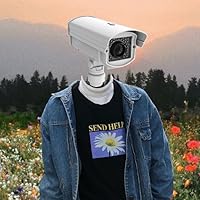
"Colt is a teenage boy, the only child of divorced parents, living in Nevada. For all his brilliance, he is impossible at school and is being home-schooled by his mother. At least in theory. His mother is a biologist, on the verge of a major scientific breakthrough; his father works for a mysterious government agency that isn't supposed to exist. Socially awkward and benignly neglected by his parents, Colt spends most of his time living in a virtual reality gaming world.
Colt is on the spectrum, to say the least. Like most people who are borderline autistic, Colt tries to keep his life simple. But when Colt meets a girl online; when he submits his mother's breakthrough scientific paper to a conference and the paper comes to the attention of the organization his father works for; when his father comes to see his own son and ex-wife as threats to national security, things start to become complicated. Very complicated indeed . . ."
Julian Gough is an award winning author of funny stories about serious things. He won the BBC National Short Story Award in 2007 (when it was the biggest prize in the world for a single short story). His “The iHole” was shortlisted for the one-off BBC International Short Story Award in 2012. He has also been shortlisted, twice, for the Everyman Bollinger Wodehouse Prize for comic fiction.
He represented Ireland in Best European Fiction 2010; won a Pushcart Prize in the US in 2011; and represented Britain in Best British Short Stories 2012. London born and Irish raised, he now lives in Berlin.
He is the author of three novels, Juno & Juliet, Jude in Ireland, and Jude in London; two radio plays, The Great Hargeisa Goat Bubble, and The Great Squanderland Roof; and a poetry collection, Free Sex Chocolate.
In 2011, he wrote the ending to Time Magazine’s computer game of the year, Minecraft.
As a youth, he wrote and sang on four albums by Toasted Heretic, and had a top ten hit with the single "Galway and Los Angeles”.
He is probably best known for stealing Will Self’s pig.
"‘I’d like to invite you to dinner,’ he says. She laughs. Slides her thumbs into her pockets, rocks back and forth on her heels. ‘You’re sure you’re not busy? It’s kind of the end of the world right now.’"
Wow. I really and totally felt 100% engaged with this book, and even though Colt's headspace is very different to that of any of the people that have gone before him in this kind of novel, you can feel enough that it's not a problem. it adds piquancy, and the progression of the story is almost unquantifiably riveting - despite the leaning toward a future we can't quite see, there's enough grounding that you can still assuredly relate. It's one of these books where a description doesn't quite do it justice so I'll stop here. But I was totally in it; coming up for air felt strange and alien.
The Game and the world building is described with such pretentiousness it’s like the author thinks he invented the idea of AR.
The sex scenes were bizarre, unnecessary for the plot and frankly, kind of gross. They had a creepiness to them and took me out of this ‘future world’. The attempt at writing a female character is laughable. Mothers do worry about their children but I’ve never heard a woman say she was so relived her child was ok that she nearly orgasmed in front of her boss. WTH??? And the timing of cutting from Colt with a hard-on to his mother ‘cumming hard’ was gross. No thanks.
What was with all the “this story is true” garbage? The philosophical detours were contrived, dull and amateur. Forcing it isn’t going to make this story deep, mate. Ugh. Apparently there’s a twist ending. Do I care? Not one bit.
I’ve read books with characters on the spectrum that are far more interesting, realistic, relevant and engaging than this. I don’t like to hate on an author’s work but the advertising for this book was misleading and I feel like my time was utterly wasted. Very disappointed.
Salve, cari lettori. Oggi cambieremo completamente genere e ci immergeremo in quello che è stato definito un techno-thriller, di cui capirete meglio la definizione andando avanti con la recensione. Il libro in questione è “Connect” di Julian Gough, pubblicato da Fanucci.
Siamo in un futuro prossimo non meglio precisato, dove la tecnologia ha fatto passi avanti nell’affiancare l’essere umano nella vita di tutti i giorni, con automobili completamente automatizzate e sistemi di gioco all’avanguardia. Colt è un adolescente insolito, chiuso in se stesso, che vive con la madre Naomi nella periferia di Las Vegas, nuovo centro pulsante di laboratori e ricerca scientifica. Qui Naomi porta avanti una ricerca di estremo valore e divide il suo tempo tra il suo lavoro e l’occuparsi del figlio da madre separata. Colt però non è un ragazzo come gli altri; è molto intelligente ma affetto da sindrome autistica, quindi spesso non riesce a comprendere il mondo che lo circonda ed è costretto ad affidarsi totalmente a sua madre per la sua sopravvivenza, trovando più semplice immergersi completamente nella realtà virtuale del gioco che ha contribuito a creare. Spinto dal desiderio di comprendere il cosiddetto mondo reale, decide di mettere mano alle ricerche di Naomi e applicarle a se stesso, in un tentativo utopistico di migliorarsi nell’unico modo che conosce, tramite la logica e la tecnologia. Purtroppo, una volta messo in moto, il meccanismo non è reversibile e Naomi dovrà intervenire ancora una volta per proteggere suo figlio, da se stesso e da tutti coloro che potrebbero mettere le mani sulla sua ricerca.
Vorrei partire con una precisazione. Prima d’iniziare questo libro non avevo idea di cosa potesse significare il termine techno-thriller. Nella mia mente mi ero immaginata un classico thriller a tema tecnologico, ma questo va oltre ogni aspettativa. Si tratta sicuramente di un libro non di facile lettura, scritto utilizzando dei linguaggi specialistici presi in prestito da testi biologici, scientifici, tecnici e tecnologici, e inaspettatamente anche etico e religiosi. Inoltre, come introduzione di ognuna delle dodici parti in cui il testo è suddiviso, sono poste delle citazioni tratte da filosofi e scrittori che vanno viste come metafore del tema trattato. Il romanzo inizia con una precisazione sul narratore, che non è fisicamente colui che scrive il libro, ma rimane misterioso e ci promette che tutto verrà chiarito alla fine, e questo ve lo confermo, perché nonostante si tratti di un libro complesso, è vero che alla fine questo mistero viene svelato. Ho apprezzato la parte più umana del thriller, quella che parla del rapporto tra madre e figlio o delle difficoltà d’interazione di Colt con gli altri. Naomi è una donna sola e piena di debolezze, che soffre la solitudine della sua condizione, non solo fisica, del vivere nell’isolamento del deserto del Nevada, ma anche psicologica, nel sentirsi l’unica persona da cui suo figlio dipende totalmente. Si sacrifica per garantirgli una routine di cui ha estremo bisogno per non cadere vittima di una delle sue crisi e mal sopporta la sua totale dipendenza dal mondo virtuale. Per quanto riguarda Colt, è stato interessante leggere del suo desiderio di comprendere le complesse interazioni sociali e molto spesso l’ho paragonato mentalmente a un computer che cerca di imparare i sentimenti basilari umani. Ci sono dei passaggi molto profondi con degli importanti messaggi, quasi come un viaggio fisico e mentale verso l’umanità ponendo degli interrogativi sull’etica della scienza e dello sviluppo tecnologico che non vanno considerati scontati.
In conclusione, si tratta di una delle recensioni più difficili che abbia mai scritto. Durante la lettura mi sono ritrovata più e più volte con gli occhi pesanti e in serie difficoltà a continuare, soprattutto nella prima parte, che è la più pesante e lenta. Proseguendo penso di aver capito lo scopo dell’autore nella scelta di un linguaggio così ostico, sicuramente fondamentale al genere, ma non penso sia un libro da consigliare a chiunque, trattandosi anche di un volume di più di 500 pagine, quindi non proprio piccolo. Se siete amanti del genere tecnologico, con riferimenti ad hackers, futurismi e programmazione, magari dovreste dargli una chance, ma in caso contrario forse dovreste cercare altro.
Connect by Julian Gough is a very ambitious project. It seeks to map the human condition in the context of the greater universe and particularly its place amidst the rise of Artificial Intelligence. So, y’know… just Life, the Universe and Everything. That the author wraps these themes into a good old-fashioned, ripping yarn and pretty much succeeds in his attempt is truly commendable. It is set in the near future. In a sort of post-Orwellian nightmare, Naomi Chiang, a research scientist and divorcee, lives in Nevada, with her son, Colt. Although, it is never explicitly stated, Colt is somewhere on the Spectrum (autistic or something, I would guess. I have neither the qualifications nor the lived experience to speculate further). He is an extremely intelligent but socially withdrawn teenager who has retreated into the extremely successful, alternative reality, gameworld that he has created. Naomi struggles to connect with her boy just as he struggles to connect with the outside world. She takes pills to suppress her desires, ostensibly to concentrate on her research but also, the reader suspects in an effort to put herself on a plane with which her son can resonate. Of course, like all of her attempts ro communicate with Colt, it is a futile act of desperation but such is everything about their existence. For example, Naomi’s sex-life is an angry, physical experience with no emotional attachment, whilst Colt can barely bring himself to speak to the girl he likes. In short, their very existence – their DNA, even – is set to wither and die. Only when Colt (who has an ulterior motive for getting his mother out of town) submits Naomi’s work to a New York conference, does the outside impetus that their own universe so badly needs, arrive. This action brings Naomi and subsequently Colt to the attention of the Military Machine. Specifically, it brings them to the attention of Ryan, the director of a shadowy branch of the military and, coincidentally, Naomi’s ex-husband and Colt's father. Hey! I did say that we are in ripping, good yarn territory, here. What elevates Connect above say, a Marvel fantasy or any other routine tale of derring-do, is that at no point is the reader allowed to forget that these events are metaphors for greater philosophical contentions. Quite bravely – because less forgiving readers might presume it to be pretentiousness – the author heads many of the chapters with relevant quotes from a variety of sources (although, mostly philosophers). For me, these are reminders of the headings on old, penny-a-page, Victorian novels. (You know the sort of thing: Chapter 10… a messenger arrives… our heroine faces a dilemma… an outrageous event at the Manor…). Whilst they can’t fulfill the predictive function of those old-time headings, they do succeed in encouraging the reader to engage with the events described on a broader level. In other words, it makes the actions a metaphor for an aspect of the human condition. It’s worth pointing out here, that many of the events act doubly as metaphors for the emerging relationship between mother and child. At one stage, for example, the pair make a daring escape that perfectly mirrors their emerging relationship. I don’t usually write reviews. Writing is hard enough without some stranger popping up out of nowhere and pointing out the flaws in your work. I made an exception for Connect, not because it is a perfect book but because it uses it's imperfections to its advantage. For example, the plotline of any tale of derring-do will rely on luck and coincidence. Some readers might be dismissive of these devices in a book attempting such weighty themes but, for me, these are the conventions of the genre and the writer is entitled to use every device at his disposal to get his message out there. Because Gough comes about as close as is humanly possible to succeeding in conveying such a ridiculously broad message is why I am reviewing this and giving it Five Stars out of Five, all the way.
Atoms Chemicals Biology Science and God.. Deep! This story digs down to the universal meaning of life and why we are here, as well as the questions of God and Universe and Man..! It’s clever! First I thought that it was a story about an autistic boy and his Mom, (Dad Works for Gov, and they are divorced)..but really it’s a utopian story set in the future. How the world can become a better place which is a nice break from the dystopian book trend and the world ending and humans messing everything up. I love that even God needs a Mom! This book has some really great quotes and really gave me a big boost in the happiness and spirit department! Totally Awesome Book! And good for a re-read because it’s densely packed with surprises and quotes I’ll probably fill up in notebooks!
A cracking read. Not sure I’ve ever read a book that incorporates Big Ideas so seamlessly. The pacing and drama of a thriller, the character depth of literary fiction, with the wit and depth of a popular science classic. The new bible of futurism.
Cosa. Ho. Appena. Letto. Un libro che sembrava davvero interessante, scritto in maniera assurda, tradotto con la zappa, una schifezza allucinante, per non dire "una cagata pazzesca" (cit.).
Colt è un diciottenne autistico che vive con sua madre Naomi, che fa la ricercatrice e ha scoperto un modo per rigenerare intere parti del corpo danneggiate, ad esempio in incidenti o in guerra. Questo può applicarsi anche al cervello ovviamente, ed è per questo che . Molto interessante. Svolgimento, però, pessimo. Infinite idiozie (ma davvero Gough mi vuole far credere che in un laboratorio di massima sicurezza sia possibile portare il proprio figlio così, come se niente fosse, addirittura farlo praticamente crescere lì?) Sesso gratuito (a me non dà alcun fastidio, ma deve essere funzionale alla storia, e qui non lo è mai). Poi verso la metà si perde addirittura, entra in gioco il padre di Colt, Ryan, ex marito di Naomi, e lì non ci ho capito più niente. Il miracolo è che io sia riuscita a finire questo libro, che peraltro ha pure quasi 600 pagine.
I really wanted to love this book because the cover is gorgeous, because it was going to look at a point of view I don't get to read a lot from, and the synopsis sounded great. But I wanted something with excitement and action and suspense all wrapped up in a layer of cool nerdy techy dystopian-ish discourse and I got none of these things.
This book reads like the result of a session of intense intellectual masturbation, where a bunch of interesting concepts are thrown together without really being tied in properly, or developed in an interesting manner. It's such a shame. Within the last hour of listening to the audiobook, you get a massive plot twist that could have been its own great thing, and instead turned into a thinly veiled rant. Not that I disagree with what was said, but it was so last minute and there was so little depth to it that it really wasn't worth adding.
Nothing happens for the longest time, and when something does happen, it doesn't deliver. The book is slow and lacks excitement, and it didn't help that the narrator of the audio book was terrible and his voice acting was piss poor and made the character sound incredibly flat. Although, I didn't feel they really had much depth to them, and it was hard to relate to any of them. I'm still not sure why there are so many unnecessary sex scenes, and I wish the world-building had been up to scratch, but it was all just about lukewarm.
This book also wins the award for the absolute worst ending ever. JFC, don't do that again please, I cringed so much the people on the train stared at me weirdly.
Wow! What a ride. It's about 475 pages and I read it in a week. Gulped it down would be a better description. Bursting with ideas that tumble out at a fast pace. There is something very Irish about this science fiction novel set in Nevada that never mentions Ireland. It's got William Gibson and Roberto Calasso as well as excellent characterization of a single scientist mother and her autistic son. The autism is particularly well described and (for me) puts this book in that small library of well-done works on the topic: Fall Down 7 Times Get Up 8, Curious Incident of Dog in the Nighttime, and Shtum. This is saying a lot as that is only tangential to the work. Ultimately, it's a highly readable near-future thriller.
This book has been written by someone who, like Alex in A Clockwork Orange, processed the media and pop culture of the last decade unblinking. Put through the arts blender of Julian's brain, the result is a thrilling and naughty mix of sci-fi, thriller, coming-of-age and criticism of civilisation. An instant cult book and literally begging to be made into a movie.
Eccomi qua finalmente a parlare di un libro della collana Timecrime di Fanucci che non vedevo l’ora di leggere, Connect di Julian Gough: un entusiasmante tecno-thriller che, attraverso una prospettiva originale, esplora quali connessioni possono crearsi e crescere nell’era digitale. In un’epoca non ben precisata del futuro, il timido diciottenne Colt è autistico e vive in Nevada assieme alla madre Naomi, una brillante biologa molecolare che lavora presso un centro di ricerca a qualche chilometro dal confine orientale con Las Vegas. Dotato di un’intelligenza fuori dalla norma, Colt ha ricevuto l’istruzione da casa e trascorre molto del suo tempo con un caschetto in testa, che gli permette di entrare nel mondo virtuale di un gioco da lui creato, perdendo il contatto con la realtà: il videomondo in tutte le sue versioni per lui è come se fosse una casa. Naomi, la mamma di Colt, è separata da Ryan, collaboratore di una misteriosa agenzia governativa, da circa dodici anni, ed è una brillante scienziata che si rifiuta di pubblicare le sue ricerche adducendo come scusa il fatto che non sono ultimate. Un giorno Colt decide di inviare gli straordinari risultati preliminari della ricerca di Naomi sulla ricrescita dell’arto, alla Stem Cell a New York, cosa che crea un certo subbuglio nella NDSA, agenzia nazionale di sicurezza domestica, che ne ordina immediatamente il protesto. Da qui in poi si innescano una serie di eventi che metteranno in serio pericolo tutti, Colt compreso… Sull’intricata trama non dirò una parola in più. Il mio motto è “No spoiler“.
Connect di Julian Gough è certamente un romanzo dalle caratteristiche peculiari. Nelle sue quasi seicento pagine l’autore rappresenta una storia dal ritmo incalzante ambientata in un futuro immaginario non molto distante dalla nostra realtà e immerso in una società ipertecnologica nella quale, per esempio, le macchine hanno il sistema di guida automatico e nella maggior parte degli Stati è proibito guidare la propria vettura da soli, i treni sono elettrici e senza macchinista, le strade sono state ricoperte da un manto nero opaco ad alta efficienza che cattura l’energia solare e una volta che il sole ha scaldato abbastanza quel fiume nero stradale, il suo manto appare come bagnato da un corso d’acqua pulsante e sfavillante… In questo contesto la scienziata Naomi compie delle ricerche all’avanguardia sul dolore e sui nuovi modi per accelerare il processo di guarigione. Quando si reca ad un congresso a New York per esporre i suoi interessanti e rivoluzionari risultati, rappresentanti di forze terribili e potenti cercano di arrestare la divulgazione delle informazioni ricorrendo a qualunque mezzo. Avventura, mistero, azione, sesso, scienza e paesaggi futuristici, si mescolano sapientemente in questo romanzo e danno vita ad una storia entusiasmante che offre anche moltissimi spunti di riflessione sulla società moderna e i suoi sviluppi futuri, tra i quali la considerazione su certi programmi tv, che vedono la morte confezionata come intrattenimento, oppure le necessità di monitoraggio e sorveglianza collettive che si scontrano con le libertà e l’esigenza di privacy del singolo individuo, l’intelligenza artificiale che si introduce sempre di più nella vita quotidiana, sostituendo l’uomo, come è stato più volte postulato anche dallo scienziato Stephen Hawking, il quale in passato si è espresso molteplici volte mettendo in guardia contro i pericoli dell’AI : “accanto ai benefici, le intelligenze artificiali porteranno anche dei pericoli, come potenti armi autonome, o nuovi modi che permetteranno a pochi di opprimere molti”.
Lo stile narrativo si distingue per la vibrante nota personale, caratteristica ed evocativa. Nonostante il libro sia improntato sull’azione, l’autore non si sottrae mai dal descrivere gli stati emotivi dei protagonisti, conferendo alla storia maggiore spessore. Connect è anche il racconto del difficile rapporto di una madre e suo figlio: una relazione improntata sulla scarsa comunicazione, dovuta all’autismo di Colt e alle ripetute assenze di Naomi a causa del lavoro. La situazione drammatica e pericolosa nella quale si verranno a trovare porterà i due a confrontarsi e a riscoprirsi, migliorando le problematiche affettive. Non mancano anche alcune contingenze piccanti. La parte finale è una lunga speculazione psichedelica scaturita dalle maglie delle connessioni neurali super potenziate di Colt, la quale ricorda atmosfere già vissute, e che sfocia in una sorta di Giorno del Giudizio in salsa tecnologica…Very good!
Irgendwie war dieses Buch nicht wirklich etwas für mich. Ich weiß auch gar nicht genau, was ich erwartet habe, aber ich schätze, andere Charaktere könnte die Antwort sein.
Colt - ich weiß nicht mehr, ob ausdrücklich gesagt wird, was genau sein Problem ist. Aber etwas an seinem Gehirn stimmt nicht so ganz, dadurch verlässt er nie das Haus, vermeidet Menschen und lebt in seiner Virtual-Reality-Welt. Nie setzt er seine Brille ab, durch die er auch die Realität durch einen Filter sieht, zum Beispiel Tiere statt Fahrzeuge und einen Wasserfall statt einer Dusche. In sein Spiel vertieft vergisst er die Welt.
Seine Mutter Naomi ist die andere Hauptfigur und auch sie ist keine durchschnittliche Person. Als Wissenschaftlerin traut sie sich nur wenig und ihre schwierigste Aufgabe ist eher, sich um ihren Sohn zu kümmern, denn Colt reagiert schnell empfindlich, wenn er sich beobachtet oder bedrängt fühlt. So ist selbst für seine Mutter der Umgang mit ihm alles andere als einfach.
Traurig, aber wahr und in diesem Buch von großer Bedeutung: Wissenschaftlicher Fortschritt geht erstmal durchs Militär. Auch wenn es dafür gedacht ist, Menschen zu helfen, kann etwas unter Verschluss gehalten werden, wenn es als potenziell gefährlich betrachtet wird. Dazu gehört dann auch Naomis Arbeit, aber als es dann mehr als nur Arbeit ist und droht, ihr und Colts Leben dramatisch zu verändern, wird eine "spannende" Jagd aus der Sache.
Der Roman sinnierte auch regelmäßig ganz philosophisch daher, aber ich kam mit dem Schreibstil nicht so klar und da mich auch die Handlung nie richtig packen konnte, störten mich solche Abschnitte auch noch.
Die Handlung fand ich eigentlich gar nicht so schlecht, aber auch sehr langatmig und sogar etwas anstrengend. Die wissenschaftlichen Aspekte und auch manche Virtual-Reality-Sachen fand ich wirklich sehr interessant, aber diese wurden dann durch durch Metaphern und Gefühle wieder durch den Schreibstil-Filter gezogen.
Fazit Letztendlich hat mir "Connect" wegen der anstrengenden Charaktere, des ebenfalls anstrengenden Schreibstils und die langatmige Geschichte nicht besonders gut gefallen, auch wenn ich die wissenschaftlichen Ideen eigentlich ganz cool fand.
2021 reads, #21. DID NOT FINISH. Although I've been getting increasingly comfortable in recent years with giving up on a book if I'm not finding anything engaging about it in the first 20 or 30 pages, this might be the very first time in my life when I gave up on a book I was looking forward to right on the very first page, when I cracked open the 500-page Connect by Julian Gough (whose biggest claim to fame is that he wrote the poem that appears onscreen in Minecraft after defeating the Ender Dragon), and was forced on page 1 to sit through the experience of our hero, biologist Naomi Chiang, calmly observing her severely autistic teenage son pop a boner through his pajamas after winning the boss level of his latest virtual-reality obsession. Jesus Christ, Gough, no fucking thanks, I thought, shutting the book and hopping on here at Goodreads to see the thoughts of people who actually read through the whole thing, to make sure I wasn't accidentally missing a modern masterpiece that just unfortunately begins in about the most unpleasant way humanly possible.
It was at that point that I learned that the novel is guilty is three different major literary sins; that is, if you don't count the minor sin of delivering the most cringey look at sexuality in the entire history of 500-page books with cringey sexual references on the very first page. First, by making this a book about an Asian woman who accidentally discovers a cure for autism, just to have a collection of white male soldiers immediately try to steal it for the purpose of turning it into a weapon, Gough is guilty of the 21st-century crime of writing the most Wokety Woke story the Wokety Wokes ever Wokety Woke, which is apparently fine for others but to me is like fingernails down a chalkboard; then, by indicating that the treatment not only cures autism but actually turns the affected person into a cartoonishly hyperintelligent Superman figure, Gough quite nakedly rips off the storyline of the much more famous Flowers for Algernon by Daniel Keyes, and Commandment #1 of avoiding bad writing is, "Thou shalt not rip off novels that are actually better-written than thine own;" and third, based on the multitude of disappointed reviews by others here, I get the sense that Gough is an example of the absolutely worst type of science-fiction author there is, the "Full-Time Academe Science-Fiction Author" (perhaps most typified by Ian McEwan's unreadably fucking shitty 2019 Machines Like Me, a book that gives me Vietnam flashbacks just by mentioning its title again), in which said writer declares that they're a real author, not like those lasergun-obsessed hacks who usually write sci-fi novels, and therefore his sci-fi novel isn't going to be about such contemptuous subjects like robots and spaceships but instead will be a good science-fiction novel, one about real things, important things! Like injustice! And...um, autistic people who experience injustice! And...er, autistic people's single mothers who also experience injustice! Nope, no 'pew-pew' or 'take me to your leader' here, folks, no sir! I have an MFA! I actually know what I'm doing!
Ugh, Gough, NO THANK YOU. A badly written genre novel is one thing, disappointing for sure but something I can usually blow off fairly easily; but it's when literary authors start openly implying that there's never been a decently written genre novel in history, because writers with MFAs have never written in that genre, that's when I cross the rubicon into personally offended, not only because of the implication but because the data leading to the implication is plain wrong. (There are plenty of hoity-toity writers cranking out great sci-fi these days, even if your dissertation advisor has never heard of them.) All this added together was just enough to make me take the unheard-of action of abandoning a novel I was looking forward to after reading less than one page of it; and I gotta say, based on what I read about it afterwards, I don't regret my decision a single bit.
Dr Naomi Chang arbeitet in der nahen Zukunft an einem Verfahren der Biotechnologie, das nach schweren Verletzungen das Zellwachstum im menschlichen Körper beschleunigen könnte. So wie ihren Versuchs-Raupen sollen auch Menschen zerstörte Körperteile nachwachsen können. Während Naomi noch zögert, ihre Versuchsergebnisse der Öffentlichkeit vorzustellen, heften sich ihr überraschend zwei Probleme an die Fersen. Ihr 18-jähriger Sohn Colt, mit einem deutlichen Problem aus dem Autismus-Spektrum, hat sich in Naomis Daten gehackt und ihr Verfahren heimlich fertiggestellt. Colt will Naomi schlicht ein paar Tage aus dem Haus haben, um eigene Ziele zu verfolgen, indem er sie mithilfe vollendeter Tatsachen auf einen Kongress in New York nötigt. Naomis Exmann Ryan jedoch erklärt (im Auftrag einer NSA-Nachfolgeorganisation) ihre Forschungsergebnisse für militärisch so bedeutend, dass sie keinesfalls an die Öffentlichkeit gelangen dürfen. Auch Ryan hackt sich in Naomis Leben, ihre Sorge um den autistischen Colt dient ihm dabei als Werkzeug. Der 18-Jährige trägt 24 Stunden am Tag einen VR-Helm und kann das Haus praktisch nicht verlassen, um seine Spielstände als Online-Gamer nicht zu verlieren. Colt spielt nicht nur, er codet auch und hat sich in der Gamer-Szene zum angesehenen Programmierer hochgearbeitet. Da Naomi Colt allein für nicht überlebensfähig hält, ist auch sie überzeugt, dass sie das Haus nicht ohne fatale Folgen verlassen kann. Durch einen Akt jugendlicher Selbstüberschätzung wird Colt jedoch zum Auslöser einer spannenden Verfolgungsjagd in der feindlichen Außenwelt.
In Julian Goughs Roman geht es um Mustererkennung, um die totale Kontrolle von Menschen per Künstlicher Intelligenz, die Grenzen menschlicher Analysefähgikeit und um den verschwimmenden Grenzbereich zwischen virtueller und realer Welt. Für Colt ist es eine schockierende Begegnung, als seine angebetete Spielfigur Snow Queen höchst lebendig vor der Tür steht.
"Connect" erlebe ich weniger als Wissenschaftsthriller, sondern als groteske, durchaus komische Coming-of-Age-Geschichte eines Hikikomoris, dekoriert mit einigen lustigen Überwachungstechnologien. Ähnlich wie in „Der Circle“ wirkt in „Connect“ die weibliche Hauptfigur (hier z. B. trotz Wissenschaftlerkarriere in ihrem Umgang mit Colts Autismus) einfach zu unbedarft, um bei mir Lesefreude auszulösen. Genau der Typ, der offenbar den weltweiten Erfolg eines Romans garantiert.
Der Observer siedelt „Connect“ zwischen „Matrix“, „Der Circle“ und „Fifty Shades of Grey“ an. Das konnte ich mir zu Beginn des Buches zwar noch nicht vorstellen, aber wer weder den Circle noch Shades of Grey mochte, sollte seine Erwartungen an das Buch besser herunterschrauben.
I really wanted to like this book, but unfortunately it just wasn't good. If I was the type of person to give up and stop reading a book this would be one. There was too much going on that did not relate to the plot or was added in for reasons I cannot fully figure out. Certain parts were overly sexualized and it did not need to be to make the story flow. Also the back and forth between different characters' points of view, quotes from various people, and the author but not the author (yes I know very confusing which is part of why the book was just so hard to get through) just dragged out the story and made it difficult to follow along with. Again I really wanted to like this book it was just too much of a lot of different things that just did not make the story interesting or easy to follow.
Connect is one of the most exciting books I have read in some time. I was engaged throughout. It explores the big topics of life, death and love in the near futuristic technological dependent world. The science and technical jargon would normally have been off putting to me, but the skilful storytelling tied it all together so well. The awkwardness and neuroses of the main characters and their transformation had me captivated from start to finish.
Ci troviamo qualche decade in avanti rispetto ai giorni nostri: è un futuro in cui i mirabili progressi tecnologici e digitali non riescono a portare pace e serenità nel mondo, perennemente oppresso da una paranoide paura dei nemici e dei terroristi. Colt è un ragazzo con un disturbo dello spettro autistico, con un enorme talento per la programmazione software e altrettanto grandi problemi a rapportarsi con le persone. Vive ai margini del deserto del Nevada, vicino Las Vegas, con la madre Naomi, biologa e ricercatrice, dedita allo studio della rigenerazione e della riparazione dei tessuti viventi. I suoi genitori sono divorziati, il padre Ryan non ha lasciato né in lui né nella madre un buon ricordo, e non è affatto presente nella loro vita, preso com’è dai suoi incarichi nell’intelligence degli Stati Uniti. Colt ha inventato un universo virtuale, un mondo parallelo, un enorme videogioco che rispecchia la realtà; si rifugia nella programmazione per la maggior parte del tempo, mentre gli unici rapporti umani che riesce a tollerare sono quelli con la madre, e soltanto se le interazioni non si fanno molto intime o complesse. Per lui sono un mistero insondabile le menti delle altre persone, i propri sentimenti, il piano simbolico del linguaggio, tutto ciò che accade nel mondo reale, quello che lui chiama con disprezzo “mondomerda”.
Ma Colt ha consapevolezza di questo suo handicap, e vuole a tutti i costi superarlo. Vuole acquisire le capacità di comprendere e sintonizzarsi con gli altri, entrare nel loro mondo emotivo e prendere contatto con il proprio, senza per questo essere esposto a un panico ingestibile. Per questo ha un piano. Conosce a cosa sta lavorando la madre, sa che nessuno ha mai sperimentato sui primati le intuizioni di lei sulla rigenerazione tessutale, e che probabilmente non avrà mai l’autorizzazione per farlo. La allontana dalla città con una mossa abile, inviando a un congresso di biotecnologia la sua ricerca, a insaputa della donna. Quando lei deve assentarsi dalla città per presenziare alla relazione scientifica, grazie alla sua abilità di hackerare qualsiasi dispositivo si introduce nel laboratorio e si inietta un preparato che, lui spera, potrà potenziare il suo sistema neuronale colmando ogni carenza cognitiva. Questa mossa incosciente lo uccide quasi, ma Naomi inventa un brillante antidoto per bloccare l’espansione incontrollata delle cellule encefaliche e mantenere invece la loro capacità di incrementare le connessioni reciproche e le capacità intellettive del ragazzo, praticamente all’infinito. La procedura è molto rischiosa, il ragazzo tuttavia sopravvive.
Ha appena fatto di suo figlio un superuomo. Un supereroe. Un’arma micidiale, su cui presto metteranno gli occhi i militari. Infatti Ryan, il padre, vuole convincerlo a lavorare per la sicurezza nazionale e lo rapisce da casa; da qui in poi si apre la parte più avvincente del romanzo, la lotta tra il bene e il male, tra potenze distruttive e forze generatrici, tra il caos e la pace. Una lotta sempre in bilico tra realtà virtuale e mondo reale, con colpi di scena, suspense e sentimenti. Connect è un romanzo complesso, corposo e di non semplicissimo approccio. Moltissime citazioni (filosofi, scrittori, cantanti) intervallano la narrazione, che si alterna su vari piani temporali e di realtà, spesso con punti di vista rapidamente oscillanti. Inoltre molti riferimenti tecnici e un linguaggio specialistico, in alcuni passaggi, possono spiazzare un lettore non avvezzo alla sci-fi tecnologica. Ciò nonostante, tratteggia dei personaggi indimenticabili, con caratterizzazioni splendide, nitide, verosimili, e si muove all’interno di un intreccio di dilemmi etici di grande attualità. La seconda parte della storia è la più scorrevole: il ritmo è maggiormente serrato, gli eventi si susseguono con velocità e ci troviamo col cuore in gola per i protagonisti, minacciati da pericoli che si moltiplicano di pagina in pagina, e ribaltano l’esito del conflitto più e più volte. Ho gradito di meno la parte finale, scorgendovi degli escamotage mistici che non si addicono molto al mio gusto. Ma nel complesso è un’opera di grande respiro, molto curata e articolata, che non deluderà gli appassionati del genere.
Ich habe jetzt etwas über 160 Seiten gelesen und wirklich viel ist in dem Buch bisher noch nicht passiert. Man hat das Gefühl, dass der Autor versucht hat, eine Art minutiöse Beschreibung zu formulieren, denn an vielen Stellen werden wird sehr genau beschrieben, was passiert. An anderen Stellen werden wiederum Details weggelassen, die für den Leser wichtig wären. Das macht das Ganze sehr anstrengend und in meinen Augen viel zu langatmig. Auch der Schreibstil ist sehr schwer zu lesen, da er aus der dritten Person geschrieben ist. Ich konnte dadurch irgendwie keine Verbindung zu den Charakteren herstellen, was das Ganze nicht wirklich besser gemacht hat. Auch die beiden Figuren Colt und Naomi waren sehr sonderbar dargestellt. Naomi ist Wissenschaftlerin, traut sich selbst aber kaum irgendwas zu. Anscheinend hat sie auch wie ihr Sohn ein psychisches Problem, was aber bisher nicht wirklich angesprochen wurde. Colt lebt irgendwie nur in seiner eigenen Spielewelt und hat keinen Kontakt zu außen und ist auch irgendwie kaum was. Das fand ich irgendwie widersprüchlich.
An sich ist die Idee hinter dem Buch gut und man erfährt auch am Anfang minimal etwas darüber, wie es weitergehen könnte. Aber die Umsetzung ist für mich nicht gelungen und die Darstellung der Figuren ist sehr bizarr und lädt nicht wirklich zum Lesen ein :(
The start was difficult to read, a different type of writing pressing too hard on the social inabilities of the characters, both Naomi and Colt, imo. Then, with the story unfolding, it became really fun to read about their evolution in short time, their decisions and the doubt they feel all the time. The meeting with Ryan was interesting, and there began the highlight for me: The pursuit. Once the pursuit ended, though, and Naomi had her research and Colt turned off the A/C, the story ended for me. The final 100 pages were not great, Colt returning to the game world and "defeating" the enemy from there with the "help" of Sasha.
Not for me, wouldn't really recommend. Cutting it at the point where Naomi escaped the labs and restarting a new storyline from a political or military POV would have made for a far better ending in my view, even if there would have been 100 pages more to get that story running.
This entire review has been hidden because of spoilers.
Not for me sorry. Many old Science Fiction stories mixed here. Remain me a lot of movies with paralels words allcomnine. For the loop fight I couldn't stop thinking in "War games". Narrative also not for me.
Some decent bits but pretentious and full of itself. The last ~100 pages are muddy as hell. Would probably be more tolerable if it could at least try to be normal about its female main character.
I made it through this because it was a neat idea and the elements of the story were very cool, but overall this is a terrible book.
First and foremost the religion is slapped upside your head. I'm a Christian, Jesus is my Lord and Savior. This guy just blurts out stupid things. It is akin to when Louis L'amour writes about Sam the dog in Hondo. There is no subtlety, no metaphor. He sits on your chest and pounds into your face COLT is CHRIST. TECHNOLOGY is GOD. He treats the reader like a moron and holds their hand through any kind of metaphor. That's simply not good writing. It is exactly what Louis L'amour does, and it is boring, tedious, and repetitive because he has to remind us of these facts every two or three pages.
Along the same line, this guy doesn't understand how any of the stuff works. He wants this to be a love story so bad, but his idea of love is a girl trying to take advantage of a mentally-handicapped person, only for him to later decide to sexually assault her (and not PC sexual assault, he violently grabs her crotch) these two, who have no chemistry, are destined to be together because of . . . reasons. The mother has her own issues I don't want to touch with a ten-foot pole, and the entire father character is so abstract as to not even really be a person, but more of an evil specter who is evil. None of this is love, and our author doesn't seem to understand that. Sex does not equal love, we have to end with a three page description of teenagers having sex. Sex is not love.
The whole book is like this. I was laughing at the beginning when he brings up ducks raping each other. He honestly tries to compare duck sex to human interaction. Ducks are not humans. Humans are not animals, and when you compare the two you are the one condoning the evil stuff people do. People are held to a higher standard, and you using ducks as rape metaphors isn't making a point, it's making you out to be an ass.
The whole premise is neat, but it goes completely off the rails. She can regrow body parts that have been damaged. COOL! In no way would the military need to suppress that information. He can use it to fix his damaged brain. OKAY? He was perfect the way God made him, but I can understand that. He is now a superhero because he can do mental math. Wait . . . what?
We actually go through three stories here. A love story of a mother trying to save her son (which is beautiful, and far and away the best story here). A horror story of an abusive father (which at least makes some sense). To a James Bond action flick (where the mother is now reduced from a world-class scientist into a ditsy woman, and the son who couldn't order a pizza is now able to fight off a super intelligent computer system).
The whole thing is ridiculous and any time actual science or computer stuff comes up it becomes the equivalent of someone shouting "WHAT's THAT?" and pointing behind you. The kid "codes" constantly. No idea what that looks like or means, but he codes. The animals become representations of killer robots, and the entire game becomes sentient. Weather means something when the author needs it to mean something. The entire book could have been solved with a single bullet. Either the father could have simply shot and killed Colt, or Colt could have simply shot and killed his father.
Vegas is literally burning to the ground because of the machine and no one seems to care. A trained sniper would have made more sense then this stupid technology. Colt's game isn't going to stop a bullet, and thousands of countless people wouldn't have needlessly died. Use the Immune System to track and find people, then kick it to the humans to make the decisions on killing, you know . . . like they do now.
The whole book is so flawed with this stupidity, and then tries to hold the reader's hand and act like we're the stupid ones.
An ambitious, simplistic, entertaining, frustrating, sincere, cliche-ridden, brave, incoherent book. I don't know whether Gough lacks trust in his readers, or simply bit off more than he could chew, but he ends up spending more time telling us about his big ideas than using his world and his characters to make them real. By the final stretch he's in full didactic mode, and unfortunately the curriculum is unoriginal and superficial. I admire his decisions to -- but the reason those things are brave is because it's easy to look silly while doing them, which unfortunately Gough sort of does.
I called the novel 'incoherent' because its disparate elements merely coexist, rather than reinforcing each other to form a stronger, more complex whole. The result is not quite believable, not quite as moving as it tries to be, and not quite narratively satisfying. The two main characters are actually pretty compelling to begin with, but the way their stories play out is mostly unsatisfying, and sometimes frankly cringe-inducing: I also admire Gough's willingness to make himself vulnerable by writing about sex in a way that risks scorn, but the part where was a bit much. And generally the resolution of the story is a weird mishmash of metaphor, techno-handwaving and implausible interpersonal dynamics.
The prose is functional and simple in a way that I rather like, but it is often too on the nose: sometimes obvious things are spelled out because they're not obvious to the main character, who has to consciously piece them together; but sometimes Gough just seems worried that we might not have understood him the first time, or unsure that he can convey the intended plot point or emotional state with any subtlety.
The big advantage of telling rather than showing -- the main reason the standard advice is sometimes wrong -- is that by attacking an idea directly you can often explore it more deeply, or at least in a more detailed and rigorous way. Unfortunately, while Gough has some genuinely interesting ideas, they all culminate in some post-GFC-thinkpiece-level 'what's wrong with the world' pontificating, and the aforementioned stuff, which I would write off as lazy pandering if I hadn't already come to trust the author's sincerity and bravery. (To be clear, I would love to read convincing versions of those things; the problem is that when they're done badly, the former is boring and unconvincing, and the latter makes me feel more cynical rather than less.)
It's a small world, really, and somehow our handful of named characters are able to decide its fate with remarkably little interference from outside the narrow point of view granted to the reader. The sense of scale -- physical and conceptual -- is lacking, and the major characters aren't rich or believable enough to carry all of the book's weight by themselves. I don't at all regret reading this; it was entertaining and often pleasingly idiosyncratic, for all my complaints about where it went wrong. But I'm not sure who I could recommend it to.
Ich habe dieses Buch abgebrochen. Hier der Grund warum:
Grundsätzlich bin ich nicht der größte Fan davon schlechte Rezensionen zu verfassen, aber wenn man etwas wirklich schlimm fand, sollte man dies auch kund tun dürfen. Ich finde, die Bewerbung für dieses Buch war für mich absolut irreführend. Ich habe das Gefühl, dass meine Zeit völlig verschwendet gewesen wäre, da ich ab der ersten Seite verärgert, angenervt und sogar angeekelt war.
Es passiert von Anfang an einfach viel zu viel, was letztendlich gefühlt nichts mit der Handlung zu tun hat. (Oder vielleicht am Ende doch, was ich aber nicht wissen kann, da ich es abgebrochen habe. Aber wenn man Rezensionen zum Buch liest, dann sollte meine Vermutung stimmen.) Dazu kommen die ständigen wechselnden Perspektiven und seltsamen Einschübe des "Autors" und am Ende stockt die Geschichte im Detail nur so vor sich her.
Zudem ganzen Problem kommt dann noch der Fakt, das direkt ab den ersten Seiten es Szenen gibt, die so seltsam übermäßig sexualisiert werden.
(SPOILER: Ich musste jetzt nicht wissen, dass die Mutter die "Latte" ihres Sohnes anstarrt und sich darüber Gedanken macht, welche Frauen er wohl gerade im VR sieht - und einige Zeilen später befriedigt sie sich dann erstmal selbst. Like, wtf? Die Szene hat übrigens einfach direkt ein eigenes Kapitel b bekommen. :D Und warum brauchte es Research über Enten*x in diesem Buch? Es hätte sicherlich auch ein anderes Wiedes Thema gegeben, das gepasst hätte.)
NICHTS davon musste sein, um den Einsteig in das Buch spannend zu gestalten und die Thematik rüber zu bringen. Und die Spoiler Infos waren jetzt Dinge aus den vielleicht ersten 5% des Buches, das sagt doch wirklich schon alles...
FAZIT: Für mich leider eine absolute Enttäuschung und meine Zeit einfach nicht wert.