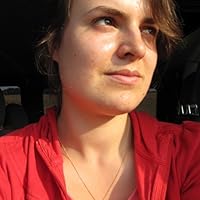
Alexander Belyaev (Russian: Александр Беляев) was a Soviet Russian writer of science fiction. His works from the 1920s and 1930s made him a highly regarded figure in Russian science fiction, often referred to as "Russia's Jules Verne". Belyaev's best known novels include Professor Dowell's Head, Amphibian Man, Ariel, and The Air Seller.
It's a brilliant exemplar of a science fiction book which could be written only by a Soviet author. Extremely curious, atheist, transhumanist epic. But kinda banal, when it comes to plot twists.
Should we stay homo sapiens sapiens, or should we make ourselves something better? Does the church have the right to judge the society and its scientists for violating the law we didn't set? Probably you don't have prepared answers. Neither do I.
Переведя взгляд на Керна, мисс Адамс улыбнулась мысли: кто-то очень удачно подобрал его под стиль кабинета. Будто вырубленная из черного дуба, его тяжеловесная, суровая солидная фигура казалась часть меблировки. * - Странно, при жизни мне казалось, что я жил одной работой мысли. Я, право, как-то не замечал своего тела, весь погруженный в научные занятия. И только потеряв тело, я почувствовал, чего я лишился... Мир ощущений тела! Сколько здесь наслаждения! Теперь, как никогда за всю мою жизнь, я думаю о запахах цветов, душистого сена где-нибудь на опушке леса, о дальних прогулках пешком, о шуме морского прибоя... Утратив тело, я утратил мир, - весь необ'ятный прекрасный мир вещей, которых я не замечал, вещей, которые можно взять, потрогать, и в то же время почувствовать свое тело, - себя! * химерическое существование * Дело, видите ли в том, что город, - этот современный Молох, - требует ежедневных человеческих жертв. * Тот сложный механизм, который называют теорией вероятности, свел тысячи случайностей в одной точке времени и пространства, и на утро на прозекторском столе лаборатории профессора Керна действительно лежали два свежих трупа. * Нужда оторвала его от родных полей, город растерзал его молодое здоровое тело... * - Что это: чудо или колдовство? - Ни то ни другое. Это - достижение науки. * Волнение мисс Адамс все увеличивалось. Ее начала трясти нервная лихорадка, и она крепко сжала зубы, чтобы они не стали отбивать дробь. "Пора!", несколько раз говорила она себе, но каждый раз не хватало решимости. Обстановка подавляла ее. После каждого пропущенного момента она старалась успокоить себя мыслью, что чем выше будет вознесен профессор Керн, тем ниже будет его падение. * Когда мисс Адамс меньше всего ожидала, какой-то вихрь долго сдерживаемого гнева и ненависти подхватил и унес ее. Она уже не владела собой. * - Мы, конечно, позаботимся об этой жертве научного долга!... * И теперь было невыгодно показать миру обратную сторону медали: соперничество, алчность и вероломство в среде тех, кого считают солью науки... * Перед ней стоял молодой человек, одетый с изящной простотой. *
This entire review has been hidden because of spoilers.