

What do you think?

Мефистофел и Андрогина
„Мефистофел и Андрогина“ е сред ключовите книги на един от най-оригиналните мислители на XX в. – Мирча Елиаде. Написана в края на 50-те години на XX в., тя оказва значително влияние върху най-различни интелектуални течения и школи. Предизвиква ожесточени спорове както върху същността на концепциите в книгата, така и върху личността на самия автор. Като съзнателно се отклонява от основната линия на развитие на западната философия, Елиаде предлага на читателя нов поглед върху обичайните неща. Друга задача на автора по неговите думи е изследванията му да „илюстрират усилията на един историк на религиите, заел се да обясни известен брой неевропейски религиозни поведения и духовни ценности“.
„Мефистофел и Андрогина“ ни предлага вълнуващи срещи със загадъчни и тайнствени духовни светове, вселени, които са различни от характерния за западния човек културен пейзаж.
Запознанството с тотално другия води до по-дълбоко познание за религиозните структури. Психологическата истина и безценното значение на множество символи, митове, божества и религиозни термини подготвят размаха на нов хуманизъм, който ще съпровожда човечеството през XXI в.
„Мефистофел и Андрогина“ ни предлага вълнуващи срещи със загадъчни и тайнствени духовни светове, вселени, които са различни от характерния за западния човек културен пейзаж.
Запознанството с тотално другия води до по-дълбоко познание за религиозните структури. Психологическата истина и безценното значение на множество символи, митове, божества и религиозни термини подготвят размаха на нов хуманизъм, който ще съпровожда човечеството през XXI в.
216 pages, Hardcover
First published January 1, 1962
About the author
Mircea Eliade
569 books2,821 followersRomanian-born historian of religion, fiction writer, philosopher, professor at the University of Chicago, and one of the pre-eminent interpreters of world religion in the last century. Eliade was an intensely prolific author of fiction and non-fiction alike, publishing over 1,300 pieces over 60 years. He earned international fame with LE MYTHE DE L'ÉTERNAL RETOUR (1949, The Myth of the Eternal Return), an interpretation of religious symbols and imagery. Eliade was much interested in the world of the unconscious. The central theme in his novels was erotic love.
Ratings & Reviews
Friends & Following
Create a free account to discover what your friends think of this book!
Community Reviews
Displaying 1 - 11 of 11 reviews

March 1, 2025
Mircea Eliade (1907-1986) was an expert in the study of comparative religion. The Two and the One is a collection of five essays, the second of which -- "Mephistopheles and the Androgyne or the Mystery of the Whole" -- goes a long way towards describing why there is evil in the world. Al;so excellent is "Experiences of the Mystic Light" and "Cosmic and Eschatological Renewal."
This is the first work of Eliade's that I have read, but it won't be the last.
This is the first work of Eliade's that I have read, but it won't be the last.

January 10, 2023
By the 1960s, Mircea Eliade, the leading Romanian novelist and essayist of the interwar years, had effectively re-invented himself as Professor of the History of Religions at the University of Chicago. Eliade saw several of his most important books issued in English translation in quick succession, leading some of his American students to be astonished at the rate of his productivity!
Most of his work in the first decades after the end of the war, including the titles for which he is today best known, were written in French, while he lived in Paris, and were first published there. This is the case with the lectures he delivered from 1950 onwards at the Eranos conferences, where leading figures in the study of myths and religious symbols assembled every year, on the shores of Lake Maggiore in Switzerland, to share gifts of insight. The spiritus rector of the conferences was the analytical psychologist C.G. Jung, whom Eliade met several times, and even interviewed for a newspaper. Eliade always acknowledged the influence of Jung, but felt that his concept of the collective unconscious should not be used to deny the reality of what Eliade called the ‘trans-conscious.’
Nevertheless, he agreed with Jung that, in the twentieth century, religion had been banished into the “deep levels of the psyche” – as a result, as he said in his 1957 Eranos lecture, “the unconscious is always religious.” Exploring the meaning of experiences of mystic, inner light in both ancient and modern civilisations, he finds that “all experiences of supernatural light present this common denominator: anyone receiving such an experience undergoes a change of being: he acquires another mode of being, which gives him access to the world of the spirit”, for “a meeting with the light indicates a spiritual rebirth.” It reveals “existence as a divine creation, or the world sanctified by the presence of God.”
His lecture the following year focused on the union of the contraries of good and evil, male and female, in “the mystery of the totality” – the coincidentia oppositorum that is “the ultimate reality” – taking such diverse forms as “the gnostic myth that Christ and Satan are brothers” or the alchemical myth of the androgyne as the archetype of the perfect human being, in whom “the magico-religious powers belonging to both sexes” are united. But Eliade warns against confusing “the two fields of reference”: What is true of eternity is not necessarily true in time.
Through mystical techniques and ritual practices, people have always tried to rise above that duality which is the existential condition of the fallen, time-bound cosmos, and restore the “primordial unity” which characterises the experience of eternity. But what Eliade calls “aberrant” practices can arise when a ritual reality is confused with an anatomico-physiological one: “The history of religions knows ... examples of the confusion of levels, examples in which men have endeavoured to obtain on the level of physiological experience a mode of spiritual being only accessible by ritual or mystical means ... a desperate effort to attain by concrete ... means the paradoxical totality of Man.”
Ultimately, the myths and symbols of the coincidentia oppositorum, and the various rites and techniques for achieving it, reveal our “deep dissatisfaction” with the “torn and separate” human condition, and “a nostalgia for a paradoxical state in which the contraries exist side by side without conflict” – a nostalgia, that is, for a lost Paradise. That nostalgia can also take the form of a desire for “cosmic and eschatological renewal” – the subject of Eliade’s 1959 Eranos lecture. Here he waxes uncharacteristically lyrical when discussing our difficulty in understanding “the religious value of the ritual meal of first-fruits”, which follows the symbolic renewal of the world by the re-enactment of the mythical cosmogony: “To open ourselves to such an experience we must think of a modern man’s emotion on his first discovery of love ... For the first time: that is everything … a sort of epiphany … a meeting that gives sense to the whole of existence.”
This nostalgia is inverted by Marxism, which has its own myth of the Golden Age, characterised as the establishment of “a sort of earthly paradise” by “the final triumph of the proletariat” – but it is a myth emptied of its religious significance, ‘de-sacramentalised,’ demystified. This type of reductionism has as its aim “to rid the world of extra-mundane values. It is a systematic banalisation of the World undertaken for the purpose of conquering and mastering it. But the conquest of the World is … an idiosyncrasy of Western man. Other societies pursue different aims … It is the meaning of human existence that matters, and this meaning is of a spiritual order.”
In his Eranos lecture for 1960 – ‘Myths and Symbols of the Rope’ – Eliade shows how the infamous Indian rope-trick is not mere fakery, but a means to open the imagination of the spectator to the reality of a hidden, transcendent world – an apt description, one might think, of Eliade’s own vocation as a writer.
The four lectures have been collected here together with a methodological study – ‘Observations on Religious Symbolism’ – in which Eliade enumerates several different aspects of what symbols reveal, a revelation more profound and more fundamental than a mere reflection of objective reality – for “all authentic religious experience implies a desperate effort to penetrate to the root of things, the ultimate reality.”
In archaic cultures, symbols are always religious because they reveal the real condition of the World – one which is not evident on the plane of immediate experience; and the real is equivalent to the sacred. Religious symbolism is able to express several meanings simultaneously, thus allowing man to discover the underlying unity of being; and perhaps most important of all, to express “the paradox of a passage from one mode of existence to another”. For symbols can “express the contradictory aspects of ultimate reality” – the coincidentia oppositorum – whereby polarities can be “integrated into a unity” and “the negative and sinister aspects of the Cosmos and the Gods” not only find a “justification,” but reveal themselves “as an integral part of all reality or sacrality.” Finally, symbols, unlike concepts, express a “lived” spirituality that engages human existence directly, bringing meaning into it: “To ‘live’ a symbol and correctly decipher its message implies an opening toward the Spirit and finally access to the universal.”
There is more on Eliade and religious symbolism in my Goodreads blog: Myth Dancing (Incorporating the Twenty Third Letter). A series of posts on Eliade begins here: https://www.goodreads.com/author_blog...
Most of his work in the first decades after the end of the war, including the titles for which he is today best known, were written in French, while he lived in Paris, and were first published there. This is the case with the lectures he delivered from 1950 onwards at the Eranos conferences, where leading figures in the study of myths and religious symbols assembled every year, on the shores of Lake Maggiore in Switzerland, to share gifts of insight. The spiritus rector of the conferences was the analytical psychologist C.G. Jung, whom Eliade met several times, and even interviewed for a newspaper. Eliade always acknowledged the influence of Jung, but felt that his concept of the collective unconscious should not be used to deny the reality of what Eliade called the ‘trans-conscious.’
Nevertheless, he agreed with Jung that, in the twentieth century, religion had been banished into the “deep levels of the psyche” – as a result, as he said in his 1957 Eranos lecture, “the unconscious is always religious.” Exploring the meaning of experiences of mystic, inner light in both ancient and modern civilisations, he finds that “all experiences of supernatural light present this common denominator: anyone receiving such an experience undergoes a change of being: he acquires another mode of being, which gives him access to the world of the spirit”, for “a meeting with the light indicates a spiritual rebirth.” It reveals “existence as a divine creation, or the world sanctified by the presence of God.”
His lecture the following year focused on the union of the contraries of good and evil, male and female, in “the mystery of the totality” – the coincidentia oppositorum that is “the ultimate reality” – taking such diverse forms as “the gnostic myth that Christ and Satan are brothers” or the alchemical myth of the androgyne as the archetype of the perfect human being, in whom “the magico-religious powers belonging to both sexes” are united. But Eliade warns against confusing “the two fields of reference”: What is true of eternity is not necessarily true in time.
Through mystical techniques and ritual practices, people have always tried to rise above that duality which is the existential condition of the fallen, time-bound cosmos, and restore the “primordial unity” which characterises the experience of eternity. But what Eliade calls “aberrant” practices can arise when a ritual reality is confused with an anatomico-physiological one: “The history of religions knows ... examples of the confusion of levels, examples in which men have endeavoured to obtain on the level of physiological experience a mode of spiritual being only accessible by ritual or mystical means ... a desperate effort to attain by concrete ... means the paradoxical totality of Man.”
Ultimately, the myths and symbols of the coincidentia oppositorum, and the various rites and techniques for achieving it, reveal our “deep dissatisfaction” with the “torn and separate” human condition, and “a nostalgia for a paradoxical state in which the contraries exist side by side without conflict” – a nostalgia, that is, for a lost Paradise. That nostalgia can also take the form of a desire for “cosmic and eschatological renewal” – the subject of Eliade’s 1959 Eranos lecture. Here he waxes uncharacteristically lyrical when discussing our difficulty in understanding “the religious value of the ritual meal of first-fruits”, which follows the symbolic renewal of the world by the re-enactment of the mythical cosmogony: “To open ourselves to such an experience we must think of a modern man’s emotion on his first discovery of love ... For the first time: that is everything … a sort of epiphany … a meeting that gives sense to the whole of existence.”
This nostalgia is inverted by Marxism, which has its own myth of the Golden Age, characterised as the establishment of “a sort of earthly paradise” by “the final triumph of the proletariat” – but it is a myth emptied of its religious significance, ‘de-sacramentalised,’ demystified. This type of reductionism has as its aim “to rid the world of extra-mundane values. It is a systematic banalisation of the World undertaken for the purpose of conquering and mastering it. But the conquest of the World is … an idiosyncrasy of Western man. Other societies pursue different aims … It is the meaning of human existence that matters, and this meaning is of a spiritual order.”
In his Eranos lecture for 1960 – ‘Myths and Symbols of the Rope’ – Eliade shows how the infamous Indian rope-trick is not mere fakery, but a means to open the imagination of the spectator to the reality of a hidden, transcendent world – an apt description, one might think, of Eliade’s own vocation as a writer.
The four lectures have been collected here together with a methodological study – ‘Observations on Religious Symbolism’ – in which Eliade enumerates several different aspects of what symbols reveal, a revelation more profound and more fundamental than a mere reflection of objective reality – for “all authentic religious experience implies a desperate effort to penetrate to the root of things, the ultimate reality.”
In archaic cultures, symbols are always religious because they reveal the real condition of the World – one which is not evident on the plane of immediate experience; and the real is equivalent to the sacred. Religious symbolism is able to express several meanings simultaneously, thus allowing man to discover the underlying unity of being; and perhaps most important of all, to express “the paradox of a passage from one mode of existence to another”. For symbols can “express the contradictory aspects of ultimate reality” – the coincidentia oppositorum – whereby polarities can be “integrated into a unity” and “the negative and sinister aspects of the Cosmos and the Gods” not only find a “justification,” but reveal themselves “as an integral part of all reality or sacrality.” Finally, symbols, unlike concepts, express a “lived” spirituality that engages human existence directly, bringing meaning into it: “To ‘live’ a symbol and correctly decipher its message implies an opening toward the Spirit and finally access to the universal.”
There is more on Eliade and religious symbolism in my Goodreads blog: Myth Dancing (Incorporating the Twenty Third Letter). A series of posts on Eliade begins here: https://www.goodreads.com/author_blog...

February 24, 2011
In later life, Eliade became involved in the Eranos conferences and personally acquainted with C.G. Jung (d. 1961), the Swiss depth psychologist. This book appeared to reflect this association, Eliade and Jung having many points of contact.
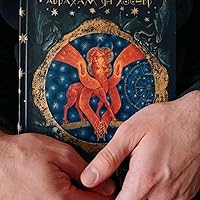
June 15, 2026
"Мефістофель і Андрогін"
Мірча Еліаде
Починається даний трактат із аналізу люмінофаній - актів явлення священного світла. А найпершим прикладом стає досвід звичайного купця:
В середині минулого століття американському комерсантові тридцяти двох років наснився такий сон: “Я стояв за прилавком у своєму магазині,— пише він,— була світла, сонячна днина; аж раптом несподівано все навколо потемніло, стало чорніше за ніч, ще темніше, ніж у шахті. Чоловік, з яким я розмовляв, вибіг на вулицю. Я поспішив за ним, і, хоч було темно, я побачив, як сотні й тисячі людей вибігали надвір, запитуючи одне одного, що сталося. В цю мить я побачив, як далеко на південному заході в небі з’явилося сліпуче світло, як зірка, розміром з долоню. За хвилину мені здалося, що це світло збільшується і наближається, аж поки воно не почало розсіювати темряву. Коли воно стало завбільшки з чоловічий капелюх, то розділилося на дванадцять менших частин, з найбільшим світлом у центрі, і дуже швидко зростало — в ту саму мить я вже знав: це пришестя Христа. І коли я про це подумав, весь південний захід неба заповнило величезне сяйво, а в центрі його був Христос і дванадцять апостолів. Стало світло, світліше, ніж у найбільш сонячну днину, яку тільки можна уявити. І в той час, як сліпуче сяйво пливло до зеніту, приятель, з яким я розмовляв, вигукнув: “Це мій Спаситель!” — і тої ж миті він покинув своє тіло і піднявся в Небо. А я подумав, що я недостойний полетіти з ним. А потім я прокинувся”.
Кілька днів чоловік перебував під таким сильним враженням, що не наважувався розповісти комусь свій сон. За два тижні він зізнався своїй дружині, а згодом розказав і іншим. Через три роки одна людина, відома своїм глибоко релігійним життям, прийшла до його дружини і сказала: “Ваш чоловік народився вдруге, але він цього не знає. Він — духовна дитина зі ще заплющеними очима, але незабаром він і сам дізнається про це”. І справді, минуло три тижні і, йдучи з дружиною по Другій авеню у Нью-Йорку, чоловік несподівано вигукнув:” Мені даровано вічне життя!” У цей момент він відчув, що в ньому воскрес Христос, і зрозумів, що усвідомлення цього завжди житиме в ньому (*would remain in everlasting consciousness*). Через три роки після цієї події, коли він перебував на судні серед натовпу людей, він пережив новий духовний і розумовий досвід: йому здалося, що його тіло, як і душа, залиті світлом. Але в автобіографічній розповіді, яку ми тут підсумували, він додає, що ці відчуття, які він пережив не під час сну, не затьмарили його перший досвід, отриманий ним вночі, коли він спав.
Я вирішив почати з цього прикладу спонтанного досвіду світла з двох причин: 1) йдеться про комерсанта, задоволеного своєю торгівлею; здавалося б, ніщо не спонукало його до майже містичного осяяння; 2) свій перший досвід світла він пережив увісні. Вочевидь він був дуже вражений цим досвідом, але не розумів його значення. Він тільки відчув, що з ним сталося щось дуже важливе, щось, що дарувало йому спасіння душі. Думка про те, що це було духовне народження, виникла в нього лише тоді, як він дізнався, що інша людина розповіла його дружині. Тільки після слів, сказаних уповноваженою людиною, він свідомо пережив відчуття присутності Христа, і врешті через три роки — досвід надприродного світла, в якому купалися і його душа, і тіло.
Далі уважний читач впізнає розділ про Мефістофеля та Андрогіна, який вже раніше був у книзі "Міф про воз'єднання" і дійсно, сам Еліаде говорить, що хоче ще раз оглянути його улюблену тему coincidencia oppositurum.
Для мене це було повторенням вже читаного, але, признаюсь щиро - приємне було се повторення:
"Двадцять років тому, перечитуючи випадково “Пролог на небі” *Фауста* після того, як уже перечитав *Серафіту* Бальзака, я, здавалося, помітив певну симетрію між цими творами, хоч і не міг її виділити. У “Пролозі на небі” мене захоплювала і водночас бентежила поблажливість, навіть більше — симпатія, яку Бог виявляв до Мефістофеля. “Von allen Geistern”,— казав Бог.
(А з духів заперечення, лукавче,
Ти був мені найстерпніший завжди.
Людина не всякчас діяльності радіє,
Понад усе кохає спокій.
Потрібен їй супутник ворушкий,
Щоб бісом грав і збуджував до дії)¹.
Втім, симпатія була взаємною. Коли Небо закривається і архангели зникають, Мефістофель, залишившись сам, визнає, що й він час від часу залюбки зустрічається зі Старим: *“Von Zeit zu Zeit seh' ich den Alten gern...”*
Відомо, що в *Фаусті* Ґете жодне слово не випадкове. Тому мені здалося, що повторення прислівника *gern*, “залюбки”, який перший раз промовляє Бог, а другий раз — Мефістофель, повинно мати якесь значення. Парадоксальним чином існує несподівана симпатія між Богом і Духом протиріччя.
Звичайно, коли розглядати цю симпатію як частину всього творчого доробку Ґете, її можна зрозуміти. Мефістофель стимулює людську діяльність. Для Ґете продуктивними є і зло, і помилка. “Лиш блудячи, до правди знайдеш ключ”,— каже Мефістофель Гомункулусу (вірш 7847). “Суперечливість робить нас продуктивними”,— писав Ґете Екерману (Eckermann) 28 березня 1827 р. А в одній із *Максимен* він зазначав: “Іноді ми розуміємо, що помилка може змусити нас рухатися і спонукати до дії так само, як правда”. Або ще виразніше: “Природа не турбується через помилки; вона сама їх виправляє і не думає, що може вийти з усього цього”.
В концепції Ґете Мефістофель — це дух, який заперечує, який протестує, який в першу чергу зупиняє потік життя і перешкоджає речам здійснитися. Діяльність Мефістофеля спрямована не проти Бога, а проти життя. Мефістофель — “батько всіх перешкод” (*der Vater aller Hindernisse*, *Фауст*, вірш 6209). Мефістофель просить Фауста зупинитися. *“Verweile doch!”* — основна формула мефістофелівського натхнення. Мефістофель знає, що в той момент, як Фауст зупиниться, він втратить свою душу. Проте зупинка — це заперечення не Творця, а життя. Замість руху і життя він намагається встановити спокій, непорушність, смерть. Бо те, що перестає змінюватися і перетворюватися, розкладається і гине. Ця “смерть через життя” виражається в духовній безплідності; це, кінець кінцем, прокляття. Той, хто дозволив загинути витокам життя в глибині свого єства, підпадає під владу Духа протиріччя. Злочин проти життя, дає нам зрозуміти Ґете, це злочин проти спасіння.
І проте, як це часто зауважували, хоч Мефістофель і опирається всіма можливими способами потоку життя, він стимулює життя. Він бореться проти добра, а врешті сам робить добро. Цей демон, що заперечує життя, все ж є співробітником Бога. Ось чому Бог, у своєму божественному провіщенні, охоче посилає його в супутники людині.
Можна було б з легкістю процитувати ще багато текстів, які показують, що для Ґете помилка і зло необхідні не лише для людського існування, але і для Космосу, для того, що Ґете називав “єдиним цілим”. Звісно, джерела цієї іманентної метафізики добре відомі: Джордано Бруно, Якоб Боме, Сведенборг. Але мені здалося, що не вивчення джерел є найправильнішим методом, щоб краще збагнути “симпатію” між Творцем і Мефістофелем. Втім, я не ставив за мету давати тлумачення *Фауста* чи доповнювати історію ґетевської думки. Я не маю жодної компетенції, необхідної для подібних досліджень. Я хотів порівняти “таємницю”, окреслену в “Пролозі на небі”, з деякими традиційними концепціями, що містять схожі “таємниці”.
Щоб якось дати лад своїм думкам, я написав невелике дослідження під назвою *Божественна полярність* (*La Polarite divine*). І саме в процесі його написання я зрозумів, чому я відчував симетрію між “Прологом на небі” *Фауста* і *Серафітою* Бальзака. І в першому, і в другому творі йдеться про таємниці *coincidentia oppositorum* і про цілісність. Ця таємниця ледь помітна в “симпатії”, що зв'язує Бога і Мефістофеля, але її можна чітко впізнати в міфі про андрогіна, запозиченому Бальзаком у Сведенборга. Трохи пізніше я опублікував ще одну роботу про міфологію андрогіна, а в 1942 р. об'єднав усі ці тексти в невеликій книжці під назвою: *Міф про повернення* (*Mitul Reintegrării*, București, 1942).
Я не маю наміру знову піднімати сьогодні всі ті теми, які я розглянув у тому творі моєї молодості. Моя мета — лише показати декілька традиційних ритуалів, міфів і теорій, що передбачають єдність протилежностей і таємницю цілісності, те, що Микола Кузанський називав *coincidentia oppositorum*. Відомо, що *coincidentia oppositorum* була для Миколи Кузанського найменш недосконалим визначенням Бога¹. Відомо також, що одним із джерел натхнення Кузанського були твори Псевдо-Діонісія Ареопагіта. Ареопагіт стверджував, що об'єднання протилежностей у Богові становить таємницю. Але я хочу поговорити не про ці теологічні та метафізичні умоглядні побудови. І не тому, що вони не дуже цікаві для історії західної філософії, а тому, що сьогодні, як мені здається, ми повинні звернути увагу на передісторію філософії, передсистематичний етап думки.
Я також не підкреслюватиму важливість поняття цілісності в роботах К. Г. Юнга. Досить згадати, що вирази *coincidentia oppositorum*, *complexio oppositorum*, об'єднання протилежностей, *mysterium coniunctionis* (таємниця зв'язку; *латин.*) і т. п. часто використовуються Юнгом для позначення цілісності й таємниці подвійної природи Христа. За Юнгом, процес індивідуалізації полягає головним чином у своєрідній *coincidentia oppositorum*, бо його охоплює як цілісність свідомості, так і глибини підсвідомого. В *Psychologie der Übertragung* і в *Mysterium Coniunctionis* знаходимо найповніший виклад юнгівської теорії *coincidentia oppositorum* як вищої мети цілісної психічної діяльності².
P.S. Так, перекладач українською неправильно дпє назву книги "Міф про повернення" (Mitul Reintegrării), бо буквально це "Міф про Регтеграцію", тобто, Поєднання чи, як переклав я - "Воз'єднання".
Є в цьому розділі і цілковито нові розповіді про спільне походження Бога і Диявола, цитуються навіть українські повір'я:
Мотив зв'язку, навіть дружби між Богом і дияволом особливо яскраво простежується в дуже поширеному космогонічному міфі, який можна коротко викласти таким чином: на початку не було нічого, окрім води, і по воді ходили Бог і диявол. Бог посилає диявола на дно океану з наказом — принести трохи глини, щоб зробити Світ. Я не буду згадувати про всі перипетії цього космогонічного занурення і наслідки допомоги диявола у роботі творення³. Для нашої теми цікаві лише варіанти Центральної Азії та Південно-Східної Європи, що виділяють або єдинокровність Бога — диявола, або той факт, що Бог і диявол співвічні, або, нарешті, нездатність Бога створити чи закінчити Світ без допомоги диявола.
Так, наприклад, російський міф стверджує, що ані Бог, ані диявол не були створені, вони існували разом ще до початку часу⁴. І навпаки, згідно з міфами, записаними в південних алтайських племен, в абакан-кацинів і в мордвинів, диявол був створений Богом⁵. Але показовим є спосіб його створення: Бог зробив диявола до певної міри зі своєї власної матерії. Ось що розповідають мордвини: Бог стояв самотній на скелі. “Якби у мене був брат, я створив би Світ!” — сказав він і плюнув на воду. З його плювка постала гора. Бог розколов її своїм мечем, і з гори вийшов диявол (Сатана). Щойно з'явившись, диявол відразу пропонує Богові стати братами і разом створити Світ. “Ми будемо не братами,— відповідає йому Бог,— а товаришами”. І разом вони беруться за створення Світу¹.
У варіанті трансильванських циганів Бог страждає від самотності. Він вголос зізнається, що не знає, ні як робити Світ, ні чому він повинен це робити. Тоді він кидає свій ціпок — і з нього виходить диявол². У фінському варіанті Бог дивиться на себе у воду і, спостерігаючи за відображенням свого обличчя, запитує себе, як можна зробити Світ³. Так само болгарські легенди відводять дияволу симпатичну і, кінець кінцем, творчу роль. Згідно з однією з цих легенд, Бог прогулювався у повній самоті. Він помітив свою тінь і вигукнув: “Встань, товаришу!” Сатана встає з Божої тіні і просить його розділити Світ між ними двома: Землю — йому, а Небо — Богові; живі — Богові, а мертві — йому. З цією метою вони укладають угоду⁴. Інші болгарські легенди підкреслюють те, що можна було б назвати “глупотою Бога”. Бо, створивши Землю, Бог бачить, що для води уже не залишилося місця, і, не знаючи, як вирішити цю космогонічну проблему, він посилає янгола війни до Сатани, щоб спитати його поради⁵.
В деяких варіантах космогонічного міфу (алтай-кижі, буряти, вогули, трансильванські цигани) сам Бог визнає свою неспроможність створити Світ⁶ і звертається до диявола. Ця тема космогонічного безсилля Бога перегукується з іншим мотивом — незнанням Бога щодо походження диявола. Але це незнання трактується в міфах по-різному. В деяких випадках (алтай-кижі, східні якути, вогули, Буковина), той факт, що Бог не знає, звідки походить диявол, ще більше підкреслює його неспроможність і безсилля. В інших варіантах того самого міфу (мордвини, цигани, Буковина, Україна)⁷ Бог проявляє свою космогонічну силу, проте він не відає про походження диявола. *Це інший спосіб сказати, що Бог не має нічого спільного з джерелом зла. Він не знає, звідки походить диявол, тож він не відповідає за існування у Світі зла. Отже, це відчайдушне зусилля відмежувати Бога від того факту, що зло існує.* В цьому випадку ми маємо справу з повчальною реінтерпретацією більш стародавньої міфічної теми. Точно так само у деяких угорських і турко-монгольських варіантах той факт, що диявол народжується з плювка Бога, вже розцінюється не як доказ його над-єдиносутності з Богом, а навпаки, як вражаючий доказ його нижчості¹.
*
Андрогінія зустрічається також у Євангелії від Томи, яке, хоч і не є, власне кажучи, гностичним твором, та все ж свідчить про містичну атмосферу християнства на стадії виникнення. Воно неодноразово змінювалося і витлумачувалося по-різному, проте було досить популярним серед перших гностиків, і його переклад на саїдійський діалект був у гностичній бібліотеці Хенобоскіона. В Євангелії від Томи Ісус звертається до своїх учнів: “Коли ви зробите два “буття” одним, коли зробите те, що всередині, таким, як те, що є ззовні, а те, що ззовні,— таким, як те, що всередині, а те що вгорі, — як те, що внизу! І якщо зробите чоловіка і жінку одним цілим, так, щоб чоловік уже не був чоловіком, а жінка — жінкою, тоді ви увійдете до Царства”². В іншому логіоні (№ 106, вид. Puech; n. 103 Grant) Ісус каже: “Коли ви зробите так, щоб два були одним, ви станете сином людським, і якщо ви скажете: “Горо, зрушся!”, вона зрушиться” (Doresse, II, с. 109, n. 110). Вираз “стати одним” згадується ще три рази (лог. 4 Puech; 3 Grant; 10 Grant, 11 Puech; 24 Grant, 23 Puech). Дорес посилається на кілька паралелей з Нового Заповіту (Івана, 17, 11; 20—23; До римлян, 12, 4-5; І до коринтян, 12, 27 і т.д.). Особливо важливим є уривок з Послання до галатів, 3, 28: “Нема юдея, ні грека, нема раба, ані вільного, нема чоловічої статі, ані жіночої,— бо всі ви один у Христі Ісусі!” Ця єдність — єдність першого Світу, до створення Єви, коли “людина” не була ані чоловіком, ані жінкою (Grant, с. 144). Згідно з Євангелієм від Пилипа (кодекс Хенобоскіона), розділення на статі — створення Єви, відокремленої від тіла Адама,— стало принципом смерті. “Христос прийшов, щоб відновити те, що було розділеним на початку, і щоб знову возз’єднати двох. Він воскресить тих, що були мертві, бо були розлучені, возз’єднавши їх!” (Doresse, II, с. 157).
Інші письмена також містять подібні фрагменти про об’єднання статей як синдром Царства. “Коли спитали його, коли прийде Царство, сам Господь відповів: ‘Коли двоє стануть одним, те, що ззовні, стане тим, що всередині, а чоловік з’єднається з жінкою, і не буде ані чоловіком, ані жінкою’” (ІІ послання до Климента, цитоване Доресом, Doresse, II, 157). Цитату, що наводиться в Посланні до Климента, можливо, взято з Євангелія від єгиптян. Климент Александрійський передав такий уривок з нього: “Саломея спитала його, коли будуть пізнані речі, про які він говорив, і Господь сказав: “Коли ви потопчете ногами одяг ганьби, коли двоє стануть одним і коли чоловік із жінкою не будуть ані чоловіком, ані жінкою” (Stromates, III, 13, 92; Doresse, II, 158).
Було б недоречно вивчати тут походження цих гностичних і парагностичних формул щодо божественної цілісності і андрогінності “досконалої людини”. Відомо, що джерела гностицизму дуже різнорідні; поруч із єврейською гнозою, умовиводами про первісного Адама і Софію, слід згадати внесок неоплатоністичного та неопіфагорійського вчення, а також східні, особливо іранські, впливи. Але, як ми щойно бачили, святий Павло і Євангеліє від Івана вже називали андрогінію серед ознак духовної досконалості. Справді, стати “чоловіком і жінкою”, або не бути “ані чоловіком, ані жінкою”,— гнучкі вирази, за допомогою яких мова намагається описати метаною, “перетворення”, повну переоцінку цінностей. Бути “чоловіком і жінкою” так само парадоксально, як знову стати дитиною, “народитися вдруге”, пройти “через вузькі двері”.
Певна річ, подібні концепції побутували також і в Греції. В Банкеті (189Е-193Д) Платон описує первісну людину як двостатеву істоту сферичної форми. Для нашого дослідження цікавий той факт, що в метафізичних роздумах Платона, так само як в теології Філона Александрійського, в неоплатоністичних і неопіфагорійських теософів, як у герметиків, що проголошують себе послідовниками Гермеса Трисмегіста або Поімандреса, так само як у багатьох християнських гностиків, людська досконалість уявлялася як єдність без найменшої тріщини. Проте ця досконалість була лише відображенням досконалості божественної, єдиного цілого. В Досконалій промові Гермес Трисмегіст відкриває Асклепіусу, що “Бог не має імені, чи, точніше, йому належать усі імена, бо він одночасно єдине і все. Він довіку сповнений родючості обох статей і завжди породжує те, що задумав створити.
Ти кажеш, що Бог має обидві статі, о Трисмегіст?
Так, Асклепіусе. І не тільки Бог, але й всі живі і рослинні істоти…”¹
Божественна андрогінія
Саме ця ідея всесвітньої двостатевості, що неминуче випливає з ідеї двостатевості божественної як моделі і принципу будь-якого існування, може пролити світло на наше дослідження. Бо, по суті, така концепція містить ідею про те, що досконалість, а отже, буття, полягає, врешті-решт, в єдиності-загальності. Все, що є, вже за самою своєю природою повинно бути загальним, повинно містити coincidentia oppositorum на всіх рівнях і за всіх умов. Це підтверджується і в андрогінії богів, і в ритуалах символічної андрогінізації, а також в космогоніях, що пояснюють Світ, виходячи з космогонічного яйця чи з первісної цілісності у формі кулі. Подібні ідеї, символи і ритуали зустрічаються не лише у середземноморських цивілізаціях і в античному Близькому Сході, а й у багатьох інших екзотичних та давніх культурах. Така поширеність може пояснюватися лише тим, що ці міфи давали цілком задовільний образ божественності, навіть вищої реальності, як неподільної цілісності і водночас спонукали людину наблизитися до цієї повноти через ритуали чи містичні техніки реінтеграції.
Кілька прикладів допоможуть нам краще збагнути цей релігійний феномен. У найстаріших грецьких теогоніях божественні істоти середнього чи жіночого роду народжували самі. Такий партеногенез передбачає андрогінію. Згідно з традицією, яку переповідає Гесіод (Теогонія, с. 124 і далі), Хаос (середнього роду) привів на світ Еребу (середнього роду) і Ніч (жіночого роду). А Земля самотужки породила зоряне Небо. Це міфічні формули первісної цілісності, що охоплюють всі сили, а отже, і всі пари протилежностей: хаос і форми, темряву і світло, віртуальне і проявлене, чоловіче й жіноче начало і т. д. Як взірцевий вияв творчої сили, двостатевість належить до однієї з престижних ознак божества. Гера сама народила Гефеста та Тіфею, а ця “нічна богиня постає перш за все як андрогін”¹. В Лабранді, в Карії, поклонялися бородатому Зевсу з “шістьма сосками, розташованими трикутником у нього на грудях”². Геракл, істинний герой-мужчина, обмінявся одягом з Омфалою. В містеріях Геркулеса Віктора-італіота боги, так само як і посвячені, були вбрані жінками.
Мірча Еліаде
Починається даний трактат із аналізу люмінофаній - актів явлення священного світла. А найпершим прикладом стає досвід звичайного купця:
В середині минулого століття американському комерсантові тридцяти двох років наснився такий сон: “Я стояв за прилавком у своєму магазині,— пише він,— була світла, сонячна днина; аж раптом несподівано все навколо потемніло, стало чорніше за ніч, ще темніше, ніж у шахті. Чоловік, з яким я розмовляв, вибіг на вулицю. Я поспішив за ним, і, хоч було темно, я побачив, як сотні й тисячі людей вибігали надвір, запитуючи одне одного, що сталося. В цю мить я побачив, як далеко на південному заході в небі з’явилося сліпуче світло, як зірка, розміром з долоню. За хвилину мені здалося, що це світло збільшується і наближається, аж поки воно не почало розсіювати темряву. Коли воно стало завбільшки з чоловічий капелюх, то розділилося на дванадцять менших частин, з найбільшим світлом у центрі, і дуже швидко зростало — в ту саму мить я вже знав: це пришестя Христа. І коли я про це подумав, весь південний захід неба заповнило величезне сяйво, а в центрі його був Христос і дванадцять апостолів. Стало світло, світліше, ніж у найбільш сонячну днину, яку тільки можна уявити. І в той час, як сліпуче сяйво пливло до зеніту, приятель, з яким я розмовляв, вигукнув: “Це мій Спаситель!” — і тої ж миті він покинув своє тіло і піднявся в Небо. А я подумав, що я недостойний полетіти з ним. А потім я прокинувся”.
Кілька днів чоловік перебував під таким сильним враженням, що не наважувався розповісти комусь свій сон. За два тижні він зізнався своїй дружині, а згодом розказав і іншим. Через три роки одна людина, відома своїм глибоко релігійним життям, прийшла до його дружини і сказала: “Ваш чоловік народився вдруге, але він цього не знає. Він — духовна дитина зі ще заплющеними очима, але незабаром він і сам дізнається про це”. І справді, минуло три тижні і, йдучи з дружиною по Другій авеню у Нью-Йорку, чоловік несподівано вигукнув:” Мені даровано вічне життя!” У цей момент він відчув, що в ньому воскрес Христос, і зрозумів, що усвідомлення цього завжди житиме в ньому (*would remain in everlasting consciousness*). Через три роки після цієї події, коли він перебував на судні серед натовпу людей, він пережив новий духовний і розумовий досвід: йому здалося, що його тіло, як і душа, залиті світлом. Але в автобіографічній розповіді, яку ми тут підсумували, він додає, що ці відчуття, які він пережив не під час сну, не затьмарили його перший досвід, отриманий ним вночі, коли він спав.
Я вирішив почати з цього прикладу спонтанного досвіду світла з двох причин: 1) йдеться про комерсанта, задоволеного своєю торгівлею; здавалося б, ніщо не спонукало його до майже містичного осяяння; 2) свій перший досвід світла він пережив увісні. Вочевидь він був дуже вражений цим досвідом, але не розумів його значення. Він тільки відчув, що з ним сталося щось дуже важливе, щось, що дарувало йому спасіння душі. Думка про те, що це було духовне народження, виникла в нього лише тоді, як він дізнався, що інша людина розповіла його дружині. Тільки після слів, сказаних уповноваженою людиною, він свідомо пережив відчуття присутності Христа, і врешті через три роки — досвід надприродного світла, в якому купалися і його душа, і тіло.
Далі уважний читач впізнає розділ про Мефістофеля та Андрогіна, який вже раніше був у книзі "Міф про воз'єднання" і дійсно, сам Еліаде говорить, що хоче ще раз оглянути його улюблену тему coincidencia oppositurum.
Для мене це було повторенням вже читаного, але, признаюсь щиро - приємне було се повторення:
"Двадцять років тому, перечитуючи випадково “Пролог на небі” *Фауста* після того, як уже перечитав *Серафіту* Бальзака, я, здавалося, помітив певну симетрію між цими творами, хоч і не міг її виділити. У “Пролозі на небі” мене захоплювала і водночас бентежила поблажливість, навіть більше — симпатія, яку Бог виявляв до Мефістофеля. “Von allen Geistern”,— казав Бог.
(А з духів заперечення, лукавче,
Ти був мені найстерпніший завжди.
Людина не всякчас діяльності радіє,
Понад усе кохає спокій.
Потрібен їй супутник ворушкий,
Щоб бісом грав і збуджував до дії)¹.
Втім, симпатія була взаємною. Коли Небо закривається і архангели зникають, Мефістофель, залишившись сам, визнає, що й він час від часу залюбки зустрічається зі Старим: *“Von Zeit zu Zeit seh' ich den Alten gern...”*
Відомо, що в *Фаусті* Ґете жодне слово не випадкове. Тому мені здалося, що повторення прислівника *gern*, “залюбки”, який перший раз промовляє Бог, а другий раз — Мефістофель, повинно мати якесь значення. Парадоксальним чином існує несподівана симпатія між Богом і Духом протиріччя.
Звичайно, коли розглядати цю симпатію як частину всього творчого доробку Ґете, її можна зрозуміти. Мефістофель стимулює людську діяльність. Для Ґете продуктивними є і зло, і помилка. “Лиш блудячи, до правди знайдеш ключ”,— каже Мефістофель Гомункулусу (вірш 7847). “Суперечливість робить нас продуктивними”,— писав Ґете Екерману (Eckermann) 28 березня 1827 р. А в одній із *Максимен* він зазначав: “Іноді ми розуміємо, що помилка може змусити нас рухатися і спонукати до дії так само, як правда”. Або ще виразніше: “Природа не турбується через помилки; вона сама їх виправляє і не думає, що може вийти з усього цього”.
В концепції Ґете Мефістофель — це дух, який заперечує, який протестує, який в першу чергу зупиняє потік життя і перешкоджає речам здійснитися. Діяльність Мефістофеля спрямована не проти Бога, а проти життя. Мефістофель — “батько всіх перешкод” (*der Vater aller Hindernisse*, *Фауст*, вірш 6209). Мефістофель просить Фауста зупинитися. *“Verweile doch!”* — основна формула мефістофелівського натхнення. Мефістофель знає, що в той момент, як Фауст зупиниться, він втратить свою душу. Проте зупинка — це заперечення не Творця, а життя. Замість руху і життя він намагається встановити спокій, непорушність, смерть. Бо те, що перестає змінюватися і перетворюватися, розкладається і гине. Ця “смерть через життя” виражається в духовній безплідності; це, кінець кінцем, прокляття. Той, хто дозволив загинути витокам життя в глибині свого єства, підпадає під владу Духа протиріччя. Злочин проти життя, дає нам зрозуміти Ґете, це злочин проти спасіння.
І проте, як це часто зауважували, хоч Мефістофель і опирається всіма можливими способами потоку життя, він стимулює життя. Він бореться проти добра, а врешті сам робить добро. Цей демон, що заперечує життя, все ж є співробітником Бога. Ось чому Бог, у своєму божественному провіщенні, охоче посилає його в супутники людині.
Можна було б з легкістю процитувати ще багато текстів, які показують, що для Ґете помилка і зло необхідні не лише для людського існування, але і для Космосу, для того, що Ґете називав “єдиним цілим”. Звісно, джерела цієї іманентної метафізики добре відомі: Джордано Бруно, Якоб Боме, Сведенборг. Але мені здалося, що не вивчення джерел є найправильнішим методом, щоб краще збагнути “симпатію” між Творцем і Мефістофелем. Втім, я не ставив за мету давати тлумачення *Фауста* чи доповнювати історію ґетевської думки. Я не маю жодної компетенції, необхідної для подібних досліджень. Я хотів порівняти “таємницю”, окреслену в “Пролозі на небі”, з деякими традиційними концепціями, що містять схожі “таємниці”.
Щоб якось дати лад своїм думкам, я написав невелике дослідження під назвою *Божественна полярність* (*La Polarite divine*). І саме в процесі його написання я зрозумів, чому я відчував симетрію між “Прологом на небі” *Фауста* і *Серафітою* Бальзака. І в першому, і в другому творі йдеться про таємниці *coincidentia oppositorum* і про цілісність. Ця таємниця ледь помітна в “симпатії”, що зв'язує Бога і Мефістофеля, але її можна чітко впізнати в міфі про андрогіна, запозиченому Бальзаком у Сведенборга. Трохи пізніше я опублікував ще одну роботу про міфологію андрогіна, а в 1942 р. об'єднав усі ці тексти в невеликій книжці під назвою: *Міф про повернення* (*Mitul Reintegrării*, București, 1942).
Я не маю наміру знову піднімати сьогодні всі ті теми, які я розглянув у тому творі моєї молодості. Моя мета — лише показати декілька традиційних ритуалів, міфів і теорій, що передбачають єдність протилежностей і таємницю цілісності, те, що Микола Кузанський називав *coincidentia oppositorum*. Відомо, що *coincidentia oppositorum* була для Миколи Кузанського найменш недосконалим визначенням Бога¹. Відомо також, що одним із джерел натхнення Кузанського були твори Псевдо-Діонісія Ареопагіта. Ареопагіт стверджував, що об'єднання протилежностей у Богові становить таємницю. Але я хочу поговорити не про ці теологічні та метафізичні умоглядні побудови. І не тому, що вони не дуже цікаві для історії західної філософії, а тому, що сьогодні, як мені здається, ми повинні звернути увагу на передісторію філософії, передсистематичний етап думки.
Я також не підкреслюватиму важливість поняття цілісності в роботах К. Г. Юнга. Досить згадати, що вирази *coincidentia oppositorum*, *complexio oppositorum*, об'єднання протилежностей, *mysterium coniunctionis* (таємниця зв'язку; *латин.*) і т. п. часто використовуються Юнгом для позначення цілісності й таємниці подвійної природи Христа. За Юнгом, процес індивідуалізації полягає головним чином у своєрідній *coincidentia oppositorum*, бо його охоплює як цілісність свідомості, так і глибини підсвідомого. В *Psychologie der Übertragung* і в *Mysterium Coniunctionis* знаходимо найповніший виклад юнгівської теорії *coincidentia oppositorum* як вищої мети цілісної психічної діяльності².
P.S. Так, перекладач українською неправильно дпє назву книги "Міф про повернення" (Mitul Reintegrării), бо буквально це "Міф про Регтеграцію", тобто, Поєднання чи, як переклав я - "Воз'єднання".
Є в цьому розділі і цілковито нові розповіді про спільне походження Бога і Диявола, цитуються навіть українські повір'я:
Мотив зв'язку, навіть дружби між Богом і дияволом особливо яскраво простежується в дуже поширеному космогонічному міфі, який можна коротко викласти таким чином: на початку не було нічого, окрім води, і по воді ходили Бог і диявол. Бог посилає диявола на дно океану з наказом — принести трохи глини, щоб зробити Світ. Я не буду згадувати про всі перипетії цього космогонічного занурення і наслідки допомоги диявола у роботі творення³. Для нашої теми цікаві лише варіанти Центральної Азії та Південно-Східної Європи, що виділяють або єдинокровність Бога — диявола, або той факт, що Бог і диявол співвічні, або, нарешті, нездатність Бога створити чи закінчити Світ без допомоги диявола.
Так, наприклад, російський міф стверджує, що ані Бог, ані диявол не були створені, вони існували разом ще до початку часу⁴. І навпаки, згідно з міфами, записаними в південних алтайських племен, в абакан-кацинів і в мордвинів, диявол був створений Богом⁵. Але показовим є спосіб його створення: Бог зробив диявола до певної міри зі своєї власної матерії. Ось що розповідають мордвини: Бог стояв самотній на скелі. “Якби у мене був брат, я створив би Світ!” — сказав він і плюнув на воду. З його плювка постала гора. Бог розколов її своїм мечем, і з гори вийшов диявол (Сатана). Щойно з'явившись, диявол відразу пропонує Богові стати братами і разом створити Світ. “Ми будемо не братами,— відповідає йому Бог,— а товаришами”. І разом вони беруться за створення Світу¹.
У варіанті трансильванських циганів Бог страждає від самотності. Він вголос зізнається, що не знає, ні як робити Світ, ні чому він повинен це робити. Тоді він кидає свій ціпок — і з нього виходить диявол². У фінському варіанті Бог дивиться на себе у воду і, спостерігаючи за відображенням свого обличчя, запитує себе, як можна зробити Світ³. Так само болгарські легенди відводять дияволу симпатичну і, кінець кінцем, творчу роль. Згідно з однією з цих легенд, Бог прогулювався у повній самоті. Він помітив свою тінь і вигукнув: “Встань, товаришу!” Сатана встає з Божої тіні і просить його розділити Світ між ними двома: Землю — йому, а Небо — Богові; живі — Богові, а мертві — йому. З цією метою вони укладають угоду⁴. Інші болгарські легенди підкреслюють те, що можна було б назвати “глупотою Бога”. Бо, створивши Землю, Бог бачить, що для води уже не залишилося місця, і, не знаючи, як вирішити цю космогонічну проблему, він посилає янгола війни до Сатани, щоб спитати його поради⁵.
В деяких варіантах космогонічного міфу (алтай-кижі, буряти, вогули, трансильванські цигани) сам Бог визнає свою неспроможність створити Світ⁶ і звертається до диявола. Ця тема космогонічного безсилля Бога перегукується з іншим мотивом — незнанням Бога щодо походження диявола. Але це незнання трактується в міфах по-різному. В деяких випадках (алтай-кижі, східні якути, вогули, Буковина), той факт, що Бог не знає, звідки походить диявол, ще більше підкреслює його неспроможність і безсилля. В інших варіантах того самого міфу (мордвини, цигани, Буковина, Україна)⁷ Бог проявляє свою космогонічну силу, проте він не відає про походження диявола. *Це інший спосіб сказати, що Бог не має нічого спільного з джерелом зла. Він не знає, звідки походить диявол, тож він не відповідає за існування у Світі зла. Отже, це відчайдушне зусилля відмежувати Бога від того факту, що зло існує.* В цьому випадку ми маємо справу з повчальною реінтерпретацією більш стародавньої міфічної теми. Точно так само у деяких угорських і турко-монгольських варіантах той факт, що диявол народжується з плювка Бога, вже розцінюється не як доказ його над-єдиносутності з Богом, а навпаки, як вражаючий доказ його нижчості¹.
*
Андрогінія зустрічається також у Євангелії від Томи, яке, хоч і не є, власне кажучи, гностичним твором, та все ж свідчить про містичну атмосферу християнства на стадії виникнення. Воно неодноразово змінювалося і витлумачувалося по-різному, проте було досить популярним серед перших гностиків, і його переклад на саїдійський діалект був у гностичній бібліотеці Хенобоскіона. В Євангелії від Томи Ісус звертається до своїх учнів: “Коли ви зробите два “буття” одним, коли зробите те, що всередині, таким, як те, що є ззовні, а те, що ззовні,— таким, як те, що всередині, а те що вгорі, — як те, що внизу! І якщо зробите чоловіка і жінку одним цілим, так, щоб чоловік уже не був чоловіком, а жінка — жінкою, тоді ви увійдете до Царства”². В іншому логіоні (№ 106, вид. Puech; n. 103 Grant) Ісус каже: “Коли ви зробите так, щоб два були одним, ви станете сином людським, і якщо ви скажете: “Горо, зрушся!”, вона зрушиться” (Doresse, II, с. 109, n. 110). Вираз “стати одним” згадується ще три рази (лог. 4 Puech; 3 Grant; 10 Grant, 11 Puech; 24 Grant, 23 Puech). Дорес посилається на кілька паралелей з Нового Заповіту (Івана, 17, 11; 20—23; До римлян, 12, 4-5; І до коринтян, 12, 27 і т.д.). Особливо важливим є уривок з Послання до галатів, 3, 28: “Нема юдея, ні грека, нема раба, ані вільного, нема чоловічої статі, ані жіночої,— бо всі ви один у Христі Ісусі!” Ця єдність — єдність першого Світу, до створення Єви, коли “людина” не була ані чоловіком, ані жінкою (Grant, с. 144). Згідно з Євангелієм від Пилипа (кодекс Хенобоскіона), розділення на статі — створення Єви, відокремленої від тіла Адама,— стало принципом смерті. “Христос прийшов, щоб відновити те, що було розділеним на початку, і щоб знову возз’єднати двох. Він воскресить тих, що були мертві, бо були розлучені, возз’єднавши їх!” (Doresse, II, с. 157).
Інші письмена також містять подібні фрагменти про об’єднання статей як синдром Царства. “Коли спитали його, коли прийде Царство, сам Господь відповів: ‘Коли двоє стануть одним, те, що ззовні, стане тим, що всередині, а чоловік з’єднається з жінкою, і не буде ані чоловіком, ані жінкою’” (ІІ послання до Климента, цитоване Доресом, Doresse, II, 157). Цитату, що наводиться в Посланні до Климента, можливо, взято з Євангелія від єгиптян. Климент Александрійський передав такий уривок з нього: “Саломея спитала його, коли будуть пізнані речі, про які він говорив, і Господь сказав: “Коли ви потопчете ногами одяг ганьби, коли двоє стануть одним і коли чоловік із жінкою не будуть ані чоловіком, ані жінкою” (Stromates, III, 13, 92; Doresse, II, 158).
Було б недоречно вивчати тут походження цих гностичних і парагностичних формул щодо божественної цілісності і андрогінності “досконалої людини”. Відомо, що джерела гностицизму дуже різнорідні; поруч із єврейською гнозою, умовиводами про первісного Адама і Софію, слід згадати внесок неоплатоністичного та неопіфагорійського вчення, а також східні, особливо іранські, впливи. Але, як ми щойно бачили, святий Павло і Євангеліє від Івана вже називали андрогінію серед ознак духовної досконалості. Справді, стати “чоловіком і жінкою”, або не бути “ані чоловіком, ані жінкою”,— гнучкі вирази, за допомогою яких мова намагається описати метаною, “перетворення”, повну переоцінку цінностей. Бути “чоловіком і жінкою” так само парадоксально, як знову стати дитиною, “народитися вдруге”, пройти “через вузькі двері”.
Певна річ, подібні концепції побутували також і в Греції. В Банкеті (189Е-193Д) Платон описує первісну людину як двостатеву істоту сферичної форми. Для нашого дослідження цікавий той факт, що в метафізичних роздумах Платона, так само як в теології Філона Александрійського, в неоплатоністичних і неопіфагорійських теософів, як у герметиків, що проголошують себе послідовниками Гермеса Трисмегіста або Поімандреса, так само як у багатьох християнських гностиків, людська досконалість уявлялася як єдність без найменшої тріщини. Проте ця досконалість була лише відображенням досконалості божественної, єдиного цілого. В Досконалій промові Гермес Трисмегіст відкриває Асклепіусу, що “Бог не має імені, чи, точніше, йому належать усі імена, бо він одночасно єдине і все. Він довіку сповнений родючості обох статей і завжди породжує те, що задумав створити.
Ти кажеш, що Бог має обидві статі, о Трисмегіст?
Так, Асклепіусе. І не тільки Бог, але й всі живі і рослинні істоти…”¹
Божественна андрогінія
Саме ця ідея всесвітньої двостатевості, що неминуче випливає з ідеї двостатевості божественної як моделі і принципу будь-якого існування, може пролити світло на наше дослідження. Бо, по суті, така концепція містить ідею про те, що досконалість, а отже, буття, полягає, врешті-решт, в єдиності-загальності. Все, що є, вже за самою своєю природою повинно бути загальним, повинно містити coincidentia oppositorum на всіх рівнях і за всіх умов. Це підтверджується і в андрогінії богів, і в ритуалах символічної андрогінізації, а також в космогоніях, що пояснюють Світ, виходячи з космогонічного яйця чи з первісної цілісності у формі кулі. Подібні ідеї, символи і ритуали зустрічаються не лише у середземноморських цивілізаціях і в античному Близькому Сході, а й у багатьох інших екзотичних та давніх культурах. Така поширеність може пояснюватися лише тим, що ці міфи давали цілком задовільний образ божественності, навіть вищої реальності, як неподільної цілісності і водночас спонукали людину наблизитися до цієї повноти через ритуали чи містичні техніки реінтеграції.
Кілька прикладів допоможуть нам краще збагнути цей релігійний феномен. У найстаріших грецьких теогоніях божественні істоти середнього чи жіночого роду народжували самі. Такий партеногенез передбачає андрогінію. Згідно з традицією, яку переповідає Гесіод (Теогонія, с. 124 і далі), Хаос (середнього роду) привів на світ Еребу (середнього роду) і Ніч (жіночого роду). А Земля самотужки породила зоряне Небо. Це міфічні формули первісної цілісності, що охоплюють всі сили, а отже, і всі пари протилежностей: хаос і форми, темряву і світло, віртуальне і проявлене, чоловіче й жіноче начало і т. д. Як взірцевий вияв творчої сили, двостатевість належить до однієї з престижних ознак божества. Гера сама народила Гефеста та Тіфею, а ця “нічна богиня постає перш за все як андрогін”¹. В Лабранді, в Карії, поклонялися бородатому Зевсу з “шістьма сосками, розташованими трикутником у нього на грудях”². Геракл, істинний герой-мужчина, обмінявся одягом з Омфалою. В містеріях Геркулеса Віктора-італіота боги, так само як і посвячені, були вбрані жінками.

April 3, 2019
В по-голямата й част книгата ми хареса. Единствено началната глава за светлината беше скучна за мен и половината я пропуснах. В останалите обаче се говори за природата на Мефистофел и Бог(споменават се българските вярвания), за двуполовите богове и символното сливане на хората в опит да достигнат първоначалното състояние. В друга глава се запознаваме с няколко тихоокеански вярвания и т.н. "карго-култове", дори съпоставка с марксизма в разликите и общото в очакванията относно края на дните и периодичното обновление. Към края говорим за въжета, axis mundi и прочие. Заслужава си четенето.

January 20, 2012
This is the... 3rd book I read in French. But the books I read before in French were easy, like Journal de Julie Z... With this one, I have to pass my exam. In Polish :) We'll see how it goes on Monday, but I actually enjoyed it, Eliade writes interesting stuff, with interesting examples.

December 19, 2019
Filled with insights, though the nature of the presentation doesn't allow for the usual density of Eliade's prose. Feels a bit loose and thrown together as a book, but the essays on symbolism in general and the mythology of ropes, threads, etc., were very eye opening.

Read
June 18, 2026Siempre me ha costado muchísimo Eliade, nunca estoy seguro si es ensayo, diario, investigación o todo a la vez, debido a esto nunca se como tomar lo que dice, pero en este creo haberle tomado el tono y comprendido cuando y como habla desde si o desde la historia. También podría deberse a que no he leido más que ensayos y nunca su historia de las creencias religiosas. En fin, ensayos cripticos desde mi perspectiva a menos que los tome en tono místico, donde entiendo mejor las intuiciones.

August 19, 2019
Cuando el espíritu ya no es capaz de percibir la significación metafísica de un símbolo, éste es entendido en niveles cada vez más groseros...

August 31, 2023
"სულიერი ცოდნის ყოვლისშემძლეობის, პიროვნული თავისუფლების, ნაცნობი სამყაროდან გასვლის უნარის მთელი ისტორია იბადება ადამიანში იმ მომენტში, როდესაც „მჭვრეტელის“ მდგომარეობაში აღმოჩნდება."

December 27, 2013
I remember most the longest essay here, 'Mephistopheles and the Androgyne', and it is a very interesting study of the cosmological problem of the reconciliation of opposites, but like most of Eliade's works, since he lacks, or at least does not mention, a transcendent reference point, it is not as clear or as interesting as the metaphysical perspective. Recommended for the large quantity of examples from ancient texts, but for a much more profound and interesting study, see Julius Evola's The Metaphysics of Sex.
Displaying 1 - 11 of 11 reviews