

What do you think?

Histoires et d'autres histoires
Histoires a paru la même année que Paroles, en 1946. On peut voir dans les courts textes que contient ce recueil une des raisons du succès de Jacques Prévert (né en 1900) : chacun de ces textes est une "histoire", il est vrai, et parfois une fable. On a dit : "Prévert est un des rares poètes qui, depuis longtemps, parlent à la troisième personne." En effet, il ne se raconte pas seulement lui-même, mais raconte "ce qui arrive" ou "est arrivé".
227 pages, Kindle Edition
Published February 1, 2017
About the author
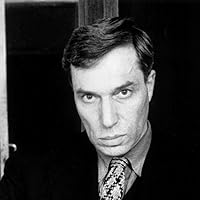
Jacques Prévert
319 books365 followersJacques Prévert est un poète et scénariste français, né le 4 février 1900 à Neuilly-sur-Seine, et mort le 11 avril 1977 à Omonville-la-Petite (Manche). Auteur d'un premier succès, le recueil de poèmes, Paroles, il devint un poète populaire grâce à son langage familier et à ses jeux sur les mots. Ses poèmes sont depuis lors célèbres dans le monde francophone et massivement appris dans les écoles françaises. Il a également écrit des scénarios pour le cinéma où il est un des artisans du réalisme poétique.
Ratings & Reviews
Friends & Following
Create a free account to discover what your friends think of this book!
Community Reviews
Displaying 1 - 5 of 5 reviews

January 8, 2018
A premise: I cannot be objective when it comes to Prévert. So this review must be taken for what it is: a declaration of love to the poet of Love.
''Histoires'': stories. This is narrative poetry indeed, in which the stream of life and death, passion and regret, hope and disenchantment flows like crystal-clear water, sounds like a modern Pied Piper's melody, blinds the spellbound reader with tears of joy and amazement.
The sun of Prévert's poetry shines over the poor and the suffering ones: young girls gone astray, humble workers, the seedy Parisian outskirts are the protagonists of this modern, bittersweet 'comédie humaine', in which the miracle of Beauty blasts sudden and unexpected like a glimpse of Heaven : girls walking on the sunny streets, children playing and singing, the poet's sweetheart undressing before love... Beauty, simple as that. The magic hidden behind the veil of our boredom and weariness, the enchanting delight of common lives and simple things.
Only one example: in "Comme par miracle", As If By a Miracle, the 'miracle' is a sunny morning in which a man eats an orange, looks up at the blue sky, gets back into his room and realises how much he loves and desires his wife, who's lying in bed and smiling at him. Simple and wonderful as thst. Such is the core of these 'stories': a revelation, a renewal of the world starting from within us.
Most of all, the poet is fascinated by the enchanting naivety of childhood.
Children look at the world with eyes full of purity and rapture, an innocence they are soon robbed of by age and experience. They can see things adults can't even perceive; they are still familiar with all that gets inexirably lost, all that is left behind. And this is also part of Prévert's magic realm.
Some of these poems are in fact fables for grown-ups, witty stories about the hypocrisy and ideological contradiction of our society. This part of the collection is called "Contes pour enfants pas sages" (kind of 'Stories for Naughty Kids'). There are plenty of references to the magic of childhood though, to be found between the lines as in the astonishingly beautiful "Le chat et l'oiseau", The Cat and the Bird, a dreamscape reminding of Chagall's pastel visions of tender melancholy.
As in "Paroles", his first collection, the poet is often struck by the sadness of the urban landscape, destroyed by the war as well as by the war profiteers who were ruthlessly exploiting the reconstruction frenzy of those years (the mid-40s). He cries over the ugliness surrounding human life, a tough life of daily struggle and sacrifice; in such a gloomy environment nature is little more than a fading memory for the inhabitants of the big city ("Arbres", Trees).
The only sparkles of hope are in youth and love - two teenagers kissing in the doorway of a seedy building 'before it is too late', as the girl says to her beloved: before it is too late and what still remains of their innocence is overwhelmed by the meanness and ugliness of life.
Well Jacques, as long as your words keep echoing in our ears it will never be too late.
However, the secret is all in the language: Prévert's poetry is delicate, playful, as light as a feather. His skills in experimenting with puns, unusual metaphors, weird poetry devices is just incomparable.
And yet how lyrical, how passionate! Prévert is a harpist playing all the strings of our soul with the gentle touch of his fingers. No other poet can move the reader to tears and fill his heart with joy in one single line.
A master.
An absolute master.
''Histoires'': stories. This is narrative poetry indeed, in which the stream of life and death, passion and regret, hope and disenchantment flows like crystal-clear water, sounds like a modern Pied Piper's melody, blinds the spellbound reader with tears of joy and amazement.
The sun of Prévert's poetry shines over the poor and the suffering ones: young girls gone astray, humble workers, the seedy Parisian outskirts are the protagonists of this modern, bittersweet 'comédie humaine', in which the miracle of Beauty blasts sudden and unexpected like a glimpse of Heaven : girls walking on the sunny streets, children playing and singing, the poet's sweetheart undressing before love... Beauty, simple as that. The magic hidden behind the veil of our boredom and weariness, the enchanting delight of common lives and simple things.
Only one example: in "Comme par miracle", As If By a Miracle, the 'miracle' is a sunny morning in which a man eats an orange, looks up at the blue sky, gets back into his room and realises how much he loves and desires his wife, who's lying in bed and smiling at him. Simple and wonderful as thst. Such is the core of these 'stories': a revelation, a renewal of the world starting from within us.
Most of all, the poet is fascinated by the enchanting naivety of childhood.
Children look at the world with eyes full of purity and rapture, an innocence they are soon robbed of by age and experience. They can see things adults can't even perceive; they are still familiar with all that gets inexirably lost, all that is left behind. And this is also part of Prévert's magic realm.
Some of these poems are in fact fables for grown-ups, witty stories about the hypocrisy and ideological contradiction of our society. This part of the collection is called "Contes pour enfants pas sages" (kind of 'Stories for Naughty Kids'). There are plenty of references to the magic of childhood though, to be found between the lines as in the astonishingly beautiful "Le chat et l'oiseau", The Cat and the Bird, a dreamscape reminding of Chagall's pastel visions of tender melancholy.
As in "Paroles", his first collection, the poet is often struck by the sadness of the urban landscape, destroyed by the war as well as by the war profiteers who were ruthlessly exploiting the reconstruction frenzy of those years (the mid-40s). He cries over the ugliness surrounding human life, a tough life of daily struggle and sacrifice; in such a gloomy environment nature is little more than a fading memory for the inhabitants of the big city ("Arbres", Trees).
The only sparkles of hope are in youth and love - two teenagers kissing in the doorway of a seedy building 'before it is too late', as the girl says to her beloved: before it is too late and what still remains of their innocence is overwhelmed by the meanness and ugliness of life.
Well Jacques, as long as your words keep echoing in our ears it will never be too late.
However, the secret is all in the language: Prévert's poetry is delicate, playful, as light as a feather. His skills in experimenting with puns, unusual metaphors, weird poetry devices is just incomparable.
And yet how lyrical, how passionate! Prévert is a harpist playing all the strings of our soul with the gentle touch of his fingers. No other poet can move the reader to tears and fill his heart with joy in one single line.
A master.
An absolute master.

January 3, 2023
Je suis partiale, j'aime Prévert.

October 29, 2018
https://leiturasdelaura.blogspot.com/...
Preciso começar dizendo que adoro Jacques Prévert. Eles faz parte do meu caso de amor com o idioma francês, e isso me torna um tanto enviesada com tudo o que ele escreve. Em compensação, ele é um dos autores mais lidos na França, reconhecido como um dos grandes da literatura francesa. Assim, eu posso dizer que sou enviesada mas tenho alguma razão para isso.
Como já contei em mais de um post por aqui, desenvolvi nos últimos anos o costume de ler poesias de manhã, o que torna a vida mais leve e feliz. Depende do livro e da poesia, ok, mas no geral funciona bem. E esse é um dos motivos pelos quais acabei acumulando uma coleção razoável de livros do autor. Aguardem mais Jacques Prévert no futuro.
Histórias pessoais à parte, essa edição de Histoires é uma coletânea de textos do autor francês, que variam entre poemas e histórias curtas, algo como contos, mas não exatamente isso, porque o que Jacques escreve não são exatamente contos, nem histórias. Confesso que tenho dificuldade de definir.
Prévert tem um pé no surrealismo, e isso é bastante notável em diversos dos seus trabalhos, o que não agrada todos os tipos de leitores. Mas ao mesmo tempo é essa qualidade que torna as suas críticas ao mundo que ele viveu (o que inclui as grandes guerras) tão interessante e ao mesmo tempo leves. Veja bem, seus textos são lidos por crianças na França por causa disso.
Ao mesmo tempo, por ele ser muito apegado a essas críticas, é preciso conhecer um tanto de história francesa e da política francesa para entender boa parte delas. Eu não sou nenhuma expert no assunto, apesar de não ser totalmente leiga, e preciso dizer que senti muita falta de algumas notas de rodapé. Talvez eu tenha dado azar com a edição francesa que consegui, talvez eu precisasse de uma edição bilíngue. Independentemente disso, o resultado é que me senti perdida em diversos textos. Estava claro que eu não estava captando tudo o que ele queria dizer.
Apesar disso, Jacques é maravilhoso, e não é necessário entender cada crítica escondida que ele coloca nos seus textos para apreciar seu trabalho. A leitura ainda assim é extremamente agradável, leve e divertida. Na maioria das vezes, pois de vez em quando ele traz temas bastante pesados.
Preciso começar dizendo que adoro Jacques Prévert. Eles faz parte do meu caso de amor com o idioma francês, e isso me torna um tanto enviesada com tudo o que ele escreve. Em compensação, ele é um dos autores mais lidos na França, reconhecido como um dos grandes da literatura francesa. Assim, eu posso dizer que sou enviesada mas tenho alguma razão para isso.
Como já contei em mais de um post por aqui, desenvolvi nos últimos anos o costume de ler poesias de manhã, o que torna a vida mais leve e feliz. Depende do livro e da poesia, ok, mas no geral funciona bem. E esse é um dos motivos pelos quais acabei acumulando uma coleção razoável de livros do autor. Aguardem mais Jacques Prévert no futuro.
Histórias pessoais à parte, essa edição de Histoires é uma coletânea de textos do autor francês, que variam entre poemas e histórias curtas, algo como contos, mas não exatamente isso, porque o que Jacques escreve não são exatamente contos, nem histórias. Confesso que tenho dificuldade de definir.
Prévert tem um pé no surrealismo, e isso é bastante notável em diversos dos seus trabalhos, o que não agrada todos os tipos de leitores. Mas ao mesmo tempo é essa qualidade que torna as suas críticas ao mundo que ele viveu (o que inclui as grandes guerras) tão interessante e ao mesmo tempo leves. Veja bem, seus textos são lidos por crianças na França por causa disso.
Ao mesmo tempo, por ele ser muito apegado a essas críticas, é preciso conhecer um tanto de história francesa e da política francesa para entender boa parte delas. Eu não sou nenhuma expert no assunto, apesar de não ser totalmente leiga, e preciso dizer que senti muita falta de algumas notas de rodapé. Talvez eu tenha dado azar com a edição francesa que consegui, talvez eu precisasse de uma edição bilíngue. Independentemente disso, o resultado é que me senti perdida em diversos textos. Estava claro que eu não estava captando tudo o que ele queria dizer.
Apesar disso, Jacques é maravilhoso, e não é necessário entender cada crítica escondida que ele coloca nos seus textos para apreciar seu trabalho. A leitura ainda assim é extremamente agradável, leve e divertida. Na maioria das vezes, pois de vez em quando ele traz temas bastante pesados.
March 30, 2026
« Des oiseaux par milliers volent vers les feux
par milliers ils tombent par milliers ils se cognent
par milliers aveuglés par milliers assommés
par milliers ils meurent
Le gardien ne peut supporter des choses pareilles
les oiseaux il les aime trop
alors il dit Tant pis je m’en fous !
Et il éteint tout
Au loin un cargo fait naufrage
un cargo venant des îles
un cargo chargé d’oiseaux
des milliers d’oiseaux des îles
des milliers d’oiseaux noyés. » (p.111)
par milliers ils tombent par milliers ils se cognent
par milliers aveuglés par milliers assommés
par milliers ils meurent
Le gardien ne peut supporter des choses pareilles
les oiseaux il les aime trop
alors il dit Tant pis je m’en fous !
Et il éteint tout
Au loin un cargo fait naufrage
un cargo venant des îles
un cargo chargé d’oiseaux
des milliers d’oiseaux des îles
des milliers d’oiseaux noyés. » (p.111)
June 25, 2025
Ce cher Prévert ! Bien contente d’avoir découvert d’autres écrits que « Paroles » et « Spectacles » !
Displaying 1 - 5 of 5 reviews