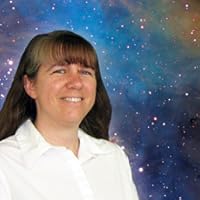
As John Wesley discovered his true spiritual identity, he experienced a strangely warmed heart. Through poignant stories and well-reasoned principles, Karen Oliveto discloses why and how spiritual renewal and a personal call to ministry emerge in the strangely warmed hearts of lesbian and gay Christians.
In The United Methodist Church (and other Christian denominations), it is difficult or impossible for lesbian, gay, transsexual, and bisexual clergy or laity to become a visible and outward channel for God's saving grace. This book traces the history of the church's struggle with homosexuality, highlighting critical incidents in the culture and church polity which shape the church's response. The controversy is deeply rooted in how God's people are searching the scriptures, which are interpreted as a means of grace for some and as a rulebook for others. This book includes first-person narratives of LGBTQ persons faithfully serving in a denomination that denies their calls and--in some cases--their presence. These stories will show how the coming out process is deeply spiritual as one grows into an authentic, God-created and graced self.
"You are the one who created my innermost parts; you knit me together while I was still in my mother's womb. I give thanks to you that I was marvelously set apart. Your works are wonderful--I know that very well." Psalm 139:13-14 (CEB)
[Bishop Karen Oliveto] is sharing the love of Jesus, and meeting people where they are, no matter who they are, and no matter what they think about her. She loves them. --Kent Ingram, senior pastor of First United Methodist Church in Colorado Springs, Colorado.
From the Faultlines collection, resources intended to inform conversations around human sexuality and the church.
Could not put this book down. Bishop Oliveto details the history of the LGBTQ movement in the United States and within the United Methodist Church (UMC) in the first half of the book; the second half is personal stories from LGBTQ UMC clergy and laity. Highly recommended.
A short but thorough history of the "gay issue", first in society and then in the United Methodist Church is presented in the first section of the book. The second section of the book presents 10 personal stories from LGBTQ people in the UMC church. I was glad to read the history. The was it was laid out in timeline form is not flattering for the church, and I'm hoping they will finally change in the language in the Book of Discipline in the 2024 General Conference currently going on. The personal stories were heartbreaking. The book makes a good case for changing the UMC Book of Discipline and social principles.
I thought this book would be a mini-memoir of Bishop Oliveto, but it is not. It is a mini-history if homosexuality in the US, a mini-history of homosexuality in The UMC, and then 10 people telling their stories about coming out in The UMC (Bishop Oliveto is not one of them). The subject matter is good (there aren’t many short books on this subject) and the historical background of this debate in The UMC is fascinating (I have been United Methodist my whole life but never knew most of it), but the book is very poorly written.
The first part of the book read dry to me. It was much needed history of the LGBT and United Methodist Church issue. I am not at all a history fan, so I'll take full responsibility for the dryness. The information was well presented. I got a lot more out of the 2nd half which was personal stories from our denomination. I recommend reading it.
As with many of the books I have read for this book club I would recommend hiring an editor because this book was written very poorly. It was an interesting concept but poorly executed. I think this book is really good for religious people who hate gay people, but otherwise I think you can and should skip it.
Great book for understanding the divide in the UMC. I am shocked at how some people treat all children of God. They don't seem to understand that "love one another" means EVERYONE.
Very good history of homosexuality in the Methodist church. First half of book is mainly facts. Second half of book is essays by people who have lived during the history making. Read as part of the United Women of Faith Reading Program.
This book offers an accurate history of our treatment of LGBTQ in the United Methodist Church through the years. It provides a picture of how we have gotten to the point of looking to a split within our denomination. The second half includes faith journeys of individuals who have been hurt by the church, who have left the church and who continue to struggle to create a church that truly has open doors, that truly welcomes, accepts and honors everyone.