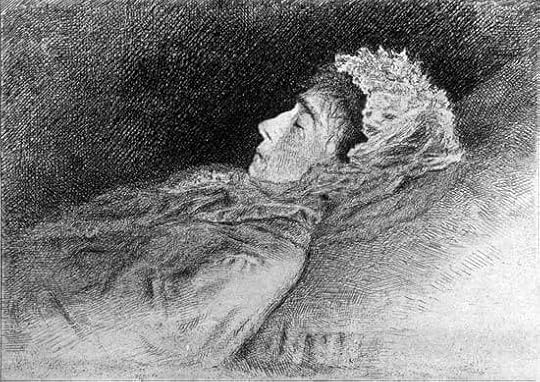
A Dead Woman's Secret is a short story about a mother who just passed away and her family members finding out “secrets” about their deceased mother. She had died from a painless death in her bed looking like she had got herself ready before dying. She laid there looking calm and peaceful as her son and daughter were bereft. With dour expressions they decided to read the letters their mother had wrote which was kept in her drawer. Letters were directed to her children but after reading them children were amazed at the secrets of their mother...
Henri René Albert Guy de Maupassant was a popular 19th-century French writer. He is one of the fathers of the modern short story. A protege of Flaubert, Maupassant's short stories are characterized by their economy of style and their efficient effortless dénouement. He also wrote six short novels. A number of his stories often denote the futility of war and the innocent civilians who get crushed in it - many are set during the Franco-Prussian War of the 1870s.
How well do we know the ones we love and hold so dear? Apparently not so well at all. Oh, how quickly high regard can fall into absolute disfavor!
Should we be so quick to judge, especially one who until now appears to have done no wrong? Are our memories perhaps clouded by the naivete of youth or the pedestal we put our beloved on?
A quick read that leaves you contemplating the person we see versus the one we don't and how hastily we judge others based on limited knowledge.
An aged mother had just died, and her two mourning children were sitting with her. Her son was described as "a magistrate with inflexible principles". Her daughter, a nun, "had become the bride of the Church through her loathing for man". They decide to read their mother's old letters during the night to relive her whole life, and are very surprised by the contents. Without knowing the circumstances, they pass judgement. I thought de Maupassant wrote excellent descriptions of the children and the priest in just a few words so we could quickly know their characters.
Guy de Maupassant writes simple stories with deep meanings. I will not detail the story, since in a medium so short, even the slightest hint of the tale can be a spoiler, however, I will say that it left me pondering two things:
1. how well can we know any person, even the mother who gave us life? 2. how harshly should we judge someone who decieves us, either to protect our perseption of themselves or perhaps to protect us from the truth?
“The whole pale countenance of the dead woman was so collected, so calm, so resigned that one could feel what a sweet soul had lived in that body, what a quiet existence this old soul had led, how easy and pure the death of this parent had been.”
“And the memories, those distant memories, yesterday so dear, to-day so torturing, came to their minds with all the little forgotten details, those little intimate familiar details which bring back to life the one who has left”.
Guy de Maupassant's "A Dead Woman's Secret" is tragic short story because of the unforgiving nature and lack of pity to the dead woman when her secret is revealed. The religious natures that are so strict that they indeed become what they are against.
Story in short- A judge and a nun have lost their mother who was to them a saint but was turned to rubble in a matter of minutes.
➖➖➖➖➖➖➖➖➖➖➖➖➖➖➖➖➖➖➖➖➖➖➖➖➖➖➖➖➖➖➖➖➖➖➖ Highlight (Yellow) | Location 23061 The woman had died without pain, quietly, as a woman should whose life had been blameless. Now she was resting in her bed, lying on her back, her eyes closed, her features calm, her long white hair carefully arranged as though she had done it up ten minutes before dying. The whole pale countenance of the dead woman was so collected, so Highlight (Yellow) | Location 23063 calm, so resigned that one could feel what a sweet soul had lived in that body, what a quiet existence this old soul had led, how easy and pure the death of this parent had been. Kneeling beside the bed, her son, a magistrate with inflexible principles, and her daughter, Marguerite, known as Sister Eulalie, were weeping as though their hearts would break. She had, from childhood up, armed them with a strict moral code, teaching them religion, without weakness, and duty, without compromise. He, the man, had Highlight (Yellow) | Location 23067 become a judge and handled the law as a weapon with which he smote the weak ones without pity. She, the girl, influenced by the virtue which had bathed her in this austere family, had become the bride of the Church through her loathing for man. They had hardly known their father, knowing only that he had made their mother most unhappy, without being told any other details. The nun was wildly-kissing the dead woman’s hand, an ivory hand Highlight (Yellow) | Location 23071 as white as the large crucifix lying across the bed. On the other side of the long body the other hand seemed still to be holding the sheet in the death grasp; and the sheet had preserved the little creases as a memory of those last movements which precede eternal immobility. A few light taps on the door caused the two sobbing heads to look up, and the priest, who had just come from dinner, returned. He was red and out of breath from his interrupted digestion, for he had made himself a strong mixture of coffee
The dead woman's children have been taught to be very strict. "She had, from childhood up, armed them with a strict moral code, teaching them religion, without weakness, and duty, without compromise." The judge ruled very stern. They think their mother a saint until they read some of her letters from a lover, not their father. Immediately, they no longer cared to be near her and disowned the dead woman. The woman was wrong to not teach her children pity, why she didn't would be interesting to know. Her children, grown up and having no pity, not knowing the circumstances is truly tragic and so irreligious.
Highlight (Yellow) | Location 23074 and brandy in order to combat the fatigue of the last few nights and of the wake which was beginning. He looked sad, with that assumed sadness of the priest for whom death is a bread winner. He crossed himself and approaching with his professional gesture: “Well, my poor children! I have come to help you pass these last sad hours.” But Sister Eulalie suddenly arose. “Thank you, father, but my brother and I prefer to remain alone with her. This is our last chance to see her, and we wish to be together, all Highlight (Yellow) | Location 23078 three of us, as we — we — used to be when we were small and our poor mo — mother — — “ Grief and tears stopped her; she could not continue. Once more serene, the priest bowed, thinking of his bed. “As you wish, my children.” He kneeled, crossed himself, prayed, arose and went out quietly, murmuring: “She was a saint!” They remained alone, the dead woman and her children. The ticking of the clock, hidden in the shadow, could be heard distinctly, Highlight (Yellow) | Location 23082 and through the open window drifted in the sweet smell of hay and of woods, together with the soft moonlight. No other noise could be heard over the land except the occasional croaking of the frog or the chirping of some belated insect. An infinite peace, a divine melancholy, a silent serenity surrounded this dead woman, seemed to be breathed out from her and to appease nature itself. Then the judge, still kneeling, his head buried in the bed clothes, cried in a voice altered by grief and Highlight (Yellow) | Location 23086 deadened by the sheets and blankets: “Mamma, mamma, mamma!” And his sister, frantically striking her forehead against the woodwork, convulsed, twitching and trembling as in an epileptic fit, moaned: “Jesus, Jesus, mamma, Jesus!” And both of them, shaken by a storm of grief, gasped and choked. The crisis slowly calmed down and they began to weep quietly, just as on the sea when a calm follows a squall. A rather long time passed and they arose and looked at their dead. Highlight (Yellow) | Location 23090 And the memories, those distant memories, yesterday so dear, to-day so torturing, came to their minds with all the little forgotten details, those little intimate familiar details which bring back to life the one who has left. They recalled to each other circumstances, words, smiles, intonations of the mother who was no longer to speak to them. They saw her again happy and calm. They remembered things which she had said, and a little motion of the hand, like beating time, which she often Highlight (Yellow) | Location 23093 used when emphasizing something important. And they loved her as they never had loved her before. They measured the depth of their grief, and thus they discovered how lonely they would find themselves. It was their prop, their guide, their whole youth, all the best part of their lives which was disappearing. It was their bond with life, their mother, their mamma, the connecting link with their forefathers which they would thenceforth miss. They now became solitary, lonely Highlight (Yellow) | Location 23097 beings; they could no longer look back. The nun said to her brother: “You remember how mamma used always to read her old letters; they are all there in that drawer. Let us, in turn, read them; let us live her whole life through tonight beside her! It would be like a road to the cross, like making the acquaintance of her mother, of our grandparents, whom we never knew, but whose letters are there and of whom she so often spoke, do you remember?” Highlight (Yellow) | Location 23100 Out of the drawer they took about ten little packages of yellow paper, tied with care and arranged one beside the other. They threw these relics on the bed and chose one of them on which the word “Father” was written. They opened and read it. It was one of those old-fashioned letters which one finds in old family desk drawers, those epistles which smell of another century. The first one started: “My dear,” another one: “My beautiful little girl,” others: “My dear child,” or: “My dear (laughter).” And suddenly the nun began to read aloud, to read over to the dead woman her whole history, all her tender memories. The judge, resting his elbow on the bed, was listening with his eyes fastened on his mother. The motionless body seemed happy. Sister Eulalie, interrupting herself, said suddenly: “These ought to be put in the grave with her; they ought to be used as a shroud and she ought to be buried in it.” She took another package, on which no name Highlight (Yellow) | Location 23108 was written. She began to read in a firm voice: “My adored one, I love you wildly. Since yesterday I have been suffering the tortures of the damned, haunted by our memory. I feel your lips against mine, your eyes in mine, your breast against mine. I love you, I love you! You have driven me mad. My arms open, I gasp, moved by a wild desire to hold you again. My whole soul and body cries out for you, wants you. I have kept in my mouth the taste of your kisses— “ Highlight (Yellow) | Location 23111 The judge had straightened himself up. The nun stopped reading. He snatched the letter from her and looked for the signature. There was none, but only under the words, “The man who adores you,” the name “Henry.” Their father’s name was Rene. Therefore this was not from him. The son then quickly rummaged through the package of letters, took one out and read: “I can no longer live without your caresses.” Standing erect, severe as when sitting on the bench, he looked unmoved at Highlight (Yellow) | Location 23115 the dead woman. The nun, straight as a statue, tears trembling in the corners of her eyes, was watching her brother, waiting. Then he crossed the room slowly, went to the window and stood there, gazing out into the dark night. When he turned around again Sister Eulalie, her eyes dry now, was still standing near the bed, her head bent down. He stepped forward, quickly picked up the letters and threw them pell-mell back into the drawer. Highlight (Yellow) | Location 23118 Then he closed the curtains of the bed. When daylight made the candles on the table turn pale the son slowly left his armchair, and without looking again at the mother upon whom he had passed sentence, severing the tie that united her to son and daughter, he said slowly: “Let us now retire, sister.”
قصة "سر المرأة الميتة " للكاتب الفرنسي "جي دي موباسان" القصة:- بعناية، ورتبت واحدة بجانب الأخرى. ألقيا بهذه الآثار على السرير، واختارا واحدة منها كتبت عليها كلمة (أب). فتحاها وشرعا يقرآن فيها. كانت من تلك الرسائل ذات النمط القديم التي قد يجدها الشخص في بعض أدراج الطاولات القديمة لبعض العائلات، تلك الرسائل التي تفوح منها رائحة قرن آخر، وتعبق بشذى الماضي العتيق. بدأت الأولى منها بعبارة “عزيزتي” والثانية بـ “ابنتي الصغيرة الجميلة”، وثمة أخرى بدأت بـ ” عزيزتي الابنة:”.
فجأة بدأت الراهبة تقرأ بصوت عال، تقرأ على المرأة العجوز الميتة كل تاريخها، كل ذكرياتها الحنون قراءة جهرية. كان القاضي واضعا مرفقه على السرير يستمع وعيناه مثبتتان، لا يكاد يرفعهما عن أمه، تلك الجثة التي بدت سعيدة رغم أنه لا حراك بها. فجأة توقفت الأخت (أيللولي) عن القراءة قائلة: “هذه الرسائل يجب أن تدفن معها في قبرها. يجب أن يوضع لها كفن خاص بها، يرافق جثتها في لحدها”.
تناولت رزمة أخرى لم تكن تحمل اسما. أخذت تقرأ بصوت ثابت:-
” عشيقتي الوحيدة: أحبك أقوى ما يكون الحب. منذ أمس أعاني من عذابات بعدِك اللعينة. ذكرياتنا تستحوذ علي. أشعر بشفتيك اللذيذتين تطبقان على شفتي وعينيك في عينَّي وصدرك ملاصق لصدري. آه، كم أحبك، لقد جعلتِنِي مجنونا. هاهما ذراعاي مفتوحتان، أتأوه مدفوعا بالرغبة لاحتوائك. روحي وجسدي يناديان بأعلى صوت. إنهما يريدانك. ما زلت أحتفظ بطعم قبلاتك الحالي في فمي…..”.
اعتدل القاضي في جلسته، توقفت الراهبة عن القراءة، اختطف منها الرسالة. نظر في المكان الذي تُوَقَعُ فيه الرسالة عادة، لم يكن ثمة أي توقيع، فقط تحت تلك الكلمات عبارة “المغرم بك…. هنري”! والدهما كان اسمه (رينييه). الرسالة بالتأكيد ليست منه. فتَّش الابن بسرعة في رزمة الرسائل تلك، وتناول واحدة وقرأ فيها: “لم يعد بوسعي العيش دون مداعباتك لي”!
فجأة انتصب القاضي، مثلما يفعل تماما عندما يكون في مكتبه بالمحكمة، ألقى نظرة جامدة على المرأة الميتة، بينما كانت أخته الراهبة كانت منتصبة مثل التمثال، الدموع ترتجف في عينيها، ترقب أخاها تنتظر ما سوف يفعله. عَبَرَ القاضي الغرفة ببطء واتجه نحو النافذة، ومنها ظل يحدق في الخارج في ذلك الليل البهيم، وعندما أرجع البصر نحو أخته وجد عينيها قد جفت الآن، ما زالت واقفة بالقرب من السرير، مطرقة رأسها. تقدم قليلا وبسرعة التقط الرسائل، وألقى بها كيفما اتفق في الدرج، وأغلق الستائر المحيطة بالسرير. أشرق نور الصباح… شحُبَ ضوء الشموع التي على الطاولة… ترك الابن مقعده، دون أن ينظر ثانية إلى أمه … أصدر من أعماقه حكما يقضي بقطع أي صلة تربطهما بها… قال ببطء: ” لنخرج الآن يا أختي!”
A Dead Woman’s Secret by Guy de Maupassant is one of the his interesting short stories written. It shows us ‘Nothing is as it seems.’ At the beginning of the story, at night, the dead woman rest in peace in all her innocence. The woman’s pale face was so calm that it made one feel how easy and pure death was. Her children were waiting by their dead mother and they were crying. After that they miss their mother and they had decided to read letters their mother wrote. Story’s climax is her children find the love letter to their mother. The author also impresses the reader in this story, in which he reflects the mood of doubt and sadness. Her son, The Judge, reads the letter and he begins to doubt his mother, but her daughter only feels sadness and their feelings do not change towards her mother. The author use a natural language in this short story and was able to convey the emotion he wanted to convey to reader. At the end of the short story, if I have to explain without any spoilers, we understand that there may be secrets of people we never expected and this secret may be revealed suddenly one day. And when it comes out, even our closest ones can change what they think about us. On the other hand, in the story, elements such as mystery and curiosity are kept in the foreground, while encouraging the reader to read the ending, it does not end with a clear ending. In the end, the questions arise in the mind of the reader such as ‘Did her daughter know about this secret?’ and ‘Why did her son take such a stern stance?’ I recommend this short story to many literature students because I think it is of good quality and worth reading in terms of the style of writing and the elements it contains.
A Dead Woman's Secret by Guy de Maupassant is tells us the 'Every secret come in view eventually' In the beginning,the dead woman made her child sad owing to her blameless death.She just rest in her bed,seems crimeless and empoisoned.They feel that they have nothing to do for her mother and mourn for her by looking her.The son become a judicator,and the girl become a priestess impressed and influenced by her mother's strict rules.They still do not want their father's,even death can not rake together them.In fact, the story begins here. They blamed their father for years but they did not acquainted with facts. They continue to cry and memorialize their good old days.Suddenly,the girl priestess offer her brother to read and take a look at her letters.The main event and climax here. They saw a billet doux but not from their father's.The son start to think in his subconscious, their mother is not as innocent as they think.The priestess is not aware of that situation as much as her brother because she gave up the reading and continue to mourn and looking her innocent(!)mother. As I mentioned above, (1st line) we realize that Dead Woman's secret did not go to tomb with her. It was not last forever.This story ended with a unresolved case even if childern sure that their mother has shady past.In the end,reader may have a questions like' What did they do after they all known and read letters? or Why son is get more frustrated and irritated than his sister and why did not tell the written name to his sister ?We may just have some comments and assertions for these questions. To think elaborative,students should read full of the story and we can discuss among us.This story is really thought-provoking and effective.
This story was about a dead woman's children finding out a secret life of their mother from her funeral. When the nun started to read the letters from the dead woman to pay respect to her life, the children found out that their mother had another relationship outside her marriage. I felt deceived when I read this book because at the beginning of the story it was written how loving the children’s mother was and how their children admired her. But in the middle of the story, it revealed that their mother had another relationship outside marriage which their children never knew. In this story, I have learnt that everyone should tell the truth to others, especially family members. If we hide the truth, people will still find out sooner or later and will not forgive us. Using this story as an example, the dead woman lied to their children the whole time that their father was the one that made her unhappy. But the fact was their mother was the one who made their father unhappy. I would recommend this book to everyone because this book makes readers feel tense as it is hard to imagine how the story will be continued. Also, it is not very often we get to read a story about relationship outside marriage.
This entire review has been hidden because of spoilers.
This story has some comedy. The scene is dreadful: dead, elderly mother, grieving judge son, and grieving nun daughter; the priest was fiercely told to wait outside the room; they cry; they read letters written by their mother over the years. Wait. What's this one? It's...a tad too personal. They never knew about their father other than his name was Rene and he made their mother miserable. Who wrote these intimate letters? Either way, the brother deems the content too much for he and his sister to be reading and throw them "pell-mell" back into the drawer he found them in instead of burying them with his mother like his sister suggested after reading all the ones addressed to them. Awkward of sitcom proportions.
A strict and inflexible judge and his sister, Sister Eulalie a nun, are mourning their mother who has just passed away, and decide to honor the memory of the very devout and strait-laced loved one by reading out loud to each other letters that they find in her desk. Letters that reveal much about the secret love life of their mother in her younger days and that transform completely the nature of the deathbed vigil.
The language is out in full force. The writing is charming, descriptive and full of gold. How natural that this tale end in what I find a comedy. Brilliant! Probably my favorite short from Guy.
“He, the man, had become a judge and handled the law as a weapon with which he smote the weak ones without pity. She, the girl, influenced by the virtue which had bathed her in this austere family, had become the bride of the church through her loathing for man.”
This is my first time reading De Maupassant. The story was well constructed and in that characteristic vein of 19th century realism. It was enjoyable. I do not wish to spoil the story, but be warned: things aren't what they seem. A son and daughter return to her mother's house when she dies, and spend time alone mourning her. Suddenly, they discover a very unsettling aspect of her life.
The story was about a woman who had died and her children finding out that she, like everyone, had a secret.
It's been a while since I have read a short story. I thought overall the description of things in the story were well put. However, it just felt like the story didn't flow, in my opinion.
Despite of the fact that the story is relatively short, it gives us a full picture of characters and topics, which will be always actual. Simply written, without any unnecessary details, straightforward plot.