

What do you think?

The Gospel of Philip: Annotated & Explained
This ancient Gnostic text can be a companion for your own spiritual quest.
The Gospel of Philip is one of the most exciting and accessible of the Gnostic texts found at Nag Hammadi in Egypt in 1945. The source of Dan Brown's intriguing speculations about Mary Magdalene in his best-selling novel The Da Vinci Code, the Gospel of Philip draws on ancient imagery--the natural world, the relationships between women, men and family, the ancient distinctions between lord and servants, free people and slaves, and pagans, Jews and Christians--to offer us insight into the spiritual interpretation of scripture that is at the foundation of Christianity.
The Gospel of Philip: Annotated and Explained unravels the discourses, parables and sayings of this second-century text to explore a spiritual, non-literal interpretation of the Bible. Along with his elegant and accurate new translation from the original Coptic, Andrew Phillip Smith probes the symbolism and metaphors at the heart of the Gospel of Philip to reveal otherwise unrecorded sayings of Jesus, fragments of Gnostic mythology and parallels to the teachings of Jesus and Paul. He also examines the joyful imagery of rebirth, salvation and mystical union in the bridal chamber that was the pursuit of Christian Gnosticism.
Now you can experience this ancient Gospel even if you have no previous knowledge of early Christianity or Gnostic thought. This SkyLight Illuminations edition provides important insights into the historical context and major themes of the Gospel of Philip, and gives you a deeper understanding of the Gospel's overarching message: deciphering our own meaning behind the symbols of this world increases and enriches our understanding of God.
The Gospel of Philip is one of the most exciting and accessible of the Gnostic texts found at Nag Hammadi in Egypt in 1945. The source of Dan Brown's intriguing speculations about Mary Magdalene in his best-selling novel The Da Vinci Code, the Gospel of Philip draws on ancient imagery--the natural world, the relationships between women, men and family, the ancient distinctions between lord and servants, free people and slaves, and pagans, Jews and Christians--to offer us insight into the spiritual interpretation of scripture that is at the foundation of Christianity.
The Gospel of Philip: Annotated and Explained unravels the discourses, parables and sayings of this second-century text to explore a spiritual, non-literal interpretation of the Bible. Along with his elegant and accurate new translation from the original Coptic, Andrew Phillip Smith probes the symbolism and metaphors at the heart of the Gospel of Philip to reveal otherwise unrecorded sayings of Jesus, fragments of Gnostic mythology and parallels to the teachings of Jesus and Paul. He also examines the joyful imagery of rebirth, salvation and mystical union in the bridal chamber that was the pursuit of Christian Gnosticism.
Now you can experience this ancient Gospel even if you have no previous knowledge of early Christianity or Gnostic thought. This SkyLight Illuminations edition provides important insights into the historical context and major themes of the Gospel of Philip, and gives you a deeper understanding of the Gospel's overarching message: deciphering our own meaning behind the symbols of this world increases and enriches our understanding of God.
160 pages, Paperback
First published January 1, 2003
About the author
Anonymous
3,450 followersBooks can be attributed to "Anonymous" for several reasons:
* They are officially published under that name
* They are traditional stories not attributed to a specific author
* They are religious texts not generally attributed to a specific author
Books whose authorship is merely uncertain should be attributed to Unknown.
See also: Anonymous
* They are officially published under that name
* They are traditional stories not attributed to a specific author
* They are religious texts not generally attributed to a specific author
Books whose authorship is merely uncertain should be attributed to Unknown.
See also: Anonymous
Ratings & Reviews
Friends & Following
Create a free account to discover what your friends think of this book!
Community Reviews
Displaying 1 - 29 of 29 reviews

June 4, 2012
A beautiful book, an interpretation of another of those ancient Coptic texts found at Nag Hammadi. The introduction suggests that the Coptic was a translation of the ancient Greek, mentioning that Philip is a Greek name. Interesting to read it right after Rumi's Four Essential Practices, because it also deals with the breath and the body. Neither adore nor despise the body, but try to make what is material like what is spiritual. Unlike much of the canon of Christianity, the embrace between lovers is called "the holy of holies." The way they talked about whether children are conceived with thoughts of love and God through a willful act versus conceived out of impulse and desire, made me think about the sometimes lasting impact of being a wanted child rather than an unwanted child. Some of the metaphors--like God is a dyer and permeates good cloth--really stuck better for me than some that I don't understand so well two millennia later. But it rings true with what I've been trying to do based on teachings of A Course in Miracles (put Holy Spirit in charge every morning), and Lee Carroll (get entangled with the Higher Self--funny those both work out to H.S...).

April 13, 2013
Where do some of these commentators on Gnostic writing come from? Smith seems to be a Welshman who just got interested in this stuff, and that should be good enough, folks. It is and it isn't.
Smith does a good job of putting the "gospel" in context and of pointing out the it is more anthology than coherent story. But....
The facing pages of annotation and original (translated) text of one of the major Nag Hammadi documents suggest space padding to get the book up to salable size. It might be worth it if Smith's lengthy commentary were more illuminating. Unfortunately, as often as not, he points out the obvious while saying little or nothing about the truly confounding.
As for being a "translation," from Smith's own comments I suspect that it's rather a reworking and intertwining of existing translations than a fresh start by the author.
Rather than serious scholarship, too much of the current writing on the Gnostics seems to have crept out from behind the barn.
Smith does a good job of putting the "gospel" in context and of pointing out the it is more anthology than coherent story. But....
The facing pages of annotation and original (translated) text of one of the major Nag Hammadi documents suggest space padding to get the book up to salable size. It might be worth it if Smith's lengthy commentary were more illuminating. Unfortunately, as often as not, he points out the obvious while saying little or nothing about the truly confounding.
As for being a "translation," from Smith's own comments I suspect that it's rather a reworking and intertwining of existing translations than a fresh start by the author.
Rather than serious scholarship, too much of the current writing on the Gnostics seems to have crept out from behind the barn.
August 3, 2025
This a Gnostic Gospel and so lovely and filled with much spirituality. I will be reading this book again.

September 3, 2026
This went much faster than the other translation I tried Still trippy, but better type-spacing and clearer translation choices made for much easier reading. I am not going to pretend to know what the original author meant, I probably got more out of the introduction by the translator. Anyhow, it so very different from the Synoptic gospels!
December 25, 2024
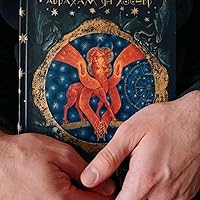
Євангеліє від Пилипа можна назвати своєрідною "Піснею пісень" в Новому Заповіті. Тут в алегоричній формі Священий Шлюб розглядається,як спосіб пізнання гнозису (адже це гностичний текст). Звичайно, що цей трактат написаний як діалог та інколи доповнення до інших біблійних текстів.
Один з улюблених епізодів - продовження Приповідки про перли перед свиньми:
119. Хазяїн маєтку нажив усяке: і дітей, і рабів, і худобину, і собак, і свиней, і пшеницю, і ячмінь, і солому, і траву, і собачий корм, і найкращу їжу, і жолуді. Він — людина розумна і знає їжу кожного: так, перед дітьми він покладе хліб, маслинову олію і щонайліпше, перед рабами — рицинову олію та пшеницю, худобі він дасть ячмінь, солому і траву, собакам — відходи, а свиням — жолуді та висівки.
Так і учень Бога. Якщо він мудрий — то він осягає учнівство. Форми тілесні не введуть його в обману, але він подивиться на стан душі кожного, заговоривши з ним.
Є багато тварин у світі цьому, що мають зовнішній вигляд людини. Коли вона розпізнає їх, то “свиням” кине “жолуді”, іншій “худобі” — “ячмінь”, “солому” і “траву”, “собакам” — “покидьки”; “рабам” же він дасть “посіви”, а “дітям” — досконале
А загалом, тут дійсно багато їжі для роздумів,як і всіх гностичних текстах. Це справжнє задоволення не тільки для біблеїста, але й для кожного шукача Знання.
2. Раб сподівається тільки стати вільним. Він не може розраховувати на одержання спадщини свого пана.
Син же — не тільки Син, але й Співвласник надбання Отця.
4. Язичник і не вмирає зовсім, бо він ніколи (по-справжньому) й не жив. Тому немає сенсу й говорити про його смерть.
Той, хто прийняв Істину, — почав жити. І має він небезпеку вмерти: бо він — живе.
13. Земні правителі зажадали обдурити людей; вони ж розуміли, що люди — одного походження з насправді гідним. Вони взяли назви високі й дали їх поганим речам — щоб таким чином обдурити людей і прив’язати їх до поганого. І тепер ті земні правителі, ніби з милості, пропонують людям віддалятися від “поганого” і приліплюватися до “доброго” — тим людям, які з ними знаються. Ті земні правителі прагнуть зробити спершу вільних людей рабами навіки.
14. Є сили, які дають людині (владу), не бажаючи врятувати її. Вони роблять це (щоб підкорити її).
Тому Він говорив: “Той, хто не буде їсти Моєї Плоті і пити Моєї Крові, — не буде мати в собі життя (істинного)”.
Що є Його Плоть? — Логос. А Кров Його — Дух Святий. Той, хто одержав Це, — має істинні їжу, питво та одяг. І я не погоджуся, якщо хтось казатиме, що ось Ця Плоть не воскресне.
25. Безумовно явне пізнається через явне, а таємне — через таємне. Але в деяких випадках таємне символізується через образи явного.
Так, виникає образ води в Потоці і образ вогню при благословенні (Отця).
26. Ісус завойовував серця людей, не розкриваючи Своєї Суті. Він перед кожним відкривався настільки, наскільки той міг умістити. Він робив це так: перед великими поставав великим, а перед малими — малим, перед ангелами — ангелом, а перед людьми — як людина. І при цьому Його Божественність була прихована від усіх. Деякі, бачачи Його, думали, що бачать просто рівного собі.
Коли ж Він відкрився Своїм учням у всій славі на горі — у той момент Він був уже не малим, але воістину Великим. Але перед цим Він зробив Своїх учнів настільки великими, щоб вони змогли побачити Його Велич.
У той день, дякуючи Отцеві, Він вимовив: “О Той, Котрий з’єднав Свої Досконалість і Світло з Духом Святим! З’єднай і нас з ангельськими подобами!”
Наша “земля” — це віра, якою ми вкоренилися, “вода” — спрямованість, що несе нас, “повітря” — любов, завдяки якій ми живемо, а “світло” — знання, що дозволяє нам визрівати.
34. Святим служать і злі сили. Вони сліпі через Духа Святого: вони думають, що служать своїм людям, тоді як насправді працюють на святих.
Учень запитав одного разу Господа про щось, що стосується мирського. Господь відповів йому: “Запитай свою матір — нехай вона дасть тобі від Мені чужого”.
35. Апостоли сказали своїм учням: “Нехай всі наші дари людям будуть містити сіль”. Вони називали мудрість сіллю. Без неї дарування неприпустиме.
39. Є просто мудрість. Але є мудрість, освячена смертю: вона пізнала смерть. Та ж, що не пізнала смерть, є мала мудрість
45. Віра — одержує. Любов — дає.
Не можна одержувати без віри. Не можна давати без любові.
Тому, щоб одержати, ми віруємо, а щоб воістину давати, ми любимо.
Якщо ж хтось дає без любові — немає йому користі від такого давання.
50. Бог — Поглинач людей. Люди поглинаються Ним.
Колись люди приносили в жертву тварин. Але їхні душі поглиналися не Богом.
52. Віслюк, ходячи навколо жорен, пройшов, крокуючи, сто миль.
Коли ж його відв’язали, він перебував на тому самому місці.
Є люди, які багато ходять, але нікуди не просуваються. І коли вечір настає для них, вони не бачать ні міста чи села, до яких ішли, не пізнали ні природи Творіння, ні Сили (тобто Бога-Отця), ні навіть ангелів. Даремно нещасні трудилися
54. Господь якось увійшов у фарбувальню Левія. Він узяв сімдесят дві фарби і кинув їх у чан. Потім Він вийняв усі тканини білими і сказав: “Саме так працює насправді Син Людський”.
56. Сліпий і зрячий, коли вони обоє в темряві, не відрізняються один від одного.
Але якщо приходить світло, тоді зрячий бачить світло, а той, хто сліпий, залишається в темряві.
67. Істина не дається в світ цей у чистому виді, але в символах і образах. В іншому вигляді її не передати.
77. Тих, Хто оповився Досконалим Світлом, не бачать нечисті духи і не можуть схопити.
Нехай таке одягання Світлом буде таємним Злиттям.
84. Є два древа посеред раю. Від одного походять тварини, від іншого — люди. Адам з’їв од древа, від якого походять тварини. І він сам став твариною і потім породив тварин.
Тому й зараз пошаною користуються тварини, подібні до Адама.
Отже, дерево, з якого Адам з’їв плід, — дерево тварин. Тому й стали настільки численними діти його. І вони всі також їли плоди дерева тварин.
У підсумку плоди дерева тварин породили велику кількість людей-тварин, які нині шанують лише людину-тварину.
Бог же створює Людей. (І ці) Люди створюють Бога.
85. Люди ж мирські теж створюють богів і шанують свої творіння. Нехай же ті боги і шанують тих людей — це буде справедливо!
91. Це я, апостол Пилип, кажу: Йосип-Тесля посадив сад, бо він мав потребу в деревах для свого ремесла, і це він зробив хрест із дерев, які сам і посадив. І Чадо насіння його було підвішене до того, що він посадив.
Чадо насіння його був Ісус, а посаджене — хрест.
93. Світ цей — поглинач трупів. І все, що в ньому поїдається (людьми), — настільки ж мерзенне.
Істина ж — поглинач життів. Тому ніхто, хто вигодуваний Істиною, не може вмерти.
Ісус прийшов саме звідти, і Він приніс їжу звідти. І тим, хто цього бажав, Він дав у такий спосіб Життя (Істинне) — і вони не загинули.
99. Світ цей з’явився, (напевно), помилково. Бо той, хто створював його, бажав створити міцним і безсмертним. Але він так, (напевно), і помер, не домігшись свого. Бо не настала непорушність світу цього, як і того, хто створював його.
102. Кінь породжує коня, людина породжує людину, Бог породжує Бога.
105. Не всім, хто має тіло, вдається пізнати свою Суть. І той, хто не може пізнати свою Суть, — не може використовувати надані йому для насолоди можливості.
Лише ті, хто пізнав свою Суть, воістину насолоджуватимуться.
108. Людина свята — вся свята, аж до тіла Її. І якщо Їй дати хліб — Вона освятить його, як і воду чи будь-що інше, що Їй дали. Вона очищає все це. І як не очистить Вона й тіла?
111. Любов духовна — як вино і мирра. Насолоджуються нею ті, хто одержав на те благословення (Бога).
Але насолоджуються нею також і ті, які не серед них, але поки що перебувають поруч із благословенними. Але якщо благословенні віддаляються і йдуть, то ті, хто не був благословенним, знову поринають у свій сморід.
Самаритянин нічого не дав пораненому, крім вина й олії. Але це і було ні що інше, як благословення. І він так вилікував рани.
І любов покриває безліч гріхів.
114. Той, хто був рабом проти своєї волі, — він може одержати свободу.
Але той, кому була запропонована свобода по милості його господаря, але він сам віддав себе знову в рабство, — він уже не зможе стати вільним.
115. Господарство світу цього складається із чотирьох сутностей: води, землі, повітря і світла.
Так і господарство Бога — теж із чотирьох: віри, спрямованості, любові і знання.
Наша “земля” — це віра, якою ми вкоренилися, “вода” — спрямованість, що несе нас, “повітря” — любов, завдяки якій ми живемо, а “світло” — знання, що дозволяє нам визрівати.
119. Хазяїн маєтку нажив усяке: і дітей, і рабів, і худобину, і собак, і свиней, і пшеницю, і ячмінь, і солому, і траву, і собачий корм, і найкращу їжу, і жолуді. Він — людина розумна і знає їжу кожного: так, перед дітьми він покладе хліб, маслинову олію і щонайліпше, перед рабами — рицинову олію та пшеницю, худобі він дасть ячмінь, солому і траву, собакам — відходи, а свиням — жолуді та висівки.
Так і учень Бога. Якщо він мудрий — то він осягає учнівство. Форми тілесні не введуть його в обману, але він подивиться на стан душі кожного, заговоривши з ним.
Є багато тварин у світі цьому, що мають зовнішній вигляд людини. Коли вона розпізнає їх, то “свиням” кине “жолуді”, іншій “худобі” — “ячмінь”, “солому” і “траву”, “собакам” — “покидьки”; “рабам” же він дасть “посіви”, а “дітям” — досконале
Логос сказав: “Якщо ви пізнаєте Істину, вона зробить вас вільними”.
Незнання — це рабство. Знання — Свобода.
Шукаючи Істину, ми знаходимо її зерна в самих собі.
Коли ж ми об’єднаємося з Нею — Вона прийме нас у Споконвічну Свідомість
124. Маючи виявлені частини Творіння, ми ставимося до них, як до значимих і шанованих, а до того, що приховане від нашого розуміння, — як до нікчемного і зневажуваного.
Але реальність зворотна: проявлені у світі цьому об’єкти — нікчемні і гідні презирства; ті ж, що перебувають у прихованому від нас світі, — значимі й гідні шанування.
Таємниці Істини розкриваються тільки через символи та образи
Один з улюблених епізодів - продовження Приповідки про перли перед свиньми:
119. Хазяїн маєтку нажив усяке: і дітей, і рабів, і худобину, і собак, і свиней, і пшеницю, і ячмінь, і солому, і траву, і собачий корм, і найкращу їжу, і жолуді. Він — людина розумна і знає їжу кожного: так, перед дітьми він покладе хліб, маслинову олію і щонайліпше, перед рабами — рицинову олію та пшеницю, худобі він дасть ячмінь, солому і траву, собакам — відходи, а свиням — жолуді та висівки.
Так і учень Бога. Якщо він мудрий — то він осягає учнівство. Форми тілесні не введуть його в обману, але він подивиться на стан душі кожного, заговоривши з ним.
Є багато тварин у світі цьому, що мають зовнішній вигляд людини. Коли вона розпізнає їх, то “свиням” кине “жолуді”, іншій “худобі” — “ячмінь”, “солому” і “траву”, “собакам” — “покидьки”; “рабам” же він дасть “посіви”, а “дітям” — досконале
А загалом, тут дійсно багато їжі для роздумів,як і всіх гностичних текстах. Це справжнє задоволення не тільки для біблеїста, але й для кожного шукача Знання.
2. Раб сподівається тільки стати вільним. Він не може розраховувати на одержання спадщини свого пана.
Син же — не тільки Син, але й Співвласник надбання Отця.
4. Язичник і не вмирає зовсім, бо він ніколи (по-справжньому) й не жив. Тому немає сенсу й говорити про його смерть.
Той, хто прийняв Істину, — почав жити. І має він небезпеку вмерти: бо він — живе.
13. Земні правителі зажадали обдурити людей; вони ж розуміли, що люди — одного походження з насправді гідним. Вони взяли назви високі й дали їх поганим речам — щоб таким чином обдурити людей і прив’язати їх до поганого. І тепер ті земні правителі, ніби з милості, пропонують людям віддалятися від “поганого” і приліплюватися до “доброго” — тим людям, які з ними знаються. Ті земні правителі прагнуть зробити спершу вільних людей рабами навіки.
14. Є сили, які дають людині (владу), не бажаючи врятувати її. Вони роблять це (щоб підкорити її).
Тому Він говорив: “Той, хто не буде їсти Моєї Плоті і пити Моєї Крові, — не буде мати в собі життя (істинного)”.
Що є Його Плоть? — Логос. А Кров Його — Дух Святий. Той, хто одержав Це, — має істинні їжу, питво та одяг. І я не погоджуся, якщо хтось казатиме, що ось Ця Плоть не воскресне.
25. Безумовно явне пізнається через явне, а таємне — через таємне. Але в деяких випадках таємне символізується через образи явного.
Так, виникає образ води в Потоці і образ вогню при благословенні (Отця).
26. Ісус завойовував серця людей, не розкриваючи Своєї Суті. Він перед кожним відкривався настільки, наскільки той міг умістити. Він робив це так: перед великими поставав великим, а перед малими — малим, перед ангелами — ангелом, а перед людьми — як людина. І при цьому Його Божественність була прихована від усіх. Деякі, бачачи Його, думали, що бачать просто рівного собі.
Коли ж Він відкрився Своїм учням у всій славі на горі — у той момент Він був уже не малим, але воістину Великим. Але перед цим Він зробив Своїх учнів настільки великими, щоб вони змогли побачити Його Велич.
У той день, дякуючи Отцеві, Він вимовив: “О Той, Котрий з’єднав Свої Досконалість і Світло з Духом Святим! З’єднай і нас з ангельськими подобами!”
Наша “земля” — це віра, якою ми вкоренилися, “вода” — спрямованість, що несе нас, “повітря” — любов, завдяки якій ми живемо, а “світло” — знання, що дозволяє нам визрівати.
34. Святим служать і злі сили. Вони сліпі через Духа Святого: вони думають, що служать своїм людям, тоді як насправді працюють на святих.
Учень запитав одного разу Господа про щось, що стосується мирського. Господь відповів йому: “Запитай свою матір — нехай вона дасть тобі від Мені чужого”.
35. Апостоли сказали своїм учням: “Нехай всі наші дари людям будуть містити сіль”. Вони називали мудрість сіллю. Без неї дарування неприпустиме.
39. Є просто мудрість. Але є мудрість, освячена смертю: вона пізнала смерть. Та ж, що не пізнала смерть, є мала мудрість
45. Віра — одержує. Любов — дає.
Не можна одержувати без віри. Не можна давати без любові.
Тому, щоб одержати, ми віруємо, а щоб воістину давати, ми любимо.
Якщо ж хтось дає без любові — немає йому користі від такого давання.
50. Бог — Поглинач людей. Люди поглинаються Ним.
Колись люди приносили в жертву тварин. Але їхні душі поглиналися не Богом.
52. Віслюк, ходячи навколо жорен, пройшов, крокуючи, сто миль.
Коли ж його відв’язали, він перебував на тому самому місці.
Є люди, які багато ходять, але нікуди не просуваються. І коли вечір настає для них, вони не бачать ні міста чи села, до яких ішли, не пізнали ні природи Творіння, ні Сили (тобто Бога-Отця), ні навіть ангелів. Даремно нещасні трудилися
54. Господь якось увійшов у фарбувальню Левія. Він узяв сімдесят дві фарби і кинув їх у чан. Потім Він вийняв усі тканини білими і сказав: “Саме так працює насправді Син Людський”.
56. Сліпий і зрячий, коли вони обоє в темряві, не відрізняються один від одного.
Але якщо приходить світло, тоді зрячий бачить світло, а той, хто сліпий, залишається в темряві.
67. Істина не дається в світ цей у чистому виді, але в символах і образах. В іншому вигляді її не передати.
77. Тих, Хто оповився Досконалим Світлом, не бачать нечисті духи і не можуть схопити.
Нехай таке одягання Світлом буде таємним Злиттям.
84. Є два древа посеред раю. Від одного походять тварини, від іншого — люди. Адам з’їв од древа, від якого походять тварини. І він сам став твариною і потім породив тварин.
Тому й зараз пошаною користуються тварини, подібні до Адама.
Отже, дерево, з якого Адам з’їв плід, — дерево тварин. Тому й стали настільки численними діти його. І вони всі також їли плоди дерева тварин.
У підсумку плоди дерева тварин породили велику кількість людей-тварин, які нині шанують лише людину-тварину.
Бог же створює Людей. (І ці) Люди створюють Бога.
85. Люди ж мирські теж створюють богів і шанують свої творіння. Нехай же ті боги і шанують тих людей — це буде справедливо!
91. Це я, апостол Пилип, кажу: Йосип-Тесля посадив сад, бо він мав потребу в деревах для свого ремесла, і це він зробив хрест із дерев, які сам і посадив. І Чадо насіння його було підвішене до того, що він посадив.
Чадо насіння його був Ісус, а посаджене — хрест.
93. Світ цей — поглинач трупів. І все, що в ньому поїдається (людьми), — настільки ж мерзенне.
Істина ж — поглинач життів. Тому ніхто, хто вигодуваний Істиною, не може вмерти.
Ісус прийшов саме звідти, і Він приніс їжу звідти. І тим, хто цього бажав, Він дав у такий спосіб Життя (Істинне) — і вони не загинули.
99. Світ цей з’явився, (напевно), помилково. Бо той, хто створював його, бажав створити міцним і безсмертним. Але він так, (напевно), і помер, не домігшись свого. Бо не настала непорушність світу цього, як і того, хто створював його.
102. Кінь породжує коня, людина породжує людину, Бог породжує Бога.
105. Не всім, хто має тіло, вдається пізнати свою Суть. І той, хто не може пізнати свою Суть, — не може використовувати надані йому для насолоди можливості.
Лише ті, хто пізнав свою Суть, воістину насолоджуватимуться.
108. Людина свята — вся свята, аж до тіла Її. І якщо Їй дати хліб — Вона освятить його, як і воду чи будь-що інше, що Їй дали. Вона очищає все це. І як не очистить Вона й тіла?
111. Любов духовна — як вино і мирра. Насолоджуються нею ті, хто одержав на те благословення (Бога).
Але насолоджуються нею також і ті, які не серед них, але поки що перебувають поруч із благословенними. Але якщо благословенні віддаляються і йдуть, то ті, хто не був благословенним, знову поринають у свій сморід.
Самаритянин нічого не дав пораненому, крім вина й олії. Але це і було ні що інше, як благословення. І він так вилікував рани.
І любов покриває безліч гріхів.
114. Той, хто був рабом проти своєї волі, — він може одержати свободу.
Але той, кому була запропонована свобода по милості його господаря, але він сам віддав себе знову в рабство, — він уже не зможе стати вільним.
115. Господарство світу цього складається із чотирьох сутностей: води, землі, повітря і світла.
Так і господарство Бога — теж із чотирьох: віри, спрямованості, любові і знання.
Наша “земля” — це віра, якою ми вкоренилися, “вода” — спрямованість, що несе нас, “повітря” — любов, завдяки якій ми живемо, а “світло” — знання, що дозволяє нам визрівати.
119. Хазяїн маєтку нажив усяке: і дітей, і рабів, і худобину, і собак, і свиней, і пшеницю, і ячмінь, і солому, і траву, і собачий корм, і найкращу їжу, і жолуді. Він — людина розумна і знає їжу кожного: так, перед дітьми він покладе хліб, маслинову олію і щонайліпше, перед рабами — рицинову олію та пшеницю, худобі він дасть ячмінь, солому і траву, собакам — відходи, а свиням — жолуді та висівки.
Так і учень Бога. Якщо він мудрий — то він осягає учнівство. Форми тілесні не введуть його в обману, але він подивиться на стан душі кожного, заговоривши з ним.
Є багато тварин у світі цьому, що мають зовнішній вигляд людини. Коли вона розпізнає їх, то “свиням” кине “жолуді”, іншій “худобі” — “ячмінь”, “солому” і “траву”, “собакам” — “покидьки”; “рабам” же він дасть “посіви”, а “дітям” — досконале
Логос сказав: “Якщо ви пізнаєте Істину, вона зробить вас вільними”.
Незнання — це рабство. Знання — Свобода.
Шукаючи Істину, ми знаходимо її зерна в самих собі.
Коли ж ми об’єднаємося з Нею — Вона прийме нас у Споконвічну Свідомість
124. Маючи виявлені частини Творіння, ми ставимося до них, як до значимих і шанованих, а до того, що приховане від нашого розуміння, — як до нікчемного і зневажуваного.
Але реальність зворотна: проявлені у світі цьому об’єкти — нікчемні і гідні презирства; ті ж, що перебувають у прихованому від нас світі, — значимі й гідні шанування.
Таємниці Істини розкриваються тільки через символи та образи

September 7, 2008
From my journal notes in 2005, when I read this book. It was a new acquisition at my previous place of work. Though I am not religious, I always strive to read items about religion to learn more about others as well as about history:
>>This Gospel, along with others, was suppressed by the mainstream church for being against dogma. Yet, upon reading this book, one gets such a better sense of the roots of Christianity, and those roots were for inclusiveness and more egalitarian roles for men and women. Fascinating on the view of the divine as balanced between male and female, and the concept of the nuptial chamber as the holy of holies certainly counters the repressive dogma of mainstream Christianity of sex as sinful. Sex between two people who love each other is not only beautiful, but is an expression of the divine. That Pope Innocent III (1160-1216) stated that "the sexual act is so shameful that it is intrinsically evil" is just repression and hypocrisy at its worst, a "power trip" that seems to get away from nature and likely from Jesus's teachings. After all, Jesus was human as well as divine. If he was human, why would he not love a woman? And even if he did not love Mary Magdalene, would Jesus really condemn married couples and the nature of love? Probably not, and this book seems to make Jesus closer to humans as well as more loving, and the sexual act of love as the beautiful expression it is. That some arrogant pope and a few males seeking to keep their power made such horrible pronouncements that have led so many to feel guilty or dirty over something natural is simply terrible, and in my view, at least, unconscionable. . . . The book overall was good with a solid introduction to put the text in context, and the text itself is short, simple, yet thought provoking. You really get a sense of how early Christians, some at least, were like.<<
>>This Gospel, along with others, was suppressed by the mainstream church for being against dogma. Yet, upon reading this book, one gets such a better sense of the roots of Christianity, and those roots were for inclusiveness and more egalitarian roles for men and women. Fascinating on the view of the divine as balanced between male and female, and the concept of the nuptial chamber as the holy of holies certainly counters the repressive dogma of mainstream Christianity of sex as sinful. Sex between two people who love each other is not only beautiful, but is an expression of the divine. That Pope Innocent III (1160-1216) stated that "the sexual act is so shameful that it is intrinsically evil" is just repression and hypocrisy at its worst, a "power trip" that seems to get away from nature and likely from Jesus's teachings. After all, Jesus was human as well as divine. If he was human, why would he not love a woman? And even if he did not love Mary Magdalene, would Jesus really condemn married couples and the nature of love? Probably not, and this book seems to make Jesus closer to humans as well as more loving, and the sexual act of love as the beautiful expression it is. That some arrogant pope and a few males seeking to keep their power made such horrible pronouncements that have led so many to feel guilty or dirty over something natural is simply terrible, and in my view, at least, unconscionable. . . . The book overall was good with a solid introduction to put the text in context, and the text itself is short, simple, yet thought provoking. You really get a sense of how early Christians, some at least, were like.<<

August 31, 2011
After reading this it is patently obvious why it has never been included in the New Testament.

April 7, 2022
A small book containing The Gospel of Philip that was part of the documents found at Nag Hammadi, Egypt in 1945. The Gospel is a collection of sayings, sometimes citing sayings from the NT or OT. The Gospel repeatedly speaks of the bridal chamber as the "holy of holies" where God's pleroma may be experienced on earth, if the physical act of love is approached in trust and consciousness. In the moment when a man unites with his wife in holiness, the shekhina is present between them.
The Gospel echoes Paul's concept of the "afterlife" - flesh and blood cannot enter the Kingdom of God. It is the spirit, that spark of the divine in all of us, that lives eternally. A kind of purgatory exists for those who are not resurrected before death - an intermediate place.
Like all sacred scripture, the Gospel uses symbolism and archetypes since the religious truths it aims to reveal cannot be expressed in everyday language. Words can be misconstrued.
The Gospel echoes Paul's concept of the "afterlife" - flesh and blood cannot enter the Kingdom of God. It is the spirit, that spark of the divine in all of us, that lives eternally. A kind of purgatory exists for those who are not resurrected before death - an intermediate place.
Like all sacred scripture, the Gospel uses symbolism and archetypes since the religious truths it aims to reveal cannot be expressed in everyday language. Words can be misconstrued.

February 9, 2025
I found this to be an intriguing book. Although it is Apocryphal, it reveals thoughts of early Christians about 150-200 AD. There is a unique viewpoint on sexuality that is sex positive in the marital sexual relationship as the sacred embrace. This is a different view of some later Church Fathers who did not hold the sexual relationship in esteem whether it was in a marital relationship or outside a marital relationship. There are some clear avenues opened for insight and discussion.

April 21, 2025
It's a fast read, and an interesting one. A lot of the writings in here are about connecting with the Creator through love - including physical love, which is refreshing to read. The discussions on being resurrected while alive are also fascinating, and because I can't think of another way to describe it, and a bit Zen.

October 6, 2019
Wow!
This book ought to be on bedside table in every hotel (for many different reasons actually)
Philip speaks a Truth that has not been told in such a profound, precise way for centuries..
A must-read for whoever comes across this book
This book ought to be on bedside table in every hotel (for many different reasons actually)
Philip speaks a Truth that has not been told in such a profound, precise way for centuries..
A must-read for whoever comes across this book
November 10, 2019
This book deserves a second reading. Thought provoking. A keeper.
Anyone who thinks about the love of God, truth and light; this book is for you. Inspirational words can move mountains.
Anyone who thinks about the love of God, truth and light; this book is for you. Inspirational words can move mountains.
January 8, 2024
A great read for fans of Jung, alchemy or anyone who wants to tread onto the gnostic path. Esoteric to the core while still being straightforward; Leloup does a fantastic job of making this Nag Hammadi gem accessible to a wider audience.
January 23, 2025
Magnifique mais il faut y revenir tranquillement, méditer chaque passage... Les commentaires de JYL sont très intéressants aussi.
November 18, 2025
Easy to read and liked the way they just stayed straight forward on comments

July 27, 2026
Disappointing. Read the Gospel of Thomas instead.

June 8, 2021
Well, that was... Was a long read for a short book. Don't get me wrong I love learning about this sort of thing (all religions included) but my days....
Not for me really it was slow. Maybe because if translation... Any ways if you do like this sort of thing it's a quick read.
Not for me really it was slow. Maybe because if translation... Any ways if you do like this sort of thing it's a quick read.

August 27, 2020
Mixed Feelings
I had to sit with the review for this book for a couple of days after finishing it before I could form a complete idea of just what I think about it. This book almost received a 3 star rating, but I changed it to 4 since I’m sure the good doctor’s heart was in the right place. Unfortunately, it’s challenging to rate books that have been translated from ‘ancient’ languages, first of all. When one (moi, et al) isn’t familiar with the language being translated – in this case, Coptic – one can only rely on what the translator states the document actually says.
But here’s the problem: even aside from the question of honesty in many cases, those who depend on the translation efforts of another, are also subject to that individual’s perspective, which may be skewed towards a specific personal bias which often skews the text as well. This does not mean that the individual is actually being dishonest, but only that he or she may be translating the text in a manner that misrepresents what the author actually intended based on his or her own beliefs. (This goes without saying – though I will – the only way to prevent this is for the author to translate the text her- or himself.)
Another problem with any text that requires translation, is that there is always the possibility of fraud and deception on the part of one or more individuals in bringing the text to light. Additionally, although I haven’t heard of any claims in regard to the possibility that this might be true in regard to the Nag Hammadi texts, I get the very strong sense that at least one if not more of the 13 codexes (which seem to include approximately 50 scrolls in total) in the Nag Hammadi (if not the whole library) are very likely ‘plants.’ It wouldn’t be that difficult to do, and which may even have been the case with many of the so-called ‘canonical’ books of the Judaeo-Christian Bible, much of which has been proven to be anachronistic if not an outright fabrication.
I understand that most people do not wish to hear this. I didn’t either. I was a Christian and an avid Bible reader/researcher (front cover to back at least 25 times or more for over 50 years and still dabbling, both inside and outside in regard to the Bible) for many decades.
The bottom line is: no matter how well, accurately or poetically a text may be translated, there is still no guarantee that, fundamentally, it is even legitimate nor ultimately not skewed to some extent by the personal beliefs of the person doing the translating.
With that said...enjoy.
I had to sit with the review for this book for a couple of days after finishing it before I could form a complete idea of just what I think about it. This book almost received a 3 star rating, but I changed it to 4 since I’m sure the good doctor’s heart was in the right place. Unfortunately, it’s challenging to rate books that have been translated from ‘ancient’ languages, first of all. When one (moi, et al) isn’t familiar with the language being translated – in this case, Coptic – one can only rely on what the translator states the document actually says.
But here’s the problem: even aside from the question of honesty in many cases, those who depend on the translation efforts of another, are also subject to that individual’s perspective, which may be skewed towards a specific personal bias which often skews the text as well. This does not mean that the individual is actually being dishonest, but only that he or she may be translating the text in a manner that misrepresents what the author actually intended based on his or her own beliefs. (This goes without saying – though I will – the only way to prevent this is for the author to translate the text her- or himself.)
Another problem with any text that requires translation, is that there is always the possibility of fraud and deception on the part of one or more individuals in bringing the text to light. Additionally, although I haven’t heard of any claims in regard to the possibility that this might be true in regard to the Nag Hammadi texts, I get the very strong sense that at least one if not more of the 13 codexes (which seem to include approximately 50 scrolls in total) in the Nag Hammadi (if not the whole library) are very likely ‘plants.’ It wouldn’t be that difficult to do, and which may even have been the case with many of the so-called ‘canonical’ books of the Judaeo-Christian Bible, much of which has been proven to be anachronistic if not an outright fabrication.
I understand that most people do not wish to hear this. I didn’t either. I was a Christian and an avid Bible reader/researcher (front cover to back at least 25 times or more for over 50 years and still dabbling, both inside and outside in regard to the Bible) for many decades.
The bottom line is: no matter how well, accurately or poetically a text may be translated, there is still no guarantee that, fundamentally, it is even legitimate nor ultimately not skewed to some extent by the personal beliefs of the person doing the translating.
With that said...enjoy.

August 30, 2017
This edition of the Gospel of Philip provides readers, both specialists and nonspecialists alike, with a sparkling new translation of this ancient Christian document AND a very well-thought-out commentary that helps readers unlock the multilayered meanings behind its 100+ sayings. The Gospel of Philip (hereafter GP) is an anthology of ancient Christian wisdom sayings and short discourses; a few of these are attributed to Jesus himself, while most are anonymous, compiled by the editor of the GP from oral tradition or written documents now lost to us.
The GP is an esoteric document, which means that it can be read on multiple levels -- hence the necessity of a commentary, and this book has it all! For each 2-page spread, we have a saying or sayings from the GP on the right-hand page, and a brief elucidation on the facing left-hand page. The commentary avoids common pitfalls (such as taking an esoteric saying too literally) while interacting in a very illuminating way with parallel passages in other documents from the ancient world (Jewish, Christian, and Graeco-Roman). All in all, a very satisfying read, and highly recommended for anyone seeking a balanced, learned introduction to the Christian esoteric tradition.
The GP is an esoteric document, which means that it can be read on multiple levels -- hence the necessity of a commentary, and this book has it all! For each 2-page spread, we have a saying or sayings from the GP on the right-hand page, and a brief elucidation on the facing left-hand page. The commentary avoids common pitfalls (such as taking an esoteric saying too literally) while interacting in a very illuminating way with parallel passages in other documents from the ancient world (Jewish, Christian, and Graeco-Roman). All in all, a very satisfying read, and highly recommended for anyone seeking a balanced, learned introduction to the Christian esoteric tradition.
February 21, 2009
The Gospel of Philip is not as high on my list as Leloup's translations of the other Gnostic gospels. It is an earlier publication, and his style of commentary has yet to be established in my opinion. He doesn't do as thorough a job of elucidating the text as he does with later publications. I think if I had read this one before the others, it might have rated higher. That said, the content of this particular gospel is intriguing, and invites us to experience the sexual embrace as one of highest spiritual magnitude, more so even than the Gospel of Mary. This is in sharp contrast with the view with which American Protestantism, in its many forms, has worked so diligently to inculcate the masses. That is, that it is to be eschewed as a dirty necessity for procreation only, and, even in that function, relegated to a position of shame.

September 8, 2015
The "Gospel of Philip" is a gnostic document that was unearthed in 1945 in the desert of Nag Hammadi, Egypt. It is said to have been written by one of the disciples of the apostle Philip regarding the teachings of that same Philip.
The book is not too long and if you focused your attention on reading just this book you could easily finish it in a few days. It is simple to read.
There were a few insights that the book had that I enjoyed. They caused me to contemplate the gospel of Jesus Christ from different perspectives than the canonical scriptures that we have. That being said, the insights were few and far between. So far between that I wouldn't recommend this as a tool to strengthen gospel knowledge or testimony. Give it a read if you have a few days and want a quick read, but don't make this book a must read, there are many other books that would be far better.
The book is not too long and if you focused your attention on reading just this book you could easily finish it in a few days. It is simple to read.
There were a few insights that the book had that I enjoyed. They caused me to contemplate the gospel of Jesus Christ from different perspectives than the canonical scriptures that we have. That being said, the insights were few and far between. So far between that I wouldn't recommend this as a tool to strengthen gospel knowledge or testimony. Give it a read if you have a few days and want a quick read, but don't make this book a must read, there are many other books that would be far better.
May 3, 2016
The Gospel of Philip is not an integrated narrative in itself, but rather an anthology culled from various (and usually unknown) sources. Sometimes the metaphors are mixed and thus make understanding of the deeper meanings difficult. The annotations are adequate so long as the reader has some background in Gnostic themes and history. Having read a few Gnostic texts now, it appears to me that there must have been some satisfying substance to the associated ritual as the metaphors and allegories of the writings seem like thin gruel to feed a spiritual need.

March 4, 2015
The Gospel of Phillip is part of the 1947 find in Egypt called The Naghammadi Library which I've already read. I forgot this was part of that collection. It's apocryphal in nature but it's more alluring texts refer to the "mirrored Bridal Chamber" which has particular significance to LDS temple worship.

September 3, 2013
I do not claim to understand much of this, but it was a super interesting and ponderous read nonetheless. Leloup does a fantastic job (again) at offering helpful guidance.
Yet this was still very enigmatic.
Yet this was still very enigmatic.

January 10, 2016
I found Leloup's translation of the Gospel of Philip harder to follow than the one in _The Luminous Gospels_ by Lynn Bauman. I was hoping for Leloup's commentary analogous to that in his _The Gospel of Mary Magdalene_ translation, but there's not much commentary in this title.

February 12, 2019
2.5 stars. Heavily symbolic and abstract. The most revolutionary idea presented is that Christ was married to Mary Magdalene, which has huge implications. For the most part I found the commentary unhelpful.
March 13, 2016
A Gnostic Gospel

May 14, 2018
Wonderful and exciting to hear another disciple of Jesus talking in his own words.
Displaying 1 - 29 of 29 reviews