Simply brilliant storytelling by a Canadian author whose books are always thoughtful, beautifully written pieces of fiction.
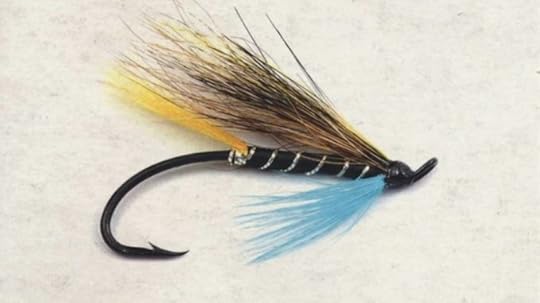
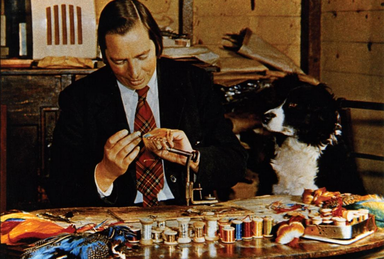
Machine Without Horses tells the day in a life story of famed salmon-fly dresser, Megan Boyd. Of course, this day to day life is fiction but the first half of the book is not. The author has lost more than a handful of loved ones including her dog to cancer in a matter of months. She is bereft and, perhaps, a bit lost. A friend had told her awile ago about the recent death of Boyd and would it interest her, to write about this woman, could it be a story. Humphreys finds the notice while cleaning out her workspace.
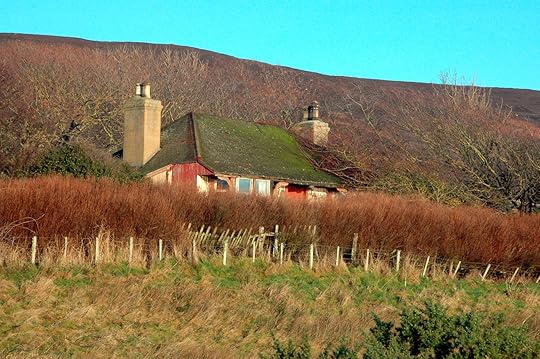
While walking her dog, and thinking, meeting other dog walkers and their dogs, Humphreys likens her current life to Megan's. Their aloneness, by choice, but still--Megan lived in a small cottage on an estate in Scotland's north, Brora, and crafted the most exquisite and sought after salmon flies. The list of orders never gets done and when she dies, it is still there, hundreds of unopened orders from fishermen. HRH was one of her dear customers; Charles came up regularly to salmon fish on the estate. More and more the author is drawn to Boyd's life, what did it consist of, so little is known of her private life; what did she do every day, only tie flies or have a beau, go out dancing in the village, and besides walking her dog, what did she do, what were her thoughts, what was her life?
Part One uncovers childhood details, sparse but enough to motivate the author to contact a local dresser near her in Kingston. Paul is a recent widower, something Humphreys finds out soon enough and which explains his absent looks, something she knows well. He teaches her to dress the Jock Scott, the trickiest of flies, one of Boyd's favourites and in great demand. Two weeks in and the result is a mess but the task, to get into Boyd's head has worked. Starting over, simply Paul teaches Helen easier flies for another week. They talk about Boyd's life, what it was. Soon, the book begins.
Part Two is the imagined life of Megan Boyd, now Ruth Thomas for the book. It is a wondrous story, her daily life in the shed wherein she toils creating salmon flies, to look out the window at the North Sea, past her garden. This is her view. Her dog sits beside her, waiting. Then a walk, gulping down dinner, she makes use of the last light to make more flies, to fill more orders that fishermen leave on a pad by her door or by mail. When war comes Ruth does the mild run then switches to coastal watching--a series of huts along the shore have lookers all keeping an eye out for enemy ships. There is dancing during wartime and ceilidhs many Saturday nights; Ruth strikes up a friendship with a local woman who teaches her to dance and love the Machine Without Horses; it reminds Ruth of the ebb and flow of patterns like salmon in the water. Time passes, life moves along. There are joys of living so far north, the views, the sea, being your own boss but there are sorrows; when Ruth's dad dies she's torn, travels back from London with his old suit which she takes to wearing as it reminds her of him. Since there's no record of any relationship in her life, the author gives Ruth one, a very special one with that local woman, and then, another with Captain Asher, for whom she did the surveillance during the war years. And, there are her dogs whose deaths all broke her heart.
So much more to tell, but I'll stop here hoping you'll be inspired to read this fascinating book; salmon-fly dressing is an art, I never imagined how a tackle box of flies comes to be. And, more, the author runs down how she begins a book, telling the story, the characters, the pacing, plot, why should we read it when there are so many stories. And, lastly, how this particular book, the writing of it, helped her grieve her loved ones through the life of wee Ruthie, a solitary woman making lures in a small shed in the north of Scotland for so many years. Was she happy, wonders Humphreys. Yes. Definitely yes.