

What do you think?

L'accro
"Assis dans son énorme fauteuil, il regardait les drogués aller et venir. Ils le distrayaient ; même si ce n'était pas leur intention, ils le divertissaient. Quand ils entraient chez lui et le suppliaient de leur faire crédit, il en éprouvait un sentiment de puisssance. Avec les femmes, c'était encore plus fort. Dès qu'elles manquaient d'argent, son esprit diabolique, pour se divertir, leur poposait des actes toujours plus inédits et monstrueux."Récit de la terrible descente aux enfers d'une jeune Black, superbe roman noir dans la lignée de Goodis, L'accro, en grande partie autobiographique (et qu'elle vie !), est d'une telle trempe qu'il ne pouvait être l'oeuvre que d'un très grand écrivain.
256 pages, Paperback
First published January 1, 1971
About the author
Donald Goines
32 books790 followersDonald Goines was born in Detroit to a relatively comfortable family - his parents owned a local dry cleaner, and he did not have problems with the law or drugs. Goines attended Catholic elementary school and was expected to go into his family's laundry business. Instead Goines enlisted in the US Air Force, and to get in he had to lie about his age. From 1952 to 1955 he served in the armed forces. During this period he got hooked on heroin. When he returned to Detroit from Japan, he was a heroin addict.
The next 15 years from 1955 Goines spent pimping, robbing, stealing, bootlegging, and running numbers, or doing time. His seven prison sentences totaled 6.5 years. While in jail in the 1960s he first attempted to write Westerns without much success - he loved cowboy movies. A few years later, serving a different sentence at a different prison, he was introduced to the work of Iceberg Slim (Robert Beck). This time Goines wrote his semi-autobiographical novel Whoreson, which appeared in 1972. It was a story about the son of a prostitute who becomes a Detroit ghetto pimp. Also Beck's first book, Pimp: The Story of My Life (1967), was autobiographical. Goines was released in 1970, after which he wrote 16 novels with Holloway House, Iceberg Slim's publisher. Hoping to get rid of surroundings - he was back on smack - he moved with his family to the Los Angeles ghetto of Watts.
All of Goines's books were paperback originals. They sold well but did not receive much critical attention. After two years, he decided to return to Detroit. Goines's death was as harsh as his novels - he and his wife were shot to death on the night of October 21, 1974. According to some sources Goines's death had something to do with a failed drugs deal. The identity of the killers remained unknown, but there were reports of "two white men". Posthumously appeared Inner City Hoodlum (1975), which Goines had finished before his death. The story, set in Los Angeles, was about smack, money, and murder.
The first film version of Goines's books, Crime Partners (2001), was directed by J. Jesses Smith. Never Die Alone (1974), about the life of a drug dealer, was filmed by Ernest R. Dickerson, starring DMX. The violent gangsta movie was labelled as "junk masquerading as art."
During his career as a writer, Goines worked to a strict timetable, writing in the morning, devoting the rest of the day to heroin. His pace was furious, sometimes he produced a book in a month. The stories were usually set in the black inner city, in Los Angeles, New York or Detroit, which then was becoming known as 'motor city'. In Black Gangster (1972) the title character builds a "liberation" movement to cover his planned criminal activities. After this work Goines started to view the social and political turmoil of the ghetto as a battlefield between races.
Under the pseudonym Al C. Clark, Goines created a serial hero, Kenyatta, who was named after the 'father of Kenya', Jomo Kenyatta. The four-book series, beginning with Crime Partners (1974), was published by Holloway House. Kenyatta is the leader of a militant organization which aims at cleaning American ghettos of drugs and prostitution. All white policemen, who patrol the black neighborhoods, also are his enemies. Cry Revenge! (1974) tells of Curtis Carson, who is tall, black, and used to giving orders. He becomes the nightmare of the Chicanos, who have crushed his brother. Death List (1974) brings together Kenyatta, the powerful ganglord, Edward Benson, an intelligent black detective, and Ryan, his chisel-faced white partner, in a war against a secret list of drug pushers. In the fourth book, Kenyatta's Last Hit (1975), the hero is killed in a shootout.
The next 15 years from 1955 Goines spent pimping, robbing, stealing, bootlegging, and running numbers, or doing time. His seven prison sentences totaled 6.5 years. While in jail in the 1960s he first attempted to write Westerns without much success - he loved cowboy movies. A few years later, serving a different sentence at a different prison, he was introduced to the work of Iceberg Slim (Robert Beck). This time Goines wrote his semi-autobiographical novel Whoreson, which appeared in 1972. It was a story about the son of a prostitute who becomes a Detroit ghetto pimp. Also Beck's first book, Pimp: The Story of My Life (1967), was autobiographical. Goines was released in 1970, after which he wrote 16 novels with Holloway House, Iceberg Slim's publisher. Hoping to get rid of surroundings - he was back on smack - he moved with his family to the Los Angeles ghetto of Watts.
All of Goines's books were paperback originals. They sold well but did not receive much critical attention. After two years, he decided to return to Detroit. Goines's death was as harsh as his novels - he and his wife were shot to death on the night of October 21, 1974. According to some sources Goines's death had something to do with a failed drugs deal. The identity of the killers remained unknown, but there were reports of "two white men". Posthumously appeared Inner City Hoodlum (1975), which Goines had finished before his death. The story, set in Los Angeles, was about smack, money, and murder.
The first film version of Goines's books, Crime Partners (2001), was directed by J. Jesses Smith. Never Die Alone (1974), about the life of a drug dealer, was filmed by Ernest R. Dickerson, starring DMX. The violent gangsta movie was labelled as "junk masquerading as art."
During his career as a writer, Goines worked to a strict timetable, writing in the morning, devoting the rest of the day to heroin. His pace was furious, sometimes he produced a book in a month. The stories were usually set in the black inner city, in Los Angeles, New York or Detroit, which then was becoming known as 'motor city'. In Black Gangster (1972) the title character builds a "liberation" movement to cover his planned criminal activities. After this work Goines started to view the social and political turmoil of the ghetto as a battlefield between races.
Under the pseudonym Al C. Clark, Goines created a serial hero, Kenyatta, who was named after the 'father of Kenya', Jomo Kenyatta. The four-book series, beginning with Crime Partners (1974), was published by Holloway House. Kenyatta is the leader of a militant organization which aims at cleaning American ghettos of drugs and prostitution. All white policemen, who patrol the black neighborhoods, also are his enemies. Cry Revenge! (1974) tells of Curtis Carson, who is tall, black, and used to giving orders. He becomes the nightmare of the Chicanos, who have crushed his brother. Death List (1974) brings together Kenyatta, the powerful ganglord, Edward Benson, an intelligent black detective, and Ryan, his chisel-faced white partner, in a war against a secret list of drug pushers. In the fourth book, Kenyatta's Last Hit (1975), the hero is killed in a shootout.
Ratings & Reviews
Friends & Following
Create a free account to discover what your friends think of this book!
Community Reviews
Displaying 1 - 30 of 296 reviews

August 8, 2019
It didn't occur to her that the drug didn't make her high anymore unless she had a large amount of it. She just knew the drug made her feel normal again, and that was what she so desperately sought. The drug had become a temporary relief from the terrible desire that ate at her mind and body every day until it had been appeased.
Popular pulp writer Donald Goines presents an urban 1970's morality play about heroin addicts and their twisted supplier. Goines became addicted to the drug himself during a stint in the US Air Force, so he really knew the lifestyle depicted within these pages. His detailed descriptions of junkies shooting up are truly hard to read. Needless to say, there are not many happy endings here.
Dopefiend is a tough, mostly unpleasant read, but well worth your efforts as it provides a gut-wrenching look at a world most of us pretend doesn't exist.
This is the August selection for The Pulp Fiction Group - https://www.goodreads.com/group/show/...
Popular pulp writer Donald Goines presents an urban 1970's morality play about heroin addicts and their twisted supplier. Goines became addicted to the drug himself during a stint in the US Air Force, so he really knew the lifestyle depicted within these pages. His detailed descriptions of junkies shooting up are truly hard to read. Needless to say, there are not many happy endings here.
Dopefiend is a tough, mostly unpleasant read, but well worth your efforts as it provides a gut-wrenching look at a world most of us pretend doesn't exist.
This is the August selection for The Pulp Fiction Group - https://www.goodreads.com/group/show/...

July 14, 2007
I thought I had pretty well exhausted all of the junkie novels out there: Burroughs, Jim Carroll, Nelson Algren, Herby Selby Jr., Iceberg Slim, Alister Crowley, Robert Bingham, James Folge et al, when I came across Goines in a NY Times article a few months ago. Apparently, his books are enjoying a resurgence after references made to his bad self in the rap world. He died in the mid-70’s after having been a junky most of his life, who took up writing during one of many stints in prison, mostly to support his habit. It should be taken into account when I rate this book, I consider this drug pulp to be a subgenre of it’s own, and it rates high within that context. It is nothing close to high minded literature, it’s a junky writing about the world he knows, and I give him props over other junkies who never wrote a thing, just stole, whored, and shot shit.
That having been said, this novel was completely hardcore! I’m sure the underworld of Detroit in the 70’s was rough, but Goines spares nothing in his descriptions. The bloody floors of shooting gallerys; track marks leaking so much puss that addicts attempt to hit veins in their armpits, groins and necks, and even then it might take hours; freakish sex, including bestial acts with pregnant women; and common to all of these kinds of novels, the loss of innocence, decency, humanity that just keeps pulling the characters lower. And like most of those others mentioned, it is very much an anti-drug story. But unlike Requiem for a Dream, there isn’t even a moment of bliss here where the characters are allowed to delude themselves with bigtime dreams of making it (holing up in heated rooms with huge stashes to nod undistrubed and re-shoot upon waking, about the best a junky could ever hope for) and peace. Things start going wrong for most everyone in the first chapter and the bottom just keeps on dropping out. It’s sort of like an epic after school special, but the subject matter is so horrific, a judge would question sentencing even the most hardened juvenile to read it.
I can’t exactly judge the level of realism portrayed here; at times it seems over the top and yet when you think again, actually it seems even the most outlandish events described, or worse, could have happened, to some unfortunate soul on this earth. In the end kids, just be thankful your hooked on reading and not something worse.
That having been said, this novel was completely hardcore! I’m sure the underworld of Detroit in the 70’s was rough, but Goines spares nothing in his descriptions. The bloody floors of shooting gallerys; track marks leaking so much puss that addicts attempt to hit veins in their armpits, groins and necks, and even then it might take hours; freakish sex, including bestial acts with pregnant women; and common to all of these kinds of novels, the loss of innocence, decency, humanity that just keeps pulling the characters lower. And like most of those others mentioned, it is very much an anti-drug story. But unlike Requiem for a Dream, there isn’t even a moment of bliss here where the characters are allowed to delude themselves with bigtime dreams of making it (holing up in heated rooms with huge stashes to nod undistrubed and re-shoot upon waking, about the best a junky could ever hope for) and peace. Things start going wrong for most everyone in the first chapter and the bottom just keeps on dropping out. It’s sort of like an epic after school special, but the subject matter is so horrific, a judge would question sentencing even the most hardened juvenile to read it.
I can’t exactly judge the level of realism portrayed here; at times it seems over the top and yet when you think again, actually it seems even the most outlandish events described, or worse, could have happened, to some unfortunate soul on this earth. In the end kids, just be thankful your hooked on reading and not something worse.

March 7, 2008
Dopefiend is a phenomenal, devastating book. It's far better than the three novels by Donald Goines that I've read up to this point. Never Die Alone was OK, but was too short and sketchy to have much of an impact, and the first two Kenyatta novels--which Goines wrote under his "Al C. Clark" pseudonym--read more like black-oriented versions of the "men's adventure" pulps that littered newsstands throughout the '70s than they did ghetto realism. Dopefiend seems more autobiographical, and there's a compassion for his characters that I felt was missing in his other books. That's not to say that Goines spares his characters any suffering--this is one of the most miserable narratives you will ever read--but I got the sense that he knew these people and cared for them, even if there was no hope for any of them.

August 22, 2019
Ordered this paperback from Amazon after reading a great review by Goodreads friend Melki last week.
It arrived this past Monday.
Absolutely riveting!
Read it each night from after dinner until about an hour before crashing for the night so I wouldn't have nightmares.
I skipped reading one night to watch a movie hardly anyone's ever seen based on one of the books in Richard (Donald E. Westlake) Stark's "Parker" series: Slayground starring Peter Coyote. What a waste of my time.
So, basically this is the story of how two promising young black kids get hooked on Heroin and destroy their lives over a period of less than a year. This is a complete horror story. It's populated with other desperate drug addicts dying slowly in a shooting gallery operated by the crazed obese and depraved dope dealer Porky and his soulless drug addicted wife, Smokey.
I can't think of another novel centered around the drug addict's world from any era as horrifying as this. This is way more intense and disturbing than or
or
 .
.
Originally published in 1971.
Not for the faint of heart.
This book contains passages guaranteed to shake up even the most jaded reader.
Highest Recommendation.
It arrived this past Monday.
Absolutely riveting!
Read it each night from after dinner until about an hour before crashing for the night so I wouldn't have nightmares.
I skipped reading one night to watch a movie hardly anyone's ever seen based on one of the books in Richard (Donald E. Westlake) Stark's "Parker" series: Slayground starring Peter Coyote. What a waste of my time.
So, basically this is the story of how two promising young black kids get hooked on Heroin and destroy their lives over a period of less than a year. This is a complete horror story. It's populated with other desperate drug addicts dying slowly in a shooting gallery operated by the crazed obese and depraved dope dealer Porky and his soulless drug addicted wife, Smokey.
I can't think of another novel centered around the drug addict's world from any era as horrifying as this. This is way more intense and disturbing than
or
.Originally published in 1971.
Not for the faint of heart.
This book contains passages guaranteed to shake up even the most jaded reader.
Highest Recommendation.

September 26, 2020
If you were a child growing up in the United States in the 90s or the 00s you probably remember having to do D.A.R.E. (Drug Abuse Resistance Education) sessions, classes, etc. This was a program given to the youth for good reason although the effectiveness of it has been a consistent topic of discussion.
D.A.R.E. could have been reduced to a homework assignment though. Especially if you were a high schooler. They could have handed you a copy of Donald Goines's 1971 debut novel, Dopefiend, and said "read this." The effects & results of D.A.R.E. would face much less scrutiny if that scenario were indeed their idea of Drug Abuse Resistance Education. Because Dopefiend is great persuader.
Dopefiend is a novel about humans, like most fiction is, but this novel is also about a substance: heroin. The vice grip that heroin has on minds, bodies & souls once it is used.
The American Society of Addiction Medicine (ASAM) says nearly a quarter of those who use heroin become addicted. What you may not find in a Google search done in haste are the things you will do to obtain heroin once you are addicted.
Dopefiend holds those answers, however, and they are not pretty. Especially when dealing with one of the central characters in this novel, Porky, the big pusher man in his part of Detroit whose imagination is full of possibilities that readers can find out on their own if they wish.
Ask Smokey, Porky's partner in crime who has been on the needle for so long that it sometimes takes her an hour or longer to find a usable vein on her body so that she can safely obtain a new high.
Ask Terry, another central figure in this novel. A beautiful girl who has a great family, a great home, a nice job, a boyfriend she loves named Teddy (with his weak ass), but once heroin got a hold of her the only thing offered to her was hell on earth.
Although most users in the novel seemed to have came from poverty, those who came from less humble beginnings could still easily be brought down to the dirt (or 6 feet beneath it).
Heroin, unlike Wells-Fargo, is an equal opportunity employer.
------------------------------------------------
This novel marks book number 6 for my 2020 version of the #10Books10Decades Challenge. This is my entry for the 1970s.
More info on the #10Books10Decades challenge here: https://www.instagram.com/p/B6yyRMdg2ya/
Would love it for you all to participate as well if you have the time & energy.
D.A.R.E. could have been reduced to a homework assignment though. Especially if you were a high schooler. They could have handed you a copy of Donald Goines's 1971 debut novel, Dopefiend, and said "read this." The effects & results of D.A.R.E. would face much less scrutiny if that scenario were indeed their idea of Drug Abuse Resistance Education. Because Dopefiend is great persuader.
Dopefiend is a novel about humans, like most fiction is, but this novel is also about a substance: heroin. The vice grip that heroin has on minds, bodies & souls once it is used.
The American Society of Addiction Medicine (ASAM) says nearly a quarter of those who use heroin become addicted. What you may not find in a Google search done in haste are the things you will do to obtain heroin once you are addicted.
Dopefiend holds those answers, however, and they are not pretty. Especially when dealing with one of the central characters in this novel, Porky, the big pusher man in his part of Detroit whose imagination is full of possibilities that readers can find out on their own if they wish.
Ask Smokey, Porky's partner in crime who has been on the needle for so long that it sometimes takes her an hour or longer to find a usable vein on her body so that she can safely obtain a new high.
Ask Terry, another central figure in this novel. A beautiful girl who has a great family, a great home, a nice job, a boyfriend she loves named Teddy (with his weak ass), but once heroin got a hold of her the only thing offered to her was hell on earth.
Although most users in the novel seemed to have came from poverty, those who came from less humble beginnings could still easily be brought down to the dirt (or 6 feet beneath it).
Heroin, unlike Wells-Fargo, is an equal opportunity employer.
------------------------------------------------
This novel marks book number 6 for my 2020 version of the #10Books10Decades Challenge. This is my entry for the 1970s.
More info on the #10Books10Decades challenge here: https://www.instagram.com/p/B6yyRMdg2ya/
Would love it for you all to participate as well if you have the time & energy.

February 23, 2011
A Devastatingly Stunning And Hardcore Dose of Reality
I was ten years old the day that I first picked up this book. Dopefiend was the first novel that I read by Donald Goines and it captivated me.
As messed up as it is to say, I recognized the world that Donald Goines writes about with such honesty and skill. It says something about Donald Goines' awesome talent that he created such on-point characters and painted, with his words, such vivid pictures.
The main characters are people that I saw on my street corner or hanging out in front of my building.
The junkie fever is the manic look that I would see in the eyes of people who looked at my possessions and calculate how much they could sell them for.
The drug den was the house that I would cross the street to avoid when walking to and from school.
I loved the fact that there is a romantic (I use that term VERY loosely) relationship at the heart of this novel. It illustrates the unhealthy attachment of drug addicts. It also shows the way that someone who is not addicted to drugs can follow a drug addict into that web.
Also, this is the life of a junkie that I've always seen. There's no glamour, no fame, no money, nothing shiny about the life these characters are living. These are not rock stars who can go to rehab and get clean. These are not suburban pill poppers going to clubs and raves. The characters in this book are living a dirty, desparate, infected, bloody and twisted version of life.
Donald Goines was a wildly talented author whose work I think should be read by everyone, especially other authors no matter what genre they write in. He brought home a gritty reality and he did it brilliantly. His books are a must read.
I was ten years old the day that I first picked up this book. Dopefiend was the first novel that I read by Donald Goines and it captivated me.
As messed up as it is to say, I recognized the world that Donald Goines writes about with such honesty and skill. It says something about Donald Goines' awesome talent that he created such on-point characters and painted, with his words, such vivid pictures.
The main characters are people that I saw on my street corner or hanging out in front of my building.
The junkie fever is the manic look that I would see in the eyes of people who looked at my possessions and calculate how much they could sell them for.
The drug den was the house that I would cross the street to avoid when walking to and from school.
I loved the fact that there is a romantic (I use that term VERY loosely) relationship at the heart of this novel. It illustrates the unhealthy attachment of drug addicts. It also shows the way that someone who is not addicted to drugs can follow a drug addict into that web.
Also, this is the life of a junkie that I've always seen. There's no glamour, no fame, no money, nothing shiny about the life these characters are living. These are not rock stars who can go to rehab and get clean. These are not suburban pill poppers going to clubs and raves. The characters in this book are living a dirty, desparate, infected, bloody and twisted version of life.
Donald Goines was a wildly talented author whose work I think should be read by everyone, especially other authors no matter what genre they write in. He brought home a gritty reality and he did it brilliantly. His books are a must read.

September 8, 2018
Great book. Great author. Couldn’t be any more real. Thank you Donald Goines for writing about these truths in the open, honest, way that you do. Your work resonates with many. Especially survivors, addicts, and those who have struggled. We can relate. And what better thing to have in a book than relatability?! Wonderful and powerful book!

December 15, 2014
The book was absolutely chilling. It left me feeling as if my skin were crawling. It was disturbing. I have never read something so gruesome and brutally honest as this. I felt myself bringing my hand to cover my gaping mouth. I was awestruck.

November 29, 2007
If there's one thing I've learned from Donald Goines and Iceberg Slim, it's this: for the love of god and all that's holy, stay off the goddamn needle! And if you're on it, get the fuck off now!

January 27, 2014
Brutal and hellish depiction of the lives of addicts in Detroit, around 1970. For the most part the novel follows a young couple, Terry and Teddy, as they descend into addiction and crime to fill their junk-need.

November 11, 2008
I stumbled upon this book looking for another which I needed for one of my classes. When I found it, it was with about four other ones which were by the same author. I sat down for the next ten minutes to read each blurb then I picked one to read. When I read the back of this book it intrigued me the most so I started to read it. Dopefiend is about two young people, Terry and Teddy, who get warped into the dope fiend life style. Teddy was already addicted when he met Terry. Their relationship did not work out that well because Terry used the heroin once, so that Teddy could get a better price on the drugs, and she became addicted. Something interesting though, was that Donald Goines himself was a junkie for 23 years, and it started when he was in Korea fulfilling military services. Goines continues the story showing the extremes that Terry and Teddy go to, to get money for the drugs. Terry stole from her job, and Teddy (along with some of his friends) would steal from random stores which had products that they could sell (like electronic stores). In the end, Terry was hospitalized and Teddy was killed because he got wrapped up in the business. The story captures the turbulent love of Terry and Teddy and shows the outcomes of a dope fiend life.
Because of the intensity of this story I felt as though I could not relate at all to this story. But I did find one little thing that I made a connection to; Terry’s beginning thoughts after getting involved with the drug. Initially Terry’s parents did not know she was doing any drugs, it wasn’t until they found out she was stealing from her job that they found out. And after they found out Terry was slightly second guessing why she was doing drugs. She felt guilt for having let her parents down. That feeling of guilt was what I could connect to. Most of the things I do are to make my parents feel as though what they do for me is worth it. I don’t like to let them down because then I feel as though they will feel horrible. Knowing that they brought me into this world makes me realize I would not even be living the life I am if it were not for them. And there are times when I tell them little white lies, everyone does. Sometimes I do get those feelings of guilt but I can overcome them, like Terry did. Overall, this book was extremely interesting and Goines did a great job in portraying that way of life.
Because of the intensity of this story I felt as though I could not relate at all to this story. But I did find one little thing that I made a connection to; Terry’s beginning thoughts after getting involved with the drug. Initially Terry’s parents did not know she was doing any drugs, it wasn’t until they found out she was stealing from her job that they found out. And after they found out Terry was slightly second guessing why she was doing drugs. She felt guilt for having let her parents down. That feeling of guilt was what I could connect to. Most of the things I do are to make my parents feel as though what they do for me is worth it. I don’t like to let them down because then I feel as though they will feel horrible. Knowing that they brought me into this world makes me realize I would not even be living the life I am if it were not for them. And there are times when I tell them little white lies, everyone does. Sometimes I do get those feelings of guilt but I can overcome them, like Terry did. Overall, this book was extremely interesting and Goines did a great job in portraying that way of life.
May 28, 2015
The Real Deal!!!!!!

September 27, 2025
This book was too raw for me! I don't think I can handle another Donald Goines book.
March 5, 2017
There's a scene in this book I'll never get out of my head.

June 1, 2017
Mr goines took me on an adventure an i explored baby yes Lord powerful book! Whew wow! Masterpiece
April 12, 2024
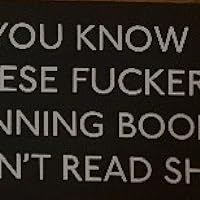
"Why, I don't
even think that
Terry would know what dope
looked like if she saw it. I know I wouldn't."
This was a real to life horror like no other! A transgressive masterpiece.
February 8, 2008
Before reading Dopefiend I never knew the importance of an addict having their ‘morning do’ and unclogged works. I never imagined what it would be like to shoot dope in veins in places such as your neck, in your groin or between your toes or could even envision such sordid actions like sleeping with dogs for example. I never imagined what it would feel like having a monkey so heavy on my back that I routinely dug a bottomless pit of hell, or engaged in such acts that slowly took away my soul leaving only my shell.
Donald takes you through physiological minds from two perspectives, the drug dealer and the user. While the user is digging his exit with a slow death, the dealer believes he’s holding the winning hand in the game. Dopefiend is a very bleak description of drug usage that takes place in the 70’s in Detroit Michigan. It takes us through the transformation of several addicts and what begins and ends when you use heroin.
I enjoyed this novel from top to bottom; I liked how Donald would dedicate an entire chapter to a particular character giving us enough time to bond with what was happening during their downfall. His style of writing is excellent and very easy to follow. His vivid details made me feel like I was in the drug house helping Smokey find a vein, or running out of the local store with my floor model black and white TV screen. Should you pick up this street lit classic, you won’t be disappointed.
I give Dopefiend a solid 5 stars.
Donald takes you through physiological minds from two perspectives, the drug dealer and the user. While the user is digging his exit with a slow death, the dealer believes he’s holding the winning hand in the game. Dopefiend is a very bleak description of drug usage that takes place in the 70’s in Detroit Michigan. It takes us through the transformation of several addicts and what begins and ends when you use heroin.
I enjoyed this novel from top to bottom; I liked how Donald would dedicate an entire chapter to a particular character giving us enough time to bond with what was happening during their downfall. His style of writing is excellent and very easy to follow. His vivid details made me feel like I was in the drug house helping Smokey find a vein, or running out of the local store with my floor model black and white TV screen. Should you pick up this street lit classic, you won’t be disappointed.
I give Dopefiend a solid 5 stars.
March 15, 2013
Dopefiend by Donald Goines is an excellent urban story. It vividly describes the hard life of a junkie in the streets. The plot of the story revolves around a young fiend named Teddy. His girlfriend, Terry, hates that he is an addict, but she knows that he is controlled by the sickness within him. His dealer, Porky, is the biggest heroin dealer in the city. Porky is well known for having the purest heroin that anybody can get. He is a sadistic, perverted, overweight man who is consumed by power and greed. Porky gets a serious rush from seeing people weak to his will, especially women. His main goal is to get people hooked on dope and make money off them. Later in the book, Terry hooks up with a young fiend named Minnie, who is pregnant and heavily hooked on heroin. She eventually gets Terry hooked on drugs as well. Terry eventually resorts to stealing from her parents and prostitution in order to get a fix. Teddy is already in too deep from the start. He will do literally anything to get a fix. He first starts stealing his sister’s welfare checks, then resorts to robbery and theft. The details of Teddy’s struggle and decline are disturbing; but, his life and death are a vivid morality tale.

August 14, 2019
Dopefiend chronicles the lives of the users and pushers in Detroit during about a year's time. Teddy brings his girlfriend Terry to see Porky, an obese dealer in a seedy drug house run by himself and his wife Smokey. Before long, Terry is hooked and begins stealing from her job and her parents to support her habit. She befriends a prostitute named Minnie who doesn't think twice about feeding her habit in spite of her pregnancy. Teddy turns to theft to support his needs.
I work in a courthouse and our city has a major heroin problem. I have friends and co-workers whose families have lost members due to overdose. We hear about the details every day. This book is brutally honest in the way it details the gruesome drug use and the negative effects it has on a person's life. The writing is to-the-point and the characters seem like real people, so it flows well in spite of the hard realities it shines a light upon.
I work in a courthouse and our city has a major heroin problem. I have friends and co-workers whose families have lost members due to overdose. We hear about the details every day. This book is brutally honest in the way it details the gruesome drug use and the negative effects it has on a person's life. The writing is to-the-point and the characters seem like real people, so it flows well in spite of the hard realities it shines a light upon.

February 12, 2022
Dopefiend is one of the most brutal books I have read; yet it is also one of the most compelling. That's the mark of a gifted writer. Goines wrote an awfully dark story while keeping the narrative moving. He even created pathos for the worst of the characters. Not much mind you, but it's there.
Goines plunges the reader into absolute horror by diving step by step into the abyss of heroin addiction. It's not just needles, shakes, and unconscious junky scratching. There's also depravity, severe desperation, and systems of power that force the addict to do unconscionable acts. Or at least what they had once thought as unconscionable.
This is an important book. One that should be read by all walks of life and all ages. Especially young folks. It is so macabre and jarring that it would likely be a motivator against heroin usage and addiction.
Goines plunges the reader into absolute horror by diving step by step into the abyss of heroin addiction. It's not just needles, shakes, and unconscious junky scratching. There's also depravity, severe desperation, and systems of power that force the addict to do unconscionable acts. Or at least what they had once thought as unconscionable.
This is an important book. One that should be read by all walks of life and all ages. Especially young folks. It is so macabre and jarring that it would likely be a motivator against heroin usage and addiction.

July 8, 2020
Donald Goines was able to write so vividly because he was living what he wrote about. This was a sad story and the prime example of why Nancy Reagan encouraged us all to “Just Say No”.
August 4, 2016
Dopefiend by Donald Goines transports the reader into heroin culture on the streets of Detroit around the year 1971 (when Goines published the book). He shows the reader that heroin (also called dope, smack, junk) is there for people who fall between the cracks of society. The book is also written through the lens of an inner city black community; there are several instances of subtle racial discrimination throughout the book. Just for historical context, this book was published 16 years after Rosa Parks refused to go to the back of the bus, and three years after Martin Luther King Jr was assassinated. The white hoods of the KKK still loomed in the living memories of many Americans.
Terry’s father is an exceptionally hard worker and he’s been at the plant for 15 years but didn’t get promoted for the first ten years--he thinks it’s because he’s black. Terry just got out of highschool and she works at a major clothing retailer. Her white coworkers are very friendly. Her boyfriend Teddy lives at home with his single mom and older sister who has several young children. The family has a hard time making ends meet. Teddy takes Terry over to Porky’s place to get some dope. Terry doesn’t want to go inside because Porky is a creep. Porky gives Terry a dose of extra pure heroin because it’s her first time trying the stuff. Things spiral downwards from there.
Heroine addicts have a medical condition--an addiction that they cannot fight on their own. None of the characters in this book overcome their addiction. They need help, but instead they are kicked out of homes and incarcerated. They receive their drugs from dealers who are experts at making addicts out of teenagers. First, get someone hooked with the purest form of the drug, and then keep them coming back, spending more and more for weaker doses that are cut with something, anything: talcum powder, brick powder...
After the high wears off, users suffer an intense depressive mood--as their dopamine levels drop. This causes an intense craving for more dope. It takes more and more of the drug to reach the same high, and eventually, users need the drug just to feel normal.
Characters start lying and stealing (anything) to get their drug fix, and many girls turn to prostitution. In the crack-house (a glimpse into hell), female users are forced into degrading sex acts if they cannot afford to pay for the dope with money. The acts become progressively obscene, dirty, and degrading.
Blaming users of the drug does nothing to solve the problem. Users bond with the drug mostly because the drug acts as a substitute for not having social needs met. Sure, some users are young people curious for new experiences. But, due to the pervasive stigma surrounding the drug, users have no one to approach except for other users and dealers. In practice, there are no institutions to turn to in the book; no parents to reach out to, no hospital programs, no safe-injection sites. So, users are completely isolated. Non-users in the book do not recognize symptoms and are unable to reach out--we witness no successful interventions. Addicts face the problem on their own, and they can only turn to other people in the heroine culture, which seals their coffins shut with them still alive, inside.
My takeaway from reading this book, and others, like The New Jim Crow by Michelle Alexander, and Chasing The Scream by Johann Hari, and other novels by Donald Goines, is that drug addiction needs to be treated like a medical problem. Not a criminal problem. This book only looks at a sliver of all drug users, but it spotlights many of the underlying issues. Society needs to not heap shame and felony charges on addicts--such actions drive users further into addiction. We need to show compassion and provide medical help for drug addicts. That would include: legalizing drugs to end the extremely lucrative and violent underground drug trade; provide safe-injection clinics for users; and provide controlled safe doses for users, medical advice, and support groups. Most importantly, society needs to remember that addicts are people too. You never know the living hell someone else might be going through.
***
A note on history: During the Vietnam War, %15 of American soldiers became addicted to heroin. It was cheap and abundantly available. Also, use of the drug was a reprieve from the daily horrors that soldiers witnessed--all the pain went away. Faced with such numbers, Nixon allocated $14 million to open 13 more clinics for dealing with addiction among war veterans. These programs were a step in the right direction, but they were only directed towards mostly white addicts--our heroes who were conscripted and served in Vietnam. Inner city addicts were provided no such services. Instead, when Nixon launched the War on Drugs, federal dollars were allocated towards State police based on narcotics arrest quotas. In the subsequent decades since this period, more and more federal dollars--under the aegis of both the Democratic and Republican political parties--have been allocated to state police for upping their arrest quotas of narcotics users. This War on Drugs has been disproportionately targeted towards people of colour, the poor, and the mentally ill. Today, in 2016, the Drug Policy Alliance estimates that the United States spends $51 billion dollars annually on the War on Drugs. Yes! Heroin, crack-cocaine, and meth are health problems. But this money could be allocated towards health institutions that treat the underlying problems associated with addiction. Instead, the U.S. incarcerates more people per capita than any other country in the world. This is largely due to the War on Drugs. As of 2010, there are more people in jail for drug offences (in America) than there were people in jail for all crimes in 1980. And while black people make up 13% of the American population, they make up more than 37% of prisoners. Also in the States, while 1 in 106 white men are incarcerated, 1 in 36 hispanic men are incarcerated, and 1 in 106 white men are incarcerated. And don’t forget, white people do more drugs, recreationally, than any people of color, per capita.
A note on the author: Some say Donald Goines single-handedly invented the genre of ghetto realism. Born in Detroit in 1936, he lied about his age and joined the military at age 15 to fight in Korea. Just like many American soldiers at the time, he became addicted to heroin and was unable to kick the addiction when he returned. He resorted to theft and pimping to support his addiction, and went to jail several times. In jail he wrote his first novel, Whoreson in 1970, and continued to write for a five year period at an accelerating pace up until his death at the age of 37. Writing served to support his addiction, and as a means of discussing the day to day reality of life in the inner-city ghetto.
Terry’s father is an exceptionally hard worker and he’s been at the plant for 15 years but didn’t get promoted for the first ten years--he thinks it’s because he’s black. Terry just got out of highschool and she works at a major clothing retailer. Her white coworkers are very friendly. Her boyfriend Teddy lives at home with his single mom and older sister who has several young children. The family has a hard time making ends meet. Teddy takes Terry over to Porky’s place to get some dope. Terry doesn’t want to go inside because Porky is a creep. Porky gives Terry a dose of extra pure heroin because it’s her first time trying the stuff. Things spiral downwards from there.
Heroine addicts have a medical condition--an addiction that they cannot fight on their own. None of the characters in this book overcome their addiction. They need help, but instead they are kicked out of homes and incarcerated. They receive their drugs from dealers who are experts at making addicts out of teenagers. First, get someone hooked with the purest form of the drug, and then keep them coming back, spending more and more for weaker doses that are cut with something, anything: talcum powder, brick powder...
After the high wears off, users suffer an intense depressive mood--as their dopamine levels drop. This causes an intense craving for more dope. It takes more and more of the drug to reach the same high, and eventually, users need the drug just to feel normal.
Characters start lying and stealing (anything) to get their drug fix, and many girls turn to prostitution. In the crack-house (a glimpse into hell), female users are forced into degrading sex acts if they cannot afford to pay for the dope with money. The acts become progressively obscene, dirty, and degrading.
Blaming users of the drug does nothing to solve the problem. Users bond with the drug mostly because the drug acts as a substitute for not having social needs met. Sure, some users are young people curious for new experiences. But, due to the pervasive stigma surrounding the drug, users have no one to approach except for other users and dealers. In practice, there are no institutions to turn to in the book; no parents to reach out to, no hospital programs, no safe-injection sites. So, users are completely isolated. Non-users in the book do not recognize symptoms and are unable to reach out--we witness no successful interventions. Addicts face the problem on their own, and they can only turn to other people in the heroine culture, which seals their coffins shut with them still alive, inside.
My takeaway from reading this book, and others, like The New Jim Crow by Michelle Alexander, and Chasing The Scream by Johann Hari, and other novels by Donald Goines, is that drug addiction needs to be treated like a medical problem. Not a criminal problem. This book only looks at a sliver of all drug users, but it spotlights many of the underlying issues. Society needs to not heap shame and felony charges on addicts--such actions drive users further into addiction. We need to show compassion and provide medical help for drug addicts. That would include: legalizing drugs to end the extremely lucrative and violent underground drug trade; provide safe-injection clinics for users; and provide controlled safe doses for users, medical advice, and support groups. Most importantly, society needs to remember that addicts are people too. You never know the living hell someone else might be going through.
***
A note on history: During the Vietnam War, %15 of American soldiers became addicted to heroin. It was cheap and abundantly available. Also, use of the drug was a reprieve from the daily horrors that soldiers witnessed--all the pain went away. Faced with such numbers, Nixon allocated $14 million to open 13 more clinics for dealing with addiction among war veterans. These programs were a step in the right direction, but they were only directed towards mostly white addicts--our heroes who were conscripted and served in Vietnam. Inner city addicts were provided no such services. Instead, when Nixon launched the War on Drugs, federal dollars were allocated towards State police based on narcotics arrest quotas. In the subsequent decades since this period, more and more federal dollars--under the aegis of both the Democratic and Republican political parties--have been allocated to state police for upping their arrest quotas of narcotics users. This War on Drugs has been disproportionately targeted towards people of colour, the poor, and the mentally ill. Today, in 2016, the Drug Policy Alliance estimates that the United States spends $51 billion dollars annually on the War on Drugs. Yes! Heroin, crack-cocaine, and meth are health problems. But this money could be allocated towards health institutions that treat the underlying problems associated with addiction. Instead, the U.S. incarcerates more people per capita than any other country in the world. This is largely due to the War on Drugs. As of 2010, there are more people in jail for drug offences (in America) than there were people in jail for all crimes in 1980. And while black people make up 13% of the American population, they make up more than 37% of prisoners. Also in the States, while 1 in 106 white men are incarcerated, 1 in 36 hispanic men are incarcerated, and 1 in 106 white men are incarcerated. And don’t forget, white people do more drugs, recreationally, than any people of color, per capita.
A note on the author: Some say Donald Goines single-handedly invented the genre of ghetto realism. Born in Detroit in 1936, he lied about his age and joined the military at age 15 to fight in Korea. Just like many American soldiers at the time, he became addicted to heroin and was unable to kick the addiction when he returned. He resorted to theft and pimping to support his addiction, and went to jail several times. In jail he wrote his first novel, Whoreson in 1970, and continued to write for a five year period at an accelerating pace up until his death at the age of 37. Writing served to support his addiction, and as a means of discussing the day to day reality of life in the inner-city ghetto.

April 29, 2022
Dark, gritty, and grotesque. I’m glad that it’s over, although I had become invested in Terry’s story. This was a very authentic story about heroin addiction in the 80s, full of desperation and predatory, slimy people. The writing was simple and sparing but somehow still took you to the depths of addiction and despair. I really had no business reading this.

March 29, 2025
This book is so disturbing. It will stick with me. I found it when the theme of drug use was suggested for our book club. If you want a glimpse into a very seedy and depraved side of drug addiction, this is for you.

January 4, 2017
This one’s complicated for me.
On one hand, I read this book in two days and couldn’t put it down.
On the other hand, I read this book in two days and couldn’t put it down because of what I think is a really voyeuristic impulse that grabs for other people’s pains, especially when that pain is presented in an unnuanced manner with plenty of graphic thrills (think injecting heroin into pus-filled sores, bestiality, etc.) to go around.
But back on the first hand, Goines lived this life, so who am I to say “Tsk tsk, this is problematic.”
But back on the second hand, he was writing for a publisher at the end of the day, a publisher who made more money per work at the end of the day.
Ah well.
On one hand, I read this book in two days and couldn’t put it down.
On the other hand, I read this book in two days and couldn’t put it down because of what I think is a really voyeuristic impulse that grabs for other people’s pains, especially when that pain is presented in an unnuanced manner with plenty of graphic thrills (think injecting heroin into pus-filled sores, bestiality, etc.) to go around.
But back on the first hand, Goines lived this life, so who am I to say “Tsk tsk, this is problematic.”
But back on the second hand, he was writing for a publisher at the end of the day, a publisher who made more money per work at the end of the day.
Ah well.

August 19, 2018
This is my eighth D. Goines novel read this year and so far, my favorite.
This 'junkie' novel(about a young black couple who are strung out on dope) is so raw. The explicit detailing of the dopefiends prepping, cooking, inserting the drug was intense to read. I can actually visualize it (not bad for a non-drug user)
This story was as real then (written in 1972) as it is today, which is sad and pathetic.
Donald Goines, who was also a junkie for most of his short life LIVED the dopefiend life and did a great job writing about it.
This 'junkie' novel(about a young black couple who are strung out on dope) is so raw. The explicit detailing of the dopefiends prepping, cooking, inserting the drug was intense to read. I can actually visualize it (not bad for a non-drug user)
This story was as real then (written in 1972) as it is today, which is sad and pathetic.
Donald Goines, who was also a junkie for most of his short life LIVED the dopefiend life and did a great job writing about it.

October 19, 2007
this book was one of the first adult-fiction books that i read. it was extremely graphic (as is the nature of d.goines novels) but the characters and the writing style pulled me into the book...even if you are un-accustomed to the subject-matter, you feel drawn-in and i definately felt like i learned a little about the pull and addiction of drugs. the ending was unforgettable, both image-wise and in a literary sense. Great Book!

January 14, 2015
No words needed

July 14, 2019
Dopefiend by Donald Goines opens in a shooting gallery on the east side of Detriot. The time is around 1970. The obese drug dealer, Porky, sits in an easy chair watching his customers shoot up, nod off, scratch themselves, and bleed.
Goines, himself a heroin addict, describes the scene in disturbing sensual detail, with the dirty works and clogged needles soaking in water glasses, the blood-stained floor, and the stench of human filth rising from junkies too far gone to take care of themselves.
In the second chapter, Goines introduces Teddy and Terry, a couple in their twenties who are about to descend into this hell. Teddy doesn’t work, and has been using long enough to have formed a habit. His girlfriend Terry is from a solid middle-class family and has never used.
Porky sees in the clean, attractive, light-skinned Terry a potential new customer. He gives her a free sample of heroin, and he and Teddy pressure her into snorting it. Teddy has no ill intent toward his girlfriend. He justs wants her to join him in one of this favorite pleasures.
Porky’s intent, however, is much darker. The innocence of this lovely, privileged young lady arouses him. He wants to hook her and drag her down to the level of the desperate prostitutes sprawled out around him. He’s not interested in just having sex with her. He wants to degrade and humiliate her in front of everyone.
Porky is one of the most evil characters in all of fiction. After a lifetime of rejection and ridicule, he finds his power in heroin. Anyone he can hook, he owns, and he takes delight in proving his ownership by forcing his addicts to debase themselves in front of him, by commanding them to engage in grotesque sexual performances while he leers with a mixture of delight and contempt.
From chapter two on, the book paints a fuller picture of the world of heroin and prostitution in eastside Detroit, tracing the paths of Teddy and Terry’s decent into that world. If you’ve ever been close to a heroin addict, you’ll find this book a painful read–not because it’s bad, but because it’s so dead-on accurate.
Teddy, who already has a problem when the book begins, just gets worse. He lies to his family to get money. He commits a series of petty thefts that escalate into major crimes, all to feed his addiction.
Terry, who has further to fall, tells herself at first that she doesn’t have a problem, that she just wants a little more. Soon, she is lying to her parents and committing little crimes of her own, which will eventually cost her dearly.
In his portraits of these two characters, Goines shows how the drug comes to own its victims, who eventually give up on getting high and just want to avoid the insufferable dopesickness they wake up with each morning. One by one, Terry’s principles fall to the increasingly urgent need to stop the physical torments of withdrawal.
Her life and Teddy’s are no longer guided by rational actions, but by desperate physical reactions. This is exactly where Porky wants them. He indulges his hatred of humanity by surrounding himself with people more miserable than himself, junkies he has manufactured and can control. “Better to rule in hell,” as Satan put it, “than serve in heaven.”
What makes this book so powerful is Goines’ description of the desperation of the junkie’s day-to-day existence. He vividly portrays the addict’s neediness, the deceit and betrayal they practice against those closest to them, and the agony of their shame as they realize what they are doing but are unable to stop themselves.
As a character, Porky may be over the top, but he is a perfect personification of what a cruel and depraved master heroin is to its victims. Goines’ characters are complex and fully formed. His dealers, addicts, prostitutes and enforcers are not the one-dimensional bad guys of contemporary mass market crime fiction. They are plagued by fear, insecurity, and doubt. They have sympathy for the weakness and suffering of others. Goines does a good job of bringing the reader into their world and making the reader understand at a visceral level the desperation that motivates them.
The plague that Goines portrays in early 1970’s Detroit has been playing out in a different form over the past twenty years across a wider swath of the US, as Big Pharma has replaced Porky to bring the scourge of opiate addition to rural America. If you know any addicts and are struggling to understand them, this book might help you, but it will be a painful read.
Goines, himself a heroin addict, describes the scene in disturbing sensual detail, with the dirty works and clogged needles soaking in water glasses, the blood-stained floor, and the stench of human filth rising from junkies too far gone to take care of themselves.
In the second chapter, Goines introduces Teddy and Terry, a couple in their twenties who are about to descend into this hell. Teddy doesn’t work, and has been using long enough to have formed a habit. His girlfriend Terry is from a solid middle-class family and has never used.
Porky sees in the clean, attractive, light-skinned Terry a potential new customer. He gives her a free sample of heroin, and he and Teddy pressure her into snorting it. Teddy has no ill intent toward his girlfriend. He justs wants her to join him in one of this favorite pleasures.
Porky’s intent, however, is much darker. The innocence of this lovely, privileged young lady arouses him. He wants to hook her and drag her down to the level of the desperate prostitutes sprawled out around him. He’s not interested in just having sex with her. He wants to degrade and humiliate her in front of everyone.
Porky is one of the most evil characters in all of fiction. After a lifetime of rejection and ridicule, he finds his power in heroin. Anyone he can hook, he owns, and he takes delight in proving his ownership by forcing his addicts to debase themselves in front of him, by commanding them to engage in grotesque sexual performances while he leers with a mixture of delight and contempt.
From chapter two on, the book paints a fuller picture of the world of heroin and prostitution in eastside Detroit, tracing the paths of Teddy and Terry’s decent into that world. If you’ve ever been close to a heroin addict, you’ll find this book a painful read–not because it’s bad, but because it’s so dead-on accurate.
Teddy, who already has a problem when the book begins, just gets worse. He lies to his family to get money. He commits a series of petty thefts that escalate into major crimes, all to feed his addiction.
Terry, who has further to fall, tells herself at first that she doesn’t have a problem, that she just wants a little more. Soon, she is lying to her parents and committing little crimes of her own, which will eventually cost her dearly.
In his portraits of these two characters, Goines shows how the drug comes to own its victims, who eventually give up on getting high and just want to avoid the insufferable dopesickness they wake up with each morning. One by one, Terry’s principles fall to the increasingly urgent need to stop the physical torments of withdrawal.
Her life and Teddy’s are no longer guided by rational actions, but by desperate physical reactions. This is exactly where Porky wants them. He indulges his hatred of humanity by surrounding himself with people more miserable than himself, junkies he has manufactured and can control. “Better to rule in hell,” as Satan put it, “than serve in heaven.”
What makes this book so powerful is Goines’ description of the desperation of the junkie’s day-to-day existence. He vividly portrays the addict’s neediness, the deceit and betrayal they practice against those closest to them, and the agony of their shame as they realize what they are doing but are unable to stop themselves.
As a character, Porky may be over the top, but he is a perfect personification of what a cruel and depraved master heroin is to its victims. Goines’ characters are complex and fully formed. His dealers, addicts, prostitutes and enforcers are not the one-dimensional bad guys of contemporary mass market crime fiction. They are plagued by fear, insecurity, and doubt. They have sympathy for the weakness and suffering of others. Goines does a good job of bringing the reader into their world and making the reader understand at a visceral level the desperation that motivates them.
The plague that Goines portrays in early 1970’s Detroit has been playing out in a different form over the past twenty years across a wider swath of the US, as Big Pharma has replaced Porky to bring the scourge of opiate addition to rural America. If you know any addicts and are struggling to understand them, this book might help you, but it will be a painful read.

February 14, 2022
Dopefiend is as harrowing and grimy as its name and reputation imply; it’s also a really good book, full of believable detail and nihilistic realism. It’s about addicts and the people who exploit them, about the descent into single-mindedness that comes with heroin addiction. The opening chapter serves as a litmus test to see if you’re up for the hellish sights contained within: a blow by blow description of the denizens of a dope house, nodding off, shooting up, searching for veins, sharing needles, squirting futile blood in their desperation. The main characters are a young man and woman, the latter from a comfortable middle class Detroit background but dragged into addiction by her boyfriend. They do whatever it takes to get their next fix, which makes for some exhilarating scenes involving various crimes. The third lead is a remorseless and truly evil dealer with a cruel fetish. Dopefiend flaunts its taboo-breaking at every turn, in support of its thesis about how dire and hopeless the world of addiction can be. It goes without saying this book is not for the faint of heart, especially if you’re triggered by… well, pretty much anything. It has two of the grossest scenes I’ve read in anything. But if you’re brave, check it out; Dopefiend is an excellent read.
Displaying 1 - 30 of 296 reviews