

What do you think?

Who’s Who When Everyone Is Someone Else
In the offbeat style of Wes Anderson, a hilariously charming novel about a heartbroken man trying to redeem himself by championing forgotten books.
Fleeing heartbreak, an unnamed author goes to an unnamed city to give a series of lectures at an unnamed university about forgotten books…only to find himself involved in a mystery when it turns out the professor who invited him is no where to be found, and no one seems quite sure why he’s there.
256 pages, Paperback
First published April 10, 2018
About the author
C.D. Rose
16 books33 followersC. D. ROSE is a writer of short fiction and novels. He has published three books, The Biographical Dictionary of Literary Failure, Who's Who When Everyone is Someone Else, and The Blind Accordionist. A new collection of stories is coming soon.
His major influences are Calvino, Borges, Georges Perec and Danilo Kis. He is at home anywhere there are dusty second-hand bookshops, quiet libraries, and dark bars.
He is currently the Royal Literary Fund Fellow in Residence at the University of Manchester, UK.
His major influences are Calvino, Borges, Georges Perec and Danilo Kis. He is at home anywhere there are dusty second-hand bookshops, quiet libraries, and dark bars.
He is currently the Royal Literary Fund Fellow in Residence at the University of Manchester, UK.
Ratings & Reviews
Friends & Following
Create a free account to discover what your friends think of this book!
Community Reviews
Displaying 1 - 30 of 57 reviews

December 26, 2017
NOW AVAILABLE!!!
I hate myself when I lack conceptual guts, frets the protagonist of this book, but that weakness is not one that affects the author.
this is a short novel connected to the author’s first book, The Biographical Dictionary of Literary Failure; set in an unnamed, "small and somewhat remote city in central Europe," the fictional editor of b.d.o.l.f. is called upon to deliver, a series of ten lectures on lost, forgotten or unjustly neglected books (rather than lost, forgotten or unjustly neglected writers, which had been my previous field.)
what follows are the transcripts of those lectures, books that do not exist, but many that sound so much fun you wish they did (in other words, the exact same thing as The Biographical Dictionary of Literary Failure) and in between those lectures, the author has a book-adventure that reads like a pig pile of borges, calvino, zafon, kafka, and is pretty much exactly what you’d expect - absurd and meandering, full of wordplay and allusions and enough references you’ll catch to know there’s many more you’re missing.
it’s clever and fun, but i found i never wanted to read more than a few pages at a time. my tolerance for the absurd has lessened as i’ve gotten older, so it worked better for me in smaller chunks, and i think i would have preferred a book more that closely mirrored the Dictionary; a series of lecture transcripts about imaginary books. he’s so good at coming up with plots, concepts and authors that i don’t need action and adventure. books are enough. which he should get, since he’s also very good at getting to the essence of what makes a booknerd tick:
that longing for a forgotten childhood book, the quest for the “original” book in If on a Winter's Night a Traveler, the forgotten or destroyed imaginary works rose dreamed up for his two books - it’s all tied to the a reader’s sense of closure and satisfaction being thwarted by circumstances and it’s a very specific haunting itch, which he understands and exploits.
it’s overall light and fun, and it’s winkingly self-referential, as when he addresses a particular literary device in one of his lectures:
Then, of course, there is the book-within-the-book, a device which may look potentially hackneyed today, but seemed so radical as to be off-putting for contemporary readers…The use of the device is, however, far from hackneyed in this book, and thus I have chosen to lecture on it today.
there are imaginary books with great titles, like This Dark Night Has Given Me Black Eyes by Agnar Landvik, which has an even greater story behind the scenes, there’s some breathy near-pornographic appreciation of punctuation:
”I love the way he punctuates.”
“He certainly has a way with a semicolon.”
“You like the semicolon?”
“Oh God, yes.”
“Mmm, me too. It’s such a rare thing, and so lovely to find someone who likes the semicolon.”
“It’s hard to find someone who can use it so well.”
“I love how it separates, yet joins.”
there are lovely descriptions in both the physical world:
The same shabby boxes sat in the opened boot, holding what initially looked like the same books, all broken spines, mildew and sadness.
and of the psychological composition of the booknerd:
We were all people that had made ourselves, or each other, up, based on the books we had read. What other way, I wanted to ask, is there to negotiate the real? What other way to be?
plus, some enviable economy of prose:
Time passed, whatever.
i’ve quoted a lot, because it’s a fun book to quote, and even though i “only” gave it a three, it’s a high three, and it’s more to do with my flickering attention span and the way this book made me drift off into different bookish thoughtspaces than it not being enjoyable.
both this book and the Dictionary before it are wonderful at summarizing books i’ll never read, but that i can’t feel bad about not reading on the grounds that they don’t exist. i creep quietly away from reviewing this book with one final, overlong quote because it speaks to all of us:
 come to my blog!
I hate myself when I lack conceptual guts, frets the protagonist of this book, but that weakness is not one that affects the author.
this is a short novel connected to the author’s first book, The Biographical Dictionary of Literary Failure; set in an unnamed, "small and somewhat remote city in central Europe," the fictional editor of b.d.o.l.f. is called upon to deliver, a series of ten lectures on lost, forgotten or unjustly neglected books (rather than lost, forgotten or unjustly neglected writers, which had been my previous field.)
what follows are the transcripts of those lectures, books that do not exist, but many that sound so much fun you wish they did (in other words, the exact same thing as The Biographical Dictionary of Literary Failure) and in between those lectures, the author has a book-adventure that reads like a pig pile of borges, calvino, zafon, kafka, and is pretty much exactly what you’d expect - absurd and meandering, full of wordplay and allusions and enough references you’ll catch to know there’s many more you’re missing.
it’s clever and fun, but i found i never wanted to read more than a few pages at a time. my tolerance for the absurd has lessened as i’ve gotten older, so it worked better for me in smaller chunks, and i think i would have preferred a book more that closely mirrored the Dictionary; a series of lecture transcripts about imaginary books. he’s so good at coming up with plots, concepts and authors that i don’t need action and adventure. books are enough. which he should get, since he’s also very good at getting to the essence of what makes a booknerd tick:
For many of us, books are our childhood friends and formative experiences. It was an early encounter with a book which, I suspect, had led me to where I found myself right at that moment.
The problem is, I cannot remember which book.
As a just-literate child, I had once come across a book in our local library that possessed me. I remember little to nothing of its plot, none if its characters and scarcely any of its words, let alone its title or author, yet that book has haunted me ever since. I remember it as filled with smoke and fire, shadow and flame. I remember its utter mystery and infinite possibility. I was lost, captivated.
The book, of course, had to be returned to the library, and each week I went back there, hoping to borrow it again. I never did. I picked out book after book after book and scoured their pages and pictures and jackets, trying to find a turn of phrase or an illustration I recognized, something which brought the story back to me, but even though I sometimes came close, I never found it again.
I have been looking for that book ever since.
that longing for a forgotten childhood book, the quest for the “original” book in If on a Winter's Night a Traveler, the forgotten or destroyed imaginary works rose dreamed up for his two books - it’s all tied to the a reader’s sense of closure and satisfaction being thwarted by circumstances and it’s a very specific haunting itch, which he understands and exploits.
it’s overall light and fun, and it’s winkingly self-referential, as when he addresses a particular literary device in one of his lectures:
Then, of course, there is the book-within-the-book, a device which may look potentially hackneyed today, but seemed so radical as to be off-putting for contemporary readers…The use of the device is, however, far from hackneyed in this book, and thus I have chosen to lecture on it today.
there are imaginary books with great titles, like This Dark Night Has Given Me Black Eyes by Agnar Landvik, which has an even greater story behind the scenes, there’s some breathy near-pornographic appreciation of punctuation:
”I love the way he punctuates.”
“He certainly has a way with a semicolon.”
“You like the semicolon?”
“Oh God, yes.”
“Mmm, me too. It’s such a rare thing, and so lovely to find someone who likes the semicolon.”
“It’s hard to find someone who can use it so well.”
“I love how it separates, yet joins.”
there are lovely descriptions in both the physical world:
The same shabby boxes sat in the opened boot, holding what initially looked like the same books, all broken spines, mildew and sadness.
and of the psychological composition of the booknerd:
We were all people that had made ourselves, or each other, up, based on the books we had read. What other way, I wanted to ask, is there to negotiate the real? What other way to be?
plus, some enviable economy of prose:
Time passed, whatever.
i’ve quoted a lot, because it’s a fun book to quote, and even though i “only” gave it a three, it’s a high three, and it’s more to do with my flickering attention span and the way this book made me drift off into different bookish thoughtspaces than it not being enjoyable.
both this book and the Dictionary before it are wonderful at summarizing books i’ll never read, but that i can’t feel bad about not reading on the grounds that they don’t exist. i creep quietly away from reviewing this book with one final, overlong quote because it speaks to all of us:
Why do we pretend to have read books we haven’t?
There is surely no shame. A million new books appear every year and we cannot possibly have enough time to have read them all. And there are so many competing demands, after all: I need time to stare out of the window, idly look at newspapers and smoke cigarettes. Do we so desperately need to stay modish, to have a voice in the cultural conversation? Entire other books have been written telling us how to pretend to have read those we have not. I do not hold with these. I do not lack confidence: I am proud to say I have not read certain things. The unread, after all, still contains its infinite promise.
And yet, and yet, and yet: the words escaped me.
Oh mouth mouth mouth.
Oh drink drink drink.
Oh books. Books books books. There are too many of you. I love you but you overwhelm me. I just need some space sometimes, that’s all.
All of us have that guilty pile: the ones we genuinely want to, the ones we think we ought to, the ones we’ve tried and promised to return to. It grows ever bigger: books proliferate, multiply, swarm, breed each other, parthenogenerate like those strange plants or rare insects which reproduce without sex. Or perhaps books do have sex? Quietly, when we aren’t looking, making no fuss and leaving little mess but spawning rapidly.
come to my blog!
August 16, 2021
sanırım kapak tasarımından ve arka kapak yazısından beni zorlu bir okuma beklediğini varsaydığımdan yaza bırakmıştım bu kitabı.
eh yanılmak da güzeldir. evet zorlu olmasına zorlu, ucu açık parçalar, gizemlerle kafa karıştırıcı ama c.d.rose’un su gibi akan dili (elbette çevirmen emre ağanoğlu’nun katkısıyla), anlattıklarını olabildiğince basitleştirmeye çalışması ve mizahıyla çok rahat okunabilen ve çok sevdiğim bir kitap oldu.
elbette kitapları rahat okunan-okunmayan diye kategorize etmiyorum ama içinde unutulmuş kitaplara dair on ayrı konferans bulunan, her gece hareket ettiği düşünülen bilinmeyen bir kentte, bir görünüp bir kaybolan insanlarla dolu bu roman ne kadar açık olabilirse o kadar açık.
gizemi de anlattıkları da çok tatlı ayrıca. unutulmuş kitaplar üzerine konferanslar sanırım uzun süre sonra edebiyat üzerine okuduğum en güzel metinleri oluşturdu. içeriğini ve yazarın hayatını ele alışı, neden unutulduğuna dair tahminleri ve elbette gerçekte hepsinin uydurmaca olmasıyla c.d.rose (bence kesin adı da uydurma 😁) müthiş bir kurmaca ustası aslında.
ama edebiyat dünyasını, akademiyi içinden bilen bir kurmaca ustası. eleştirmenle tartışamadığı ve aptallaştığı bölüm müthişti ☺️ eleştirmenin söylediklerinden hiçbir 💩 anlamamamız da öyle :)
pek çok yeri not aldım, pek çok şeyi hatırladım, pek çok şey anlatasım geldi. bunlar iyi bir kitabın bana yaptıkları :)
kitaptaki kafkaesk gerilim, garip şehir, totaliter mi bilemediğimiz rejim, hiçbir konferansı beğenmeyen profesora, ana ve oto (ya da ana veya oto), taksici jan ayrıca unutulmazdı.
özellikle okura ayırdığı boş sayfalar var ki kendi unutulmuş romanınızı anlatın diyor, eve döner dönmez yapmaya karar verdim.
kısacası çok sevdim. baskısı olmayan “olamayanlar” kitabına da kavuşmak dileğiyle.
eh yanılmak da güzeldir. evet zorlu olmasına zorlu, ucu açık parçalar, gizemlerle kafa karıştırıcı ama c.d.rose’un su gibi akan dili (elbette çevirmen emre ağanoğlu’nun katkısıyla), anlattıklarını olabildiğince basitleştirmeye çalışması ve mizahıyla çok rahat okunabilen ve çok sevdiğim bir kitap oldu.
elbette kitapları rahat okunan-okunmayan diye kategorize etmiyorum ama içinde unutulmuş kitaplara dair on ayrı konferans bulunan, her gece hareket ettiği düşünülen bilinmeyen bir kentte, bir görünüp bir kaybolan insanlarla dolu bu roman ne kadar açık olabilirse o kadar açık.
gizemi de anlattıkları da çok tatlı ayrıca. unutulmuş kitaplar üzerine konferanslar sanırım uzun süre sonra edebiyat üzerine okuduğum en güzel metinleri oluşturdu. içeriğini ve yazarın hayatını ele alışı, neden unutulduğuna dair tahminleri ve elbette gerçekte hepsinin uydurmaca olmasıyla c.d.rose (bence kesin adı da uydurma 😁) müthiş bir kurmaca ustası aslında.
ama edebiyat dünyasını, akademiyi içinden bilen bir kurmaca ustası. eleştirmenle tartışamadığı ve aptallaştığı bölüm müthişti ☺️ eleştirmenin söylediklerinden hiçbir 💩 anlamamamız da öyle :)
pek çok yeri not aldım, pek çok şeyi hatırladım, pek çok şey anlatasım geldi. bunlar iyi bir kitabın bana yaptıkları :)
kitaptaki kafkaesk gerilim, garip şehir, totaliter mi bilemediğimiz rejim, hiçbir konferansı beğenmeyen profesora, ana ve oto (ya da ana veya oto), taksici jan ayrıca unutulmazdı.
özellikle okura ayırdığı boş sayfalar var ki kendi unutulmuş romanınızı anlatın diyor, eve döner dönmez yapmaya karar verdim.
kısacası çok sevdim. baskısı olmayan “olamayanlar” kitabına da kavuşmak dileğiyle.

July 21, 2021
Bu kitaba 5 üstünden 3 verdim, aslında açıkçası 4’ü hak ediyordu ama yazarın şahane bir fikri biraz harcadığını düşünüp kızdığımdan böyle kendime yakıştıramadığım bir acımasızlık etmiş oldum (ne yapayım). Bir kere kesinlikle güzel kitap. Çok sürükleyici, oldukça ilginç. Calvino’nun, Borges’in, tabii ki Vila-Matas’ın ve hatta belki biraz da Marias’ın izleri var. Kaybolan kitaplarla ilgili bir konferans dizisi için bir şehre giden anlatıcının kendi kayboluş öyküsünü okuyoruz aslında. Kayıp metinler üzerine çalışır, kayıp bir yazarın izini sürerken anlatıcının karşısına çıkan tuhaflıkların pek çoğu da son derece komik, dolayısıyla çok eğlenerek okudum kitabı. Ve fakat bence bu harika fikir çok daha iyi işlenebilirmiş – bazı şeyler fazla belirsiz bırakılmış, yan karakterlerin hikâyeleri sanki “bunlar bu romanın zekice fikrinin içinde açıklanmadan da bırakılabilir, bi şey olmaz” denilerek yeterince derinleştirilmemiş gibi. Oysaki bence büyük potansiyeli olan bir şey yakalamış Rose, keşke elini korkak alıştırmayıp 230 değil 530 sayfa yazsaymış, daha detaylandırsaymış, hiç sıkılmadan okurduk. Neyse, sonuçta kolay okunan ve hoş bir kitap bu, tam bir yaz kitabı olabilir bu açıdan. Arz ederim. “Hakikat nerede sona erer, kurmaca nerede başlar? Kurmacanın hakikate karşı nasıl bir ahlaki sorumluluğu vardır?”

August 26, 2022
Edebiyat Tarihi’nde kıyıda köşede kalmış eserleri anlattığı kitabı başarıya ulaşınca adını bilmediğimiz bir ülkeye seminer vermeye davet edilen yazarımızın o ülkede yaşadıklarını konu alıyor kitap.
Şimdiye dek hiç karşılaşmadığım bir konu ve kurgu ile C.D. Rose bize Olamayan Kitapları anlatıyor. Kitabı okurken hangi kısımların kurgu hangilerinin gerçek olduğunu bilemediğim ilginç sularda yüzdüm. Bolca altını çizdiğim güzel alıntıların olduğu bu kitabı mutlaka tavsiye ederim.
Yazdıklarımdan birşey anlamadığınızı biliyorum. Ben de hala kitabı anlamaya çalıştığım için kendimi anlatamadım :) İkinci kez tekrar okuyacağım, kitaplar ve edebiyat üzerine eğlenceli bir eser.
Şimdiye dek hiç karşılaşmadığım bir konu ve kurgu ile C.D. Rose bize Olamayan Kitapları anlatıyor. Kitabı okurken hangi kısımların kurgu hangilerinin gerçek olduğunu bilemediğim ilginç sularda yüzdüm. Bolca altını çizdiğim güzel alıntıların olduğu bu kitabı mutlaka tavsiye ederim.
Yazdıklarımdan birşey anlamadığınızı biliyorum. Ben de hala kitabı anlamaya çalıştığım için kendimi anlatamadım :) İkinci kez tekrar okuyacağım, kitaplar ve edebiyat üzerine eğlenceli bir eser.

October 27, 2024
Kitaplar ile ilgili ilginç bir kitap. Aslında eser; yazarın seçtiği ve ‘kaybolmuş kitaplar ve yazarları’ ile ilgili konferanslara ilişkin metinlerin, bir roman içerisine başarılı bir şekilde yerleştirilmesinden oluşuyor. Bu metinler, -varolan veya olmayan!- yazarların ve eserlerinin itibarlarını iade etmek isteğiyle yazıldığı ifade edilen karşılaştırmalı analiz ve eleştirilerden oluşan konferanslara ait metinler. Ayrıca eser, bu konferanslar arasında, anlatıcı özelinde devam eden, büyülü gerçekçilik tarzı hikayesi sürükleyici bir metin ile tamamlanmakta.
Bu konferanslara ait analiz ve eleştiri metinleri sadece konu edilen seçilmiş kitaplara ilişkin değil. Her bir analiz ve eleştiri, doğal olarak konu edilen eser ve yazarından bağımsız ve fakat ilişkili olarak, edebi türler ve tarihsel gelişimleri üzerine akademik bilgiler içeriyor. Çok değerli sonuçların yer aldığını söyleyebilirim. Ben çok yararlandım.
Bu özellikteki dokuz metnin, bir romanın içinde böyle akıcı kurgulanması büyük başarı. Hatta anlatıcının kendi metnini, eleştiri metinleri öncesi, farklı edebi türlerin örneklerine uygun olarak oluşturduğunu da görüyoruz.
Kitap belki her okuyucuya aynı tadı vermeyebilir ama eserin, kitap kurtları ve edebiyat aşıkları için çok değerli olduğunu düşünüyorum. Okurken, Vladimir Nabokov’un Edebiyat Dersleri kitaplarını anımsadım.
Çok beğendim.
Bu konferanslara ait analiz ve eleştiri metinleri sadece konu edilen seçilmiş kitaplara ilişkin değil. Her bir analiz ve eleştiri, doğal olarak konu edilen eser ve yazarından bağımsız ve fakat ilişkili olarak, edebi türler ve tarihsel gelişimleri üzerine akademik bilgiler içeriyor. Çok değerli sonuçların yer aldığını söyleyebilirim. Ben çok yararlandım.
Bu özellikteki dokuz metnin, bir romanın içinde böyle akıcı kurgulanması büyük başarı. Hatta anlatıcının kendi metnini, eleştiri metinleri öncesi, farklı edebi türlerin örneklerine uygun olarak oluşturduğunu da görüyoruz.
Kitap belki her okuyucuya aynı tadı vermeyebilir ama eserin, kitap kurtları ve edebiyat aşıkları için çok değerli olduğunu düşünüyorum. Okurken, Vladimir Nabokov’un Edebiyat Dersleri kitaplarını anımsadım.
Çok beğendim.

November 5, 2025
The narrator, an unnamed writer and lecturer is invited to an unnamed city to give a series of lectures on books. Having authored, The Biographical Dictionary of Literary Failure, he specializes in lost, forgotten or imagined books.
The lectures are at a university where the Professor who invited him never appears instead, he is hosted by a Profesora who consistently critiques the lectures as trite and wanting. At first well attended by the time the series near their end attendance dissipates like the very books highlighted.
One of the early lectures summarizes a non-existent book entitled, Sweeter Than the Milk of River Toads; a summary of which sounds like a Marquez creation in which two missionaries set off a worldwide addiction, not to drugs, but to oral tales from an isolated tribe in the heart of a South American jungle.
Following a lecture, he meets a strangely dressed philosopher who says "I haven't read the book, no, I prefer to not read [a Bartleby reference for sure] a few sentences of the prose is enough, I find, for me to feel the grain of it. I prefer to read about; the secondary literature is so much more fascinating to read". I totally related to this being somewhat obsessed with book blogs and reviews, happy to read about books some of which I will read and others that I choose not to.
The Profesora eagerly invites a renowned literary critic to join them, who quickly tells the narrator that he does not like his books nor lectures.
Taken aback the narrator is at a loss for words - "I am not always a rapid thinker. I am more one for slow contemplation, for such reason I prefer the written word to the spoken one. Words I can look at for ages, move them around on the page, inflect and caress them until they do as close to what i want them to do as possible. The spoken word is out and gone and has done its damage in less than a second. I mistrust it, especially when clouded by anger."
To this the critic pontificates - Rose creating a humorous montage of intellectual claptrap - and accuses the narrator that "for all your searching and rummaging and pilfering, Doctor, there is little or nothing to be found in the margins...fiction is done for, the point in our times is not to imagine but to interpret...don't go rooting in dusty bookshops, don't go looking for lost libraries, stop wasting our time, stop validating the lost...the dead are dead."
Later returning to the apartment he is staying in our narrator finds that two books have disappeared from the bookshelf and mentions Herbert Quain which is a fictitious anthropologist who appears in Borges's Ficciones; curiously here on Goodreads a book by Quain is listed entitled, The God of the Labyrinth. I am convinced someone has played a literary trick, right here, on this very book blog site!
The second book that disappears is by an author Hugo Vernier, the book being A Winter's Journey which is also a fictitious book first imagined in a George Perec short story.
Rose is a literary trickster which only adds to reading entertainment. He writes - "nothing is ever its surface, nothing is ever what it appears to be, even when it is", and "as soon as something begins, it has already announced its ending."
Another favorite passage appearing nearer to the end:
"Life as we know, does not have a great plot. Lives rarely have a clear instance of peripeteia or moments of anagnorisis or epiphany - most scarcely have a half-decent narrative arc. Moments that may seem crucial reveal themselves in later years to have been meaningless, and those things in lives that do turn out to be vital have ticked along, half-noticed, slowly accumulating their power to build or destroy without us even ever noticing. What life is really more than a random accumulation of chance and accident?...And yet, life does offer its echoes and parallels, it casually hands out chances that can seem little more than mere coincidences, and may indeed be nothing more than that, should we choose to interpret them so."
C.D. Rose's book may best be described as a surrealistic literary mystery. It reminds one of books written by Enrique Vial-Matas (Bartleby&C0. and Montano's Malady) and Roberto Bolano's, Nazi Literature in the Americas, with more than one head-nod to Borges and Perec. I would suggest that anyone who has enjoyed these writers would be entertained by Rose's, Who's Who When Everyone is Someone Else.
The lectures are at a university where the Professor who invited him never appears instead, he is hosted by a Profesora who consistently critiques the lectures as trite and wanting. At first well attended by the time the series near their end attendance dissipates like the very books highlighted.
One of the early lectures summarizes a non-existent book entitled, Sweeter Than the Milk of River Toads; a summary of which sounds like a Marquez creation in which two missionaries set off a worldwide addiction, not to drugs, but to oral tales from an isolated tribe in the heart of a South American jungle.
Following a lecture, he meets a strangely dressed philosopher who says "I haven't read the book, no, I prefer to not read [a Bartleby reference for sure] a few sentences of the prose is enough, I find, for me to feel the grain of it. I prefer to read about; the secondary literature is so much more fascinating to read". I totally related to this being somewhat obsessed with book blogs and reviews, happy to read about books some of which I will read and others that I choose not to.
The Profesora eagerly invites a renowned literary critic to join them, who quickly tells the narrator that he does not like his books nor lectures.
Taken aback the narrator is at a loss for words - "I am not always a rapid thinker. I am more one for slow contemplation, for such reason I prefer the written word to the spoken one. Words I can look at for ages, move them around on the page, inflect and caress them until they do as close to what i want them to do as possible. The spoken word is out and gone and has done its damage in less than a second. I mistrust it, especially when clouded by anger."
To this the critic pontificates - Rose creating a humorous montage of intellectual claptrap - and accuses the narrator that "for all your searching and rummaging and pilfering, Doctor, there is little or nothing to be found in the margins...fiction is done for, the point in our times is not to imagine but to interpret...don't go rooting in dusty bookshops, don't go looking for lost libraries, stop wasting our time, stop validating the lost...the dead are dead."
Later returning to the apartment he is staying in our narrator finds that two books have disappeared from the bookshelf and mentions Herbert Quain which is a fictitious anthropologist who appears in Borges's Ficciones; curiously here on Goodreads a book by Quain is listed entitled, The God of the Labyrinth. I am convinced someone has played a literary trick, right here, on this very book blog site!
The second book that disappears is by an author Hugo Vernier, the book being A Winter's Journey which is also a fictitious book first imagined in a George Perec short story.
Rose is a literary trickster which only adds to reading entertainment. He writes - "nothing is ever its surface, nothing is ever what it appears to be, even when it is", and "as soon as something begins, it has already announced its ending."
Another favorite passage appearing nearer to the end:
"Life as we know, does not have a great plot. Lives rarely have a clear instance of peripeteia or moments of anagnorisis or epiphany - most scarcely have a half-decent narrative arc. Moments that may seem crucial reveal themselves in later years to have been meaningless, and those things in lives that do turn out to be vital have ticked along, half-noticed, slowly accumulating their power to build or destroy without us even ever noticing. What life is really more than a random accumulation of chance and accident?...And yet, life does offer its echoes and parallels, it casually hands out chances that can seem little more than mere coincidences, and may indeed be nothing more than that, should we choose to interpret them so."
C.D. Rose's book may best be described as a surrealistic literary mystery. It reminds one of books written by Enrique Vial-Matas (Bartleby&C0. and Montano's Malady) and Roberto Bolano's, Nazi Literature in the Americas, with more than one head-nod to Borges and Perec. I would suggest that anyone who has enjoyed these writers would be entertained by Rose's, Who's Who When Everyone is Someone Else.

December 24, 2017
it may well be nonsense, but the question is worth asking: how far do books contribute to actually causing events in the physical world–be they good or bad? we like to tell ourselves that great literature builds empathy, provides insight into other worlds, ennobles the spirit and so on and so on–but if it can do that, then surely it also has the power to do the opposite.situated somewhere near constellations borges and calvino (and the event horizon of bolaño's nazi literature in the americas), c.d. rose's who's who when everyone is someone else is the playful tale of an author tasked with delivering lectures on forgotten, neglected, and overlooked books of the past. referencing his own previous work of fiction, the biographical dictionary of literary failure, rose's new novel unfurls within a mysterious town, peppered with enigmatic figures benign and otherwise. who's who when everyone is someone else is part mystery, part literary novel, and part love letter and testament to the enduring power of books and reading. rose deftly creates (imaginary) novels which form the basis of his main character's lecture series, leading one to hope (however against hope) that such books were actually real. references, allusions, and in-the-know nods abound, though even the most learned, earnest reader will undoubtedly miss many (for example, mention of grady tripp's the arsonist's girl is undoubtedly a hat tip to michael chabon's wonder boys, where the professorial protagonist writes a bestselling novel called the arsonist's daughter).
who's who when everyone is someone else is often witty, tantalizing, and full of spirit. a longer or more fully-fleshed treatment might have coalesced better, but, nonetheless, rose's fiction is great fun.
it has taken its toll, i think, all this grubbing in old libraries and bookshops, the damp basements of neglect, all this talking to the aged, the defeated, the deluded and those still with hope yet to be cheated... i had believed i was doing holy work, finding lost manuscripts, resurrecting reputations, at least attempting to witness, to remember, but i had been called a snark, had been accused of laughing at other people's failures while simultaneously failing to create anything of my own. i had tried to find meaning where perhaps there was none. i had stared a little too long into this abyss, i fear.
November 11, 2022
Bu sene genel olarak okuduğum kitaplardan çok çok memnun olmadığımı fark ettim. Kapı, İşin Aslı Judit ve Sonrası ve de Kaybolan O Günler dışında. Bu kitap da öyle çoğu okuduğum kitap gibi arada kaldı yer yer çok bunalttı, eeh hadi ne diyeceksen de sabırsızlığıma itti beni. Çok güzel bi fikir aslında, çok güzel bi gerilim bile çıkarmış fikirle başka türlü oynansa. Bu haliye güzel de yani çok da şey değil işte.
Ben kitaplara puan verirken kitaba değil de kendi duygu durumuma puan veriyorum sanırım ya. Napalım.
Şu iki bölümü unutmak istemiyorum mümkünse:
“Düşünüyorum da, insanlarin arzuladiginiz seyleri
size sadece tek bir kez, o da hevesiniz kirildiktan
sonra teklif etmesi hayatin ufak Tefek acimasizliklarindandir.”
“Kaybettiğimiz her seyin gittigi bir yer var midir acaba diye sık sık düşünmüşümdür,zaman dahil her seyin bir yarıktan geçip sonsuz bir tünelde yitip gittigi bir yer. Oraya gidebilsek neler
buluruz? Onem verdigimiz nesnelere kavuşur ama pek çogunun kaybinin bir felaket olmadigini da anlardık”
Ben kitaplara puan verirken kitaba değil de kendi duygu durumuma puan veriyorum sanırım ya. Napalım.
Şu iki bölümü unutmak istemiyorum mümkünse:
“Düşünüyorum da, insanlarin arzuladiginiz seyleri
size sadece tek bir kez, o da hevesiniz kirildiktan
sonra teklif etmesi hayatin ufak Tefek acimasizliklarindandir.”
“Kaybettiğimiz her seyin gittigi bir yer var midir acaba diye sık sık düşünmüşümdür,zaman dahil her seyin bir yarıktan geçip sonsuz bir tünelde yitip gittigi bir yer. Oraya gidebilsek neler
buluruz? Onem verdigimiz nesnelere kavuşur ama pek çogunun kaybinin bir felaket olmadigini da anlardık”

February 13, 2019
I started reading C.D. Rose when I came across his blog containing the invented biographies of literary failures that would subsequently become his first book. I was amused and impressed by the creative plausibility of the venture and by the overall tone of the biographies, which managed to be both comic and elegiac. Like that book, this novel plays with notions of text and author, notoriety and neglect, the canon and the way it's created. It's erudite, witty, thought-provoking, occasionally touching and always entertaining, particularly in its depiction of the vagaries of academic life and academic reputations, and its tongue-in-cheek account of the insubstantial nature of literary fame (or the lack of it). I recommend it.

May 5, 2021
29-30.04.2021
Borges sever misiniz, Calvino ya da Marias?
Cevabınız evet ise, O zaman hemmen koşup bu kitabı alıyor ve ayıla bayıla okuyup bana teşekkür ediyorsunuz.
Canım @notoskitap kitapkurtlarını mest edecek bir şahane dahil etmiş dilimize, iyi ki!
Efenim, anlatıcı ve kahramanımız, fiyasko yazarlar hakkında kitabının başarısı sayesinde yabancı bir ülkede üniversiteye davet edilir. Bir tür seri konferans vermesi talep edilir. Böylece olaylar gelişir. Biz de anlatıcımız ile kurmaca ile gerçek arasında savrulur ve edebi şölene dahil oluruz.
Çok keyifle okunan, şahane bir kitap okumak için buyurunuz.
Keyifli okumalar.
#readingismycardio #aslihanneokudu #okudumbitti #2021okumalarım #okuryorumu #kitaptavsiyesi #neokudum #notoskitap #herkesbaşkabiriykenkimkimdir #cdrose #çevirikitaplar
Borges sever misiniz, Calvino ya da Marias?
Cevabınız evet ise, O zaman hemmen koşup bu kitabı alıyor ve ayıla bayıla okuyup bana teşekkür ediyorsunuz.
Canım @notoskitap kitapkurtlarını mest edecek bir şahane dahil etmiş dilimize, iyi ki!
Efenim, anlatıcı ve kahramanımız, fiyasko yazarlar hakkında kitabının başarısı sayesinde yabancı bir ülkede üniversiteye davet edilir. Bir tür seri konferans vermesi talep edilir. Böylece olaylar gelişir. Biz de anlatıcımız ile kurmaca ile gerçek arasında savrulur ve edebi şölene dahil oluruz.
Çok keyifle okunan, şahane bir kitap okumak için buyurunuz.
Keyifli okumalar.
#readingismycardio #aslihanneokudu #okudumbitti #2021okumalarım #okuryorumu #kitaptavsiyesi #neokudum #notoskitap #herkesbaşkabiriykenkimkimdir #cdrose #çevirikitaplar

July 19, 2021
bildiginiz roman turlerini, klasik kurgulari unutun. sanirim bu kitabi tanimlayabilecek en temel sozcuk “farkli” olur. zekice yazilmis ve kurguyla gercegin arasindaki siniri incelten cok cilgin bir kurgu. dil olarak son derece yuzeysel yazilip da bu kadar dokunakli olmasi da bir baska farkli boyutu bence. ben cok sevdim. arka kapak yazisi zaten icerigiyle ilgili fikir sahibi olmanizi saglayacaktir ama size sunacagi farkli bakis acilari icinse okumanizi tavsiye ederim.
“kitaplarin insan deneyiminin ortakliginin, musterek mirasimizin, yatirim yaptigimiz gelecegin parcasi olduguna inanirim. edebiyat engin, konuksever, coksesli, bagislayicidir. hayattan alabildigine farklidir, onu sevmemin nedeni de bu sanirim.”
“kitaplarin insan deneyiminin ortakliginin, musterek mirasimizin, yatirim yaptigimiz gelecegin parcasi olduguna inanirim. edebiyat engin, konuksever, coksesli, bagislayicidir. hayattan alabildigine farklidir, onu sevmemin nedeni de bu sanirim.”
May 31, 2023
"Aşk dehşet vericidir zira sınırların ortadan kalkması demektir. Sevmek için benliğinizin bir bölümünü bağışlamanız ya da ondan vazgeçmeniz, kim olduğunuzu yeniden tanımlamanız, kendinizin nerede sona erip bir başkasının nerede başladığını düşünmeniz gerekir. "

August 6, 2018
This is a really unusual story in which neither the reader nor the narrator knows for certain what is true vs. what is false. The narrator, a writer and professor, is asked by a professor at a university in an unnamed Balkan state to give a series of lectures on "bad books"; he selects these books by going through his notebooks, then writes up his lecture for each book. His procedure in giving the lectures is to begin by reading from the particular book and, with the student audience and other professors listening carefully, he explains why each book is "bad" - poorly written, unsuccessfully realized characters, and the like.
As we read on, it becomes clear that nothing in his recounting of his adventures after he gets to country is absolutely true. He checks into a hotel and discovers that its closet us loaded with overcoats, at least one of which looks the same as his own. He doesn't meet the professor who'd invited him to lecture; instead he is under the wing of a woman professor: The Professora, who is critical of his lectures yet wants him to sit with her in her office and drink while she chainsmokes for hours. He's often with the Professora's assistant. Ana, who may or may not be a woman. Later in the book we meet her brother, Oto, who looks exactly like her. He may not exist at all. The original professor who'd contacted him originally shows up once or twice and then disappears. The Professora or Ana tell him the professor has died, but that may not be true because the writer sees the professor in the narrator's bar, the "? Cafe". The weirdness continues until no one has a clue about reality vs. imaginative scenes and people.
Suffice it to say that once I began reading this novel I found myself unable to put it down. I finished reading it in a record three days. I'd definitely recommend this book to my friends and other readers who enjoy a little unreality in the books they read.
As we read on, it becomes clear that nothing in his recounting of his adventures after he gets to country is absolutely true. He checks into a hotel and discovers that its closet us loaded with overcoats, at least one of which looks the same as his own. He doesn't meet the professor who'd invited him to lecture; instead he is under the wing of a woman professor: The Professora, who is critical of his lectures yet wants him to sit with her in her office and drink while she chainsmokes for hours. He's often with the Professora's assistant. Ana, who may or may not be a woman. Later in the book we meet her brother, Oto, who looks exactly like her. He may not exist at all. The original professor who'd contacted him originally shows up once or twice and then disappears. The Professora or Ana tell him the professor has died, but that may not be true because the writer sees the professor in the narrator's bar, the "? Cafe". The weirdness continues until no one has a clue about reality vs. imaginative scenes and people.
Suffice it to say that once I began reading this novel I found myself unable to put it down. I finished reading it in a record three days. I'd definitely recommend this book to my friends and other readers who enjoy a little unreality in the books they read.
March 14, 2019
What's great about this novel is its love of books and all things literary. So much so it has to make up books (v. plausible by the way) and create authors and narratives to comment on and delight in. The plot is a British academic is invited to deliver a series of lectures about said books in an unnamed East European (?) city where people keep appearing/disappearing/morphing into others (eg he never meets the professor that invited him over, instead a series of assistants and other officials and doppelgangers) and rooms keep changing too - are the books breeding in his bookcase, there appear to be more each day? I enjoyed every sentence. An absolute must for goodreaders I would think, for all booknerds.
See Karen's review for some great quotes, eg:
there are imaginary books with great titles, like This Dark Night Has Given Me Black Eyes by Agnar Landvik, which has an even greater story behind the scenes, there’s some breathy near-pornographic appreciation of punctuation:
”I love the way he punctuates.”
“He certainly has a way with a semicolon.”
“You like the semicolon?”
“Oh God, yes.”
“Mmm, me too. It’s such a rare thing, and so lovely to find someone who likes the semicolon.”
“It’s hard to find someone who can use it so well.”
“I love how it separates, yet joins.”
PS - I met C D Rose recently at a reading - he's in the same book as me, an anthology of stories called 'The Book of Birmingham'. (https://www.goodreads.com/book/show/4... )
See Karen's review for some great quotes, eg:
there are imaginary books with great titles, like This Dark Night Has Given Me Black Eyes by Agnar Landvik, which has an even greater story behind the scenes, there’s some breathy near-pornographic appreciation of punctuation:
”I love the way he punctuates.”
“He certainly has a way with a semicolon.”
“You like the semicolon?”
“Oh God, yes.”
“Mmm, me too. It’s such a rare thing, and so lovely to find someone who likes the semicolon.”
“It’s hard to find someone who can use it so well.”
“I love how it separates, yet joins.”
PS - I met C D Rose recently at a reading - he's in the same book as me, an anthology of stories called 'The Book of Birmingham'. (https://www.goodreads.com/book/show/4... )

June 6, 2018
Who's Who When Everyone Is Someone Else calls on books like Calvino's If On A Winter's Night A Traveler, leaning heavily on love of literature to build a narrative backbone. Our unnamed narrator is in many ways a cliche - he is an academic who drinks heavily, who doubts himself, with an acerbic tongue and wry wit and an inability, it seems, to build fruitful, healthy relationships. In fact, it seems the only long-term relationships he has are with books, particularly those which find themselves forgotten, incapable of breaking into the literary canon. There is a parallel drawn here between the subject matter he has chosen to specialize in, and his own inability, it seems, to maintain a societal foothold. His relationships disintegrate, he frequently finds himself on uneven footing with the rest of the world, his own work is unlikely to do anything groundbreaking, given its subject matter.
Rose, who is both shockingly funny and eloquent, maintains an accessible prose throughout the whole novel, despite its academic subject matter and surrealist treatment of concepts of time, memory, place, literature and personhood. We have a character who may be two characters in that they may be siblings or a single individual exploring both sides of a gender binary, we have a city that is never the same despite never specifically changing although everybody who lives there insists that it does, books that appear and disappear, an author who may or may not have been a person and may or may not have written anything at all, whose grave appears and disappears between two non-descript buildings that may or may not be the very ones in which our narrator has spent his time in the city. With all that, and the lectures at the beginning of every section of plot that seem to mirror the goings on for the narrator, it would become very easy for this book to either lose hold of the reader in dense prose, or in dense plot - neither happens. The language, though lovely, is easy to hold on to, and the plot slides between our fingers like a rope, tethering us to the narrator.
It is, most likely, because the narrator is stable, and because it is a first person narrative. Although I tend not to enjoy first person narratives, it is the cliched narrator that makes this work. He is recognizable, stable, in unfamiliar surroundings, and he anchors the reader, giving them a touchstone to refer back to when things become more confusing than not. The supporting cast are too bizarre to be cliched, although at some points the extremity of their oddities become cliche, but they provide colour and humour to the perplexing circumstances in which the narrator finds himself, recounted to the reader whom he knows is a reader. It's a layered narrative, but one that Rose takes care with, so as not to become one of the books he pokes fun at throughout the duration of the story - these books which our narrator lectures on to a subsequently emptier and emptier room.
All in all, Who's Who When Everyone Is Someone Else is clever, funny, extremely bright, and a reminder to all of us who love books that we're sure to love a book that everybody else will forget about while we hang on to our grubby single edition with both hands, breathing life into a story that may or may not be forgotten for good reason.
Rose, who is both shockingly funny and eloquent, maintains an accessible prose throughout the whole novel, despite its academic subject matter and surrealist treatment of concepts of time, memory, place, literature and personhood. We have a character who may be two characters in that they may be siblings or a single individual exploring both sides of a gender binary, we have a city that is never the same despite never specifically changing although everybody who lives there insists that it does, books that appear and disappear, an author who may or may not have been a person and may or may not have written anything at all, whose grave appears and disappears between two non-descript buildings that may or may not be the very ones in which our narrator has spent his time in the city. With all that, and the lectures at the beginning of every section of plot that seem to mirror the goings on for the narrator, it would become very easy for this book to either lose hold of the reader in dense prose, or in dense plot - neither happens. The language, though lovely, is easy to hold on to, and the plot slides between our fingers like a rope, tethering us to the narrator.
It is, most likely, because the narrator is stable, and because it is a first person narrative. Although I tend not to enjoy first person narratives, it is the cliched narrator that makes this work. He is recognizable, stable, in unfamiliar surroundings, and he anchors the reader, giving them a touchstone to refer back to when things become more confusing than not. The supporting cast are too bizarre to be cliched, although at some points the extremity of their oddities become cliche, but they provide colour and humour to the perplexing circumstances in which the narrator finds himself, recounted to the reader whom he knows is a reader. It's a layered narrative, but one that Rose takes care with, so as not to become one of the books he pokes fun at throughout the duration of the story - these books which our narrator lectures on to a subsequently emptier and emptier room.
All in all, Who's Who When Everyone Is Someone Else is clever, funny, extremely bright, and a reminder to all of us who love books that we're sure to love a book that everybody else will forget about while we hang on to our grubby single edition with both hands, breathing life into a story that may or may not be forgotten for good reason.

August 5, 2025
A delightful novel that plays with the disorientation of navigating a foreign culture.

February 25, 2018
Come In, Sit Down, Read This For A While. Think, Enjoy, and Then Pick Up Where You Left Off and Read Some More.
"There are times when narrators tell stories, and times when the narrators themselves are the story. This book is both." (p. 218)
It seems to me that in lots of postmodern novels it's clear that the author is pretty impressed with himself and his talents, but neither likes nor trusts his readers. That's not the case here. This book is almost limitlessly playful and entertaining, but one of the strongest impressions you get is that the author, through our amiable, witty and vastly erudite narrator, is engaged primarily in the task of delighting and befriending, in a confiding and conspiratorial way, the reader. Almost everything about this book is imaginary, (that's the currency of fiction, after all), but it's one of those books that you wish were somehow real.
As a practical matter this is two entirely separate, although thematically connected, books. On the one hand we have the story of an unnamed narrator, in an unidentified city, engaged in a circular and mystifying adventure. On the other hand we have a series of nine complete lectures given by this unnamed hero. in which he describes and defends nine books that have become undeservedly neglected or forgotten.
So, if you enjoy books about non-existent books, (you know, the ones that collect forewords to books that were never written, or list imaginary library holdings, or just generally go all Borges on you), then you'll love this book. The forgotten books are fascinating and the lectures are compelling, clever, and varied. Because the forgotten books are so different, (mystery, Gothic, romance, history, kitchen sink, experimental, and so on), each lecture allows our author/narrator to comment on and illuminate different genres and styles without being limited by the actual words in any actual books. Hypothetical lectures about imaginary books are the best, I've discovered.
But you can put that aside if you wish. In between lectures our hero wanders around the vaguely dreary, vaguely Eastern European city, becoming more and more confused as the city changes shape, buildings move around, people become different people, ghosts and specters drift in and out, and no one will ever give a definite answer to any question, ever. Comparisons are tricky things, but this felt like the movie "Dark City", written by Jan Morris in the style of "Last Letters From Hav", set in a place imagined by Carlos Zafon, then translated into the Italian by Italo Calvino, then translated into German by Franz Kafka, and then proofread, edited and brought back into English by Aldous Huxley on a good day.
But put all that aside as well, and just remember this - there is at least one amusing line, one very funny line, (there's a difference), two great deadpan lines, one remarkably clever and literate line, and two thought provoking lines, on virtually every page. You just can't beat that.
(Please note that I received a free advance ecopy of this book without a review requirement, or any influence regarding review content should I choose to post a review. Apart from that I have no connection at all to either the author or the publisher of this book.)
"There are times when narrators tell stories, and times when the narrators themselves are the story. This book is both." (p. 218)
It seems to me that in lots of postmodern novels it's clear that the author is pretty impressed with himself and his talents, but neither likes nor trusts his readers. That's not the case here. This book is almost limitlessly playful and entertaining, but one of the strongest impressions you get is that the author, through our amiable, witty and vastly erudite narrator, is engaged primarily in the task of delighting and befriending, in a confiding and conspiratorial way, the reader. Almost everything about this book is imaginary, (that's the currency of fiction, after all), but it's one of those books that you wish were somehow real.
As a practical matter this is two entirely separate, although thematically connected, books. On the one hand we have the story of an unnamed narrator, in an unidentified city, engaged in a circular and mystifying adventure. On the other hand we have a series of nine complete lectures given by this unnamed hero. in which he describes and defends nine books that have become undeservedly neglected or forgotten.
So, if you enjoy books about non-existent books, (you know, the ones that collect forewords to books that were never written, or list imaginary library holdings, or just generally go all Borges on you), then you'll love this book. The forgotten books are fascinating and the lectures are compelling, clever, and varied. Because the forgotten books are so different, (mystery, Gothic, romance, history, kitchen sink, experimental, and so on), each lecture allows our author/narrator to comment on and illuminate different genres and styles without being limited by the actual words in any actual books. Hypothetical lectures about imaginary books are the best, I've discovered.
But you can put that aside if you wish. In between lectures our hero wanders around the vaguely dreary, vaguely Eastern European city, becoming more and more confused as the city changes shape, buildings move around, people become different people, ghosts and specters drift in and out, and no one will ever give a definite answer to any question, ever. Comparisons are tricky things, but this felt like the movie "Dark City", written by Jan Morris in the style of "Last Letters From Hav", set in a place imagined by Carlos Zafon, then translated into the Italian by Italo Calvino, then translated into German by Franz Kafka, and then proofread, edited and brought back into English by Aldous Huxley on a good day.
But put all that aside as well, and just remember this - there is at least one amusing line, one very funny line, (there's a difference), two great deadpan lines, one remarkably clever and literate line, and two thought provoking lines, on virtually every page. You just can't beat that.
(Please note that I received a free advance ecopy of this book without a review requirement, or any influence regarding review content should I choose to post a review. Apart from that I have no connection at all to either the author or the publisher of this book.)
January 12, 2022
Muzip ve akıcı. Sıkılmayı bekledim ama sıkılmadım. Belki suruklenmedim ama hep bir hinlik aradım. Beklemedigim anda, beklemedigim buyuk laflar okudum, altini cizdim, uzerine düşündüm. Yazmak isteyenler icin harika tespitleri var. Sadece bir kurguya dalmak isteyenler icin de tuhaf bir çekiciliği... Neticede, iyi ki okudum, diyorum. Tam puan veremememin nedeni; bir şeylerin kıyısına getiriyor ama vazgeçip geri dönüyor kitap. Yarım kalan hikayeciklerin hafif bir burukluğu diyelim. Bu haliyle de keyifliydi. Son not; Emre Aganoglu cevirisi, gayet basariliydi.

May 8, 2018
Rose's Who's Who When Everyone Is Someone Else gives you a glimpse of fiction in its truest sense. It is both witty and mysterious and will keep you entertained throughout.
The plot takes us through one particular adventure in the life of an Unnamed professor, who has been invited to an unnamed city in Eastern Europe to give a series of lectures on 10 books that have been forgotten over time and deserve more attention. These 10 fictional books engulf us into the world of literary fiction, each book from a different genre and promising a different sort of adventure.
On the other hand, the professor who had initially invited our protagonist is nowhere to be found. A mystery that needs unraveling. While our protagonist walks through the city trying to absorb the society and the culture, he also faces a world where no question has a straight answer, and he is eventually left alone to figure it all out.
The characters are complex, with behavior as strange as it can get (not in a creepy way at all), and the writing is fairly simple. The language kept me hooked and It feels like visiting multiple worlds and authors in the same book. (well, that's how it's supposed to be).
Who's Who When Everyone Is Someone Else gets interesting with every page and there's humor at every curb. The theme is definitely a novel one and would capture your attention too.
The plot takes us through one particular adventure in the life of an Unnamed professor, who has been invited to an unnamed city in Eastern Europe to give a series of lectures on 10 books that have been forgotten over time and deserve more attention. These 10 fictional books engulf us into the world of literary fiction, each book from a different genre and promising a different sort of adventure.
On the other hand, the professor who had initially invited our protagonist is nowhere to be found. A mystery that needs unraveling. While our protagonist walks through the city trying to absorb the society and the culture, he also faces a world where no question has a straight answer, and he is eventually left alone to figure it all out.
The characters are complex, with behavior as strange as it can get (not in a creepy way at all), and the writing is fairly simple. The language kept me hooked and It feels like visiting multiple worlds and authors in the same book. (well, that's how it's supposed to be).
Who's Who When Everyone Is Someone Else gets interesting with every page and there's humor at every curb. The theme is definitely a novel one and would capture your attention too.

July 3, 2019
Part literary thriller (literally literary, that is), part deep-dive into the souls of the writer, reader and academic, this cleverly-structured, playful and wistful tale is a joy to read. Brings to mind the work of the great W B Waldruff at the height of his powers (see for instance The White Nights Journal), or the twisty and soulful Gable End by Triny McElhone. Recommended.
June 19, 2021
Yazar, okur, çevirmen, yayıncı, eleştirmen, edebiyat profesörü, edebiyat tarihçisi, araştırmacı, sahaf, kitap koleksiyoncusu ve niceleri... Kimdir bu insanlar? Zamanla birbirlerine dönüşebilirler mi yoksa hepsi bir kişi midir? Peki ya tanıdığımız, tanıştığımız, karşılaştığımız, aradığımız, bulduğumuz, hakkında okuduğumuz veya yazarak yarattığımız insanlar kimler?
C. D. Rose, Herkes Başka Biriyken Kim Kimdir'de bütün bu insanlarla birlikte kurmacanın unsurlarını da sorguluyor ve kitaplarla olan ilişkilerimize yeni boyutlar katıyor. Ama belki de yalnızca bizimle dalga geçiyordur.
Kimilerine sıkıcı gelebilecek bu işleri, eğlenceli, dürüst ve akıcı bir dille yaparken insanı hem yeni şeyler okumaya hem de daha önce cesaret edemediklerini yazmaya teşvik ediyor. (5/5)
C. D. Rose, Herkes Başka Biriyken Kim Kimdir'de bütün bu insanlarla birlikte kurmacanın unsurlarını da sorguluyor ve kitaplarla olan ilişkilerimize yeni boyutlar katıyor. Ama belki de yalnızca bizimle dalga geçiyordur.
Kimilerine sıkıcı gelebilecek bu işleri, eğlenceli, dürüst ve akıcı bir dille yaparken insanı hem yeni şeyler okumaya hem de daha önce cesaret edemediklerini yazmaya teşvik ediyor. (5/5)
August 24, 2023
Şimdi en baştan öyle gizem mizem falan...biraz bu metnin kaldıramayacağı ağırlıkta tanımlama olur çünkü gizemle ilgisi yok.
Öte taraftan son derece keyif veren bir okuma bu. Metin son derece özgün ile sıradan arasında gidip gelse bile keyfi etkilemedi.
Öte taraftan son derece keyif veren bir okuma bu. Metin son derece özgün ile sıradan arasında gidip gelse bile keyfi etkilemedi.

April 15, 2018
An endearing strange loop of a novel which, artfully, does not take itself too seriously to great effect; 3.99/5.
November 30, 2024
this book made me question my ability to read

May 25, 2018
2.5
Huge thank you to Penguin Canada for this ARC!
This pains me, but I struggled with this book. I picked it up on a whim at this year's Ontario Library Super Conference after reading the blurb. I love the "Who's Who" series, and I think that's entirely where my brain was going when reading this novel.
It was partially that, and partially something harder to describe. This is a book that features "lectures" (or rather, waxings) on particular novels, and as well as the story of an unnamed author and journey through an unnamed Middle-European city. No one in this novel really has a name or even a role persay -- bur rather, this is a novel that feels very meditative and thoughtful, but nothing really happens either.
That's ultimately what I struggled with. I don't mind a novel that feels aimless, let alone one that is poetic and thoughtful, but the writing in this book felt so dense at times that for every beautiful line or passage, there was something hard or difficult to navigate through in terms of the writing.
This is a book lover's book for sure, and it's a love letter to readers and that is abundantly clear. I just wish I had connected more with it or had been in a better head space to appreciate a lot of what C.D Rose was attempting to accomplish here.
Huge thank you to Penguin Canada for this ARC!
This pains me, but I struggled with this book. I picked it up on a whim at this year's Ontario Library Super Conference after reading the blurb. I love the "Who's Who" series, and I think that's entirely where my brain was going when reading this novel.
It was partially that, and partially something harder to describe. This is a book that features "lectures" (or rather, waxings) on particular novels, and as well as the story of an unnamed author and journey through an unnamed Middle-European city. No one in this novel really has a name or even a role persay -- bur rather, this is a novel that feels very meditative and thoughtful, but nothing really happens either.
That's ultimately what I struggled with. I don't mind a novel that feels aimless, let alone one that is poetic and thoughtful, but the writing in this book felt so dense at times that for every beautiful line or passage, there was something hard or difficult to navigate through in terms of the writing.
This is a book lover's book for sure, and it's a love letter to readers and that is abundantly clear. I just wish I had connected more with it or had been in a better head space to appreciate a lot of what C.D Rose was attempting to accomplish here.

April 2, 2018
Writers write. Writers read. And so it’s no shock that the favourite subject of writers is reading, often turning bits of writerly hubris about reading into a book. C.D. Rose has written one such novel called Who’s Who When Everyone is Someone Else that features a man who is invited to lecture in an unnamed middle European city on the subject of 10 forgotten books — books that have silently gone out of print, but deserve to be championed. The problem is, the Professor who invited him to lecture is nowhere to be found, and the attendance for these lectures are fledging at best.
To that end, Who’s Who is a work of humourously absurdist fiction. It reminded me a lot of latter period Jonathan Lethem — particularly his novella This Shape We’re In, which is something of a forgotten book in and of itself as it initially had a modest print run through McSweeney’s. The style and substance are vaguely Lethem-esque, to put it another way. But Who’s Who is a book that defends a dwindling artform. You know that a book like this might be needed when the leader of the free world doesn’t seem to read any books. (Well, perhaps other than his own.)
Read the rest here: https://medium.com/@zachary_houle/a-r...
To that end, Who’s Who is a work of humourously absurdist fiction. It reminded me a lot of latter period Jonathan Lethem — particularly his novella This Shape We’re In, which is something of a forgotten book in and of itself as it initially had a modest print run through McSweeney’s. The style and substance are vaguely Lethem-esque, to put it another way. But Who’s Who is a book that defends a dwindling artform. You know that a book like this might be needed when the leader of the free world doesn’t seem to read any books. (Well, perhaps other than his own.)
Read the rest here: https://medium.com/@zachary_houle/a-r...
July 12, 2021
somehow i really really liked this book. the whole concept of the book intrigued me - most characters didn’t have a name, nor did the settings. i found it very witty and clever.
i found the vibe similar to lemony snicket/a series of unfortunate events. both books was written in a way where it felt like fictitious non-fiction. it’s quite hard to explain but i liked how it was so different from the things i usually read.
i’m not even sure if the books being talked about are real or not, but the lectures being given about them by the doctor were very thought provoking. and the mysteriousness quality in the overall book was really interesting!!
i am rambling so tldr pls read this book (also why are there so little reviews for this)
i found the vibe similar to lemony snicket/a series of unfortunate events. both books was written in a way where it felt like fictitious non-fiction. it’s quite hard to explain but i liked how it was so different from the things i usually read.
i’m not even sure if the books being talked about are real or not, but the lectures being given about them by the doctor were very thought provoking. and the mysteriousness quality in the overall book was really interesting!!
i am rambling so tldr pls read this book (also why are there so little reviews for this)

July 3, 2018
I found this book to be a pretentious slog. It described fictional lost works that sounded terrible and was bound together by narration that was meant to be intriguing and mysterious but felt monochrome and grey instead. The last page says it hopes it was not boring as boredom is the worst thing. Too bad that wasn’t on the cover. I could have avoided it all together. I think this book was supposed to be funny at parts but I don’t think I ever even cracked a smile.
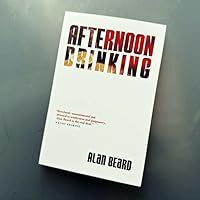
I will say the cover art is genius so kudos to the artist/designer.
I will say the cover art is genius so kudos to the artist/designer.
December 20, 2021
A wholly confusing yet enjoyable book about the intellectual joys/pitfalls of reading. A story about an unnamed narrator in an unnamed city, where just about everything can be classified as mistruth or forgery. Through a series of lectures on fictional books, we look for double meanings and signs, where there very well might be none.
I do wish that there were a few more beautiful solo passages, outside of the inspired concept of the book—with some of the sentences here, I'm convinced C.D. Rose had more in him. All in all, enjoyable read!
I do wish that there were a few more beautiful solo passages, outside of the inspired concept of the book—with some of the sentences here, I'm convinced C.D. Rose had more in him. All in all, enjoyable read!

September 6, 2019
Thoroughly enjoyable, witty, mysterious — I was reminded of Paul Auster’s protagonists in the New York Trilogy, Jonathan Safran Foer’s cabbie in “Everything is Luminated,” the book guardianship of Carlos Ruiz Zafon, and every novel with shifting streets, interchangeable twins, and used bookstores that are far more than they seem. It was delightful. Heed the clarion call to keep reading, and rescue as many neglected books as you can.
Displaying 1 - 30 of 57 reviews