

What do you think?

Peace Of Wild Things
I come into the peace of wild things
who do not tax their lives with forethought
of grief. I come into the presence of still water.
And I feel above me the day-blind stars
waiting with their light. For a time
I rest in the grace of the world, and am free.
The poems of Wendell Berry invite us to stop, to think, to see the world around us, and to savour what is good. Here are consoling verses of hope and of healing; short, simple meditations on love, death, friendship, memory and belonging; luminous hymns to the land, the cycles of nature and the seasons as they ebb and flow. Here is the peace of wild things.
who do not tax their lives with forethought
of grief. I come into the presence of still water.
And I feel above me the day-blind stars
waiting with their light. For a time
I rest in the grace of the world, and am free.
The poems of Wendell Berry invite us to stop, to think, to see the world around us, and to savour what is good. Here are consoling verses of hope and of healing; short, simple meditations on love, death, friendship, memory and belonging; luminous hymns to the land, the cycles of nature and the seasons as they ebb and flow. Here is the peace of wild things.
144 pages, Paperback
Published February 22, 2018
About the author
Wendell Berry
305 books5,420 followersWendell Berry was a conservationist, farmer, essayist, novelist, professor of English and poet. Closely identified with rural Kentucky, Berry developed many of his agrarian themes in the early essays of The Gift of Good Land (1981) and The Unsettling of America (1977). His attention to the culture and economy of rural communities is also found in the novels and stories of Port William, such as A Place on Earth (1967), Jayber Crow (2000), and That Distant Land (2004).
Berry was an elected member of the Fellowship of Southern Writers, a recipient of the National Humanities Medal and the Jefferson Lecturer for 2012. He was also a 2013 Fellow of the American Academy of Arts and Sciences and, from 2014 to his death, a member of the American Academy of Arts and Letters. Berry was named the recipient of the 2013 Richard C. Holbrooke Distinguished Achievement Award. On January 28, 2015, he became the first living writer to be inducted into the Kentucky Writers Hall of Fame.
abridged from Wikipedia.
Berry was an elected member of the Fellowship of Southern Writers, a recipient of the National Humanities Medal and the Jefferson Lecturer for 2012. He was also a 2013 Fellow of the American Academy of Arts and Sciences and, from 2014 to his death, a member of the American Academy of Arts and Letters. Berry was named the recipient of the 2013 Richard C. Holbrooke Distinguished Achievement Award. On January 28, 2015, he became the first living writer to be inducted into the Kentucky Writers Hall of Fame.
abridged from Wikipedia.
Ratings & Reviews
Friends & Following
Create a free account to discover what your friends think of this book!
Community Reviews
Displaying 1 - 30 of 251 reviews

January 21, 2024
The Peace of Wild Things
When despair for the world grows in me
and I wake in the night at the least sound
in fear of what my life and my children's lives may be,
I go and lie down where the wood drake
rests in his beauty on the water, and the great heron feeds.
I come into the peace of wild things
who do not tax their lives with forethought
of grief. I come into the presence of still water.
And I feel above me the day-blind stars
waiting with their light. For a time
I rest in the grace of the world, and am free.
When despair for the world grows in me
and I wake in the night at the least sound
in fear of what my life and my children's lives may be,
I go and lie down where the wood drake
rests in his beauty on the water, and the great heron feeds.
I come into the peace of wild things
who do not tax their lives with forethought
of grief. I come into the presence of still water.
And I feel above me the day-blind stars
waiting with their light. For a time
I rest in the grace of the world, and am free.

March 23, 2018
It is there in the news for us to read: the sixth extinction, the shocking disappearance of birds and insects (up to 70% of birds have disappeared in France in just a decade; the insect population of Germany has suffered a 75% decline in less than three decades), the death of the last male northern white rhino, imminent agricultural collapse due to dropping soil quality, plastic-choked oceans, the renewed vogue for open-pit mining, the tar sands, over-fishing, the death of the coral reefs, the cutting down of trees in cities and of entire old-growth forests outside of them. The list could, and does, go on. And in response to all this havoc, this wreckage, this brave new world of constant, catastrophic and irredeemable loss, what have we? An ever-faster, ever more desperately spinning wheel of extraction, production and consumption. And poetry. The poetry, e.g., of Wendell Berry.
People have for a long time experienced the urge to replace what is lost in the physical, material world with words, to preserve on paper what is otherwise being consigned to the void. The very process of destruction generates nostalgia – and, in the right hands, poetry. Berry’s poetry is alternately a testimony to the harrowing of his (and our) world and an ardent invocation of that once and still-glimpsed world.
The peace of wild things was in him in the writing and it is in us in the reading. That is something.
People have for a long time experienced the urge to replace what is lost in the physical, material world with words, to preserve on paper what is otherwise being consigned to the void. The very process of destruction generates nostalgia – and, in the right hands, poetry. Berry’s poetry is alternately a testimony to the harrowing of his (and our) world and an ardent invocation of that once and still-glimpsed world.
The peace of wild things was in him in the writing and it is in us in the reading. That is something.

April 10, 2019
When despair for the world grows in me
and I wake in the night at the least of sound
in fear of what my life and my children's lives may be,
I go and like down where the wood drake
rests in his beauty on the water, and the great heron feeds.
I come into the peace of the wild things
who do not tax their lives with for thought of grief.
I come into the presence of still water.
And I feel above me the day-blind stars
waiting for their light. For a time
I rest in the grace of the world, and am free.
and I wake in the night at the least of sound
in fear of what my life and my children's lives may be,
I go and like down where the wood drake
rests in his beauty on the water, and the great heron feeds.
I come into the peace of the wild things
who do not tax their lives with for thought of grief.
I come into the presence of still water.
And I feel above me the day-blind stars
waiting for their light. For a time
I rest in the grace of the world, and am free.

March 12, 2020
This was the first book of poetry I ever finished. I loved it. I read and reread each poem at least twice, sometimes as many as five times. His poems are about the earth, having a sense of place, growing older, and the things we have lost as we moved from an agrarian life. I don't give five stars lightly.

January 29, 2025
Ik las deze verzameling gedichten van Wendell Berry kort na de ontdekking van Mary Olivers Devotions: The Selected Poems of Mary Oliver en las wel enige verwantschap in de manier waarop ze de natuur een centrale, zeg alomtegenwoordige rol geven in hun contemplatieve gedichten. Daarnaast zijn het ook land- en leeftijdsgenoten.
Uiteraard zijn er ook verschillen. Wendell Berry wortelt in landbouwersgrond, terwijl Mary Oliver een meer pure, spirituele natuurdichter lijkt. Dat zorgt voor andere invalshoeken. Berry weet als geen ander de schoonheid én de teloorgang van het ambachtelijke, lijfelijke werk op het land door zijn verzen te weven. Zaaien, ontkiemen, groeien, afsterven en vergaan zijn processen die deze dichter door en door kent, maar net als Oliver put hij er voor zichzelf en zijn lezers troost uit. En sterke poëzie.
Machines, auto's, wegen en steden krijgen wel hun plaats in Berry's gedichten, maar eerder als een te verwaarlozen of te vergeten grondlaag waarop hij de lijnen uittekent van zijn poëtica. Het is verre achtergrondruis, terwijl de dichter/landman uitrust van de dagtaak en zittend onder zijn 'porch' tijdens een late zomerregenbui door het glanzende gebladerte naar de rivier kijkt. Zijn woorden zijn altijd op zoek naar wat er wél toe doet. Leven en dood, een bloeiende roos, de zoetige geur die rond een dode pruimelaar is blijven hangen ...
Toegankelijke, degelijke, natuurpoëzie dus, die al onze zintuigen prikkelt én onze ziel kan balsemen met haar eenvoudige schoonheid. Is dat niet precies wat we nodig hebben in tijden dat de waan van de dag en de wereld ons angst inboezemt, ons gemoed bedreigt en die o zo noodzakelijke hoop lijkt te minimaliseren als een naïeve gedachte. Leve de dichters dus, zeker nu morgen de poëzieweek van start gaat!
Uiteraard zijn er ook verschillen. Wendell Berry wortelt in landbouwersgrond, terwijl Mary Oliver een meer pure, spirituele natuurdichter lijkt. Dat zorgt voor andere invalshoeken. Berry weet als geen ander de schoonheid én de teloorgang van het ambachtelijke, lijfelijke werk op het land door zijn verzen te weven. Zaaien, ontkiemen, groeien, afsterven en vergaan zijn processen die deze dichter door en door kent, maar net als Oliver put hij er voor zichzelf en zijn lezers troost uit. En sterke poëzie.
Machines, auto's, wegen en steden krijgen wel hun plaats in Berry's gedichten, maar eerder als een te verwaarlozen of te vergeten grondlaag waarop hij de lijnen uittekent van zijn poëtica. Het is verre achtergrondruis, terwijl de dichter/landman uitrust van de dagtaak en zittend onder zijn 'porch' tijdens een late zomerregenbui door het glanzende gebladerte naar de rivier kijkt. Zijn woorden zijn altijd op zoek naar wat er wél toe doet. Leven en dood, een bloeiende roos, de zoetige geur die rond een dode pruimelaar is blijven hangen ...
Toegankelijke, degelijke, natuurpoëzie dus, die al onze zintuigen prikkelt én onze ziel kan balsemen met haar eenvoudige schoonheid. Is dat niet precies wat we nodig hebben in tijden dat de waan van de dag en de wereld ons angst inboezemt, ons gemoed bedreigt en die o zo noodzakelijke hoop lijkt te minimaliseren als een naïeve gedachte. Leve de dichters dus, zeker nu morgen de poëzieweek van start gaat!

September 17, 2024
Take a kilo of best Robert Frost, stir in essence of Walt Whitman, and several spoonfuls of William Wordsworth. Sprinkle with Mary Oliver. And there you have it.
I really excellent volume of poetry, gently muscular in places, thoughtful throughout, connected to the land and to time.
Words chosen with precision. Poetry. Ahh
I really excellent volume of poetry, gently muscular in places, thoughtful throughout, connected to the land and to time.
Words chosen with precision. Poetry. Ahh

January 2, 2025
wendell berry will forever and always be one of my favorite writers and heroes 🤍
this was the perfect collection to read during my getaway in the woods, and such a grounding reminder of what to prioritize, especially with the world the way it is these days.
truly, i want to keep that whole manifesto in front of me every day because WOW yes please and thank you.
(ps— i have a post on my website all about where to start reading wendell berry if you’re curious, just google it!) 🤍
this was the perfect collection to read during my getaway in the woods, and such a grounding reminder of what to prioritize, especially with the world the way it is these days.
truly, i want to keep that whole manifesto in front of me every day because WOW yes please and thank you.
(ps— i have a post on my website all about where to start reading wendell berry if you’re curious, just google it!) 🤍

July 28, 2025
A gift from Mom (thanks, Mom!!) and my first encounter with Wendell Berry. Poems about nature and about loss, and mortality. This wins the record for the most I've cried from a collection of poems. Couldn't possibly rate it less than five stars.
July 6, 2021
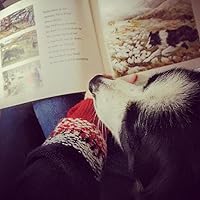
I often think poems get better with each reread and that is definitely true for this book.

February 24, 2024
Deceptively simple, profound poems. Wendell Berry is a lovely soul, noticing nature, the cost of “progress,” and the best joys and sorrows of common, everyday life.

April 24, 2024
Enchanting. Wendell loves the earth, and I love Wendell.

March 28, 2024
Super solid collection of poems. Highly recommend!

March 3, 2026
Berry questions (and makes me question) why are we pushing for endless productivity and what are we destroying to do it?
Remove the screens, sit on the porch, and be in nature. This was great.
Favorites: Manifesto: The Mad Farmer Liberation Front, In a Country Once Forested, How to be a Poet, The Wild Rose, Sabbath Poems: XX (but this whole section was great)
Remove the screens, sit on the porch, and be in nature. This was great.
Favorites: Manifesto: The Mad Farmer Liberation Front, In a Country Once Forested, How to be a Poet, The Wild Rose, Sabbath Poems: XX (but this whole section was great)

May 10, 2020
The beauty in this collection of poetry comes from the solace the author finds in the natural world. This isn’t wistful romanticism. Berry is very concerned with issues in his present day (there are poems against the Vietnam war), but emphasises the natural world as a sustaining force.
Loss is a big theme in this book. Berry doesn’t want to move on from what has been lost, or overcome the sadness. He is concerned with moving through loss, understanding it, and cherishing it.
Loss is a big theme in this book. Berry doesn’t want to move on from what has been lost, or overcome the sadness. He is concerned with moving through loss, understanding it, and cherishing it.

July 1, 2022
“There is a day when the road neither comes nor goes, and the way is not a way but a place.” I am thankful to have found my place in the stillness of time under the prophetic wisdom of Wendell Berry.
This is an excellent introduction to his best poetic works which are only amplified if you have spent significant time in Port William and his essays. My life is indebted to Berry in so many ways and I pray that I might meet him one day.
This is an excellent introduction to his best poetic works which are only amplified if you have spent significant time in Port William and his essays. My life is indebted to Berry in so many ways and I pray that I might meet him one day.

February 1, 2020
Forgot to update my Goodreads but this was my last read of January.
This book was so beautifully written and strange. I've highlighted quite a lot of pages. I think I may have found my new favourite poet!
I'd like to know what goes in the mind of Wendell Berry. He is just so wonderfully weird and perceptive. I love his writing style so I will be diving into his other works soon!
Kudos.
This book was so beautifully written and strange. I've highlighted quite a lot of pages. I think I may have found my new favourite poet!
I'd like to know what goes in the mind of Wendell Berry. He is just so wonderfully weird and perceptive. I love his writing style so I will be diving into his other works soon!
Kudos.
August 17, 2023
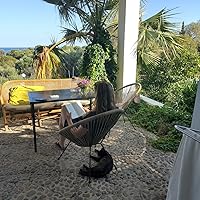
A lovely collections of poetry by Wendell Berry. Poetry is always a hell yes or a nope for me and I definitely count this among the hell yes’es. My favourite poem was “The Peace of Wild Things”.
The Peace of Wild Things
“When despair for the world grows in me
and I wake in the night at the least sound
in fear of what my life and my children’s lives may be,
I go and lie down where the wood drake
rests in his beauty on the water, and the great heron feeds.
I come into the peace of wild things
who do not tax their lives with forethought
of grief. I come into the presence of still water.
And I feel above me the day-blind stars
waiting with their light. For a time
I rest in the grace of the world, and am free.”
The Peace of Wild Things
“When despair for the world grows in me
and I wake in the night at the least sound
in fear of what my life and my children’s lives may be,
I go and lie down where the wood drake
rests in his beauty on the water, and the great heron feeds.
I come into the peace of wild things
who do not tax their lives with forethought
of grief. I come into the presence of still water.
And I feel above me the day-blind stars
waiting with their light. For a time
I rest in the grace of the world, and am free.”

November 14, 2025
i need to read more poetry
“What are we but forms
of the self-acknowledging
light that brings us
warmth and song from time
to time?…
what are we but welcomers
of that ancient joy, always
coming, always passing?”
“however just and anxious I have been
I will stop and step back
from the crowd of those who may agree
with what I say, and be apart.
There is no earthly promise of life or peace
but where the roots branch and weave
their patient silent passages in the dark;
uprooted, I have been furious without an aim.
I am not bound for any public place,
but for ground of my own
where I have planted vines and orchard trees,
and in the heat of the day climbed up
into the healing shadow of the woods.
Better than any argument is to rise at dawn
and pick dew-wet red berries in a cup.”
“What are we but forms
of the self-acknowledging
light that brings us
warmth and song from time
to time?…
what are we but welcomers
of that ancient joy, always
coming, always passing?”
“however just and anxious I have been
I will stop and step back
from the crowd of those who may agree
with what I say, and be apart.
There is no earthly promise of life or peace
but where the roots branch and weave
their patient silent passages in the dark;
uprooted, I have been furious without an aim.
I am not bound for any public place,
but for ground of my own
where I have planted vines and orchard trees,
and in the heat of the day climbed up
into the healing shadow of the woods.
Better than any argument is to rise at dawn
and pick dew-wet red berries in a cup.”

April 6, 2020
This poignant collection of poems has a far more elegiac tone than I was expecting. Berry returns time and again to themes of loss and death, both human and environmental. Many of the poems are both lovenotes to and elegies for a kind of prelapsarian rural American Dream; a lost idyll worked by honest folk with hard-won old-time wisdom, living in harmony with nature and the seasons. Berry mourns the loss of this simpler, quieter time to the relentless advance of an uncaring, mechanised modern world.
Personally, the cynic in me questions whether the post-conquest Americas are a great example of human nobility, honesty and sustainable interaction with nature; I think the terminal decline on that continent in that regard started right about when the first Europeans stepped off their boats. Nevertheless, I get his point and the sentiment still resonates with me as someone who tries to live a simple, rural life and tread lightly on this planet.
I probably would've been more impressed if the last book of poetry I read wasn't Devotions: The Selected Poems of Mary Oliver, which was pretty much as close to perfection as nature poetry can be for me. I suppose it's not really a fair comparison, given that collection puts together Oliver's absolute best work cherrypicked from a career spanning almost half a century. Nevertheless, ultimately for me she is the superior nature poet.
Personally, the cynic in me questions whether the post-conquest Americas are a great example of human nobility, honesty and sustainable interaction with nature; I think the terminal decline on that continent in that regard started right about when the first Europeans stepped off their boats. Nevertheless, I get his point and the sentiment still resonates with me as someone who tries to live a simple, rural life and tread lightly on this planet.
I probably would've been more impressed if the last book of poetry I read wasn't Devotions: The Selected Poems of Mary Oliver, which was pretty much as close to perfection as nature poetry can be for me. I suppose it's not really a fair comparison, given that collection puts together Oliver's absolute best work cherrypicked from a career spanning almost half a century. Nevertheless, ultimately for me she is the superior nature poet.

February 23, 2026
This collection felt like a deep breath and a big hug.
It’s refreshing to read poetry that acknowledges how chaotic and overwhelming the world can be, but does so in a way that feels grounding instead of despairing. Berry’s use of nature isn’t decorative...it’s restorative. He reminds us that while the world is constantly changing (and often feels like it’s burning), there’s still peace to be found if we’re willing to slow down and look for it.
I especially connected with the poems about aging. There’s something incredibly steadying about the way he writes about growing older not with panic, but with reflection and quiet hope.
This was my first Wendell Berry, and it definitely won’t be my last. If you’re feeling overwhelmed or just need something contemplative and calming, this is a beautiful place to land.
It’s refreshing to read poetry that acknowledges how chaotic and overwhelming the world can be, but does so in a way that feels grounding instead of despairing. Berry’s use of nature isn’t decorative...it’s restorative. He reminds us that while the world is constantly changing (and often feels like it’s burning), there’s still peace to be found if we’re willing to slow down and look for it.
I especially connected with the poems about aging. There’s something incredibly steadying about the way he writes about growing older not with panic, but with reflection and quiet hope.
This was my first Wendell Berry, and it definitely won’t be my last. If you’re feeling overwhelmed or just need something contemplative and calming, this is a beautiful place to land.

June 24, 2024
Reading this while practicing soft asceticism and reading Isaac of Syria makes me want to go out to God knows where and start a farm.

December 26, 2024
Beauuuuuut
So many gems that I won't quote them here...
So many gems that I won't quote them here...

October 29, 2023
Really beautiful stuff - glad I took the time to savour this

March 3, 2025
One of the best Nature poets of current times

June 8, 2021
Wendell Berry is one of my favorites, so a 5 star is not surprising. My husband asked if I’d leave this one on the coffee table in the porch for restful moments, so there it will stay awhile. A couple of favorites poems from here: “Below,” “Fall,” “Throwing Away the Mail,” “How to Be a Poet,” and “Another Descent” which I read aloud to my family who all enjoyed it immensely. My family all cross country skis as a passion, but we also farm full time. We will likely call Spring “the descent” moving forward.
Another Descent
Through the weeks of deep snow
we walked above the ground
on fallen sky, as though we did
not come of root and leaf, as though
we had only air and weather
for our difficult home.
But now
as March warms, and the rivulets
run like birdsong on the slopes,
and the branches of light sing in the hills,
slowly we return to earth.
Another Descent
Through the weeks of deep snow
we walked above the ground
on fallen sky, as though we did
not come of root and leaf, as though
we had only air and weather
for our difficult home.
But now
as March warms, and the rivulets
run like birdsong on the slopes,
and the branches of light sing in the hills,
slowly we return to earth.

March 28, 2018
One of America’s foremost nature writers as well as a pioneering environmentalist and critic of modernity. Berry is the poet laureate of Appalachia, the yeoman farmer and of a specific kind of Jeffersonian or Thoreauvian individualism. These poems, taken from the span of his career, are not great poems but small acts of conscience and persistence against the iniquities and corruption of society. Respect.

November 9, 2018
I have found Wendell Berry’s poetry recently and have absolutely fallen in love with his style of writing, the place he writes from and the things he rights about. It is balm for the soul, peace for the busy mind and takes me to a place where I remember what’s right in the world. This volume is particularly beautiful but I will read more.
September 4, 2019
A beautiful thoughtfull mind at work. Enjoy these with your coffee, aloud or quietly . Among the poems of hope, sorrow, future and past you will find a favourite to go back to and recite, to remember and feel at peace or one with nature.

January 7, 2020
Gorgeous, sad, and perfectly applicable to the anxiety-inducing state of the world. These poems will resonate with those who find solace in nature. Similar to Mary Oliver’s poems, but more fraught with the concerns of modern society.

August 10, 2023
"An aweful clarification occurs / where a place was. Its memory breaks / from what is known now, begins to drift. / [...] As before the beginning, nothing is there. / Human wrong is in the cause, human / ruin in the effect - but no matter; / all will be lost, no matter the reason. / [...] Where the imperfect has departed, the perfect / begins its struggle to return. The good gift / begins again its descent" (The Slip, 77).
Currently reeling from God's humor and healing. I caved. After Berry being recommended by college friends, a wide-eyed artist and poet visiting the gallery, and Delaney on a walk through Old Town, my hand inevitably drifted towards the spine on a SPL run. Ambivalent at first, I sat down to read.
It's impossible to articulate why I resisted so long (perhaps buried disdain for stripped-down simplicity, the South, or some combination of both), but I'm glad to now call Berry neighbor and friend. His words are furrows, fertile in all that is said and left unsaid. A breath of fresh air.
I need to read several of these poems over and over again, having met me in the ache at the right time. Also, I feel inspired to take up the beautiful tradition of Sabbath poems now.
#sealeychallenge
Currently reeling from God's humor and healing. I caved. After Berry being recommended by college friends, a wide-eyed artist and poet visiting the gallery, and Delaney on a walk through Old Town, my hand inevitably drifted towards the spine on a SPL run. Ambivalent at first, I sat down to read.
It's impossible to articulate why I resisted so long (perhaps buried disdain for stripped-down simplicity, the South, or some combination of both), but I'm glad to now call Berry neighbor and friend. His words are furrows, fertile in all that is said and left unsaid. A breath of fresh air.
I need to read several of these poems over and over again, having met me in the ache at the right time. Also, I feel inspired to take up the beautiful tradition of Sabbath poems now.
#sealeychallenge
Displaying 1 - 30 of 251 reviews