

What do you think?

এক লায়লা হাজার মজনু
- GenresFiction
176 pages, Hardcover
First published April 13, 1963
About the author
Krishan Chander
160 books88 followersहिंदी : कृश्न चन्दर
Urdu Profile:کرشن چندر
Krishan Chander was an Urdu and Hindi writer of short stories and novels. He also worked on English.
He was a prolific writer, penning over 20 novels, 30 collections of short stories and scores of radio plays in Urdu, and later, after partition of the country, took to writing in Hindi as well.
He also wrote screen-plays for Bollywood movies to supplement his meagre income as an author of satirical stories. Krishan Chander's novels (including the classic : Ek Gadhe Ki Sarguzasht, trans. Autobiography of a Donkey) have been translated into over 16 Indian languages and some foreign languages, including English.
His short story "Annadata" (trans: The Giver of Grain – an obsequious appellation used by Indian peasants for their feudal land-owners), was made into the film Dharti Ke Lal (1946) by Khwaja Ahmad Abbas – which led to his being offered work regularly as a screenwriter by Bollywood, including such populist hits as Mamta (1966) and Sharafat (1970). He wrote his film scripts in Urdu
Urdu Profile:کرشن چندر
Krishan Chander was an Urdu and Hindi writer of short stories and novels. He also worked on English.
He was a prolific writer, penning over 20 novels, 30 collections of short stories and scores of radio plays in Urdu, and later, after partition of the country, took to writing in Hindi as well.
He also wrote screen-plays for Bollywood movies to supplement his meagre income as an author of satirical stories. Krishan Chander's novels (including the classic : Ek Gadhe Ki Sarguzasht, trans. Autobiography of a Donkey) have been translated into over 16 Indian languages and some foreign languages, including English.
His short story "Annadata" (trans: The Giver of Grain – an obsequious appellation used by Indian peasants for their feudal land-owners), was made into the film Dharti Ke Lal (1946) by Khwaja Ahmad Abbas – which led to his being offered work regularly as a screenwriter by Bollywood, including such populist hits as Mamta (1966) and Sharafat (1970). He wrote his film scripts in Urdu
Ratings & Reviews
Friends & Following
Create a free account to discover what your friends think of this book!
Community Reviews
Displaying 1 - 23 of 23 reviews

December 10, 2020
Krishen Chander was a pioneer of the Urdu short story, a prolific writer, an astute, critical and empathetic social observer, and one of the leading lights of the Progressive Writers' Movement. Not only that he was also one of the luminaries from an age when Urdu was the language of high culture and literary expression in Hindustan and not just associated with a particular culture and religion. He was also a devoted Lahori who lamented the loss of his city till his final breath. He is, therefore, an important writer to read and examine both in terms of his social context and political environment (Partition of course plays a major role in almost his writings) as well as his role and contribution to the development of Urdu afsana and novel.
'Aik Aurat Hazar Diwane' is one of his famous and acclaimed novels. It has been beautifully reprinted by Book Corner, Jhelum which appears to be leading the pack in innovation and style.The novel tells the story of the beautiful gypsy girl Laachi and the ordeals she has to undergo because of her various vulnerabilities of poverty, gender, and belonging to a nomadic, unrooted existence where it is by and large accepted, even expected, of women to trade their bodies to supplement personal and family income. The novel narrates multiple episodes and attempts by various men who lust after her and try and seduce or molest her. The male gaze is almost always exploitative and demeaning - barring some notable exceptions (including a memorable episode where many come to her rescue). She escapes unscathed only due to personal courage, strength and agility but it is nevertheless a precarious existence. However, when her mother and step-father agree to sell her off to the tribal head she finds herself in a desperate situation and under pressure to pay him off what he has given them in order to not be coerced into an unwanted marriage. Meanwhile, she finds in a Baloch young man named Gul a true and ardent admirer. Things get much tougher and darker as Laachi realizes that she is at the mercy not just of miscellaneous predatory men but an entire festering social milieu where women of a certain class and background are expected to capitulate to such demands, let alone stand up for themselves and thus create a precedent of defiance for those suffering the same dire prospects.
The novel is a bold and scathing castigation of male chauvinism and systemic exploitation and abuse of women - those who can't put up a fight and particularly those who do show defiance. Krishan Chander is known for writing simply and intelligibly which is why he reached and maintained a wide and dedicated readership; his characte sketches are sharp and dialogue often crisp.
However, from a stylistic and literary merit point of view there are some issues. First, some of the events are too coincidental or inadequately explained - why for instance a resolute and spirited young woman like Laachi was so unquestioning and reconciled to paying a 'debt' that could be questioned in various ways. Second, some of the narration and episodes are too melodramatic, and even filmy (to use local parlance) - this applies particularly to the second half of the book and includes various events in jail, especially those involving the Jail Superintendent and his painting sessions. Third, at times it appears that things are being made excessively and unnecessarily tragic to arrive at a certain overwhelming conclusion - the rather abrupt abandonment by Gul of the still incarcerated Gul at the time of Partition is uncharacteristic and surprising as one can imagine ways to avoid that; the malady Laachi suffers towards the end also appears a bit excessive though not improbable (there could have been less decimating reasons for Gul's disenchantment as well despite all her loyalty and fidelity). Arguably, the story could have been even more poignant and subtly effective if it had been more understated. Some of the dialogue too, in the latter half of the novel, suffers from over-dramatization and stylization. The characters' voices on occasion appear out of character, especially as they express their angst at the sorry state of society and treatment of women - the choice of words, the philosophizing and the profundity is that of Krishen Chander and not of Laachi.
Nevertheless, this is an important novel for its time, its theme, its social commentary and its progressive and humanitarian politics.
'Aik Aurat Hazar Diwane' is one of his famous and acclaimed novels. It has been beautifully reprinted by Book Corner, Jhelum which appears to be leading the pack in innovation and style.The novel tells the story of the beautiful gypsy girl Laachi and the ordeals she has to undergo because of her various vulnerabilities of poverty, gender, and belonging to a nomadic, unrooted existence where it is by and large accepted, even expected, of women to trade their bodies to supplement personal and family income. The novel narrates multiple episodes and attempts by various men who lust after her and try and seduce or molest her. The male gaze is almost always exploitative and demeaning - barring some notable exceptions (including a memorable episode where many come to her rescue). She escapes unscathed only due to personal courage, strength and agility but it is nevertheless a precarious existence. However, when her mother and step-father agree to sell her off to the tribal head she finds herself in a desperate situation and under pressure to pay him off what he has given them in order to not be coerced into an unwanted marriage. Meanwhile, she finds in a Baloch young man named Gul a true and ardent admirer. Things get much tougher and darker as Laachi realizes that she is at the mercy not just of miscellaneous predatory men but an entire festering social milieu where women of a certain class and background are expected to capitulate to such demands, let alone stand up for themselves and thus create a precedent of defiance for those suffering the same dire prospects.
The novel is a bold and scathing castigation of male chauvinism and systemic exploitation and abuse of women - those who can't put up a fight and particularly those who do show defiance. Krishan Chander is known for writing simply and intelligibly which is why he reached and maintained a wide and dedicated readership; his characte sketches are sharp and dialogue often crisp.
However, from a stylistic and literary merit point of view there are some issues. First, some of the events are too coincidental or inadequately explained - why for instance a resolute and spirited young woman like Laachi was so unquestioning and reconciled to paying a 'debt' that could be questioned in various ways. Second, some of the narration and episodes are too melodramatic, and even filmy (to use local parlance) - this applies particularly to the second half of the book and includes various events in jail, especially those involving the Jail Superintendent and his painting sessions. Third, at times it appears that things are being made excessively and unnecessarily tragic to arrive at a certain overwhelming conclusion - the rather abrupt abandonment by Gul of the still incarcerated Gul at the time of Partition is uncharacteristic and surprising as one can imagine ways to avoid that; the malady Laachi suffers towards the end also appears a bit excessive though not improbable (there could have been less decimating reasons for Gul's disenchantment as well despite all her loyalty and fidelity). Arguably, the story could have been even more poignant and subtly effective if it had been more understated. Some of the dialogue too, in the latter half of the novel, suffers from over-dramatization and stylization. The characters' voices on occasion appear out of character, especially as they express their angst at the sorry state of society and treatment of women - the choice of words, the philosophizing and the profundity is that of Krishen Chander and not of Laachi.
Nevertheless, this is an important novel for its time, its theme, its social commentary and its progressive and humanitarian politics.

September 18, 2023
ایک عورت ہزار دیوانے کرشن چندر کے مشہور ناولوں میں سے ایک ہے۔ ناول خوبصورت خانہ بدوش لڑکی لاچی اور اس کی آزمائشوں کی کہانی سناتا ہے ،جس کی وجہ سے اسے غربت ، صنف ، صنف کی مختلف کمزوریوں کی وجہ سے گزرنا پڑتا ہے۔ اور خانہ بدوش ، غیر منقولہ وجود سے تعلق رکھتی ہے۔ جہاں یہ خواتین کی ذاتی اور خاندانی آمدنی کو پورا کرنے کے لئے اپنے جسموں کی تجارت کرنے کی توقع کی جاتی ہے۔ اس ناول میں متعدد اقساط ہیں اور مختلف مردوں کی کوششیں بیان کی گئیں ہیں جو اس کو ہوس کا نشانہ بنا نے کو کوشس کرتے ہیں اور اسے بہکا دیتے ہیں یا اس سے بدتمیزی کرتے ہیں۔ ان مردوں کی نگاہیں تقریبا ہمیشہ استحصالی برتاؤ کرتی ہیں۔ وہ صرف ذاتی جرات ، طاقت اور چستی کی وجہ سے بچتی ہے، تاہم ، جب اس کی والدہ اور سوتیلے والد اسے قبائلی سردار کو فروخت کرنے پر راضی ہیں تو وہ خود کو ایک مایوس کن صورتحال میں پاتی ہے، اور دباؤ میں ہے کہ اس کے والدین نے سردار کو جو کچھ دیا ہے اسے واپس کرے اور اس ناپسندیدہ شادی سے چھٹکارا پانے میں کامیاب ہو جائے۔
دریں اثنا ، وہ گل ایک سچے اور پرجوش مداح ، بلوچ نوجوان سے ملتی ہے، جو اسکی محبت میں گرفتار ہے، مگر لاچی کو یہ احساس ہوتا ہے کہ وہ صرف متفرق شکاری ہے، باقی مردوں کی ہی طرح۔ یہ ہی نہیں بلکہ ایک پوری طرح کی معاشرتی ملی بھگت ہے ،جہاں کسی خاص طبقے اور پس منظر کی خواتین سے توقع کی جاتی ہے کہ وہ اس طرح کے مطالبات کی حمایت کریں ، اپنے آپ کو پیش ہونے دیں۔
یہ ناول مردانہ بالادستی اور خواتین کے نظامی استحصال اور بدسلوکی کی جرات مندانہ اور سخت
پیشکش ہے -
کرشن چندر سادے الفاظ اور ذہانت سے لکھنے کے لئے جانے جاتے ہیں، اسی وجہ سے وہ ایک وسیع دائرہ قارئین تک پہنچے پائے اور اپنی تحریروں کو برقرار رکھ سکے ہیں۔
تاہم ، ایک اسٹائلسٹک اور ادبی میرٹ نقطہ نظر سے کچھ مسائل ہیں۔ سب سے پہلے ، کچھ واقعات بہت ہی اتفاقی یا ناکافی طور پر بیان کیے جاتے ہیں - مثال کے طور پر لاچی جیسی پرعزم اور حوصلہ افزا نوجوان عورت اتنی بلا شبہ تھی اور 'قرض' ادا کرنے میں صلح کر رہی تھی۔ جس پر مختلف طریقوں سے پوچھ گچھ کی جاسکتی ہے۔ دوسرا ، کچھ بیان اور اقساط بہت زیادہ مدہوش ہیں ، اور یہاں تک کہ فلمی لگتے ہیں - یہ خاص طور پر کتاب کے دوسرے نصف حصے پر لاگو ہوتا ہے اور اس میں جیل میں مختلف واقعات شامل ہیں ، خاص طور پر وہ جیل سپرنٹنڈنٹ اور اس کے پینٹنگ سیشنوں میں شامل ہونا ہیں۔ تیسرا ، بعض اوقات یہ ظاہر ہوتا ہے کہ کسی خاص حد سے زیادہ نتیجے پر پہنچنے کے لئے چیزوں کو ضرورت سے زیادہ اور غیر ضروری طور پر المناک بنایا جارہا ہے -
بہر حال یہ اپنے وقت، اپنے موضوع، سماجی تبصرے اور اس کی ترقی پسند اور انسان دوست سیاست کے لیے ایک اہم ناول ہے۔
دریں اثنا ، وہ گل ایک سچے اور پرجوش مداح ، بلوچ نوجوان سے ملتی ہے، جو اسکی محبت میں گرفتار ہے، مگر لاچی کو یہ احساس ہوتا ہے کہ وہ صرف متفرق شکاری ہے، باقی مردوں کی ہی طرح۔ یہ ہی نہیں بلکہ ایک پوری طرح کی معاشرتی ملی بھگت ہے ،جہاں کسی خاص طبقے اور پس منظر کی خواتین سے توقع کی جاتی ہے کہ وہ اس طرح کے مطالبات کی حمایت کریں ، اپنے آپ کو پیش ہونے دیں۔
یہ ناول مردانہ بالادستی اور خواتین کے نظامی استحصال اور بدسلوکی کی جرات مندانہ اور سخت
پیشکش ہے -
کرشن چندر سادے الفاظ اور ذہانت سے لکھنے کے لئے جانے جاتے ہیں، اسی وجہ سے وہ ایک وسیع دائرہ قارئین تک پہنچے پائے اور اپنی تحریروں کو برقرار رکھ سکے ہیں۔
تاہم ، ایک اسٹائلسٹک اور ادبی میرٹ نقطہ نظر سے کچھ مسائل ہیں۔ سب سے پہلے ، کچھ واقعات بہت ہی اتفاقی یا ناکافی طور پر بیان کیے جاتے ہیں - مثال کے طور پر لاچی جیسی پرعزم اور حوصلہ افزا نوجوان عورت اتنی بلا شبہ تھی اور 'قرض' ادا کرنے میں صلح کر رہی تھی۔ جس پر مختلف طریقوں سے پوچھ گچھ کی جاسکتی ہے۔ دوسرا ، کچھ بیان اور اقساط بہت زیادہ مدہوش ہیں ، اور یہاں تک کہ فلمی لگتے ہیں - یہ خاص طور پر کتاب کے دوسرے نصف حصے پر لاگو ہوتا ہے اور اس میں جیل میں مختلف واقعات شامل ہیں ، خاص طور پر وہ جیل سپرنٹنڈنٹ اور اس کے پینٹنگ سیشنوں میں شامل ہونا ہیں۔ تیسرا ، بعض اوقات یہ ظاہر ہوتا ہے کہ کسی خاص حد سے زیادہ نتیجے پر پہنچنے کے لئے چیزوں کو ضرورت سے زیادہ اور غیر ضروری طور پر المناک بنایا جارہا ہے -
بہر حال یہ اپنے وقت، اپنے موضوع، سماجی تبصرے اور اس کی ترقی پسند اور انسان دوست سیاست کے لیے ایک اہم ناول ہے۔

April 2, 2020
সাদা চোখে "এক লায়লা হাজার মজনু" প্রেমের উপন্যাস বলে ভ্রম হলেও এটি মূলত 'লাচি' নামক ভীষণ সাদাসিধে, অপুর্ব সুন্দরী আর প্রচন্ড তেজি একজন মেয়ের গল্প যে সারাজীবন সমাজের প্রিসেট কিছু অনিয়মের বিরুদ্ধে যুদ্ধ করে গেছে। যাযাবর সমাজে যেখানে নামমাত্র মূল্যে নিত্য মেয়ে বেচাকেনা হয় সেখানে দাঁড়িয়েও লাচি আত্মসম্মান রক্ষায় আমৃত্যু অবিচল ছিল। লাচি কেবল নিজেই শেকল ভাঙেনি, নীরবে-নিবৃত্তে মুখ বুজে অন্যায়-অপমান সয়ে যাওয়া হাজারো নারীকে স্বপ্ন দেখার সাহস যুগিয়েছে। আর দেখিয়েছে ঠুনকো ভালোবাসার এপিঠ-ওপিঠ!
January 12, 2025
"تم لوگ امیر آدمی کی رات کو کیا سمجھتے ہو ۔ دن بھر کے کتنے دھوکوں ، جھوٹے وعدوں، چھینا جھپٹیوں اور آبلہ فریبیوں کے بعد صبح سے شام تک ضمیر کا خون کرنے کے بعد تو یہ رات آتی ہے ۔ اس رات میں بھی اگر وہسکی کی نئی بوتل نہ ملے، تو لعنت ہے اس کام کرنے پر پیٹ کا دوزخ بھرنے کیلئے تو ہر احمق کام کرتا ہے۔
اس لئے جب رات آتی ہے تو ہر خانہ بدوش قبیلے کے ڈیرے پر تہذیب چمکتی ہوئی کاریں لیکر آتی ہے اور کھلی ہوا میں پلے ہوئے شاداب جنگلی پھولوں کو چن کرلے جاتی ہے بیسیویں صدی ، پہلی صدی سے ملتی ہے.
اور اس تہذیب کے ارتقاء میں اس نے جو کھویا ہے اُسے پانے کی سعی کرتی ہے اور جو پایا ہے اُسے کھونے کی سرشاری میں رات گزار دیتی ہے ۔
اور جب رات گزر جاتی ہے تو کاریں اپنے آفس چلی جاتی ہیں ۔ اور غریب خانہ بدوش لڑکیاں فٹ پاتھ پر مجمع لگا کر عینکیں بیچتی ہیں.
ہے کوئی جو عینک لگا کر دیکھے ؟"
"ایک عورت ہزار دیوانے" ایک خانہ بدوش قبیلے کی ایک لڑکی لاچی کی کہانی ہے جو اپنی ماں اور چاچا مامن کے ساتھ رہتی ہے کیونکہ اس کا باپ اپنی بیوی کو جوئے میں ہار گیا تھا۔ مامن اور لاچی کی ماں پیسوں کے عوض اس کا سودا کرتے ہیں۔ معاشرہ چاہے وہ سماج ہو یا خانہ بدوش قبیلہ وہ صرف مردوں کا معاشرہ اور قبیلہ ہے، جو عورت کے لیے خاص کر گھر سے باہر نکلی ہوئی عورت کے لیے بے رحم ہے، جو ایک عورت کو صرف اور صرف حسن اور جسم تک محدود کر دیتا ہے۔ لاچی اور اس جیسی کئی عورتوں کی زندگی اسی مردانہ تسلط کی بھینٹ چڑھ جاتی ہیں ۔
صدیوں سے چلے آ رہے سماج کے ظلم کی زنجیروں کو توڑنا ایک انسان کا حوصلہ اور بغاوت مانگتا ہے۔ لاچی جسے خیمہ نہیں گھر چاہیے تھا، اپنے خانہ بدوش قبیلے اور سماج سے اپنے حق اور عزت کے لیے لڑتی ہے جو عورت کو صرف جنس اور سوداگری کی شے سمجھتا ہے، لیکن اس معاشرے نے اس سے اس کا خیمہ بھی چھین لیا۔
"مردوں کا سماج ہو یا مردوں کا قبیلہ ہو وہ عورت کے بہت سے گناہوں کی پردہ پوشی کردیتے ہیں لیکن ہرگز ہرگز یہ گوارا نہیں کرتے کہ کوئی عورت ان سے باغی ہو کر اپنی حرمت کی حفاظت کیلئے لاچی کی طرح زندگی کی بازی لگائے کیونکہ اس کا اثر دوسری عورتوں پر بہت برا پڑتا ہے۔"
ظاہری طور پر سماج اور کسی خانہ بدوش قبیلے میں یہ فرق ہے کہ سماج اصولوں، قوانین اور اپنے اقدار پر چلتے ہوئے خود کو مہذب معاشرے کے طور پر پیش کرتے ہیں اور اسے پر امن بناتے ہیں جبکہ ان کے مطابق خانہ بدوش وحشی لوگ ہیں جن کے ہاں کسی اصول، عزت وغیرہ کا کوئی تصور نہیں۔
لیکن اگر سماج کو بااختیار اور حاکم بنایا جائے تو صرف موقع ملنے کی دیر ہوتی ہے اور طاقت کے نشے میں وہ وحشی بن جاتا ہے، اور اپنی کمزوریوں اور خامیوں کو قانون اور اقدار کے پردے میں دباتا ہوا "خانہ بدوشوں"، کے درجے سے بھی نیچے گر جاتا ہے۔
یہ سماج کچھ دو اور کچھ لو کے اصول پر چلتا ہے۔ یہاں ایک کسی کی بھی عزت بیچی اور خریدی جا سکتی ہے۔ انسانی معاشرے میں روپے اور حسن کو ہر خوبی، ہر قدر پر فوقیت حاصل ہے۔ جس کی جیب بھاری ہو گی وہ اتنا طاقتور ہو گا، اور جس کے پاس جتنا حسن ہو گا وہ اتنا دوسروں کو زیر کر سکے گا۔
"زندگی مختصر ہے ، جوانی اس سے بھی مختصر، حُسن اس سے بھی مختصر ہے۔ اس لئے میرا باپ کہتا تھا، گاؤ بجاؤ ، دف بجاؤ جہاں تک ہو سکے کام نہ کرو اور ہمیشہ چلتے چلو ۔ کسی ایک جگہ بیٹھ جانے سے آدمی شاخ میں لگے ہوئے پتے کی طرح ایک روز سڑ کر گر جاتا ہے "
جیب سے زیادہ عجب کوئی شے نہیں۔ جس کی بھاری ہوتی ہے وہ زندگی کے بوجھ سے آزاد ہوتا ہے اور جس کی ہلکی ہوتی ہے وہ اس بوجھ تلے دبتا چلا جاتا ہے۔
اس ناول میں کرشن چندر نے مردوں کی نفسیات، ایک عورت کی حیثیت اور معاشرتی ظلم کو بہت بے باک طریقے سے بیان کیا ہے۔ مجھے بہت پسند آیا۔
ضرور پڑھیں۔
کچھ جملے:
"یہ علاقے کی عزت کا سوال تھا اور عزت سب کی سانجھی ہوتی ہے۔ ہوتی ہے ناجی ؟ آخر ایک گھر کی عورت میں اور ایک گلی گلی بھیک مانگنے والی، نوکریاں بن بن کر بیچنے والی خانہ بدوش لڑکی کی عزت میں کچھ فرق تو ہونا چاہئیے۔"
'کیا تمہیں باہر کی دنیا میں اور جیل کی دنیا میں کوئی فرق محسوس نہیں ہوتا ؟'
'باہر کی دنیا بھی ایک جیل ہے بابو ! فرق اتنا ہے کہ اس میں لوہے کی سلاخیں نہیں ہوتیں۔ '
"اس سنسار میں جتنے بھی بڑے بابو ہیں سبھی مرد ہیں۔ پھر مجھے انصاف کہاں سے ملے گا ؟"
"یہ تو لوگ بھول گئے کہ ہر لغزش کر نیوالی عورت کے بالمقابل شریف سوسائٹی کا ایک فرد بھی کھڑا تھا۔ لیکن یہ تمام افراد بےحد شریف، گھر والے ، نوکریوں والے یا کام کاج کرنیوالے یعنی ان کے اپنے آدمی تھے۔ اس لئے سب اپنے آدمی اپنی عزت بچانے کیلئے تل گئے تھے اور قبیلے کے خلاف غیض و غضب کا مظاہرہ کرنے کیلئے تیار تھے۔"
"کیوں روتی ہے لاچی ! جانے کب سے آج سے نہیں، شاید سینکڑوں ہزاروں سال سے ، روز ازل سے، تخلیق آدم سے انسانیت اسی طرح رورہی ہے اور محبت اسی طرح بین کر رہی ہے۔ نام تو بہت لیتے ہیں لوگ انسانیت کا ، محبت کا ، اور خوبصورتی کا۔ اور بھائی چارے کا حسن کا اور پاکیزگی کا ۔ سیاست دانوں نے ان قدروں کے ڈھنڈورے پیٹ پیٹ کر ، ادیبوں نے کتابیں لکھ لکھ کر، فلاسفروں نے زندگیاں اسی سوچ میں گھلا کر انسانیت محبت اور بھائی چارے کی داد دی ہے۔ مگر کس نے اس محبت کے آنسو پونچھے ہیں کس نے انسانیت کو سہارا دیا ہے کس نے پاکیزگی کی عزت کی ہے کس نے حسن کو مشاطگی بخشی ہے ۔ یہ سب لوگ محبت کی آڑ میں نفرت، انسانیت کے روپ میں درندگی ، خوبصورتی کے پردے میں بدصورتی اور پاکیزگی کے جھروکے میں گندگی پھیلا پھیلا کر اپنی بلند و بالا تہذیب کا جھنڈا اونچا کرتے ہیں۔ تہذیب ! ان انسانوں سے زیادہ تو دریائی گھوڑوں میں پائی جاتی ہے ۔"
اس لئے جب رات آتی ہے تو ہر خانہ بدوش قبیلے کے ڈیرے پر تہذیب چمکتی ہوئی کاریں لیکر آتی ہے اور کھلی ہوا میں پلے ہوئے شاداب جنگلی پھولوں کو چن کرلے جاتی ہے بیسیویں صدی ، پہلی صدی سے ملتی ہے.
اور اس تہذیب کے ارتقاء میں اس نے جو کھویا ہے اُسے پانے کی سعی کرتی ہے اور جو پایا ہے اُسے کھونے کی سرشاری میں رات گزار دیتی ہے ۔
اور جب رات گزر جاتی ہے تو کاریں اپنے آفس چلی جاتی ہیں ۔ اور غریب خانہ بدوش لڑکیاں فٹ پاتھ پر مجمع لگا کر عینکیں بیچتی ہیں.
ہے کوئی جو عینک لگا کر دیکھے ؟"
"ایک عورت ہزار دیوانے" ایک خانہ بدوش قبیلے کی ایک لڑکی لاچی کی کہانی ہے جو اپنی ماں اور چاچا مامن کے ساتھ رہتی ہے کیونکہ اس کا باپ اپنی بیوی کو جوئے میں ہار گیا تھا۔ مامن اور لاچی کی ماں پیسوں کے عوض اس کا سودا کرتے ہیں۔ معاشرہ چاہے وہ سماج ہو یا خانہ بدوش قبیلہ وہ صرف مردوں کا معاشرہ اور قبیلہ ہے، جو عورت کے لیے خاص کر گھر سے باہر نکلی ہوئی عورت کے لیے بے رحم ہے، جو ایک عورت کو صرف اور صرف حسن اور جسم تک محدود کر دیتا ہے۔ لاچی اور اس جیسی کئی عورتوں کی زندگی اسی مردانہ تسلط کی بھینٹ چڑھ جاتی ہیں ۔
صدیوں سے چلے آ رہے سماج کے ظلم کی زنجیروں کو توڑنا ایک انسان کا حوصلہ اور بغاوت مانگتا ہے۔ لاچی جسے خیمہ نہیں گھر چاہیے تھا، اپنے خانہ بدوش قبیلے اور سماج سے اپنے حق اور عزت کے لیے لڑتی ہے جو عورت کو صرف جنس اور سوداگری کی شے سمجھتا ہے، لیکن اس معاشرے نے اس سے اس کا خیمہ بھی چھین لیا۔
"مردوں کا سماج ہو یا مردوں کا قبیلہ ہو وہ عورت کے بہت سے گناہوں کی پردہ پوشی کردیتے ہیں لیکن ہرگز ہرگز یہ گوارا نہیں کرتے کہ کوئی عورت ان سے باغی ہو کر اپنی حرمت کی حفاظت کیلئے لاچی کی طرح زندگی کی بازی لگائے کیونکہ اس کا اثر دوسری عورتوں پر بہت برا پڑتا ہے۔"
ظاہری طور پر سماج اور کسی خانہ بدوش قبیلے میں یہ فرق ہے کہ سماج اصولوں، قوانین اور اپنے اقدار پر چلتے ہوئے خود کو مہذب معاشرے کے طور پر پیش کرتے ہیں اور اسے پر امن بناتے ہیں جبکہ ان کے مطابق خانہ بدوش وحشی لوگ ہیں جن کے ہاں کسی اصول، عزت وغیرہ کا کوئی تصور نہیں۔
لیکن اگر سماج کو بااختیار اور حاکم بنایا جائے تو صرف موقع ملنے کی دیر ہوتی ہے اور طاقت کے نشے میں وہ وحشی بن جاتا ہے، اور اپنی کمزوریوں اور خامیوں کو قانون اور اقدار کے پردے میں دباتا ہوا "خانہ بدوشوں"، کے درجے سے بھی نیچے گر جاتا ہے۔
یہ سماج کچھ دو اور کچھ لو کے اصول پر چلتا ہے۔ یہاں ایک کسی کی بھی عزت بیچی اور خریدی جا سکتی ہے۔ انسانی معاشرے میں روپے اور حسن کو ہر خوبی، ہر قدر پر فوقیت حاصل ہے۔ جس کی جیب بھاری ہو گی وہ اتنا طاقتور ہو گا، اور جس کے پاس جتنا حسن ہو گا وہ اتنا دوسروں کو زیر کر سکے گا۔
"زندگی مختصر ہے ، جوانی اس سے بھی مختصر، حُسن اس سے بھی مختصر ہے۔ اس لئے میرا باپ کہتا تھا، گاؤ بجاؤ ، دف بجاؤ جہاں تک ہو سکے کام نہ کرو اور ہمیشہ چلتے چلو ۔ کسی ایک جگہ بیٹھ جانے سے آدمی شاخ میں لگے ہوئے پتے کی طرح ایک روز سڑ کر گر جاتا ہے "
جیب سے زیادہ عجب کوئی شے نہیں۔ جس کی بھاری ہوتی ہے وہ زندگی کے بوجھ سے آزاد ہوتا ہے اور جس کی ہلکی ہوتی ہے وہ اس بوجھ تلے دبتا چلا جاتا ہے۔
اس ناول میں کرشن چندر نے مردوں کی نفسیات، ایک عورت کی حیثیت اور معاشرتی ظلم کو بہت بے باک طریقے سے بیان کیا ہے۔ مجھے بہت پسند آیا۔
ضرور پڑھیں۔
کچھ جملے:
"یہ علاقے کی عزت کا سوال تھا اور عزت سب کی سانجھی ہوتی ہے۔ ہوتی ہے ناجی ؟ آخر ایک گھر کی عورت میں اور ایک گلی گلی بھیک مانگنے والی، نوکریاں بن بن کر بیچنے والی خانہ بدوش لڑکی کی عزت میں کچھ فرق تو ہونا چاہئیے۔"
'کیا تمہیں باہر کی دنیا میں اور جیل کی دنیا میں کوئی فرق محسوس نہیں ہوتا ؟'
'باہر کی دنیا بھی ایک جیل ہے بابو ! فرق اتنا ہے کہ اس میں لوہے کی سلاخیں نہیں ہوتیں۔ '
"اس سنسار میں جتنے بھی بڑے بابو ہیں سبھی مرد ہیں۔ پھر مجھے انصاف کہاں سے ملے گا ؟"
"یہ تو لوگ بھول گئے کہ ہر لغزش کر نیوالی عورت کے بالمقابل شریف سوسائٹی کا ایک فرد بھی کھڑا تھا۔ لیکن یہ تمام افراد بےحد شریف، گھر والے ، نوکریوں والے یا کام کاج کرنیوالے یعنی ان کے اپنے آدمی تھے۔ اس لئے سب اپنے آدمی اپنی عزت بچانے کیلئے تل گئے تھے اور قبیلے کے خلاف غیض و غضب کا مظاہرہ کرنے کیلئے تیار تھے۔"
"کیوں روتی ہے لاچی ! جانے کب سے آج سے نہیں، شاید سینکڑوں ہزاروں سال سے ، روز ازل سے، تخلیق آدم سے انسانیت اسی طرح رورہی ہے اور محبت اسی طرح بین کر رہی ہے۔ نام تو بہت لیتے ہیں لوگ انسانیت کا ، محبت کا ، اور خوبصورتی کا۔ اور بھائی چارے کا حسن کا اور پاکیزگی کا ۔ سیاست دانوں نے ان قدروں کے ڈھنڈورے پیٹ پیٹ کر ، ادیبوں نے کتابیں لکھ لکھ کر، فلاسفروں نے زندگیاں اسی سوچ میں گھلا کر انسانیت محبت اور بھائی چارے کی داد دی ہے۔ مگر کس نے اس محبت کے آنسو پونچھے ہیں کس نے انسانیت کو سہارا دیا ہے کس نے پاکیزگی کی عزت کی ہے کس نے حسن کو مشاطگی بخشی ہے ۔ یہ سب لوگ محبت کی آڑ میں نفرت، انسانیت کے روپ میں درندگی ، خوبصورتی کے پردے میں بدصورتی اور پاکیزگی کے جھروکے میں گندگی پھیلا پھیلا کر اپنی بلند و بالا تہذیب کا جھنڈا اونچا کرتے ہیں۔ تہذیب ! ان انسانوں سے زیادہ تو دریائی گھوڑوں میں پائی جاتی ہے ۔"

June 23, 2021
Toks tikrai indiškas romanas... Skaitytas seniai, bet prisimenu jį su šypsena.

March 7, 2015
Tai istorija apie merginą vardu Lačė. Ji įstabaus grožio ir nepaprastai aštraus proto čigonaitė. Lačė turi jautrią sielą ir vidinę pasaulėjautą bei elgesio normas, kurios nebūdingos kitoms tabore gyvenančioms moterims. Ji saugo savo kūną, kaip savo tyros sielos indą, ir neprekiauja juo, kad pagerintų savo ar savo šeimos būtį.
Lačė nuolat sulaukia pasiūlymų iš vyrų tapti moterimi vienai nakčiai, meiluže ar žmona. Šie pasiūlymai Lačę žeidžia ir gindamasi ji puola vyrus šiurkščiais žodžiais ir grubiu elgesiu, kuris lyg ir nederėtų tokio grožio savininkei. Nors ji nepasitiki vyrais atsiranda vienas, kuris užkariauja jos širdį. Tai Guli. Jie kartu žengia per gyvenimo negandas: šeimų nepritarimą, skurdą, daugybę darbų, kalėjimą, į kurį pasodiną Lačę už nužudymą.
Kalėjime Lačė suserga ir dėl ligos ji netenka savo grožio. Kalėjimą Lačė palieka netekusi grožio ir apakusi. Ir nors viduje Lačė liko tokia pat, bet vyrai, anksčiau ją garbinę, jos neatpažįstą ir nusisuka vos pamatę. Net Guli, kuris kartu kentė nepriteklių ir jam buvo nesvarbu, kad Lačė kalėjo, po grožio netekties ją palieka.
Ši knyga skaitytojui pateikia daugybę progų pervertinti savo vertybių sistemą ir prioritetus gyvenime. Tai lyg veidrodis, parodantis didžiausias visuomenes ydas, kurios būdingos ne tik 20 a. pradžios Indijos visuomenei, bet ir 21 a. šiuolaikinei visuomenei.
Lačė nuolat sulaukia pasiūlymų iš vyrų tapti moterimi vienai nakčiai, meiluže ar žmona. Šie pasiūlymai Lačę žeidžia ir gindamasi ji puola vyrus šiurkščiais žodžiais ir grubiu elgesiu, kuris lyg ir nederėtų tokio grožio savininkei. Nors ji nepasitiki vyrais atsiranda vienas, kuris užkariauja jos širdį. Tai Guli. Jie kartu žengia per gyvenimo negandas: šeimų nepritarimą, skurdą, daugybę darbų, kalėjimą, į kurį pasodiną Lačę už nužudymą.
Kalėjime Lačė suserga ir dėl ligos ji netenka savo grožio. Kalėjimą Lačė palieka netekusi grožio ir apakusi. Ir nors viduje Lačė liko tokia pat, bet vyrai, anksčiau ją garbinę, jos neatpažįstą ir nusisuka vos pamatę. Net Guli, kuris kartu kentė nepriteklių ir jam buvo nesvarbu, kad Lačė kalėjo, po grožio netekties ją palieka.
Ši knyga skaitytojui pateikia daugybę progų pervertinti savo vertybių sistemą ir prioritetus gyvenime. Tai lyg veidrodis, parodantis didžiausias visuomenes ydas, kurios būdingos ne tik 20 a. pradžios Indijos visuomenei, bet ir 21 a. šiuolaikinei visuomenei.

July 29, 2023
"ایک عورت ہزار دیوانے"
One of the most triggering Novel is written by Krishan Chander.
Krishan Chander (1914 –1977) was an Indian Urdu and Hindi writer of short stories and novels. He was very diversely genius writer, had written more than 100 books including novels, collections of short stories, plays, fantasies, satires, parodies, reportages, film-scripts and books for children. His famous classic novel is Ek Gadhe Ki Sarguzasht, ('Autobiography of a Donkey') has been translated into over 16 Indian languages and some foreign languages, including English. I have read some of his Afsana, he has penned more than 500 Afsana stories, he has produced different novels on different themes and societal issues but this Novel just fascinated me because of its name. Luckily, the novel turns to be very informative and highly emotional and captivating.
This is the story of poorest beggar girl Laachi who borns in a family where females are supposed to be bread winners. They have to do all kind of unwanted jobs in order to fill the belly of their families. Jobs like selling rings, handmade ornaments like jewellery, handmade handicraft etc. They make every article with their hands, they also beg from people for fulfilling the useless demands of their males. The families like gypsies and beggars, they overwhelm at the birth of females. Because they can earn through females, either by selling them to others or make them to sell their bodies for earning good amount of money on daily basis. They compel their females for the prostitution job even they send their own wives and daughters for this Job because they just concern with money. In that weird world, the birth of An alien girl takes place in gypsy family. Laachi who possesses very different philosophy of life, possesses mind and soul altogether. She wants a divergent life for herself she wants a home and a person who loves her the way she is! She wants to be loved not objectified as a sexual thing. Laachi is represented the most attractive, most beautiful, most charming figure in the Novel, she belongs to lowest class of family but because of her pulchritudinous beauty every male of young and old age wants to earn her through power and money. But she is represented as rebellious woman, she says that I'm not an article which could be sold In money. I would not let anyone to buy me with money. Only a true man can win me through his love and genuine loyality who doesn't only love my beauty or my attractive body but will love me soulfully and completely.
Laachi's life commences with miseries and it revolves around griefs, betrays, bile, abhorrence and cheats. On every step of her life She is fighting with the obnoxious structure of male dominant society. Where she strives to save herself from malignant gazes of men everywhere, where she escapes herself in masks for saving her purity.
The whole life she endeavours in the hope of better life, but bearing the harshness of life she traps in malicious illness and ends up with tragic end of her life where everyone just forsakes her alone and wants her to spend her agonising days alone that causes her excruciating pain. The outset of novel was triggering the middle was full of climax and it ended with tragedy. The novel contains diverse themes and some didactic lessons of life. But the miseries of Protagonist character really made me upset and made me cry at some excerpts of the novel.
Sharing the photos of my most favourite excerpts from the novel.
Ratings 10/10
#AmustReadNovel
One of the most triggering Novel is written by Krishan Chander.
Krishan Chander (1914 –1977) was an Indian Urdu and Hindi writer of short stories and novels. He was very diversely genius writer, had written more than 100 books including novels, collections of short stories, plays, fantasies, satires, parodies, reportages, film-scripts and books for children. His famous classic novel is Ek Gadhe Ki Sarguzasht, ('Autobiography of a Donkey') has been translated into over 16 Indian languages and some foreign languages, including English. I have read some of his Afsana, he has penned more than 500 Afsana stories, he has produced different novels on different themes and societal issues but this Novel just fascinated me because of its name. Luckily, the novel turns to be very informative and highly emotional and captivating.
This is the story of poorest beggar girl Laachi who borns in a family where females are supposed to be bread winners. They have to do all kind of unwanted jobs in order to fill the belly of their families. Jobs like selling rings, handmade ornaments like jewellery, handmade handicraft etc. They make every article with their hands, they also beg from people for fulfilling the useless demands of their males. The families like gypsies and beggars, they overwhelm at the birth of females. Because they can earn through females, either by selling them to others or make them to sell their bodies for earning good amount of money on daily basis. They compel their females for the prostitution job even they send their own wives and daughters for this Job because they just concern with money. In that weird world, the birth of An alien girl takes place in gypsy family. Laachi who possesses very different philosophy of life, possesses mind and soul altogether. She wants a divergent life for herself she wants a home and a person who loves her the way she is! She wants to be loved not objectified as a sexual thing. Laachi is represented the most attractive, most beautiful, most charming figure in the Novel, she belongs to lowest class of family but because of her pulchritudinous beauty every male of young and old age wants to earn her through power and money. But she is represented as rebellious woman, she says that I'm not an article which could be sold In money. I would not let anyone to buy me with money. Only a true man can win me through his love and genuine loyality who doesn't only love my beauty or my attractive body but will love me soulfully and completely.
Laachi's life commences with miseries and it revolves around griefs, betrays, bile, abhorrence and cheats. On every step of her life She is fighting with the obnoxious structure of male dominant society. Where she strives to save herself from malignant gazes of men everywhere, where she escapes herself in masks for saving her purity.
The whole life she endeavours in the hope of better life, but bearing the harshness of life she traps in malicious illness and ends up with tragic end of her life where everyone just forsakes her alone and wants her to spend her agonising days alone that causes her excruciating pain. The outset of novel was triggering the middle was full of climax and it ended with tragedy. The novel contains diverse themes and some didactic lessons of life. But the miseries of Protagonist character really made me upset and made me cry at some excerpts of the novel.
Sharing the photos of my most favourite excerpts from the novel.
Ratings 10/10
#AmustReadNovel

April 7, 2025
Some stories don’t just end when you finish reading the last page—they linger, haunt, and force you to sit with uncomfortable truths long after. This is one such novel—a raw, painful, and beautifully written account of what it means to exist as a woman in a world that views femininity as currency.
At the heart of the story is Laachi—a beggar girl born into the fringes of society, where the birth of a daughter is celebrated not with love, but with profit in mind. In a world of gypsies, where women are raised not for dreams but for survival, Laachi’s very existence feels like rebellion. She is breathtakingly beautiful, but it is her mind, her soul, her ideals that make her unforgettable. She refuses to be sold. She refuses to be touched unless it is by love—pure, unbought, and real.
Krishan Chander crafts Laachi not as a helpless victim, but as a woman of fierce dignity. Despite being surrounded by poverty, male lust, betrayal, and constant danger, she holds onto her ideals with iron strength. She longs not for riches, but for a home, for someone who sees her as a human being and not a body for sale. In this pursuit, she falls in love, but life has a way of mocking the innocent and testing the pure-hearted.
The novel travels through Laachi’s journey—her defiance, her pain, the betrayals she endures, the glimpses of love that never last, and finally, the illness that strips her of the very thing society valued most: her beauty. And when that is gone, so is everyone else. Even those who once swore love now turn away, revealing how fragile loyalty is when not rooted in character.
What makes this novel unforgettable is not just the story—it’s the brutal honesty. Krishan Chander doesn’t sugarcoat the world. He shows it as it is: patriarchal, exploitative, transactional. But through Laachi, he also shows resistance. Her life is tragic, yes—but it’s also powerful. Because till the very end, she holds on to the one thing no one could take from her: her will.
This book broke me in places I didn’t expect. It made me reflect on how society measures worth—especially of women. It reminded me how cruel it can be to those who don’t conform. And it made me appreciate the quiet, stubborn strength it takes to stay human in an inhumane world.
If you’re looking for something to move you, shake you, and stay with you—this novel is it. A must-read for those who still believe in the power of storytelling to challenge, disturb, and transform.
At the heart of the story is Laachi—a beggar girl born into the fringes of society, where the birth of a daughter is celebrated not with love, but with profit in mind. In a world of gypsies, where women are raised not for dreams but for survival, Laachi’s very existence feels like rebellion. She is breathtakingly beautiful, but it is her mind, her soul, her ideals that make her unforgettable. She refuses to be sold. She refuses to be touched unless it is by love—pure, unbought, and real.
Krishan Chander crafts Laachi not as a helpless victim, but as a woman of fierce dignity. Despite being surrounded by poverty, male lust, betrayal, and constant danger, she holds onto her ideals with iron strength. She longs not for riches, but for a home, for someone who sees her as a human being and not a body for sale. In this pursuit, she falls in love, but life has a way of mocking the innocent and testing the pure-hearted.
The novel travels through Laachi’s journey—her defiance, her pain, the betrayals she endures, the glimpses of love that never last, and finally, the illness that strips her of the very thing society valued most: her beauty. And when that is gone, so is everyone else. Even those who once swore love now turn away, revealing how fragile loyalty is when not rooted in character.
What makes this novel unforgettable is not just the story—it’s the brutal honesty. Krishan Chander doesn’t sugarcoat the world. He shows it as it is: patriarchal, exploitative, transactional. But through Laachi, he also shows resistance. Her life is tragic, yes—but it’s also powerful. Because till the very end, she holds on to the one thing no one could take from her: her will.
This book broke me in places I didn’t expect. It made me reflect on how society measures worth—especially of women. It reminded me how cruel it can be to those who don’t conform. And it made me appreciate the quiet, stubborn strength it takes to stay human in an inhumane world.
If you’re looking for something to move you, shake you, and stay with you—this novel is it. A must-read for those who still believe in the power of storytelling to challenge, disturb, and transform.

December 27, 2024
"مرد کی محبّت صرف عورت کے حسن سے مشروط ہوتی ہے۔ جب عورت کا حسن گہنا جاتا ہے یا زوال پذیر ہو جاتا ہے تو مرد کی محبّت کا آفتاب بھی غروب ہو جاتا ہے اور پیچھے رہ جاتی ہیں صرف ماتم زدہ یادیں"
یہ کہانی ہے اپنی عصمت کی حفاظت کی خاطر ہرحد سےگزر جانے والی ایک خوبصورت مگر خانہ بدوش لڑکی "لاچی" کی۔
زمانہ قدیم سے اب تک مرد کے لئے قابل احترام صرف وہ عورتیں ہیں جو ان کے گھروں کی چار دیواری میں رہتی ہیں۔ ان کے علاوہ مرد کے لئے ہر عورت ایک جیسی ہے جسے وہ سالم نگلنے کے لئے موقع کی تاک میں رہتا ہے۔اور پھر لاچی جیسی حسین عورتیں جن کا تعلق ہی ایسے ماحول یا قبائل سے ہوتا ہے جہاں چند پیسوں کےعوض ان کے اپنے خونی رشتے ان کی عزتوں کو نیلام کر دیتے ہیں ، ان کو بیچ دیتے ہیں، جسم فروشی جیسا معیوب کام کرواتے ہیں ۔وہاں ان کے لئے اپنی عزت و عصمت کی حفاظت کرنا کس قدر مشکل ہو جاتا ہے، اس میں ان تمام مشکلات کا ذکر کیا گیا ہے۔ یہ سب باتیں ان خانہ بدوشوں کی روایات کا حصّہ ہیں۔ مگر اسی ماحول کی پروردہ لاچی اپنے قبیلے سے یکسر مختلف سوچ رکھتی ہے۔ اسکے لئے اپنی عصمت سے بڑھ کر اور کچھ بھی قیمتی نہیں اور اسی کی حفاظت کی خاطر وہ اپنے قبیلے کی روایات سے ٹکّر لیتی ہے۔ بغاوت کرتی ہے، بہت سی مشکلات کا سامنا کرتی ہے مگر اپنی عزت کا سودا نہیں کرتی ۔ اور اس سب میں اسکا ساتھ دیتا ہے "گل" جس سے لاچی محبّت کرتی ہے اور جو لاچی سے محبّت کا دعویدار ہوتا ہے۔ مگر کیا واقعی گل لاچی سے محبّت کرتا ہے یا پھر اسکی محبّت اور وفا بھی عام مردوں کی طرح صرف لاچی کے حسن تک محدود تھی۔
کیا لاچی اپنی کوشش میں کامیاب ہو پاتی ہے؟
لاچی اور گل مل کربھی کیوں نہیں مل پاتے؟ وو کون سی چیز ہے جو دونوں کے درمیان حائل ہو جاتی ہے؟ ان سب کے جوابات آپکو ناول پڑھ کرملیں گے۔
اس ناول میں لاچی کا کردار غربت اور بےبسی کے باوجود بہت جاندار ہے۔
کرشن چندر کا انداز بیان ایسا اچھوتا ہے کہ قاری کو اپنے سحر میں جکڑ لیتا ہے ۔ الفاظ کا چناؤ نہایت خوب اور جملوں میں اس قدر روانی اور بے ساختگی ہےکہ پڑھنے والا کہانی کے بہاؤ کے ساتھ بہتا چلا جاتا ہے ۔ انہوں نے آسان جملوں میں زندگی کی وہ گہرایاں بیان کی ہیں کہ پڑھنے والا دنگ رہ جاتا ہے۔ معاشرتی موضوعات پر لکھی جانے والی کہانیاں کم و بیش ایک سی ہوتی ہیں مگر یہ مصنف کا انداز بیان ہوتا ہے جو انھیں مختلف بناتا ہے اور کرشن چندر میں بلاشبہ یہ خوبی پائی جاتی ہے ۔
یہ کہانی ہے اپنی عصمت کی حفاظت کی خاطر ہرحد سےگزر جانے والی ایک خوبصورت مگر خانہ بدوش لڑکی "لاچی" کی۔
زمانہ قدیم سے اب تک مرد کے لئے قابل احترام صرف وہ عورتیں ہیں جو ان کے گھروں کی چار دیواری میں رہتی ہیں۔ ان کے علاوہ مرد کے لئے ہر عورت ایک جیسی ہے جسے وہ سالم نگلنے کے لئے موقع کی تاک میں رہتا ہے۔اور پھر لاچی جیسی حسین عورتیں جن کا تعلق ہی ایسے ماحول یا قبائل سے ہوتا ہے جہاں چند پیسوں کےعوض ان کے اپنے خونی رشتے ان کی عزتوں کو نیلام کر دیتے ہیں ، ان کو بیچ دیتے ہیں، جسم فروشی جیسا معیوب کام کرواتے ہیں ۔وہاں ان کے لئے اپنی عزت و عصمت کی حفاظت کرنا کس قدر مشکل ہو جاتا ہے، اس میں ان تمام مشکلات کا ذکر کیا گیا ہے۔ یہ سب باتیں ان خانہ بدوشوں کی روایات کا حصّہ ہیں۔ مگر اسی ماحول کی پروردہ لاچی اپنے قبیلے سے یکسر مختلف سوچ رکھتی ہے۔ اسکے لئے اپنی عصمت سے بڑھ کر اور کچھ بھی قیمتی نہیں اور اسی کی حفاظت کی خاطر وہ اپنے قبیلے کی روایات سے ٹکّر لیتی ہے۔ بغاوت کرتی ہے، بہت سی مشکلات کا سامنا کرتی ہے مگر اپنی عزت کا سودا نہیں کرتی ۔ اور اس سب میں اسکا ساتھ دیتا ہے "گل" جس سے لاچی محبّت کرتی ہے اور جو لاچی سے محبّت کا دعویدار ہوتا ہے۔ مگر کیا واقعی گل لاچی سے محبّت کرتا ہے یا پھر اسکی محبّت اور وفا بھی عام مردوں کی طرح صرف لاچی کے حسن تک محدود تھی۔
کیا لاچی اپنی کوشش میں کامیاب ہو پاتی ہے؟
لاچی اور گل مل کربھی کیوں نہیں مل پاتے؟ وو کون سی چیز ہے جو دونوں کے درمیان حائل ہو جاتی ہے؟ ان سب کے جوابات آپکو ناول پڑھ کرملیں گے۔
اس ناول میں لاچی کا کردار غربت اور بےبسی کے باوجود بہت جاندار ہے۔
کرشن چندر کا انداز بیان ایسا اچھوتا ہے کہ قاری کو اپنے سحر میں جکڑ لیتا ہے ۔ الفاظ کا چناؤ نہایت خوب اور جملوں میں اس قدر روانی اور بے ساختگی ہےکہ پڑھنے والا کہانی کے بہاؤ کے ساتھ بہتا چلا جاتا ہے ۔ انہوں نے آسان جملوں میں زندگی کی وہ گہرایاں بیان کی ہیں کہ پڑھنے والا دنگ رہ جاتا ہے۔ معاشرتی موضوعات پر لکھی جانے والی کہانیاں کم و بیش ایک سی ہوتی ہیں مگر یہ مصنف کا انداز بیان ہوتا ہے جو انھیں مختلف بناتا ہے اور کرشن چندر میں بلاشبہ یہ خوبی پائی جاتی ہے ۔

February 3, 2025
تبصرہ: ایک عورت ہزار دیوانے (ناول)
محبت بغیر وجہ کے نہیں ہوتی، اور وجہ بڑی اہمیت کی حامل ہوتی ہے، حسن، جسم انسان کی محبت میں بڑا قیمتی فیکٹر ہوتا ہے انسان چاہے جو دعوے کرے جتنی دلائل دے مگر لاشعور میں چیزیں ہوتی ہیں جو فیصلہ سازی کو بڑا متاثر کرتی ہیں۔۔
ناول میں ایک کہانی ہے عزت، حوس، محبت اور خواب کے درمیان جنگ کی، اگرچہ عزت کی جیت ہوتی ہے لیکن وہ عزت صرف ایک انسان ہی جانتا ہے کہ اس کی عزت محفوظ ہے اور وہ عزت دار ہے وہی لڑکی جس نے سب کچھ قربان کر دیا مگر اس کے مطابق جو عزت تھی اسے کسی بھی قیمت نہیں بیچا۔
آخر کب تک وہ اپنے حسن کی آگ کے ہوتے ہوئے عزت کے دامن کو محفوظ رکھتی، قسمت اس پر مہربان ہوئی اور اس کے حسن کی آگ بجھا دی اور وہ عزت کی حفاظت والی کٹھن جنگ سے تو آزاد ہو گئی مگر اس نے ہر وہ چیز کھو دی جو بظاہر اس کی اپنی تھی، رشتے، قبیلا، علاقہ، حسن اور یہاں تک کہ آنکھ کی روشنی بھی، سب کچھ۔۔
اسے جس انسان سے محبت تھی جب اس انسان نے لڑکی کے ہاتھ پر بھیک کے پیسے بھیجے تو اس دن وہ ہمیشہ کے لیے ہار گئی اس نے وہ پیسے واپس بھیج دیے اور اپنی لاٹھی اٹھا کر اسے کھٹکاتی ہوئی بس اسٹینڈ پہ چلی گئی اور اس اندھی بڑھیا کے درد کو محسوس کر کے مسکرا دی جس بڑھیا کے سامنے اس نے اپنے حسن کی داد میں لوگوں سے بھیک لے لی تھی اور بڑھیا نے اسے لعن تعن کیا۔۔۔
بظاہر اخلاقیات پر استوار معاشرہ غلاظت کی ایسی بد بو دار چادر اوڑھے ہوئے ہے جس کی بد بو اس معاشرے کے انسان نما جنس کو راس آ گئی ہے۔
اب اگر کوئی خوشبو لے کر اس گندی چادر کے آس پاس سے بھی گذرنے کی کوشش کرتا ہے تو یہ معاشرہ اسے ہمیشہ کے لیے اندھا اور درد پردہ بنا دیتا ہے۔ اس معاشرے کے اپنے معیار ہیں عزت اور ذلت کے بھی کہنے کو یہ کہتے پھرتے ہیں
وتو عزو منتشا وتو ذلو منتشا۔۔۔
تبصرہ: محمد زمان جوئیہ (ماہر مفسیات)
محبت بغیر وجہ کے نہیں ہوتی، اور وجہ بڑی اہمیت کی حامل ہوتی ہے، حسن، جسم انسان کی محبت میں بڑا قیمتی فیکٹر ہوتا ہے انسان چاہے جو دعوے کرے جتنی دلائل دے مگر لاشعور میں چیزیں ہوتی ہیں جو فیصلہ سازی کو بڑا متاثر کرتی ہیں۔۔
ناول میں ایک کہانی ہے عزت، حوس، محبت اور خواب کے درمیان جنگ کی، اگرچہ عزت کی جیت ہوتی ہے لیکن وہ عزت صرف ایک انسان ہی جانتا ہے کہ اس کی عزت محفوظ ہے اور وہ عزت دار ہے وہی لڑکی جس نے سب کچھ قربان کر دیا مگر اس کے مطابق جو عزت تھی اسے کسی بھی قیمت نہیں بیچا۔
آخر کب تک وہ اپنے حسن کی آگ کے ہوتے ہوئے عزت کے دامن کو محفوظ رکھتی، قسمت اس پر مہربان ہوئی اور اس کے حسن کی آگ بجھا دی اور وہ عزت کی حفاظت والی کٹھن جنگ سے تو آزاد ہو گئی مگر اس نے ہر وہ چیز کھو دی جو بظاہر اس کی اپنی تھی، رشتے، قبیلا، علاقہ، حسن اور یہاں تک کہ آنکھ کی روشنی بھی، سب کچھ۔۔
اسے جس انسان سے محبت تھی جب اس انسان نے لڑکی کے ہاتھ پر بھیک کے پیسے بھیجے تو اس دن وہ ہمیشہ کے لیے ہار گئی اس نے وہ پیسے واپس بھیج دیے اور اپنی لاٹھی اٹھا کر اسے کھٹکاتی ہوئی بس اسٹینڈ پہ چلی گئی اور اس اندھی بڑھیا کے درد کو محسوس کر کے مسکرا دی جس بڑھیا کے سامنے اس نے اپنے حسن کی داد میں لوگوں سے بھیک لے لی تھی اور بڑھیا نے اسے لعن تعن کیا۔۔۔
بظاہر اخلاقیات پر استوار معاشرہ غلاظت کی ایسی بد بو دار چادر اوڑھے ہوئے ہے جس کی بد بو اس معاشرے کے انسان نما جنس کو راس آ گئی ہے۔
اب اگر کوئی خوشبو لے کر اس گندی چادر کے آس پاس سے بھی گذرنے کی کوشش کرتا ہے تو یہ معاشرہ اسے ہمیشہ کے لیے اندھا اور درد پردہ بنا دیتا ہے۔ اس معاشرے کے اپنے معیار ہیں عزت اور ذلت کے بھی کہنے کو یہ کہتے پھرتے ہیں
وتو عزو منتشا وتو ذلو منتشا۔۔۔
تبصرہ: محمد زمان جوئیہ (ماہر مفسیات)

July 9, 2025
A MUST READ FOR EVERY WOMEN
Just finished reading the novel "Aik Aurat Hazar Deewany" by "Krishan Chandar" and I am utterly shaken to the core. This book has left me speechless, pierced through my soul, and forced me to confront the unsettling truths of the world we live in. It lays bare the painful reality of how a woman's worth is perceived and how her emotions, body, and dignity are often treated as commodities in the hands of so-called lovers, partners, and even protectors.
This novel has compelled me to question every male relationship in my life, beyond their assigned roles, beyond blood ties or labels and truly reflect on the intentions, actions, and silences of the men around me. After reading this, I don't think I can ever look at a man with the same innocence or trust as before. It’s a painful awakening.
Aik Aurat Hazar Deewane is not just a story, it’s a mirror. A mirror for every woman who has ever loved too deeply, trusted too easily, or suffered quietly. It's a must-read for every woman out there. It opens your eyes to the traps society sets in the name of love, care, and companionship and it may just be the very thing that saves someone from falling into them. It reminds us that true love does not demand the sacrifice of your self-respect. If anything, real love starts with respect.
This novel teaches a powerful and often forgotten lesson: A woman should never compromise on her dignity, not for love, not for family, not for society, and certainly not for any man.
Just finished reading the novel "Aik Aurat Hazar Deewany" by "Krishan Chandar" and I am utterly shaken to the core. This book has left me speechless, pierced through my soul, and forced me to confront the unsettling truths of the world we live in. It lays bare the painful reality of how a woman's worth is perceived and how her emotions, body, and dignity are often treated as commodities in the hands of so-called lovers, partners, and even protectors.
This novel has compelled me to question every male relationship in my life, beyond their assigned roles, beyond blood ties or labels and truly reflect on the intentions, actions, and silences of the men around me. After reading this, I don't think I can ever look at a man with the same innocence or trust as before. It’s a painful awakening.
Aik Aurat Hazar Deewane is not just a story, it’s a mirror. A mirror for every woman who has ever loved too deeply, trusted too easily, or suffered quietly. It's a must-read for every woman out there. It opens your eyes to the traps society sets in the name of love, care, and companionship and it may just be the very thing that saves someone from falling into them. It reminds us that true love does not demand the sacrifice of your self-respect. If anything, real love starts with respect.
This novel teaches a powerful and often forgotten lesson: A woman should never compromise on her dignity, not for love, not for family, not for society, and certainly not for any man.
March 27, 2023
"Zindgi mukhtasir hai jawani us sey bhi mukhtasir or husan us se bhi mukhtasir hai."
Krishen chandar ko sach main likny ka fun maloom hai . moti ki trha ek ek lafaz haar main sajaya hai. society k boht se pehluon pr roshni dali hai jo aj bhi wesy k wesy moujod hain . mohabat ,izat ,nainsafi, khanabadosh log, jail ka mahool or jail k mujrim or un k jurm krnhy ki wja , har pehlu pr khoob qlam uthaya hai .
Here are some Intresting lines from this novel
1"Mohabbat hogi. Mohabt k baad mumkin hai shadi ho. Shadi k baad mumkin hai bachy hon. Bachon k baad mumkin hai jhgry hon. Bachon or jhagorn k baad twaeel saal ha saal sath rehne k baaad mumkin hai wo orat sarkandy ki trha dubli patli ya mukhams ki trha moti ho jaye or uska khawab hamesha hamesha k liye Para Para hojye. Shyed isi liye usny abhi tk shadi na ki thi".
2 "Har mard sirf apny chahney ko chata ha wo nhi dekhta k orat kya chati hai. "
3"Saza to jurm k liye ek waqfa hai."
Krishen chandar ko sach main likny ka fun maloom hai . moti ki trha ek ek lafaz haar main sajaya hai. society k boht se pehluon pr roshni dali hai jo aj bhi wesy k wesy moujod hain . mohabat ,izat ,nainsafi, khanabadosh log, jail ka mahool or jail k mujrim or un k jurm krnhy ki wja , har pehlu pr khoob qlam uthaya hai .
Here are some Intresting lines from this novel
1"Mohabbat hogi. Mohabt k baad mumkin hai shadi ho. Shadi k baad mumkin hai bachy hon. Bachon k baad mumkin hai jhgry hon. Bachon or jhagorn k baad twaeel saal ha saal sath rehne k baaad mumkin hai wo orat sarkandy ki trha dubli patli ya mukhams ki trha moti ho jaye or uska khawab hamesha hamesha k liye Para Para hojye. Shyed isi liye usny abhi tk shadi na ki thi".
2 "Har mard sirf apny chahney ko chata ha wo nhi dekhta k orat kya chati hai. "
3"Saza to jurm k liye ek waqfa hai."

July 2, 2025
This book highlights the harsh reality of a male-dominated society where a woman's worth is often tied to her beauty and youth. As long as she looks perfect, men worship her — but the moment she changes, grows older, or doesn't fit the ideal anymore, she is ignored and unwanted. This book is a powerful reminder that a woman deserves respect not just for how she looks, but for who she is.

May 19, 2024
کرشن چندر کی بہترین تحریر ہے یہ کتاب۔ اس ناول کا مرکزی کردار ایک خانہ بدوش لڑکی ہے، جو بہت خوبصورت ہے اور اس خوبصورتی کی وجہ سے وہ معاشرہ کے بہت سارے شریفوں کے لیے درد سر بنی ہوتی ہے۔ لاچی اپنے قبیلے، اپنی تہذیب، اپنی روایات سے باغی اور مختلف ہوتی ہے۔ لیکن کہانی کا خاتمہ بڑا خطرناک ہے۔

January 9, 2022
What a beautiful novel, really eye catching and interesting story....

June 25, 2023
Heart touching storytelling, the way krishan chander portray characters and story its full of life its wonderful

December 14, 2023
কৃষাণ চন্দার এঁর ২য় বই পড়া এটা দিয়ে। বেশ ভালো লেগেছে। এক যাযাবর সুন্দরী মেয়ের প্রতি কতগুলো পুরুষের প্রেম, সেই মেয়ের সত্যিকার প্রেম বেশ দারূণ ভাবে ফুটিয়ে তুলেছেন তাঁর লেখায়।

October 21, 2025
یہ کہانی ہے ایک خزانہ بدوش لڑکی لاچی کی جو خوبصورتی میں
اپنی مثال آپ ہے
لاچی جس قبیلے سے تعلق رکھتی ہے
اور معاشرے میں ان کا کوئی مقام نہیں کیوں کے وہ نیچ ذات ہیں ان کی عورتیں اور مرد ٹوکریاں بناتے ہیں ،ان کی عورتیں اسٹیشن پر عینکیں اور ٹوپیاں بیچتی ہیں اور بھیک مانگتی ہیں اور رات کے اندھیرے میں عزتوں کے سودے ہوتے ہیں اور خریدار بہت عزت دار طبقے سے تعلق رکھتے ہیں
لاچی کا باپ جوئے میں لاچی اور اسکی ماں کو ہار جاتا ہے اور لاچی اور اسکی ماں اب اس دوسرے شخص کے ساتھ رہتی ہیں جو رشتے میں اسکا چاچا بھی لگتا ہے لیکن اب سوتیلا باپ بھی ہے ۔
لاچی بلا کی خوبصورت لڑکی ہے جس کی آنکھیں سبز ہیں اور کرشن چندر لکھتے ہیں
"وہ اتنی خوبصورت تھی کہ اگر لڑکی نہ ہوتی تو سیب کا پیڑ ہوتی،
ہمالہ کی برف پوش چوٹی ہوتی،
یا سمندر کی گہرائیوں میں چھپا کورل کا گلابی محل ہوتی۔"
جہاں جہاں لاچی قدم رکھتی ہے وہاں کے مرد اس جگہ پر بھی دل ہار جاتے ہیں اور وہ لاچی کو ہوس بھری نظروں سے دیکھتے ہیں ۔سب چاہتے ہیں کہ لاچی بھی دوسری خانہ بدوش عورتوں کی طرح دھندہ کرے لیکن لاچی دوسری خانہ بدوش عورتوں کی طرح نہیں ہے وہ ایک گھر چاہتی ہے جو مستقل ہو ،سکون چاہتی ہے ،عزت چاہتی ہے اور ایک ایسا مرد چاہتی ہے جو صرف اس سے محبت کرے اسے مان اور عزت دے۔قصہ مختصر یہ کہ لاچی ٹوکریاں بناتی ہے ،چھوٹی موٹی چوریاں کرتی ہے اور بھیک مانگتی ہے لیکن اپنی عزت کا سودا نہیں کرتی۔
وہ اس ظالم سماج کے آگے ڈٹ جاتی ہے ۔
لاچی ایک عام عورت کی طرح ہے وہ ایک مکمل زندگی چاہتی ہے ایک گھر چاہتی ہے جہاں وہ اور اس کا شوہر رہے جہاں مان ہو ،عزت ہو سکون ہو اور اسکا شوہر بھی باقی مردوں کی طرح اس کے لئے گجرے لائے لیکن جس سماج کا وہ حصہ ہے وہاں یہ سب کرنا تو دور سوچنا بھی گناہ ہے
مگر لاچی سب سے الگ ہے۔ وہ بھیک مانگ سکتی ہے، چوری کر سکتی ہے، گالی دے سکتی ہے، لیکن اپنی عزت کسی قیمت پر نہیں بیچتی۔ جب اسے جوئے میں ہار دیا جاتا ہے، تو وہ خاموش نہیں رہتی — وہ بغاوت کرتی ہے، محبت کرتی ہے، لڑتی ہے، جیل جاتی ہے، اور آخر میں سب کچھ کھو دیتی ہے — حتیٰ کہ اپنا چہرہ، اپنی پہچان، اپنا محبوب... سب کچھ۔
لیکن جو چیز وہ کبھی نہیں کھوتی — وہ ہے اس کا حوصلہ اور خودداری۔
کرشن چندر نے اس کہانی میں بتایا کہ اصل گرا ہوا کون ہے؟ وہ عورت جو مجبوری میں جسم بیچتی ہے، یا وہ مرد جو عزت کے سودے کرتا ہے؟
یہ کہانی ہمیں یاد دلاتی ہے کہ معاشرہ صرف عورت کے جسم سے کھیلتا ہے، اس کے جذبات، اس کی سچائی، اس کی محبت کو کبھی اہمیت نہیں دیتا
"ایک عورت ہزار دیوانے" محض ایک ناول نہیں بلکہ عورت کی عزت، وقار اور معاشرتی ناانصافیوں کے خلاف ایک خاموش مگر گونج دار احتجاج ہے۔ لاچی جیسا کردار اردو ادب میں کم کم دکھائی دیتا ہے — جسے توڑا تو گیا، مگر وہ جھکی نہیں۔ یہ ناول ہر اس قاری کے لیے ہے جو صرف کہانی نہیں، سچائی پڑھنا چاہتا ہے۔
عمارہ عتیق
اپنی مثال آپ ہے
لاچی جس قبیلے سے تعلق رکھتی ہے
اور معاشرے میں ان کا کوئی مقام نہیں کیوں کے وہ نیچ ذات ہیں ان کی عورتیں اور مرد ٹوکریاں بناتے ہیں ،ان کی عورتیں اسٹیشن پر عینکیں اور ٹوپیاں بیچتی ہیں اور بھیک مانگتی ہیں اور رات کے اندھیرے میں عزتوں کے سودے ہوتے ہیں اور خریدار بہت عزت دار طبقے سے تعلق رکھتے ہیں
لاچی کا باپ جوئے میں لاچی اور اسکی ماں کو ہار جاتا ہے اور لاچی اور اسکی ماں اب اس دوسرے شخص کے ساتھ رہتی ہیں جو رشتے میں اسکا چاچا بھی لگتا ہے لیکن اب سوتیلا باپ بھی ہے ۔
لاچی بلا کی خوبصورت لڑکی ہے جس کی آنکھیں سبز ہیں اور کرشن چندر لکھتے ہیں
"وہ اتنی خوبصورت تھی کہ اگر لڑکی نہ ہوتی تو سیب کا پیڑ ہوتی،
ہمالہ کی برف پوش چوٹی ہوتی،
یا سمندر کی گہرائیوں میں چھپا کورل کا گلابی محل ہوتی۔"
جہاں جہاں لاچی قدم رکھتی ہے وہاں کے مرد اس جگہ پر بھی دل ہار جاتے ہیں اور وہ لاچی کو ہوس بھری نظروں سے دیکھتے ہیں ۔سب چاہتے ہیں کہ لاچی بھی دوسری خانہ بدوش عورتوں کی طرح دھندہ کرے لیکن لاچی دوسری خانہ بدوش عورتوں کی طرح نہیں ہے وہ ایک گھر چاہتی ہے جو مستقل ہو ،سکون چاہتی ہے ،عزت چاہتی ہے اور ایک ایسا مرد چاہتی ہے جو صرف اس سے محبت کرے اسے مان اور عزت دے۔قصہ مختصر یہ کہ لاچی ٹوکریاں بناتی ہے ،چھوٹی موٹی چوریاں کرتی ہے اور بھیک مانگتی ہے لیکن اپنی عزت کا سودا نہیں کرتی۔
وہ اس ظالم سماج کے آگے ڈٹ جاتی ہے ۔
لاچی ایک عام عورت کی طرح ہے وہ ایک مکمل زندگی چاہتی ہے ایک گھر چاہتی ہے جہاں وہ اور اس کا شوہر رہے جہاں مان ہو ،عزت ہو سکون ہو اور اسکا شوہر بھی باقی مردوں کی طرح اس کے لئے گجرے لائے لیکن جس سماج کا وہ حصہ ہے وہاں یہ سب کرنا تو دور سوچنا بھی گناہ ہے
مگر لاچی سب سے الگ ہے۔ وہ بھیک مانگ سکتی ہے، چوری کر سکتی ہے، گالی دے سکتی ہے، لیکن اپنی عزت کسی قیمت پر نہیں بیچتی۔ جب اسے جوئے میں ہار دیا جاتا ہے، تو وہ خاموش نہیں رہتی — وہ بغاوت کرتی ہے، محبت کرتی ہے، لڑتی ہے، جیل جاتی ہے، اور آخر میں سب کچھ کھو دیتی ہے — حتیٰ کہ اپنا چہرہ، اپنی پہچان، اپنا محبوب... سب کچھ۔
لیکن جو چیز وہ کبھی نہیں کھوتی — وہ ہے اس کا حوصلہ اور خودداری۔
کرشن چندر نے اس کہانی میں بتایا کہ اصل گرا ہوا کون ہے؟ وہ عورت جو مجبوری میں جسم بیچتی ہے، یا وہ مرد جو عزت کے سودے کرتا ہے؟
یہ کہانی ہمیں یاد دلاتی ہے کہ معاشرہ صرف عورت کے جسم سے کھیلتا ہے، اس کے جذبات، اس کی سچائی، اس کی محبت کو کبھی اہمیت نہیں دیتا
"ایک عورت ہزار دیوانے" محض ایک ناول نہیں بلکہ عورت کی عزت، وقار اور معاشرتی ناانصافیوں کے خلاف ایک خاموش مگر گونج دار احتجاج ہے۔ لاچی جیسا کردار اردو ادب میں کم کم دکھائی دیتا ہے — جسے توڑا تو گیا، مگر وہ جھکی نہیں۔ یہ ناول ہر اس قاری کے لیے ہے جو صرف کہانی نہیں، سچائی پڑھنا چاہتا ہے۔
عمارہ عتیق
May 7, 2020
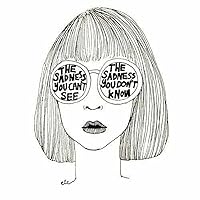
সৌন্দর্য যেখানে মুখ্য, রূপের জয়জয়কার যেখানে সর্বত্র, এরকম এক চিরায়ত পৃথিবীতে লাচিদের মনের খবর কেই বা রাখে, তাদের মর্জি ইচ্ছে অনিচ্ছের দাম ক'জনই বা দিতে পারে?

July 17, 2024
Krishan Chander is the great Urdu fiction writer and this novel shows why he's considered great Urdu fictional stories writer.
Aik Aurat Hazar Dewany is the story of Lachi, the protagonist of the novel. This novel revolves around Lachi and we're shown that how and why women suffers in colonial societies especially when women belongs to minority class. Lachi is gypsy lived by railway station. Like all the gypsies girl, she begs to fulfill her task that is given to her by her family males.
According to Krishan Chander gypsies expect their women and girls to earn money, they don't care by which means money come they're only concerned with money. If a woman or a girl earn money by selling her body she's good to gypsies because she knows and understands her duty to earn money. Lachi, whi is exceptionally beautiful girl, is expected by her mother and step father to sell her body to earn money. They believe that she'll earn more money than other gypsies' girls because of her beauty and attractive figure. Albeit Lachi lives and born to Gypsy family yet she's different mind than other gypsies' women. She wants respect rather than money, she desires for her home with husband than lying with her customers. She is by no way fit into her society which ultimately brings her downfall.
Her father loses her mother and her in a bet to another gypsy man, who then exploits her to sell her physical features to attract customers. Lachi is sold multiple time to different gypsy men and all of them expect her to earn money. This shows male attitude toward femal in patriarchal settings. A colonial writer tightly says "wonen in colonized society are double colonised". Lachi is example of such colonization.
Gul, a usherer son, falls in love with her and Lachi unlike other men doesn't hate Gul. Soon they began to plan about creating their own family but all her planned shattered for moment when Gul's father learned about their relationship and kick him out of home that he'll never allow a gypsy into his home. Later Gul's father asked Lachi to marry him and leave his son. This shows double face of people.
Before the end when Gul is sent back to Pakistan because he fails to get citizenship and Lachi is imprisoned because she kills a gypsy man who tries to marry her by paying her father money. Gul and Lachi lost contact and meanwhile Lachi became ill which is later discovered as smallpox. After treatment she's recovered but she's totally disfigured. Now people evades her who falls for her at first sight. Gul reached her back after getting citizenship and when he learnt that Lachi is transformed into something not attractive he begins to novels ways to run away from her. Lachi is happy that Gul is back, Gul is regretting now. At the end he leaves her by telling that he gets job in another city and soon she'll also called by him there. But he never returns nor he sent her any letters about her job. Lachi begins to beg on railway station with the assistance of her crutches.
I was stunned by Gul reaction towards her transformation. He loved her not her body so why he left her?
Aik Aurat Hazar Dewany is the story of Lachi, the protagonist of the novel. This novel revolves around Lachi and we're shown that how and why women suffers in colonial societies especially when women belongs to minority class. Lachi is gypsy lived by railway station. Like all the gypsies girl, she begs to fulfill her task that is given to her by her family males.
According to Krishan Chander gypsies expect their women and girls to earn money, they don't care by which means money come they're only concerned with money. If a woman or a girl earn money by selling her body she's good to gypsies because she knows and understands her duty to earn money. Lachi, whi is exceptionally beautiful girl, is expected by her mother and step father to sell her body to earn money. They believe that she'll earn more money than other gypsies' girls because of her beauty and attractive figure. Albeit Lachi lives and born to Gypsy family yet she's different mind than other gypsies' women. She wants respect rather than money, she desires for her home with husband than lying with her customers. She is by no way fit into her society which ultimately brings her downfall.
Her father loses her mother and her in a bet to another gypsy man, who then exploits her to sell her physical features to attract customers. Lachi is sold multiple time to different gypsy men and all of them expect her to earn money. This shows male attitude toward femal in patriarchal settings. A colonial writer tightly says "wonen in colonized society are double colonised". Lachi is example of such colonization.
Gul, a usherer son, falls in love with her and Lachi unlike other men doesn't hate Gul. Soon they began to plan about creating their own family but all her planned shattered for moment when Gul's father learned about their relationship and kick him out of home that he'll never allow a gypsy into his home. Later Gul's father asked Lachi to marry him and leave his son. This shows double face of people.
Before the end when Gul is sent back to Pakistan because he fails to get citizenship and Lachi is imprisoned because she kills a gypsy man who tries to marry her by paying her father money. Gul and Lachi lost contact and meanwhile Lachi became ill which is later discovered as smallpox. After treatment she's recovered but she's totally disfigured. Now people evades her who falls for her at first sight. Gul reached her back after getting citizenship and when he learnt that Lachi is transformed into something not attractive he begins to novels ways to run away from her. Lachi is happy that Gul is back, Gul is regretting now. At the end he leaves her by telling that he gets job in another city and soon she'll also called by him there. But he never returns nor he sent her any letters about her job. Lachi begins to beg on railway station with the assistance of her crutches.
I was stunned by Gul reaction towards her transformation. He loved her not her body so why he left her?

April 6, 2015
This book's original was published in 1960. I find this book still current today. It speaks about social inequality, about gender inequality etc. but to me it's all about strive for freedom, for the right to make your own decisions, to be your own person and simple joys in life (love, family). Unfortunately, this book also shows humans in all their glory and it's not pretty.
As Judge Judy says: "Beauty fades, dumb remains."
I personally believe that the author tried very hard to educate the reader on different issues that I think is admirable. Clearly Krishan Chander was way ahead of his time and is still current today. More people should read this book.
As Judge Judy says: "Beauty fades, dumb remains."
I personally believe that the author tried very hard to educate the reader on different issues that I think is admirable. Clearly Krishan Chander was way ahead of his time and is still current today. More people should read this book.

January 1, 2023
دل کو چھو جانے والی تحریر ہے۔ محبت کے جذبے کی خوبصورتی اور شدت، معاشرے کی تاریکی اور گندگی کو انتہائی خوش اسلوبی سے بیان کیا گیا ہے۔ آج بھی نہ ہی محبت کی خوبصورتی اور شدت، نہ ہی معاشرے کی تاریکی اور گندگی میں کوئی کمی ہوئی ہے۔
سال کی شروعات کرشن چندر کے اس بہترین ناول سے ہوئی ہے۔ امید ہے سال بھر اسی طرح کی کتب پڑھنے کا موقع ملے گا۔
سال کی شروعات کرشن چندر کے اس بہترین ناول سے ہوئی ہے۔ امید ہے سال بھر اسی طرح کی کتب پڑھنے کا موقع ملے گا۔
Displaying 1 - 23 of 23 reviews