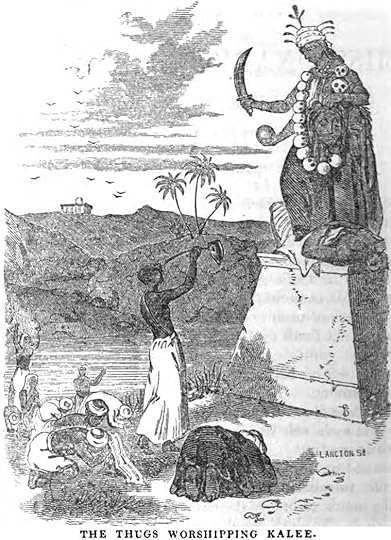
Philip Meadows Taylor's Confessions of a Thug (1839) is the most influential novel about India before Kipling's Kim and was one of the best-selling crime novels of the nineteenth century. In the course of a confession to a white 'sahib' the imprisoned Ameer Ali recounts his life as a devoted follower of Thuggee, a secret religious cult practising ritual mass murder and robbery. Taylor uncovered evidence of the crimes committed by bands of Thugs as a Superintendent of Police in India during the 1820s. Introducing a new standard of ethnographic realism to western fiction about India, Confessions of a Thug is a strikingly vivid, chilling and immensely readable thriller. This unique critical edition makes available a fascinating and significant work of Empire writing.
Colonel Philip Meadows Taylor CSI, an Anglo-Indian administrator and novelist, was born in Liverpool, England. At the age of fifteen he was sent out to India to become a clerk to a Bombay merchant. The merchant was in financial difficulties, though. In 1824, Taylor gladly accepted a commission in the service of the Nizam of Hyderabad, to which service he remained devotedly attached throughout his long career. He was speedily transferred from military duty to a civil appointment, and in this capacity he acquired a knowledge of the languages and the people of southern India which has seldom been equalled. He studied the laws, geology, and the antiquities of the country, being one of the foremost early experts on megaliths. He was alternately judge, engineer, artist, and man of letters.
A fascination account of Thug Ameer Ali who in early 18th century was involved in murder of 719 people. Thughee was a prevalent practice in those times and general lawlessness and involvement of local rulers ensured many of Thugs were never caught. We also get to understand the ruthless attacks of the Pindarees and how village after village used to be destroyed by these barbarians.
I wouldn't say I 'liked' it as much as I found it useful as a historical document. As scholar Parama Roy and others have argued, the cult of Thuggee was a figment of the British imagination. And here we have the text that popularized the figure of the Thug. The Thug served as a pretext for the nascent colonial administration to build a whole infrastructure devoted to eradicating this criminal fraternity. Through the Thug, the British were able to justify their own imperial designs: since none of the so-called Thuggee victims were British, the British were protecting the natives from each other. This version of history was then treated as fact. Transcripts of thug approvers (men who were pardoned for providing testimony about this fictional cult)became official documents in the colonial archive along with reports by Col Sleeman, who built his career on identifying and capturing members of the cult. The book is unintentionally comic. The eating of 'goor' by the Thugs is described as a chilling celebration of their murderous activities. 'Goor' or jaggery (panela or piloncillo in Spanish)is basically unrefined sugar that many people, especially the poor, eat for energy and because it tastes good with roti or in various dishes. The idea that eating goor is evidence of a crime would be analogous to making the consumption of corn on the cob a proof of murderous intent in the US. But the ignorance of the author's intended readership aided him in presenting this ridiculous notion as a fact. One other detail worth exploring is how this novel shows the Western fascination with the criminal mind. The author doesn't describe the Thug from a distance. Instead, he is a dashing but dangerous figure. It made me think of video games today like Grand Theft Auto that want to act out violent crimes as a form of pleasure. And then there is the word 'thug' which comes from India and how it has traveled to the US and is now used in 'thug life.' Read this book but with a large grain of salt. Or goor.
A fascinating read which narrates the chilling tale of the cult of 'Thuggee' in the form of a crime thriller.
While there maybe contrasting opinions and arguments about the historic truth about the cult and the cult being a fictitious invention by the British, this novel from Meadows Taylor presents the reader with a spine-tingling tale of crime which is exciting and chilling at the same time. The author presents detailed accounts about the practice of Thuggee and the cult through the perspective of an anti-hero named 'Ameer Ali', a captured Thug who is in jail.
One thing i found interesting about the book is the style of narration by the author. He tells the tale without any interruptions or judgments from his own viewpoint and lets the story flow with great pace from the views of 'Ameer Ali', which gives this book an illusion of authenticity as a historical narrative.
Note: This book is really chilling in its descriptions of the the crimes conducted by the cult...
A print copy of this book maybe a bit difficult to procure.
উইলিয়াম হেনরি স্লিম্যান। ক্যাপ্টেন স্লিম্যান নামে পরিচিত এই ব্রিটিশ অফিসার ঠগী দমন শাখার এক শক্তিশালী কর্ণধার ছিলেন। ১৮৩৫ নাগাদ এনারই হাতে ধরা পরেন কুখ্যাত ঠগী সৈয়দ আমির আলী। আমির আলীর বিচারকালীন জবানবন্দি নথিভুক্ত হয় এবং তারই ভিত্তিতে ফিলিপ মিডোস টেলার লেখেন একদা বিখ্যাত - Confessions Of A Thug..অধুনা দুষ্প্রাপ সেই বইএর দুটো বাংলা অনুবাদ পাওয়া যায়। সুচেতনা প্রকাশনার অনুবাদটাই ভালো লাগে বেশী।
ক্যাপ্টেন স্লিম্যানের সহকারি ছিলেন ভবানীচরণ বন্দোপাধ্যায়ের দাদু।ইনি ঘোর শাক্ত মানুষ ছিলেন ব্যাক্তিগত জীবনে এবং কাজের সূত্রে সস্ত্রীক স্লিম্যানের সাথে ঠগী ধরতে বহু জায়গায় ঘোরেন। এনার স্ত্রী অর্থাৎ নিজের ঠাকুমার কাছে মানুষ হন ভবানী। ঠগীদের ইষ্টদেবীর নামেই শুধু নয় ঠাকুমা আরও নানা ভাবে এনার মানসে প্রভাব রেখেছেন তা বোঝা যায় ওনার জীবনের ঘটনাগুলো প্রণিধান করলেই। অত্যন্ত বর্ণময় চরিত্র ভবানী ক্যাথলিক,ব্রাহ্ম নানা ধারায় ঘুরেছেন ঘোরতর হিন্দু সামাজিক কাঠামোয় থেকেও।লাহোর থেকে পত্রিকা বার করেছেন।শান্তিনিকেতনে গিয়েছেন শুরুর দিকে।রবীন্দ্রনাথকে গুরুদেব নাম দিয়েছেন।চার অধ্যায়ের প্রথম সংস্করণে রবীন্দ্রনাথ জানিয়েছিলেন যে ইন্দ্রনাথের আদল ব্রহ্মবান্ধবকে বেস ধরেই। বিবেকানন্দের সহপাঠীও ছিলেন ইনি কলেজে। ভয়ানক জাতীয়তাবাদি কাগজ 'সন্ধ্যা' ছেপেছেন বাংলায়।পুলিশের হুমকিও খেয়েছেন বিস্তর। বাংলা বিপ্লববাদে নবাগতদের শাখা ভবনে ভবানীদেবীর পুজো প্রচলনের পেছনে ভবানীবাবুর অস্তিত্ব অনুভব করি। আমরা ওনাকে ব্রহ্মবান্ধব উপাধ্যায় নামেই চিনি। এই ভাবেই দেখুন ঠগীদের ইতিহাসের সাথে বাংলার বিপ্লববাদের একটা অদ্ভুত যোগাযোগ তৈরী হয়ে রইল।এবং রবি-নরেনেরও।মাধ্যমটা হলেন এই ভবানীবাবু। এখন নিউআলিপুর পেট্রলপাম্পের লাগোয়া এক গলির নাম ব্রহ্মবান্ধবের নামে। এই বই পড়ে ওই দিকে গেলে নিশ্চয়ই একটু গা ছমছম করতে পারে এবার থেকে...
১৭ আর ১৮ শতকের দিকে বাংলাসহ উত্তর ভারতে ত্রাসের রাজত্ব কায়েম করেছিল। তারা যত মানুষ হত্যা করেছে, পৃথিবীর ইতিহাসে তা নজিরবিহীন। কেবল ১৮৩০ সালেই ঠগীরা প্রায় ৩০,০০০ মানুষ হত্যা করেছে। ১৯ শতকের দিকে যেসব ঠগি ধরা পড়ে, তারা অন্যান্য ঠগিদের ধরিয়ে দেওয়ার জন্য রাজসাক্ষী হিসেবে কাজ করা শুরু করে, বইয়ের মূল নায়ক আমির আলি তাদেরই একজন। আমির আলি তার দস্যুজীবনে নিজ হাতে ৭১৯ জন মানুষকে খুন করেছে। কী? শুনে অবাক হচ্ছেন? অবাক হওয়ার কিছু নেই, বইটি পড়লেই জানতে পারবেন যে সে এক বিন্দুও বাড়িয়ে বলেনি৷ 'ঠগির জবানবন্দি' বইটিতে উঠে এসেছে কীভাবে আমির আলির পরিবারকে এক ঠগিই নিঃশেষ করে দিয়েছিল, আবার সেই ঘাতক ঠগিই আমির আলিকে নিজ সন্তানের মতন লালন করে একজন দক্ষ ঠগি হিসেবে তৈরি করেছে। অনুবাদের বই পড়ার সময় মনটা একটু খচখচ করে, তবে বইটা পড়ার সময় একটুও একঘেয়েমি পেয়ে বসেনি, পড়ার সময় মনে হচ্ছিল সবকিছু যেন নিজের চোখের সামনেই ঘটা৷ বইটা পড়লে ঠগিদের সম্পর্কে বিস্তারিত অনেক কিছুই জানা যাবে।
'ঠগি' সম্পর্কে প্রথম জানতে পারি 'প্রথম আলো'র একটা প্রতিবেদনের মাধ্যমে। অনেক বছর আগে পড়েছিলাম, পুরো কাহিনি সেভাবে মনেও নেই। সেখান থেকে জানতে পেরেছিলাম এই উপমহাদেশে সপ্তদশকের শেষ দিকে বেশ কিছু অঞ্চলে ভয়াবহ রকমের অস্থিরতা তৈরি হয়৷ হাজার হাজার লোক পথ চলতে যেয়ে হঠাৎ করেই হারিয়ে যেত৷ যেই রাস্তা দিয়ে তারা যেত, সেখানে কোনোধরণের রক্তপাতের চিহ্নও পাওয়া যেত না। বলা হয়ে থাকা বিশ্বের সবচেয়ে ভয়ংকরতম গোপন খুনিদের দল এই ঠগিরা। ঠগিরা ছিল ভারতবর্ষের একটি বিশেষ শ্রেণীর খুনী সম্প্রদায়। এদের মতন নিষ্ঠুর আর নিপুণ খুনীর দল পৃথিবীতে শুধু নয়, ইতিহাসেই বিরল।
প্রাচীনকাল থেকেই গোটা ভারতবর্ষ অনেকগুলো খণ্ড-খণ্ড রাজ্যে বিভক্ত ছিল, ফলে সব রাজ্যকে একসাথে আইনের আওতায় আনাও যেত না। একেক রাজ্য একেক খেয়ালের শাসক দ্বারা নিয়ন্ত্রিত হতো। তাছাড়া পথঘাটের নিরাপত্তা ব্যবস্থাও ভালো ছিল না৷ ফলে চলার পথে একদল পথিকের সাথে আরেক দল পথিকের দেখা হয়ে গেলে সাত-পাঁচ ভাবা ছাড়াই মিশে যেত তাদের সঙ্গে৷ আর এ অবস্থার সুযোগ নিয়েই ঠগিরা সন্তপর্ণে তাদের কাজ শেষ করতো৷ কারণ তারা চলত দলবেঁধে। কখনো ব্যবসায়ী, কখনো তীর্থযাত্রী, আবার কখনো সৈনিকদের বেশে চলত। চেহারায়, পোশাক-আশাকে আর দশজনের সঙ্গে মোটেই তাদের পার্থক্য করা যেত না। তাদের সাধাসিধে মুখ দেখলে কেউ ঘুণাক্ষরেও কল্পনা করতে পারত না এরা এমন ঠান্ডা মাথায় খুন করতে পারে।
১৩৫৬ সালে ঐতিহাসিক জিয়াউদ্দীন বারানি লিখিত ‘ফিরোজ শাহর ইতিহাস’ গ্রন্থে ঠগিদের কথা প্রথম জানা যায়। এই ঠগি শ্রেণীর মানুষেরা উত্তর ভারতে তাদের কার্যক্রম শুরু করে। এরপর বহু শতাব্দী ধরে বংশ পরম্পরায় তাদের এই কর্মকান্ড চালাতে থাকে। এরা ছদ্মবেশে ঘুরে বেড়াতো, পথে যাত্রীদের সঙ্গে বন্ধুত্ব করতো। তারপর সময় সুযোগ বুঝে যাত্রীদের মেরে ফেলে সবকিছু লুট করতো।
তবে সবচেয়ে আশ্চর্যজনক ব্যাপার হচ্ছে তারা কিন্তু ঢাল-তলোয়ার কিংবা তীর-ধনুক নিয়ে আক্রমণ করতো না। তারা আক্রমণ করতো এক টুকরো রুমালের মধ্যে রূপার মুদ্রা পেঁচিয়ে। একবার গলায় পরলে সে ফাঁস থেকে নিস্তার পাওয়ার সাধ্য ছিল না কারও। রক্তপাত ছিল ঠগিদের মধ্যে পুরোপুরি নিষিদ্ধ।
'ঠগ' একটি সংস্কৃত শব্দ যা থেকে ঠগি শব্দটি এসেছে। শাব্দিকভাবে এর অর্থ ধোঁকাবাজ, প্রতারক। বাংলা অভিধানে ঠগি বলতে বিশেষ শ্রেণীর এক দস্যু দলকে বোঝায় যারা পথিকের গলায় রুমাল বা কাপড় জড়িয়ে হত্যা করে।
বইটি থেকে জানা যায়, ঠগিরা সবসময় দল বেঁধে চলাচল করতো। বেশিরভাগ সময়েই তারা বিদেশি বণিক, তীর্থযাত্রী কিংবা সৈনিকের ছদ্মবেশে ভ্রমন করত। এদেরই লোকজন গোপনে বাজার কিংবা সরাইখানা থেকে পথযাত্রীদের সম্বন্ধে যাবতীয় তথ্য যোগাড় করত। তারপর যাত্রীদের সঙ্গে মিশে যেত। নানানরকম গল্প, গান বাজনা, খাবারের ব্যবস্থা করার মাধ্যমে তারা তাদের শিকারের বিশ্বাস অর্জন করতো৷ আর তখনই আসতো সর্দারের হুকুম। সর্দারের নির্দেশ পাওয়া মাত্রই যাত্রীদের ওপর ঘটতো নির্মম হত্যাকাণ্ড। একজন যাত্রীকে খুন করত তিনজনের একটি দল। একজন মাথা ধরে রাখত,অন্যজন ফাঁস পরাত, আরেকজন পা চেপে ফেলে দিত। কেউ পালিয়ে গেলেও রক্ষা নেই, ঠগীদের অন্য দলটি কাছেপিঠেই ওত পেতে থাকত।
বিজয়া দশমীর দিনকে ধরা হতো ঠগিদের জন্য সবচাইতে শুভদিন৷ ওইদিনই তাদের দীক্ষানুষ্ঠানের আয়োজন করা হতো৷ যদিও ঠগিদের মধ্যে হিন্দু-মুসলিম উভয় ধর্মাবলম্বীর মানুষেরা ছিল, তবে তাদের একটা সাধারণ ধর্মবিশ্বাস ছিল। ঠগিরা সবাই ছিল মা ভবানী বা কালীদেবীর উপাসক। তাদের মধ্যে হিন্দু, মুসলিমসহ অনেক ধর্মের লোক ছিল। তারা বিশ্বাস করত, তারা যা করছে সব দেবীকে সন্তুষ্ট করার জন্য। অদ্ভুত সব কুসংস্কারও ছিল তাদের। যেমন রওনা হওয়ার আগে কোদাল মন্ত্রপূত করা, ঘুঘু, গাধা বা প্যাঁচার ডাকের জন্য অপেক্ষা করা। তাদের মতে এই কাজে কোনো পাপ নেই। দীক্ষানুষ্ঠানে দীক্ষাপ্রাপ্ত ঠগির হাতে ছোট একটা খন্তা তুলে দেওয়া হয়, যেটা তাদের পেশার পবিত্র চিহ্ন। এরপর তাকে পবিত্র গুড় খেতে দেওয়া হয়। তাদের মতে, যে একবার এই গুড় খাবে, সে ঠগি হয়ে যাবে।
তবে ঠগিরা সবাইকে হত্যা করতো না। কিছু গোত্রের ব্যক্তিদের হত্যা করলে নাকি সেই বলি দেবী গ্রহণ করেন না। সেই গোত্রগুলো হচ্ছে: ধোপা, ভাট, শিখ, নানকশাহী, মুদারি ফকির, নাচিয়ে, গায়ক, ভাঙ্গি, তেলি, লোহার, বুরেশ, পঙ্গু ও কুষ্ঠরোগী৷
ঠগিদের নিজেদের মধ্যেই দক্ষতা ও অভিজ্ঞতার ভিত্তিতে শ্রমবিভাজন করা হতো। যেমন: 'সথা'রা হলো মিষ্টি কথায় পটু ঠগি৷ ওরা নানা ছলাকলায়, মিষ্টি কথায় ভুলিয়ে-ভালিয়ে নিরীহ পথিককে দলের বাকিদের কাছে নিয়ে আসে। যারা ফাঁসুড়ের কাজ করে, তাদেরকে বলা হয় 'ভুট্টোটি'। যাদের কাছে টাকাপয়সা জমা রাখা হয়, তাদেরকে বলা হয় 'জমাদার'। পুলিশের গতিবিধি নজরে রাখতো যারা তাদেরকে বলা হতো ‘তিলহাই’, তারা দল থেকে খানিকটা পিছনে থাকত। নিরাপদ জায়গা দেখে তাঁবু গড়ার দায়িত্ব থাকত ‘নিসার’দের উপর। কবর তৈরি করারে দায়িত্ব যার তাকে বলা হতো ‘বিয়াল’। শিকারকে যে ধরে রাখবে তাকে বলা হতো ‘চামোচি’।
এই ঠগিরা নানা সাঙ্কেতিক ভাষায় নিজেদের মধ্যে কথা আদান প্রদান করতো। যেমন- ‘বাসন মেজে আনার কথা’ বলার মধ্য দিয়ে সর্দার তার এক ঠগিকে কবর তৈরি করার নির্দেশ দিত। ‘ঝিরনি' শব্দে হত্যার প্রস্তুতি আর ‘তাম্বাকু লাও’ শব্দের মাধ্যমে হত্যার আদেশ দেয়া হতো। এই নির্দেশ পাওয়া মাত্রই মুহূর্তের মধ্যে ফাঁস জড়ানো হতো শিকারের গলায়।
বছরের সব সময় তারা খুন করত না। এমনিতে তারা সাধারণ গেরস্তের মতোই জীবনযাপন করত। বিশেষ একটা সময় এলেই বাড়ি ছেড়ে বেরিয়ে যেত। আর দল ভারী করত বংশপরম্পরায়। ঠগির ছেলেকেও সে নিয়ে আসত এই পেশায়। তবে সেটা সাবালক হওয়ার পর। তার আগ পর্যন্ত তাকে দলে রাখা হতো কিন্তু কিছু করতে দেওয়া হতো না।
এ রকম যে ভয়াবহ একটা গুপ্ত সংগঠন আছে, সেটা ব্রিটিশ সরকার প্রথম জানতে পারে ১৮১২ সালে। গঙ্গার ধারে একটা গণকবরে পাওয়া যায় ৫০ জনের লাশ। তাদের সবার হাড়ের সন্ধিস্থল ভেঙে দেওয়া। এর পরেই আসলে টনক নড়ে সরকারের। কাকতালীয়ভাবেই ঠগিদের একটা দলের সন্ধান পেয়ে গিয়েছিলেন কর্নেল উইলিয়াম স্লিম্যান নামের এক ইংরেজ রাজকর্মচারী। ১৮৩০ থেকে ১৮৪১ সালের মধ্যেই প্রায় তিন হাজার ৭০০ ঠগি ধরা পড়ে। তাদের প্রায় সবাইকে পরে ঝুলতে হয় ফাঁসিতে, যে ফাঁস দিয়ে তারা মেরেছিল লাখ লাখ পথিককে।
তারপর ১৮৩০ সালে স্লিম্যান গুপ্তচরদের দক্ষতায় ঠগিরা দলে দলে ধরা পড়তে থাকে। এদের কারো কারো মৃত্যুদণ্ড, কারো যাবজ্জীবন জেল, কারো বা দ্বীপান্তর দিয়ে এদের দমন করতে সক্ষম হন। বাকি যারা ছিল তারা ভয়ে পেশা পরিবর্তন করতে বাধ্য হয়। ফলে ভারতবর্ষ ঠগি মুক্ত হয়। এরপর শুরু হয় তাদের বিচারপর্ব এবং সেখানে উঠে আসে তাদের নানা অজানা রোমহষর্ক কাহিনি। বাহরাম বলে এক নিষ্ঠুর ঠগীর নিজের স্বীকারোক্তি অনুযায়ী ৯৩১ জন মানুষকে সে খুন করেছিল বলে দাবি করে এবং পরবর্তীতে ঐ নাম গিনেস বুক অব রেকর্ডে ওঠে!
পুরো বইটা পড়লেই ঠগিদের সম্পর্কে আরো অনেক কিছুই জানা যাবে। কীভাবে তারা তাদের অভিযানগুলো চালাতো, কীভাবে তারা তাদের শিকার ধরে আনতো এবং এক নিমিষেই মৃতদেহগুলো লুকিয়ে ফেলতো। এত বড় রিভিউ লিখতে আমার ভালো লাগে না, তবুও বইটা পড়ার পর মনে হলো এই বইয়ের ব্যাপারটা সবার সাথে শেয়ার করা দরকার। বইটা পড়ে দেখতে পারেন, আশা করি আপনাদের সবার ভালো লাগবে 😁
Dieser in Deutschland nie angekommener Roman eines britischen Offiziers über die Thuggee Banden in Indien empfand ich durchgehend eher als historisches Zeugnis wertvoll, mehr aber auch nicht. Als Roman verfasst beteuert der Autor gleich zu Anfang aber seine Aufrichtigkeit und Ehrlichkeit im Umgang mit dem Stoff, dem ihm ein gefangener Thug über sein ganzes Leben anvertraute.
Insofern fand ich beim Lesen dieser Geschichte alles durchaus authentisch, obgleich die Geschehnisse wiederum wenig überraschendes bieten; die Schilderung dieser extrem großen religiösen Gruppe die in ganz Indien mordete und raubte entpuppt sich als wenig lehrreich für jene wie mich die mehr über ihre Sitten und Gebräuche lernen wollte. Ich erwartete etwas mehr Einblick in die indische Seele, doch gerade dies war eher spärlich. Man verfolgt die Thugs bei ihren Tätigkeiten; diese enthalten naturgemäß Gewalt, Verrat und Intrigen. Gewiß erhält man auch etwas Einsicht in das Weltbild der Hindus die glauben dass im Universum zwei Kräfte herrschen; das schöpferische und das zerstörerische und die Thugs glaubten sie müssten für letzteres arbeiten. Die hinduistische Göttin Kalli symbolisierte für sie eben genau diese zerstörerische Macht. Interessant empfand ich indessen dass es unter den Thugs auch viele Muslime gab die behaupteten, dass diese Weltsicht der islamischen Lehre nicht diametral entgegensteht, sondern sie viel mehr komplettiere.
Doch entgegen allem Hollywood Schwindel in einem Film wie "Indiana Jones: The temple of doom" waren die ritualen Morde keineswegs so blutrünstig und bestialisch, sondern meistens sehr schlicht; die Opfer wurden in eine Falle gelockt, stranguliert, beraubt, begraben und Feierabend. Gleichwohl dürfte die Opferzahlen in die Hunderttausende gehen, besonders wenn man bedenkt wie viele Jahrhunderte die Thugs in Indien aktiv waren. Oft genoßen sie gar die Unterstützung innerhalb der normalen Bevölkerung, ohne die sie gar nie so lange hätten aktiv sein können.
An dieser Stelle dürfte es interessant sein die tiefgreifende Verknotung dieser religiösen Sekte innerhalb der Inder zu erwähnen; an einer sehr aufschlussreichen Stelle wird der tiefsitzende Grundzug der Inder erwähnt nach der man erklären könnte, wieso Indien auch heute noch so extrem verschmutzt ist: der Glaube an das Gleichgewicht zwischen Schöpfung und Zerstörung muss in der Volksseele aufrecht erhalten worden sein. Dieser Grundzug, also ein natürlicher Drang zum chaotischen wäre wohl laut einigen Thugs durchaus auch außerhalb ihrer Bande überall vertreten.
Zieht man zudem in Betracht, dass es in Indien niemals öffentliche Verkehrsmittel gegeben hat (da sowohl der Mangel an Straßen als auch die Gewohnheiten und Bräuche der Inder ihrer Nutzung gleichermaßen entgegenstanden); dass Reisen - ungeachtet ihrer Länge - zu Fuß oder zu Pferd zurückgelegt werden müssen; dass sich Reisegruppen, deren Mitglieder einander zuvor völlig fremd waren, zum Zwecke der gegenseitigen Sicherheit und Gesellschaft zusammenschließen mussten; dass selbst die Hauptverkehrswege (mit Ausnahme jener, die von der Regierung für militärische Zwecke angelegt wurden) lediglich aus Pfaden bestehen, die durch das ständige Passieren von Menschen entstanden sind - oft durch Wälder, Dschungel sowie bergige und unerschlossene Gebiete führend, in denen es nur wenige Dörfer und eine spärliche Bevölkerung gibt; und dass sich zwischen den einzelnen Dörfern, die oftmals etliche Meilen voneinander entfernt liegen, niemals irgendwelche Behausungen finden: so wird man unschwer einräumen müssen, dass sich Plünderern jeglicher Couleur hier jede nur denkbare Verlockung und Gelegenheit bietet, Reisende zu ihrer Beute zu machen.
Es entsteht beim Lesen dieses Romans leicht der Eindruck dass ein Großteil der Inder von Natur aus wenig Sinn für Ästhetik und wirkliche Kunst besitzen und dass selbst ihr Sinn für das Zweckmäßige nur auf das Allernächste beschränkt ist. Schaut man sich viele indische Städte heute an und hört man sich indische Kritiker an ist man leicht verleitet dasselbe zu glauben. Viele behaupten jedoch dies sei eine rein westliche, imperialistische Sicht der Dinge. Wie dem auch sei, der Roman ist durch und durch mittelmäßig geschrieben, enthält hier und da durchaus aufschlussreiches, aber auch viele Wiederholungen und wenig überraschendes. Dass es aber im viktorianischen England eine große Resonanz fand dürfte anhand der geschilderten Ereignisse, sowie der wenigen Sitten und Gebräuche durchaus verständlich sein.
I DIDN'T CHOOSE THE THUG BOOK, THE THUG BOOK CHOSE ME.
(Oh come on, you knew it was coming.)
No, this isn't any sort of Glock-heavy tell-all. It's a bit older than that, though it is one of the earliest places where the term is used. So that Tupac tatt kinda began here. Also, it was a blockbuster piece of ethnographic fiction - the main character is a composite of several killers - and it boasted Queen Victoria as a fan. So now you've got the image of QV eagerly devouring strangling lit to get out of your brain.
I've seen some other reviews of this work become hung up on the fact that the lexicon is faintly biblical. If you're going to read this thing, it's probably worth remembering that it was published in 1839, and so it's not going to have the same electric zap as an Ellroy. Discounting the clunkiness of some of the phraseology, the work has a fair amount of forward momentum. It presents as a record of tales told the nameless 'sahib' - I assume we're meant to believe it's Taylor - by Ameer Ali, an imprisoned adherent of the Thuggee cult. So you know - a murderer who specialises in strangulation, and worships Kali, while still having time for the odd spot of sugar.
Unusually for the time, Ali is given freedom of narrative. The story is his as much as it can be - remembering that the book is apparently a distillation of several actual criminals into one superstrangler by a colonist - and there's very few interjections from the listening boss-man. Ali's journey from crime-spared-child into a leader of murderous men is detailed, and while there's plenty of murder, it's not the only thing that's discussed in depth. There's a lot of info on strangulation, but there's more on fencing, on grave choosing, and on the management of men.
Ali's a jack of all trades, too. Rather than pursing murder as his sole gig, there's times where he's a trader, or a military leader, or a man working with the government in a position of trust. It's a more fulsome portrait than I'd expected, frankly, and it was a surprise to read how much emphasis was placed on the workings of the groups of men he was amongst: the interplay of different religions, different castes, and different histories. The way bravery and moustaches were approved, and the way bhung was looked down upon. In this social fossicking, Taylor creates a world that's vital, and intriguing - amidst all the gruesome neck snapping, that is.
The failing in the book, for me, is that once Justice Comes Into View, things start to bog down. You know how the people in the TV version of The Walking Dead keep falling into the same traps? Traps you'd think survivors of a zombie apocalypse would know to avoid, if only because they'd been snared in them before? Same thing. It feels like a set-up, which is where the illusion starts to flicker. The hand of the creator (literary, not divine) is too obvious at these times, as it is with a particular OHO NOW FATE HAS FUCKED WITH YOU! narrative element that comes home to roost later in the work.
It's disappointing, as up to that point, Ali seems a lot smarter than that. I mean, I guess it's bad to sympathise with a murderer for most of a book... but you'll find it's unavoidable. That's perhaps why the moments of dodgy construction stick out so much.
I've read that the word 'thug' can be translated roughly as a descriptor of roguish endeavours: rather than a religion of Kali worshippers - think Mola Ram in Indiana Jones And The Temple Of Doom, frankly - there's a leaning towards it being a descriptor of swindlers and highwaymen, instead of landing overly on the death-by-strangulation aspect. There's a school of thought that believes that the English inflated the danger of such a cult to enable the enactment of stricter controls on the populous. But then, there's also documented confessions and hundreds of unearthed bodies to support the idea that they did exist. But there's enough doubt to cloud my enjoyment of the work: it's hard to relax entirely into something when you're uncertain whether it's propaganda or not.
So, I enjoyed the book, but with qualifications. It's billed as a sterling example of Empire writing, which I imagine is true, but even the application of that name makes the content automatically suspect. It's hard to view the work - even though it was written by a sympathetic author (Taylor wrote a lot about India, and his archeological work there was lauded) - as anything other than The Raj Writes A Book. Yes, Ameer Ali has a lot of agency in the work, and yes, there's little consideration given to explaining the Thugs' vocabulary beyond an extensive guide to phrases in the back of the book - but it's difficult to disassociate the story at hand with the fact that it was written by someone in a position of comparative power over a land that was not his own.
It's worth a read, for sure - it's a piece of Victorian writing that snaps more than you'd expect, and is a lot more gruesome than you'd expect - but I feel I need to counterbalance it with some more considered history of the supposed cult. Is it a definitive history? No, but I don't think it tries to be. It's lurid and aims to shock the (inherently English?) reader - and despite its age, does so admirably.
ঠগীসর্দার সৈয়দ আমীর আলির রোমাঞ্চকর (অথবা লোমহর্ষক) অভিযানের সুদীর্ঘ বয়ান ও কর্নেল উইলিয়াম হেনরি স্লিম্যানের দেওয়া তথ্য অবলম্বনে ১৮৩৯ সালে ফিলিপ মিডোজ টেইলর প্রকাশ করেছিলেন তাঁর বিখ্যাত বই ''কনফেশন অফ আ ঠাগ"। সেই বইটার অনুবাদ ঠগির আত্নকথা। মীরসাহবের এই ভয়াবহ স্বীকারোক্তির পরে তখন গোটা দেশে তোলপাড় শুরু হয়েছিল। আর হবেই না কেন? আমির আলীর ভাষ্যমতে সে একাই সাতশো উনিশজন মানুষের গলায় রুমালের ফাঁস দিয়ে খুন করেছে। সমস্ত সাক্ষ্য-প্রমাণও বক্তব্যর সত্যতা ইঙ্গিত দেয়। নিছক লুটপাতের উদ্দেশ্য এমন নির্বিকার খুনোখুনির নজির ইতিহাসে বিরল। পরিসংখ্যান মতে, বছরে প্রায় চল্লিশ হাজার মানুষ ঠগিদের বুনিজ (শিকার) হত এবং সবচেয়ে অকর্মার ঢেঁকি ঠগীরর হাতে প্রাণ দিয়েছে কমসেকম কুড়িজন মানুষ।
পৃথিবীর ইতিহাস সাক্ষ্য দিবে কিনা জানি না, তবে উনিশ শতকে ভারত উপমহাদেশে ত্রাস সৃষ্টিকারী ঠগীরা ছিল দুর্ধর্ষতম ও নিষ্ঠুরতম খুনে সম্প্রদায়। ঠগীদের উৎপত্তি নিয়ে ঠিকঠাক তথ্য নেই। কিন্তু কয়েক শতাব্দী পিছিয়ে সপ্তম শতাব্দীতে নজর ফেরালে জানা যায়, বিখ্যাত চীনা বৌদ্ধ পণ্ডিত হিউয়েন সাং ৬২৯ থেকে ৬৯৫ খ্রিস্টাব্দে ভারত সফরকালে লুটেরাদের হাতে দেবী দূর্গার বলি (যদিও ঠগিরা মা ভবানীর উপাসক, তাই এই লুটেরারাই ঠগি কিনা তা প্রশ্নবিদ্ধ) হওয়া থেকে রক্ষা পান। দীর্ঘ বিরতির পর চতুর্দশ শতাব্দীতে ইতিহাসবিদ জিয়া-উদ-দিন বারানীর রচিত ''তারিখ-ই-ফিরোজশাহী'' গ্রন্থে ঠগী সম্পর্কে উল্লেখ আছে যে, জালালউদ্দীন খিলজীর আমলে হাজার ঠগীকে মৃত্যুদণ্ড সাজা শুনানোর পরে অজানা কারণে লক্ষনৌবতীতে নির্বাসিত করা হয়। এরপর পাকাপোক্তভাবে ঠগীদের কার্যালাপ সম্পর্কে জানা যায় ফরাসি পর্যটক জন থেভেনটের সফরনামায়। ঠগী দমনের মূল নায়ক উইলিয়াম স্লিম্যান নিজেও এই বই থেকে ঠগীদের ব্যাপারে বহু তথ্য সংগ্রহ করেন৷
ঠগিদের উৎপাতের অন্যতম কারণ ভাবা যায় ভারতবর্ষের জরাগ্রস্ত যোগাযোগ ব্যবস্থা। পথঘাটের বেহাল দশা এবং যানবাহন সংকটে সাধারণ মানুষ, ব্যবসায়ী বণিক, রোকারিয়া, তীর্থযাত্রীরা কয়েকশ মাইল যাত্রা করত পায়ে হেঁটে অথবা ঘোড়ার পিঠে। মাইলের পর মাইল জনহীন দুর্গম পথ বন-জঙ্গল, পাহাড়-নদী পার হলে জনবিরল গ্রামের দেখা মিলত। এইসব গ্রামে অপরিচিত পথিক দল জুটলেও পথে ডাকাতের আক্রমনের ভয়ে দলে ভেড়াত নিরাপত্তার খাতিরে। ঠগীরা এইসব মানুষজনের মধ্য নিতান্তই সাধারণভাবে মিলেমিশে থাকত। কোনো ভালো বুনিজের সন্ধান পেলে " সোথাই "কে পাঠাত কথার খেলায় বুলিয়ে শিকারকে দলের ভেতর টেনে আনতে। শিকার দলের খপ্পরে এসে পড়লে আগে আগে " বেলহা "কে পাঠিয়ে দিত খুনের স্থান/ কবর ( ঠগীদের রামসি ভাষায় ভিল) নির্বাচনের জন্য। তারপর ''লুগাই'রা আগেভাগে সেই স্থানে কবর খুঁড়ে রাখত এবং শিকারের পর দাফনের কাজ করত। পথিক দলের সাথে কয়েকদিন চলার পর বেলহার নির্বাচিত স্থানে এসে ঠগীসর্দার ঝিরনি ( আক্রমণের সংকেতবাক্য। যেমন; তাম্বাকু লাও) দিয়ে উঠত। সাথে সাথে ''ভূত্তোট''রা নিপুণ দক্ষতায় কিছুক্ষণের মধ্যই সবার গলায় রুমাল ফাঁস দিয়ে শিকার করত। তবে কেবলমাত্র নির্জন স্থানেই না, ঠগীদের দুঃসাহসিকতার প্রমাণ মেলে যখন ঠগী দমনের সময় কর্নেল স্লিম্যানে ব্রিটিশ সেনানিবাসের কয়েশক গজের মধ্যও কবর খুড়ে শতাধিক লাশ পেয়েছিলেন।
নিজস্ব ধর্মীয় বিশ্বাস এবং আচার-অনুষ্ঠান ঠগীদের অন্যান্য ডাকাত দল থেকে আলাদা আসনে প্রতিষ্ঠা করে। নিজেরা রামসি ভাষা কথা বলত এবং যাত্রাপথে বিভিন্ন পশু-পাখির ডাককে মা ভবারীর তরফ থেকে মঙ্গল-অমঙ্গল সংকেত হিসাবে বিচার করত। ঠগীদের বিশ্বাস মতে, মা ভবানীর সাথে দানব রক্তবীজের লড়াইয়ের সময় তার রক্ত থেকে নতুন নতুন দানব সৃষ্টির জন্য তাকে হত্যা করা সম্ভব হচ্ছিলো না। এরপর মা ভবানী ক্লান্ত হয়ে পড়লে নিজের শরীরের ঘাম থেক দুটো মানুষ তৈরি করে তাদের রুমাল দিয়েছিলেন রক্ত থেক দানব সৃষ্টি হওয়ার আগেই তা মুছে ফেলতে। এভাবে রক্তবীজকে হত্যা করে তার দেহটি কলকাতার কালীঘাটে মাটিতে পুঁতে দেন এবং মানুষ দুজনকে রুমাল দুটো দিয়ে মানুষ হত্যা করেই জীবিকা নির্বাহ করতে বললেন। তাই ঠগীরা খুনের সময় রক্তপাত পছন্দ করত না। হিন্দু অথবা মুসলিম সব ঠগী-ই ছিল মা ভবানীর উপাসক। ঠগীদের অন্যতম আচার ছিল অভিযানে বের হওয়ার আগে কোদালের পূজা করা। বইয়ের ঠগীদের এইসব ধর্মীয় আচার আচরণ নিয়ে তথ্যর পরিমাণ কম। রবিন জামান খানের "সপ্তরিপু" এবং শ্রীপান্থের "ঠগী" বইয়ে এইসব বিস্তার আলোচনা আছে।
সর্বোপরি 'ঠগির আত্নকথা' বইয়ে আমির আলীর বয়ানে ঠগীদের সাধারণ জীবন ও লোমহর্ষক অভিযান নিয়ে সুস্পষ্ট চিত্র পাওয়া যায়। কয়েক জায়গায় ঘটনাপ্রবাহের তাল মেলাতে লেখক কল্পনার জল মেশানোর কথা নিজেই স্বীকার করেছেন। জানা যায়, রাজা জমিদার ও গ্রামের প্যাটেলরা সমাজে ঠগীদের পরিচয় গোপন ও সামাজিক মর্যাদা বাবদ লুটের অংশের ভাগের পাশাপাশি মোটা অংকের খাজনা ভোগ করত। ব্রিটিশ সরকারে চোখে ঠগীবৃত্তি দেরিতে নজরে আসার এইটা অন্যতম কারণ। ঠগীদের পাশাপাশি নীতিহীন রক্তচোষা ডাকাতদল পিণ্ডারিদের ইতিহাস ও তাদের অমানুষিক অত্যাচারের কাহিনির বইয়ে বর্ণনা আছে। পেটমোটা বইটার অনুবাদ খুব পরিচ্ছন্ন ঠেকেছে। একটানা পড়তে কোথাও হোঁচট লাগেনি। তরতরিয়ে শেষ করা যায়।
ভারতবর্ষের কুখ্যাত খুনি সম্প্রদায় "ঠগী"। যার কথা কমবেশি সবাই জানে। এই জানার মধ্যেও অনেকটা অপূর্ণতা থেকে যায়, কারণ ঠগীদের সব কার্যক্রম হয়ে থাকে অত্যন্ত গোপনীয়তার সাথে। সেই অপূর্ণতাকে কিছুটা পূর্ণতা দিয়েছে এই বইটা। এটা মূলত একজন ঠগীর জীবনীগ্রন্থ। যেখানে লেখক ঠগী আমির আলির জীবনী লিখেছেন নিজের মতো করে। মাঝে মাঝে কাহিনীর প্রয়োজনে অল্পস্বল্প কল্পনার আশ্রয় নিয়েছেন। বইয়ের প্রতি পৃষ্ঠায় পাঠকের জন্য রেখেছেন দুর্নিবার আকর্ষণ। পড়া শুরু করার পর মনে হবে যেন পাঠক নিজেই ঢুকে গেছে ঠগীদের গোপন রাজ্যে, প্রত্যক্ষ করছে তাদের সবরকমের নৃশংসতা।
বরাবর এক বছর চেষ্টা করার পর শেষ করতে পারলাম। একইরকম ঘটনার পুনরাবৃত্তির কারণে একঘেয়েমি আসবেই। অপরাধীর নিজের জবানিতে বলায় ভয়ংকর ভয়ংকর অপরাধগুলোকে সে যেভাবে ন্যায় হিসেবে দেখানোর চেষ্টা করেছে বিরক্তিকর। সেবা'র সমালোচনা করতাম ক্লাসিক অনুবাদগুলোতে কাটছাঁট করে ফেলে বলে। এই বইটির পরতে পরতে মনে হয়েছে কাটছাঁট করা ভীষণ প্রয়োজন।
এক দুর্ধর্ষ ঠগির আত্মজীবনী এটি। তার জবানিতে উঠে এসেছে সারাজীবন ধরে করা নিকৃষ্ট সব অপরাধের ফিরিস্তি। ঠগিদের জীবনব্যবস্থা, ধর্মীয় দর্শন, তৎকালীন ভারতের ভৌগোলিক অবস্থা এসব সম্পর্কে মোটামুটি একটা ধারণা পাওয়া যায়। ধৈর্য ধরে একবার পড়া যায়।
সুন্দর সাবলীল রূপান্তরই শেষ পর্যন্ত ধরে রেখেছে। এজন্য অনুবাদককে ধন্যবাদ। লেখকের গদ্যশৈলীতে যথেষ্ট ঘাটতি আছে।
নির্মমতার,নিষ্ঠুরতার শেষ কথা ঠগী। হত্যাকে শিল্পের স্থরে নিয়ে আসা। কি নির্মম! কথায় কথায় মানুষ খুন।
পৈশাচিকতার রূপ শুধু বদলায়, ধরন বদলায়। কিন্তু এটা থামে না। চলতে থাকে। মানুষের বিবেক একবার যদি দূষিত হয়,একবার যদি বিপথগামী হয়,সেখানে সে মানুষ আর থাকে না।
ঝরঝরে অনুবাদ। এত বড় বই একই ছন্দ ধরে রেখে অনুবাদ করা খুবই কঠিন; এর জন্য ধৈর্য্য, দক্ষতা এবং ডেডিকেশন লাগে, যেটা এই অনুবাদকের আছে। কাজেই ২ দিনেই বই শেষ। ঠগিদের নিয়ে কিংবদন্তির শেষ নেই, এগুলোর সত্য-মিথ্যা যাচাই করা কঠিন। টেইলর নিজেও কিছু কল্পনা মিশিয়েছেন, আর যে কোন ব্রেইন ওয়াশড সাইকোপ্যাথের মতই সম্ভবত আমির আলিও অনেক কিছু বাড়িয়ে বলেছে। এর পরেও সে আমলের অরাজকতা, দুর্নীতি আর অত্যাচারের একটা পরিস্কার চিত্র পাওয়া যায়। শেষে গিয়ে মনে হয়, অবস্থা কি এখনো খুব একটা বদলেছে? হয়তো অপরাধের ধরণ বদলেছে, কিন্তু এখনো কি যার যা ইচ্ছা তাই করে পার পেয়ে যাচ্ছে না? শাসকদের সুবিধা দিয়ে নব্য ঠগিরাও কি মহা সুখে নেই?
Book is not entirely fictitious. I enjoyed it just because of its thrilling and continuous style of narration. I have an Urdu edition of this. I would like to praise expertise of the person, who crafted it into equally quality Urdu diction.
I just chose to write in English for foreign readers.
I must say, It will be felt boring and repetitious for a person who doesn't have knowledge about geography and customs of subcontinent in British Raaj. However native readers should read this book as upcoming Bollywood movie 'Thugs of Hindustan' is based on this novel. That will be refreshing experience to examine the movie on basis of its base, this novel. People who don't know, who thugs were ? are unaware of Subcontinent's one of deadliest and dark truths which carries its roots since early 14th century. Thuggee was shockingly firm brotherhood of two separate religious ideologies that Muslims and Hindus both had same sides on this. Their secret jargon "Ramasi" was subject of another book which explained all the secret terms of this language. It also depicted era of 'Pindaries'. Pindaries were unconventional soldiers of Maratha who also had other sources of income as robbery.
True wonderer 3/5 Stars, Thug Life!...was not what you think
"Thugs are unlike any others. No remorse seems to possess their souls. In the weariness of perpetual imprisonment one would think their imaginations and recollections of the past would be insupportable to them; but no, - they eat, drink, and sleep like others, are solicitous about their dress, ever ready to talk over the past, and would if released tomorrow, again follow their dreadful profession with a fresh zest after their temporary preclusion from it" ~ Philip Meadows Taylor, Confessions of a Thug
Was this definition, the inspiration to dub a no remorse attitude as 'Thug Life'? I wonder. I can almost imagine a Victorian lady clutching her handkerchief in dread and excitement as she read those lines, feverishly thinking ahh! what terribly fascinating people, so full of savagery, truly devils in the flesh. And perhaps that was what Mr. Taylor intended, if history is any indication, he succeeded marvelously.
This book was first published in 1839, under the genre Non-fiction, & Crime I suppose. Is it non-fiction, many say yes many say no. Thugee as explained and displayed in the book is an issue of contention, propaganda or fact, we have many conflicting opinions. But for the sake of a review lets give Mr. Taylor our indulgence for the moment.
This piece of literature is in itself a part of history, the word 'Thug' was made famous and adopted to general use in the west because of this novel and many of the biased stereotypes about the east were also established by this very work no doubt. The writing, is as one would expect irritatingly old school and dragging. Filled with over attention, cheap thrills and brakes one would generally see in an soap opera, but were no doubt all the rage in the early 19th century. The one thing that does lingers though, is the sheer repetitive scale of the tale, its just too long, 600 pages or so, in that annoying gentlemanly script. This, interestingly adds to the genuineness of the story, Mr.Taylor could have come up with a more sensational and less dragging tale for entertainment, the fact that he didn't might mean some of it is true.
Ameer ali and his thugs, were a force to be reckon with. These vile men were a scourge for the travelers, a four way mutation between a Dacoit(armed robber), a Con man, a Serial killer, and Religious zealot( I am curious as to see what the Indian cinema is going to do with this with their "Thugs of Hindustan"). The story is narrated as the name suggests through a confession by Ameer ali the thug, to the writer himself. A first hand account! of an eastern savage! the readers in London would have gone crazy. In Ameer Ali's too inadequate defense, the thug life did choose him, literally. The story recounts his initiation in thugee (A profession ordained by the Great Kali herself) and his many expeditions to the various parts of the country in his 'noble' pursuit, daring many dangers and enticing his 'bunij' prey into oblivion. The story drags but is nonetheless interesting. Specially, when he recounts his 'Pindaree' days (That I did not expect). 'Pindaree', mounted hordes of Muslim robbers, harassing kingdoms, burning and looting villages on behalf of rival lords, pillaging, raping countless persons. And then the thugee as well, duping unsuspecting travelers and then garroting them in their sleep or distraction. The bodies vanish, no proof no crime right, the earth swallows their sin, literally. Truly, Mr . Taylor had put forth the whole horror galore 1829 India had to offer, to turn the delicate stomachs of the powdered west. Bravo, sir, Bravo Indeed.
The truly appealing thing to me was the social structure of the thugs. Thugee cults were filled with Muslims, even though they believed themselves to be the servants of goddess Kali. Both Hindus and Muslims, working under a Jamadar (A rank given to the leader of the group) for stalking, coning and killing their prey. Shoulder to shoulder, with their rituals and superstition, their networks, their code of honor, the tension nowhere to be seen. Although, these men are shown to be vile beyond belief, psychopaths made through superstition but this union among them surprised me to no end. The realization that the story happens in 1820s, (With the Mutiny of 1857 yet to come and along with it the famous 'divide et impera' to poison the subcontinent forever) came later.
The book undoubtedly stoke the Anglo pride, the inspectors shown as the champion of justice, purging the country of Thugs and Pindaris and hence giving legitimate reason for their occupation and rule of the unruly and backward peasants. We do have to take all this with a pinch of salt. But the historical accounts and the glimpses of the 1830's India still felt worth it. I wanted to see more of it, much more then what it had, but a man lost in the desert must take such water as he is offered, no matter who it comes from (quote from 'Before They Are Hanged' by Joe Abercrombie.
This was exhausting, you have to stifle yawns and disdainful snorts in many places but I never went in for the excitement, I read this for the history and yes for the legend of the thugs. And to be completely honest, although tired I was not disappointed. To a curious and patient mind, this is a rewarding read. Thank you for leaving this biased inaccurate sensational but timeless piece of work Mr. Taylor.
This turned out to be a fascinating novel, despite being written in a boring and slow manner. I think my main problem was the plodding pace from one event to the next with little variation of tension or conflict. Every page seemed about the same. Because of that, I felt that I had to slog through each chapter even though the material was interesting.
The story is about a man named Ameer Ali, who is based on an Indian man that the author knew. It is written as if the author were taking a dictation of the man's oral story, with rare interjections from the mostly transparent narrator. It is the story of Ameer Ali's life as a member of the Thuggee cult in India. The cult's members worshiped the god Kali by strangling and then plundering people (mainly travelers). Groups of Thugs would go out together, fall in with a group of travelers, travel with them for miles as they learned information from them, and then spring on them when the time was right. Kill them all, then divy up the plunder.
As you can guess, Ameer Ali is an anti-hero. That is why I find the novel fascinating. He commits all these terrible murders, yet I feel bad for him when he experiences hardship. For instance, I felt sympathetic for him when he was put into prison and not fed well. (I didn't think that he deserved to be out of prison, but that he still should've been treated humanely.) Since it's told from his perspective, the reader sees him as he sees himself. Yet I think the reader can pick up on his moral contradictions that Ameer Ali is either blind to or ignores.
At the end of the day, I think it's fascinating because it's horrifying and complicated. How could someone do such things? It didn't appear to be difficult for Ameer. Would it be difficult for me?
ইংরেজ শাসকদের প্রচারণা মনে হল বইটা পড়ে, দেশী সবাই খারাপ, খালি ফিরিঙ্গিরা ভালো৷ ওরা না থাকলে পুরো দেশ একেবারে সাফা হয়ে যেত। এমনকি "টিপু সুলতান" ও বেশী লোভী। যাই হোক অনুবাদ এককথায় অসাধারণ, কাহিনিও টানটান উত্তেজনায় ভরা।
শ্রীপান্থের ঠগি বইটা পড়ার সময় ওখান থেকে এই বইয়ের নাম জানতে পারি! ব্যাপারটা এতোটাই আকর্ষিত করছিলো শেষমেশ এই বইও শেষ করে ফেললাম! দারুণ একটা বই নিঃসন্দেহে!
Originally published in 1839, this is the book that gave the word "thug" to the English language and is the first novel to make Thuggee its central theme.
[The word thug means deceiver, from the Hindi verb, thugna, which means to deceive. Thug is correctly pronounced Toog, slightly aspirated. From Col. Philip Meadows Taylor, Confessions of a Thug, Kegan Paul, Trench & Co., London, 1839.]
Unlike most, if not all, later books to incorporate Thuggee, the hero, or anti-hero in Confessions, is a Thug with the story told from his POV. The plot gimmick in later novels are generally from the Anglo perspective, i.e., trying to stop the violence of the evil Thugs, sometimes with the English hero working under cover as in the John Masters novel, The Deceivers, which, if you are reading only one novel on Thuggee, Masters' work should be the one. In the Merchant-Ivory movie of Masters' novel of the same name, they suggest that the English hero, working under-cover, has sex with Kali herself by showing shadows of the prostitute with whom the hero is stuggling which suggest she has four arms, as does Kali. (The Temple of Doom episode of the Indiana Jones series is a ridiculous portrayal of Thuggee which the Thugs were able to have the Indian government ban the showing of the movie.)
Confessions is a good read. Taylor was an East India Company officer who lived in the world of his novel, and who was also a friend of William Sleeman, the officer who is credited with crushing the Thuggee. [See Major W. H. Sleeman, Ramaseena, 1836, which describes the secret language used by the Thugs to communicate, and also includes transcripts of some of the confessions of captured Thugs. Sleeman came to be called Thuggee Sleeman for his successful work in suppressing Thuggee.]
I incorporated Thuggee into Shadow of the Tiger, the second of my Adventures in Second Sight series, set in 1896 in which my 17 year old heroine, Kyame Piddington, learns to use the yellow Ruhmal, the weapon of the Thugs. That required doing some fascinating research on Thuggee. Fortunately the Boston Athenaeum, of which I am a member, had the Taylor and Sleeman books in their original editions. The most current books on Thuggee focus on whether the Thugs were the Kali devotees as portrayed by the East India Company, or were they just one more gang of violent dacoits, thieves? More opportunity for some fascinating reading.
So, may you experience: “Ultra Auroram et Gangem ... beyond the dawn and the Ganges" ... a sacred place of dreams.
I am Indian, and I have known of the Thugs since I was a child. The origin of the word, Thug, comes from the Sanskrit, 'sthagati', meaning 'he who covers, or conceals'. From there it became 'thag' in the Hindi languages, and then 'Thug'. However, the way we pronounce the word is different from how a Westerner would pronounce it.
It is hard to say how much of this book is fictionalized, and how much is genuine narrative. However, I would suspect that 90% is genuine narrative. This does make for fascinating reading, and while many of the modern readers may be alarmed at the thirst for blood, and the desire to kill humans for profit, it is not that far removed from the modern day purveyors of weapons of mass destruction!
The tale itself is fascinating. At times, it does get heavy, in that Ameer Ali's constant tale of killing can get to you. However, this is what it was about. Yet, there are indeed codes of conduct, brotherhood, and genuine emotion that make their way through the pages.
The origins, in the desire to strike a balance between the 'destroyer' and the 'sustainer' of worlds is striking, as is the mythological connection with Kali, the Dark Goddess - she who is the darker aspect of Parvati, wife of Shiva.
For the Western reader - Indian Gods have many aspects. There are shades of grey that have to be explored, and this is indeed how the cult or practice of Thuggee was born, or sanctified.
A fascinating tale, and it does provide a great insight into the little known aspects of Indian history.
I got a copy of this book after searching many bookshops.The author colonel Taylor was a British resident in the small principality of Shorapur in Yadgir district of Karnataka state(around 1850 s).Though Colonel Sleeman was more directly involved in the capture of many thugs like Ameer Ali,it was Col Taylor who by his book made the English people more curious about this cult .I dont agree with some of the critics opinion that the idea of Thugee was a British innovation which they could use as a pretext( or justification) for their imperialist policies.We have no reason to doubt the authenticity of Mr Taylor s version about the practice of thugee. Even now COL.TAYLOR is remembered and revered in one of the towns of my district.
A repetitive and Bibilically stylized text, Thug offers no actual engagement with the characters/situations they find themselves in and you thoroughly despise the protagonist. I realize the book stands as a symbol of British Imperialism and that it was Queen Victoria's favorite novel but personally, I couldn't see the analogy through all the strangling and Ameer Ali's ego.