

What do you think?

Lettres à Véra
Les lettres inédites de Nabokov à sa femme Véra, de 1923 jusqu’à la fin de sa vie.
Vladimir Nabokov et sa femme Véra se sont rencontrés en 1923, à Berlin, où leurs familles respectives avaient fui le pouvoir bolchevique. Tout au long du demi-siècle que dure leur mariage, ils ne sont séparés que rarement, mais alors il lui écrit chaque jour : ainsi quand Véra part se soigner dans un sanatorium de la Forêt Noire, quand Vladimir rend visite à sa famille réfugiée à Prague, où quand Véra tarde à le rejoindre à Paris. Plus tard, ses conférences dans le Sud des États-Unis suscitent de nouvelles lettres. Dans toute cette correspondance, pour nous à sens unique – Véra ayant détruit ses propres lettres –, on voit la passion de Nabokov pour sa femme, sa vie quotidienne dans le milieu de l’émigration russe à Berlin, les bouleversements auxquels tous deux sont confrontés dans leur vie matérielle et affective, le dénuement qui est le sien lors de ses débuts à Paris, l’intérêt croissant suscité par son œuvre auprès des éditeurs et d’un public éclairé, le soutien indéfectible que lui apporte Véra.
Ces lettres, outre ce qu’elles révèlent sur l’homme, nous font découvrir le laboratoire de l’écrivain – son énergie créatrice, la pléthore de sujets qui surgissent et disparaissent, l’intensité de son travail – et on y reconnaît l’originalité de son style : sa veine parodique, poétique, sa vivacité et ses jeux de mots.
Vladimir Nabokov et sa femme Véra se sont rencontrés en 1923, à Berlin, où leurs familles respectives avaient fui le pouvoir bolchevique. Tout au long du demi-siècle que dure leur mariage, ils ne sont séparés que rarement, mais alors il lui écrit chaque jour : ainsi quand Véra part se soigner dans un sanatorium de la Forêt Noire, quand Vladimir rend visite à sa famille réfugiée à Prague, où quand Véra tarde à le rejoindre à Paris. Plus tard, ses conférences dans le Sud des États-Unis suscitent de nouvelles lettres. Dans toute cette correspondance, pour nous à sens unique – Véra ayant détruit ses propres lettres –, on voit la passion de Nabokov pour sa femme, sa vie quotidienne dans le milieu de l’émigration russe à Berlin, les bouleversements auxquels tous deux sont confrontés dans leur vie matérielle et affective, le dénuement qui est le sien lors de ses débuts à Paris, l’intérêt croissant suscité par son œuvre auprès des éditeurs et d’un public éclairé, le soutien indéfectible que lui apporte Véra.
Ces lettres, outre ce qu’elles révèlent sur l’homme, nous font découvrir le laboratoire de l’écrivain – son énergie créatrice, la pléthore de sujets qui surgissent et disparaissent, l’intensité de son travail – et on y reconnaît l’originalité de son style : sa veine parodique, poétique, sa vivacité et ses jeux de mots.
903 pages, Kindle Edition
First published January 1, 2014
About the author
Vladimir Nabokov
893 books15.6k followersVladimir Nabokov (Russian: Владимир Набоков) was a writer defined by a life of forced movement and extraordinary linguistic transformation. Born into a wealthy, liberal aristocratic family in St. Petersburg, Russia, he grew up trilingual, speaking Russian, English, and French in a household that nurtured his intellectual curiosities, including a lifelong passion for butterflies. This seemingly idyllic, privileged existence was abruptly shattered by the Bolshevik Revolution, which forced the family into permanent exile in 1919. This early, profound experience of displacement and the loss of a homeland became a central, enduring theme in his subsequent work, fueling his exploration of memory, nostalgia, and the irretrievable past.
The first phase of his literary life began in Europe, primarily in Berlin, where he established himself as a leading voice among the Russian émigré community under the pseudonym "Vladimir Sirin". During this prolific period, he penned nine novels in his native tongue, showcasing a precocious talent for intricate plotting and character study. Works like The Defense explored obsession through the extended metaphor of chess, while Invitation to a Beheading served as a potent, surreal critique of totalitarian absurdity. In 1925, he married Véra Slonim, an intellectual force in her own right, who would become his indispensable partner, editor, translator, and lifelong anchor.
The escalating shadow of Nazism necessitated another, urgent relocation in 1940, this time to the United States. It was here that Nabokov undertook an extraordinary linguistic metamorphosis, making the challenging yet resolute shift from Russian to English as his primary language of expression. He became a U.S. citizen in 1945, solidifying his new life in North America. To support his family, he took on academic positions, first founding the Russian department at Wellesley College, and later serving as a highly regarded professor of Russian and European literature at Cornell University from 1948 to 1959.
During this academic tenure, he also dedicated significant time to his other great passion: lepidoptery. He worked as an unpaid curator of butterflies at Harvard University's Museum of Comparative Zoology. His scientific work was far from amateurish; he developed novel taxonomic methods and a groundbreaking, highly debated theory on the migration patterns and phylogeny of the Polyommatus blue butterflies, a hypothesis that modern DNA analysis confirmed decades later.
Nabokov achieved widespread international fame and financial independence with the publication of Lolita in 1955, a novel that was initially met with controversy and censorship battles due to its provocative subject matter concerning a middle-aged literature professor and his obsession with a twelve-year-old girl. The novel's critical and commercial success finally allowed him to leave teaching and academia behind. In 1959, he and Véra moved permanently to the quiet luxury of the Montreux Palace Hotel in Switzerland, where he focused solely on writing, translating his earlier Russian works into meticulous English, and studying local butterflies.
His later English novels, such as Pale Fire (1962), a complex, postmodern narrative structured around a 999-line poem and its delusional commentator, cemented his reputation as a master stylist and a technical genius. His literary style is characterized by intricate wordplay, a profound use of allusion, structural complexity, and an insistence on the artist's total, almost tyrannical, control over their created world. Nabokov often expressed disdain for what he termed "topical trash" and the simplistic interpretations of Freudian psychoanalysis, preferring instead to focus on the power of individual consciousness, the mechanics of memory, and the intricate, often deceptive, interplay between art and perceived "reality". His unique body of work, straddling multiple cultures and languages, continues to
The first phase of his literary life began in Europe, primarily in Berlin, where he established himself as a leading voice among the Russian émigré community under the pseudonym "Vladimir Sirin". During this prolific period, he penned nine novels in his native tongue, showcasing a precocious talent for intricate plotting and character study. Works like The Defense explored obsession through the extended metaphor of chess, while Invitation to a Beheading served as a potent, surreal critique of totalitarian absurdity. In 1925, he married Véra Slonim, an intellectual force in her own right, who would become his indispensable partner, editor, translator, and lifelong anchor.
The escalating shadow of Nazism necessitated another, urgent relocation in 1940, this time to the United States. It was here that Nabokov undertook an extraordinary linguistic metamorphosis, making the challenging yet resolute shift from Russian to English as his primary language of expression. He became a U.S. citizen in 1945, solidifying his new life in North America. To support his family, he took on academic positions, first founding the Russian department at Wellesley College, and later serving as a highly regarded professor of Russian and European literature at Cornell University from 1948 to 1959.
During this academic tenure, he also dedicated significant time to his other great passion: lepidoptery. He worked as an unpaid curator of butterflies at Harvard University's Museum of Comparative Zoology. His scientific work was far from amateurish; he developed novel taxonomic methods and a groundbreaking, highly debated theory on the migration patterns and phylogeny of the Polyommatus blue butterflies, a hypothesis that modern DNA analysis confirmed decades later.
Nabokov achieved widespread international fame and financial independence with the publication of Lolita in 1955, a novel that was initially met with controversy and censorship battles due to its provocative subject matter concerning a middle-aged literature professor and his obsession with a twelve-year-old girl. The novel's critical and commercial success finally allowed him to leave teaching and academia behind. In 1959, he and Véra moved permanently to the quiet luxury of the Montreux Palace Hotel in Switzerland, where he focused solely on writing, translating his earlier Russian works into meticulous English, and studying local butterflies.
His later English novels, such as Pale Fire (1962), a complex, postmodern narrative structured around a 999-line poem and its delusional commentator, cemented his reputation as a master stylist and a technical genius. His literary style is characterized by intricate wordplay, a profound use of allusion, structural complexity, and an insistence on the artist's total, almost tyrannical, control over their created world. Nabokov often expressed disdain for what he termed "topical trash" and the simplistic interpretations of Freudian psychoanalysis, preferring instead to focus on the power of individual consciousness, the mechanics of memory, and the intricate, often deceptive, interplay between art and perceived "reality". His unique body of work, straddling multiple cultures and languages, continues to
Ratings & Reviews
Friends & Following
Create a free account to discover what your friends think of this book!
Community Reviews
Displaying 1 - 30 of 218 reviews

Want to Read
August 12, 2022it's always wyd and never 864 pages of love letters

August 22, 2020
Vera a fost soția lui Nabokov. Au trăit împreună din 1925 pînă în 1977.
Cred că am citit de trei ori scrisorile prozatorului către soția lui. Prima dată, am vrut să știu unde o pupa Nabokov pe Vera cînd erau despărțiți: o pupa pe claviculă, pe ficăței, pe frunte, de la tîmple în jos etc. A doua oară, am urmărit formulele de adresare și am ales una singură, pe asta:
„Delicatul meu animal, iubirea mea, verzișoara mea...” (p.196, scrisoare din 16 mai 1930),
Și a treia oară pentru portretele amicilor / cunoscuților literari. Vladimir Nabokov a fost un excelent portretist comic. Nu-i plăceau vanitoșii, iar lumea literară pariziană a anilor 30 era plină de ei. Iată cîteva caracterizări mai sprințare.
- Despre poetul Jules Supervielle: „E costeliv, arată ca un cal” (226).
- Despre Nina Berberova: „E foarte agreabilă, dar prea îmbuibată de literatură şi se îmbracă oribil”(p.238).
- Despre teologul Nikolai Berdiaev, care avea o limbă proverbial de lungă (la propriu): „Ieri a vorbit Berdiaev, întrerupt de propria-i limbă” (p.276). Foarte tare! Ca în poezia lui Brumaru: „Dintr-un cîine curge-o limbă”...
- Despre jurnalistul Demidov: „Larva aia cu barbă, este de o politeţe rece cu mine” (393).
Mai sînt și altele, la fel de amuzante.
Deși îl admira pe Joyce și, într-o scrisoare din 1933, îi făcuse propunerea de a-i traduce Ulysses în rusă, Nabokov era cît pe ce să nu se vadă cu el. În februarie 1936, iritat, refuză să-l viziteze (Joyce se găsea în Paris):
„Léon [secretarul lui Joyce] mi-a dat cadou (din cîte am înţeles) cîteva cărţi de Joyce cu semnătura lui şi a propus să trecem pe la el după cină, dar a făcut atîta tevatură cu vizita asta şi şi-a luat atîtea precauţii, încît în cele din urmă am refuzat, spunînd că nu am timp (şi invocînd lipsa de sens a unei asemenea întîlniri. Joyce s-a întîlnit cu Proust doar o dată, din întîmplare; s-a întîmplat ca Proust şi el să se afle în acelaşi taxi, a cărui fereastră primul o închidea, iar al doilea o deschidea – aproape că s-au certat). În mare, a fost cam plictisitor” (p.294).
Pe Nabokov nu l-au impresionat deloc fragmentele din „Work in Progress” (viitorul roman Finnegans Wake), și credea că talentul lui Joyce putea fi mai bine folosit decît pentru niște jocuri de cuvinte incomprehensibile. Pînă la urmă s-au întîlnit. Dacă Nabokov nu s-a dus la Joyce, a venit Joyce la el. Iată:
„Matinée-ul de ieri a fost cea mai de succes dintre lecturile mele... Apropo, a fost prezent Joyce; am purtat o discuţie foarte plăcută. E mai înalt decît credeam, cu o privire teribilă, ca de plumb: cu un ochi deja nu mai vede deloc, în timp ce pupila celuilalt (pe care o aţinteşte spre tine într-un fel cu totul aparte, fiindcă nu o poate roti) este înlocuită cu o gaură, a fost nevoie de şase operaţii ca să reuşească să-i găurească pupila fără să provoace o hemoragie” (p.321, scrisoare din 12 februarie 1937).
Ce să mai spun? Doar atît: Nabokov atrăgea femeile și nici ele nu-l lăsau cu totul indiferent, dar Vera l-a ținut din scurt. Nici nu era foarte greu, prozatorul devenise dependent de soția lui. Episodul Irina Iurievna Guadanini, din prima parte a anului 1937, n-a avut urmări. Vera l-a privit în ochi și l-a pus să decidă: ori ea, ori ea... Neavînd de ales, bietul Vladimir s-a mărturisit complet și a optat pentru EA.
Nu pot încheia nota de față fără a omagia efortul traducătoarei impozantului volum: Veronica D. Niculescu.
Cred că am citit de trei ori scrisorile prozatorului către soția lui. Prima dată, am vrut să știu unde o pupa Nabokov pe Vera cînd erau despărțiți: o pupa pe claviculă, pe ficăței, pe frunte, de la tîmple în jos etc. A doua oară, am urmărit formulele de adresare și am ales una singură, pe asta:
„Delicatul meu animal, iubirea mea, verzișoara mea...” (p.196, scrisoare din 16 mai 1930),
Și a treia oară pentru portretele amicilor / cunoscuților literari. Vladimir Nabokov a fost un excelent portretist comic. Nu-i plăceau vanitoșii, iar lumea literară pariziană a anilor 30 era plină de ei. Iată cîteva caracterizări mai sprințare.
- Despre poetul Jules Supervielle: „E costeliv, arată ca un cal” (226).
- Despre Nina Berberova: „E foarte agreabilă, dar prea îmbuibată de literatură şi se îmbracă oribil”(p.238).
- Despre teologul Nikolai Berdiaev, care avea o limbă proverbial de lungă (la propriu): „Ieri a vorbit Berdiaev, întrerupt de propria-i limbă” (p.276). Foarte tare! Ca în poezia lui Brumaru: „Dintr-un cîine curge-o limbă”...
- Despre jurnalistul Demidov: „Larva aia cu barbă, este de o politeţe rece cu mine” (393).
Mai sînt și altele, la fel de amuzante.
Deși îl admira pe Joyce și, într-o scrisoare din 1933, îi făcuse propunerea de a-i traduce Ulysses în rusă, Nabokov era cît pe ce să nu se vadă cu el. În februarie 1936, iritat, refuză să-l viziteze (Joyce se găsea în Paris):
„Léon [secretarul lui Joyce] mi-a dat cadou (din cîte am înţeles) cîteva cărţi de Joyce cu semnătura lui şi a propus să trecem pe la el după cină, dar a făcut atîta tevatură cu vizita asta şi şi-a luat atîtea precauţii, încît în cele din urmă am refuzat, spunînd că nu am timp (şi invocînd lipsa de sens a unei asemenea întîlniri. Joyce s-a întîlnit cu Proust doar o dată, din întîmplare; s-a întîmplat ca Proust şi el să se afle în acelaşi taxi, a cărui fereastră primul o închidea, iar al doilea o deschidea – aproape că s-au certat). În mare, a fost cam plictisitor” (p.294).
Pe Nabokov nu l-au impresionat deloc fragmentele din „Work in Progress” (viitorul roman Finnegans Wake), și credea că talentul lui Joyce putea fi mai bine folosit decît pentru niște jocuri de cuvinte incomprehensibile. Pînă la urmă s-au întîlnit. Dacă Nabokov nu s-a dus la Joyce, a venit Joyce la el. Iată:
„Matinée-ul de ieri a fost cea mai de succes dintre lecturile mele... Apropo, a fost prezent Joyce; am purtat o discuţie foarte plăcută. E mai înalt decît credeam, cu o privire teribilă, ca de plumb: cu un ochi deja nu mai vede deloc, în timp ce pupila celuilalt (pe care o aţinteşte spre tine într-un fel cu totul aparte, fiindcă nu o poate roti) este înlocuită cu o gaură, a fost nevoie de şase operaţii ca să reuşească să-i găurească pupila fără să provoace o hemoragie” (p.321, scrisoare din 12 februarie 1937).
Ce să mai spun? Doar atît: Nabokov atrăgea femeile și nici ele nu-l lăsau cu totul indiferent, dar Vera l-a ținut din scurt. Nici nu era foarte greu, prozatorul devenise dependent de soția lui. Episodul Irina Iurievna Guadanini, din prima parte a anului 1937, n-a avut urmări. Vera l-a privit în ochi și l-a pus să decidă: ori ea, ori ea... Neavînd de ales, bietul Vladimir s-a mărturisit complet și a optat pentru EA.
Nu pot încheia nota de față fără a omagia efortul traducătoarei impozantului volum: Veronica D. Niculescu.

Want to Read
March 5, 2021fully convinced no one will ever love me enough to fill an 800 PAGE BOOK with love letters...i want what vera and vlad had...

June 2, 2026
I love Nabokov’s writing but know little about him. Discovering his opinions and habits through his letters reveals a perpetuum mobile of an existence. These may be love letters to his wife but they are compelling through their relentless commitment to his writing.
Networking, literal begging, rebounding between countries, endless scraps of public lecture tours and readings - this is an existence of harrying and relentless self-promotion that few could endure.
Now I need Boyd’s biography to round out the gaps.
The letters are interesting but often repetitive and mundane with an exhaustive cast list (the extensive notes are excellent, but constant referencing becomes frustrating). In contrast, his descriptions of butterflies and drawings are enchanting.
Networking, literal begging, rebounding between countries, endless scraps of public lecture tours and readings - this is an existence of harrying and relentless self-promotion that few could endure.
Now I need Boyd’s biography to round out the gaps.
The letters are interesting but often repetitive and mundane with an exhaustive cast list (the extensive notes are excellent, but constant referencing becomes frustrating). In contrast, his descriptions of butterflies and drawings are enchanting.

November 14, 2014
Given Nabokov's penchant for creating a fictitious persona to present to the world, his early letters are a rare glimpse of the man before he has achieved wealth, fame, and a polished facade. These letters to Vera, small masterpieces, are a rare gift.
This review should come with a warning: I'm highly conflicted about the works of Vladimir Nabokov. In a college class I was once asked to read a selection of paragraphs by various famous authors, without knowing the authors' actual names. I loved all of the selections with the exception of one hideously overwrought landscape description, that was clearly pure kitsch. To this day I despise the source of the quote: Nabokov's "Lolita." Yet one of my all time favorite books is his "Speak Memory." Another is "The Gift." How could the same writer produce both styles?
When I read Brian Boyd's masterful biography of Nabokov, I loved volume 1 about Nabokov the Russian writer, and hated volume 2 about Nabokov the American novelist. Not because of Boyd, but because of the subject. After achieving wealth and fame with "Lolita," Nabokov's self presentations in interviews are particularly egregious: dishonest, arrogant, and great fun to read. Nabokov delighted in hoaxes, doubles, mimicry, and disguises. So I'm grateful that Brian Boyd, with his wealth of knowledge about the "real" Nabokov, was willing to work with the translator Olga Voronina on annotating Nabokov's "Letters to Vera," his fiercely devoted wife. While fact-oriented, Boyd is still dutifully respectful of both the author and his wife. Michael Maar's "Speak, Nabokov," is a useful antidote to the usual hagiography. Maar was the first to point out the obscure German work by Lichberg that foreshadows "Lolita" in terms of subject matter and title. Not the object of direct plagiarism, but a surprising source for an author who claimed not to know the German language.
Is learning all this from his letters a breach of privacy? Even the early letters were definitely intended to be kept and reread. In fact, he altered his style after re-reading some of the first letters to Vera. Some observations worked their way into his poetry.(p. 248/716) He once visualizes what the correspondence with look like as a published volume, and chides Vera that her part would look too small, she should write more. He is self-aware that letters by a writer have special interest. He expects the German censors to be reading them, and uses a pseudonym for himself and coded language in certain passages. I don't think this volume represents any invasion of privacy. Anything compromising has been destroyed already by Vera herself.
The letters make many things clear, that contradict later protestations: yes, he understood German. He was delighted to be called the new Rilke.(p.236) Yes, he enjoyed music. He used numerous musical references.(p.23, p. 102) No, his marriage was not totally "cloudless." He was quite capable of lying to Vera about his encounters with others. (letters from 1937.)
I once talked with Nina Berberova about him. She was one of the early readers who discovered his genius when he was a penniless emigre poet giving readings in Paris. She was not overly fond of Vera, and she felt that Nabokov was hiding things. Some of his early personality, the personality that enchanted Berberova comes through in the first part of this volume.
There is an endearing lightness in the letters written before 1940. Some have a Rilke-like inflection: "All the rivers have been waiting for your reflection." (p. 8)Often still boyish, he speculates that heaven will be boring as smoking is forbidden, but the angels smoke in secret. When the archangel is looking, they flick the cigarettes away--that's what falling stars are.... Perhaps in a riff on Omar's famous loaf of bread, bottle of wine and thou, "I need so little: a bottle of ink, a speck of sun on the floor --and you" (p. 35)I won't cite all of my favorite lines, always best for readers to encounter them unexpectedly. I hope this is enough to indicate that finding the "real" Nabokov, under all those self-protective layers--is worth the effort.
This review should come with a warning: I'm highly conflicted about the works of Vladimir Nabokov. In a college class I was once asked to read a selection of paragraphs by various famous authors, without knowing the authors' actual names. I loved all of the selections with the exception of one hideously overwrought landscape description, that was clearly pure kitsch. To this day I despise the source of the quote: Nabokov's "Lolita." Yet one of my all time favorite books is his "Speak Memory." Another is "The Gift." How could the same writer produce both styles?
When I read Brian Boyd's masterful biography of Nabokov, I loved volume 1 about Nabokov the Russian writer, and hated volume 2 about Nabokov the American novelist. Not because of Boyd, but because of the subject. After achieving wealth and fame with "Lolita," Nabokov's self presentations in interviews are particularly egregious: dishonest, arrogant, and great fun to read. Nabokov delighted in hoaxes, doubles, mimicry, and disguises. So I'm grateful that Brian Boyd, with his wealth of knowledge about the "real" Nabokov, was willing to work with the translator Olga Voronina on annotating Nabokov's "Letters to Vera," his fiercely devoted wife. While fact-oriented, Boyd is still dutifully respectful of both the author and his wife. Michael Maar's "Speak, Nabokov," is a useful antidote to the usual hagiography. Maar was the first to point out the obscure German work by Lichberg that foreshadows "Lolita" in terms of subject matter and title. Not the object of direct plagiarism, but a surprising source for an author who claimed not to know the German language.
Is learning all this from his letters a breach of privacy? Even the early letters were definitely intended to be kept and reread. In fact, he altered his style after re-reading some of the first letters to Vera. Some observations worked their way into his poetry.(p. 248/716) He once visualizes what the correspondence with look like as a published volume, and chides Vera that her part would look too small, she should write more. He is self-aware that letters by a writer have special interest. He expects the German censors to be reading them, and uses a pseudonym for himself and coded language in certain passages. I don't think this volume represents any invasion of privacy. Anything compromising has been destroyed already by Vera herself.
The letters make many things clear, that contradict later protestations: yes, he understood German. He was delighted to be called the new Rilke.(p.236) Yes, he enjoyed music. He used numerous musical references.(p.23, p. 102) No, his marriage was not totally "cloudless." He was quite capable of lying to Vera about his encounters with others. (letters from 1937.)
I once talked with Nina Berberova about him. She was one of the early readers who discovered his genius when he was a penniless emigre poet giving readings in Paris. She was not overly fond of Vera, and she felt that Nabokov was hiding things. Some of his early personality, the personality that enchanted Berberova comes through in the first part of this volume.
There is an endearing lightness in the letters written before 1940. Some have a Rilke-like inflection: "All the rivers have been waiting for your reflection." (p. 8)Often still boyish, he speculates that heaven will be boring as smoking is forbidden, but the angels smoke in secret. When the archangel is looking, they flick the cigarettes away--that's what falling stars are.... Perhaps in a riff on Omar's famous loaf of bread, bottle of wine and thou, "I need so little: a bottle of ink, a speck of sun on the floor --and you" (p. 35)I won't cite all of my favorite lines, always best for readers to encounter them unexpectedly. I hope this is enough to indicate that finding the "real" Nabokov, under all those self-protective layers--is worth the effort.

February 8, 2020
Some letters written by literary figures almost feel like the author has one eye on posterity (Henry James, say): these don't. And for that reason, however authentic they are as letters, they're not especially interesting for the unintended reader, unless one were writing a thesis on Nabokov.
They are especially light on literary matters: what Nabokov was reading, writing, thinking about, and that was what I wanted. Given that, especially in the later productive years, he was rarely separated from Vera, the letters are continuations of a conversation that mostly happens in real life.
What comes over very strongly is Nabokov's adoration for, even dependency on, Vera. So many times he's chiding her for not replying, and the letters are filled with declarations of love complete with cute nicknames that really only work for the participants in that relationship. Of course, we know that he wasn't always faithful though nothing of that, of course, appears here. Similarly, Vera's time in a sanatorium is not discussed, it's merely the place to which the letters are addressed.
The letters themselves are full of scraps of poetry, word games and little puzzles that gesture towards Nabokov's own fizzing literary style, and its always fun to see literary icons behaving like normal people: Nab boasting of his fine, new, wide trousers!
This is a decent scholarly edition with foreword, note on translation and well over 200 pages of notes.
They are especially light on literary matters: what Nabokov was reading, writing, thinking about, and that was what I wanted. Given that, especially in the later productive years, he was rarely separated from Vera, the letters are continuations of a conversation that mostly happens in real life.
What comes over very strongly is Nabokov's adoration for, even dependency on, Vera. So many times he's chiding her for not replying, and the letters are filled with declarations of love complete with cute nicknames that really only work for the participants in that relationship. Of course, we know that he wasn't always faithful though nothing of that, of course, appears here. Similarly, Vera's time in a sanatorium is not discussed, it's merely the place to which the letters are addressed.
The letters themselves are full of scraps of poetry, word games and little puzzles that gesture towards Nabokov's own fizzing literary style, and its always fun to see literary icons behaving like normal people: Nab boasting of his fine, new, wide trousers!
This is a decent scholarly edition with foreword, note on translation and well over 200 pages of notes.

July 21, 2018
واحد من اعظم كتب الرسائل اللي قرأتها في حياتي

October 7, 2017
get you a man who can do both: come up with russian riddles and endearing creative little nicknames
August 10, 2021
واحدة من ألطف الاشياء في الحياة أن تتبادل مع شخص تحبه رسائل بتفاصيل حياتك اليومية ومشاكلك وهمومك ، ولكن ما الفائدة المرجوة من نشر تلك الرسائل على العلن وقد يكون فيها تفاصيل لن يفهمها إلا أنت والطرف الآخر !
وأنا أقرأ لم اكن أقرأ لنابوكوف وإنّما لمراهق يكتب رسائل -سيئة ، ركيكة الفكرة ، مليئة بالعاطفة فقط- إلى حبيبته
أحيانًا تكون المسافة الزمنية بين رسالة واخرى كبيرة ، مما لا تستطيع معه ان تفهم مضمون الرسالة بشكل كبير لأنك لم تعرف ما حصل خلال هذه الفترة الزمنية ، وهذا برأيي خطأ المترجم !!
الاقتباس الوحيد الذي أعجبني في خمسمئة صفحة تقريبًا:
" اليوم عندما ذهبت للعمل ، قابلتني زهرة عباد الشمس وجهًا لوجه وابتسمت لي بكل حباتها التي تحملها "
وأنا أقرأ لم اكن أقرأ لنابوكوف وإنّما لمراهق يكتب رسائل -سيئة ، ركيكة الفكرة ، مليئة بالعاطفة فقط- إلى حبيبته
أحيانًا تكون المسافة الزمنية بين رسالة واخرى كبيرة ، مما لا تستطيع معه ان تفهم مضمون الرسالة بشكل كبير لأنك لم تعرف ما حصل خلال هذه الفترة الزمنية ، وهذا برأيي خطأ المترجم !!
الاقتباس الوحيد الذي أعجبني في خمسمئة صفحة تقريبًا:
" اليوم عندما ذهبت للعمل ، قابلتني زهرة عباد الشمس وجهًا لوجه وابتسمت لي بكل حباتها التي تحملها "

currently-paused
November 23, 2019Because you are the only person I can talk with about the shade of a cloud, about the song of a thought – and about how, when I went out to work today and looked a tall sunflower in the face, it smiled at me with all of its seeds.
November 9, 2023
dude wrote 800 pages of love letters and he can't even text you back

March 21, 2021
سخافات صبيانية وأسلوب تعبير مزرٍ لا يليق بمراهق حتى.!
وصلت في القراءة إلى ربع الكتاب تقريباً،وذلك بعد جهود لمصارعة الغثيان الذي سببه لي، وسأتوقف عند هذا الحد.
وصلت في القراءة إلى ربع الكتاب تقريباً،وذلك بعد جهود لمصارعة الغثيان الذي سببه لي، وسأتوقف عند هذا الحد.

Want to Read
March 25, 2013http://www.independent.co.uk/arts-ent...
Because I'll read anything the man wrote, I'll want to read these (esp. on the lookout for ANY letters dealing with his travels across America); but considering his fiercely defended demand for tight-lidded privacy from public eyes, I'm sure he would be less than thrilled with this publication. And it's rather convenient that Dmitri isn't around now to snuff this out. I wonder how Brian Boyd feels about this, or if he is involved at all...
Because I'll read anything the man wrote, I'll want to read these (esp. on the lookout for ANY letters dealing with his travels across America); but considering his fiercely defended demand for tight-lidded privacy from public eyes, I'm sure he would be less than thrilled with this publication. And it's rather convenient that Dmitri isn't around now to snuff this out. I wonder how Brian Boyd feels about this, or if he is involved at all...

July 21, 2016
Like with many letters a lot of this is the exchange of information and as the book shows only one side of the correspondence it isn't always "interesting" and "entertaining" to read. What helps is that there is a very thorough appendix and a very good foreword form both the translator and editor plus a timeline of when the Nabokov's were apart i.e what was the backdrop to each batch of the letters.
The book starts with correspondence dripping of passion and desire form V.N part. It truly is beautiful and sometimes even a bit suffocating in its intensity. The part I enjoyed the most was his sort of diary to her when she was gathering her strength in a sanatorium. He described his every day , every mundane detail but really, the man could be describing a shopping list and I would be in awe - he is that good. Such tenderness combined with wit and teasing humour. And love that shows no means to fade in the slightest bit.
Next there was a section of his travels to Europe to form literary contacts. I must admit it was difficult to read for many reasons. There was a lot of bureaucratic information exchange and the endless fuss about being short on money and issues where to next relocate. It was utterly sad as I have read "Speak Memory" and am familiar of the circumstances he grew up in and what a stark contrast it was to his life then. Fled from Russia, without a steady home and material security.
The American letters showed him in better spirits and I really would have wished to get a personal glimpse of him after he was famous. There were a few letters but not so many.
Nabokov is very often considered arrogant and self centred but this book proves otherwise. He was a very tender man and whatever edge or bitterness there might been in him in later life is well understood when looking where he came from. He always missed his Russia and the Russian language. And to be honest, one has to forgive certain eccentricities that come with a certain rank of genius.
Read the letters if you want a different view of him.
The book starts with correspondence dripping of passion and desire form V.N part. It truly is beautiful and sometimes even a bit suffocating in its intensity. The part I enjoyed the most was his sort of diary to her when she was gathering her strength in a sanatorium. He described his every day , every mundane detail but really, the man could be describing a shopping list and I would be in awe - he is that good. Such tenderness combined with wit and teasing humour. And love that shows no means to fade in the slightest bit.
Next there was a section of his travels to Europe to form literary contacts. I must admit it was difficult to read for many reasons. There was a lot of bureaucratic information exchange and the endless fuss about being short on money and issues where to next relocate. It was utterly sad as I have read "Speak Memory" and am familiar of the circumstances he grew up in and what a stark contrast it was to his life then. Fled from Russia, without a steady home and material security.
The American letters showed him in better spirits and I really would have wished to get a personal glimpse of him after he was famous. There were a few letters but not so many.
Nabokov is very often considered arrogant and self centred but this book proves otherwise. He was a very tender man and whatever edge or bitterness there might been in him in later life is well understood when looking where he came from. He always missed his Russia and the Russian language. And to be honest, one has to forgive certain eccentricities that come with a certain rank of genius.
Read the letters if you want a different view of him.
April 4, 2025
Nul nul nul voila il est 7h du matin je suis aigrie. La meuf du 1er commentaire qui parle de 864 pages of love letters est une grosse MENTEUSE c’est que des lettres INUTILES où il parle de la pluie et du beau temps SVP supprimez ce livre de votre liste want to read et épargnez-vous 1000 pages de Nabokov qui yap sur ce qu’il a mangé à midi

December 10, 2016
… And there are things that are hard to talk about – you’ll rub off their marvellous pollen at the touch of a word …
September 23, 2023
نابوكوف كاتب روسي ارستقراطي عيلته كانو معلمينه فرنساوي و إنجليزي و كان والده شخص مهم وتم اغتياله فده،أثر علي وضعهم الاجتماعي فعاش كذا حياه في حياته،الواحده،بتنقله بين،الطبقات و بين البلاد عاش في المانيا فتره - وكان بيكرهها - وعاش في فرنسا ثم أمريكا،و سويسرا.
أتعرف علي فيرا زوجته وهو لسه متوسط الشهره و اتجوزها و هو لسه بيتنقل و بيرسم حياته ككاتب مبتدأ وعالم فراشات هاوي!
الحقيقه انه أشهر روايه،ليه،"لوليتا" لاتشجع،أحدا انه،يقراله لا رسائل ولا غيره و ده من الحاجات إللي كنت المفروض اعتمدت عليها،و مقرتش الرسائل أصلا.
مش أفضل استغلال للوقت بس برضه مش ندمانه علي كل التجربه لانها علمتني آكتر من حاجه:
أولا: إن رسائل الكتاب أو الفنانين أو الشخصيات عامه بتبقي مفيده و مهمه لو موجهه لاكتر من شخص أو موجهه لفرد من العائله انما طبيعه،الرسائل بين حبيبن،أو زوجين بيبقي فيها مقطفات مسليه،طبعا-زي بعض التراكيب اللغويه في التعبير عن الحب و الشوق -
والباقي بيكون غير مفيد نهائي لان محدش مهتم خالص الكاتب أكل إيه أو قابل مين غير مراته.
برضه الكاتب عامه كان بيتعامل مع الرسائل علي انها تقرير للي بيحصل في اليوم مش بيشارك باي معلومه جديده أو تفكير مبدع من جواه!
علي عكس رسائل سيلفيا بلاث لاهلهاو طبيبتها،النفسيه مثلا إللي بتقول فيها دواخلها النفسيه أو بتشرح حاجات في واقعها كانت مفيده ممتعه أو رسائل فان جوخ لأخوه إللي برضه بيقوله فيها عن تكنيكاته في التلوين أو الرسم أو رأيه في رسامين تانين أو خلفيات لوحاته نفسها.
ثانيا: المترجم قد يصنع أو يتلف تجربتك مع أدب الرسائل بالذات!
المترجم مكانش متمكن بالقدر الكافي من خلفيات حياه نابوكوف و لا المعاصرين ليه فكان مش بيبقي قادر يشرح أي حاجه عن الرساله وخلفياتها بمعني انه لما نابوكوف يشير لروايه في رساله،تلاقي الكاتب المترجم كاتب ملحوظه انه مش عارف هو بيشير لايه! طب يا سيدي شكرا!
و عامل ملحق غير مفيد بالمره في آخر الكتاب فيه الملاحظات عن بعض الوقفات في الرسائل!
يعني تبقي بتقري رساله في صفحه 7 ولازم تنزل لصحفه 400وشويه عشان تقري الملحوظه إللي هو بيقولها بدل ما نحط هامش في أسفل الصفحه عادي.
ثالثا : أدب الرسائل عامل زي المسلسل فهو فيه قدر كبير من تضييع الوقت الغير مفيد لو لم تحسن اختيار الكتاب كأنك ضيعت وقتك في مشاهده مسلسل مش حلو اوي أو حتي وحش ودي حاجه محبتهاش خالص و أفسدت جزء من اقتناعى بيه كنوعي الأدبي المفضل.
سبحانك اللهم وبحمدك ، اشهد إلا إله إلا إنت استغفرك ربي واتوب اليك.
أتعرف علي فيرا زوجته وهو لسه متوسط الشهره و اتجوزها و هو لسه بيتنقل و بيرسم حياته ككاتب مبتدأ وعالم فراشات هاوي!
الحقيقه انه أشهر روايه،ليه،"لوليتا" لاتشجع،أحدا انه،يقراله لا رسائل ولا غيره و ده من الحاجات إللي كنت المفروض اعتمدت عليها،و مقرتش الرسائل أصلا.
مش أفضل استغلال للوقت بس برضه مش ندمانه علي كل التجربه لانها علمتني آكتر من حاجه:
أولا: إن رسائل الكتاب أو الفنانين أو الشخصيات عامه بتبقي مفيده و مهمه لو موجهه لاكتر من شخص أو موجهه لفرد من العائله انما طبيعه،الرسائل بين حبيبن،أو زوجين بيبقي فيها مقطفات مسليه،طبعا-زي بعض التراكيب اللغويه في التعبير عن الحب و الشوق -
والباقي بيكون غير مفيد نهائي لان محدش مهتم خالص الكاتب أكل إيه أو قابل مين غير مراته.
برضه الكاتب عامه كان بيتعامل مع الرسائل علي انها تقرير للي بيحصل في اليوم مش بيشارك باي معلومه جديده أو تفكير مبدع من جواه!
علي عكس رسائل سيلفيا بلاث لاهلهاو طبيبتها،النفسيه مثلا إللي بتقول فيها دواخلها النفسيه أو بتشرح حاجات في واقعها كانت مفيده ممتعه أو رسائل فان جوخ لأخوه إللي برضه بيقوله فيها عن تكنيكاته في التلوين أو الرسم أو رأيه في رسامين تانين أو خلفيات لوحاته نفسها.
ثانيا: المترجم قد يصنع أو يتلف تجربتك مع أدب الرسائل بالذات!
المترجم مكانش متمكن بالقدر الكافي من خلفيات حياه نابوكوف و لا المعاصرين ليه فكان مش بيبقي قادر يشرح أي حاجه عن الرساله وخلفياتها بمعني انه لما نابوكوف يشير لروايه في رساله،تلاقي الكاتب المترجم كاتب ملحوظه انه مش عارف هو بيشير لايه! طب يا سيدي شكرا!
و عامل ملحق غير مفيد بالمره في آخر الكتاب فيه الملاحظات عن بعض الوقفات في الرسائل!
يعني تبقي بتقري رساله في صفحه 7 ولازم تنزل لصحفه 400وشويه عشان تقري الملحوظه إللي هو بيقولها بدل ما نحط هامش في أسفل الصفحه عادي.
ثالثا : أدب الرسائل عامل زي المسلسل فهو فيه قدر كبير من تضييع الوقت الغير مفيد لو لم تحسن اختيار الكتاب كأنك ضيعت وقتك في مشاهده مسلسل مش حلو اوي أو حتي وحش ودي حاجه محبتهاش خالص و أفسدت جزء من اقتناعى بيه كنوعي الأدبي المفضل.
سبحانك اللهم وبحمدك ، اشهد إلا إله إلا إنت استغفرك ربي واتوب اليك.
December 24, 2023
Tu es entrée dans ma vie, non comme on rend une visite (tu sais, « sans ôter son chapeau »), mais comme on arrive dans un royaume où toutes les rivières attendaient ton reflet et toutes les routes tes pas.
June 27, 2026
”I’ve woken up in the middle of the night, and here I am writing this. My love, my happiness…”
Over 800 pages of one side of a lifelong conversation. I only wish we could have read Véra’s letters too.
The early letters are unforgettable. As the years pass, the correspondence becomes more about the quiet details of a life shared together.
”Without you I wouldn’t have moved this way, to speak the language of flowers.”
Over 800 pages of one side of a lifelong conversation. I only wish we could have read Véra’s letters too.
The early letters are unforgettable. As the years pass, the correspondence becomes more about the quiet details of a life shared together.
”Without you I wouldn’t have moved this way, to speak the language of flowers.”

October 21, 2018
" إني حذرٌ في حركاتي كي لا أكسرك ما دمتِ من داخلي تقرعينني ! "
Read
January 29, 2024let the fact that he wrote almost 800 pages of love letters and still cheated be your reminder that men ain’t shit

February 9, 2025
The early letters are quite enjoyable, full with love and romance. Young Nabokov is very playful, he has a lightness to him, a delightful childishness. He likes to play silly little games with words and language: one time he'll put a parenthesis in every sentence; another, he will write "fastbreak" instead of breakfast. "Letterlet"! He will send Vera crossword puzzles (one of them in the shape of a butterfly) and other linguistic riddles. And so it goes on..
Much of the content of the letters is dull: lunches, dinners, lessons, weather, money, clothing, this or that banal matter. A form of surface-level journaling, essentially. There is unfortunately very little about his reading, thinking, his writing process, etc. But sometimes he will go deeper, sometimes he will launch into a beautiful description that reminds you that you are reading one of the greatest writers of the 20th century.
In the letters from the 70s he's obviously writing to an audience (to posterity), but all the earlier ones are raw.
A (partial) list of pet names Nabokov uses for Vera:
Much of the content of the letters is dull: lunches, dinners, lessons, weather, money, clothing, this or that banal matter. A form of surface-level journaling, essentially. There is unfortunately very little about his reading, thinking, his writing process, etc. But sometimes he will go deeper, sometimes he will launch into a beautiful description that reminds you that you are reading one of the greatest writers of the 20th century.
In the letters from the 70s he's obviously writing to an audience (to posterity), but all the earlier ones are raw.
A (partial) list of pet names Nabokov uses for Vera:
my lovely
my unending love
my adorable love
my song
my life
my sun
my softness
my sweet
my sweetheart
my darling
my tenderness
my happiness
my heavenly
my heavenly creature
my flight
my flutter
my kitty-cat
my triumph
my enchantment
my grand ciel rose
my kidlet
my long bird of paradise
skunky
poochums
rollykins
roosterkin
tigercubkin
monkeykins
goosikins
tuftikins
lumpikin
kittykin
pussykins
sparrowling
mothling
mosquittle
fire-beastie
"mousch, mouse-sh-s-ch-sch-sh"
"puss, my p-pus-ss"
dipod (?!?)

November 28, 2017
This is a publication of the complete Letters to Véra, not a selection. This means that it is extremely difficult for someone to engage in reading it, if there's not a special sympathy towards Nabokov not only as a writer but also as a person, since the letters are of a great number, often long, and highly personal.
Reading the letters Vladimir Nabokov wrote to his wife Véra sheds light to a great part of his work. They were never meant for an audience to read them, so his guard is let down and so the insight someone gains while reading this book is magnificently unique.
However, come to the ethics of it, I'm not sure he would have liked all those eyes passing over the words meant just for Véra (and, occasionally, other members of his family) and all those minds contemplating on the meaning of each sentence in these letters. To me, it has been very special getting to read them and I'll cherish this experience. But in the back of my mind there will always be this thought.
I'm giving this book a rating solely based on how lucky I feel to have read it and how much I've gained from it. In no way am I judging here Nabokov's indisputably perfect prose nor the content of the letters (since it was not meant for a reading audience in the first place).
Reading the letters Vladimir Nabokov wrote to his wife Véra sheds light to a great part of his work. They were never meant for an audience to read them, so his guard is let down and so the insight someone gains while reading this book is magnificently unique.
However, come to the ethics of it, I'm not sure he would have liked all those eyes passing over the words meant just for Véra (and, occasionally, other members of his family) and all those minds contemplating on the meaning of each sentence in these letters. To me, it has been very special getting to read them and I'll cherish this experience. But in the back of my mind there will always be this thought.
I'm giving this book a rating solely based on how lucky I feel to have read it and how much I've gained from it. In no way am I judging here Nabokov's indisputably perfect prose nor the content of the letters (since it was not meant for a reading audience in the first place).
September 22, 2021
Sheer delight. An ode to love. Absolutely charming. Nabokovian wordplay to delight. Drawings and crossword puzzles, accounts of expenditures and meals and clothing, daily activities, characterizations of others. All provide a glimpse into the personality of this extraordinary individual.
Such strong love, such a long and happy marriage, simply splendid.
“Without you I wouldn’t have moved this way, to speak the language of flowers.”
“On Saturday, they will have an evening of…aphorisms. Everyone must think of an aphorism on the subject of suffering and pleasure.”
"I wake at night and know that you are together with me,—I sense your sweet long legs, your neck through your hair, your trembling eyelashes—and then such happiness, such simmering bliss follows me in my dreams that I simply suffocate ."
"you and I are so special; the miracles we know, no one knows, and no one loves the way we love."
Such strong love, such a long and happy marriage, simply splendid.
“Without you I wouldn’t have moved this way, to speak the language of flowers.”
“On Saturday, they will have an evening of…aphorisms. Everyone must think of an aphorism on the subject of suffering and pleasure.”
"I wake at night and know that you are together with me,—I sense your sweet long legs, your neck through your hair, your trembling eyelashes—and then such happiness, such simmering bliss follows me in my dreams that I simply suffocate ."
"you and I are so special; the miracles we know, no one knows, and no one loves the way we love."

February 19, 2020
لولا إني بحب أدب المراسلات أولاً ونابوكوڤ ثانياً مكنتش قدرت أوصل للنص..
يعني واحد بيتكلم مع مراته وبيحكيلها أحداث يومه الغاية في العادية، مش فاهمة نشروها في كتب ليه والله:D
+ الترجمة مش أفضل حاجة خالص
يعني واحد بيتكلم مع مراته وبيحكيلها أحداث يومه الغاية في العادية، مش فاهمة نشروها في كتب ليه والله:D
+ الترجمة مش أفضل حاجة خالص
June 19, 2021
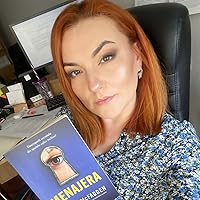
„Scrisori către Vera”
Vladimir Nabokov 5/5
Dragostea se manifestă diferit. Unii o preferă liniștită și caldă, alții cu foc și pară. Mai sunt și cei nostalgici, care, ori de câte ori au ocazia, își țin partenera/ul de mână până la adânci bătrâneți. Bine ați venit în intimitatea scriitorului care a cutremurat literatura cu cele mai incomode cărți din istoria literaturii universale!
Prin ce este special acest Jurnal, vă divulg secretul imediat!
Noi ne scriem mesaje zilnic, cu „Bună dimineața” și „Te iubesc” la copy-paste. Tare de mult, au existat așa „dinozauri” care își scriau scrisori, cu penița și cerneala, care se îmbiba atât de adânc în piele, încât devenea semnul distinctiv al celor care își dedică viața Cuvântului. Vladimir Nabokov a fost unul din acei preistorici al sms-ului din zilele noastre. El îi scria scrisori soției sale, Vera. De la idei simple despre vreme sau situații amuzante, până la grijă și dor, înșirate pe câteva pagini.
În fiecare răvaș, Nabokov se adresează cu diminutive diferite sau cuvinte de alint, ceea ce subliniază o atenție deosebită pentru a nu deveni repetitiv. Voia să fie unic de fiecare dată. Distanța și gândul la familia sa l-au făcut să vrea să se împartă cu cele mai mici evenimente, or, cui să povestești micile nimicuri dacă nu sufletului care te iubește și te așteaptă.
Perioada, în care au fost scrise aceste scrisori, este legată de imigrarea scriitorului, până a ajunge în America, în vremea tinereții, moment în care se conturează personalitatea sa.
Am citit cu mare plăcere scrisorile lui Nabokov, pentru că inegalabila mea curiozitate, m-a făcut să vreau să descopăr de ce este atât de specială Vera, femeia care i-a fost alături mereu, în toate încercările vieții de familie și cele de autor celebru. Cui, dacă nu ei?!
Datorită faptului că vorbesc limba autorului, am citit-o în rusă. Dar este și traducerea în română. Se găsește ușor în librăriile din toată țara. Am lecturat un altfel de Nabokov, unul care și-a lăsat penița de scriitor, și ne-a arătat inima unui bărbat care a iubit.
#foxbooks #vladimirnabokov #scrisoricătrevera #polirom #carterecomandată
Vladimir Nabokov 5/5
Dragostea se manifestă diferit. Unii o preferă liniștită și caldă, alții cu foc și pară. Mai sunt și cei nostalgici, care, ori de câte ori au ocazia, își țin partenera/ul de mână până la adânci bătrâneți. Bine ați venit în intimitatea scriitorului care a cutremurat literatura cu cele mai incomode cărți din istoria literaturii universale!
Prin ce este special acest Jurnal, vă divulg secretul imediat!
Noi ne scriem mesaje zilnic, cu „Bună dimineața” și „Te iubesc” la copy-paste. Tare de mult, au existat așa „dinozauri” care își scriau scrisori, cu penița și cerneala, care se îmbiba atât de adânc în piele, încât devenea semnul distinctiv al celor care își dedică viața Cuvântului. Vladimir Nabokov a fost unul din acei preistorici al sms-ului din zilele noastre. El îi scria scrisori soției sale, Vera. De la idei simple despre vreme sau situații amuzante, până la grijă și dor, înșirate pe câteva pagini.
În fiecare răvaș, Nabokov se adresează cu diminutive diferite sau cuvinte de alint, ceea ce subliniază o atenție deosebită pentru a nu deveni repetitiv. Voia să fie unic de fiecare dată. Distanța și gândul la familia sa l-au făcut să vrea să se împartă cu cele mai mici evenimente, or, cui să povestești micile nimicuri dacă nu sufletului care te iubește și te așteaptă.
Perioada, în care au fost scrise aceste scrisori, este legată de imigrarea scriitorului, până a ajunge în America, în vremea tinereții, moment în care se conturează personalitatea sa.
Am citit cu mare plăcere scrisorile lui Nabokov, pentru că inegalabila mea curiozitate, m-a făcut să vreau să descopăr de ce este atât de specială Vera, femeia care i-a fost alături mereu, în toate încercările vieții de familie și cele de autor celebru. Cui, dacă nu ei?!
Datorită faptului că vorbesc limba autorului, am citit-o în rusă. Dar este și traducerea în română. Se găsește ușor în librăriile din toată țara. Am lecturat un altfel de Nabokov, unul care și-a lăsat penița de scriitor, și ne-a arătat inima unui bărbat care a iubit.
#foxbooks #vladimirnabokov #scrisoricătrevera #polirom #carterecomandată

October 18, 2016
I feel like I've started a lot of reviews lately with these exact words, but: This is for hardcore Nabokov devotees only. Please bear in mind that this is not the selected letters to Véra but the complete letters to Véra, so the flowery declarations of love or discussions of work-in-progress that you might expect are far outnumbered by the discussion of finances, train arrival times, and complaints that Véra does not write him enough. Unless you are absolutely fascinated by the details of obtaining a Czech visa in 1930s, only about 35% of this book will be of interest to you. Fortunately, that 35% is full of witticisms, endearing pet names and lover's talk ("I kiss your clavicle"), doodles, gossip, and puzzles. But again, and I can't stress this enough, for obsessive Nabokov fans only.
May 12, 2020
This book was a mental fight between the quote 'if he writes you a sonnet, he loves you. If he writes you 500 sonnets, he loves sonnets' on the one hand, and the knowledge that I, too, quadruple text my friends sometimes on the other hand. Not sure what I expected of these letters, but definitely not simply an overview of what Nabokov ate every day.

June 13, 2023
Nabokov comes across both sweet and petulant, not quite in equal measure (though the saccharine often wins out). it's funny that none of Véra's letters have survived, because we get the picture that she really isn't holding up her end of the correspondence here. it's funny to have read ~500 pages of his letters and leave not really knowing him any better than when I started (a lot of the letters amount to something like: "I had an interview, the journalist was a bore. If the apartment is nice I'll take it." followed by an insane pet name for Véra. This is not to say that the letters are not also infinitely readable!

March 20, 2019
لا أدري ما هي الرغبة الغربية لبعض الكتّاب لنشر رسائل شخصية بينهم وبين طرف عزيز لهم. كأنها الطريقة القديمة لنشر تفاصيل الحياة الخاصة على الملأ، النسخة القديمة عن وسائل التواصل الاجتماعي.
بالإضافة للترجمة وطريقة عرض الكتاب المزعجة للنظر.
كتاب لم يهمني ولم يضف لي كثيراً.
بالإضافة للترجمة وطريقة عرض الكتاب المزعجة للنظر.
كتاب لم يهمني ولم يضف لي كثيراً.
Displaying 1 - 30 of 218 reviews