What do you think?
Rate this book


Non succede spesso di aprire un libro e di iniziare uno straordinario viaggio nel tempo e nello spazio. Di imbattersi, pagina dopo pagina, in vicende di cui serbiamo una sbiadita memoria o di cui si conservano solo labili tracce. Di incontrare potenti sovrani e monaci avventurosi, studenti goliardi e devote principesse. Di passare dalle nebbie cupe d'Irlanda all'inebriante tepore della Spagna moresca, dal mistico silenzio delle colline toscane al vociare sboccato delle taverne tedesche.
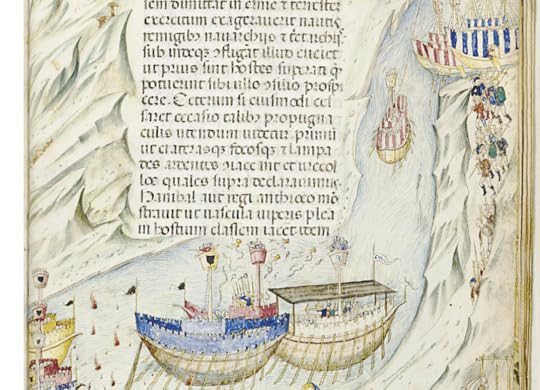
Ebbene, Storia di dodici manoscritti di Christopher de Hamel, uno dei massimi esperti mondiali di codici miniati, ci accompagna in questo viaggio sfogliando e analizzando alcuni tra i più affascinanti e preziosi manoscritti medievali. Dal Vangelo di Sant'Agostino, testimonianza dell'arrivo del cristianesimo in Inghilterra alla fine del VI secolo, al Codice Amiatino, la più antica Bibbia a noi pervenuta; dal Libro di Kells, simbolo iconico della cultura irlandese, al Libro d'Ore di Giovanna di Navarra, che solleticò la bulimia predatoria di Hermann Göring. Ma anche i Carmina Burana, noti soprattutto per la trasposizione musicale che ne fece il compositore tedesco Carl Orff, o gli Aratea di Leida, straordinario trattato di astronomia in versi e simbolo della rinascita carolingia della prima metà del IX secolo, o il Semideus Visconti, manoscritto umanista dedicato all'arte della guerra saccheggiato dai francesi nel 1499 dopo la conquista di Milano. E altri ancora.
Sfogliare un manoscritto medievale, spiega de Hamel, vuol dire in primo luogo ammirarne le illustrazioni, annusarne l'odore, toccare con mano tutta la sua magnificenza e fragilità. Ma osservarne le abrasioni, i rammendi, le sfumature di colore, le legature, i pigmenti, così come i danni prodotti dal tempo, dall'umidità, dai topi, dall'incuria e dall'ignoranza degli umani, vuol dire anche ricostruirne le secolari vicende, i vagabondaggi, i passaggi di mano. Vuol dire risalire lungo la catena dei proprietari che lo hanno acquistato, rubato, custodito, ammirato, dimenticato, venduto. Ritornare alla temperie culturale e spirituale nella quale ha visto la luce. Dare un nome allo scriba che lo ha copiato o al miniaturista che lo ha illustrato. Rintracciare il monastero che lo ha prodotto, gli scaffali delle biblioteche sui quali si è coperto di polvere o gli itinerari che ha dovuto seguire per arrivare a volte ai limiti estremi del mondo conosciuto. Perché intorno a ogni manoscritto si intrecciano infinite storie - di abati ambiziosi e di collezionisti, di malfattori e di avventurieri, di artisti e di dittatori - e perché ogni manoscritto ha una propria storia da raccontare.
«Habent sua fata libelli» scriveva Terenziano Mauro nel XIII secolo. Il destino di Storia di dodici manoscritti è quello di meravigliarci e stupirci per la sua incantevole bellezza.
830 pages, Kindle Edition
First published September 22, 2016
The parchment leaves of the manuscript, as we saw earlier, are extremely fine and of tissue thinness, and they pick up the vibration and hummed and fluttered in time with the music. At the moment, it was if the sixth-century manuscript on its cushion had come to life and was taking part in the service. It occurred to me that maybe ancient Christian manuscripts always did that, for their parchment is generally much finer than in later books, and perhaps one for carrying early Gospel Books in processions at all was because this effect is astonishingly powerful and moving.-- about Gospels of Saint Augustine, 7th c. brought to England by Saint Gregory
Parchment is protein, edible to rodents. Probably when theook was neglected in the eighteenth century at Hengwrt, the upper conrers of all pages were nibbled away. (I see the glimmerings of a children’s story in there somwhere called The Rat Who Ate the Hengwrt Chaucer.) (pg 436)Now, I can imagine one might prefer a more objective, authorless presentation of the manuscripts than what De Hamel writes. For my part, I enjoyed living vicariously through De Hamel and exploring the manuscripts through his eyes. I appreciated his sense of humour. Even more so, I appreciated the sections where he acknowledged he wasn’t an expert on a particular point or that a particular matter icauses debate among experts. I found a couple takes (on general matters) a little questionable, but at least he doesn’t assert them as fact. He makes clear the differences between his personal opinion and generally accepted fact. Uniquely for a book about medieval manuscripts, he paints a vivid picture of what it is like to actually visit an institution and physically handle a manuscript, including the particulars of staff interactions and building design. Meetings with manuscripts, indeed.
What, then, was the compilers’ source of the poems and songs? This may be the unique collection gathered together for the first time, but the individual pieces were culled from earlier lives. Specialists in medieval music and literature have worked themsleves into frenzies of speculation on the poems’ origins and dates, arguing righteously with each other. These are dangerous waters of academia into which I am reluctant to dip as much as a toe. Scott Schwartz, a practicing lutenist, calls these the ‘Carmina Piranha’ with good reason. (pg 159)Delving into twelve manuscripts means this book is packed full of fascinating information. For example, I was always impressed to read about how researchers are able to track the travels of a manuscript over hundreds of years or narrow down its authorship. (“Considering the absolute rarity of any records and manuscripts from the seventh century to the eighth, this chapter has already benefited from some truly extraordinary coincidences of survival.” pg 84). This is one of those fields where we have discovered much, yet much more remains to be discovered.