
What do you think?
Rate this book


No other land has captured man's imagination quite like Tibet. Hidden away behind the highest mountains on earth, and ruled over by a mysterious God-king, it was for centuries a land forbidden to all outsiders.
In this remarkable and ultimately tragic narrative, Peter Hopkirk recounts the forcible opening up of this medieval Buddhist kingdom by inquisitive Western travellers during the nineteenth and twentieth centuries, and the race to reach Lhasa, Tibet's sacred capital.
This epic, often harrowing tale, which ends with the Chinese invasion of 1950, draws on a colourful cast of gatecrashers from nine different countries. Among them were adventurous young officers on Great Game missions, explorers and mountaineers, mystics and missionaries. All took their lives in their hands, including three intrepid women. Some were never to return.
288 pages, Kindle Edition
First published January 1, 1982


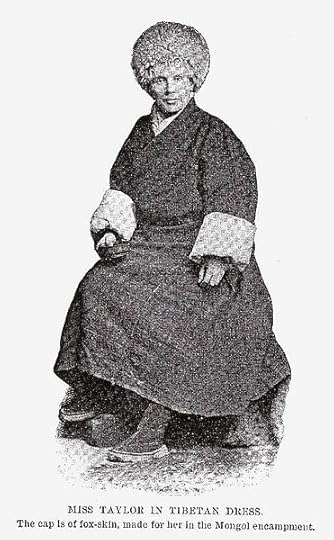 Annie Royle Taylor (7 October 1855 – 9 September 1922) was an English Evangelical missionary to China and the first Western woman known to have visited Tibet. She attempted to reach the "forbidden" city of Lhasa.
 Henry Savage Landor: In 1897 he set off on his travels to explore Tibet where he was captured and suffered terrible adversities and tortures. Nevertheless, he discovered the sources of the Indus and the Brahmaputra. Landor returned fearlessly to Tibet a second time and then to Nepal. From his journeys to Tibet and Nepal come his books In the Forbidden Land (1898) and Tibet and Nepal (1905).
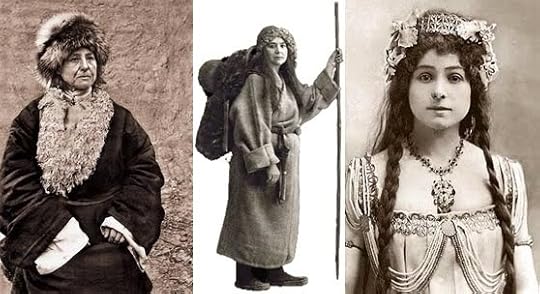 Alexandra David-Néel, a Blavatsky Theosophy student.
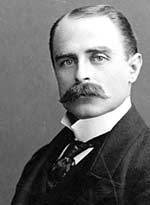 FrancisYounghusband 1904 British expedition to Tibet, during which a massacre of Tibetans occurred
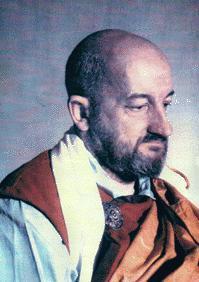 Tuesday Lobsang Rampa, author of The Third Eye, turned out to be plain, untravelled Cyril Henry Hoskin, a plumber from Devon.


