This is a strikingly original work, the first real cultural history of India. The main features of the Indian character are traced back into remote antiquity as the natural outgrowth of a historical process. Did the change from food gathering and the pastoral life to agriculture make new religions necessary? Why did the Indus cities vanish with hardly a trace and leave no memory? Who were the Aryans - If any? Did the caste system ever serve any useful social purpose? How does it happen that slavery of the type seen in ancient Greece and Rome never appeared in India? Why should Buddhism, Jainism, and so many other sects of the same type come into being at one time and in the same region? How could Buddhism spread over so large a part of Asia while dying out completely in the land of its origin? What caused the rise and what led to collapse of Magadhan Empire? Was the Gupta Empire fundamentally different from its great predecessor, or just one more ';oriental despotism'? These are some of the many questions handled with fresh insight, yet in the simplest terms, in this stimulating work.
Illustrations Preface The Historical Perspective Primitive Life & Prehistory The First Cities The Aryans From Tribe to Society State & Religion in Greater Magadha Towards Feudalism Index
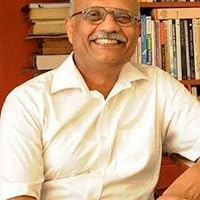
Damodar Dharmananda Kosambi (31 July 1907 – 29 June 1966) was an Indian mathematician, statistician, philologist, historian and polymath who contributed to genetics by introducing Kosambi map function.He is well known for his work in numismatics and for compiling critical editions of ancient Sanskrit texts. His father, Dharmananda Damodar Kosambi, had studied ancient Indian texts with a particular emphasis on Buddhism and its literature in the Pali language. Damodar Kosambi emulated him by developing a keen interest in his country's ancient history. Kosambi was also a Marxist historian specialising in ancient India who employed the historical materialist approach in his work.He is particularly known for his classic work An Introduction to the Study of Indian History.
He is described as "the patriarch of the Marxist school of Indian historiography".Kosambi was critical of the policies of then prime minister Jawaharlal Nehru, which, according to him, promoted capitalism in the guise of democratic socialism. He was an enthusiast of the Chinese revolution and its ideals, and, in addition, a leading activist in the World Peace Movement.
Back in the nineties I was befriended by an Indian couple studying in the area and living here in the Rogers Park neighborhood of Chicago. The wife, a student of cultural anthropology at the University of Chicago, recommended Kosambi's Ancient India as a good introduction to a subject I knew little about, noting that he was a bit of a Marxist.
What I found most interesting, even inspiring, about this readable text was his exposition of the birth and growth of Buddhism.
இந்தியாவின் வரலாற்றை மக்களின் வரலாறாக படிக்கவேண்டும் என்ற நீண்ட நாள் ஆசை இந்த புத்தகத்தின் மூலம் நிறைவேறியது.
கருணைகூர்ந்து இந்த புத்தகத்தை மறுபதிப்பு செய்துள்ளனர்.
மிக முக்கியமாக உதிரி உதிரியாக கிடைத்த தகவல்களுக்கு இந்த புத்தகம் முக்கியமான ஆதார நூல் எனலாம்.
மிக முக்கியமான ஒன்று இந்த புத்தகம் எப்படி பழங்குடி வாழ்க்கை தொடங்கியது அது எப்படி நிலபிரபுத்துவ வாழ்க்கைக்கு புரண்டது என்று கூறினாலும் இந்த புத்தகம் தென்னக வரலாறைப்பற்றி கொஞ்சம்கூட தொடவில்லை. இவரின் கருத்துப்படி கிமு 600 வரை தென்னிந்தியாவில் குறிப்பிடும்படியான எந்த நிகழ்வும் நடக்கவில்லை என்பது அது கிட்டத்தட்ட நான்காம் நூற்றாண்டு வரை தொடர்ந்தது என்பெதெல்லாம் கொஞ்சம் ஏமாற்றம் ஏற்படுத்தியது எனலாம். இவர் காலத்தில் அதிகமான ஆய்வுகள் வரவில்லையா அல்லது இவரே குறிப்பிட்டுள்ளபடி வரலாற்றை தொழிலாக கொண்டவர்கள் மட்டும் இதைப்பற்றி எழுதினார்களா....
அர்த்தசாஸ்திரம் பற்றியும், பொவுத்தத்தைப்பற்றியும், அசோகரப்பற்றியும் வானளாவ எழுதியுள்ளார். கீதையைப்பற்றியும் மற்ற நூல்களைப்பற்றியும் அதிகமாக எழுதவில்லை எனலாம். இன்னும் சொல்லபோனால் மிகவும் அடித்து துவைத்து காயப்போட்டுவிட்டார். புத்தகத்தின் முடிவே கீதையை காய்ச்சித்தான் முடித்துள்ளார்.
படிப்படியாக எப்படி சாதிகள் உருவாகி வந்தன என்பதை ஒரு புனைவைபோல் விவரித்துள்ளார். தொழிலைச்சார்ந்து எப்படி உருவாகின என்பதில் அவ்வளவு தெளிவு கிடைக்கவில்லை.
மிக நீண்ட காலம் நிலம் பொதுவில் இருந்துள்ளது என்றும் தாசன் அணுகுமுறையின்மூலம் எப்படி மொத்த சமூகமும் கொண்டும் கொடுத்தும் வாழ்ந்தது என்று எழுதியுள்ளார்.
கண்டிப்பாக இந்த புத்தகம் மிக முக்கியமான புத்தகம் என்று நினைக்கிறேன்.
Is it possible to be so bored with a book that you are glad when you are finally done with it. I found reading DD Kosambi's The Culture and Civilization of Ancient India, a huge trial. I was genuinely surprised at my disinterest as this is not thick book and has fairly interesting ideas. Moreover any book on India antiquity is always exciting to read. So I guess I was slightly surprised by how much I wanted this book to get over. Personally for me, this is not one of those books that has survived the tides of time (It was written in 1965). The author presents some interesting ideas about equating caste with various class groups but does not expound in detail about his views. Mostly his focus is on how Brahmins shaped and directed the caste structures by assimilating non-Vedic tribal groups within the new order, and how this led to the rise of new class structures. All of these based Kosambi's reading of textual and epigraphic evidence. Though this is meant to be a more deeper take on structural transformations occurring in Ancient India, it is still weird how much of an inert role Kosambi gives to the role of other caste groups whose everyday lives is now much better understood through new and better understanding of archaeological evidence. I guess this is why it feels so extremely weird to read Kosambi's book in present times as one can feel how much the studying and research of Indian prehistory and antiquity has changed. This also makes the book extremely hard to relate and it seems more interesting to explore the intellectual world of DD Kosambi that brought forth some of his interesting concepts. Nonetheless I had one big issue with the book. Kosambi has the strangest ideas about present and ancient tribal groups. Though he admits 'race' to be a construct, he has absolutely no problem in using racial categories to stereotype tribals as people who have chosen to remain out of the civilizing process and remain prehistoric in mentality. One can certainly feel the influence on colonial understandings of tribal groups in India, greatly influencing Kosambi's own ideas. #ddkosambi
Kosambi brings a lot of light onto the suffocatingly mute history of 5000 years of human experience in subcontinent. He draws an outline from ancient cave dwellers to the tribes and then to feudal communities thriving even now across the land in the speculative language of a doubter.
I will use his template to get a sense of human landscape over the ages. Hopefully there will be more and more serious research and analysts to discover the Indian mind which had been lost in the several dark ages befallen on it.
Kosambi provides a beautiful outline and seeks to tell the stories of the common man. He is magnificently blunt in many areas, and he really focuses on the cultural and religious flow of pre-Feudal India.
What is also noteworthy is that he bases everything on physical evidence or proper conjecture thereof.
It is also wonderful that he is not shy to provide sweeping analysis and make some generalizations that help succinctly explain ancient India.
I would definitely recommend this book to anybody and truly appreciate the accurate, thoughtful, and beautifully written history Kosambi has provided us.
An enlightening book by DD Kosambi on the culture of ancient India. Primarily, I was looking for a book to read on the Mauryan empire of India but was recommended to read this one by a friend. Judging by the title I did not expect a lot of stuff on the Mauryans but I really enjoyed Kosmabi's detail on the Indo-Aryans and the other cities of the Indus valley (Mohenjodaro, Harappa) of that time.
The book does cover Chandragupta Maurya and the rule of the Mauryan empire briefly but it is not a complete view of the Mauryan empire. All in all, an enjoyable read and I learned several new things about the history of India and Indus.
Kosambi's historiography is a bit outdated, but his perspective is insightful and somewhat balanced.
The book ascribes to Aryan Invasion Theory, which has since been debunked. There are also hints of an anti-India colonial narrative, which Kosambi does well to temper but nevertheless surfaces on occasion. For example, he characterizes the Arthashastra as an amoral, if not immoral, political treatise, when in fact the text is strongly normative, setting it apart from both The Prince and The Art of War.
A very objective book on ancient India it deals with the many facets of a civilization in a clear narrative. The standard stages of man's progress from primitive states to later stages are explained in a scholarly fashion yet not making the narrative heavy. The author clearly intends to convey the subject to the maximum readers and not just to the specialists of history and social sciences. It is a must read for every Indian.