Jump to ratings and reviews
Rate this book

ثورة ماو الثقافية

Rate this book
158p hardback, pink cloth with white jacket, good condition, minimal wear to jacket edges, binding firm, pages neat and bright, light pencil marks to a few margins, all text clear and legible, a very good pre-owned copy

178 pages, Paperback

First published January 1, 1968

4 people are currently reading
120 people want to read

About the author

Alberto Moravia

513 books1,210 followers
Alberto Moravia, born Alberto Pincherle, was one of the leading Italian novelists of the twentieth century whose novels explore matters of modern sexuality, social alienation, and existentialism. He was also a journalist, playwright, essayist and film critic.
Moravia was an atheist, his writing was marked by its factual, cold, precise style, often depicting the malaise of the bourgeoisie, underpinned by high social and cultural awareness. Moravia believed that writers must, if they were to represent reality, assume a moral position, a clearly conceived political, social, and philosophical attitude, but also that, ultimately, "A writer survives in spite of his beliefs".

Ratings & Reviews

What do you think?
Rate this book

Friends & Following

Create a free account to discover what your friends think of this book!

Community Reviews

5 stars
16 (16%)
4 stars
38 (39%)
3 stars
31 (32%)
2 stars
6 (6%)
1 star
5 (5%)
Displaying 1 - 15 of 15 reviews
Profile Image for Zahraa زهراء.
481 reviews323 followers
June 1, 2025

الثورة الثقافية البروتالية العظمى 1966-1976
فترة مرعبة من تاريخ الصين، وهي أحد "انجازات" ماو تسي تونغ، الزعيم الشيوعي للصين 1949-1976 ومؤسس الجمهورية الشعبية
جيش ماو الشعب الصيني في ثورته ضد أعدائه، كل من يحتمل أن يكون عدوا لماو. حتى شركاء النضال وأعضاء الحزب الشيوعي.
بالتالي هي ثورة ذات طابع ديني لشعب غير متدين
جنود الثورة الثقافية هم المراهقون والشباب دون الثلاثين، الطبقة العاطفية المندفعة، والتي نشأت على عبادة ماو، كونت "الحرس الأحمر" وشجعوا على التعذيب والقتل ونبذ كل الأخلاق الصينية العتيقة، لا يبقى في عقولهم شيء غير ماو والاخلاص له.
في الثورة الثقافية انغلقت الصين على نفسها انغلاقا تاما، لم تكن هناك ثقافة تذكر، عطلت المدارس لفترة طويلة، الغيت امتحانات قبول الجامعات، أهين المعلمون وأدين الملايين من الصينيين لأسباب تافهة.

في هذا الكتاب، يزور الصين، البرتو مورافيا، الأديب الإيطالي، فيسجل انطباعاته ورؤاه وأفكاره وتحليله للثورة الثقافية بإيجاز.
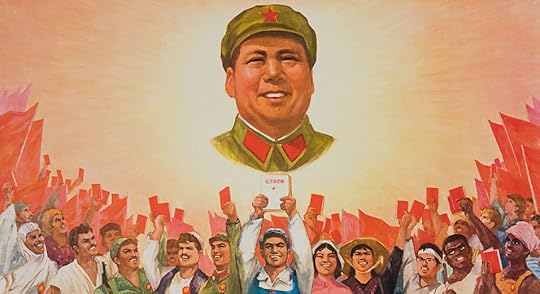
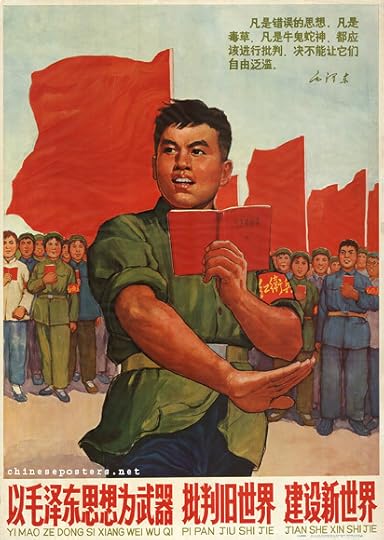
يؤكد مورافيا على الطابع الديني للثورة الثقافية، ويشد اهتمامه الكتاب الاحمر الصغير

مختارات ماو تسي تونغ، بغلاف أحمر براق، لا يفارق أيدي الحرس الأحمر، وهو ما يحتكمون إليه
يناقش مورافيا أن ماو، الشيوعي الصيني، يختلف عن الشيوعي السوفيتي، صبغ ماركس بألوان كونفوشيوس
وماو يجمع في شخصيته الإمبراطور والحكيم الصيني، والثوري الشيوعي معا
الحرس الأحمر يعاملون الكتاب الأحمر الصغير، بنفس الطريقة تقريبا التي عامل الصينيون بها مأمثورات كونفوشيوس
حيث كان يعطى للذين يتقدمون لامتحانات الدولة في الصين مطلع فقرة من فقرات كونفوشيوس، ويطلب إليهم الاستمرار في تلاوة البقية من الذاكرة. وذلك لأنهم في ذلك العصر أيضا كانوا يعتقدون ان التذكر أكثر أهمية من الفهم.
ولكن ما معنى تلك الأفضلية المعطاة للذاكرة؟
نستطيع ان نقول أن: الذاكرة تحفظ وتصون كل ما لا يستطيع ولاينبغي أن يكون موضوعا للنقد وبالتالي موضوعا للتغيير والتبديل، أو أنها عملية عقلية تضفي سلطانا على شيء لا يرغب المرء في أن يراه يفسد أو يتحطم وهي تقوم عندئذ بتحنيطه.

كانت رؤية ماو، هي إفقار الشعب الصيني، وتوفير الضروري فقط، حد الكفاف
نفى الطلاب الى اماكن متفرقة للعمل كفلاحين
احتقر المثقفين باعتبارهم "برجوازيين"
لا محاكم أو قانون
بل حكم عرفي لحرس الثورة الثقافية
احتقرت العلاقات العاطفية
تدخلت السياسية في كل مناحي الحياة
وكل شيء يدور حول ماو

أليس هذا مرعبا؟
هل تتخيل ما ستفعله الجماهير العاطفية تلك؟

أعتقد أن مورافيا قد أخطأ في بعض أحكامه عن الصين في زيارته، فقد اعتقد أنهم غير مهتمين بالأجانب، لكنه واضح أنهم ممنوعون عن الاتصال بالأجانب، وتحت مراقبة دائمة، وأنهم كسائر البشر،لديهم فضول كبير حول ما يجهلون. لكن الكاتب يحب قولبة الصينين في قالب شرقي قديم، أرجح أنه تغير كثيرا في القرن العشرين.
وقد شك في أن بعض الجوانب من لقائه بالفلاحين كانت تمثيلا معدا سلفا، لكنه واضح أيضا أن كل مارافقه وزياراته كانت مسرحية كلها
ربما لا يتصوره من لم يعش في ظل نظام شمولي

لقد قرأت هذا الكتاب لأني ببساطة لم أصدق ما أوردته شانغ يونغ في بجعات برية
احتجت من يؤكد لي القصة
لقد أرعبتني الثورة الثقافية والماوية بشكل عام
حتى أن حشود الكتاب الأحمر الصغير زارتني في أحلامي مؤخرا :)
Profile Image for Antonio Ippolito.
414 reviews37 followers
November 16, 2024
Terza tappa del nostro percorso moraviano è questo curioso tascabile, che raccoglie corrispondenze per il Corriere durante un viaggio in Cina effettuato nel ’67 in compagnia di Dacia Maraini (Moravia, precoce e abbiente viaggiatore, era già stato in Cina trent’anni prima, agli albori della guerra civile). È il momento in cui Mao Zedong ha scatenato la sua “Rivoluzione Culturale” per riconquistare supremazia sul Partito Comunista Cinese; e in Occidente non se ne capisce nulla. Ho l’impressione che non ne capisse troppo nemmeno Moravia: né lui né Dacia capivano il cinese o erano in grado di leggere i tazebao, né era loro permesso scattare foto o parlare con altri che l’accompagnatore assegnato dal Partito. Lui stesso avvisa che racconterà solo quel che ha visto (con la stessa predilezione per la visione che vent’anni dopo gli farà scrivere “L’uomo che guarda”), senza averlo potuto approfondire; tuttavia l’acume del grande intellettuale e viaggiatore si farà sentire: siamo nell’ambito del grande giornalismo, come i reportage di Fallaci o Montanelli.
Solo lui avrebbe potuto scrivere quel capitolo dedicato al “convitato di pietra”, quando lui e Dacia a Pechino hanno il permesso di accedere all’unico, lussuoso ristorante per stranieri e degustare la vera anatra alla pechinese: ma in un’atmosfera lugubre, dove sui due borghesi occidentali “gaudenti” aleggia lo spirito di Mao, come il Commendatore per Don Giovanni..
O quell’altro capitolo dedicato alla visita del Palazzo d’Inverno e i suoi giardini, tra meraviglie come la nave di marmo nel lago, voluta da un’imperatrice; e il percorso che vi conduce, decorato da decine di immagini, di cui solo quelle di paesaggi e architetture non sono stati censurati: geniale qui l’osservazione sul “surrealismo involontario” degli antichi (forse, più che surrealismo, arte metafisica: quante volte ho provato questa sensazione, per esempio guardando le tarsie negli schienali di un coro..). Così come è bellissimo il capitolo dedicato alla visita delle prime tombe imperiali Ming, scoperte in quegli anni, o quello sulla Grande Muraglia.
È un po’ snervante la fiducia che Moravia concede a Mao, questo “grande educatore” che sarebbe da contrapporre alla brutalità stalinista; ma è vero che nel ’67 si sapeva davvero poco di quel che stava accadendo. Il giudizio dell’autore evolverà rapidamente nelle opere successive, come quello sulla Contestazione (spesso ispirata dal maoismo nostrano): un fastidio in “Io e lui” (1971), una calamità nella “Vita interiore (1978).
Così come del tutto straniante fu per me, quando trent’anni fa aprii per la prima volta questo libretto, il primo capitolo: un dialogo (forma che Moravia amava: utilizzata anche nelle due opere narrative succitate) sullo stato dell’Occidente, pervaso da un tale folle disprezzo antioccidentale, ben oltre le condivisibili critiche al consumismo, che mi fece interrompere la lettura; ma mi portò anche a conservare l’opera (anzichè venderla come tante altre) perchè vi vedevo un esempio perfetto di delirio ideologico. E così ho potuto rileggerla ora e apprezzarvi quanto vi è di apprezzabile; nello stesso dialogo iniziale, forse, anche la prima voce, quella del buon senso occidentale, appartiene all’autore: non meno di quella della “Guardia Rossa”.
Sono viceversa illuminanti, per il poco che capisco di Cina, anche i capitoli in cui tenta di penetrare la psicologia cinese: con la sua teoria del “pieno e del vuoto”, sul puritanesimo, ecc.
Magistrale anche il penultimo capitolo, sulla trasformazione di Hong Kong in grande città-stato mercantile allora ancora tutelata dai britannici (riferisce che avevano appena mostrato i muscoli alla Cina.. trent’anni dopo non lo faranno più) e l’ultimo, su Panmunjon, il punto di confine tra le due Coree che già vivevano un’interminabile, fragile armistizio, come continuano a fare oggi, dopo altri 55 anni..
Profile Image for Arya.
68 reviews
November 10, 2023
just fine. mostly the authors opinions, bit pretentious at points, bit orientalist too. wish that he talked more on what he actually saw in china
Profile Image for David Partikian.
333 reviews31 followers
April 4, 2023
First appearing in 1967 and translated into English in 1968, The Red Book and the Great Wall: An Impression of Mao’s China by Alberto Moravia is a perfect example of how ideology can cause blindness in an otherwise astute writer, one who correctly chronicles Italian fascism. Never have I read a book by a major writer more unaware of his surroundings than Moravia’s account of his visit to China during the Cultural Revolution. While I have a weakness for books by writers or thinkers who visit a certain region during a time of strife—e.g. Saul Bellow’s To Jerusalem and Back or Hannah Arendt’s Eichmann in Jerusalem--Moravia adds nothing to our comprehension of China or the Cultural Revolution other than that of the limited view of a tourist who is sympathetic to communist ideology. Thus, the book tells us more about Moravia than China.

Note that I write this review, not as some American Right-Wing demagogue throwing around incendiary terms like “communism,” but as an American with huge sympathies for the Left who has an interest in so many writers who dabbled in communism or were outright communists. My disgust for Moravia’s book has nothing to do with ideology, but instead is steeped in his intellectualization and inability to see what is before his eyes.

Most excellent writers when writing a travel account attempt to emphasize their limitations and go out of their way to describe difficulties in translation or how a regime controls what is seen. We get absolutely no feel for how Moravia ended up in China or how his itinerary was controlled. While there is an inscrutable Mr. Li acting as guide, we get no description of him or his interaction with Moravia.

Additionally, Moravia falls into a trap of many writers who attempt a travel book without being an expert on the culture: weak rationalizations and romanticization inevitably predominate and, subsequently, ruin the essays. This often occurs with inevitable stereotypes comparing the East and the West without adequate examples. The following is presented as an axiomatic truth:

Even in moments of the greatest violence, private or public, the Chinese fail to reach the primitive violence of their original nature beneath the second nature they have acquired through culture. In the West, on the other hand, culture is much more recent, nothing more than a veil thrown over a primordial violence that is always ready to explode. Thus, whereas the Westerner never finds it difficult to regress in an instant to Neanderthal man (as we saw during World War II), the Chinese, despite his efforts, remains the man of the T’ang dynasty. A curious consequence follows from this: Western man is born violent and dedicates his whole life to learning to be cultured and civil. The Chinese, on the other hand, is born cultivated and civil and must learn to be violent. This is the explanation of the spontaneous, muscular, sanguinary, and brutal character of Western man’s violence: and of the willed, nervous, mental, hysterical character of Chinese violence. (pg. 92).

What complete and utter hogwash. Rather than refute, I continued to read but in a cursory manner, eventually putting the book down. Any reader interested in the Cultural Revolution is better served studying the photographs of Li Zhensheng who chronicled the horrors of the Cultural Revolution from 1964-1976. The images in his photography books are among the most brutal of those found in the 20nth century. This is not to condemn China, but to point out that Moravia witnesses everything through hermetically sealed rose colored glasses. About the only valid metaphors and comparisons he comes up with is the similarity between Maoism as a cult or religion. And any perspicacious high school student has probably already encountered that idea in Eric Hoffer’s The True Believer.

As I read this book, another thinker from 1968 had a much pithier sentiment that kept racing through my mind:

But if you go carrying pictures of Chairman Mao
You ain’t gonna make it with anyone anyhow

--John Lennon, 1968.
Profile Image for Yupa.
774 reviews128 followers
January 11, 2025
Visuale dal basso

Moravia negli anni Sessanta si fa un viaggio in Cina assieme a Dacia Maraini, nel pieno della Rivoluzione Culturale, viene portato qua e là ovviamente sotto la stretta sorveglianza di una guida, guarda, osserva, scrive dei pezzi per il Corriere della Sera, poi ne aggiunge altri e ci pubblica un libro.
Moravia non è tanto uno studioso, quanto uno scrittore, un letterato, e allora tutto il libro alterna momenti che fanno stupire per lo sguardo acuto che è riuscito ad avere su un fenomeno e un paese sicuramente a lui alieni, e altri momenti in cui si vedono tutti i limiti di quella che, alla fine, rimane una visuale molto vicina, ma inevitabilmente ristretta e dal basso, incapace di cogliere il quadro più grande.
Moravia sa poco di Cina, e sarà anche per questo che spesso sbanda, da tipico intellettuale poco avvezzo, in generalizzazioni destoricizzanti sui "cinesi che sono così e gli occidentali che sono cosà", il tutto basato su poche nozioni sul confucianesimo e il primo taoismo. E sa poco anche di Mao e del maoismo, e il poco tempo passato in Cina non rimedia alla carenza, visto che a un certo punto afferma che il grande timoniere non sarebbe, a suo dire, "spietato e sanguinario", come invece il collega Stalin.
E poi ogni tanto si lascia andare a lanciare un po' di veleno sul consumismo occidentale, paragonato ai cinesi poveri ma umani. Questo specialmente nel capitolo introduttivo, costruito a mo' di dialogo, una sorta di summa di quella sinistra che, abbandonato il dettato di Mark sul massimo sviluppo delle forze produttive, si ripiega nel vagheggiare la felicità agraria del piccolo villaggio e della smobilitazione economica. Ma è un capitolo introduttivo che, specie nelle sue battute finali, con la sua insistenza sulla natura escrementizia della società in cui viviamo, si fa anche paradossale, quasi nichilista, e allora vien anche voglia di perdonarlo. Unica obiezione che gli muoverei è che non è solo la nostra società a essere escrementizia, bensì ogni società, e in fondo la realtà stessa.
Profile Image for M. I.
651 reviews132 followers
June 12, 2019
ان الثورة الثقافية في الصين حقيقة وافع ملموس ، وحتى من قبل ان يدركها العقل فانها تبدو للحواس وتفرض نفسها عليها .
فالثورة الثقافية اولا تبدو مكونة من عنصريها الوحيدين الرئيس والجماهير وهي تتجاهل وتتجاوز وتتجنب وساطة مثقفي الحزب او مثقفي البيروقراطية ، بل انها على العكس تهدف الى اقامة علاقة مباشرة بين ماو وبين الشعب عن طريق الراديو والجرائد الحائطية والمظاهرات وثانياً ان هذا الشعب رغم مسألة تتعلق بمجموع الشعب كله . انما هو الجزء الشاب من الشعب اولئك الذين دون الثلاثين عاماً ومعنى ذلك ان ماو لكي يفجر ثورة ثقافية قد توجه الى اقل اجزاء الشعب خبرة واقلها تمتعاً بالحس النقدي واكثرها عنفاً واستعدادا ً للهدم واشدها قدرة على الحماس . ان الثورة الثقافية هي مع اشياء اخرى نوع من المدرسة السياسية التي تلقن دروساً نظرية وتطبيقات عملية حيث يتتلمذ افراد الحرس الاحمر على استاذهم ومعلمهم "ماو" .
لذا الثورة الثقافية تريد ان تكون رفضاً لمرحلة البرجوازية الصغيرة في التطور الشيوعي ، لمرحلة القمصان البيضاء ورباط العنق والبزة الكاملة . وان تكون محاولة للوصول الى الحرية التي تمنحها المرحلة التقنية بواسطة الانسان الفقير ، ذي السروال المرقع والدي يكاد يبلغ حد العوز ولكنه متكامل انسانياً .
وضعت الثورة الثقافية علامة النفي التي تقول بأن الاصل البورجوازي يعادل الشر على كل ما هو فردي وغير منتم سياسياً وهكذا تصبح الثورة الثقافية بهذا المعنى متطهرة النزعة . فالتطهيرية الصينية هي بكل بساطة طغيان قيم الريف واخلاقه وعاداته على حياة المدينة
Profile Image for Tom LA.
684 reviews286 followers
February 8, 2017
Affascinante documento storico, questo reportage di Moravia sulla Cina degli anni '60. L'Italiano di Moravia è elegantissimo come sempre, la sua voce onesta e a volte poetica, la sua personalità spesso un po' troppo con la testa tra le nuvole per darci uno scorcio obiettivo della realtà, ma tuttavia con un acuto sguardo di osservatore. Con il suo idealismo sull'uomo cinese visto come il comunista perfetto, se solo avesse saputo quanto fragorosamente l'ideale "comunista" di Mao sarebbe fallito clamorosamente di lí a poco, aprendo le porte ad una forma di capitalismo alla Cinese, che predomina oggigiorno, credo che Moravia si sarebbe sparato un colpo!
Profile Image for David Partikian.
333 reviews31 followers
April 4, 2023
First appearing in 1967 and translated into English in 1968, The Red Book and the Great Wall: An Impression of Mao’s China by Alberto Moravia is a perfect example of how ideology can cause blindness in an otherwise astute writer, one who correctly chronicles Italian fascism. Never have I read a book by a major writer more unaware of his surroundings than Moravia’s account of his visit to China during the Cultural Revolution. While I have a weakness for books by writers or thinkers who visit a certain region during a time of strife—e.g. Saul Bellow’s To Jerusalem and Back or Hannah Arendt’s Eichmann in Jerusalem--Moravia adds nothing to our comprehension of China or the Cultural Revolution other than that of the limited view of a tourist who is sympathetic to communist ideology. Thus, the book tells us more about Moravia than China.

Note that I write this review, not as some American Right-Wing demagogue throwing around incendiary terms like “communism,” but as an American with huge sympathies for the Left who has an interest in so many writers who dabbled in communism or were outright communists. My disgust for Moravia’s book has nothing to do with ideology, but instead is steeped in his intellectualization and inability to see what is before his eyes.

Most excellent writers when writing a travel account attempt to emphasize their limitations and go out of their way to describe difficulties in translation or how a regime controls what is seen. We get absolutely no feel for how Moravia ended up in China or how his itinerary was controlled. While there is an inscrutable Mr. Li acting as guide, we get no description of him or his interaction with Moravia.

Additionally, Moravia falls into a trap of many writers who attempt a travel book without being an expert on the culture: weak rationalizations and romanticization inevitably predominate and, subsequently, ruin the essays. This often occurs with inevitable stereotypes comparing the East and the West without adequate examples. The following is presented as an axiomatic truth:

Even in moments of the greatest violence, private or public, the Chinese fail to reach the primitive violence of their original nature beneath the second nature they have acquired through culture. In the West, on the other hand, culture is much more recent, nothing more than a veil thrown over a primordial violence that is always ready to explode. Thus, whereas the Westerner never finds it difficult to regress in an instant to Neanderthal man (as we saw during World War II), the Chinese, despite his efforts, remains the man of the T’ang dynasty. A curious consequence follows from this: Western man is born violent and dedicates his whole life to learning to be cultured and civil. The Chinese, on the other hand, is born cultivated and civil and must learn to be violent. This is the explanation of the spontaneous, muscular, sanguinary, and brutal character of Western man’s violence: and of the willed, nervous, mental, hysterical character of Chinese violence. (pg. 92).

What complete and utter hogwash. Rather than refute, I continued to read but in a cursory manner, eventually putting the book down. Any reader interested in the Cultural Revolution is better served studying the photographs of Li Zhensheng who chronicled the horrors of the Cultural Revolution from 1964-1976. The images in his photography books are among the most brutal of those found in the 20nth century. This is not to condemn China, but to point out that Moravia witnesses everything through hermetically sealed rose colored glasses. About the only valid metaphors and comparisons he comes up with is the similarity between Maoism as a cult or religion. And any perspicacious high school student has probably already encountered that idea in Eric Hoffer’s The True Believer.

As I read this book, another thinker from 1968 had a much pithier sentiment that kept racing through my mind:

But if you go carrying pictures of Chairman Mao
You ain’t gonna make it with anyone anyhow

--John Lennon, 1968.
Profile Image for Julian.
46 reviews4 followers
January 17, 2023
interessanter einblick, mehr als ein einfacher reisebericht. moravia scheint zwar kein marxist zu sein, zeigt sich jedoch von der kulturrevolution angetan. dadurch, dass er (nach dem buch zu urteilen) kein marxist ist ergeben sich mMn schwächen in der politischen beurteilung, die hier jedoch zweitrangig sind; in erster linie geht es um seine beobachtungen, die in einem sehr schönen stil dargestellt sind. hab das buch in der deutschen ausgabe gelesen.
Profile Image for الفيصل.
12 reviews
November 6, 2025
في هذا الكتاب تعرض تجربة جيل صيني عاش تحولات كبيرة في المجتمع وكيف حاولت قيادة الحزب الشيوعي اعادة بناء الوعي الاجتماعي والسياسي بعد سنوات من الصراعات الداخلية الكتاب وضح كيف واجهت الثورة مقاومة من بعض الفئات وكيف تحول الفكر الماوي من نظرية الى تجربة عملية حاولت اعادة تشكيل المجتمع واشراك المواطنين في التغيير الكتاب يظهر الجانب الانساني للثورة ويبين الصعوبات والنجاحات على حد سواء ويجعل القارئ يفهم كيف كانت الثقافة والسياسة مترابطة في تجربة ماو
Profile Image for Thomas.
574 reviews99 followers
November 27, 2017
this book is alright i guess, some of his impressions and observations are interesting but i didn't find his analysis very compelling.
Profile Image for Lucia.
50 reviews2 followers
February 24, 2025
Un viaggio attraverso una Cina che non c’è più, scritto con eleganza e chiarezza.
Profile Image for Emirhan.
48 reviews14 followers
March 19, 2023
Everyone should read this book, which consists of short chapters written by Moravia, the daily life of the Chinese people and Mao's Cultural Revolution, which tells about Maoism and Mao's China. No matter how Marxist and how anti-Soviet Mao and Maoism were, they did not resemble the communism practiced in Europe, where they formed a Confucian school, and the people became peasants (the urbanization of the peasantry, which is mentioned in Yalçın Küçük's 4th book of Aydın Üzerine Tezler) observations were made on how sustainable the revolution (revolution) and how stable the balances in Asia were.


Much emphasis has been placed on the Chinese people's view of westerners as subjects or vassals. A. M. Celal Şengör mentions the same example on Mongolian society. It is very clear that the East is not similar to the West, but leaving the geography of Asia, in which the west is involved, at the end of the book, made me think about propaganda.
This entire review has been hidden because of spoilers.
Profile Image for Titus Hjelm.
Author 18 books98 followers
December 22, 2014
A fascinating travelogue/analysis of Mao's China, six months into the Cultural Revolution. Although Moravia is concerned about the increasingly ubiquitous personality cult of Mao, his account is, if not plain apologetic, very benign. The time of writing coincides with widespread disillusionment with Soviet communism, which would culminate in Prague in 1968, and the Red Book-carrying Paris students of the same year. As such, some of the hopeful, if naive, views Moravia presents are understandable.
Displaying 1 - 15 of 15 reviews

Can't find what you're looking for?

Get help and learn more about the design.