

What do you think?

Transcendental Style in Film: Ozu, Bresson, Dreyer
With a new introduction, acclaimed director and screenwriter Paul Schrader revisits and updates his contemplation of slow cinema over the past fifty years. Unlike the style of psychological realism, which dominates film, the transcendental style expresses a spiritual state by means of austere camerawork, acting devoid of self-consciousness, and editing that avoids editorial comment. This seminal text analyzes the film style of three great directors—Yasujiro Ozu, Robert Bresson, and Carl Dreyer—and posits a common dramatic language used by these artists from divergent cultures. The new edition updates Schrader’s theoretical framework and extends his theory to the works of Andrei Tarkovsky (Russia), Béla Tarr (Hungary), Theo Angelopoulos (Greece), and Nuri Bilge Ceylan (Turkey), among others. This key work by one of our most searching directors and writers is widely cited and used in film and art classes. With evocative prose and nimble associations, Schrader consistently urges readers and viewers alike to keep exploring the world of the art film.
230 pages, Paperback
First published January 1, 1972
About the author
Paul Schrader
37 books130 followersAlthough his name is often linked to that of the 'movie brat' generation (Spielberg, Scorsese, Coppola, Lucas, De Palma, etc.) Paul Schrader's background couldn't have been more different. Schrader's strict Calvinist parents refused to allow him to see a film until he was eighteen. Although he more than made up for lost time when studying at Calvin College, Columbia University and UCLA's graduate film program, his influences were far removed from those of his contemporaries - Bresson, Ozu and Dreyer (about whom he wrote a book, Transcendental Style in Film: Ozu Bresson Dreyer Da Capo Paperback) rather than Saturday morning serials. After a period as a film critic (and protégé of Pauline Kael), he began writing screenplays, hitting the jackpot when he and his brother, Leonard Schrader (a Japanese expert), were paid the then-record sum of $325,000, for The Yakuza, thus establishing his reputation as one of Hollywood's top screenwriters - which was consolidated when Martin Scorsese filmed Schrader's script [Book:Taxi Driver] (1976), written in the early 1970s during a bout of drinking and depression. The success of the film allowed Schrader to start directing his own films, which have been notable for their willingness to take stylistic and thematic risks while still working squarely within the Hollywood system. The most original of his films (which he and many others regard as his best) was the Japanese co-production Mishima: A Life in Four Chapters (1985).
Biography Source: http://www.imdb.com/name/nm0001707/bio
Biography Source: http://www.imdb.com/name/nm0001707/bio
Ratings & Reviews
Friends & Following
Create a free account to discover what your friends think of this book!
Community Reviews
Displaying 1 - 30 of 111 reviews

August 9, 2016
Paul Schrader, who wrote or co-wrote four of Martin Scorsese's best films--Taxi Driver, Raging Bull, The Last Temptation of Christ, and Bringing out the Dead--attended my small religious college in Grand Rapids, Michigan, Calvin College. He was a few years older than me. There were no film classes there as the Synod of the (Dutch) Christian Reformed Church had in something like 1930 condemned as sinful all "worldly" pursuits such as card-playing, dancing, and movies. When I was put through the process of a Profession of Faith in my early teens (think: Bar or Bat Mitzvah, or The Catholic Church's Confirmation) I was grilled on matters of faith by the elders of Faith Christian Church. One gray-suited elder asked me if I went to films. I told him I did. He asked me how I saw that as consistent with a commitment to God? Weren't films fundamentally incompatible with faith? Could I name one film that I had seen lately that didn't contradict the Truths of the Bible? I had just seen the popular liberal do-gooder film Billy Jack, and mentioned that, Billy Jack as Jesus-figure. We agreed to disagree. I left the church eventually.
Schrader and his brother Leonard were self taught, basically, They loved films, which were hard to see then, only in theaters, basically. No digital archive as we have today. They wrote a screenplay for a Japanese pulp film, The Yakuza, for $400,000, and they took off, though Paul is the guy to continue, his serious film scholarship evident in this book, and well done. It's 3 stars, bumped up because I knew who he was. He shot a film with George C. Scott in Grand Rapids, later, 1979, called Hardcore, about a girl that goes to LA for a Young Calvinist Convention and (improbably) gets into the "porn industry." I once sent him short stories I had written to see if he might be interested in adapting them for screenplays. Never heard back from him. But I liked what he had to say about these "exotic" film-makers and their films, which were the epitome of "worldly" and spiritual exploration. His one films such as Light Sleeper, Mishima, Affliction, many others, follow in this direction. Here's a filmography.
http://paulschrader.org/movies_main_c...
Schrader and his brother Leonard were self taught, basically, They loved films, which were hard to see then, only in theaters, basically. No digital archive as we have today. They wrote a screenplay for a Japanese pulp film, The Yakuza, for $400,000, and they took off, though Paul is the guy to continue, his serious film scholarship evident in this book, and well done. It's 3 stars, bumped up because I knew who he was. He shot a film with George C. Scott in Grand Rapids, later, 1979, called Hardcore, about a girl that goes to LA for a Young Calvinist Convention and (improbably) gets into the "porn industry." I once sent him short stories I had written to see if he might be interested in adapting them for screenplays. Never heard back from him. But I liked what he had to say about these "exotic" film-makers and their films, which were the epitome of "worldly" and spiritual exploration. His one films such as Light Sleeper, Mishima, Affliction, many others, follow in this direction. Here's a filmography.
http://paulschrader.org/movies_main_c...
October 3, 2021
24 years old he was, P. Schrader, when he first wrote his anatomy of mid-century art cinema masters' works. His youthful cinephile-virgin exuberance at being energised and inspired by the cinematic triptych of Yasujiro Ozu, Robert Bresson, and Carl Dreyer's films, is manifest in his incisive and exhaustive exploration and assessment of what makes great, rewarding, moving, hypnotic and transcendental cinema.
October 11, 2014
This seemed, for the most part, like an excuse for Schrader to talk about some of his favorite filmmakers. No crime there—they are interesting directors worth talking about. The concept of "transcendental" style is nothing if not ambiguous and Schrader's definition is, of course, totally arbitrary and entirely subjective. Approached as simply a dialogue about the spiritual and other-worldly nature of these directors, it's a very enjoyable read.

Read
June 10, 2019
(Ozu's Floating Weeds, 1959)

(Dreyer's The Passion of Joan of Arc, 1928)

(Bresson's The Trial of Joan of Arc, 1962)
Yasujirō Ozu (Japanese). Carl Dryer (Danish). And Robert Bresson (French).
Why these three? What's so transcendental about these filmmakers?
If you Google "the most transcendental movies" you'll get different lists. One list from IMDb shows 20 films* (some are documentaries) but, noteworthy, the list includes two great directors at the top: A. Tarkovsky and I. Bergman.
Yes, Tarkovsky, at least, should have been approached by Paul Schrader. Another search on the Taste of Cinema** will rank at the top, again, Tarkovsky and Bergman. In my mind I kept wondering what about The Tree of Life [ranking 6th] by Terrence Malick. Oh, right, Schrader's book was published in 1972, and The Tree of Life is of 2011; and yet, it is deeply transcendental. I mean, philosophically transcendental.

(The Tree of Life)

(The Tree of Life)
So how does Schrader define "transcendental"?
My guess is that it [a movie] is transcendental when art and religion intertwine. Schrader writes: "The proper function of transcendental art is, therefore to express the Holy itself (the Transcendental) and not to express or illustrate holy feelings." (I very much have doubts about the definition, nonetheless).
As regards to films, Schrader samples many other definitions; and yet he chooses that distinctive element in those movie makers:style: "transcendental style seeks to maximize the mystery of existence; it eschews all conventional interpretations of reality: realism, naturalism, psychologism, romanticism, expressionism, impressionism, and finally rationalism".
Yasujirō movies have references to the "Zen arts of painting and gardening and haiku". Dryer's movies refer "Gothic architecture" while Bresson's movies include "Byzantine iconograpghy". True.
Curiously enough, Joan of Arc is a religious character approached by both, Dryer and Bresson. In my very humble opinion, Ozu's treatment of space (or "framing") is transcendental enough.
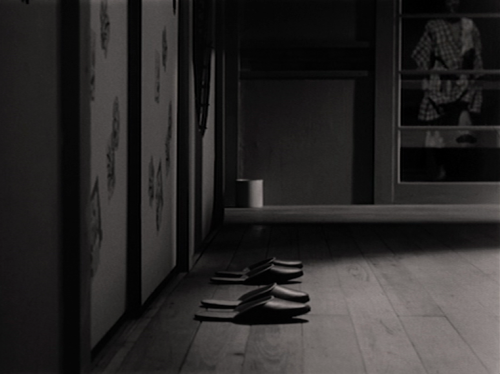
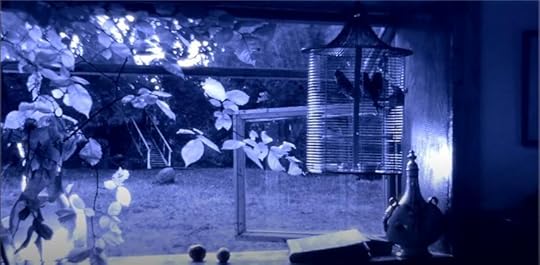
But then, so was Tarkovsky:
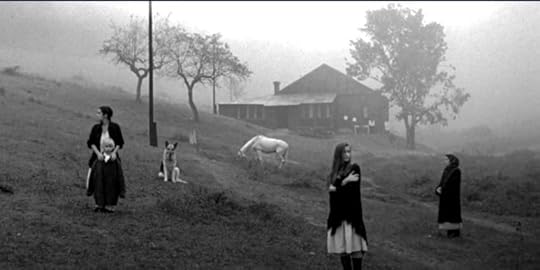

I gathered somewhere else some biographical information on Schrader. In his own words, he was once a "church kid" (Calvinist) who, in the 1960's, moved his interest from being theological to the European movies of that decade. On the "transcendental style" he affirmed "you won't get action" but "long shots", "no cuts", the participation of the viewer, "emotional burst" and "decisive action".

He acknowledged he was 24, maybe "too young" to write the book. As for those above mentioned 3 filmmakers, Schrader said they "were using similar techniques (of "withholding") in similar ways", to put the viewer in contact with the "invisible and the holy". Contrasting with the transcendental style, Schrader opposes the commercial style, which is about "action and empathy".
*https://www.imdb.com/list/ls006886449/
**http://www.tasteofcinema.com/2016/the...

April 21, 2026
A thought provoking, albeit not overall convincing book.
Paul Schrader is best known as author of the manuscript of Taxi Driver and co-author of another classic directed by the lapsed seminarist Martin Scorsese, Raging Bull. Moreover, he also directed films himself, however, without comparable success.
That he became involved in the film industry was far from natural, as he had grown up in a very rigid Dutch Reformed milieu where the cinema was regarded as work of the devil. At college, however, he became interested in film and only 26 years old he wrote this book on three directors who according to him brought transcendence on the screen to different degrees. Arguably the work reflects his intention to demonstrate the legitimacy of the medium film from a deeply religious point of view.
He elaborates his ideas on the basis of the oeuvre of the directors Ozu Yasujiro, Robert Bresson and Carl Theodor Dreyer. His theoretical approach draws primarily inspiration from the perennialist Ananda Coomarasway writings on Asian Art, Rudolf Otto's ideas about the numinous and British art historian Andrew Martindale works on medieval art.
In the introduction he clarifies that he will only analyze films which express transcendence, not films which inform about transcendence.
The first analytical chapter on Ozu has been rightfully bashed by David Bordwell because he exoticizes the work of the Japanese director as an expression of Zen concepts without ever proving that Ozu had inclinations in this direction and a deeper knowledge of the respective concepts. As opposed to this Bordwell has shown that Ozu’s work is embedded in Japanese popular culture, modern and pre-modern. In this chapters Schrader introduces however the concept of ‘stasis’ which is central for his understanding of the transcendental style. With the term he means the ‘freezing’ of the disparity between the human being and nature and the representation of the ‘wholly other’ (Otto). He finds it expressed in the still lifes and codas that conclude both Ozu’s entire films and specific sequences. They do, however, rarely show nature, rather the industrial cityscape of modernizing Japan. Apparently the perennialist cliché of the ‘spiritual’ East has impaired his perception of the mundane if not profane aspects of an Asian culture.
The most convincing chapter is the one on Bresson who doubt was a deeply religious person dedicated to theological reflections and often choosing explicitly religious topic for his films. For Schrader the latter aspect is, however, irrelevant for the question whether the film’s style is transcendent or not. As a specific manifestation of transcendent style he singles out the specific mode of acting devoid of drama and psychology that Bresson demanded from his actors. This explains to my opinion partially Schrader’s misreading of Ozu, because he interpreted the superficial similar style of actings as a parallel, disregarding that what is a normal social code in Japan appears artificial in a Western context. Another aspect to which Schrader draws attention is the frequent use of frontal takes of persons and the strict horizontal/ vertical composition reminding of Byzantine art.
In the third analytical chapter Schrader discusses the work of Dreyer which he considers insufficient at least when it comes to transcendental style. In accordance with the director himself he states that he unlike the other two did not develop one specific style but sought a peculiar style for each of his films. He argues that they all contain elements of the kammerspiel, expressionism or transcendental style. This is as such a valid observation, enhancing the understanding of Dreyer’s art, nonetheless, for Schrader this is also the reason why the director never made a film in which transcendental style prevails. Unlike Bresson’s Jeanne d’Arc Dreyer’s film on the saint indulges in expressionist observations of faces and it ends in drama not in stasis. Schrader concludes that in Dreyer's films transcendence is diluted like Gothic, not pure like Byzantine art.
In the final chapter Schrader positions transcendental style with regard to oversparseness and overabundance of aesthetic means. He abhors conventional Bible (‘sex and sand’) films like those directed bey Cecil de Mille as a mockery of the religious, in particular as the miraculous is staged with bombastic technical effects. This extreme counterpart of this overabundance are oversparse experiments like Michael Snows Wavelength which are pure stasis. As opposed to this transcendental style is characterized by the movement from ‘every day to stasis’.
It is not easy to judge the book. On the one hand the knowledge about film a 26-year-old who just had begun to watch films some years before displays is impressive. Furthermore much of what he writes about Bresson and Dreyer is insightful. On the other hand the exoticizing misinterpretation of Ozu's films has to be taken into account as a major flaw.
P.S.: Schrader's ideas about transcendence and stasis seem to have hardly impacted his own work as manuscript author and director. It would, however, be worthwhile to investigate in how far his concepts have influenced directors in the following decades, particularly in Eastern Europe (Tarkovsky, Kieslowski, Tarr).
Paul Schrader is best known as author of the manuscript of Taxi Driver and co-author of another classic directed by the lapsed seminarist Martin Scorsese, Raging Bull. Moreover, he also directed films himself, however, without comparable success.
That he became involved in the film industry was far from natural, as he had grown up in a very rigid Dutch Reformed milieu where the cinema was regarded as work of the devil. At college, however, he became interested in film and only 26 years old he wrote this book on three directors who according to him brought transcendence on the screen to different degrees. Arguably the work reflects his intention to demonstrate the legitimacy of the medium film from a deeply religious point of view.
He elaborates his ideas on the basis of the oeuvre of the directors Ozu Yasujiro, Robert Bresson and Carl Theodor Dreyer. His theoretical approach draws primarily inspiration from the perennialist Ananda Coomarasway writings on Asian Art, Rudolf Otto's ideas about the numinous and British art historian Andrew Martindale works on medieval art.
In the introduction he clarifies that he will only analyze films which express transcendence, not films which inform about transcendence.
The first analytical chapter on Ozu has been rightfully bashed by David Bordwell because he exoticizes the work of the Japanese director as an expression of Zen concepts without ever proving that Ozu had inclinations in this direction and a deeper knowledge of the respective concepts. As opposed to this Bordwell has shown that Ozu’s work is embedded in Japanese popular culture, modern and pre-modern. In this chapters Schrader introduces however the concept of ‘stasis’ which is central for his understanding of the transcendental style. With the term he means the ‘freezing’ of the disparity between the human being and nature and the representation of the ‘wholly other’ (Otto). He finds it expressed in the still lifes and codas that conclude both Ozu’s entire films and specific sequences. They do, however, rarely show nature, rather the industrial cityscape of modernizing Japan. Apparently the perennialist cliché of the ‘spiritual’ East has impaired his perception of the mundane if not profane aspects of an Asian culture.
The most convincing chapter is the one on Bresson who doubt was a deeply religious person dedicated to theological reflections and often choosing explicitly religious topic for his films. For Schrader the latter aspect is, however, irrelevant for the question whether the film’s style is transcendent or not. As a specific manifestation of transcendent style he singles out the specific mode of acting devoid of drama and psychology that Bresson demanded from his actors. This explains to my opinion partially Schrader’s misreading of Ozu, because he interpreted the superficial similar style of actings as a parallel, disregarding that what is a normal social code in Japan appears artificial in a Western context. Another aspect to which Schrader draws attention is the frequent use of frontal takes of persons and the strict horizontal/ vertical composition reminding of Byzantine art.
In the third analytical chapter Schrader discusses the work of Dreyer which he considers insufficient at least when it comes to transcendental style. In accordance with the director himself he states that he unlike the other two did not develop one specific style but sought a peculiar style for each of his films. He argues that they all contain elements of the kammerspiel, expressionism or transcendental style. This is as such a valid observation, enhancing the understanding of Dreyer’s art, nonetheless, for Schrader this is also the reason why the director never made a film in which transcendental style prevails. Unlike Bresson’s Jeanne d’Arc Dreyer’s film on the saint indulges in expressionist observations of faces and it ends in drama not in stasis. Schrader concludes that in Dreyer's films transcendence is diluted like Gothic, not pure like Byzantine art.
In the final chapter Schrader positions transcendental style with regard to oversparseness and overabundance of aesthetic means. He abhors conventional Bible (‘sex and sand’) films like those directed bey Cecil de Mille as a mockery of the religious, in particular as the miraculous is staged with bombastic technical effects. This extreme counterpart of this overabundance are oversparse experiments like Michael Snows Wavelength which are pure stasis. As opposed to this transcendental style is characterized by the movement from ‘every day to stasis’.
It is not easy to judge the book. On the one hand the knowledge about film a 26-year-old who just had begun to watch films some years before displays is impressive. Furthermore much of what he writes about Bresson and Dreyer is insightful. On the other hand the exoticizing misinterpretation of Ozu's films has to be taken into account as a major flaw.
P.S.: Schrader's ideas about transcendence and stasis seem to have hardly impacted his own work as manuscript author and director. It would, however, be worthwhile to investigate in how far his concepts have influenced directors in the following decades, particularly in Eastern Europe (Tarkovsky, Kieslowski, Tarr).
January 3, 2025
people b saying shit so definitively...like man idk i think it depends.....claiming that there are a set of formal elements identifiable as a style in the vein of wolfflin and panofsky - insisting that it could be implemented regardless of culture and personality (both of whom i studied and ran into the same gripes...shoutout my art history degree) - was kind of insane from the beginning and you know what he did not pull it off but i respect him for trying i guess 🙏🏽 there are definitely things that i got out of this, like the experience-expression-experience sequence but then he turns around and is like well a critic would never be able to articulate why its transcendental! and OKAY i know there's a difference between form and experience i just can't understand the point of separating them this forcibly. or at all....that goes for wolfflin and panofsky too...not only does that feel vulgar but it deadens everything...i already like bresson but schrader's writing makes bresson (and ozu, and dreyer) sound awful..... and one more thing!!!! why was he whacking dreyer's passion of joan of arc..girl you are paul schrader
Edit: just found out he was 24 when he wrote this..he shouldve been at the club.....but he wasn't on account of being paul schrader i suppose
Edit: just found out he was 24 when he wrote this..he shouldve been at the club.....but he wasn't on account of being paul schrader i suppose
Read
August 17, 2021i want to read at least 10 more books like this one

June 14, 2024
This book was written by Schrader when he was in his early twenties, not long after he apostasized from his first career (calvinist priest) and a number of years before he began writing films for Scorsese or directing films himself. The seminary school background seems to have done him some favors, as he has an abundant knowledge of religious history and art to draw on to justify his argument that Ozu and Bresson made films in a genre of 'transcendant art'. By this he means that these films follow a specific formula, using minimalist and brutish cinematographic and staging techniques to follow a narrative sequence of 'everyday life -> alienation therefrom -> transcendance via stasis' (ie, such as long shots that conclude Bresson's films, or the solitary shots of Setsuko Hara that customarily end an Ozu film). Schrader's point seems to be that in contrasting a rigidly depicted image of everyday life with a charged static image, both the viewers and the characters are partaking in an atmosphere of religious transcendance, which is neither an expressible ecstasy nor a metaphysical relevation, but rather something resembling a mystical gnosis.
I think there are some issues with this theory; his described structure fails to account for how specifically involved Ozu is with the emotional issues of his characters, nor how Bresson's films never really concern themselves with an 'everydayness' but rather are constantly in this precise zone of alienation at all times, and the arbitrary schema Schrader has made is evident when he awkwardly tries to attribute the 'transcendental style' to certain parts of Dreyer's films, but not others, and ultimately ends up over-reifying and abstracting a theory which was not entirely convincing to begin with. In great part I think this is because Schrader, at the time a young critic trying to establish a career in film journalism, was desperately over-eager to show to us how much he knew about religious art, postmodernist film philosophy (this book is riddled with Sontag references), and film history in general -- and, for a man younger than I presently am, the book is certainly impressive. Indeed, I would think it is only Schrader's misplaced aspirations to theoretical excellence (he meticulously defines every distinction he uses, and is abundantly careful to specify his exact philosophical position on every issue) which causes him to commit to a burdensome framework that prevents his genuinely interesting comparisons of film to religious art.
Pre-pended is a prologue written by Schrader a few years ago, where he concedes theoretical superiority to the writings of Deleuze and Tarkovsky on film, and concludes that 'slow cinema' (time images over movement images, as per Deleuze' schema) is what he was attempting to formulate, being a much more nebulously-defined category which generally includes films which provide room for deep contemplation of the images. While I'm not entirely satisfied with this approach to film either (I think I side more with Deleuze' radical wilfulness to accept more conventional narrative cinema as equally complex and profound), it really is a well written essay. It also includes the diagram of filmmakers, sequestered by a 'Tarkvosky ring' of narrative, which everyone has seen and by which everyone knows of this book.
This book also encouraged me to watch Ordet for the first time, which has been one of the best films I have seen in a very long time.
I think there are some issues with this theory; his described structure fails to account for how specifically involved Ozu is with the emotional issues of his characters, nor how Bresson's films never really concern themselves with an 'everydayness' but rather are constantly in this precise zone of alienation at all times, and the arbitrary schema Schrader has made is evident when he awkwardly tries to attribute the 'transcendental style' to certain parts of Dreyer's films, but not others, and ultimately ends up over-reifying and abstracting a theory which was not entirely convincing to begin with. In great part I think this is because Schrader, at the time a young critic trying to establish a career in film journalism, was desperately over-eager to show to us how much he knew about religious art, postmodernist film philosophy (this book is riddled with Sontag references), and film history in general -- and, for a man younger than I presently am, the book is certainly impressive. Indeed, I would think it is only Schrader's misplaced aspirations to theoretical excellence (he meticulously defines every distinction he uses, and is abundantly careful to specify his exact philosophical position on every issue) which causes him to commit to a burdensome framework that prevents his genuinely interesting comparisons of film to religious art.
Pre-pended is a prologue written by Schrader a few years ago, where he concedes theoretical superiority to the writings of Deleuze and Tarkovsky on film, and concludes that 'slow cinema' (time images over movement images, as per Deleuze' schema) is what he was attempting to formulate, being a much more nebulously-defined category which generally includes films which provide room for deep contemplation of the images. While I'm not entirely satisfied with this approach to film either (I think I side more with Deleuze' radical wilfulness to accept more conventional narrative cinema as equally complex and profound), it really is a well written essay. It also includes the diagram of filmmakers, sequestered by a 'Tarkvosky ring' of narrative, which everyone has seen and by which everyone knows of this book.
This book also encouraged me to watch Ordet for the first time, which has been one of the best films I have seen in a very long time.

January 8, 2023
Lo schermo nell'alto dei cieli
E' stato bello scoprire che Paul Schrader è stato un grande teorico di cinema: figlio di un pastore, ha contribuito allo studio della settima arte con questo raffinato e profondissimo testo sul trascendente (o, se preferite, lo spirituale) nel cinema.
La tesi fondamentale dell'autore è che lo "stile trascendente" ha caratteristiche precise, non dipende dalla cultura o dalla personalità dell'autore, ma può essere definita ed analizzata in modo oggettivo. L'obiettivo è quello (impossibile, forse) di comunicare allo spettatore una dimensione "altra", ineffabile ed indescrivibile in termini umani - Schrader procede dalla lezione di Bazin esemplificando lo stile trascendentale in tre movimenti (sulla scorta del triangolo di Freitag): la quotidianità (questo cinema parte sempre da un realismo banale e quasi insignificante), la scissione (separazione tra uomo e ambiente culminante in un evento decisivo) e la stasi (una visione cristallizzata che non risolve la scissione ma la trascende). In termini Zen, il processo è quello secondo cui all'inizio una montagna è una montagna, poi cessa di apparire come una montagna, ed infine ritorna ad essere una montagna.
Per concretizzare questa teorizzazione, Schrader sceglie tre registi fondamentali (forse, gli unici veri trascendenti, almeno fino al 1972): Ozu, Bresson e Dreyer. L'analisi del loro lavoro è profonda e davvero interessante e porta al desiderio di rivedere le loro opere - soprattutto, dà strumenti al lettore occidentale per comprendere le caratteristiche spiccatamente orientali e Zen del maestro giapponese. Inoltre, propone anche fertili paragoni tra Bresson e Dreyer - il primo vicino al cristianesimo bizantino, il secondo interpretabile come esponente di un' "arte protestante" e gotica.
Lettura molto interessante e utile, purtroppo condizionata da parecchi errori di stampa (uno veramente tragico ed imperdonabile, dove in una citazione di Maritain "Beuron" diviene "Bresson") e da una prefazione del 2002 di Gabriele Pedullà non a livello del testo di Schrader.
Soprattutto, stupisce l'ignoranza di Pedullà nel dimenticare Andrei Tarkovskij, David Lynch e Aleksandr Sokurov come registi che usano lo stile trascendente dicendo che che non si trova oggi, in Occidente, un solo regista trascendentale (con un uso un pò disinvolto del termine "trascendentale" che andrebbe evitato). E, non pago di questo affermazione altamente discutibile, si avventura in proporre Kiarostami come nome papabile, ma solo per dire che lui gli ha parlato di Ordet di Dreyer. Magari controllasse meglio le bozze del libro tradotto, invece di pavoneggiarsi per le conversazioni che ha avuto....
Un cinema "altro", che rifiuta i facili paraventi di emotività e ammiccamento al pubblico costruiti su trama, recitazione, effetti speciali usati nella storia per fare film sedicenti "religiosi", i quali non si alzavano di un centimetro - mentre altri autori (non di successo e meno noti) sono invece riusciti a "staccare l'ombra da terra".
E' stato bello scoprire che Paul Schrader è stato un grande teorico di cinema: figlio di un pastore, ha contribuito allo studio della settima arte con questo raffinato e profondissimo testo sul trascendente (o, se preferite, lo spirituale) nel cinema.
La tesi fondamentale dell'autore è che lo "stile trascendente" ha caratteristiche precise, non dipende dalla cultura o dalla personalità dell'autore, ma può essere definita ed analizzata in modo oggettivo. L'obiettivo è quello (impossibile, forse) di comunicare allo spettatore una dimensione "altra", ineffabile ed indescrivibile in termini umani - Schrader procede dalla lezione di Bazin esemplificando lo stile trascendentale in tre movimenti (sulla scorta del triangolo di Freitag): la quotidianità (questo cinema parte sempre da un realismo banale e quasi insignificante), la scissione (separazione tra uomo e ambiente culminante in un evento decisivo) e la stasi (una visione cristallizzata che non risolve la scissione ma la trascende). In termini Zen, il processo è quello secondo cui all'inizio una montagna è una montagna, poi cessa di apparire come una montagna, ed infine ritorna ad essere una montagna.
Per concretizzare questa teorizzazione, Schrader sceglie tre registi fondamentali (forse, gli unici veri trascendenti, almeno fino al 1972): Ozu, Bresson e Dreyer. L'analisi del loro lavoro è profonda e davvero interessante e porta al desiderio di rivedere le loro opere - soprattutto, dà strumenti al lettore occidentale per comprendere le caratteristiche spiccatamente orientali e Zen del maestro giapponese. Inoltre, propone anche fertili paragoni tra Bresson e Dreyer - il primo vicino al cristianesimo bizantino, il secondo interpretabile come esponente di un' "arte protestante" e gotica.
Lettura molto interessante e utile, purtroppo condizionata da parecchi errori di stampa (uno veramente tragico ed imperdonabile, dove in una citazione di Maritain "Beuron" diviene "Bresson") e da una prefazione del 2002 di Gabriele Pedullà non a livello del testo di Schrader.
Soprattutto, stupisce l'ignoranza di Pedullà nel dimenticare Andrei Tarkovskij, David Lynch e Aleksandr Sokurov come registi che usano lo stile trascendente dicendo che che non si trova oggi, in Occidente, un solo regista trascendentale (con un uso un pò disinvolto del termine "trascendentale" che andrebbe evitato). E, non pago di questo affermazione altamente discutibile, si avventura in proporre Kiarostami come nome papabile, ma solo per dire che lui gli ha parlato di Ordet di Dreyer. Magari controllasse meglio le bozze del libro tradotto, invece di pavoneggiarsi per le conversazioni che ha avuto....
Un cinema "altro", che rifiuta i facili paraventi di emotività e ammiccamento al pubblico costruiti su trama, recitazione, effetti speciali usati nella storia per fare film sedicenti "religiosi", i quali non si alzavano di un centimetro - mentre altri autori (non di successo e meno noti) sono invece riusciti a "staccare l'ombra da terra".

September 25, 2007
Paul Schrader the screenwriter for 'Taxi Driver' and the director of a lot of great films for instance "Mishima" wrote a classic film essay text on the 'transcendental" filmmakers Ozu, Robert Bresson and Carl Dreyer - all of them has a effect on Mr. Schrader's work - in fact, I would say or write that these filmmakers are echoed in Schrader's lifetime work. When you think of Taxi Driver in the context of Bresson for instance, well, it makes perfect sense. He's great (Schrader) of course!

December 31, 2018
Paul Schrader, a master himself, reveals the methods and consciousness of legends who transcended film's apparent materialistic limitation to great artistic success. Ozu as the Buddhist spiritualist and Bresson and Dreyer as arch-Christian directors is communicated not just in their subject matter but method and craft. Not merely a good study of the past but a good blueprint for the future.

January 21, 2020
Impressive work of criticism for someone just out of college who would later have a career making films rather than writing about them. It's a fairly deep reading of these three directors and almost instantly oriented how I see them. I'm reminded of another early work, The Birth of Tragedy, which is an aesthetic work which is nice to think about but wholly inadequate when critically taking the broad reaching aesthetic moods it presents. Schraeder's vice, as far as I can tell, has instead to do with narrowness, the theory only being applicable to a few directors. In Schrader's update in the new edition (mistakenly fronted as a preface), he lists really only a handful of films matching the transcendental style which have come out in the almost half century since the book originally came out. But nonetheless the parts still work. It works as an exploration of the very form of the style he was interested in, and as a broader commentary on spiritual artwork. In the update he laments not having an inkling of a mechanism on how it (psychologically) works, which he points to Deleuze and Tarkovsky taking similar methods to answering about a far broader domain of styles. However I don't think he actually needed such a thing; it takes no less than figuring out how any and all art works on us as a whole, which is decidedly not the goal here. What is in here works.

January 23, 2009
I read this during an (almost) unhealthy obsession with Yasujiro Ozu. However, I also love Bresson and Dreyer. Schrader's book reaches for the most part, and while I can't argue too much against stylistic themes of transcendence being apparent in all of their work, I found the effort to point out the fact, somewhat contrived. My feelings about Schrader himself, may also have something to do with the ones that I have about his book though. He was in this film tribute to Ozu on the Tokyo Story DVD, and I could hardly sit through his entire segment (which was only about ten minutes). It's the same blowhard type banter that I revile Martin Scorcese for. Directors like Schrader and Scorcese seem to latch themselves onto classic directors at times, going on and on like juvenile film scholars. It's about as interesting (read annoying) as a pop musician writing a novel.

May 15, 2020
“Spiritual art must always be in flux because it represents a greater mystery, also in flux: man’s relationship to the Holy.”
If you’re interested in film theory & transcendentalism, this is really really good. Overall, it’s both accessible & well-developed.
If you’re interested in film theory & transcendentalism, this is really really good. Overall, it’s both accessible & well-developed.

July 3, 2024
Great insight into the early cross-section of religion and film through the works of three legendary directors. Definitly made me appreciate the works I've seen by them more. The conclusion discussing film's history as a medium, as well as the newly written introduction that covers slow cinema, Tarkovsky, and Deleuze, is great too. Crazy he wrote this when he was like 24.

October 22, 2023
One of the best books on film I’ve yet to read. It’s right up there with Andrew Sarris’ “The American Cinema” as an incredibly eye opening analysis of how movie’s work.
The reason I was interested in this book had to do with this question: How can God, or the experience of God, be portrayed in the movies? I already had some experience of the transcendent in storytelling (through masterpieces such as Malick’s “The Tree of Life”), but I wanted to know how and why directors portray the transcendent in their films. Paul Schrader has a similar interest along with a reputation as one of the all time great movie screenwriters (writing “Taxi Driver” for example), so I figured his analysis would do the trick. It did and then some!
Though Schrader is seemingly religious, it should be noted that this book is not explicitly Christian. The book is analyzing how different cultures are using the same techniques to convey a sense of spirituality in their films. So Schrader is not explicitly analyzing how God shows up in the movies that look for him, but more so analyzing how movies show the ways in which we are all connected. This doesn’t mean that transcendental films don’t have anything to do with the presence of God in their approach, but it does distinguish the fact that these are films that are less interested in proving God’s existence and more interested in highlighting the mystery of human experience.
Schrader does a phenomenal job of pulling together all of this. He elegantly uses art history and philosophy to track the path that led to the transcendental style in film, and then subsequently illuminated how films allow us to confront spiritual mysteries. He does an amazing job of structuring out his argument, creating new rules and definitions that these films follow perfectly. While reading this book, you will not just learn about spirituality in the movies, but also about the relationship between man and nature, the differences between western and eastern spirituality, and finally the ultimate unity between them through a shared art history. It’s very eye-opening stuff!
Despite the fact that the book is covering such a wide range of spiritual ideas, the themes are also specifically applicable to Christianity. Schrader has highlighted the truth that finding God in the movies often means stripping back what we usually expect from them. To achieve the transcendental style, a director must strip back even the basic little dramas that happen in everyday life to make room for the transcendental to move in. It ultimately makes for a very meditative experience, which parallels a lot of what happens in liturgical practices too! It highlights the truth that it is when we slow down and behold life in its barest forms that God is easiest to see, despite the fact (or even because of the fact) that he is invisible. The discipline transcendental films provide can be an extension of a believer’s daily search for God. As Schrader has highlighted, some of these films don’t even have to be Christian for this to happen! The films of Yasojiro Ozu, for example, have been films I’ve been exploring for the very same experience despite the fact that his films are Buddhist in worldview.
Overall, this book was incredibly enlightening, and I would recommend to anyone looking to understand how movies can portray the transcendent experiences we have in our every day lives. This book has given me more faith in God than ever because he has gifted us with this strange art form as yet another way for us to get close to him. Schrader has shown me that watching films is not just an act of entertainment, but also can be one of faith. We need only look at our daily lives reflected back at us to see God at work.
The reason I was interested in this book had to do with this question: How can God, or the experience of God, be portrayed in the movies? I already had some experience of the transcendent in storytelling (through masterpieces such as Malick’s “The Tree of Life”), but I wanted to know how and why directors portray the transcendent in their films. Paul Schrader has a similar interest along with a reputation as one of the all time great movie screenwriters (writing “Taxi Driver” for example), so I figured his analysis would do the trick. It did and then some!
Though Schrader is seemingly religious, it should be noted that this book is not explicitly Christian. The book is analyzing how different cultures are using the same techniques to convey a sense of spirituality in their films. So Schrader is not explicitly analyzing how God shows up in the movies that look for him, but more so analyzing how movies show the ways in which we are all connected. This doesn’t mean that transcendental films don’t have anything to do with the presence of God in their approach, but it does distinguish the fact that these are films that are less interested in proving God’s existence and more interested in highlighting the mystery of human experience.
Schrader does a phenomenal job of pulling together all of this. He elegantly uses art history and philosophy to track the path that led to the transcendental style in film, and then subsequently illuminated how films allow us to confront spiritual mysteries. He does an amazing job of structuring out his argument, creating new rules and definitions that these films follow perfectly. While reading this book, you will not just learn about spirituality in the movies, but also about the relationship between man and nature, the differences between western and eastern spirituality, and finally the ultimate unity between them through a shared art history. It’s very eye-opening stuff!
Despite the fact that the book is covering such a wide range of spiritual ideas, the themes are also specifically applicable to Christianity. Schrader has highlighted the truth that finding God in the movies often means stripping back what we usually expect from them. To achieve the transcendental style, a director must strip back even the basic little dramas that happen in everyday life to make room for the transcendental to move in. It ultimately makes for a very meditative experience, which parallels a lot of what happens in liturgical practices too! It highlights the truth that it is when we slow down and behold life in its barest forms that God is easiest to see, despite the fact (or even because of the fact) that he is invisible. The discipline transcendental films provide can be an extension of a believer’s daily search for God. As Schrader has highlighted, some of these films don’t even have to be Christian for this to happen! The films of Yasojiro Ozu, for example, have been films I’ve been exploring for the very same experience despite the fact that his films are Buddhist in worldview.
Overall, this book was incredibly enlightening, and I would recommend to anyone looking to understand how movies can portray the transcendent experiences we have in our every day lives. This book has given me more faith in God than ever because he has gifted us with this strange art form as yet another way for us to get close to him. Schrader has shown me that watching films is not just an act of entertainment, but also can be one of faith. We need only look at our daily lives reflected back at us to see God at work.
June 21, 2025
كتاب مهم من تأليف بول شريدر قبل أن يصبح مخرج يحاول فيه شرح نوع من السينما الهادئة والبطيئة مثل أفلام أوزو وبريسون ودراير، تلك التي تركز على الصمت، الانتظار، والحياة اليومية العادية.
يرى شريدر أن هذا النوع من الأفلام لا تسعى إلى إثارة المشاعر القوية أو التشويق، بل تهدف إلى إيصال المشاهد إلى حالة من التأمل والسكون، وكأن الفيلم يتحول إلى نوع من الصلاة أو تجربة روحية.
الكتاب ممتع ومهم، بس يركز على ثلاث مخرجين فقط، كان ممكن إضافة أسماء ثانية. بس مع ذلك يظل قراءة أساسية لمحبي السينما الهادئة والعميقة.
يرى شريدر أن هذا النوع من الأفلام لا تسعى إلى إثارة المشاعر القوية أو التشويق، بل تهدف إلى إيصال المشاهد إلى حالة من التأمل والسكون، وكأن الفيلم يتحول إلى نوع من الصلاة أو تجربة روحية.
الكتاب ممتع ومهم، بس يركز على ثلاث مخرجين فقط، كان ممكن إضافة أسماء ثانية. بس مع ذلك يظل قراءة أساسية لمحبي السينما الهادئة والعميقة.

November 9, 2021
I finally finished Schrader's Transcendental Style in Film: Ozu, Bresson, Dreyer and it's pretty good. His argumentation for the stylization he terms "Transcendental Style" is sound, regarding its faults and, at times, broad nature with clear rationale, and provides a counterargument with the failings of Dreyer's filmography to ensure the style is related with clarity. Do I agree with it? Not in particular, since it relies on the expectation that the ephemeral can be related through this three-part structure of "Everyday, Disparity, and Stasis," which works under a spiritualist lens yet under any psychological or scientific or, even more broadly, logical perspective, fails to entice. For example, the ending of Pickpocket, as lovely as it is, does not make me feel some overwhelming sensation of the Otherwordly because of the radical shift that occurs between the two characters; instead, it relates a metaphysical dissonance with the viewer's expectations and, as a result, either encompasses the viewer completely or refutes them entirely. Of course, this is argued as the point by Schrader, but without that essential spirituality, I do not consider it of the inexplicable but the precise mark of the director's denial of morality or fate as it derives from the punishment of a thief. This does not discount the effort by Schrader, and I would highly recommend the work for its tremendous structural analysis of Ozu, Bresson, Dreyer, slow cinema (through its new introduction), and the various pontifications Schrader dives into regarding religious art.

June 20, 2019
Thought-provoking run down of how three unique directors match Schrader's definition of "Transcendental" style. Not unlike the film style itself, the text treads the fine line of dryness and insight that demonstrates Schrader's wealth of knowledge. Regardless of how much you agree with Schrader, the number of films discussed should pique the interest of cinephiles to view the works and come to their own conclusions. Despite the borderline academic nature of the writing, the deep dive into culture and art tied into film make it great work for those curious about the intersection of religion, spirituality, and The Seventh Art.
January 21, 2008
A great essay by Schrader. I don't subscribe to everything he lays out, but it's done in such a logical, concise manner that I appreciate even the stuff I disagree with.

May 23, 2011
Schrader has a very detailed and comprehensive study of these three director's. Ozu in particular has some incredible insight.

February 18, 2025
"Why would you do this to yourself?" my wife asked me when I started making my way through Paul Schrader's "Transcendental Style in Film."
It's a fair question because the book is about films I really don't like. Slow Cinema or as Schrader calls a particular subset of slow cinema, "Transcendental Cinema" refers to the school of filmmaking that opts for intentionally slow-paced, static, every-day and to my and most peoples' eyes, boring, movies.
Slow Cinema is very much having a moment. The works of Apichatpong Weerasethakul, Ryûsuke Hamaguchi and Hirokazu Koreeda have conquered arthouses and I would argue that a number of films in the indie zeitgeist from La Chimera to Perfect Days employ slow cinema technique.
Personally, I think slow cinema generally kind of sucks. While there are good examples of the form (I like Ozu very much and Schrader's work on him here is illuminating), for the most part, slow cinema has an aim that I don't think that film can generally achieve, and as such, I find a lot of it masturbatory and self-serious.
It might surprise you to hear me say, then, that I liked this book. Schrader's work here facilitates an understanding of the aims of slow cinema that a lot of criticism doesn't offer. Much criticism assumes familiarity and fondness for the form (after all Jeanne Dielman, 23 quai du Commerce, 1080 Bruxelles is the greatest movie of all time now or whatever, right?) and here Schrader mounts a capable defense. Schrader's work, of course, is not slow cinema, but you see elements of slow cinema in his work (as an accent color, not a dominant shade). If you are familiar with Schrader's work, it won't surprise you to hear that this book is an attempt to taxonomize the branch of slow cinema interested in evoking religious feeling in the viewer: hence the term "Transcendental Style." Schrader argues in favor a religious or spiritual aspiration for filmmakers using both Eastern and Western examples (for me, the Eastern are far more compelling from the Western because well, look what the Protestant work ethic ended up giving us). While I have no interest in that, you can't say that it hasn't work for him.
It makes sense that Schrader the Calvinist weeb would try to unite the style of rigid puritanical Protestant filmmakers and the zen influence of Eastern artists like Ozu. I think he is quite successful at doing so, and in achieving his goal, he helped me understand why I don't like slow cinema: it is propaganda.
Just as I usually hate the messy overburdened work of those influenced by Brecht and his condescending distancing effect (Boots Riley excepted), I do not like most of what comes out of slow cinema because the work is first and foremost concerned with teaching the audience a lesson as opposed to telling a story. It is almost more obnoxious that the lesson in slow cinema is religious, or at least spiritual. At least the Brechtians want to make the world a better place. It is more galling to me to watch the kind of slow cinema that wants to make the viewer a better person.
Who do you think you are to attempt to bore me into nirvana? How dare you!
To me, theme is not a first concern of the storyteller. If I think of my great influences, I can draw a straight line from the Coen Brothers back to their great underappreciated forefather, Preston Sturges. In Sturges' masterpiece, Sullivan's Travels, a Hollywood director searches for how to endow his work with meaning. He finds his answer, after a harrowing journey, when he observes prisoners laughing at cartoons: the first and truest purpose is to tell a story and to entertain. The propaganda, the political, the transcendental is secondary. And if the work does not succeed on the first score it will certainly fail on the second. You simply cannot skip that part. Story is craft.
Though I am a political person, for the most part, I agree with the old saying "If you want to send a message, try Western Union" and while I can't object to working a lesson in there, trying to make an audience see god intentional strikes me as hubris or even heresy. I am not a religious man so I don't think these deeds worthy of punishment, but I probably won't be watching the self-flagellation.
It's a fair question because the book is about films I really don't like. Slow Cinema or as Schrader calls a particular subset of slow cinema, "Transcendental Cinema" refers to the school of filmmaking that opts for intentionally slow-paced, static, every-day and to my and most peoples' eyes, boring, movies.
Slow Cinema is very much having a moment. The works of Apichatpong Weerasethakul, Ryûsuke Hamaguchi and Hirokazu Koreeda have conquered arthouses and I would argue that a number of films in the indie zeitgeist from La Chimera to Perfect Days employ slow cinema technique.
Personally, I think slow cinema generally kind of sucks. While there are good examples of the form (I like Ozu very much and Schrader's work on him here is illuminating), for the most part, slow cinema has an aim that I don't think that film can generally achieve, and as such, I find a lot of it masturbatory and self-serious.
It might surprise you to hear me say, then, that I liked this book. Schrader's work here facilitates an understanding of the aims of slow cinema that a lot of criticism doesn't offer. Much criticism assumes familiarity and fondness for the form (after all Jeanne Dielman, 23 quai du Commerce, 1080 Bruxelles is the greatest movie of all time now or whatever, right?) and here Schrader mounts a capable defense. Schrader's work, of course, is not slow cinema, but you see elements of slow cinema in his work (as an accent color, not a dominant shade). If you are familiar with Schrader's work, it won't surprise you to hear that this book is an attempt to taxonomize the branch of slow cinema interested in evoking religious feeling in the viewer: hence the term "Transcendental Style." Schrader argues in favor a religious or spiritual aspiration for filmmakers using both Eastern and Western examples (for me, the Eastern are far more compelling from the Western because well, look what the Protestant work ethic ended up giving us). While I have no interest in that, you can't say that it hasn't work for him.
It makes sense that Schrader the Calvinist weeb would try to unite the style of rigid puritanical Protestant filmmakers and the zen influence of Eastern artists like Ozu. I think he is quite successful at doing so, and in achieving his goal, he helped me understand why I don't like slow cinema: it is propaganda.
Just as I usually hate the messy overburdened work of those influenced by Brecht and his condescending distancing effect (Boots Riley excepted), I do not like most of what comes out of slow cinema because the work is first and foremost concerned with teaching the audience a lesson as opposed to telling a story. It is almost more obnoxious that the lesson in slow cinema is religious, or at least spiritual. At least the Brechtians want to make the world a better place. It is more galling to me to watch the kind of slow cinema that wants to make the viewer a better person.
Who do you think you are to attempt to bore me into nirvana? How dare you!
To me, theme is not a first concern of the storyteller. If I think of my great influences, I can draw a straight line from the Coen Brothers back to their great underappreciated forefather, Preston Sturges. In Sturges' masterpiece, Sullivan's Travels, a Hollywood director searches for how to endow his work with meaning. He finds his answer, after a harrowing journey, when he observes prisoners laughing at cartoons: the first and truest purpose is to tell a story and to entertain. The propaganda, the political, the transcendental is secondary. And if the work does not succeed on the first score it will certainly fail on the second. You simply cannot skip that part. Story is craft.
Though I am a political person, for the most part, I agree with the old saying "If you want to send a message, try Western Union" and while I can't object to working a lesson in there, trying to make an audience see god intentional strikes me as hubris or even heresy. I am not a religious man so I don't think these deeds worthy of punishment, but I probably won't be watching the self-flagellation.
September 28, 2024
A fascinating, well-researched, and essential essay for cinephiles. Schrader defines his definition of transcendental style through the analysis of three incredible and influential filmmakers and the progression of sacred art as it made its way into the young medium of cinema. His 2018 prologue is important to read too, as transcendental style has manifested itself and evolved in different ways beyond the patterns he noticed in Bresson and Ozu in 1971. As long as you realize that this book is Schrader himself merely trying to understand what made Bresson and Ozu’s films replicate a spiritual stasis, and not a strict, unchanging definition of said style, then this is absolutely worth reading. There are many different ways for a viewer to experience spiritual transcendence, and many different methods for an artist to achieve that, that weren’t fully realized at the time of writing. I would love to read a full book about someone analyzing transcendental style further with the context of post-1971 films.

January 6, 2025
insane that paul schrader was 24 when he wrote this. my raw thoughts are that a lot of this went over my head even having quite a few Ozu and Bresson films under my belt (i really gotta watch Dryer/joan of arc) but yeah what i really love here and is most informative to me is schrader explaining zen and christian, but specifically byzantine art. just today i watched andrei roublev for the first time and i didn’t realize until today that a lot of the reason high/late middle age christian art looks like that is because byzantine mosaic art looks like that. and it looks like that, the sorta emotionless looks on the faces are because it’s up to us to bestow the emotion and holiness to them. this also explains that cold bressonian style. but also explains to me why in drive my car, part of the method of mastering chekov is to just repeatedly do the lines without putting emotions in them. the viewer will ultimately put emotion and meaning into those lines. man ty paul schrader for helping me understand the world and art more
February 10, 2026
saggione della madonna, interessantissimo dalla prima all'ultima pagina. oltre alle analisi sullo stile e la forma dei registi e dei vari film, fa anche dei confronti con differenti forme d'arte che hanno espresso il trascendente in altri modi. bellissimo, anche per una persona che quando inizia a leggerlo non sa nulla di cinema (e non è che ne sappia così tanto dopo questi mesi, ma questo libro mi ha sicuramente arricchita esponenzialmente!).
non penso di aver compreso tutto, sicuramente, e forse ci sono dei punti di analisi che rimangono ambigui (ma effettivamente, per la materia che tratta, ha in qualche modo senso che ne rimangano-?), ma è stata una lettura sensazionale.
non penso di aver compreso tutto, sicuramente, e forse ci sono dei punti di analisi che rimangono ambigui (ma effettivamente, per la materia che tratta, ha in qualche modo senso che ne rimangano-?), ma è stata una lettura sensazionale.

June 23, 2026
If I’m quibbling, I think Schrader’s conception of the differences between Eastern Orthodox and Roman Catholic’s approach to the veneration of icons needs a revisit, but there’s a wealth of rich and elegantly-organized knowledge here.
And you’re telling me he wrote this at 24? Sheeesh I think I’m officially unc.
And you’re telling me he wrote this at 24? Sheeesh I think I’m officially unc.

February 24, 2020
really great! this book is part of a process that is changing the way i think about spirituality. pretty #weird, there will def be some more thoughts on that later

February 20, 2025
Read this again for research for my dissertation. Really just eviscerates me, thinking about what cinema can be, the patterns and aesthetics that we can track and study, and this style that offers transcendence through limitations and distance. Just so smart. Can’t believe he wrote this when he was my age😭
May 15, 2022
The intro and conclusion are really good. The middle chapters kind of skimmable.

October 29, 2018
This monograph began as Paul Schrader's film school thesis and it reads like it. While it is not academic prose at its worst, there is a dry, fussily methodical quality that I found a little surprising from the screenwriter of The Yakuza and Taxi Driver and director of Blue Collar and American Gigolo, until it occurred to me that it was written for submission to UCLA. To Schrader's credit, Transcendental Style in Film is commendably free of jargon, but it features the sort of self-consciously scholastic argument that always feels just beyond my grasp. It would seem as though I understood it, more or less, sentence by sentence, but when I tried to condense the ideas in a paragraph for myself into layman's terms and rhythms, I wasn't always sure I'd gotten the real gist. This is, in fact, similar to the slightly restive and baffled feeling that I've had in the past watching Ozu and Bresson movies. I like both directors (I really like Dreyer, but as Schrader argues, his work, while similar to theirs, is also way different), I've just not entirely understood why some folks love them so.
Schrader argues that these three directors share a bracing, spare rigor (He makes a number of offhand references to the lean and mean Westerns of Budd Boetticher, who, I get the feeling, was examined a bit more in depth in an earlier draft of this argument. My loss.) because they are all working, whether consciously or not, in what he defines as a culture-spanning "transcendental style." If I understand correctly, the experience that a less-sophisticated viewer such as myself might have of their movies - being, okay, I'll say it, a little bored - is, in fact a deliberately cultivated, meditative state that opens an audience up to spiritual revelation. Whether, as in Ozu's films, this is a Zen-inflected, quiescent acceptance of essential Oneness, or, as in the work of the avowedly Catholic filmmaker Bresson, an availability to the reality of Divine grace, Schrader argues that the means are the same. He proposes a sort of Hegelian dialectic in which the filmmakers' meditatively deliberate style establishes a sense of the everyday which is extraordinary in its ordinariness. The everyday is then challenged by a narrative development that provokes an experience of disparity. The disparity, Schrader argues, is then resolved by a spiritual synthesis which establishes a new sense of stasis that incorporates a deeper awareness of the profoundly Other. "Transcendental style," he writes, "can express the endemic metaphors of each culture; it is like the mountain which is a mountain, doesn't seem to be a mountain, then is a mountain again; it is also like the prison in which man is involuntarily enclosed, yet through a dark night of the soul he can escape, choosing instead to enter a 'new' prison."
Schrader argues that these three directors share a bracing, spare rigor (He makes a number of offhand references to the lean and mean Westerns of Budd Boetticher, who, I get the feeling, was examined a bit more in depth in an earlier draft of this argument. My loss.) because they are all working, whether consciously or not, in what he defines as a culture-spanning "transcendental style." If I understand correctly, the experience that a less-sophisticated viewer such as myself might have of their movies - being, okay, I'll say it, a little bored - is, in fact a deliberately cultivated, meditative state that opens an audience up to spiritual revelation. Whether, as in Ozu's films, this is a Zen-inflected, quiescent acceptance of essential Oneness, or, as in the work of the avowedly Catholic filmmaker Bresson, an availability to the reality of Divine grace, Schrader argues that the means are the same. He proposes a sort of Hegelian dialectic in which the filmmakers' meditatively deliberate style establishes a sense of the everyday which is extraordinary in its ordinariness. The everyday is then challenged by a narrative development that provokes an experience of disparity. The disparity, Schrader argues, is then resolved by a spiritual synthesis which establishes a new sense of stasis that incorporates a deeper awareness of the profoundly Other. "Transcendental style," he writes, "can express the endemic metaphors of each culture; it is like the mountain which is a mountain, doesn't seem to be a mountain, then is a mountain again; it is also like the prison in which man is involuntarily enclosed, yet through a dark night of the soul he can escape, choosing instead to enter a 'new' prison."
Displaying 1 - 30 of 111 reviews