Jump to ratings and reviews
Rate this book

Οι πολύγλωττοι εραστές

Rate this book
Η Έλινορ ζει σ’ ένα μικρό χωριό στη νότια Σουηδία. Η ίδια γράφει στο προφίλ της σε μια ιστοσελίδα γνωριμιών: Είμαι τριάντα έξι ετών και ψάχνω για έναν τρυφερό, αλλά όχι και πολύ τρυφερό άντρα.
Αλλά οι άντρες που συναντάει δεν είναι αυτό που ήλπιζε. Και ο έρωτας εξακολουθεί να είναι μακρινό όνειρο.

Ο Μαξ ονειρεύεται μια πολύγλωσση ερωμένη, μια γυναίκα που θα τον καταλαβαίνει σε όποια γλώσσα κι αν μιλήσει. Η αναζήτησή του τον φέρνει στην Ιταλία, όπου γνωρίζει μια μαρκησία στα όρια της οικονομικής κατάρρευσης.

Εκεί βρίσκεται και η Λουκρητία, μάρτυρας του έσχατου ξεπεσμού της γιαγιάς της σ' ένα ερημωμένο παλάτσο, αντιμέτωπη με τη σκιά του κόσμου όπου είχε μεγαλώσει.

Ένα χειρόγραφο μπαίνει και βγαίνει από τη ζωή τους, φέρνοντάς τους κοντά, προκαλώντας αισθήματα αγάπης και μίσους, αφήνοντας ανεξίτηλα σημάδια πάνω τους.

Τρεις άνθρωποι κυνηγούν την αγάπη, σ' ένα πανέμορφο μυθιστόρημα, βραβευμένο με το August Prize.

296 pages, Paperback

First published July 29, 2016

144 people are currently reading
2998 people want to read

About the author

Lina Wolff

27 books223 followers
Lina Wolff is a Swede who has lived and worked in Italy and Spain. During her years in Valencia and Madrid, she began to write her short story collection Many People Die Like You. Her novel, Bret Easton Ellis and the Other Dogs, was awarded the prestigious Vi magazine literature prize, given to writers to watch out for, and was shortlisted for the 2013 Swedish Radio award for Best Novel of the Year. She now lives with her family in Sweden.

Ratings & Reviews

What do you think?
Rate this book

Friends & Following

Create a free account to discover what your friends think of this book!

Community Reviews

5 stars
579 (11%)
4 stars
1,834 (36%)
3 stars
1,737 (34%)
2 stars
677 (13%)
1 star
160 (3%)
Displaying 1 - 30 of 364 reviews
Profile Image for Ilse.
552 reviews4,434 followers
April 8, 2019
Michel Houellebecq in the funhouse mirror

It’s a God-awful small affair
To the girl with the mousy hair...


Judging a book by its cover is often considered a reader’s sin, as revealing one’s disgraceful shallowness. And what about judging books by their title? I cannot deny an alluring cover can make me pick up a book, as well as an intriguing or promising title might – let alone a smashing, eye-catching and sexy title like The Polyglot Lovers (and no, I wasn’t even thinking about those linguistic scenes in a A Fish called Wanda). Looking for a Swedish author in my plan to read a woman author from every EU member country in 2019 (which my son scorns as a ludicrous sexist plan, what does the gender of an author matter!) I was already gloating over Lina Wolff’s novel from the moment I discovered it, and as soon as I could take it with me from the local library I gobbled it up in almost one sitting.

1e07820d287d0521d9ff0c2675ecc705

Swedish author Lina Wolff’s (second) novel consists of three interconnecting episodes told from the perspective of three different characters (Ellinor, Max Lamas and Lucrezia Latini Orsi), chained together by the predicament of a manuscript of a novel written by Max Lamas entitled ‘The Polyglot Lovers’. Even if two thirds of the novel is told by women, the central protagonist in the story is Max Lamas, a 54 year old writer who is depicted as a caricatural male chauvinist pig one loves to hate: a heartless, self-indulgent voyeur, cheating on his wife (a dull civil servant obsessed by Nietzsche), humiliating a suicidal woman after sleeping with her (‘too old, too inhibited, and too boring’), an omnivore who uses and abuses women for purely instrumental reasons, ranging from the convenience of livelihood by their salary, to satisfy his sexual needs or to provide him with material for his novel – a god in his own mind.

In Max Lamas, Lina Wolff seems to explore and expose the pomposity of the archetypical narcissistic (male?) artist – not that the motives of most of the other characters seem so much loftier (apart from an absent one). Some men are depicted as rather repulsive - smelly, violent, fat (to render the masochism of one of the female characters plausible?). The women the reader gets to know by their looks: or stunningly beautiful, or blatantly ugly, ordinary or not fulfilling the beauty standards (anymore). The women are mostly not overly intelligent (and certainly not intellectual) in contrast to the male types (the literary critic, the writer, the professor in mathematics).

The narrative plot structure is cannily circular and draws on contrasts: body and mind; north and south (we go from Stockholm to Italy); passivity versus dominance; sleek modern design interiors versus sumptuous decaying palazzo’s stuffed with antique furniture; age and class issues (working class versus aristocracy); intellectualists versus philistines. With such an ambitious multitude of theses and antitheses unsurprisingly the syntheses looks somewhat muddled: the world views and features of the different characters seem quite indistinctive and there is little diversity in the nature of their relationships. Relationships between the sexes and relatives are at best unfulfilling, characterised by loneliness, violence, deceit and exploitation, an absence of tenderness and real contact or communication. Maybe all are looking for love in a rather sorry way, unable to transcend their basic egotism. Max Lamas muses that in essence, everything is about being unhappy in love. Love for people, for ideas, or for life itself. And suicide is a kind of refusal from the knowledge that one has to live with a compromise, that one has to join in, kneel on one’s knees.

Whatever themes might be at the core of The polyglot lovers, it is not love. One of the themes, apart from loneliness and human fallibility is the theme of the writer as an opportunistic emotional vampire ever on the quest of to harvest human material for his work, not skewing abuse and in this story crossing moral lines and causing heartbreak to load it with more engaging entanglements.

ad95ae229de94e92b92458330d5a9840


In case the reader would have overlooked Wolff is dissing misogynist authors (or maybe rather the omnipresence of misogynist characters in their novels ) and– hard to a say – pastiching or parodying them– particularly focussing on one - to name him, Michel Houellebecq - she takes care to mention his name recurrently. She quotes him in an epitaph; Ellinor and the literary critic read his books; Max Lamas mentions him a few times in ‘his’ fragment and seems to identify with him. The novel majors in at least semi-cynic sneers on life. Though it has been a long time I have been reading Houellebecq (apart from a short manifesto on writing which is translated into English as To Stay Alive: a Method (and on which I just discovered Erik Lieshout made a documentary film, the essay is read by Iggy Pop), Wolff by pastiching him in my humble opinion doesn’t offer the mordant observations, thought-provoking insights, or even moments of tenderness (some would call it sentimentalism) I remember from the few Houllebecq novels I read. Nevertheless Wolff doesn’t seem unsympathetic to the persona of Houellebecq, and I would settle on she is rather pastiching than parodying him, her tossing around with him reminded me of what Houellebecq himself did with his friend the French writer Frédéric Beigbeder in The Map and the Territory. Just like the leitmotif of the mirrors featuring in The Polyglot Lovers entices several philosophical observations from the characters, Houellebecq’s writing and persona seems to function as a distorting mirror to Wolff – as well as the other way round:in The Polyglot Lovers Houellebecq’s writing seems reflected by funhouse mirrors.

Andersson-Saga-600x339

If this is meant as a feminist take on sexist (male) writers, to me it not really came across like one, nor did it entirely feel like a parody to me. On the contrary, women are portrayed as muses or catalysts – helpmates - or debased and I wonder in which this is different form the roles some male authors give them. Woman are powerful only when showing themselves a destructive force – a vengeful angel without wings – and they have to be madwomen to take control of or bear reality. If not, I wonder about the point Wolff intends to make by focussing on such a misogynist protagonist and by extension with her novel. The manuscript of his novel and the dream woman of Max Lamas (with ‘enormous, white, milk-scented breasts’) might be polyglot, none of Wolff’s characters seem to be able to speak the language of love (and maybe that is the whole (un-Houellebecqian) point of this novel: like Houellebecq stated ‘Don’t be afraid of happiness, it doesn’t exist’, Wolffs seems to imply not to be afraid of love, as not love doesn’t exist)?

multimedia-1011-img

If you are looking for clever entertainment stylishly packed up in a zeitgeisty and fancy setting aired with a few striking nature descriptions, wry and hyperbolic humour and mischievous literary playfulness (apart from Stephen King and Michel Houellebecq, Hjalmar Söderberg, Djuna Barnes and Alessandro Baricco are named), this novel might be for you. I thought it engrossing and I can imagine that some readers might consider this a brilliant pastiche on Houellebecq as well as on pulp fiction (the genre as well as the film, minus the blood). Uncomfortable some of its topics may be, I thought it easy to digest, just a little insubstantial to my taste, as the characters left me mostly cold and despite some marvellously phrased passages in the third part, the novel didn’t render the aesthetical experience which I seek for and often find in literature (admittedly not that often in contemporary novels).

Together with Max Lamas, I now wonder about The Possibility of an Island. I hope so, Monsieur Houllebecq – as one thing this novel makes me long for, is getting back to you – and that title has been tickling me for quite a while.

(Paintings by Karin Mamma Andersson)
Profile Image for Gumble's Yard - Golden Reviewer.
2,189 reviews1,796 followers
February 24, 2020
“I write too” I said
“Yes” she said “About sex, right”
“No” I said “ I don’t write about sex. I write about love”
“That’s what all men say” she said “But actually they’re just writing about men. Men and sex” ….
“The problem” I said “is tha if you write about anything but men, it gets political ….. I’d have more than wanted to write about women, homosexuals, dwarfs, or the disabled .….. The problem is that if you want to tell a story, then there’s only one untainted perspective, and that is the white heterosexual man’s. It is the only sheet of paper that doesn’t, so to speak, have a history of oppression”


And Other Stories is a small UK publisher which “publishes some of the best in contemporary writing, including many translations” and aims “to push people’s reading limits and help them discover authors of adventurous and inspiring writing”. They are set up as a not-for-profit Community Interest Company and operate on a subscriber model – with subscribers (of which they now have around 1000 in 40 countries) committing in advance to enable the publication of future books. This was one of the books to which I subscribed – and it is always pleasing to feel one has contributed, in a very small way, to facilitating a work of art.

Famously and admirably, And Other Stories were the only publisher to respond to Kamilia Shamsie (subsequent winner of the 2018 Women’s Prize)’s 2016 challenge to only publish books by women in 2018.

https://www.theguardian.com/books/201...

This book (translated by Saskia Vogel) is by the Swedish writer Lina Wolff.

I have not read her debut novel but this review by the author Sarah Perry (a review interestingly written only months before her own second novel “The Essex Serpent” was published to great acclaim) https://www.theguardian.com/books/201... is interesting - a book in which the dogs in a brothel are named after particularly misogynist male writers (including the one named in the title).

She comments “The greatest pleasure, for me, lies in the book’s sly critique of phallocentric literary culture and its wicked dismissal of all those venerated old dogs of more-or-less contemporary literature: Bukowski, Ellis, Houellebecq. I laughed aloud as one character recalls a scene in Houellebecq’s Platform ….. “So this is what literature is all about ………..It’s enough to make you weep.”

And this book, although very different in plot and concept, carries on with the much the same target – and with Michael Houellebecq even more firmly in its sights.

The novel is in three parts, named after their first party narrators – Ellinor, Max and Lucretia, their stories linked via a draft novel manuscript by Max “The Polyglot Lovers” and via Ruben an overweight misogynistic critic who he asks to evaluate the novel and who becomes obsessed with it.

Ellinor meets a Ruben via a dating website – and initially stranded by weather and later by lethargy, stays with him, reading his collection of Houellebecq novels: later confronted by Ruben’s beautiful, blind ex-wife (and Max’s medium) Mildred, seeking the manuscript, which she said Ruben wrote, on her advice, to lift a curse.

A few years earlier we see Max, seeking the fantasy of a perfect multi-lingual lover, he instead plays ruthlessly with the affections of a receptionist who leaves him with both a curse and a new obsession (an aristocratic Italian family).

Lucrezia, a member of that family, then looks back on Max’s visit to her family (which occurred between the two stories above); his seduction of her grandmother (seemingly as a route to Lucrezia’s beautiful but rage ridden mother); and the exploitative manuscript he wrote – "The Polyglot Lovers" – and the furious reaction it provoked in her mother (and the devastation for her grandmother).

Looking for funds to stop their crumbling family home being sold, she approaches Max, and his letter to her closes the story – telling of his meeting with Ellinor (prompted by Mildred) to try and find the manuscript.

Sarah Perry describes the author’s first novel as one that “puts its feminist cards on the table” and being all about power structures and turning them on their head.

The feminist cards are no less hidden here – but this I would argue is a book about reflection rather than revolution. Mirrors are a recurring image in the book, and the author I believe is holding up a mirror to (some) male authors (and also I think in some cases to others – including women – who indulge them) and both reflecting their behaviour back at them and making it clear that much of their professed interest in women is self-absorption and their misogyny a sign of their own insecurities,

“You’ve never seen anyone. You’ve only seen yourself, and the women you’ve had have only been mirrors in which you saw your own reflection.”
Profile Image for Iryna Chernyshova.
621 reviews112 followers
August 13, 2024
4,5* Такі книги непогано брати на книжкові клуби - пошукати тайні або наявні символи, пройтись по обʼєктивації жінок і мізогінії та дізнатися чи любить хтось творчість Уельбека (як я).

А взагалі книга дикувата в хорошому сенсі. І дуже в стилі фільмів Роя Андерссона. Гарний приклад скандинавської літератури, не тої що про лагом, а тої що може вдарити, раптово і сильно.
Profile Image for Tove Selenius.
161 reviews29 followers
January 10, 2017
Jag är en petig läsare. Kanske till och med extremt petig. Det springer ur ett nästan abnormt intresse för litteratur och språk och är inget jag kan rå för - det är mest tråkigt för mig själv, och möjligen de som läser mina gnöliga recensioner på Goodreads.
Det innebär att jag ofta blir besviken på hajpade böcker och skeptisk till böcker med pretentiösa titlar med ord som 'polyglott' i.

Men så ibland dyker det upp en bok som klarar hajpen. Texter som inte bara överlever det kritiska läsögat utan som stänger det, väcker den där naiva och odömande läslusten som det hela började med en gång i tiden. Och då är det som ett osedvanligt mäktigt knark. Går inte att lägga ned. Börjar isolera mig från min omgivning. Tvingar ointresserad livskamrat att lyssna på citterade passager.

Jag hoppas att jag inte med detta hajpar upp De polyglotta älskarna för någon som sedan i sin tur blir besviken. Om det är så är det bara att hoppas att besvikelsen förstärker nästa beroendeinducerande läsupplevelse för vederbörande. Det brukar ju vara så det går till, som tur är. En sorts circle of life för romanknarkare.
Profile Image for Rémi Coste.
27 reviews
April 13, 2019
It's one of the worst book I ever read in my life. There is no magic or beauty. All the characters are disgusting and make me want to puke. They all speak a fake plastic language ( in the French translation ). Maybe the intention was to sound modern slang. But it just sound like forced and gross.
How it's possible to do a book like this, flat, boring, totally disgusting when you have such a good idea of story ? It make me angry.
Sorry for bad English, I just want the world understand how much I was angry by this book !
Profile Image for Agapi.
155 reviews106 followers
November 27, 2017
Την κριτική μπορείτε να τη διαβάσετε και στο Agapi Reads.

Tρεις εντελώς διαφορετικοί -και οριακά σουρεάλ- χαρακτήρες αποτελούν τους «Πολύγλωττους Εραστές» της Lina Wolff, οι οποίοι μάλιστα τιμήθηκαν και με το August Prize 2016 (αν σας λένε κάτι τα βραβεία – εμένα προσωπικά όχι). Ένα ομώνυμο με τον τίτλο γραπτό είναι ο συνδετικός κρίκος που κρατάει ενωμένες τις τρεις αφηγήσεις. Έτσι, σε τρία κεφάλαια ίσης σχεδόν έκτασης, γνωρίζουμε την Έλινορ, τον Μαξ και τη Λουκρητία.

Δε μπορώ να πω ότι το βιβλίο έχει σαφή αρχή, μέση και τέλος και γι’ αυτό δεν ξέρω κατά πόσο μπορεί να το απολαύσει κάποιος που έχει συνηθίσει σε τέτοιου είδους αναγνώσματα. Αντ’ αυτού, επικεντρώνεται περισσότερο στους χαρακτήρες, κύριους αλλά και δευτερεύοντες, χτίζοντας πολύπλευρες, απρόβλεπτες και συμπλεγματικές προσωπικότητες. Δε μπορώ να πω ότι τους συμπάθησα, ούτε ότι τους συμπόνεσα ιδιαιτέρως. Πολλές φορές απόρησα με τις πράξεις τους και αναζήτησα εξηγήσεις. Κάποιες φορές τις βρήκα, άλλες όχι.

Το βιβλίο επίσης είναι διανθισμένο με μικρές, γκρίζες ζώνες φιλοσοφικών ερωτημάτων και προβληματισμών που αφορούν την συγγραφή και την ίδια τη ζωή, αλλά όχι σε βαθμό που να ενοχλεί ή να γίνεται ηθικο-διδακτικό.

Για μένα, οι Πολύγλωττοι Εραστές αποτέλεσαν ένα ευχάριστο διάλειμμα από τις αφηγήσεις με γρήγορη και έντονη πλοκή που με άφηναν μόνιμα διψασμένη για περισσότερη δράση. Πολλές φορές άλλωστε είναι αναγκαίο να «κατεβάζεις στροφές» ως αναγνώστης. Δεν είναι ένα «δύσκολο» ή φλύαρο βιβλίο, δεν προκαλεί έντονα συναισθήματα, ούτε θα σας ξενυχτήσει, αλλά σίγουρα θα σας κρατήσει ωραία και χαλαρή συντροφιά.

Βαθμολογία: ★★★☆☆ (3/5)
Profile Image for John Hatley.
1,383 reviews233 followers
January 10, 2025
In all fairness, I should write that this is an interesting book. Nevertheless, I didn’t really like it.
Profile Image for Annika Kronberg.
323 reviews84 followers
July 26, 2017
Under förväntan. Generellt brukar jag tycka om Augustprisvinnare, men det här föll mig inte i smaken. Jag brukar dessutom tycka om lite pretentiösa böcker, och böcker om litteratur, men det här nådde inte fram.

Den svagaste med romanen är handlingen. Jag gillar icke-kronologin och avslutet är helt okej, men dramaturgin är relativt ointressant. Jag undrar om författaren är lika pretentiös som bokens handling och språk, eller om det bara är en konstruktion (det lyckas hon i så fall med).

Framförallt Calisto (Castilo?) och Max känns som välarbetade karaktärer, men det finns inte en enda karaktär i boken jag tycker om. Det i sig behöver inte vara något dåligt, men det gör mig till en osympatisk läsare.

Den här boken passar den mångspråkiga, name drop-intresserade läsaren, men den funkar inte för mig. En otippad Augustprisvinnare.
Profile Image for . . . _ _ _ . . ..
305 reviews198 followers
December 1, 2017
Ενδιαφέρουσα ιδέα αν και πολυφορεμένη (μου αρέσουν και στο σινεμά οι intersecting stories) και ενώ δημιουργούσε κάποιες γνήσιες ποιητικές εικόνες όμορφα δοσμένες (ακόμα κι ένα...κατουρημένο χειρόγραφο-το περίφημο "Οι πολύγλωττοι εραστές"- να στεγνώνει με μανταλάκια τη νύχτα) με θέμα τη σύγχρονη δυτική μοναξιά,οι διάλογοι ήταν εντελώς ΝΕΚ (Νέος Ελληνικός Κινηματογράφος-Τι κάνεις Γιάννη;-Κουκιά σπέρνω) και όλοι οι ήρωες ήταν τόσοι βαθιά κουλτουριάρηδες που ήθελα να κλείσω το βιβλίο και να δω Shopping Star να γουστάρω.
Επίσης κλασσική περίπτωση μισού αστερίσκου (ΒΑΛΤΕ ΤΑ ΓΑΜΩΤΟ), τα 2 αστεράκια είναι λίγα, τα 3 αστεράκια είναι πολλά, η τάση είναι πάντως προς τα πάνω.
Profile Image for Anni.
558 reviews92 followers
June 2, 2019
This is the third novel in a row that I've read recently in which the plot revolves around the familiar theme of authors and their literary enterprises. Here we have three narrators, settings in three European countries and three unlikely perspectives on modern sexual politics.
The novel can also be viewed as a satire on post-modern artistic pretensions and the literary reputations of certain male authors renowned for their misogyny, although it must be said that the sadistic treatment of the women in these sexual misadventures is counterbalanced (if not excused) by the women’s obvious masochistic tendencies to fall for hideous men.
Profile Image for Malin Magnusson Barle.
85 reviews6 followers
March 30, 2017
En helt klichébefriad roman där varje bladvändning är en pulshöjande överraskning. De polyglotta älskarna av Lina Wolff liknar inte mycket annat. Osvår, men komplex, lättläst men bildat kontextuell.
Profile Image for Linda.
331 reviews30 followers
February 22, 2017
The story involves characters that all come into contact with a manuscript that is called De polyglotta älskarna, hence the title.

A woman meets a man on a dating site and decides to see him. An author treads women really badly, and cares only about himself. An Italian woman in the aristocracy lives in a palace in Rome. They are all weird and they are all connected in a way.

Throughout the book there is a theme about the search for love, but also some men’s view of women. Almost all men in the book objectify women and value them on the basis of their looks. Of course, there is nothing wrong with being attracted to someone, but the men focus so much on the women’s looks that it is difficult to understand how such people ever find love. They like young women with perfect bodies, but despise women that are older or not as beautiful, including their wives. One of the characters wife tells him that he hasn't really seen a woman. They have only been mirrors for him. He realizes that he has not viewed a woman without seeing and focusing on his own desire, or waiting for how his words are going to affect her. Fortunately, the women in the book have their own way of handling bad men.

It is a strange book in many ways. The structure is good, but it would have been as good to read more about the different characters, as they are very interesting on their own.

The author received the August prize today.
Profile Image for Christine Bonheure.
808 reviews300 followers
January 19, 2019
Weet je wat een boek goed maakt? Niet alleen de stijl, de beeldtaal en het verhaal – alhoewel die zaken uiteraard niet te onderschatten zijn – maar zeker ook de structuur. Mijn favoriete boek van 2018, “Het wordt spectaculair. Beloofd” van Zita Theunynck, vertoonde zo'n originele opbouw (lees mijn favorietenlijstje 2018: https://c-bon.org/favorietenlijstje-2...). Ook hier vind ik de manier waarop het verhaal gestructureerd is een enorme meerwaarde. Centrale figuur is schrijver Max. In het eerste deel gebeuren er heel rare dingen rond Ellinor. Ik dacht soms: Wat is dat hier? Waarom gebeurt dit? Wie doet nu zoiets? Hoe zit dit? Geleidelijk aan kom je in het tweede – over Max zelf – en derde deel alles te weten. Alle details vallen op hun plaats. Alles wat gebeurd is, krijgt betekenis. I like. Vlotte stijl, intelligent verhaal, karakters waar je mee meeleeft. Meer moet dat soms niet zijn.
Profile Image for Neil.
1,007 reviews757 followers
April 17, 2019
A book of three linked parts where you need to keep reading as it only comes together properly right at the end.

Ellinor seeks “the One” and, after a couple of false starts, finds Ruben via an online dating website. When they meet, Ruben has a manuscript (The Polyglot Lovers) that he shows Ellinor and something significant happens to that manuscript. For reasons unknown, Ellinor decides to stay with Ruben and settles down watching him go out to work each day while she stays at “home” watching TV and reading his hidden stash of Michel Houellebecq novel that she has discovered. Stay-at-home Ellinor also says at one point, “I’ve always thought the man should take the initiative. I’m not one to walk on over and fan the flames. Is this really the feminist novel the blurb suggests it is?

Cut to Max, the author of the manuscript. It is several years earlier (the story is told in reverse until the final part rushes forward again). Max is very directly portrayed as chauvinistic. When dreaming of his perfect polyglot lover who can talk to him in all eleven languages he speaks, he says:

“The fantasy woman spoke in a language I didn’t understand, and so all possibilities of and demands for communication were rendered impossible. It gave me the deepest sense of calm. If she was sad, I wouldn’t be able to console her. If she was happy, I’d notice nevertheless.”

Max’s mockery of one of the women he sees leads to him being cursed and he is advised that only writing a novel will lift the curse.

Cut to Lucrezia who recalls the arrival of Max in Italy where he has come to write the novel that will lift the curse. Here again, something dramatic happens to the manuscript and then the story tracks forward past the end of Ellinor’s narrative until if finally stops, even if the story hasn’t really finished.

All the way through, male dominance is parodied, gradually more and more overtly:

“I write, too,” I said
“Yes,” she said. “About sex, right?”
“No,” I said. “I don’t write about sex. I write about love.”
“That’s what all men say,” she said. “But actually they’re just writing about men. Men and sex.”


And

“Martini drove his BMW hard and staunchly, as a man does when he expects trouble from the woman beside him, because his car, that he can dominate, it will never be contrary.”

Until finally Max’s wife says to him:

“You’ve never seen anyone. You’ve only seen yourself, and the women you’ve had have only been mirrors in which you saw your own reflection.”

Mirrors and literary references play an important role in the story. Houellebecq himself seems to be a primary target, but as a representative of male dominated, even misogynistic, literature. But there are many, many other references out to famous (male) authors.

Watch for physical mirrors in the narrative in the light of Max’s wife’s words above.

I spent a long time after I finished this book Googling combinations of polyglot, Wolff and Auster as there is something about the book that reminded me of reading Auster, in particular, The New York Trilogy. I can’t quite articulate that yet, but it was there enough for me to go hunting for it. I maybe wrong - please comment on my review to agree or disagree.

I think this is a book that demands a second reading. It looks from the side at patriarchy in literature and in society - the men are flawed and often ridiculed, but the women are also imperfect - some of the ideas are thrown out there by simply saying “this is what your attitude looks like from the other side: do you see how ridiculous you are?”.

It’s a very easy book to read in the sense that the language is accessible and engaging. The reverse timeline means you have to keep concentrating and is one of the reasons a re-read might well reveal a lot more about the book. The other reason is that it doesn't all make complete sense, at least not on first reading (in the case of this book, though, that isn't a bad thing).

The Star Tribune closed its review like this, which is where I will also stop:

This is a novel full of colorful and candid characters who are eager to speak their minds and quick to flaunt their oddities. Through three markedly different voices, Wolff examines gender power play. Along the way, she upsets the applecart, mercilessly mocking male hegemony and skewering literary pretensions. What could have been angry and strident is instead caustic and mischievous: both a bracing wind and a breath of fresh air.

Not all hangs together, and even less makes sense. But Wolff’s constant supply of fire, bite and wit are compelling forces that propel us through all three of her riotous acts.


A very enjoyable read.
Profile Image for Nate D.
1,653 reviews1,251 followers
June 12, 2019
The men in this story are successful writers and intellectuals. The women are mostly culturally disinterested, mad, or ineffectual. The overly glib back blurb pronounces this "a fiercely witty and nuanced contribution to feminism in the #metoo era" but is it really that? The story dances around issues of how men see (write, use) women, but the women are mostly not doing anything to refute these roles. When they lash back, it's only in ways that seem to create their own problems, one in each of the novel's three parts -- a competent practical women who can fight (her opening sections, actually, were by far the best in the book) only fights back by burning a significant possession then falls into an almost parodic domesticity with her assaulter, a one-dimensionally jilted women shouts curses like a stereotypical witch, a troubled women (the only women intellectual here, but portrayed as broken in part by her over-education?!) enacts a hysterical revenge that can't save herself or her family. There are sparks of interest in how these form a series of representations, but a lot of the actual mechanics that lead us between them are a spurious lost manuscript plotline, byzantine character interconnections (in a flat language of direct information conveyance, less poetry or philosophy than a book called "The Polyglot Lovers" might seem to demand), and male viewpoints obsessing over Michel Houellebeck, whose cited "enfant terrible" male misogynist intellectual-writer status may have motivated Wolff's novel. A reasonable jumping-off point, but her response seems muddled and unclear, caught up in re-rendering familiar positions without offering effective opposition to them. Of course, who am I, a man, to judge the efficacy of Lina Wolff's feminism? Blame the back blurb for intensifying the light on these elements, but they do seem to be at the core of the project and a bit frustrating. If this was written by a man, I'd bemoan the mostly poorly characterized women next to the loathsome depth afforded the central male writer. As it is, sure, who am I to judge, but as a reader who tends to identify more with women characters than men, I wanted more from this!
Profile Image for Heidi.
1,023 reviews83 followers
April 18, 2025
4.5
Ai ettien että! Mieskatse naiskirjailijan romaanina, ei tutkimuksena tai esseenä, vaan triptyykkinä, joka on kovaa kirjallisuutta. Ruotsalainen Miranda July-Deborah Levy-Saara Turusen näytelmät-jotain kovaa-jotain märkää. Jes!
5 reviews
August 13, 2023
Wolff är en fantastisk författare som skriver fascinerande och säregna romaner. Den här och Köttets tid är mina favoriter.
Profile Image for Gabril.
1,041 reviews254 followers
December 11, 2022
“Amante, pensai. Quel ruolo che spezza il cuore.”

Al centro di questa storia c’è il topos letterario per eccellenza: un manoscritto perduto, il cui titolo è, udite udite, Gli amanti poliglotti.
Ma tutto quello che gira intorno al prezioso e unico esemplare letterario è piuttosto stravagante e inaspettato.

Si tratta delle traversie di tre personaggi fra loro molto diversi che si intrecciano vicendevolmente proprio a causa del benedetto manoscritto.
Il suo autore, Max Lamas, in crisi come scrittore e tormentato come uomo, ha affidato il suo lavoro al noto critico letterario Calisto Rondas per riceverne un parere che gli faccia finalmente prendere una decisione sull’opportunità di pubblicare o meno il romanzo.
In casa di Calisto però arriva Ellinor, una donna conosciuta tramite un sito di incontri con la quale lui intraprende una controversa/perversa relazione. Lei, lottatrice per passione, è reduce da un fallimento sentimentale e alla ricerca di colmare un vuoto di solitudine (e forse anche di cultura). La sua presenza sarà determinante per la sorte del manoscritto.
La storia si sposta poi da Stoccolma a Roma (e nelle Marche) quando compare il terzo personaggio coinvolto nella questione del manoscritto…anzi, forse la sua stessa protagonista: l’algida e decadente contessa Lucrezia Larini Stemmi, ultima discendente di una nobile famiglia in rovina.

I tre capitoli del libro sono dedicati ciascuno a un personaggio, i cui elementi di connessione reciproca si chiariscono via via che la lettura procede.

Solitudine, relazioni balorde, menzogna e svelamento, esperienze estreme…temi che trovano la loro giustificazione e il loro significato solo nella magia di una tessitura narrativa di cui Lina Wolff sa essere egregiamente padrona.
E la letteratura, come sempre, sopra ogni cosa.

3/4
Profile Image for Yuliya Yurchuk.
Author 9 books68 followers
January 6, 2017
Ця книжка отримала премію Августа у 2017 році, і заслужено отримала, я вам скажу! Читається на одному диханні, захоплює і заставляє думати взагалі про призначення літератури. Це книжка про книжку (чи про книжки, або про можливості книжки). Тут дві відомі цитати передають її головний зміст: "Рукописи не горять" і "Там, де палять книжки, будуть палити людей".
Композиційно книжка складається з трьох частин, роказаних різними людьми, яких зводить доля біля одного рукопису. Одна з цих людей - жінка, яка спалила рукопис, інша - сам письменник (ще є критик, єдиний, який мав доступ до рукопису, але його історію розповідають інші), а третя людина - та, хто надихнула написання рукопису (тобто чиє життя служило матеріалом для написання). Про все інше не скажу, бо це були б спойлери, а там треба читати, щоб було цікаво.
Ще великий плюс книжки - це описи Стокгольму. Він тут як один з персонажів, його дух панує над усім навіть, коли події переносяться в Рим.
Хороша книжка!
Profile Image for sislasus.
533 reviews5 followers
March 11, 2017
Det finns inte en enda karaktär i den här boken som jag kan bry mig om eller engagera mig i. Känslokall skildring av osympatiska personer i en helt osannolik händelseväv.
Sjukt pretentiös titel dessutom.
Profile Image for Katya.
290 reviews40 followers
August 17, 2024
4,25 🌟
якось важко написати без спойлерів у цьому випадку.
тут три історії, які переплітаються одна з одною. у кожній з них є герої і їх химерні вчинки, що спричиняють ще більше химерних вчинків. а в кінці пазл складається. знаючи все, думаю, можна перечитати або пробігтися сторінками.

багато про жінок і силу слів. а ще класно пише Ліна Вулф)
Profile Image for Finja Kemski.
122 reviews
February 14, 2019
Verkorkste Liebesbeziehungen & schwedische Idylle mit Hauch von Italien. Interessanter Aufbau, auch wenn ich im "3. Akt" fast ein wenig verloren war. Grandiose Sprache!
Profile Image for D.
526 reviews84 followers
March 11, 2020
Very entertaining. A rich cast of interesting characters and a surprising story linking them together in mildly surprising ways. The literary allusions didn’t spoil my enjoyment.
Profile Image for Κατερίνα Μαλακατέ.
Author 7 books629 followers
January 22, 2018
Μάλλον 3,75
https://diavazontas.blogspot.gr/2018/...
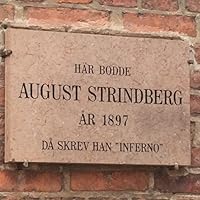
Οι πολύγλωττοι εραστές είναι το δεύτερο βιβλίο της Σουηδής Λίνα Βολφ κι έχει βραβευτεί με το –ψαρωτικό- βραβείο Augustus (Στρίνμπεργκ) στη χώρα της. Η Λίνα Βολφ έκανε αίσθηση με το πρώ��ο της μυθιστόρημα, Bret Easton Ellis and the Other Dogs, που μεταφράστηκε σε πολλές γλώσσες.

Το μυθιστόρημα χωρίζεται σε τρία μέρη που έχουν χαλαρούς δεσμούς μεταξύ τους. Στο πρώτο πρωταγωνιστεί η Έλινορ, ένα κορίτσι από χωριό που βρίσκει εραστή στο ίντερνετ από αγγελία . Ο Καλίστο είναι ελαφρώς βίαιος κριτικός λογοτεχνίας και λατρεύει τον Ουελμπέκ. Η κοπέλα μένει μαζί του αν και την πρώτη φορά κακοποιούν ο ένας τον άλλον- ο Καλίστο σωματικά, ενώ εκείνη ρίχνει στη φωτιά το μοναδικό αντίτυπο από το χειρόγραφο του αγαπημένου του συγγραφέα. Στο δεύτερο μέρος ένας συγγραφέας, ο Μαξ, γράφει ένα βιβλίο για τη γυναίκα που αναζητεί, μια «πολύγλωσση ερωμένη» και κρατά το μοναδικό αντίτυπο αν και του συμβαίνει ένα ατύχημα. Και στο τρίτο μια ξεπεσμένη μεσόκοπη Ιταλίδα κόμισσα μας περιγράφει την πτώση της και το ρόλο ενός συγγραφέα σε αυτή.

Το μυθιστόρημα περιέχει πολλές ιστορίες μέσα στις ιστορίες, παίζει με την ιδέα της λογοτεχνίας, του έρωτα, της βίας, των χρημάτων. Όλα αυτά με έναν τρόπο γραφής λιτό, σχεδόν αποστασιοποιημένο. Ενώ οι ιστορίες που μας διηγείται η Βολφ είναι ερωτικές, ο τρόπος που το κάνει δεν προκαλεί το συναίσθημα. Επίτηδες δεν θέλει να ταυτιστούμε με τις ερωτικές περιπέτειες των ηρώων της. Θέλει να ταυτιστούμε με τη ζωή τους, με την προσπάθεια τους να βρουν ποιοι είναι, πώς θα ορίσουν τον εαυτό τους.

Ομολογώ πως διασκέδασα πολύ με τις αναφορές στον Ουελμπέκ -που εμένα πολύ μου αρέσει, αλλά όσο να πεις δεν τον λες και απαύγασμα της πολιτικής ορθότητας ή θιασώτη του γυναικείου κινήματος. Λέγεται πως ένας από τους λόγους που το πρώτο της μυθιστόρημα ασχολείται με τον Μπρετ Ήστον Έλις είναι ο μισογυνισμός του, οπότε φαντάζομαι και στο τρίτο της βιβλίο θα περιλάβει κάποιον ακόμα μισογύνη συγγραφέα.

Το πιο εντυπωσιακό στοιχείο στο μυθιστόρημα είναι οι γυναικείοι χαρακτήρες. Οι γυναίκες λάμπουν παίρνουν τον πρώτο ρόλο και την πρωτοβουλία, δείχνουν όλη τους τη δύναμη, σωματικά και ψυχικά. Κι αυτό είναι μεγάλο ατού. Στα χρόνια που θα έρθουν η αφήγηση θα αλλάξει γιατί θα βρεθούν γυναίκες συγγραφείς που θα μπορέσουν να αποδώσουν αυτό που συμβαίνει με τους ρόλους των φύλων τα τελευταία χρόνια· θα πάρουν τη σκυτάλη και θα σκιαγραφήσουν τις θηλυκές τους ηρωίδες, όπως είναι. Κι αυτό θα φέρει νέα πνοή στη λογοτεχνία.

Αλλά ας ξαναγυρίσουμε στο συγκεκριμένο μυθιστόρημα. Με έναν παράξενο τρόπο η συγγραφέας δίνει το στίγμα των καιρών μας, τη μοναχικότητα, την ατομικότητα, τη δυσκολία να εμπιστευτείς αυτόν που αποκαλείς σύντροφο. Δεν είναι καθόλου περιγραφική όμως κατορθώνει να φτιάξει το φόντο, καταφέρνει να περάσει την αίσθηση της εποχής και των ανθρώπων. Και το κάνει με μια γραφή ευχάριστη και διεισδυτική, χιουμοριστική και ενδιαφέρουσα. Αυτά τα απλά συστατικά είναι που λείπουν συχνά από τα βιβλία που διαβάζουμε και κάνουν το διάβασμα κόπο αντί για ευχαρίστηση. Η Βολφ έχει τον τρόπο να πει μια ιστορία ξεκάθαρα, χωρίς να μένει στην επιφάνεια και να χάνει το βάθος. Κι αυτό είναι ο λόγος που θα την ακολουθώ στο μέλλον.

Profile Image for Natalie.
55 reviews2 followers
July 29, 2024
Це дуже красиво написано.

Невпевнена чи все сюжетне мені до вподоби, але ще не дочитавши, з'явилася думка колись перечитати.

Сподіваюся, таки буде змога повернутися до цього тексту.
Profile Image for Ruby Warhol.
121 reviews2 followers
March 11, 2021
This was advertised as a feminist book and I really don't see how it is in any way.
The descriptions of people were almost always fatphobic and sexist. I hated all of the characters because they were pretentious, arrogant, and acting creepy.

Aside from that, nothing really happens in this book except
- a man wandering around a stranger's office for no reason and casually cheating on his wife with someone he doesn't even fancy; then insulting the woman he slept with based on her appearance and 'sex skills'
- a woman dating a man she describes as unappealing and reading books from his shelf she's not interested in (the motivation for this is unclear)
- people having bland, stiff conversations
- being rude all the time
- destroying meaningless objects for no reason and with no real consequences.

That is literally it. That's the "story". Nothing significant happens to any of the characters, nothing that makes any sense. There was no logical explanation for their behaviour and views. The atmosphere and excitement level throughout the book was comparable to a maths lesson on a Monday morning.

I kept reading because I was curious how those awful people were all connected. But it made no sense even then. Max - one of the main characters - is just a power-hungry bully without emotions who thinks he's better than everyone else. It isn't further explained why he's interested in a random Italian family or why he enjoys crushing women's self esteem. The whole book is boring, pointless, and terribly written.

I'm not sure if there was some hidden meaning that I didn't get or if it was just a book that has nothing to say. The manuscript that keeps being mentioned means absolutely nothing for the story. It's really not that deep, I was hoping to read more about linguistics or love or philosophy but it was just about how women are bad if they're fat and old.
I don't think I've ever said this about a book before but I hated it.
Profile Image for Helena (Renchi King).
351 reviews16 followers
December 14, 2020
Divna priča! Možda čak i najljepša u izboru za ovu godinu.
Tri osobe koje povezuje potraga za izgubljenim rukopisom . U prvoj priči rukopis je skoro opipljiv,zakratko postoji. U slijedećoj upoznajemo pisca i u zadnjoj se opraštamo od nestalog rukopisa . Završava se putovanje ,sve sjeda na svoje mjesto.

Ovo je pravi vrtlog likova,emocija i njihovih doživljaja. Tema o ljubavnicima započinje u Švedskoj,završava u Italiji.
Univerzalna radnja o muško-ženskim odnosima,društvenim razlikama,kulturnom snobizmu , protkana humorom ,a ponekad i strepnjom ,svidjet ce se mnogim čitateljima.
Profile Image for Saskia Vogel.
10 reviews9 followers
July 1, 2018
One of my favorite Swedish writers. I love Wolff's exploration of gender, power, and language here. She has a wry humor and wild sensibility that reminds me of Almodovar in parts. I'm also her translator, which means I've spent a lot of time with this book and know it intimately. My appreciation for this book has only grown stronger.
Profile Image for Anita Ness.
84 reviews7 followers
Read
February 28, 2018
Likte boka veldig godt. Ønsket først mer om Calisto og Ellinor, men så får vi på en snedig måte historien fullendt likevel selv om det handler mest om Max. Litt krevende å bli ført inn i forskjellige historier, men det er genialt gjort. Og med et smil om munnen lukket jeg boka. Fortjener den fire eller fem? i alle fall fire pluss.
Displaying 1 - 30 of 364 reviews

Can't find what you're looking for?

Get help and learn more about the design.