

What do you think?

The Undressing: Poems
A tonic for spiritual anemia, Li-Young Lee’s new collection attempts to uncover things hidden since the dawn of the world. Short of achieving that end, these mysterious, unassuming poems investigate the human violence and dispossession increasingly prevalent around the world, as well as the horrors that the poet grew up with as a child of refugees. Lee draws from disparate sources, including the Old Testament, the Dao De Jing, and the music of the Wu Tang Clan. While the ostensive subjects of these layered, impassioned poems are wide- ranging, their driving engine is a burning need to understand our collective human mission.
FROM “CHANGING PLACES IN THE FIRE”
Look at us: You inside me
inside you. We’ve lived inside
each other from the beginning.
And from before beginning.
FROM “CHANGING PLACES IN THE FIRE”
Look at us: You inside me
inside you. We’ve lived inside
each other from the beginning.
And from before beginning.
80 pages, Kindle Edition
First published February 20, 2018
About the author
Li-Young Lee
34 books413 followersLi-Young Lee is an American poet. He was born in Jakarta, Indonesia, to Chinese parents. His great-grandfather was Yuan Shikai, China's first Republican President, who attempted to make himself emperor. Lee's father, who was a personal physician to Mao Zedong while in China, relocated his family to Indonesia, where he helped found Gamaliel University. His father was exiled and spent a year in an Indonesian prison camp. In 1959 the Lee family fled the country to escape anti-Chinese sentiment and after a five-year trek through Hong Kong, Macau, and Japan, they settled in the United States in 1964. Li-Young Lee attended the University of Pittsburgh and the University of Arizona, and the State University of New York at Brockport.
Lee attended the University of Pittsburgh, where he began to develop his love for writing. He had seen his father find his passion for ministry and as a result of his father reading to him and encouraging Lee to find his passion, Lee began to dive into the art of language. Lee’s writing has also been influenced by classic Chinese poets, Li Bo and Tu Fu. Many of Lee’s poems are filled with themes of simplicity, strength, and silence. All are strongly influenced by his family history, childhood, and individuality. He writes with simplicity and passion which creates images that take the reader deeper and also requires his audience to fill in the gaps with their own imagination. These feelings of exile and boldness to rebel take shape as they provide common themes for many of his poems.
Li-Young Lee has been an established Asian American poet who has been doing interviews for the past twenty years. Breaking the Alabaster Jar: Conversations with Li-Young Lee (BOA Editions, 2006, ed. Earl G. Ingersoll), is the first edited and published collection of interviews with an Asian American poet. In this collection, Earl G. Ingersoll asks "conversational" questions to bring out Lee’s views on Asian American poetry, writing, and identity.
Lee attended the University of Pittsburgh, where he began to develop his love for writing. He had seen his father find his passion for ministry and as a result of his father reading to him and encouraging Lee to find his passion, Lee began to dive into the art of language. Lee’s writing has also been influenced by classic Chinese poets, Li Bo and Tu Fu. Many of Lee’s poems are filled with themes of simplicity, strength, and silence. All are strongly influenced by his family history, childhood, and individuality. He writes with simplicity and passion which creates images that take the reader deeper and also requires his audience to fill in the gaps with their own imagination. These feelings of exile and boldness to rebel take shape as they provide common themes for many of his poems.
Li-Young Lee has been an established Asian American poet who has been doing interviews for the past twenty years. Breaking the Alabaster Jar: Conversations with Li-Young Lee (BOA Editions, 2006, ed. Earl G. Ingersoll), is the first edited and published collection of interviews with an Asian American poet. In this collection, Earl G. Ingersoll asks "conversational" questions to bring out Lee’s views on Asian American poetry, writing, and identity.
Ratings & Reviews
Friends & Following
Create a free account to discover what your friends think of this book!
Community Reviews
Displaying 1 - 30 of 192 reviews

March 26, 2021
Li-Young Lee's collection of poems is reminiscent of The Song of Songs in its beautiful celebration of love.
The first and longest poem, "The Undressing," focuses on physical passion as a stand-in for a much deeper union. The imagery clearly invokes The Song of Songs.
While the collection initially approaches the cliché in its focus on love, the latter half of the collection becomes much deeper with its mysticism, turning its attention to the divine. Lee addresses the nature of God in the context of the love we have for each other and our love for the divine.
In this sense, "The Undressing" really is a modern retelling of The Song of Songs. It is also beautifully written, with taut lyrical verses. Every word and every phrase are carefully chosen.
These poems have a very personal feel. They do not address any larger social issues. Rather, the focus is on individual emotions in connection to someone we love and how this love brings one closer to God.
The first and longest poem, "The Undressing," focuses on physical passion as a stand-in for a much deeper union. The imagery clearly invokes The Song of Songs.
While the collection initially approaches the cliché in its focus on love, the latter half of the collection becomes much deeper with its mysticism, turning its attention to the divine. Lee addresses the nature of God in the context of the love we have for each other and our love for the divine.
In this sense, "The Undressing" really is a modern retelling of The Song of Songs. It is also beautifully written, with taut lyrical verses. Every word and every phrase are carefully chosen.
These poems have a very personal feel. They do not address any larger social issues. Rather, the focus is on individual emotions in connection to someone we love and how this love brings one closer to God.

February 19, 2018
I can't say enough about how much I liked this poetry collection, in fact reading some of them aloud made me sob my eyes out. That's how deep and emotionally affecting they are, but not in an Instagram poetry way. This is the real stuff.
The poems are about desire, belonging, and family. My favorites are "Love Succeeding" and "Sandalwood," but the longer title poem is pretty unforgettable.
I need to go back and read his earlier work!
I had an eARC from the publisher and the title is out February 20, 2018.
The poems are about desire, belonging, and family. My favorites are "Love Succeeding" and "Sandalwood," but the longer title poem is pretty unforgettable.
I need to go back and read his earlier work!
I had an eARC from the publisher and the title is out February 20, 2018.

March 3, 2019
Poems of Metaphysics And Love
The American poet Li-Young Lee's (b. 1957) short collection of poetry, "The Undressing" combines meditations on the broad nature of reality and God with its expression in human love and sexuality. The poems often are autobiographical and describe Lee's early life as a refuge to America fleeing brutality in his native country. This collection includes many movingly lyrical, thoughtful works and passages together with some works that are less effective.
The book consists of four parts with the first part consisting of the lengthy title poem and the fourth part consisting of another long poem, "Changing Places in the Fire". Both these poems consist of a dialogue between the poet and another speaker. In the first the poet is undressing his beloved and speaking of sex while the woman returns his ardor with reflections on the spiritual character of love. The latter poem raises similar themes but also, as the poet talks with a woman-like bird, involves themes of the nature and value of poetry and of the word against its detractors. There is much beautiful language and thought in these poems together with a degree of didacticism.
On the whole the second and third sections of the book which include shorter more focused poetry are more effective. Although it is difficult to be abstract in poetry, Lee is at his best when he expresses strong religious feelings about Eternity and timelessness. He is able to share broad reflection on the mystery of life and being. Among the metaphysical poems, I most enjoyed "God is Burning", "Three Words" and "His Likeness" from part 3 of the book. In "His Likeness", the poet describes the elusive character of what we conceive as reality and concludes:
"God's love. Exhausted.
God slips me unfinished
under God's pillow.
I sleep as long as God sleeps.
And time is a black butterfly, pinned
While someone searches for its name in a book."
Many of the poems use metaphors involving birds and the power of song as a key to approaching reality. The poems with these themes that I enjoyed include "Spoken For" ("I didn't know I was blue/until I heard her sing.") ; "The Word From His Song" ("God seeks a destiny in all things fixed/in the kiln of the mind. / That's the word from his song".) , and "All About the Birds".
Among the best of the love poems in the book, is the final work in the collection, "Sandalwood".
I enjoyed getting to know the poetry of Li-Young Lee though this collection and hope to have the opportunity to explore his work further.
Robin Friedman
The American poet Li-Young Lee's (b. 1957) short collection of poetry, "The Undressing" combines meditations on the broad nature of reality and God with its expression in human love and sexuality. The poems often are autobiographical and describe Lee's early life as a refuge to America fleeing brutality in his native country. This collection includes many movingly lyrical, thoughtful works and passages together with some works that are less effective.
The book consists of four parts with the first part consisting of the lengthy title poem and the fourth part consisting of another long poem, "Changing Places in the Fire". Both these poems consist of a dialogue between the poet and another speaker. In the first the poet is undressing his beloved and speaking of sex while the woman returns his ardor with reflections on the spiritual character of love. The latter poem raises similar themes but also, as the poet talks with a woman-like bird, involves themes of the nature and value of poetry and of the word against its detractors. There is much beautiful language and thought in these poems together with a degree of didacticism.
On the whole the second and third sections of the book which include shorter more focused poetry are more effective. Although it is difficult to be abstract in poetry, Lee is at his best when he expresses strong religious feelings about Eternity and timelessness. He is able to share broad reflection on the mystery of life and being. Among the metaphysical poems, I most enjoyed "God is Burning", "Three Words" and "His Likeness" from part 3 of the book. In "His Likeness", the poet describes the elusive character of what we conceive as reality and concludes:
"God's love. Exhausted.
God slips me unfinished
under God's pillow.
I sleep as long as God sleeps.
And time is a black butterfly, pinned
While someone searches for its name in a book."
Many of the poems use metaphors involving birds and the power of song as a key to approaching reality. The poems with these themes that I enjoyed include "Spoken For" ("I didn't know I was blue/until I heard her sing.") ; "The Word From His Song" ("God seeks a destiny in all things fixed/in the kiln of the mind. / That's the word from his song".) , and "All About the Birds".
Among the best of the love poems in the book, is the final work in the collection, "Sandalwood".
I enjoyed getting to know the poetry of Li-Young Lee though this collection and hope to have the opportunity to explore his work further.
Robin Friedman

January 28, 2019
Your lamp has a triple wick:
Remembering, questioning, and sheltering
made of your heart’s and mind’s agreement.
With it, you navigate the two seas: Day
with everything inside it;
night and all that’s missing.
*
The lovers’ voices
and the voices of the beloved
are the ocean’s legion scaling earth’s black bell,
their bright crested foam
the rudimentary beginnings
of bridges and wings, the dream of flying,
and the yearning to cross over.
*
We are travelers among other travelers
in an outpost by the sea.
We meet in transit, strange to each other,
like birds of passage between a country and a country,
and suffering from the same affliction of sleeplessness,
we find each other in the night
while others sleep. And between
the languages you speak and the several I remember,
we convene at the one we have in common,
a language neither of us was born to.
And we talk. We talk with our voices,
and we talk with our bodies.
And behind what we say,
the ocean’s dark shoulders rise and fall all night,
the planet’s massive wings ebbing and surging.
*
There was so much to lose
even before I knew
what it meant to choose.
Remembering, questioning, and sheltering
made of your heart’s and mind’s agreement.
With it, you navigate the two seas: Day
with everything inside it;
night and all that’s missing.
*
The lovers’ voices
and the voices of the beloved
are the ocean’s legion scaling earth’s black bell,
their bright crested foam
the rudimentary beginnings
of bridges and wings, the dream of flying,
and the yearning to cross over.
*
We are travelers among other travelers
in an outpost by the sea.
We meet in transit, strange to each other,
like birds of passage between a country and a country,
and suffering from the same affliction of sleeplessness,
we find each other in the night
while others sleep. And between
the languages you speak and the several I remember,
we convene at the one we have in common,
a language neither of us was born to.
And we talk. We talk with our voices,
and we talk with our bodies.
And behind what we say,
the ocean’s dark shoulders rise and fall all night,
the planet’s massive wings ebbing and surging.
*
There was so much to lose
even before I knew
what it meant to choose.

October 5, 2024
Give up guessing, she says, give upOther highlights: “Our Secret Share,” “Folding A Five-Cornered Star so The Corners Meet,” “At the Year’s Revolving Door,” “All About the Birds,” “Changing Places in the Fire”
these frightened gestures of a stooped heart.
You’ve done all your learning with others in mind.
You’ve done all your teaching thinking only of yourself.
Saving the world, you oppress people.
Abandon educated words and honored acts.
I want you to touch me
as if you want to know me, not arouse me.
And by God, sing! For nothing. Singing
is origin.
(from “The Undressing”)

February 5, 2021
The book is composed of 4 parts, being the first one a long poem that gives name to the book itself, "The undressing", a love poem, a rite of love in the making together with a meditation on love, the word, poetry, family, spirituality.
"You say:
We cannot look upon Love’s face without dying,
So we face each other to see Love’s look,
And thus third-person souls
suddenly stand at gaze,
and the lover and the beloved,
second- and first-persons,
You and I, eye
to eye, are born."
The 4th part does also introduces a long poem, and it seems to me it tells about the poet's personal history in a very poetic and spiritual way, though at times, quite turbulent and painful.
The poems in between, parts 2 and 3, are also very touching, beautiful, harmonic.
"(...)
The sigh God sighed long ago
birthed lighted eons dying in time.
The sigh I sigh upon remembering Cain was my brother,
and so was Abel, fans every lit cell of me,
breathing, naked, hungry, thirsty, and sore
since birth, into an open tear, a burning tear
through which God surveys creation,
each a wet and living eye
in which God binds the Alpha and the Omega."
(God is burning)
In a few words, Li-Young Lee exhales humanity, spirituality, and beauty, these are poems that I shall constantly return to.
"(...)
And I don’t know
what might bring peace on earth. But a man
fallen asleep at his desk while revising
a letter to his father is apple blossoms
left lying where they fell.
The son who comes to wake him by kissing
the crown of his head is so many things:
Love succeeding.
The eye of the needle.
Little voice calling the flowers to assembly.
May the child never forget the power of the small.
May the man never wake a stranger to himself."
(Love succeding)
"You say:
We cannot look upon Love’s face without dying,
So we face each other to see Love’s look,
And thus third-person souls
suddenly stand at gaze,
and the lover and the beloved,
second- and first-persons,
You and I, eye
to eye, are born."
The 4th part does also introduces a long poem, and it seems to me it tells about the poet's personal history in a very poetic and spiritual way, though at times, quite turbulent and painful.
The poems in between, parts 2 and 3, are also very touching, beautiful, harmonic.
"(...)
The sigh God sighed long ago
birthed lighted eons dying in time.
The sigh I sigh upon remembering Cain was my brother,
and so was Abel, fans every lit cell of me,
breathing, naked, hungry, thirsty, and sore
since birth, into an open tear, a burning tear
through which God surveys creation,
each a wet and living eye
in which God binds the Alpha and the Omega."
(God is burning)
In a few words, Li-Young Lee exhales humanity, spirituality, and beauty, these are poems that I shall constantly return to.
"(...)
And I don’t know
what might bring peace on earth. But a man
fallen asleep at his desk while revising
a letter to his father is apple blossoms
left lying where they fell.
The son who comes to wake him by kissing
the crown of his head is so many things:
Love succeeding.
The eye of the needle.
Little voice calling the flowers to assembly.
May the child never forget the power of the small.
May the man never wake a stranger to himself."
(Love succeding)

November 30, 2019
I'm going to remain in love with this book eternally.
The Undressing is the stripping away of person hood, only to be clothed with communion with one's inner life.
Some poems would also read like love poems, and that is because spirituality and sensuality flow simultaneously in the verses. It is marvelous to see how rhythmically the two elements are flowing in the poems.
There is so much life and finality conveyed through the lines.
The first poem with the same title as the book is just AMAZING.
The Undressing is the stripping away of person hood, only to be clothed with communion with one's inner life.
Some poems would also read like love poems, and that is because spirituality and sensuality flow simultaneously in the verses. It is marvelous to see how rhythmically the two elements are flowing in the poems.
There is so much life and finality conveyed through the lines.
The first poem with the same title as the book is just AMAZING.

June 4, 2019
A beautiful and moving volume exploring love and desire and war and it's tragedies, especially for children and families that are the victims of invading armies. But the collection is not valuable only because of its insights or even the relation of personal trauma but primarily for the intricacies and beauties of the poems within it. I found them difficult at first; it took me several false starts until I was able to get into the poems but once I caught the rhythm and meaning I could not put the volume down until I'd finished it.
Well worth reading: important and beautiful
Well worth reading: important and beautiful

November 12, 2025
No m'ha agradat. No he connectat gens amb l'erotisme espiritual que travessa tot el llibre. Not my cup of tea.
August 28, 2021
I'd put this at a 3.5 but rounding up instead of down. Li-Young Lee at his best is amazing, one of the best and most interesting poets out there today. He has an incredible ability to turn metaphysical ideas into reality and combines motion and stillness in his language fantastically. There are poems in this collection that are breathtaking and I'm very glad to have read it.
However, like most 'metaphysical' poets, his language sometimes is too general and images feel like placeholders instead of real images. One particular recurring image just doesn't work for me because of practical difficulties with the image occuring - a concern I think important in a book that is about the physicality of human experience.
Overall though, despite one unlanded image and some generic imagery, I think this is worth getting a hold and I'm excited for Lee's continued career.
However, like most 'metaphysical' poets, his language sometimes is too general and images feel like placeholders instead of real images. One particular recurring image just doesn't work for me because of practical difficulties with the image occuring - a concern I think important in a book that is about the physicality of human experience.
Overall though, despite one unlanded image and some generic imagery, I think this is worth getting a hold and I'm excited for Lee's continued career.

Read
February 25, 2021his writing is very wonderful to read, some of these poems were very lovely and some were devastatingly beautiful & sad. i think i will reread a couple of these when i have more energy because currently, i can tell there's a lot of themes/discussion running throughout this collection that i'm not really picking up on but my brain just Doesn't Care... i felt like i was just reading Words for some of the poems, they didn't hold my attention in any form at all and i can't tell if they're just like that or i'm tired lol

January 22, 2020
You say:
We cannot look upon Love's face without dying.
So we face each other to see Love's look.
And thus third-person souls
suddenly stand at gaze
and the lover and the beloved,
second- and first-persons,
You and I, eye
to eye, are born.
But such refraction, multiplying gazes, strews
Love's eye upon the objects of the world,
as upon the objects of our room.
We cannot look upon Love's face without dying.
So we face each other to see Love's look.
And thus third-person souls
suddenly stand at gaze
and the lover and the beloved,
second- and first-persons,
You and I, eye
to eye, are born.
But such refraction, multiplying gazes, strews
Love's eye upon the objects of the world,
as upon the objects of our room.
March 9, 2023
i’ve been renewing my library loan on this for months at this point because i just keep rereading and sharing and crying and i have to return it and just buy my own copy. first poem is perhaps one of the best poems of all time? I read “All About The Birds” out loud to Daniel last night and he cried too, it’s just very good.

April 10, 2020
I first heard "I Loved You Before I Was Born" by Li-Young Lee on Tracy K Smith's podcast maybe a year ago, and it has remained one of my favorites, simply one of the most beautiful love poems I've encountered in a long time. I was delighted to get my hands on a copy of the collection containing that poem. Maybe because it's the only one I've heard read by Tracy, but I Loved You Before I Was Born remains my favorite poem in this collection. There are a few others - most notably, "Adore," that captured the same kind of romantic free-verse lyricism:
"You say:/We cannot look upon Love's face without dying./So we face each other to see Love's look. [...] But such refraction, multiplying gazes, strews/Love's eye upon the objects of the world,/as upon the objects of our room./My brush, hairpin, mirror, book,/your loving look finds each of these things/lovable, I can see. Things/by any other measure poor, your look crowns/to make them your heart's royalty."
But with a few other exceptions, the poems in this collection didn't really speak to me on the same deep level. It had me thinking about crosswords - sometimes crosswords are difficult because the clues are truly allusions you don't get, connections you can't quite make in your head, and sometimes they're difficult because there's a rule you have to guess (all words are missing ism at the end or some shit) or the clues are pointlessly oblique/showy ("obovoid pome"). I think that many of the poems here are probably more similar to the former case - I'm missing referents in Indonesian history, in Lee's life, or in his head. But I also fear that many of the poems were esoteric/spiritual in a way that strayed closer to the latter crossword (we're all on board with my crossword schema here, right?).
Throughout reading many of the poems I was wondering whether I just had to read it over and over again to unlock its meaning, but unlike other such poems, I didn't find myself invested enough to do so. Which I think is a shame! Because on the line-level, there are truly some incredible images and evocations. Idk, maybe I'm just bad at poems (and crosswords).
"You say:/We cannot look upon Love's face without dying./So we face each other to see Love's look. [...] But such refraction, multiplying gazes, strews/Love's eye upon the objects of the world,/as upon the objects of our room./My brush, hairpin, mirror, book,/your loving look finds each of these things/lovable, I can see. Things/by any other measure poor, your look crowns/to make them your heart's royalty."
But with a few other exceptions, the poems in this collection didn't really speak to me on the same deep level. It had me thinking about crosswords - sometimes crosswords are difficult because the clues are truly allusions you don't get, connections you can't quite make in your head, and sometimes they're difficult because there's a rule you have to guess (all words are missing ism at the end or some shit) or the clues are pointlessly oblique/showy ("obovoid pome"). I think that many of the poems here are probably more similar to the former case - I'm missing referents in Indonesian history, in Lee's life, or in his head. But I also fear that many of the poems were esoteric/spiritual in a way that strayed closer to the latter crossword (we're all on board with my crossword schema here, right?).
Throughout reading many of the poems I was wondering whether I just had to read it over and over again to unlock its meaning, but unlike other such poems, I didn't find myself invested enough to do so. Which I think is a shame! Because on the line-level, there are truly some incredible images and evocations. Idk, maybe I'm just bad at poems (and crosswords).

July 30, 2023
Shut the fuck up. Please shut the fuck up

February 17, 2018
Li-Young Lee's newest collection, The Undressing, is a patient and lyrical exploration of the body, the past, and human connection. The strongest moments are those in which Lee draws on events in Indonesia, which come through with visceral imagery and a grief that echoes long after. However, this is definitely poetry for the poetry reader; it is often dense, and the reader must sit with poems for sometimes a day or two, mulling over the lines and letting them ferment in the body.

April 8, 2020
Thanks to some mindless scrolling through Goodreads, I chanced upon this poetry collection and decided to read it. The first poem is the title of the collection. I was drawn to it the moment I started reading it. The lines portray carnal desires and it's written in a way that offers two voices - the poet/speaker and the woman who is talking to him about something metaphysical as he explores her body. It's a long poem but there is a certain flow to it that makes it hard to leave in between. You end up reading it entirely.
The remainder of the book, however, was slow. I was trying to wrap my head around the meaning of these lines, which at first glance, seem like disjointed phrases. Lee's poetry has recurring themes of God, love, death and trauma. Perhaps it was slightly difficult for me to understand some of his verses because I didn't know much about his personal history. All I knew, from what I could pick up from the 'memory soup' that is the rest of his collection, are nuggets that show the life of a refugee, personal sorrows, childhood and violence. It wasn't until I read an article in the New Yorker about The Undressing that I gained some insight. Here is a snippet from that review:
"Lee’s is a self-divided art. His poems often volley between speakers and states of mind. Some malarkey does get thrown into the mix: since his aims are frequently carnal, Lee’s mysticism can seem, even to him, like misdirection, or perhaps mood music."
I am not sure if I would pick it up again or that I can recommend the book to everyone. There are things in the poetry collection that move you and there are things I haven't understood fully. It's a book you pick up and interpret on your own; either finish it entirely and slowly or leave it in between as you stew on what you've read.
Maybe "The Undressing" is not just the title but also the undressing of Lee's mind; his myriad thoughts and memories.
The remainder of the book, however, was slow. I was trying to wrap my head around the meaning of these lines, which at first glance, seem like disjointed phrases. Lee's poetry has recurring themes of God, love, death and trauma. Perhaps it was slightly difficult for me to understand some of his verses because I didn't know much about his personal history. All I knew, from what I could pick up from the 'memory soup' that is the rest of his collection, are nuggets that show the life of a refugee, personal sorrows, childhood and violence. It wasn't until I read an article in the New Yorker about The Undressing that I gained some insight. Here is a snippet from that review:
"Lee’s is a self-divided art. His poems often volley between speakers and states of mind. Some malarkey does get thrown into the mix: since his aims are frequently carnal, Lee’s mysticism can seem, even to him, like misdirection, or perhaps mood music."
I am not sure if I would pick it up again or that I can recommend the book to everyone. There are things in the poetry collection that move you and there are things I haven't understood fully. It's a book you pick up and interpret on your own; either finish it entirely and slowly or leave it in between as you stew on what you've read.
Maybe "The Undressing" is not just the title but also the undressing of Lee's mind; his myriad thoughts and memories.
July 16, 2023
(2nd read 10/12/25)
Jesus Christ. I really believe that what he does transcends poetry and is something else entirely.
Every word in this is sublime, but my new favorite from the collection is the beeeaaautiful “All About the Birds”
And this bit from the title poem feels really relevant for the times, and unfortunately will be relevant for as long as we’re all alive on this planet. Hooray!
Repugnant little pleasure machines,
mesmerized minions of the marketplace, sold
desire, sold conflict by greedy advertisers,
leaving love waxed cold in your wake,
famine, pestilence, and earthquakes in your wake,
abomination, desolation, and tribulation in your wake.
Violence in your wake. One nation under the weapon.
One human city under the banner of murder.
One kalpa under the stumbling block.
One world under the sign of the scapegoat.
One species under the flag of the goat’s head.
Well it’s too late for flags.
It’s too late
for presidents. It’s too late
for movie stars and the profit economy.
It’s too late for plutonomy and precariate.
The war is on.
If love doesn’t prevail,
who wants to live in this world?
Are you listening?
Oh, Li-young, we're really in it now.
As always, reading him was like being shot in the heart over and over again. I do not know a better writer.
(1st read 7/14/23)
I loved you before I was born.
It doesn't make sense, I know.
Long before eternity, I caught a glimpse
of your neck and shoulders, your ankles and toes.
And I've been lonely for you from that instant.
That loneliness appeared on earth as this body.
And my share of time has been nothing
but your name outrunning my ever saying it clearly.
Your face fleeing my ever
kissing it firmly once on the mouth.
looooved this collection
Jesus Christ. I really believe that what he does transcends poetry and is something else entirely.
Every word in this is sublime, but my new favorite from the collection is the beeeaaautiful “All About the Birds”
And this bit from the title poem feels really relevant for the times, and unfortunately will be relevant for as long as we’re all alive on this planet. Hooray!
Repugnant little pleasure machines,
mesmerized minions of the marketplace, sold
desire, sold conflict by greedy advertisers,
leaving love waxed cold in your wake,
famine, pestilence, and earthquakes in your wake,
abomination, desolation, and tribulation in your wake.
Violence in your wake. One nation under the weapon.
One human city under the banner of murder.
One kalpa under the stumbling block.
One world under the sign of the scapegoat.
One species under the flag of the goat’s head.
Well it’s too late for flags.
It’s too late
for presidents. It’s too late
for movie stars and the profit economy.
It’s too late for plutonomy and precariate.
The war is on.
If love doesn’t prevail,
who wants to live in this world?
Are you listening?
Oh, Li-young, we're really in it now.
As always, reading him was like being shot in the heart over and over again. I do not know a better writer.
(1st read 7/14/23)
I loved you before I was born.
It doesn't make sense, I know.
Long before eternity, I caught a glimpse
of your neck and shoulders, your ankles and toes.
And I've been lonely for you from that instant.
That loneliness appeared on earth as this body.
And my share of time has been nothing
but your name outrunning my ever saying it clearly.
Your face fleeing my ever
kissing it firmly once on the mouth.
looooved this collection

June 30, 2018
Ah, the one star rating. The opening poem was so off-putting that I couldn't find a way to invest in the rest of the book. It was tainted, in a way. Having the opening tension being a woman saying, "are you listening" and the poet replying that he can do more than one thing at a time while proceeding to undress her—it is like a long violation and ignorance of the poet feeling entitled to the other.

December 24, 2018
I kept seeing this book pop up. It was really hard to get thru. It feels part of this new poetry phenomenon (such as with Rupi Kaur + r.h. sin etc.) where over-simplifying and mundane language is supposed to become this extravagant statement. Where words like “soul” and “God” fill in for other creative opportunities. I see why this is popular in the poetry community, but it personally does nothing for me.

September 6, 2021
“And of all the things we’re dying from tonight,
being alive is the strangest.
Surviving our histories is the saddest.”
being alive is the strangest.
Surviving our histories is the saddest.”
November 24, 2021
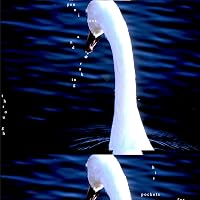
Blue,
wishing,
Not meaning to hurt her,
I’m hurting her a little,
wheeling between that double blue
But true lovers know, she says,
hunger vacant of love is a confusion,
Gold bit, I think.
throated,
But I’m thinking, Pale alcove.
I’m thinking, My heart ripens with news
the rest of me waits to hear.
But I had no idea.
And would have died without a clue,
except she began to sing.
I heard her sing and knew
I would never hear the true
name of each thing
until I realized the abysmal
ground of all things. Her singing
touched that ground in me.
I heard her sing,
and I’m no longer afraid.
Now that I know what she knows, I hope
never to forget
how giant the gone
and immaculate the going.
How much I’ve already lost.
How much I go on losing.
How much I’ve lived
all one blue. O, how much
I go on living.
I LOVED YOU BEFORE I WAS BORN
I loved you before I was born.
It doesn’t make sense, I know.
I saw your eyes before I had eyes to see.
And I’ve lived longing
for your every look ever since.
That longing entered time as this body.
And the longing grew as this body waxed.
And the longing grows as this body wanes.
That longing will outlive this body.
I loved you before I was born.
It makes no sense, I know.
Long before eternity, I caught a glimpse
of your neck and shoulders, your ankles and toes.
And I’ve been lonely for you from that instant.
That loneliness appeared on earth as this body.
And my share of time has been nothing
but your name outrunning my ever saying it clearly.
Your face fleeing my ever
kissing it firmly once on the mouth.
In longing, I am most myself, rapt,
my lamp mortal, my light
hidden and singing.
I give you my blank heart.
Please write on it
what you wish.
call it the fundamental
paradise
It was even before there were numbers,
a new ratio of body and song,
just proportions of world and cry.
wishing,
Not meaning to hurt her,
I’m hurting her a little,
wheeling between that double blue
But true lovers know, she says,
hunger vacant of love is a confusion,
Gold bit, I think.
throated,
But I’m thinking, Pale alcove.
I’m thinking, My heart ripens with news
the rest of me waits to hear.
But I had no idea.
And would have died without a clue,
except she began to sing.
I heard her sing and knew
I would never hear the true
name of each thing
until I realized the abysmal
ground of all things. Her singing
touched that ground in me.
I heard her sing,
and I’m no longer afraid.
Now that I know what she knows, I hope
never to forget
how giant the gone
and immaculate the going.
How much I’ve already lost.
How much I go on losing.
How much I’ve lived
all one blue. O, how much
I go on living.
I LOVED YOU BEFORE I WAS BORN
I loved you before I was born.
It doesn’t make sense, I know.
I saw your eyes before I had eyes to see.
And I’ve lived longing
for your every look ever since.
That longing entered time as this body.
And the longing grew as this body waxed.
And the longing grows as this body wanes.
That longing will outlive this body.
I loved you before I was born.
It makes no sense, I know.
Long before eternity, I caught a glimpse
of your neck and shoulders, your ankles and toes.
And I’ve been lonely for you from that instant.
That loneliness appeared on earth as this body.
And my share of time has been nothing
but your name outrunning my ever saying it clearly.
Your face fleeing my ever
kissing it firmly once on the mouth.
In longing, I am most myself, rapt,
my lamp mortal, my light
hidden and singing.
I give you my blank heart.
Please write on it
what you wish.
call it the fundamental
paradise
It was even before there were numbers,
a new ratio of body and song,
just proportions of world and cry.

August 23, 2021
I’m not sure how to feel about this collection as a whole. More specifically, I’m not sure how to feel about the middle part of the collection, which seemed somewhat out-of-place compared to what was happening at the start and end. (Or vice versa? Who knows.) The four sections of this collection are loosely connected by themes of love and desire, belonging, and a sense of existentialism as Lee explores one’s inner self— That said, I was able to see that the fourth section was a place to bring together all the topics that were presented throughout this collection, which worked well.
Without a doubt, Lee’s works are beautiful. Having read his other works, it didn’t surprise me in the least that each poem was delicately crafted in this collection. I was especially taken to the very first poem (aka the first section). It was a long poem, yes, but every line was breathtaking as the poet undressed their lover, listening to her musings on love. There was almost a sacred intimacy between the two that almost made me feel like a voyeur, ahaha. Of all the poems to read in this collection, “The Undressing” is the one to get a real sense of Lee’s craftmanship. Closely following is the last poem, “Sandalwood.” It’s significantly shorter than “The Undressing,” but captures a different side of love that will leave you longing for more.
Some favorites: “The Undressing,” “Spoken For,” “I Loved You Before I Was Born,” “His Likeness,” “At the Year’s Revolving Door,” “The Word from His Song,” “Sandalwood”
Without a doubt, Lee’s works are beautiful. Having read his other works, it didn’t surprise me in the least that each poem was delicately crafted in this collection. I was especially taken to the very first poem (aka the first section). It was a long poem, yes, but every line was breathtaking as the poet undressed their lover, listening to her musings on love. There was almost a sacred intimacy between the two that almost made me feel like a voyeur, ahaha. Of all the poems to read in this collection, “The Undressing” is the one to get a real sense of Lee’s craftmanship. Closely following is the last poem, “Sandalwood.” It’s significantly shorter than “The Undressing,” but captures a different side of love that will leave you longing for more.
Some favorites: “The Undressing,” “Spoken For,” “I Loved You Before I Was Born,” “His Likeness,” “At the Year’s Revolving Door,” “The Word from His Song,” “Sandalwood”

January 30, 2021
In 2016, I had a course on poetry in my Master's where we all had to do a presentation on a poem of our choice. I'd decided to find and present on a poet I hadn't heard of before. Browsing through random poetry websites, I came across Li-Young Lee. Born to Chinese parents in Indonesia, Lee had to flee to the US when anti-Chinese sentiment rose in the country. I'd only read a few of his poems before I decided that he was the one I'll be presenting. Such was the simplicity and rootedness of his words.
Fast forward to 2021, and I couldn't remember the name of the poem I'd presented then. Desperate to find it, I downloaded his available works to skim through. 'The Undressing' is the first poetry collection I've read till the end. Not unlike the poem I was trying to remember, the whole collection is tinged with a sense of dispossession, a lack of belonging; nostalgia, separation, chaos, and death. Lee writes exile into poetry like no other.
In making sense out of the violence and meaninglessness around him, he also infuses an effortless spiritual essense to all his poems and I thank him for introducing me to the discipline of Christian mysticism. What stood out to me the most was his anthropomorphizing of God, his fascinating tone of questioning God that dabbles in irreverence.
Lee's poems stirred me. But soothed me all the same.
PS: The poem I searched for was 'I ask my mother to sing' and it's from a different collection
Fast forward to 2021, and I couldn't remember the name of the poem I'd presented then. Desperate to find it, I downloaded his available works to skim through. 'The Undressing' is the first poetry collection I've read till the end. Not unlike the poem I was trying to remember, the whole collection is tinged with a sense of dispossession, a lack of belonging; nostalgia, separation, chaos, and death. Lee writes exile into poetry like no other.
In making sense out of the violence and meaninglessness around him, he also infuses an effortless spiritual essense to all his poems and I thank him for introducing me to the discipline of Christian mysticism. What stood out to me the most was his anthropomorphizing of God, his fascinating tone of questioning God that dabbles in irreverence.
Lee's poems stirred me. But soothed me all the same.
PS: The poem I searched for was 'I ask my mother to sing' and it's from a different collection

May 14, 2021
picked this up on a complete whim and oh it was beautiful. emotional and intimate and melancholic. i've never had a gift for reviewing poetry, so i'll just share one of my favourite bits
tw (as with most poetry, i'm sure there's a lot i'm missing) : sexual content, war themes, violence, death, grief, brief mention of rape
We are travelers among other travelers
in an outpost by the sea.
We meet in transit, strange to each other,
like birds of passage between a country and a country,
and suffering from the same affliction of sleeplessness,
we find each other in the night
while others sleep. And between
the languages you speak and the several I remember,
we convene at the one we have in common,
a language neither of us was born to.
And we talk. We talk with our voices,
and we talk with our bodies.
And behind what we say,
the ocean's dark shoulders rise and fall all night,
the planet's massive wings ebbing and surging.
tw (as with most poetry, i'm sure there's a lot i'm missing) : sexual content, war themes, violence, death, grief, brief mention of rape

August 5, 2022
Poems so exquisite it was painful to will myself to finish them before beginning to reread them. The Undressing is deeply spiritual and fully engaged with the physical, speaking from that conversant space within the two, spirit and matter joined together. Perfect union.
Li-Young Lee is a multi-award winning American poet born in Indonesia to Chinese parents in political exile. The Undressing was published in 2018 and is dedicated to “The Lovers / And The Manifold Beloved.”
I will return to these poems to read them again and again carrying them forward with me through the years. What a blessing, what a gift.
and suffering from the same affliction of sleeplessness,
we find each other in the night
while others sleep. And between
the languages you speak and the several I remember,
we convene at the one we have in common,
a language neither of us was born to.
And we talk. We talk with our voices,
and we talk with our bodies.
And behind what we say,
the ocean’s dark shoulders rise and fall all night,
the planet’s massive wings ebbing and surging.
‘The Undressing’
Li-Young Lee / The Undressing
Li-Young Lee is a multi-award winning American poet born in Indonesia to Chinese parents in political exile. The Undressing was published in 2018 and is dedicated to “The Lovers / And The Manifold Beloved.”
I will return to these poems to read them again and again carrying them forward with me through the years. What a blessing, what a gift.

May 12, 2018
there was one poem in this collection, "Our Secret Share," that I completely loved. 5 stars to that poem. the rest of the poems provoked a lot of thoughts and wondering and musings, but this is def poetry for the *serious poets* and has a lot of that cryptic lyrical thing going on. that's just not my fav.
side note - the opening and title poem "The Undressing" makes me a bit uncomfortable... not quite sure what to say about it. much has gone over my head. but a male narrator advancing upon a female narrator and stripping her away to reveal these philosophical soundbites sets up a dynamic that I don't find beautiful so much as disturbing.
side note - the opening and title poem "The Undressing" makes me a bit uncomfortable... not quite sure what to say about it. much has gone over my head. but a male narrator advancing upon a female narrator and stripping her away to reveal these philosophical soundbites sets up a dynamic that I don't find beautiful so much as disturbing.

January 31, 2019
I didn’t care much for the first/title poem. Other than that, there were certainly some beautiful, haunting, thought-provoking, and troubling poems in this book with lines that I will gladly revisit so they can stick to my soul.
Although I did enjoy this, I didn’t feel quite as mesmerized by Lee’s words in this collection as I did by Rose, the previous work I read of his. Even still, there is no denying that he is a gifted poet who has transformed some harrowing circumstances into a thing of absolute beauty.
Although I did enjoy this, I didn’t feel quite as mesmerized by Lee’s words in this collection as I did by Rose, the previous work I read of his. Even still, there is no denying that he is a gifted poet who has transformed some harrowing circumstances into a thing of absolute beauty.
May 3, 2021
I haven't enjoyed myself quite as much in a long time as I did whilst reading this. These poems were an absolute pleasure to read. The text is so painfully beautiful, I cannot begin to describe everything it made me feel whilst reading. The poems are so emotionally driven and so deeply spiritual, I really felt the connection with the words. Reading this felt like having a homemade dinner after not eating for a whole day and then just savouring the food and appreciating the person that made it for you.

January 22, 2022
I always find it near impossible to rate good poetry; it's such a personal thing that even if I tell you all the things I found good about it, you would take something completely different away from reading it. I can tell you that this collection of poems made me think, made me reflect on my life, made me see things from another point of view. And I enjoyed the experience. Beyond that, you would need to discover it for yourself.
Displaying 1 - 30 of 192 reviews