

What do you think?

Jään luoksesi
Eräänä aamuna Jung Yoonin puhelin soi. Langan päässä on hänen nuoruudenrakastettunsa, jonka kanssa hän ei ole ollut yhteyksissä kahdeksaan vuoteen. Heidän entinen kirjallisuuden professorinsa tekee kuolemaa. Uutinen pakottaa Yoonin matkaamaan takaisin nuoruuteensa ja elämään uudestaan tuon kipeän ja intensiivisen elämänjakson: niin ystävyyden, rakkauden ja idealismin kuin yksinäisyyden, surun ja tragedian.
Yoon aloittaa yliopisto-opintonsa 80-luvun Soulissa. Äitinsä kuolemaa sureva Yoon ystävystyy kahden muun kirjallisuudenopiskelijan kanssa, he kaikki ovat kampuksen outolintuja, sivustakatsojia. Arkisen elämän, ilojen ja surujen, taustalla kuohuu rauhaton, vallankumousta elävä Etelä-Korea. Yhteisten ruokahetkien lisäksi ilmassa väreilee kyynelkaasun tuoksu. Ystävyys, rakkaus ja toivo, nuoruus ovat kaikkialla sama.
Yoon aloittaa yliopisto-opintonsa 80-luvun Soulissa. Äitinsä kuolemaa sureva Yoon ystävystyy kahden muun kirjallisuudenopiskelijan kanssa, he kaikki ovat kampuksen outolintuja, sivustakatsojia. Arkisen elämän, ilojen ja surujen, taustalla kuohuu rauhaton, vallankumousta elävä Etelä-Korea. Yhteisten ruokahetkien lisäksi ilmassa väreilee kyynelkaasun tuoksu. Ystävyys, rakkaus ja toivo, nuoruus ovat kaikkialla sama.
301 pages, Hardcover
First published May 17, 2010
About the author
Kyung-Sook Shin
30 books1,624 followersAssociated Names:
* Shin Kyung-sook
* 신경숙
* 申京淑
Kyung-Sook Shin is a South Korean writer. She is the first South Korean and first woman to win the Man Asian Literary Prize in 2012 for 'Please Look After Mom'.
* Shin Kyung-sook
* 신경숙
* 申京淑
Kyung-Sook Shin is a South Korean writer. She is the first South Korean and first woman to win the Man Asian Literary Prize in 2012 for 'Please Look After Mom'.
Ratings & Reviews
Friends & Following
Create a free account to discover what your friends think of this book!
Community Reviews
Displaying 1 - 30 of 1,163 reviews
February 15, 2023
"يُمنح كل منا حياة واحدة، حياته . نصارع خلالها ، كل منا بطريقته الخاصة ، كي نمضي قدماً ، كي نعشق ، كي نحزن ، كي نخسر أحبتنا لحساب الموت . لا استثناءات لأي أحد..
فقط حياة واحدة.. فقط فرصة واحدة، وهذا كل شئ . "
الرواية دى من الروايات اللى أثناء قرائتها كنت بفكر ازاى ممكن أكتب مراجعة عنها أو اقول هي بتتكلم عن ايه !! مفيش حبكة محددة اوى أقدر أتكلم عنها .. هي اشبه بحياة بتمشى مع ابطالها وتسمع حكاياتهم الجديدة والقديمة وتشوف حياتهم والحياة حواليهم ماشية ازاى . وايه اللى حصل في حياتهم قبل كده وايه تأثيره عليهم دلوقتي! وحياتهم وتعاملهم مع بعض .

هي رواية عن الصداقة والألفة والقرب ..
رواية عن الفقد والكثير من الموت والحزن ..
عن الوحدة .. عن التشتت والضياع والغربة..
عن جروحنا العميقة ومحاولاتنا لتجاوزها او التعايش معها ، وقد ننجح احيانا ونفشل في أحيانا أخري ..
عن بحثنا عن الآخر حيناً او اختيار العزلة التامة احيانا أخرى..
عن هروبنا من الآخرين احيانا والإلتصاق بهم احيانا ..
عن وعود وأمنيات لن تتحقق .
عن أحوال البلد التي لا تتحسن ولا تتغير والتظاهرات وأثارها علينا وعلى حياتنا
" كل الأشياء سيان . يبدو فقط ان الزمن يمضي ، والوجوه فقط هي التي تتغير . يفرقونا ويطاردوننا في كل مكان . نقاتل لنصد هجومهم ثم نطارد من جديد .. نحدق جميعنا إلى الجدران ونشكو من الوحدة. كل ما علينا فعله هو ان نلتفت ونبعد عيوننا عن الجدران ، لكننا نُبقي وجوهنا مثبتة عليها . التفكير في ان هذا الوضع لن يتغير أبداً يدعو إلى الاكتئاب. لم يكن الوضع مختلفا في الربيع الماضي أيضاً
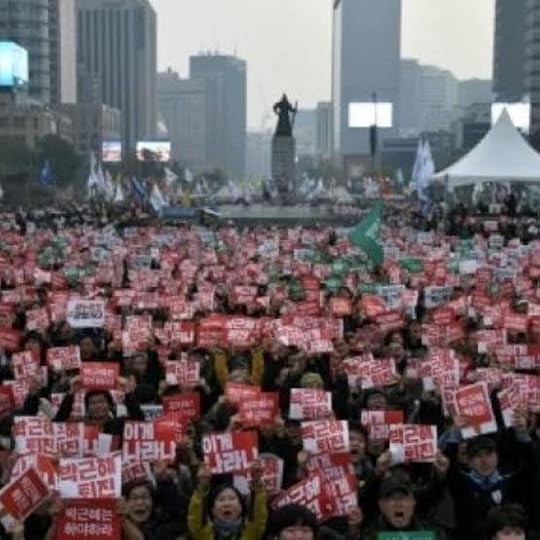
مابين الحاضر وتعارف ولقاء يون و ميونجسو و ميرو ، وصداقة يون وداهن، وحياتهم وأجزاء وحكايات من ماضيهم . وحياة الجيش والتظاهرات المطالبة بالتغير .. وأشخاص مختفيين عُثر علي بعضهم موتى .
الأحوال السياسية ليست مقدمة بشكل قوى ومباشر لكنها تتواجد في الخلفية ، لا نعلم عنها الكثير لكن تأثيرها موجود بقوة بالفعل . وللكاتبة تعقيب في نهاية الرواية عن هذا الأمر .
"اكتشفت اختفاء الكثير جدا من الأشخاص. عثر على بعض المفقودين موتى لاحقاً داخل سيارات مُحطمة ، أو بجماجم مُهشمة ، بسبب ما قيل إنه " سقطات عرضية " ، أو بمعدة منتفخة بالمياة في صهاريج، حيث لا مبرر لوجودهم هناك "
مابين فقدان يون لوالدتها وفقدان ميرو لأختها .. جذبهم شئ غير مرئي لبعضهم البعض و جمعتهم الوحدة وجمعهم الحزن ..
" كانت حياة كل منا على حِدة حياة بائسة وهشة "
كلام كتير جدا في الرواية لمسني بشكل شخصي جدا وكلام كتير حسيته وفاهماه لكن كان أكتر كلام بيوجعني كان كلام يون عن أمها وموتها .. كنت بحس مع كل مرة بتتكلم فيها عن أمها انى بفقد أمي من اول وجديد ..
"أمي ميتة " كانت تلك هي المرة الأولى التي أقول تلك الكلمات لأحدهم .
أمي ميتة، تردد صدى الكلمات في أذني. سرت قشعريرة في جسدي ."
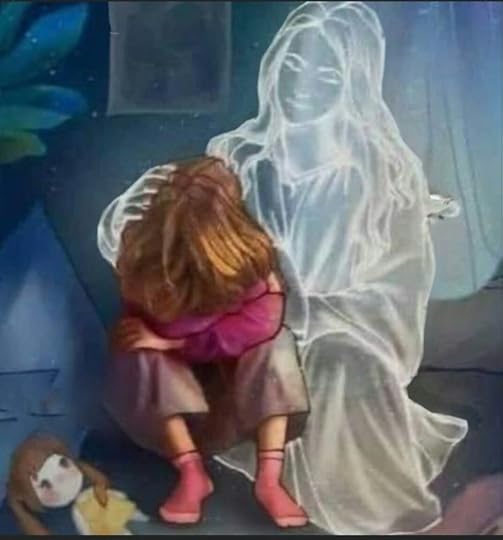
بالنسبالى حسيت ان يون فقدت أمها مرتين، المرة الأولى لما أمها قررت انها تروح تعيش مع بنت عمها عشان متتألمش معاها في مرضها والمرة التانية لما فقدتها للموت بالفعل.
أما قالت في مرة تعليق عن تعبير " يوما ما "
يوماً ما يا أمي " كل ما تُقتُ إليه- رؤية أمي تسترد صحتها وتعود إلى ذاتها القديمة- لم يتحقق أبداً." عندما فقدت أمي نبذت كلمة " يوما ما " أضحت الكلمة بلا معنى، كلمة وهمية ، غير قادرة البتة على تغيير أي شئ "
شفت امي قدامي على سرير المستشفي وأنا بقولها : "هتبقى كويسة وهنخرج قريب ان شاء الله " بإقتناع في البداية وبأمل وخوف بعد كده .. لحد ما الجملة دى فقدت معناها وبقيت وأنا بقولها حاسة انى بكدب عليها وعلى نفسي .
الرواية مكتوبة بأسلوب بسيط وفي نفس الوقت حلو اوى ، مليانة مشاعر إنسانية كتير ، رواية بائسة وحزينة بس جميلة .. جذبني أسلوبها من بدايتها ، رغم اني تساءلت في البداية ايه الهدف !! او ايه الحبكة والفكرة ؟؟ بس بعد كده اندمجت تماما معاها ومع احاسيسها .. اتألمت وبكيت وضحكت ومشيت وأكلت معاهم .. عشت ذكريات سعيدة وحزينة .. الرواية بإختصار هي حياة .. وزى ما الكاتبة قالت في النهاية " ما يحدث لشخصيات سأكون هناك لا يقتصر على كوريا الجنوبية . كل شئ يحدث في هذه الرواية قد يحدث في أي بلدٍ وفي أى جيل"
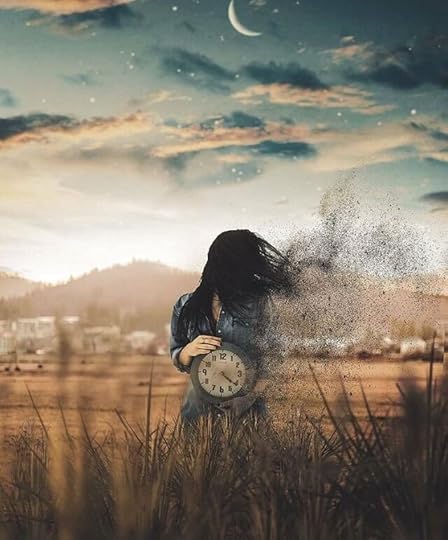
" شكراً لأنكم كنتم جزء من حياتي. لا تبكوني . كل شئ يجب ان ينتهي - الشباب والألم والشغف والفراغ والحرب والعنف. ألا تتفتح الزهور وتذبل ؟ تماماً كما أتيت إلى الوجود، يجب ان أمضي خارجه. انظروا إلى السماء. هناك حيث النجوم . إنها تتلألأ هناك دائماً ، سواء حدقنا إليها أو نسينا ذلك ، وستظل تتلألأ طويلاً بعد موتنا . أتمنى ان يصبح كل واحد منكم أحد تلك النجوم المتلألئة"
١٥ / ٢ / ٢٠٢٣
https://www.goodreads.com/review/show...
فقط حياة واحدة.. فقط فرصة واحدة، وهذا كل شئ . "
الرواية دى من الروايات اللى أثناء قرائتها كنت بفكر ازاى ممكن أكتب مراجعة عنها أو اقول هي بتتكلم عن ايه !! مفيش حبكة محددة اوى أقدر أتكلم عنها .. هي اشبه بحياة بتمشى مع ابطالها وتسمع حكاياتهم الجديدة والقديمة وتشوف حياتهم والحياة حواليهم ماشية ازاى . وايه اللى حصل في حياتهم قبل كده وايه تأثيره عليهم دلوقتي! وحياتهم وتعاملهم مع بعض .
هي رواية عن الصداقة والألفة والقرب ..
رواية عن الفقد والكثير من الموت والحزن ..
عن الوحدة .. عن التشتت والضياع والغربة..
عن جروحنا العميقة ومحاولاتنا لتجاوزها او التعايش معها ، وقد ننجح احيانا ونفشل في أحيانا أخري ..
عن بحثنا عن الآخر حيناً او اختيار العزلة التامة احيانا أخرى..
عن هروبنا من الآخرين احيانا والإلتصاق بهم احيانا ..
عن وعود وأمنيات لن تتحقق .
عن أحوال البلد التي لا تتحسن ولا تتغير والتظاهرات وأثارها علينا وعلى حياتنا
" كل الأشياء سيان . يبدو فقط ان الزمن يمضي ، والوجوه فقط هي التي تتغير . يفرقونا ويطاردوننا في كل مكان . نقاتل لنصد هجومهم ثم نطارد من جديد .. نحدق جميعنا إلى الجدران ونشكو من الوحدة. كل ما علينا فعله هو ان نلتفت ونبعد عيوننا عن الجدران ، لكننا نُبقي وجوهنا مثبتة عليها . التفكير في ان هذا الوضع لن يتغير أبداً يدعو إلى الاكتئاب. لم يكن الوضع مختلفا في الربيع الماضي أيضاً
مابين الحاضر وتعارف ولقاء يون و ميونجسو و ميرو ، وصداقة يون وداهن، وحياتهم وأجزاء وحكايات من ماضيهم . وحياة الجيش والتظاهرات المطالبة بالتغير .. وأشخاص مختفيين عُثر علي بعضهم موتى .
الأحوال السياسية ليست مقدمة بشكل قوى ومباشر لكنها تتواجد في الخلفية ، لا نعلم عنها الكثير لكن تأثيرها موجود بقوة بالفعل . وللكاتبة تعقيب في نهاية الرواية عن هذا الأمر .
"اكتشفت اختفاء الكثير جدا من الأشخاص. عثر على بعض المفقودين موتى لاحقاً داخل سيارات مُحطمة ، أو بجماجم مُهشمة ، بسبب ما قيل إنه " سقطات عرضية " ، أو بمعدة منتفخة بالمياة في صهاريج، حيث لا مبرر لوجودهم هناك "
مابين فقدان يون لوالدتها وفقدان ميرو لأختها .. جذبهم شئ غير مرئي لبعضهم البعض و جمعتهم الوحدة وجمعهم الحزن ..
" كانت حياة كل منا على حِدة حياة بائسة وهشة "
كلام كتير جدا في الرواية لمسني بشكل شخصي جدا وكلام كتير حسيته وفاهماه لكن كان أكتر كلام بيوجعني كان كلام يون عن أمها وموتها .. كنت بحس مع كل مرة بتتكلم فيها عن أمها انى بفقد أمي من اول وجديد ..
"أمي ميتة " كانت تلك هي المرة الأولى التي أقول تلك الكلمات لأحدهم .
أمي ميتة، تردد صدى الكلمات في أذني. سرت قشعريرة في جسدي ."
بالنسبالى حسيت ان يون فقدت أمها مرتين، المرة الأولى لما أمها قررت انها تروح تعيش مع بنت عمها عشان متتألمش معاها في مرضها والمرة التانية لما فقدتها للموت بالفعل.
أما قالت في مرة تعليق عن تعبير " يوما ما "
يوماً ما يا أمي " كل ما تُقتُ إليه- رؤية أمي تسترد صحتها وتعود إلى ذاتها القديمة- لم يتحقق أبداً." عندما فقدت أمي نبذت كلمة " يوما ما " أضحت الكلمة بلا معنى، كلمة وهمية ، غير قادرة البتة على تغيير أي شئ "
شفت امي قدامي على سرير المستشفي وأنا بقولها : "هتبقى كويسة وهنخرج قريب ان شاء الله " بإقتناع في البداية وبأمل وخوف بعد كده .. لحد ما الجملة دى فقدت معناها وبقيت وأنا بقولها حاسة انى بكدب عليها وعلى نفسي .
الرواية مكتوبة بأسلوب بسيط وفي نفس الوقت حلو اوى ، مليانة مشاعر إنسانية كتير ، رواية بائسة وحزينة بس جميلة .. جذبني أسلوبها من بدايتها ، رغم اني تساءلت في البداية ايه الهدف !! او ايه الحبكة والفكرة ؟؟ بس بعد كده اندمجت تماما معاها ومع احاسيسها .. اتألمت وبكيت وضحكت ومشيت وأكلت معاهم .. عشت ذكريات سعيدة وحزينة .. الرواية بإختصار هي حياة .. وزى ما الكاتبة قالت في النهاية " ما يحدث لشخصيات سأكون هناك لا يقتصر على كوريا الجنوبية . كل شئ يحدث في هذه الرواية قد يحدث في أي بلدٍ وفي أى جيل"
" كل الأشياء يجب أن تنتهي."
" شكراً لأنكم كنتم جزء من حياتي. لا تبكوني . كل شئ يجب ان ينتهي - الشباب والألم والشغف والفراغ والحرب والعنف. ألا تتفتح الزهور وتذبل ؟ تماماً كما أتيت إلى الوجود، يجب ان أمضي خارجه. انظروا إلى السماء. هناك حيث النجوم . إنها تتلألأ هناك دائماً ، سواء حدقنا إليها أو نسينا ذلك ، وستظل تتلألأ طويلاً بعد موتنا . أتمنى ان يصبح كل واحد منكم أحد تلك النجوم المتلألئة"
١٥ / ٢ / ٢٠٢٣
https://www.goodreads.com/review/show...

June 19, 2014
This book will largely go unappreciated in the Anglophone world. It doesn't have the pizazz of a Murakami novel, nor is it a festive rendering of a vibrant exotic culture. It's the subtle, unique product of a sensitive, deep-feeling artist who is an interlocutor in the tradition of writers like Sebald, Natsume Soseki, and Emily Dickinson.
This writer is rather incomparable: she was born in the ashes of a civil war, when Korea was torn asunder and still rooted in its rural/folk traditions, and went through South Korea's blindingly fast transition into a developed, first-world nation. Time and experience were so compressed that the feeling of loss and nostalgia grew as heavy and thick. And the 80s, the era in which the novel takes place, was the decade when fighting was necessary to keep the future alive. The idealism of the students who overcame the tyranny of their age, coupled with the overwhelming anxiety and ennui they felt from so much change and loss, makes for a beautiful and refreshing alchemy of emotions. There are so few writers that uniquely situated, who can act so effectively as a bridge across generations and cultures. It's possible that Korea will never see a writer like her again until the development of the North.
I can't think of any writer alive who is writing like Shin Kyung Sook: who has as much to say as she does, and whose kindred connection with both the technological and natural world goes as deep. What a profoundly unrecognized artist!
This writer is rather incomparable: she was born in the ashes of a civil war, when Korea was torn asunder and still rooted in its rural/folk traditions, and went through South Korea's blindingly fast transition into a developed, first-world nation. Time and experience were so compressed that the feeling of loss and nostalgia grew as heavy and thick. And the 80s, the era in which the novel takes place, was the decade when fighting was necessary to keep the future alive. The idealism of the students who overcame the tyranny of their age, coupled with the overwhelming anxiety and ennui they felt from so much change and loss, makes for a beautiful and refreshing alchemy of emotions. There are so few writers that uniquely situated, who can act so effectively as a bridge across generations and cultures. It's possible that Korea will never see a writer like her again until the development of the North.
I can't think of any writer alive who is writing like Shin Kyung Sook: who has as much to say as she does, and whose kindred connection with both the technological and natural world goes as deep. What a profoundly unrecognized artist!

November 18, 2014
The coming-of-age story of a decidedly moody and introverted young South Korean woman. The events in the novel are set against the backdrop of the student riots that shut down universities in that country in the 1980s.

We follow a small group of students, some of whom disappear in the violence, and some of whom commit suicide, increasing the moodiness of our heroine. In a sense this book is about how traumatic events shape our lives and, in the case of this young woman, make her old before her time.
The story kept my interest despite my confusion at times following the characters. Three people write in the same journal, where journal entries are occasional chapters, and the protagonist and two of the main characters have Joon as their first or last name.
Still the story kept my attention and I learned a lot about Korean culture among young people at that time. There is a lot of local color of Seoul in the 80s.
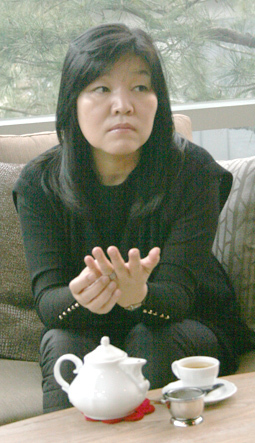
The South Korean author (b. 1963) has written about a dozen novels, half of which have been translated into English. She’s best known among English readers for her novel Please Look After Mom that won the 2012 Man Asian literary award. She got some unwanted publicity in 2015 when she admitted to plagiarizing, early in her career, passages from a short story by Japanese author Yukio Mishima – a stupid thing to do since Mishima is one of the best-known Japanese authors in his own country and in translation.
Top photo of Seoul from kayak.com
The author from Wikipedia
We follow a small group of students, some of whom disappear in the violence, and some of whom commit suicide, increasing the moodiness of our heroine. In a sense this book is about how traumatic events shape our lives and, in the case of this young woman, make her old before her time.
The story kept my interest despite my confusion at times following the characters. Three people write in the same journal, where journal entries are occasional chapters, and the protagonist and two of the main characters have Joon as their first or last name.
Still the story kept my attention and I learned a lot about Korean culture among young people at that time. There is a lot of local color of Seoul in the 80s.
The South Korean author (b. 1963) has written about a dozen novels, half of which have been translated into English. She’s best known among English readers for her novel Please Look After Mom that won the 2012 Man Asian literary award. She got some unwanted publicity in 2015 when she admitted to plagiarizing, early in her career, passages from a short story by Japanese author Yukio Mishima – a stupid thing to do since Mishima is one of the best-known Japanese authors in his own country and in translation.
Top photo of Seoul from kayak.com
The author from Wikipedia
June 6, 2023
خطر ببالي أنه لا يوجد ما يُعبر عن هذه الرواية أفضل من تلك الأغنية
أقوى من الزمان
رواية فريدة مررت معها بتجربة أكثر تفرداً، وهى قراءتها لثلاث مرات على مدى زمني طال لأكثر من خمسة أشهر.
انتباتني مشاعر مختلطة طوال قراءتي، بين إحساسي بأنني أمام عمل متفرد وعظيم، وبين شعوري بأن هناك كماً غير قليل من المبالغة في "ميلودرامية" الأحداث وعدم واقعية أو منطقية أفعال شخصيات الرواية.
عالم الرواية هو عالم واقعي وليس بواقعي. الأبطال يعيشون في زمن ما، ولكنه خارج الزمن. يمارسون طقوس حياة عادية في جو غرائبي.
أبطال الرواية هم بشر عاديون، قرروا أن يكونوا خارقين. خارقون في التفاني لمُثلِهم التي أمنوا بها أياً كانت. أحبوا، وصادقوا، ووصل الإخلاص للحب والصداقة لحدٍ مدمر لكل منهم.
تأثرت بتلك الإخلاص، ولكن كنت أصل في مرحلة ما وأقول: يعني مش كده والنبي يا جدعان، انتوا بتتلككوا عشان تنكدوا علينا؟
ولكن أقف بعدها للحظة وأتخيل، ماذا لو أنني رأيت ما رأوه؟ وأتذكر، وأعود وأعذرهم على جنونهم.
ربما تُصرّح لنا بطلة الرواية بذلك، بأنها ربما "بالغت" في حزنها وخوفها وشعورها بأن حياتها قد وصلت للنهاية، بينما كان كل ما يحدث هو مجرد البداية لحياة اخرى:
كم كنت أتمنى بشدة أن يخبرني أحدهم أنني سوف أتمكن يوماً ما من تقبل كل شىء حدث لنا، دون ألم
تلك الرواية ليست للقراءة العابرة. بل هى كُتبت لكي تتأمل في كل كلمة على مهلٍ شديد. كما قلت، خلقت المؤلفة عالماً موازياً يجري فيه كل شىء ببطء شديد-وإن كان بطئاً مدمراً-ويجب على من يدخل هذا العالم أن يكون لديه الصبر الكافي حتى يراه كما أرادت لنا المؤلفة أن نراه.
أقوى من الزمان
رواية فريدة مررت معها بتجربة أكثر تفرداً، وهى قراءتها لثلاث مرات على مدى زمني طال لأكثر من خمسة أشهر.
انتباتني مشاعر مختلطة طوال قراءتي، بين إحساسي بأنني أمام عمل متفرد وعظيم، وبين شعوري بأن هناك كماً غير قليل من المبالغة في "ميلودرامية" الأحداث وعدم واقعية أو منطقية أفعال شخصيات الرواية.
عالم الرواية هو عالم واقعي وليس بواقعي. الأبطال يعيشون في زمن ما، ولكنه خارج الزمن. يمارسون طقوس حياة عادية في جو غرائبي.
أبطال الرواية هم بشر عاديون، قرروا أن يكونوا خارقين. خارقون في التفاني لمُثلِهم التي أمنوا بها أياً كانت. أحبوا، وصادقوا، ووصل الإخلاص للحب والصداقة لحدٍ مدمر لكل منهم.
تأثرت بتلك الإخلاص، ولكن كنت أصل في مرحلة ما وأقول: يعني مش كده والنبي يا جدعان، انتوا بتتلككوا عشان تنكدوا علينا؟
ولكن أقف بعدها للحظة وأتخيل، ماذا لو أنني رأيت ما رأوه؟ وأتذكر، وأعود وأعذرهم على جنونهم.
ربما تُصرّح لنا بطلة الرواية بذلك، بأنها ربما "بالغت" في حزنها وخوفها وشعورها بأن حياتها قد وصلت للنهاية، بينما كان كل ما يحدث هو مجرد البداية لحياة اخرى:
كم كنت أتمنى بشدة أن يخبرني أحدهم أنني سوف أتمكن يوماً ما من تقبل كل شىء حدث لنا، دون ألم
تلك الرواية ليست للقراءة العابرة. بل هى كُتبت لكي تتأمل في كل كلمة على مهلٍ شديد. كما قلت، خلقت المؤلفة عالماً موازياً يجري فيه كل شىء ببطء شديد-وإن كان بطئاً مدمراً-ويجب على من يدخل هذا العالم أن يكون لديه الصبر الكافي حتى يراه كما أرادت لنا المؤلفة أن نراه.
Read
September 16, 2021شرعت نافذة قلبي للكلمات..لقد كانت كزخات المطر....
سأكون هناك عن فتيان وفتيات من كوريا الجنوبية ، في سن العشرينيات يجمعهم الفراغ ، الشغف ، الأمل ، الحب والصداقة. ، والالتفاف حول استاذهم بالجامعة الذي لم يستطيعوا مفارقته حتى اللحظة الأخيرة...
عن مظاهرات الشباب من أجل التغيير ، حيث كانت تراقبهم الأرصفة والمباني والطرقات حتى الزهور الصغيرة التي تتدلى من أغصان الأشجار....
لم تعلن الكاتبة تحديداً عن تلك الحقبة التاريخية ولم تفسر الوضع السياسي آنذاك لكي تخبرنا بأن ذاك قد يحدث لأي جيل وفي أي دولة في العالم ...
رصدت التفاصيل الدقيقة لمرحلة الشباب ، معاناة التعرف على الذات ، الوحدة ، الصراع ما بين الحياة والموت ، وخزات الفقد ، مرارة الخسارة عالقة بأرواحهم ، طرح الأسئلة التي تبدأ بكيف ولماذا والأجوبة مفقودة ، توهج الحب وذبوله ، وإعطاء الوعود بكلمات " يومٌ ما " ، " ولنتذكر ذلك اليوم إلى الأبد..."...
مع أن مثل هذه الوعود لا تنفذ ، إنها مُخادعة فهى لا تقال إلا عندما لا يكون هناك ثمة طريق للمضي قُدماً ، وتتنبأ بتلاشي الوجوه وبُعد المسافات وتدق جرس الفراق ..ولا يتبقى سوى طيف الذكريات يراوغ..يطارد...يختبيء ومن ثم يبزغ فجأة ليعيد الكرة من جديد وهكذا...، عندئذٍ قد تقول " سأكون هناك "....
بالرغم من أن هنالك خلل ما بالنسق الزمني للمقاطع الأخيرة من النص ، ولكن يتميز بنعومة السرد ودفء المشاعر وبراءتها ونقاءها ، والكاتبة قد أولت كل شخصية عناية بالغة حد إنك قد تجزم بأن ليس هناك شخصيات ثانوية..
واخيراً هذا العمل لابد وأن يلامس مكاناً ما بقلبك...تغمغم بصوت خافت..أجل كم كان ذلك مؤلماً....
في تلك اللحظة تشققت زاوية في قلبي كانت مظلمة وباردة كالثلج إذ فجأة ، واندفع شعاع ضوء من نجم صباحي داخلي وأضاءها....
سأكون هناك عن فتيان وفتيات من كوريا الجنوبية ، في سن العشرينيات يجمعهم الفراغ ، الشغف ، الأمل ، الحب والصداقة. ، والالتفاف حول استاذهم بالجامعة الذي لم يستطيعوا مفارقته حتى اللحظة الأخيرة...
عن مظاهرات الشباب من أجل التغيير ، حيث كانت تراقبهم الأرصفة والمباني والطرقات حتى الزهور الصغيرة التي تتدلى من أغصان الأشجار....
لم تعلن الكاتبة تحديداً عن تلك الحقبة التاريخية ولم تفسر الوضع السياسي آنذاك لكي تخبرنا بأن ذاك قد يحدث لأي جيل وفي أي دولة في العالم ...
رصدت التفاصيل الدقيقة لمرحلة الشباب ، معاناة التعرف على الذات ، الوحدة ، الصراع ما بين الحياة والموت ، وخزات الفقد ، مرارة الخسارة عالقة بأرواحهم ، طرح الأسئلة التي تبدأ بكيف ولماذا والأجوبة مفقودة ، توهج الحب وذبوله ، وإعطاء الوعود بكلمات " يومٌ ما " ، " ولنتذكر ذلك اليوم إلى الأبد..."...
مع أن مثل هذه الوعود لا تنفذ ، إنها مُخادعة فهى لا تقال إلا عندما لا يكون هناك ثمة طريق للمضي قُدماً ، وتتنبأ بتلاشي الوجوه وبُعد المسافات وتدق جرس الفراق ..ولا يتبقى سوى طيف الذكريات يراوغ..يطارد...يختبيء ومن ثم يبزغ فجأة ليعيد الكرة من جديد وهكذا...، عندئذٍ قد تقول " سأكون هناك "....
بالرغم من أن هنالك خلل ما بالنسق الزمني للمقاطع الأخيرة من النص ، ولكن يتميز بنعومة السرد ودفء المشاعر وبراءتها ونقاءها ، والكاتبة قد أولت كل شخصية عناية بالغة حد إنك قد تجزم بأن ليس هناك شخصيات ثانوية..
واخيراً هذا العمل لابد وأن يلامس مكاناً ما بقلبك...تغمغم بصوت خافت..أجل كم كان ذلك مؤلماً....
في تلك اللحظة تشققت زاوية في قلبي كانت مظلمة وباردة كالثلج إذ فجأة ، واندفع شعاع ضوء من نجم صباحي داخلي وأضاءها....
January 4, 2023
في عيد ميلادي 22 حاولت كتابة رسالة لنفسي المستقبلية، الورقة أمامي ظلت فارغة لأيام، لم أعرف ماذا يجب أن أسألها و ماذا يجب علي إخبارها، أو بالأحرى ما غايتي من الرسالة. وسط ضباب أفكاري وجدت عقلي ينحرف نحو منعطف آخر، جميع الحماقات التي ارتكبتها قبل سن 22 شكلت برجا داخل رأسي صغير تذكيرني كم كنت مندفعة، حاولت تذكر متى بدأت بنضج الفعلي و الإحساس بأني دخلت في مرحلة شباب، لم أستطع العثور على نقطة البداية. تسألت مامعنى ان تكون شابا؟ كيف ينتقل المرء من الطفولة إلى شباب؟ حاولت عصر دماغي والخروج بتعريف انطلاقا من تجربتي ، انتهى بي الامر بكتابة صفحات و صفحات، ما بدأته كرسالة تحول إلى ماهو اعمق من ذالك.
أجدني اليوم بعد مرور 7 أشهر على عيد ميلادي أمام إجابة مختصرة عن سؤالي على لسان الأستاذ يون "قال الأستاذ يون ذات مرة إن معرفة أنك حي تعني معرفتك بأنك سوف تتحول قريبًا إلى صورة مختلفة. لا يكف الإنسان عن التغير و ذالك هو مصدر أملنا. كل الكائنات من البشر - حتى أتفه الكائنات - تمر بلحظة من التوهج بين الولادة و الموت. لحظة نسميها 'الشباب' "
الرواية كما تخبرنا الكاتبة في صفحة الأخيرة أنها عن الشباب. نتتبع قصة 4 أصدقاء في العشرينات ، و نراهم طلاب الجامعة و أبناء، أصدقاء و عشاق، نراهم في مواجهة الموت والحياة، في مواجهة ذواتهم و مشاعرهم ، ينتفضون لحريتهم و يحاربون لدفاع عن كل ما هو نفيس بالنسبة لهم ، كل بطريقته كل بفلسفته، يجب ألا أنسى الأستاذ يون سأكتف بأن أقول انه الشاعر و شمس التي تربط بين الشباب بأشعتها دافئة.
سأنهي مراجعتي بهذا الاقتباس: " أتمنى أن تمتلكن جميعًا شخصًا يجعلكن ترغبن دائمًا في ان تقلن : ( فلنتذكر هذا اليوم إلى الأبد ) ..... و أتمنى ألا تترددن في قول : ( سأكون هناك )".
•أول قراءة لعام 2023 ، تستحق جميع نجوم الساطعة في سماء ❤🌠
أجدني اليوم بعد مرور 7 أشهر على عيد ميلادي أمام إجابة مختصرة عن سؤالي على لسان الأستاذ يون "قال الأستاذ يون ذات مرة إن معرفة أنك حي تعني معرفتك بأنك سوف تتحول قريبًا إلى صورة مختلفة. لا يكف الإنسان عن التغير و ذالك هو مصدر أملنا. كل الكائنات من البشر - حتى أتفه الكائنات - تمر بلحظة من التوهج بين الولادة و الموت. لحظة نسميها 'الشباب' "
الرواية كما تخبرنا الكاتبة في صفحة الأخيرة أنها عن الشباب. نتتبع قصة 4 أصدقاء في العشرينات ، و نراهم طلاب الجامعة و أبناء، أصدقاء و عشاق، نراهم في مواجهة الموت والحياة، في مواجهة ذواتهم و مشاعرهم ، ينتفضون لحريتهم و يحاربون لدفاع عن كل ما هو نفيس بالنسبة لهم ، كل بطريقته كل بفلسفته، يجب ألا أنسى الأستاذ يون سأكتف بأن أقول انه الشاعر و شمس التي تربط بين الشباب بأشعتها دافئة.
سأنهي مراجعتي بهذا الاقتباس: " أتمنى أن تمتلكن جميعًا شخصًا يجعلكن ترغبن دائمًا في ان تقلن : ( فلنتذكر هذا اليوم إلى الأبد ) ..... و أتمنى ألا تترددن في قول : ( سأكون هناك )".
•أول قراءة لعام 2023 ، تستحق جميع نجوم الساطعة في سماء ❤🌠

October 22, 2016
Published in English as: I'll Be Right There.
Whoever chose the cover of the Romanian version should be fired, and have his/her cover choosing privileges rescinded. Every other edition uses very appropriate pictures, but not this one! Guess someone needed to ditch a KDrama poster in a hurry...
In fairness, I should admit that I did very much enjoy groping the silky smooth cover, and the quality of the translation is top notch. I can evaluate this based on my non-existent Korean language knowledge, so make of that what you will.
That said, the need to complain remains.

I had actually wanted to get a travel guide for Seoul, but somehow or other ended up convincing myself, that this little novel would instead have to help with my trip planning. It didn't. My fangirling pursuits however, have widened to include Korean literature as well.
To put it in the most basic terms: this book is about death. It is a story about the people left behind to grieve, and others who pick up the pieces of their grief-stricken friends. There is plenty of guilt going around, both legitimate and perceived, that of course makes everything so much more difficult to swallow.
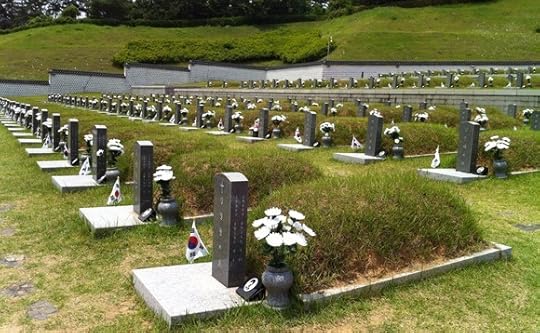
Interestingly enough, while a sizable part of the book deals with tragedy, for me it didn't feel like the main theme of the novel. Maybe I was influenced by the author's wish from the post-face, but I associate the story mostly with a mixture of happy and melancholic scenes, which made me fall in love with the protagonist's Seoul.
There were several passages where all I wanted was to climb inside the book and accompany the heroine on her daily wanderings. I felt like going out and getting lost in a town I've known for decades, hoping to fall through a metaphorical rabbit hole and end up in a hidden little village, where I could live peacefully in the slow lane.
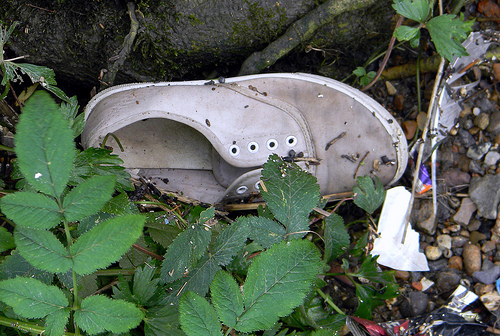
There's also something to be said about the romantic atmosphere of (violent?) protests... though I'll probably pass on a hands-on experience there. Still, note to self: take artistic pictures of abandoned heaps of shoes.
Score: 4/5 stars
I was going to write a much more inspiring review, something that would express my confused feelings so much better. And yet I can only say this: I wish I could read it again for the first time. I wish to get lost again in 1980s Seoul. I wish to meet a mysterious girl with burned hands who'll slowly worm herself in my heart. I wish to snuggle her deaf cat, and I wish to attend philosophy lectures that will remain with me for years to come...

I don't necessarily look forward to all the pain and numbness that will inevitably catch up with my happy days. However if that's the only way to experience all the above, perhaps it won't be such an awful price to pay.
Whoever chose the cover of the Romanian version should be fired, and have his/her cover choosing privileges rescinded. Every other edition uses very appropriate pictures, but not this one! Guess someone needed to ditch a KDrama poster in a hurry...
In fairness, I should admit that I did very much enjoy groping the silky smooth cover, and the quality of the translation is top notch. I can evaluate this based on my non-existent Korean language knowledge, so make of that what you will.
That said, the need to complain remains.
I had actually wanted to get a travel guide for Seoul, but somehow or other ended up convincing myself, that this little novel would instead have to help with my trip planning. It didn't. My fangirling pursuits however, have widened to include Korean literature as well.
To put it in the most basic terms: this book is about death. It is a story about the people left behind to grieve, and others who pick up the pieces of their grief-stricken friends. There is plenty of guilt going around, both legitimate and perceived, that of course makes everything so much more difficult to swallow.
Interestingly enough, while a sizable part of the book deals with tragedy, for me it didn't feel like the main theme of the novel. Maybe I was influenced by the author's wish from the post-face, but I associate the story mostly with a mixture of happy and melancholic scenes, which made me fall in love with the protagonist's Seoul.
There were several passages where all I wanted was to climb inside the book and accompany the heroine on her daily wanderings. I felt like going out and getting lost in a town I've known for decades, hoping to fall through a metaphorical rabbit hole and end up in a hidden little village, where I could live peacefully in the slow lane.
There's also something to be said about the romantic atmosphere of (violent?) protests... though I'll probably pass on a hands-on experience there. Still, note to self: take artistic pictures of abandoned heaps of shoes.
Score: 4/5 stars
I was going to write a much more inspiring review, something that would express my confused feelings so much better. And yet I can only say this: I wish I could read it again for the first time. I wish to get lost again in 1980s Seoul. I wish to meet a mysterious girl with burned hands who'll slowly worm herself in my heart. I wish to snuggle her deaf cat, and I wish to attend philosophy lectures that will remain with me for years to come...
I don't necessarily look forward to all the pain and numbness that will inevitably catch up with my happy days. However if that's the only way to experience all the above, perhaps it won't be such an awful price to pay.
August 12, 2022
مهما أضحي العالم قاسيـاً ، سأكـون هناك ❤️
قد نكون ضحايا مأساتنا ، لكننا في الوقت نفسه أبطال تجاربنا الأكثر جمالاً و إثارة ..
قد تكون تجاربنا مؤلمه لكنها ما اوصلتنا لما نحن عليه الآن ..
الروايه لا تحكي عن قصه اشخاص بعينها لكنها تحكي عن مجموعه شباب كافحوا ضد الديكتاتوريه ..
عن شباب اضاعوا حريتهم و انتفضوا لاجلها .. و خلال بحثهم عن ذواتهم فقدوا احبائهم او أصدقائهم ..
جونج يون ..ميونجسو ..داهن ..ميرو
رائعه👌 و مؤلمه 😢 ..
☘️ربمـا لو عانقنـا مـائة غـريب ، فسوف يتغيـر شيء مـا ..
☘️لمـاذا لا يمـكن أن يكـون العشـق مفـرحاً ببساطة .. !!
لمـاذا يجـب ان يحـوي أيضاً حزنـاً و إحباطـاً .. !!
☘️كي تمسك بيد أحدهم عليك اولاً أن تعرف متي ينبغي عليك أن تتركها ..
☘️أعتقد أن البشر يميلون إلي التحديق إلي أيديهم عندما تعتريهم الوحدة ..
☘️أنـتِ المنـفي الوحـيد الذي رحـلت عنـه ..
☘️انظروا إلي السماء .. هناك حيث النجوم ، إنها تتلألأ هناك دائماً سواء حدقنا إليها أو نسينا ذلك و ستظل تتلألأ طويلاً بعد موتنا ..
—
12 August 2022
قد نكون ضحايا مأساتنا ، لكننا في الوقت نفسه أبطال تجاربنا الأكثر جمالاً و إثارة ..
قد تكون تجاربنا مؤلمه لكنها ما اوصلتنا لما نحن عليه الآن ..
الروايه لا تحكي عن قصه اشخاص بعينها لكنها تحكي عن مجموعه شباب كافحوا ضد الديكتاتوريه ..
عن شباب اضاعوا حريتهم و انتفضوا لاجلها .. و خلال بحثهم عن ذواتهم فقدوا احبائهم او أصدقائهم ..
جونج يون ..ميونجسو ..داهن ..ميرو
رائعه👌 و مؤلمه 😢 ..
☘️ربمـا لو عانقنـا مـائة غـريب ، فسوف يتغيـر شيء مـا ..
☘️لمـاذا لا يمـكن أن يكـون العشـق مفـرحاً ببساطة .. !!
لمـاذا يجـب ان يحـوي أيضاً حزنـاً و إحباطـاً .. !!
☘️كي تمسك بيد أحدهم عليك اولاً أن تعرف متي ينبغي عليك أن تتركها ..
☘️أعتقد أن البشر يميلون إلي التحديق إلي أيديهم عندما تعتريهم الوحدة ..
☘️أنـتِ المنـفي الوحـيد الذي رحـلت عنـه ..
☘️انظروا إلي السماء .. هناك حيث النجوم ، إنها تتلألأ هناك دائماً سواء حدقنا إليها أو نسينا ذلك و ستظل تتلألأ طويلاً بعد موتنا ..
—
12 August 2022

October 20, 2022
Tragedy and youth, relationships between teachers and students, young love, friendship, death, memory, loss. So many beautiful elements in a story told in simple terms. Something which I love is the fact that it seems a story that I could follow if it was told orally. Loved it.

November 21, 2016
I feel like this is the ghost of the book it’s trying to be. Resonance and pathos are within its grasp but it isn’t quite able to achieve either. I'll Be Right There follows Jung Yoon, a young woman looking back on the period of her life when she was a university student in 1980s South Korea, where she had close friend group that was eventually torn apart by tragic circumstances. It seems a bit callous to say that I ultimately didn't care about these characters and the horrors they endured, but I guess that's what it does come down to. Despite a premise that promises heartbreak and emotional turbulence, Kyung-Sook Shin goes to pains to ensure that the reader remain as apathetic about her characters as possible.
My main frustration with I'll Be Right There is down to the fact that so much of this narrative happens off-screen. A secondary character will die, and rather than seeing it happen, or even seeing Yoon’s reaction to hearing the news, we’ll find out that six months have gone by since the last chapter and Yoon has been processing her grief all that time. It’s time the reader doesn’t get to spend with her, and the story suffers for it. It's just impossible to get inside this character's head, which is especially perplexing given the first-person narration. A tragic backstory will be revealed, and Yoon will flinch or shriek or cry as she hears the story told, but we're just calmly informed that she does these things. She'll develop an obsession with another student, and tell the reader that she's interested in this person, but it's almost impossible to discern why. She'll feel an inexplicable attachment to her professor (who's apparently meant to be at the center of this story in a mentor role, but who has maybe three scenes in the entire book and isn't able to anchor the narrative in the way he's meant to) and this is just never expounded upon.
And admittedly there's something to be said about poignancy that's achieved through unsentimental narration - Human Acts comes to mind - but interestingly, I don't think that was the author's intention here. This book is undeniably steeped in melodrama, or it tries to be, but the result is just hollow. Kyung-Sook Shin commits the cardinal sin of assuming the reader's investment in her characters without earning it. It's like all the elements are there to tell a beautiful and moving story about young people growing up against a backdrop of sociopolitical unrest, but there just isn't enough humanity in this story to make it convincing or affecting. I know Kyung-Sook Shin is a prominent writer in South Korea and I really want to love her work, so maybe I'll give it another try, but I'll Be Right There was a pretty big disappointment.
My main frustration with I'll Be Right There is down to the fact that so much of this narrative happens off-screen. A secondary character will die, and rather than seeing it happen, or even seeing Yoon’s reaction to hearing the news, we’ll find out that six months have gone by since the last chapter and Yoon has been processing her grief all that time. It’s time the reader doesn’t get to spend with her, and the story suffers for it. It's just impossible to get inside this character's head, which is especially perplexing given the first-person narration. A tragic backstory will be revealed, and Yoon will flinch or shriek or cry as she hears the story told, but we're just calmly informed that she does these things. She'll develop an obsession with another student, and tell the reader that she's interested in this person, but it's almost impossible to discern why. She'll feel an inexplicable attachment to her professor (who's apparently meant to be at the center of this story in a mentor role, but who has maybe three scenes in the entire book and isn't able to anchor the narrative in the way he's meant to) and this is just never expounded upon.
And admittedly there's something to be said about poignancy that's achieved through unsentimental narration - Human Acts comes to mind - but interestingly, I don't think that was the author's intention here. This book is undeniably steeped in melodrama, or it tries to be, but the result is just hollow. Kyung-Sook Shin commits the cardinal sin of assuming the reader's investment in her characters without earning it. It's like all the elements are there to tell a beautiful and moving story about young people growing up against a backdrop of sociopolitical unrest, but there just isn't enough humanity in this story to make it convincing or affecting. I know Kyung-Sook Shin is a prominent writer in South Korea and I really want to love her work, so maybe I'll give it another try, but I'll Be Right There was a pretty big disappointment.
June 18, 2023
" في تلك اللحظة تشققت زاوية في قلبي كانت مظلمة وباردة كالثلج إذ فجأة، واندفع شعاع ضوء من نجم صباحي داخلي وأضاءها ، شعرت بالدفء."
رواية جميلة ومؤلمة وبائسة جدًا جدًا
مقدرتش أحبها رغم ال4 نجوم.

July 9, 2024
I'll Be Right There is an emotional rollercoaster. You get sucked into the world of Yoon, this young woman trying to pick up the pieces after losing her mom. It's raw and real, you feel her confusion, anger, and that deep longing that just won't quit. Shin's writing is like a balm, soothing yet sharp, making you connect with Yoon's journey in a powerful way.
But Yoon isn't alone. The story reminds me that even in the darkest times, friends can be lifesavers. There's Miru, this shy friend with a quiet wisdom, and others who understand what Yoon's going through. Their bond becomes a source of strength, showing how connection helps us heal and move forward.
And let's not forget the backdrop of South Korea's history. It adds another layer to the story, weaving in the complexities of their lives with the bigger picture. It's a reminder that personal struggles often intertwine with the world around us.
For me, this book was a simple but powerful punch to the gut. It resonated deeply, especially if you appreciate a good cry and a deep exploration of grief and relationships. The pacing might be a bit slow, and the emotions might hit you hard, but the beautiful writing and poignant themes make it totally worth the ride.
It's an OK read.
3.4 / 5 stars.
But Yoon isn't alone. The story reminds me that even in the darkest times, friends can be lifesavers. There's Miru, this shy friend with a quiet wisdom, and others who understand what Yoon's going through. Their bond becomes a source of strength, showing how connection helps us heal and move forward.
And let's not forget the backdrop of South Korea's history. It adds another layer to the story, weaving in the complexities of their lives with the bigger picture. It's a reminder that personal struggles often intertwine with the world around us.
For me, this book was a simple but powerful punch to the gut. It resonated deeply, especially if you appreciate a good cry and a deep exploration of grief and relationships. The pacing might be a bit slow, and the emotions might hit you hard, but the beautiful writing and poignant themes make it totally worth the ride.
It's an OK read.
3.4 / 5 stars.

June 4, 2014
I always enjoy grabbing something by someone, when I know little of either and leaping right into the book. I'll Be Right There did not disappoint, bore, confuse or annoy, always an added bonus.
The tale is somewhat of a controlled meander, and at times throughout I worried that I would lose interest among the woven story-lines and occasionally long chapters. Nope. Shin somehow manages to pull interest even though her tale does not contain the typical dramas authors use to make you turn the page. Even stranger is that I usually prefer a dose of cheesy suspense to maintain my interest, but found myself buried in this book without obvious motivations.
I'll Be Right There is drenched in philosophy without being overblown, and while tragic in its own right, I would say is less tear-jerker and more thoughtfully sad. As hinted before, timelines and perspectives dance around in this novel, something which usually throws a doofus reader like myself, however I rarely ever felt like I lost my way through the book, and when I did not for long.
Shin shows a unique talent in being able to tell a story where the depth of the characters experience plays dominates the front of the novel, rather than melodramatic events. I'll Be Right There, while admittedly sounding like a shallow romance is anything but.
The tale is somewhat of a controlled meander, and at times throughout I worried that I would lose interest among the woven story-lines and occasionally long chapters. Nope. Shin somehow manages to pull interest even though her tale does not contain the typical dramas authors use to make you turn the page. Even stranger is that I usually prefer a dose of cheesy suspense to maintain my interest, but found myself buried in this book without obvious motivations.
I'll Be Right There is drenched in philosophy without being overblown, and while tragic in its own right, I would say is less tear-jerker and more thoughtfully sad. As hinted before, timelines and perspectives dance around in this novel, something which usually throws a doofus reader like myself, however I rarely ever felt like I lost my way through the book, and when I did not for long.
Shin shows a unique talent in being able to tell a story where the depth of the characters experience plays dominates the front of the novel, rather than melodramatic events. I'll Be Right There, while admittedly sounding like a shallow romance is anything but.
September 25, 2022
حرفياً روايتي المفضله لهذا العام💘
تبدا الروايه باتصال شخص للبطله و من اول اول كلمه تعرف البطله منو هالشخص اللي يكلمها واللي مو مكلمها من ٨ سنين، هالشخص كان له حضور حيل قوي بحياة البطله قبل بس ليش ماتكلموا من ٨ سنين و ليش اللحين يدق؟ هالشي كله بنعرفه مع الاحداث الجايه بالروايه
الروايه تكلمت عن فترة مظاهرات طلاب الجامعه بكوريا واللي ماقريت لها واجد اشياء او شفت لها واجد اشياء غير بشي بسيط بدراما reply 1988 و واهي بيتكلمون عنها اكثر، والروايه بعد واجد تتكلم عن الجانب النفسي للشخصيات و كل شخصيه بهالكتاب حرفياً كانت غريبه و معقده بس بشكل جيد بشكل يشدكم تكملون تقرون هالكتاب باسرع وقت ممكن و اللغه يالله! جميله بشكل و المترجم حرفياً ترجمه رهيبه ماغلط ولا غلطه
انصح بهالروايه و بشده! ٥/٥⭐️
تبدا الروايه باتصال شخص للبطله و من اول اول كلمه تعرف البطله منو هالشخص اللي يكلمها واللي مو مكلمها من ٨ سنين، هالشخص كان له حضور حيل قوي بحياة البطله قبل بس ليش ماتكلموا من ٨ سنين و ليش اللحين يدق؟ هالشي كله بنعرفه مع الاحداث الجايه بالروايه
الروايه تكلمت عن فترة مظاهرات طلاب الجامعه بكوريا واللي ماقريت لها واجد اشياء او شفت لها واجد اشياء غير بشي بسيط بدراما reply 1988 و واهي بيتكلمون عنها اكثر، والروايه بعد واجد تتكلم عن الجانب النفسي للشخصيات و كل شخصيه بهالكتاب حرفياً كانت غريبه و معقده بس بشكل جيد بشكل يشدكم تكملون تقرون هالكتاب باسرع وقت ممكن و اللغه يالله! جميله بشكل و المترجم حرفياً ترجمه رهيبه ماغلط ولا غلطه
انصح بهالروايه و بشده! ٥/٥⭐️

July 18, 2022
مراجعة مصورة للرواية
https://www.youtube.com/watch?v=BDfiV...
https://www.youtube.com/watch?v=BDfiV...

June 17, 2014
Early in this spellbinding book, Professor Yoon relates to his class the story of Christopher: a giant of a man who carried travelers to the other side of a surging current. Yet he becomes increasingly despondent; he meets no one worth devoting his life to. One day, a child appears requesting passage. Even though the child is small, he seems so heavy that Christopher feels like he is carrying the weight of the world.
The child reveals himself as Christ. And the Professor ends his tale with these words: “Each of you is both Christopher and the child he carries on his back. You are all forging your way through adversity in this difficult world on your way to the other side of the river…You will think that the thing you choose will serve as your boat or raft to carry you to that other bank. But if you think deeply about it, you may find that it does not carry you but rather you carry it.”
I’ve spent so much time on the novel’s beginning because this it is the key to the Kyung-Sook Shin’s writing. Set in South Korea in the late 1980s and early 1990s, the book has political (not religious) underpinnings: university students are protesting against the new dictatorship. Yet the heart of the story is only peripherally about the political situation; it’s mostly about those on the cusp of adulthood who carry emotional scars too deep to allow them the solace of selfless love and connection.
Jung Yoon, the main narrator, is emotionally damaged by the premature death of her mother. Her deepest connection is with Dahn, her childhood male friend. In college, she begins to fall for Myungsuh, who, in an inverse relationship, cares deeply for his female friend, Miru, who harbors her own disturbing loss. These damaged individuals struggle to come together – and at times, actually do – while at the same time, feel torn apart by the cruelties and capriciousness of the world they live in.
The Professor, whose appearance bookmarks the story, reminds his students, “Every time that enormous weight presses down on us and the waters of the river rise over our throats and we want to give up and slip beneath the surface, remember: as heavy as the loads we shoulder is the world we tread upon.” Or put another way, the only real choice is to “love and fight and rage and grieve and live.”
Those who read Please Look After Mom – Kyung-Sook Shin’s breakout book in the U.S. market – will find this book to be very different from her first book, yet with the trademark intelligence and insights that made it such a compelling read.
The child reveals himself as Christ. And the Professor ends his tale with these words: “Each of you is both Christopher and the child he carries on his back. You are all forging your way through adversity in this difficult world on your way to the other side of the river…You will think that the thing you choose will serve as your boat or raft to carry you to that other bank. But if you think deeply about it, you may find that it does not carry you but rather you carry it.”
I’ve spent so much time on the novel’s beginning because this it is the key to the Kyung-Sook Shin’s writing. Set in South Korea in the late 1980s and early 1990s, the book has political (not religious) underpinnings: university students are protesting against the new dictatorship. Yet the heart of the story is only peripherally about the political situation; it’s mostly about those on the cusp of adulthood who carry emotional scars too deep to allow them the solace of selfless love and connection.
Jung Yoon, the main narrator, is emotionally damaged by the premature death of her mother. Her deepest connection is with Dahn, her childhood male friend. In college, she begins to fall for Myungsuh, who, in an inverse relationship, cares deeply for his female friend, Miru, who harbors her own disturbing loss. These damaged individuals struggle to come together – and at times, actually do – while at the same time, feel torn apart by the cruelties and capriciousness of the world they live in.
The Professor, whose appearance bookmarks the story, reminds his students, “Every time that enormous weight presses down on us and the waters of the river rise over our throats and we want to give up and slip beneath the surface, remember: as heavy as the loads we shoulder is the world we tread upon.” Or put another way, the only real choice is to “love and fight and rage and grieve and live.”
Those who read Please Look After Mom – Kyung-Sook Shin’s breakout book in the U.S. market – will find this book to be very different from her first book, yet with the trademark intelligence and insights that made it such a compelling read.
June 4, 2026
قليل جدًا ما أنهي رواية وأشعر أنني خرجت منها متأخرة عن العالم.
ذلك النوع من الروايات الذي لا يكتفي بأن يحكي لك قصة، بل يجلس إلى جوارك بعد الصفحة الأخيرة ويتركك غارقًا في أفكاره. سأكون هناك كانت واحدة من تلك الروايات..
هي رواية عن أربعة أصدقاء، لكن اختصارها بهذا الشكل ظلمٌ كبير لها. كانت عن جيل كامل يحاول أن يعيش وسط عالم مضطرب، وعن أناس يحملون جروحًا أعمق من أعمارهم، وعن الحب والصداقة والخسارات التي تشكلنا دون أن نشعر. كل شخصية بدت وكأنها تبحث عن مكان آمن في هذا العالم، عن شخص يمكنها أن تقول له: “سأكون هناك”..!
أكثر ما أعجبني أن الكاتبة لم تنشغل بالتاريخ بقدر انشغالها بالإنسان. خلفية الرواية السياسية كانت حاضرة، لكنها لم تكن الغاية، بل كانت المسرح الذي وضعت عليه شخصياتها لتُظهر كيف يمكن للحب أن يولد وسط الفوضى، وكيف تستطيع الصداقة أن تصبح نجاة، وكيف تظل بعض اللحظات الصغيرة هي التي تحدد مصائرنا أكثر من الأحداث الكبرى نفسها.
رواية حزينة؟ نعم. لكنها ليست حزنًا يهدف إلى البكاء فقط، بل ذلك الحزن الجميل الذي يجعلك تحدق طويلًا بعد النهاية وتفكر في الناس الذين مروا بحياتك، وفي النسخ القديمة منك التي تركتها خلفك. لهذا السبب أغلقت الكتاب وأنا أشعر أنني لم أودّع الشخصيات بعد.. وكأن جزءًا مني ما زال هناك فعلًا..
ذلك النوع من الروايات الذي لا يكتفي بأن يحكي لك قصة، بل يجلس إلى جوارك بعد الصفحة الأخيرة ويتركك غارقًا في أفكاره. سأكون هناك كانت واحدة من تلك الروايات..
هي رواية عن أربعة أصدقاء، لكن اختصارها بهذا الشكل ظلمٌ كبير لها. كانت عن جيل كامل يحاول أن يعيش وسط عالم مضطرب، وعن أناس يحملون جروحًا أعمق من أعمارهم، وعن الحب والصداقة والخسارات التي تشكلنا دون أن نشعر. كل شخصية بدت وكأنها تبحث عن مكان آمن في هذا العالم، عن شخص يمكنها أن تقول له: “سأكون هناك”..!
أكثر ما أعجبني أن الكاتبة لم تنشغل بالتاريخ بقدر انشغالها بالإنسان. خلفية الرواية السياسية كانت حاضرة، لكنها لم تكن الغاية، بل كانت المسرح الذي وضعت عليه شخصياتها لتُظهر كيف يمكن للحب أن يولد وسط الفوضى، وكيف تستطيع الصداقة أن تصبح نجاة، وكيف تظل بعض اللحظات الصغيرة هي التي تحدد مصائرنا أكثر من الأحداث الكبرى نفسها.
رواية حزينة؟ نعم. لكنها ليست حزنًا يهدف إلى البكاء فقط، بل ذلك الحزن الجميل الذي يجعلك تحدق طويلًا بعد النهاية وتفكر في الناس الذين مروا بحياتك، وفي النسخ القديمة منك التي تركتها خلفك. لهذا السبب أغلقت الكتاب وأنا أشعر أنني لم أودّع الشخصيات بعد.. وكأن جزءًا مني ما زال هناك فعلًا..

June 5, 2021
❀ blog ❀ thestorygraph ❀ letterboxd ❀ tumblr ❀ ko-fi ❀
I feel rather conflicted about I’ll Be Right There. The first two chapters certainly held my attention and some of the discussions that occur later in the narrative were thought-provoking, but, alas, many of the dialogues came across as stilted, there are many instances where the story verges on being straight-up misery-porn, and yet we also get a good ol’ dose of melodrama and some rather sappy moments.
After receiving a phone call from her ex-boyfriend our narrator, Jung Yoon, reminiscences about her early twenties. Her time at university in the 1980s was punctuated by anti-government student demonstrations. Yoon is still mourning the death of her mother and feels slightly removed from her everyday life. She becomes close to two other students, Myungsuh and Miru. The three are united by their trauma, grief, and shared sense of not belonging.
The story that follows is quite slow going. We get detailed descriptions of some of the lessons they attend or the walks they go on. Now and again we are reminded of the fraught political atmosphere but the major conflicts within the story stem from grief-related trauma. I wasn’t too keen on the way Miru’s backstory is presented. Not that I can’t believe that all these horrible things happened to her but the way her past was revealed to Yoon—and us—seemed to sensationalise it. In general, I can’t say that I cared for how mental health-related issues are dealt with within this novel. A character has an ED and this is portrayed almost in a poetic light.
The dialogue occasionally was just jarring. We have a scene in which character A is confessing their feelings to character B. Character B responds by saying ‘do you like more than character C?’. And character A doesn’t answer this but goes on to recount a story about a dead sparrow and then about being peer-pressured into eating a sparrow and all the while saying how they love B as much as the sorrow/tragedy they experienced in those moments. But character B keeps asking the same question (do you like me more than C?) throughout A’s sparrow speech.
The professor character remains largely off-page so I did not feel anything really towards him. Interspersed throughout the narrative are diary entries of Myungsuh and I can’t stay that these added anything (to him or the overarching story).
I appreciated some of the discussions on grief and literature but I never felt anything in particular for the characters. The ‘romances’ were very ‘meh’. They sort of happen and I can’t say I found them all that convincing.
All in all, I just think this wasn’t the right read for me. The story is boring, the characters dull and defined by their trauma, and the narrative's tone often shifted to one that was far too sentimental for my taste. But, just because this was not a ‘win’ in my books does not mean that you should not give it a try so I recommend you check out more positive reviews if this is on your radar.
“Is this life? Is this why the relentless passing of time is both regretful and fortunate?”
I feel rather conflicted about I’ll Be Right There. The first two chapters certainly held my attention and some of the discussions that occur later in the narrative were thought-provoking, but, alas, many of the dialogues came across as stilted, there are many instances where the story verges on being straight-up misery-porn, and yet we also get a good ol’ dose of melodrama and some rather sappy moments.
After receiving a phone call from her ex-boyfriend our narrator, Jung Yoon, reminiscences about her early twenties. Her time at university in the 1980s was punctuated by anti-government student demonstrations. Yoon is still mourning the death of her mother and feels slightly removed from her everyday life. She becomes close to two other students, Myungsuh and Miru. The three are united by their trauma, grief, and shared sense of not belonging.
The story that follows is quite slow going. We get detailed descriptions of some of the lessons they attend or the walks they go on. Now and again we are reminded of the fraught political atmosphere but the major conflicts within the story stem from grief-related trauma. I wasn’t too keen on the way Miru’s backstory is presented. Not that I can’t believe that all these horrible things happened to her but the way her past was revealed to Yoon—and us—seemed to sensationalise it. In general, I can’t say that I cared for how mental health-related issues are dealt with within this novel. A character has an ED and this is portrayed almost in a poetic light.
The dialogue occasionally was just jarring. We have a scene in which character A is confessing their feelings to character B. Character B responds by saying ‘do you like more than character C?’. And character A doesn’t answer this but goes on to recount a story about a dead sparrow and then about being peer-pressured into eating a sparrow and all the while saying how they love B as much as the sorrow/tragedy they experienced in those moments. But character B keeps asking the same question (do you like me more than C?) throughout A’s sparrow speech.
The professor character remains largely off-page so I did not feel anything really towards him. Interspersed throughout the narrative are diary entries of Myungsuh and I can’t stay that these added anything (to him or the overarching story).
I appreciated some of the discussions on grief and literature but I never felt anything in particular for the characters. The ‘romances’ were very ‘meh’. They sort of happen and I can’t say I found them all that convincing.
All in all, I just think this wasn’t the right read for me. The story is boring, the characters dull and defined by their trauma, and the narrative's tone often shifted to one that was far too sentimental for my taste. But, just because this was not a ‘win’ in my books does not mean that you should not give it a try so I recommend you check out more positive reviews if this is on your radar.
March 3, 2022
”ابتلعتُ أخيرًا ذِكرى أمي التي
كانت عالقةً مثل كُتلةٍ في حَلقي“
-يون-
البطلة الأولى للرُواية، تُقرر أن تقطع على نفسِها خمسة وعودٍ في الصفحاتِ الأولى للرُواية، تنسى أمرهم في مُنتصفها، ثم تعود لتذكّر نفسها بهم من جديد قُرب نهايتها.
”اعتَدتُ على أن أكره فكرة أن يشاهدني أحدهم أسير مبتعدًا، كرهتُ حتى أن أمدَّ يدي وألوح لأودّع شخص ما.“
-داهِن-
صديقُ طفولةِ يون، ذاك الذي تمنّى أن يُصبح فنانًا -يومًا ما- فأخذ يقرأ قصائدَ إيميلي ديكنسون ويتبادلها مع يون. وحين قررت الحياة أن تبثّ فيه من طِباعها شيئًا، صارَ كَتومًا مع مرورِ الأيام.
”رُبما لو عانقَنا مائة غريبٍ؛ فسوفَ يتغيّر شيءٌ ما.“
-ميونجسو-
يحملُ كاميرته المُعلّـقة حول رقبتِه ويُصوّر تفاصيل مظاهرةٍ مشتعلة هُنا أو هُناك، يمتصّ وجوهَ المُتظاهرين، يتشرّب حُنقهم الطاغي على ملامحهم، فيُشاركهم بدورِه الحُنق، والثورة.
-ميرو-
بجروحٍ غير مُندملة وندوبٍ تُرافق يديها، وبرأسٍ مُنخفضٍ أغلب الوقت؛ بدت وكأنها تُريد إبقاء عينيها دومًا على موضع قلبها، وبتنّورةٍ قررت أن ترتديها كل يومٍ مهما تبدلّت الفصول واستحالَ الصيفُ شتاءً. هكذا قررت ميرو الظهور أمامنا وأمام يون لأوّل مرّة، وإذ بها البطلة الرابعة للرواية.
أحبّ تلك الروايات التي تسردُ لي الموقفُ ذاته من كلّ الاتجاهات، تعكسُها لي من خلال أعين كل أبطالها واحدًا تلوَ الٱخر، ومع ذلك؛ ورغم أنه نفس الموقف، أجدني أتفاعل مع كل انعكاسٍ بطريقة مختلفة تمامًا. فهل يُمكن أن تتفاوت الحَكايا وإن بقى الموقفُ واحدًا في جميعها؟ تُجيبني الرُواية بنعم، وتمضي في الحكيْ.
على مدارِ 368 صفحة، لم أشعرُ ولو للحظةٍ بالمللِ، كانت كل صفحةٍ تدفعني لأقرأ ما بعدها، أردتُ أن أرى ما مصيرُ كلٍ من يون وداهِن، هل ستعثر ميرو على مُبتغاها مع نهاياتِ ٱخر فصل؟ وهل مُشاركة ميونجسو الدؤوبة في المظاهرات ستطرحُ ثِمارها أخيرًا؟ اجتمعت تناقضات عدّة في هذه الرواية، ورُبما هذا تمامًا ما أضفى عليها طابعها الواقعيّ. فبين العجزِ والمواجهة، بين الاستسلام والمُقاومة، أخذت الشخصيات تترنّح، تشقّ طريقها الذي تستكشفه معنا، لا تعرفُ إلى أين يقودها بالتحديد، ولكنها تمضي معه على أيةِ حال.
ولأن التفاصيل هي ما تُشكّلنا، ترسمُ ملامحنا وتنحتُـها، كانت شخصيات هذه الرواية كلها دون استثناء مُفعمة بالتفاصيل، فبين خوف داهِن الغير مُبرر من العناكب، وبين دفترِ ميرو الحافل بتدويناتها اليومية عن كل ما تأكله، تبقى تلك التفاصيل باقية مع مرورِ الزمن، لا تتغير أو تتبدل وإن تغيرّت ملامحهم أو شاخت، فالتفاصيل وحدها من تبقى مُتوهجةً مهما اشتدّت عتمةُ الأيام.
أشعرُ وكأني لا أستطيع الٱن رغم انتهائي منها بتصنيفها أو وصفها بدقّة، روايةٌ واقعية؟ نعم، دراميّة؟ كثيرًا، تاريخيّة؟ رُبما، ولكني متأكدة من وصفٍ واحدٍ لها؛ وهو أنها دافئة.
كانت عالقةً مثل كُتلةٍ في حَلقي“
-يون-
البطلة الأولى للرُواية، تُقرر أن تقطع على نفسِها خمسة وعودٍ في الصفحاتِ الأولى للرُواية، تنسى أمرهم في مُنتصفها، ثم تعود لتذكّر نفسها بهم من جديد قُرب نهايتها.
”اعتَدتُ على أن أكره فكرة أن يشاهدني أحدهم أسير مبتعدًا، كرهتُ حتى أن أمدَّ يدي وألوح لأودّع شخص ما.“
-داهِن-
صديقُ طفولةِ يون، ذاك الذي تمنّى أن يُصبح فنانًا -يومًا ما- فأخذ يقرأ قصائدَ إيميلي ديكنسون ويتبادلها مع يون. وحين قررت الحياة أن تبثّ فيه من طِباعها شيئًا، صارَ كَتومًا مع مرورِ الأيام.
”رُبما لو عانقَنا مائة غريبٍ؛ فسوفَ يتغيّر شيءٌ ما.“
-ميونجسو-
يحملُ كاميرته المُعلّـقة حول رقبتِه ويُصوّر تفاصيل مظاهرةٍ مشتعلة هُنا أو هُناك، يمتصّ وجوهَ المُتظاهرين، يتشرّب حُنقهم الطاغي على ملامحهم، فيُشاركهم بدورِه الحُنق، والثورة.
-ميرو-
بجروحٍ غير مُندملة وندوبٍ تُرافق يديها، وبرأسٍ مُنخفضٍ أغلب الوقت؛ بدت وكأنها تُريد إبقاء عينيها دومًا على موضع قلبها، وبتنّورةٍ قررت أن ترتديها كل يومٍ مهما تبدلّت الفصول واستحالَ الصيفُ شتاءً. هكذا قررت ميرو الظهور أمامنا وأمام يون لأوّل مرّة، وإذ بها البطلة الرابعة للرواية.
أحبّ تلك الروايات التي تسردُ لي الموقفُ ذاته من كلّ الاتجاهات، تعكسُها لي من خلال أعين كل أبطالها واحدًا تلوَ الٱخر، ومع ذلك؛ ورغم أنه نفس الموقف، أجدني أتفاعل مع كل انعكاسٍ بطريقة مختلفة تمامًا. فهل يُمكن أن تتفاوت الحَكايا وإن بقى الموقفُ واحدًا في جميعها؟ تُجيبني الرُواية بنعم، وتمضي في الحكيْ.
على مدارِ 368 صفحة، لم أشعرُ ولو للحظةٍ بالمللِ، كانت كل صفحةٍ تدفعني لأقرأ ما بعدها، أردتُ أن أرى ما مصيرُ كلٍ من يون وداهِن، هل ستعثر ميرو على مُبتغاها مع نهاياتِ ٱخر فصل؟ وهل مُشاركة ميونجسو الدؤوبة في المظاهرات ستطرحُ ثِمارها أخيرًا؟ اجتمعت تناقضات عدّة في هذه الرواية، ورُبما هذا تمامًا ما أضفى عليها طابعها الواقعيّ. فبين العجزِ والمواجهة، بين الاستسلام والمُقاومة، أخذت الشخصيات تترنّح، تشقّ طريقها الذي تستكشفه معنا، لا تعرفُ إلى أين يقودها بالتحديد، ولكنها تمضي معه على أيةِ حال.
ولأن التفاصيل هي ما تُشكّلنا، ترسمُ ملامحنا وتنحتُـها، كانت شخصيات هذه الرواية كلها دون استثناء مُفعمة بالتفاصيل، فبين خوف داهِن الغير مُبرر من العناكب، وبين دفترِ ميرو الحافل بتدويناتها اليومية عن كل ما تأكله، تبقى تلك التفاصيل باقية مع مرورِ الزمن، لا تتغير أو تتبدل وإن تغيرّت ملامحهم أو شاخت، فالتفاصيل وحدها من تبقى مُتوهجةً مهما اشتدّت عتمةُ الأيام.
أشعرُ وكأني لا أستطيع الٱن رغم انتهائي منها بتصنيفها أو وصفها بدقّة، روايةٌ واقعية؟ نعم، دراميّة؟ كثيرًا، تاريخيّة؟ رُبما، ولكني متأكدة من وصفٍ واحدٍ لها؛ وهو أنها دافئة.

June 2, 2019
Ha sido una lectura compleja. Es una historia triste y a ratos deprimente, que te agarra bien y no te suelta hasta el final. Pero hay que estar de buen ánimo, para poder disfrutarla.
La historia nos va a hablar de Yun, una chica que acaba de perder a su madre. Mientras se enfrenta al terrible duelo, conocerá a Myeong-seo y a Mi-ru, e instantáneamente sentirá una especie de conexión con ellos.
Aquí empezará una historia de encuentros y pérdidas a lo largo de los años.
Personajes entrañables y rotos irán entrelazando entre ellos. Todos comparten algo en común, el duelo, un trauma arrastrado del pasado. Y todos buscan lo mismo, sentirse parte de algo, aferrándose los unos a los otros.
Creo que Shin Kyung-Sook tiene una sensibilidad increíble a la hora de contar historias, como pocas lo hacen. Cuando leí Por favor, cuida de mamá, me afectó muchísimo y me dejó un pozo increíble. Con este he vivido una experiencia similar.
Esta mujer saber ir directo al corazón y retorcerlo sin parar. Por eso, es una autora super recomendable, pero a la que hay que conocer con cuidado, y en el momento oportuno.
Solo me queda la duda de cuando diablos seguirán publicando la obra de esta mujer, porque ya me he quedado sin libros de ella en castellano 😒.
La historia nos va a hablar de Yun, una chica que acaba de perder a su madre. Mientras se enfrenta al terrible duelo, conocerá a Myeong-seo y a Mi-ru, e instantáneamente sentirá una especie de conexión con ellos.
Aquí empezará una historia de encuentros y pérdidas a lo largo de los años.
Personajes entrañables y rotos irán entrelazando entre ellos. Todos comparten algo en común, el duelo, un trauma arrastrado del pasado. Y todos buscan lo mismo, sentirse parte de algo, aferrándose los unos a los otros.
Creo que Shin Kyung-Sook tiene una sensibilidad increíble a la hora de contar historias, como pocas lo hacen. Cuando leí Por favor, cuida de mamá, me afectó muchísimo y me dejó un pozo increíble. Con este he vivido una experiencia similar.
Esta mujer saber ir directo al corazón y retorcerlo sin parar. Por eso, es una autora super recomendable, pero a la que hay que conocer con cuidado, y en el momento oportuno.
Solo me queda la duda de cuando diablos seguirán publicando la obra de esta mujer, porque ya me he quedado sin libros de ella en castellano 😒.
June 17, 2014
To be read and reread, definitely!
I am fascinated by Koreans, they have character depth, forgiveness ideology, and their stories are quite emotional.
I don't know where to start; I'm in love with all of the characters, with all of their goods and bads, they're very real. I felt physically there on the streets they walked on, the places they visited. I laughed, frowned, smiled and cried with them. But the crying was very different from any other literary crying I've experienced, it was a gradual overwhelming and lingering crying experience, and I LOVED it! I am ready to read more of Shin's books ♥
I am fascinated by Koreans, they have character depth, forgiveness ideology, and their stories are quite emotional.
I don't know where to start; I'm in love with all of the characters, with all of their goods and bads, they're very real. I felt physically there on the streets they walked on, the places they visited. I laughed, frowned, smiled and cried with them. But the crying was very different from any other literary crying I've experienced, it was a gradual overwhelming and lingering crying experience, and I LOVED it! I am ready to read more of Shin's books ♥
May 15, 2024
Książki tej autorki mają w sobie coś genialnego!
May 7, 2023
خاطر ما يقوللي أنني تأخرت عن حفلة الاحتفاء بهذه الرواية، والجميع قد عبّر عن روعتها بالفعل، لكن لا، أود أيضاً أضيف صوتي لأن هذا لا يحدث كل يوم، لا يحدث كثيراً أن تجد رواية بشبه الكمال هذا ونتفق نحن وأصدقائنا على حبها معاً.
إلى جانب الشاعرية اللي كُتبت بها هذه الرواية، في كل المشاهد وكل أوصاف الأشياء والأماكن، ما شدّني فيها أيضاً البراعة التي نُسجت فيها القصة بحيث تحمل قضية سياسية واجتماعية متخفية في نص شخصي جداً، ومعالجتها أثناء كل ذلك لمشاعر معقدة مثل الفقد والوحدة والندم والتيه، شيءٌ تمنيت قراءته كثيراً في الأدب الفلسطيني والسوري خصوصاً والعربي عموماً ووجدته نادراً، ليس سهلاً أن تتقن هذه اللعبة.
ولأن جنود اللغة الرائعة منسيين عموماً، شكراً لمحمد نجيب على الترجمة البديعة.
من مفضلات العام بلا شك💗.
إلى جانب الشاعرية اللي كُتبت بها هذه الرواية، في كل المشاهد وكل أوصاف الأشياء والأماكن، ما شدّني فيها أيضاً البراعة التي نُسجت فيها القصة بحيث تحمل قضية سياسية واجتماعية متخفية في نص شخصي جداً، ومعالجتها أثناء كل ذلك لمشاعر معقدة مثل الفقد والوحدة والندم والتيه، شيءٌ تمنيت قراءته كثيراً في الأدب الفلسطيني والسوري خصوصاً والعربي عموماً ووجدته نادراً، ليس سهلاً أن تتقن هذه اللعبة.
ولأن جنود اللغة الرائعة منسيين عموماً، شكراً لمحمد نجيب على الترجمة البديعة.
من مفضلات العام بلا شك💗.

January 3, 2020
Oggettivamente darei 4 stelline, ma al diavolo l'oggettività e lunga vita ai crolli emotivi 💛💛💛💛💛
April 20, 2018
I’ll Be Right There is a book steeped in “the pain from an old wound.” It tells the story of university students living through the late ‘80s and early ‘90s in South Korea, a period of political upheaval, student protests, and unexplained deaths and disappearances. This feels less like a novel rooted in realism and more like a memory filtered through a thick lens of grief and regret; the radiance of youth and the ache of lost time bleed through every page. But while often deeply moving, the pathos and nostalgia can sometimes get to be too much, and there are certain motifs and symbolic characters that push the story too far into the overwrought. Still, there are moments, images, and phrases throughout this story that pierce the heart and capture the staggering grief of a generation of young people whom history has failed. The pain lingers after the final page.

January 18, 2025
❞ أؤمن أنه مهما أضحى العالم قاسيًا، سيكون هنالك دائمًا مُعلِّمون وطُلَّاب يتعلَّمون من بعضهم البعض، وأنه حتى حين تعوق قوى العنف والوحشية حريتهم، سيكون هنالك دائمًا حب أول صادق ومُفعَمٌ بالعاطفة، وصداقات تُولد من رحم الحياة. بينما أكتب هذه الرواية، ركَّزتُ وانغمست في مَنحِ صوتٍ لتلك اللحظات. أؤمن أن تلك اللحظات هي التي تُحدِّد حياتنا. قد نكون ضحايا مأساتنا، لكننا في الوقت نفسه أبطال تجاربنا الأكثر جمالًا وإثارة. ❝
- كيونج سوك شين
- كيونج سوك شين

March 17, 2024
Titulo: Primavera helada
Autor: Shin Kyung-Sook
Motivo de lectura: #MarzoAsiatico2024
Lectura / Relectura: Lectura
Mi edicion: Electronico
Puntuacion: 3.5/5
Es un libro con una atmosfera compleja, abordando temas como el amor, la amistad, la perdida, el duelo, la incomodidad del propio ser.
Esta lectura se asemeja a un laberinto emocional, donde en cada giro podria encontrarse un nuevo significado a algo, y esto resignificaria la obra una y otra vez.
Los personajes tienen aristas distintivas, pero el comun denominador es la imperfeccion. La autora nos presenta personas imperfectas que realizan actos imperfectos (y hasta por momentos viles). La dinamica grupal es de una enorme rareza, donde da la impresion que se relacionan como pueden y no como lo establece la sociedad. Personas incompletas que intentan completarse reuniendose con otros, pero en definitiva si juntas personas dañadas/rotas la sensacion de "completarse" cambia radicalmente.
Todo esto sumado a una atmosfera lugubre, triste, como de desazon casi constante hace que surgan replanteamientos y comience la busqueda de respuestas.
Si van a leer este libro tengan en cuenta que la literatura asiatica nunca tiene una sola interpretacion, habra cosas que no tendran respuesta (y esto no es por estar presente cabos sueltos, este no es el caso), es de esos libros donde una relectura seria lo ideal.
Autor: Shin Kyung-Sook
Motivo de lectura: #MarzoAsiatico2024
Lectura / Relectura: Lectura
Mi edicion: Electronico
Puntuacion: 3.5/5
Es un libro con una atmosfera compleja, abordando temas como el amor, la amistad, la perdida, el duelo, la incomodidad del propio ser.
Esta lectura se asemeja a un laberinto emocional, donde en cada giro podria encontrarse un nuevo significado a algo, y esto resignificaria la obra una y otra vez.
Los personajes tienen aristas distintivas, pero el comun denominador es la imperfeccion. La autora nos presenta personas imperfectas que realizan actos imperfectos (y hasta por momentos viles). La dinamica grupal es de una enorme rareza, donde da la impresion que se relacionan como pueden y no como lo establece la sociedad. Personas incompletas que intentan completarse reuniendose con otros, pero en definitiva si juntas personas dañadas/rotas la sensacion de "completarse" cambia radicalmente.
Todo esto sumado a una atmosfera lugubre, triste, como de desazon casi constante hace que surgan replanteamientos y comience la busqueda de respuestas.
Si van a leer este libro tengan en cuenta que la literatura asiatica nunca tiene una sola interpretacion, habra cosas que no tendran respuesta (y esto no es por estar presente cabos sueltos, este no es el caso), es de esos libros donde una relectura seria lo ideal.
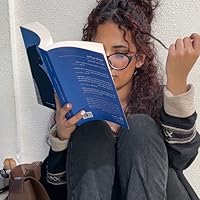
January 15, 2024
"كل الأشياء يجب أن تنتهي"
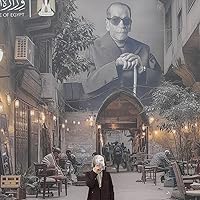
October 11, 2025
"انظروا إلى السماء، هناك حيث النجوم، إنها تتلألأ هناك دائمًا، سواء حدقنا إليها أو نسينا ذلك، وستظل تتلألأ طويلًا بعد موتنا. أتمنى أن يصبح كل واحد منكم أحد تلك النجوم المتلألئة."
رواية هادئة وجميلة جدًا، مؤلمة وبائسة إلى حدٍ كبير.
رغم أن الأحداث لا تتلاحق بسرعة ولا تزخر بالمفاجآت (باستثناء موقفين تقريبًا)، إلا أن عمق الشخصيات، والصدق في التعبير، والتصوير الحي للصداقات والمخاوف جعلني أشعر بأنني أعرف يون وميرو وميونجسو وداهن عن قرب، كأنني تسللت إلى مخاوفهم وأفراحهم وصراعاتهم الداخلية.
"أعتقد أن الناس يعانون أعظم معاناة عندما لا يمتلكون أي أحد بجانبهم."
الرواية تجمع بين العديد من الموضوعات التي تمسنا جميعًا بشكل أو بآخر: الصداقة، فراق الأحبة، الأم وتضحياتها، الأحلام الضائعة، الوحدة، إنكار الواقع، ومقاومة الديكتاتورية وما يرافقها من ثمنٍ باهظ.
كما أن اعترافات الحب في الرواية كانت فريدة وأكثر من رائعة، تلقائية وصادقة، تنبع من وجع داخلي لا من رغبة عابرة.
"رغم أنني في عشريناتي الآن، أشعر كأنني أتعثر في الظلام، بينما أحاول أن أشق طريقي إلى الأمام."
"أحاول التفكير فيما أستطيع فعله، لكن كل ما يخطر ببالي عوضًا عن ذلك هو الأشياء التي أعجز عن فعلها."
يغمرني شعور بالتيه هذه الأيام، بغض النظر عما أبذله من جهد. شعور بالتأخر عن الركب، وبالعجز في مواجهة الحياة. أحيانًا أتساءل: هل هذه طبيعة العشرينات؟ أم طبيعة بدايتها فقط؟
في كل الأحوال، أتمنى ألا يلازمني هذا الشعور طويلًا.
"أتمنى أن تمتلكن جميعًا شخصًا يجعلكن ترغبن دائمًا في أن تقلن: (فلنتذكر هذا اليوم إلى الأبد). وأتمنى أيضًا ألا تترددن في قول: (سأكون هناك)."
رواية هادئة وجميلة جدًا، مؤلمة وبائسة إلى حدٍ كبير.
رغم أن الأحداث لا تتلاحق بسرعة ولا تزخر بالمفاجآت (باستثناء موقفين تقريبًا)، إلا أن عمق الشخصيات، والصدق في التعبير، والتصوير الحي للصداقات والمخاوف جعلني أشعر بأنني أعرف يون وميرو وميونجسو وداهن عن قرب، كأنني تسللت إلى مخاوفهم وأفراحهم وصراعاتهم الداخلية.
"أعتقد أن الناس يعانون أعظم معاناة عندما لا يمتلكون أي أحد بجانبهم."
الرواية تجمع بين العديد من الموضوعات التي تمسنا جميعًا بشكل أو بآخر: الصداقة، فراق الأحبة، الأم وتضحياتها، الأحلام الضائعة، الوحدة، إنكار الواقع، ومقاومة الديكتاتورية وما يرافقها من ثمنٍ باهظ.
كما أن اعترافات الحب في الرواية كانت فريدة وأكثر من رائعة، تلقائية وصادقة، تنبع من وجع داخلي لا من رغبة عابرة.
"رغم أنني في عشريناتي الآن، أشعر كأنني أتعثر في الظلام، بينما أحاول أن أشق طريقي إلى الأمام."
"أحاول التفكير فيما أستطيع فعله، لكن كل ما يخطر ببالي عوضًا عن ذلك هو الأشياء التي أعجز عن فعلها."
يغمرني شعور بالتيه هذه الأيام، بغض النظر عما أبذله من جهد. شعور بالتأخر عن الركب، وبالعجز في مواجهة الحياة. أحيانًا أتساءل: هل هذه طبيعة العشرينات؟ أم طبيعة بدايتها فقط؟
في كل الأحوال، أتمنى ألا يلازمني هذا الشعور طويلًا.
"أتمنى أن تمتلكن جميعًا شخصًا يجعلكن ترغبن دائمًا في أن تقلن: (فلنتذكر هذا اليوم إلى الأبد). وأتمنى أيضًا ألا تترددن في قول: (سأكون هناك)."

July 27, 2023
"الزمن ليس عادلاً ولا سهلاً مع أى أحد."
"سأكون هناك" قصة عن شباب يعيشون في زمن مأساوي.
قصة شباب يجمعهم الحب ويفرقهم الألم والحسرة.
قصة أشخاص يصارعون من أجل الحياة، ومن أجل أن يكونوا معاً ثانية.
اختارت الكاتبة أن يكون الزمن الذي تدور فيه الرواية غير واضح، إلا أننا سنجد الكثير من المظاهرات والقمع وسنشعر أنها فترة ديكتاتورية واضطراب في كوريا الجنوبية لكننا لن نعلم ما هى بالضبط.
فتاة جامعية ترسلها أمها التي تحتضر لجامعة بعيدة حتى لا تتأثر بموتها، تبدأ هذه الفتاة حياتها وحيدة وتجمعها الصدفة في مكتب الدكتور الجامعي الذي طلب منها نسخ محاضراته على الآلة الكاتبة مع شاب وفتاة غامضة وغريبة الأطوار ستتقاطع طرقهم حتى تعرف حقيقة غرابتها وما مرت به خلال حياتها.
رواية إنسانية مآساوية من الدرجة الأولى.
وإذا قرأت رواية "أرجوك اعتني بأمي" لنفس الكاتبة ستعرف عن ماذا أتحدث.
تمت
٢٥ يوليو ٢٠٢٣
"سأكون هناك" قصة عن شباب يعيشون في زمن مأساوي.
قصة شباب يجمعهم الحب ويفرقهم الألم والحسرة.
قصة أشخاص يصارعون من أجل الحياة، ومن أجل أن يكونوا معاً ثانية.
اختارت الكاتبة أن يكون الزمن الذي تدور فيه الرواية غير واضح، إلا أننا سنجد الكثير من المظاهرات والقمع وسنشعر أنها فترة ديكتاتورية واضطراب في كوريا الجنوبية لكننا لن نعلم ما هى بالضبط.
فتاة جامعية ترسلها أمها التي تحتضر لجامعة بعيدة حتى لا تتأثر بموتها، تبدأ هذه الفتاة حياتها وحيدة وتجمعها الصدفة في مكتب الدكتور الجامعي الذي طلب منها نسخ محاضراته على الآلة الكاتبة مع شاب وفتاة غامضة وغريبة الأطوار ستتقاطع طرقهم حتى تعرف حقيقة غرابتها وما مرت به خلال حياتها.
رواية إنسانية مآساوية من الدرجة الأولى.
وإذا قرأت رواية "أرجوك اعتني بأمي" لنفس الكاتبة ستعرف عن ماذا أتحدث.
تمت
٢٥ يوليو ٢٠٢٣
Displaying 1 - 30 of 1,163 reviews