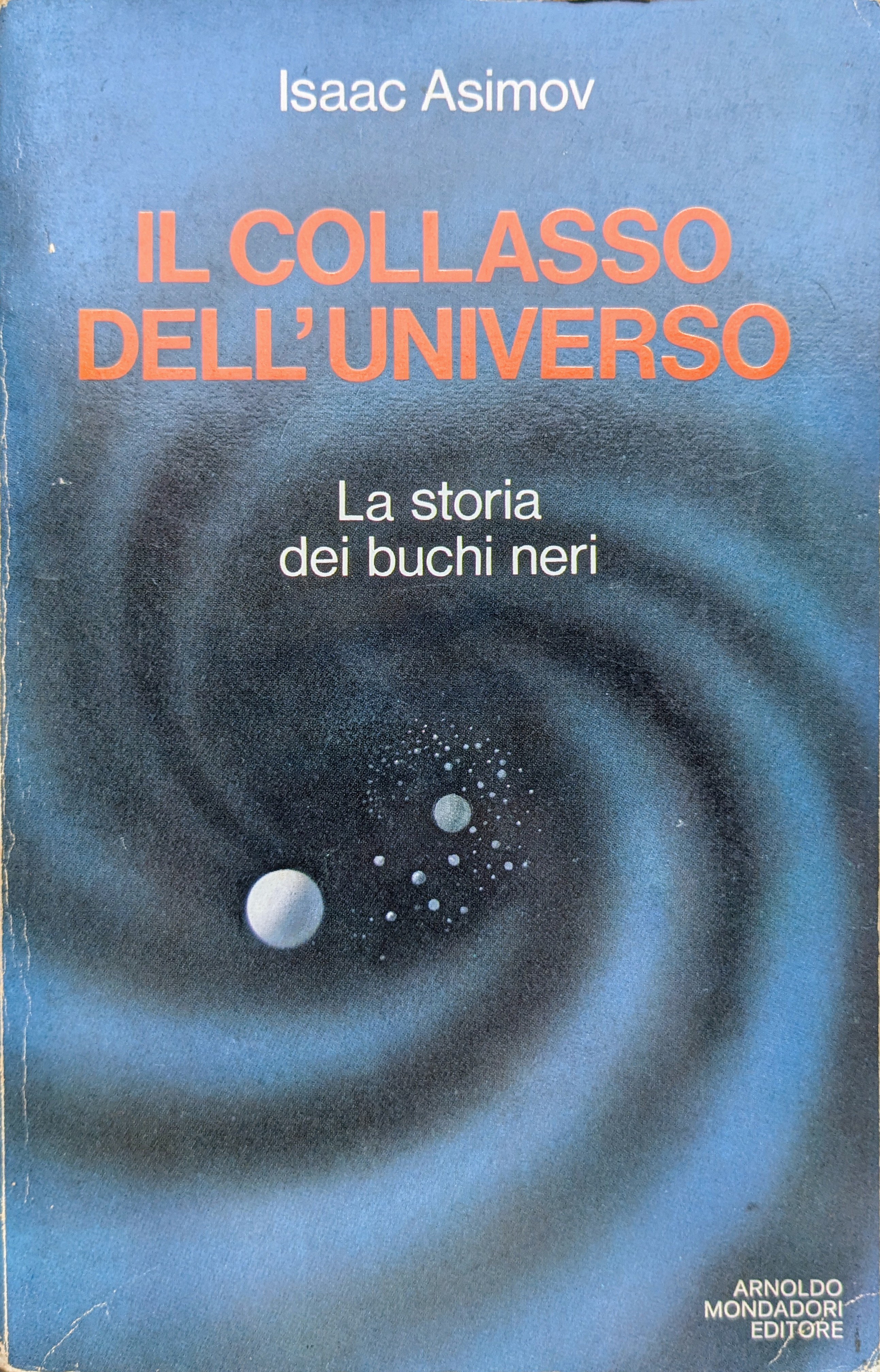
Weak. I suppose this book may have been relevant for the average layperson when it was published and it even foresaw some things that would be generally confirmed just a couple of decades later, but he was also wrong on some things and while I've enjoyed some of his sci fi - naturally - I've always viewed him as a very inconsistent writer (some books in a series might be worth 5 stars while others will be worth 2), not that great of an original sci fi author (example: In the Foundation series, after a character flies a spaceship a very long way to the universe's capital city/planet, when he gets off, he goes and picks up a PAPER newspaper to read on a bench, and since this is supposed to be taking place a million years or so in the future, the fact that Asimov could envision starships - which seems rather rudimentary to me for sci fi writers - but couldn't imagine a universe a million years from now where reading is done in other ways and formats than mid-1900s Earth newspapers? Philip K Dick, a contemporary of his, seems to have been far more vivid in his imagination, far more creative, and if this doesn't sound too absurd, far more "realistic" in imagining a sci fi-type world off in the future...), and a rather tepid "scientist," certainly not an original thinker or researcher, better equipped to teach high school science courses than to be taken seriously such as a Planck, a Niels Bohr, or any serious researcher of significance. It's not that he wasn't intelligent. It's merely that he was overrated, at least in terms of his originality and any perceived brilliance, which his more "scientific" writings don't seem to bear out. Well, if you're an Asimov fan, I suppose you might like this book, or if you want to read old, outdated and in some cases, simply wrong cosmology texts, this is the book for you. Otherwise, not recommended.