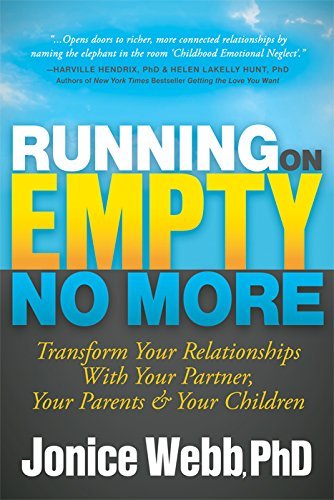
WARNING, THIS BOOK MAY HARM YOU.
Why? Because this book can convince you of things that aren’t true. The author offers a one-size-fits-all explanation of everything that is wrong with your life: it is not your fault, you are just a victim of CEN (Child Emotional Neglect). It is human nature to love such a simplistic and soothing message, but don’t get fooled by this Siren. CEN may have been the explanation of the author’s problems, but it doesn’t mean it explains yours. Instead of giving readers a clear way to know if this is true for them, the author uses the “power of suggestion” persuasion technique on the reader, inviting to remember how the reader was emotionally neglected as a child and, speaking as if this were a fact, repeatedly talking about “Your CEN”. The power of suggestion is dangerous and has been used to let people “remember” things that never happened and even confess to crimes they didn’t commit. I suspect that many normal readers will fall into this trap, because if you search enough in your memories, you will find “the evidence”, even if you were the least emotionally neglected child of the planet. After all, parents can’t be there for their children 24/7. Parents need to survive themselves, they have jobs, relations, other children and it is inevitable that there were times that they didn’t give you the attention you wanted. This is not neglect, this is a fact of life everyone has to get used to. But even if this were not so, “remembering” is still unlikely to provide you evidence for “your CEN”. Why? The stated symptoms of this so-called CEN are similar to some symptoms of what psychologists call “insecure attachment styles” and research indicates that such attachment styles are in place before children form their first explicit memories (eg. In their 3rd year). If this is true, then you can’t remember whatever your parents did to cause “your CEN”.
So this book presents you with a simplistic and seductive explanation of why you have problems and it is difficult to know if this applies to you. Ok, but how can that harm you? The problem is that readers may attribute their problems to their parents, while the real causes of their problems are elsewhere. So instead of investigating further, they may feel soothed by this one-dimensional simple message and meanwhile fail to address the real causes of their problems. Furthermore, the author also wants the reader to “spread the message” to their parents and kids, implanting the idea that the goal should be that the parents go to the author’s website or that they read the author’s book (the reader is free to choose). If you get tricked into falsely believing you are a victim of CEN, then it is easy to see involving your parents may damage your relationship with them.
There may be people who can benefit from this book, but you can’t really know if you are in this group. And even if you are in this group, there are other books that address such issues without the persuasion, without the potential harm and without the Multi-Level-Marketing encouragement to spread the message. Which books are these? “Attached” by Heller & Levine get into the problems that several attachment styles can have. Instead of blaming your parents, they invite you to own your problems and give you tools to improve. Same thing for “Bouncing Back” by Graham & Hanson, which has many suggestions backed by scientific evidence.
If after reading this review you still want to read “Running on Empty no more”, I just hope you will not take everything at face value. Or in the parlance of the Author, that you have strong “external boundaries” in place that protect you from this book brainwashing you. Still, my recommendation would be to have a strong “physical boundary” between you and the book: avoid it!