

What do you think?

Hallucinations: or, The Ill-Fated Peregrinations of Fray Servando
In the brilliant tradition of Don Quixote and Candide , this passionate novel by the author of Before Night Falls is a modern masterpiece of Latin American fiction. Fray Servando—priest, blasphemer, dueler of monsters, irresistible lover, misunderstood prophet, prisoner, and consummate escape artist—wanders among the vice-ridden populations of eighteenth-century Europe and the Americas, fleeing dungeons, a marriage-minded woman, a slave ship captain, and the Inquisition. Whether by burro, by boat, or by the back of a whale, Fray Servando’s journey is at once funny and romantic, melancholy and profound—a tale rooted in history, yet outrageously hallucinatory.
“An impenitent amalgam of truth and invention, historical fact and outrageous make-believe . . . a philosophical black comedy.”— The New York Times
“An impenitent amalgam of truth and invention, historical fact and outrageous make-believe . . . a philosophical black comedy.”— The New York Times
288 pages, Paperback
First published January 1, 1966
About the author
Reinaldo Arenas
58 books372 followersArenas was born in the countryside, in the northern part of the Province of Oriente, Cuba, and later moved to the city of Holguín. In 1963, he moved to Havana to enroll in the School of Planification and, later, in the Faculty of Letters at the Universidad de La Habana, where he studied philosophy and literature without completing a degree. The following year, he began working at the Biblioteca Nacional José Martí. While there, his talent was noticed and he was awarded prizes at Cirilo Villaverde National Competition held by UNEAC (National Union of Cuban Writers and Artists). His Hallucinations was awarded "first Honorable Mention" in 1966 although, as the judges could find no better entry, no First Prize was awarded that year.
His writings and openly gay lifestyle were, by 1967, bringing him into conflict with the Communist government. He left the Biblioteca Nacional and became an editor for the Cuban Book Institute until 1968. From 1968 to 1974 he was a journalist and editor for the literary magazine La Gaceta de Cuba. In 1973, he was sent to prison after being charged and convicted of 'ideological deviation' and for publishing abroad without official consent.
He escaped from prison and tried to leave Cuba by launching himself from the shore on a tire inner tube. The attempt failed and he was rearrested near Lenin Park and imprisoned at the notorious El Morro Castle alongside murderers and rapists. He survived by helping the inmates to write letters to wives and lovers. He was able to collect enough paper this way to continue his writing. However, his attempts to smuggle his work out of prison were discovered and he was severely punished. Threatened with death, he was forced to renounce his work and was released in 1976. In 1980, as part of the Mariel Boatlift, he fled to the United States. He came on the boat San Lazaro captained by Cuban immigrant Roberto Aguero.
In 1987, Arenas was diagnosed with AIDS; he continued to write and speak out against the Cuban government. He mentored many Cuban exile writers, including John O'Donnell-Rosales. After battling AIDS, Arenas died of an intentional overdose of drugs and alcohol on December 7, 1990, in New York City. In a suicide letter written for publication, Arenas wrote: "Due to my delicate state of health and to the terrible depression that causes me not to be able to continue writing and struggling for the freedom of Cuba, I am ending my life... I want to encourage the Cuban people abroad as well as on the Island to continue fighting for freedom... Cuba will be free. I already am."
In 2012 Arenas was inducted into the Legacy Walk, an outdoor public display which celebrates LGBT history and people
His writings and openly gay lifestyle were, by 1967, bringing him into conflict with the Communist government. He left the Biblioteca Nacional and became an editor for the Cuban Book Institute until 1968. From 1968 to 1974 he was a journalist and editor for the literary magazine La Gaceta de Cuba. In 1973, he was sent to prison after being charged and convicted of 'ideological deviation' and for publishing abroad without official consent.
He escaped from prison and tried to leave Cuba by launching himself from the shore on a tire inner tube. The attempt failed and he was rearrested near Lenin Park and imprisoned at the notorious El Morro Castle alongside murderers and rapists. He survived by helping the inmates to write letters to wives and lovers. He was able to collect enough paper this way to continue his writing. However, his attempts to smuggle his work out of prison were discovered and he was severely punished. Threatened with death, he was forced to renounce his work and was released in 1976. In 1980, as part of the Mariel Boatlift, he fled to the United States. He came on the boat San Lazaro captained by Cuban immigrant Roberto Aguero.
In 1987, Arenas was diagnosed with AIDS; he continued to write and speak out against the Cuban government. He mentored many Cuban exile writers, including John O'Donnell-Rosales. After battling AIDS, Arenas died of an intentional overdose of drugs and alcohol on December 7, 1990, in New York City. In a suicide letter written for publication, Arenas wrote: "Due to my delicate state of health and to the terrible depression that causes me not to be able to continue writing and struggling for the freedom of Cuba, I am ending my life... I want to encourage the Cuban people abroad as well as on the Island to continue fighting for freedom... Cuba will be free. I already am."
In 2012 Arenas was inducted into the Legacy Walk, an outdoor public display which celebrates LGBT history and people
Ratings & Reviews
Friends & Following
Create a free account to discover what your friends think of this book!
Community Reviews
Displaying 1 - 30 of 107 reviews

August 23, 2023
4,5
Это сложный для понимания роман, особенно людям, далёким от истории Мексики и Латинской Америки. Будучи абсурдистским, он подразумевает множество интерпретаций, ибо у абсурда нет смысла или их великое множество.
Это прекрасный текст о жизни религиозного и политического деятеля Мексики конца восемнадцатого - начала девятнадцатого века Сервандо Тереса де Мьера (это реальный персонаж, и если Вы о нем даже не слышали, рекомендую ознакомиться с его биографией в энциклопедических биографических справочниках или Википедии), скрывавшегося от инквизиции. Роман с одной стороны написан, как псевдоавтобиография, а с другой наполнен огромным количеством аллюзий и герои великих литературных произведений находят свои вторые жизни на страницах этого причудливого романа. Многие исторические персонажи изображены в парадоксальных ракурсах, но при этом реальный Мьера встречался с некоторыми из этих людей. Роман абсолютно нереалистичен, он магически барочен, гротескно фантастичен. Наш герой обладает сверхъестественными способностями, от голода он съедает свои цепи, чтобы спастись от утопления в море, он может его поглотить и прочие чудеса чудесные, похожие на галлюцинации сюрреалистических картин или кошмарные сны. Несмотря на свои способности, Мьер оказывается скован цепями, скован так, что каждая ресничка, каждый волос на голове, каждая частица тела скованы, что он не может пошевелиться, не причинив себе боли. Это высшая степень несвободы, связанность по рукам и ногам и скованность до немоты, от которой страдал сам автор, и которую он хотел отразить через посредство описания жития монаха Сервандо. Многослойность и многотемность романа охватывает, в первую очередь, схожесть репрессивных машин, неважно государственных или религиозных, и страстное желание сбросить колониальные путы, получить независимость.
Это сложный для понимания роман, особенно людям, далёким от истории Мексики и Латинской Америки. Будучи абсурдистским, он подразумевает множество интерпретаций, ибо у абсурда нет смысла или их великое множество.
Это прекрасный текст о жизни религиозного и политического деятеля Мексики конца восемнадцатого - начала девятнадцатого века Сервандо Тереса де Мьера (это реальный персонаж, и если Вы о нем даже не слышали, рекомендую ознакомиться с его биографией в энциклопедических биографических справочниках или Википедии), скрывавшегося от инквизиции. Роман с одной стороны написан, как псевдоавтобиография, а с другой наполнен огромным количеством аллюзий и герои великих литературных произведений находят свои вторые жизни на страницах этого причудливого романа. Многие исторические персонажи изображены в парадоксальных ракурсах, но при этом реальный Мьера встречался с некоторыми из этих людей. Роман абсолютно нереалистичен, он магически барочен, гротескно фантастичен. Наш герой обладает сверхъестественными способностями, от голода он съедает свои цепи, чтобы спастись от утопления в море, он может его поглотить и прочие чудеса чудесные, похожие на галлюцинации сюрреалистических картин или кошмарные сны. Несмотря на свои способности, Мьер оказывается скован цепями, скован так, что каждая ресничка, каждый волос на голове, каждая частица тела скованы, что он не может пошевелиться, не причинив себе боли. Это высшая степень несвободы, связанность по рукам и ногам и скованность до немоты, от которой страдал сам автор, и которую он хотел отразить через посредство описания жития монаха Сервандо. Многослойность и многотемность романа охватывает, в первую очередь, схожесть репрессивных машин, неважно государственных или религиозных, и страстное желание сбросить колониальные путы, получить независимость.

July 25, 2019
Wonderful stuff. Highly recommended.

September 24, 2016

Reinaldo Arenas (1943 – 1990)
Reinaldo Arenas (1943 – 1990) nasceu numa área rural de Cuba, mudando-se em 1963 para Havana onde acaba por estudar filosofia e literatura na Faculdade de Letras, sem nunca ter concluído a sua formação académica. Um ano mais tarde começa a trabalhar na Biblioteca Nacional José Martí e inicia a sua carreira literária com ”O Mundo Alucinante” o seu primeiro romance publicado em 1966.
Apoiante da Revolução Cubana nos seus primeiros anos na capital – Havana – acaba por se tornar sua vítima, sendo perseguido, preso e torturado em virtude, essencialmente, pelo assumir da sua homossexualidade e por tentar provar que o governo de Fidel Castro não tinha trazido democracia à ilha.
Reinaldo Arenas passa grande parte da sua vida a combater o regime comunista e a política de Fidel Castro, tentando inúmeras vezes, desde a década de 1970, abandonar Cuba; continuando a ser sistematicamente vítima da censura e da repressão, e incontáveis vezes preso e libertado.
Em 1980 devido a uma autorização de saída do governo cubano - integrada no Êxodo de Mariel (emigração em massa de cubanos que partiram do Porto de Mariel para os Estados Unidos da América entre 15 de Abril e 31 de Outubro de 1980) – deixa Cuba e acaba por se instalar em Nova Iorque.
Em 1987 Reinaldo Arenas é diagnosticado com SIDA e em 1990 após ter concluído a sua autobiografia, que seria publicada postumamente ”Antes Que Anoiteça”, suicida-se com uma dose excessiva de álcool e drogas, deixando uma “carta de despedida”.
Reinaldo Arenas refere no prefácio de ”O Mundo Alucinante”, com o subtítulo na edição portuguesa, ”Um romance de aventuras” que ”Desde que descobri, em duas linhas de uma péssima história da literatura mexicana, com o “frade que tinha percorrido a pé toda a Europa realizando aventuras inverosímeis”, comecei a procurar-te por toda a parte.” (Pág. 23)
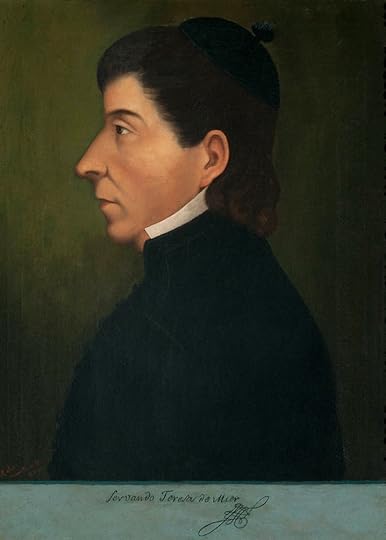
Frei Servando Teresa de Mier (1765 – 1827)
O frade é Frei Servando Teresa de Mier (1765 – 1827) dominicano, sacerdote liberal, escritor e lutador pela causa da independência do México, uma célebre personagem histórica convertida para a ficção(?) por Reinaldo Arenas numa obra insólita, interessante e excêntrica, um genuíno romance de aventuras, percorrendo inúmeros países – incluindo, Portugal.
”O Mundo Alucinante” é um romance surpreendente, com uma escrita original e inventiva, um estímulo para a imaginação e para o pensamento reflexivo, entre o “sonho” e a “realidade”, numa fábula indeterminável e picaresca.

January 8, 2023
Es una obra híper compleja. Es una oda a la vida de Fray Servando Teresa de Mier, sacerdote dominico y liberal. Un personaje histórico,importante en la emancipación de América. El Padre Mier fue juzgado por herejía, desterrado, perseguido durante toda su vida.
Este libro lo leí en casi dos meses, como un texto académico. Tuve mis altos y bajos con el ritmo de lectura. También con las emociones que me produjo. En ciertos pasajes reí, literalmente, a carcajadas. En otras se me frunció el ceño por tanto enredo mítico, pues cuesta distinguir entre mito y realidad narrativa. Lo cierto es que recorrió el mundo y Reinaldo Arenas recrea su periplo de una manera tragicómica. También consiguió sacarme lágrimas con un poema sobre el ocaso de la vida, que está escrito en las últimas páginas.
Este libro lo leí en casi dos meses, como un texto académico. Tuve mis altos y bajos con el ritmo de lectura. También con las emociones que me produjo. En ciertos pasajes reí, literalmente, a carcajadas. En otras se me frunció el ceño por tanto enredo mítico, pues cuesta distinguir entre mito y realidad narrativa. Lo cierto es que recorrió el mundo y Reinaldo Arenas recrea su periplo de una manera tragicómica. También consiguió sacarme lágrimas con un poema sobre el ocaso de la vida, que está escrito en las últimas páginas.

February 22, 2022
Genius. Absolutely genius.
(If you plan on reading this, I suggest reading Arenas' memoir, Before Night Falls, first. It gives more insight into this story and makes it all the more amazing.
(If you plan on reading this, I suggest reading Arenas' memoir, Before Night Falls, first. It gives more insight into this story and makes it all the more amazing.

July 17, 2008
This book was crazy.
I embarked upon this read because an important lady in my life happened to have written her senior thesis on it and Alejo Carpentier's Explosion in a Cathedral. The book follows the Peregrinations (and ill-fated they are indeed) of a 17th century Mexican priest as he is hounded throughout the world following and inflammatory and, by some accounts, blasphemous speech. The book reads like a series of hallucinations and very rarely makes a whole lot of sense. But as I learned from reading an excellently though out and written thesis, this was intentional. In a reaction to Carpentier's very grand and historical style, Arenas treats history as uncertain and the accounts of it merely one possibility. This revelation did make sense; however, it did not make the book any easier to read.
Fray Servando is, for the most part, a very sympathetic character, and I found myself curious as to what strange misfortune would befall him next. I never was quite sure if that misfortune did ever befall him though, since often the next chapter was written in the second person telling either me or Servando that what had just transpired had not just transpired.
As confusing and meandering and (I'll say it) seemingly nonsensical this book was, I did find myself enjoying it. Maybe that's just how much I dig this girl who had me read it, or maybe it's actually interesting to read such a strangely and unorthodoxly written book.
I embarked upon this read because an important lady in my life happened to have written her senior thesis on it and Alejo Carpentier's Explosion in a Cathedral. The book follows the Peregrinations (and ill-fated they are indeed) of a 17th century Mexican priest as he is hounded throughout the world following and inflammatory and, by some accounts, blasphemous speech. The book reads like a series of hallucinations and very rarely makes a whole lot of sense. But as I learned from reading an excellently though out and written thesis, this was intentional. In a reaction to Carpentier's very grand and historical style, Arenas treats history as uncertain and the accounts of it merely one possibility. This revelation did make sense; however, it did not make the book any easier to read.
Fray Servando is, for the most part, a very sympathetic character, and I found myself curious as to what strange misfortune would befall him next. I never was quite sure if that misfortune did ever befall him though, since often the next chapter was written in the second person telling either me or Servando that what had just transpired had not just transpired.
As confusing and meandering and (I'll say it) seemingly nonsensical this book was, I did find myself enjoying it. Maybe that's just how much I dig this girl who had me read it, or maybe it's actually interesting to read such a strangely and unorthodoxly written book.

Read
February 28, 2022La voz narrativa en El mundo alucinante es una voz profética, que clama estruendos en un desierto que todo ensordece. Los clamores proféticos de Reinaldo Arenas se perdieron en vida y se siguen perdiendo a más de 30 años de su suicido, la última advertencia que lanzó y que, por economía teológica, sonó unánime junto con las de Perlongher y Sarduy en un tiempo incapaz de aprehenderlas. Pero en su Fray Servando, Arenas deja su avatar más verosímil, uno que confirma el díctum aristotélico sobre la primacía veritativa de la literatura sobre la historia. Como su autor, el fraile es una partícula vibrátil, inestable e indeterminada, que se expande y desdobla en una proliferación de significados metafóricos. Dice Enrico Mario Santí que El mundo alucinante es ejemplo paradigmático de la novela posmoderna, cosa cierta considerando la demolición fulminante del sentido que opera en la obra. El tiempo de la novela traslada al lector incesantemente, siempre metafórico, mientras que la voz narrativa es igualmente inestable. El tono oscila entre la ingeniosísima sátira burlesca y el ominoso pesimismo existencial de los adelantados a su tiempo. La novela es un portento.

October 23, 2014
Háganse a un lado los Terry Gilliams del mundo, aquí hay alguien aún más desquiciado.
¡Cómo admiro a los escritores barrocos (sobre todo, a los barrocos más contemporáneos)! No sé de dónde sacan sus imágenes, sus figuras, sus palabras.
Un libro fantástico en por lo menos dos sentidos. Fray Servando asiente, complacido.
¡Cómo admiro a los escritores barrocos (sobre todo, a los barrocos más contemporáneos)! No sé de dónde sacan sus imágenes, sus figuras, sus palabras.
Un libro fantástico en por lo menos dos sentidos. Fray Servando asiente, complacido.

June 1, 2025
Realismo mágico mal. Humor pedestre. Abandonado.

April 18, 2025
¿Acaso hemos hallado el lugar que nos ha sido prometido? ¿Acaso ya no hay más que desear?

October 23, 2018
Un libro que leí cuando tenía 14 o 15 años y me marcó mucho. Fue la segunda novela de Arenas, donde reescribe las Memorias del fraile mexicano Fray Servando Teresa de Mier Noriega y Guerra, cuyas aventuras se transforman en el modo de vida de un hombre contestatario al Régimen del Imperio español, que se dedica a transformar el sistema que lo aprisiona y que lo lleva a vivir 32 años en diversas cárceles mexicanas, españolas y cubanas. Es un personaje que se ubica en un lugar periférico y desde ahí plantea una respuesta activa contra la ideología dominante.
Casi como la vida misma del propio Arenas quien sufrió persecución del régimen castrista no solamente por su abierta homosexualidad, sino por su crítica al Gobierno, que le cerró muchas puertas como escritor durante los años de mayor ostracismo cultural y sectarismo en Cuba, donde sólo pudo publicar un libro, Celestino antes del alba, que se agotó en una semana.
La escritura de Arenas te revuelca y te abraza, y cuando te das cuenta estás rendida. Para leerlo y releerlo.
Casi como la vida misma del propio Arenas quien sufrió persecución del régimen castrista no solamente por su abierta homosexualidad, sino por su crítica al Gobierno, que le cerró muchas puertas como escritor durante los años de mayor ostracismo cultural y sectarismo en Cuba, donde sólo pudo publicar un libro, Celestino antes del alba, que se agotó en una semana.
La escritura de Arenas te revuelca y te abraza, y cuando te das cuenta estás rendida. Para leerlo y releerlo.

January 5, 2025
¡Primero de 2025! Este libro es fascinante, creativo, gracioso, juguetón, como el autor mismo. Es una aventura extravagante, con multitud de estilos, lo que genera una lectura súper entretenida. Reinaldo Arenas toma prestado de Dante y de Virginia Woolf sin asco, con ganas y atrevimiento de convivir con su literatura, para imaginar las aventuras de un fraile en incesante carrera, tirado al suelo y levantado mil veces, en su recorrido por un mundo en el que persigue libertad. Es sumamente alegórico en lo que construye y eso me gusta mucho. Bueno, bueno, bueno.

June 23, 2021
De esos libros que te reconcilian con la literatura. Me hizo sentir cositas con la parte de Orlando (rara mujer) y con el regreso de Fray Servando a México. Alucinante le queda pequeño.

April 15, 2025
I’ll give Arenas credit: I made it halfway through before growing tired of the ridiculousness of it all. That’s more than I can say for almost any work I’ve read of magic realism, which is without question my least favorite genre. As I’ve mentioned before, it combines the worst qualities of realism (a reliance on topical subjects that can make it seem dated – at best – and practically irrelevant to any reader outside the target audience – at worst) and fantasy (a reliance on the absurd and fantastical not to propel the narrative forward or open new worlds to the reader, but rather as a crutch or gimmick to avoid narrative cohesion or a tight plot structure). Realism and fantasy don’t always do this. In fact, the best of those styles avoid these pitfalls entirely. But magic realism? It wallows entirely in both to the point where I have trouble finishing them.
Arenas had me hooked at first with a Rabelaisian tale of a priest who is imprisoned and banished from Mexico to Europe and then back again, and the switching of narrative voice was clever. But I soon lost interest as the comical scenes piled up. I understand that the point is to portray totalitarianism as absurd and nightmarish. But when fiction delves so deeply into showing us this, it practically becomes what it critiques. Arenas begins by writing in the prologue that he tries to avoid things like “the historical,” “precise dates,” or “fact,” and that he doesn’t really mind if his work has plot holes or countless inconsistencies, since this was the point. Well, great. Those are a couple traits your novel shares with totalitarian regimes. But seriously: if art functions to drown the reader in the same morass, then is the artist pulling back the curtain on the absurdity, or merely partaking in it?
“But we can’t adequately describe the horrors of modernity in any other way!” Except others can and have.
Imagine if I open an art gallery and advertise an exhibition, and when each visitor walks in, I hit them over the head with a frying fan. “You see,” I shout to them as they collapse to the floor, “life is violent and chaotic … and so is my ‘art’!” But people don’t need to be hit over the head with a frying pan to know it hurts. At that point, what is the difference between my art and the very suffering it is supposedly attempting to communicate?
As much as I love fiction and believe it can communicate universal truths, I feel like Arenas' own life story would make an immensely more powerful literary commentary on suffering through political strife than this fanciful work. For this reason, I look forward to reading his memoir, Before Night Falls , with the hope that he will cast aside the tired gimmicks of magic realism and just relate a simple and powerful human story of struggle.
Arenas had me hooked at first with a Rabelaisian tale of a priest who is imprisoned and banished from Mexico to Europe and then back again, and the switching of narrative voice was clever. But I soon lost interest as the comical scenes piled up. I understand that the point is to portray totalitarianism as absurd and nightmarish. But when fiction delves so deeply into showing us this, it practically becomes what it critiques. Arenas begins by writing in the prologue that he tries to avoid things like “the historical,” “precise dates,” or “fact,” and that he doesn’t really mind if his work has plot holes or countless inconsistencies, since this was the point. Well, great. Those are a couple traits your novel shares with totalitarian regimes. But seriously: if art functions to drown the reader in the same morass, then is the artist pulling back the curtain on the absurdity, or merely partaking in it?
“But we can’t adequately describe the horrors of modernity in any other way!” Except others can and have.
Imagine if I open an art gallery and advertise an exhibition, and when each visitor walks in, I hit them over the head with a frying fan. “You see,” I shout to them as they collapse to the floor, “life is violent and chaotic … and so is my ‘art’!” But people don’t need to be hit over the head with a frying pan to know it hurts. At that point, what is the difference between my art and the very suffering it is supposedly attempting to communicate?
As much as I love fiction and believe it can communicate universal truths, I feel like Arenas' own life story would make an immensely more powerful literary commentary on suffering through political strife than this fanciful work. For this reason, I look forward to reading his memoir, Before Night Falls , with the hope that he will cast aside the tired gimmicks of magic realism and just relate a simple and powerful human story of struggle.

November 14, 2023
A Reinaldo le debo otras lecturas. «Antes que anochezca» fue un tesoro literario para mí. Aquel libro que abrí despreocupado, pretendiendo no sobrevolar mucho entre informaciones previas a la lectura, rindió mi corazón ante una de las mejores impresiones que he tenido frente a la literatura. Así, más temprano que tarde, mi cariño por Reinaldo, (y por el registro emocionante de su historia) se consolidó. Y hoy, con la culminación de El mundo alucinante, no creo equivocarme mucho si digo con sesudo atrevimiento que ese cariño es solo el inicio de una admiración y un aprecio más grande. Dos libros. Son solo dos libros los que hasta ahora he tenido el placer -y la oportunidad- de devorar, pero ya mis consideraciones por Reinaldo se hacen presentes. (Con una pasión y una fuerza atronadora, además) Caso parecido con el titán Oulipiano de Georges Perec; solo que, en ese caso, ya son varios libros los que le he leído. No dos. Y no hay detrás de ellos una historia de vida tan agitada que revele una fascinación primera, previa a toda la bibliografía literaria.
Si lo que permea en la prosa de sus memorias es la sencillez poética, el lenguaje herrumbrado de cotidianidad, simple, y libre de configuraciones escriturales complejas; acá lo que se que ve es un Reinaldo preocupado, especialmente, por lo hermético y capaz del lenguaje literario. La explicación de esto se relaciona mucho con la corriente y el estilo en que se inscribe la novela: el Neo-barroco. La obra no tiene miedo entonces de ser exhuberante; olvida las convenciones narrativas tradicionales y propone una poética en que se reúne lo mítico, lo surreal, lo exagerado, lo aventurero, lo trágicomico, lo histórico, lo intertextual. Y frente a estos aspectos que componen -desde un ámbito general y resumido- al contenido del libro, se encuentran también peculiaridades en la forma de la novela. (Como los distintos tipos de narraciones/narradores que se van intercalando durante la extensión del libro, y que lo dotan de un dinamismo constante y lleno de vida).
El mundo alucinante teje sus realidades ficcionales a través de la realidad histórica, con la figura de Fray de Servando Teresa de Mier. A Reinaldo no le importa verse inverosímil o falso, porque su intención no es la descripción histórica o parcialmente verdadera de la realidad, sino la fracturación del tiempo y de la historia, el quebrantamiento de la linealidad literaria, de las miradas en un solo tono. O, en palabras de Reinaldo, que él lo dice mejor: "Por eso no creo que mis novelas puedan leerse como una historia de acontecimientos concatenados, sino como un oleaje que se expande, vuelve, se ensancha, regresa, más tenue, más enardecido; incesante, en medio de situaciones tan extremas que de tan intolerables resultan a veces liberadoras".
Libro alucinante, como ya lo indica su título.
Si lo que permea en la prosa de sus memorias es la sencillez poética, el lenguaje herrumbrado de cotidianidad, simple, y libre de configuraciones escriturales complejas; acá lo que se que ve es un Reinaldo preocupado, especialmente, por lo hermético y capaz del lenguaje literario. La explicación de esto se relaciona mucho con la corriente y el estilo en que se inscribe la novela: el Neo-barroco. La obra no tiene miedo entonces de ser exhuberante; olvida las convenciones narrativas tradicionales y propone una poética en que se reúne lo mítico, lo surreal, lo exagerado, lo aventurero, lo trágicomico, lo histórico, lo intertextual. Y frente a estos aspectos que componen -desde un ámbito general y resumido- al contenido del libro, se encuentran también peculiaridades en la forma de la novela. (Como los distintos tipos de narraciones/narradores que se van intercalando durante la extensión del libro, y que lo dotan de un dinamismo constante y lleno de vida).
El mundo alucinante teje sus realidades ficcionales a través de la realidad histórica, con la figura de Fray de Servando Teresa de Mier. A Reinaldo no le importa verse inverosímil o falso, porque su intención no es la descripción histórica o parcialmente verdadera de la realidad, sino la fracturación del tiempo y de la historia, el quebrantamiento de la linealidad literaria, de las miradas en un solo tono. O, en palabras de Reinaldo, que él lo dice mejor: "Por eso no creo que mis novelas puedan leerse como una historia de acontecimientos concatenados, sino como un oleaje que se expande, vuelve, se ensancha, regresa, más tenue, más enardecido; incesante, en medio de situaciones tan extremas que de tan intolerables resultan a veces liberadoras".
Libro alucinante, como ya lo indica su título.

June 19, 2024
Ay, Reinaldo, qué libro tan brillante. Solo los personajes intemporales y ahistóricos lograrán ser infinitos: yo también soy Fray Servando Teresa de Mier. No me cabe duda de recién terminar de leer una novela de aventuras, y qué aventuras... La vida de un hombre es tan fantástica como uno la sueñe. Cada palabra era un escalón hacia el infinito de la belleza del lenguaje y de la imaginación. Avanzamos a medida que Fray Servando se acerca a la muerte, o mejor, a medida que el deseo añorado de volver a México y verlo libre se hace 'realidad'. Son increíbles las imágenes que crea Arenas para mostrarnos la crueldad y la fantasía que albergó la vida del fraile: un pergamino que se extiende a lo largo de las montañas con toda la información sobre por qué la virgen de Guadalupe no es española; cárceles que deben apestar a lo que apestan las profundidades del océano; lujosos palacios de la Europa occidental imposibles de describir en diez páginas porque no caben; una bola gigante de cadenas que bien podría ser vista a kilómetros de distancia cuyo núcleo es un miserable hombre; impuestos norteamericanos por cada bocanada de aire que un hombre es capaz de dar; saltos y vuelos continentales para sobrevivir; discursos y reflexiones infinitas como la mente de los grandes pensadores; y un encuentro anacrónico e imposible entre los figurines imperiales de tu época, Simón Rodríguez, Simón Bolívar y el mismísimo romántico en bruto: José María de Heredia.
Tú, Fray Servando, nos regalaste una vida pura; nos regalaste una vida de verdad. Cada andanza mostraba tus sacrificios y tu fulgor: fulgor que cada hombre de piel quemada porta en su interior. Fuiste la luz que guio a los nuevos hombres a construir nuestra América. Fuiste de verdad.
Tú, Fray Servando, nos regalaste una vida pura; nos regalaste una vida de verdad. Cada andanza mostraba tus sacrificios y tu fulgor: fulgor que cada hombre de piel quemada porta en su interior. Fuiste la luz que guio a los nuevos hombres a construir nuestra América. Fuiste de verdad.

April 19, 2010
Este es un libro que verdaderamente le hace honor a su título. A Arenas le valen madres cualquier convención de coherencia narrativa, él crea su propio mundo. De por sí la vida de Fray Servando es bien surreal, y luego Arenas le da un toque personal muy interesante. Aquí no existe realidad, todo es lenguaje y le queda excelente. Si se puede superar la confusión inicial que causa esta novela, se le disfruta muchísimo. Sí vale la pena leerla.

March 21, 2021
En la vida de Fray Servando Teresa de Mier, Reinaldo Arenas refleja el sueño que tuvo toda su vida y por el que dio su vida: la libertad. En un estilo exuberante, que si no hubiese sido censurado y eclipsado por el socialismo habría sido casi tan influyente como Gabriel García Márquez, Arenas convierte una historia del siglo XIX en una fantástica búsqueda de la defensa de la palabra y de las ideas.
December 10, 2025
¿Quién diría que la historia de Fray Servando Teresa de Mier –metaficcionada por Reinaldo Arenas, escrita en 1965– terminaría siendo espejo de las futuras tribulaciones y soledades del mismo autor forzado a ser un apátrida y perseguido por sus ideas?
Cobra mayor relevancia aun la premisa inicial con la que Reinaldo prologa su libro: «Lo más útil fue descubrir que tú y yo somos la misma persona».
Arenas escribió el libro de su vida sin saberlo y años antes de suicidarse. La soledad y frustración que siente Fray Servando hacia el final de su vida funcionan como una premonición escalofriante del final de la vida de Reinaldo también.
Pensar en este paralelismo me ha perturbado y conmovido.
Pero también, El mundo alucinante es un texto contrarrevolucionario en sí: se burla de las grandes narrativas cubanas –y europeas– apologistas a la cultura y revolución –las revoluciones– importadas, cuestionando los discursos de poder y desde el poder y desprestigiando la historia “oficial” desde una óptica no-realista, satírica, de su protagonista perseguido y disidente.
Los relatos y encuentros que narra Arenas sobre las peripecias de Fray Servando tras ser expulsado de México son tan delirantes como fantásticos. Viajará entre barcos, saltos y ballenas para caminar la Europa corrompida por las revoluciones utópicas, iglesia inquisidora o mendigos asesinos. Hay una omnipresencia de lo ruin y de la vejación que terminarán por despertar en el ingenuo fraile una sensación de bajeza humana, abuso e injusticia.
«De nada te vale ser cristiano si no tienes un poco de picardía» le dice un fraile viejo que resulta ser su doble u otro él.
Al mejor estilo de Cándido, serán estas experiencias las que terminarán por “educar” al fraile en la miseria humana para posteriormente (y de regreso en México) experimentar una serie de visiones al pasado que le hacen comprender tanto la falacia del progreso utópico como el papel que le corresponde a un hombre ilustrado como él dentro de un mundo regido por la falsedad política.
Y acá, como en Celestino antes del alba el fraile dormirá y morirá. Regresará a su infancia, que es tal vez la única forma de salvación y sanación que encuentra el hombre corrompido y fatigado.
Cobra mayor relevancia aun la premisa inicial con la que Reinaldo prologa su libro: «Lo más útil fue descubrir que tú y yo somos la misma persona».
Arenas escribió el libro de su vida sin saberlo y años antes de suicidarse. La soledad y frustración que siente Fray Servando hacia el final de su vida funcionan como una premonición escalofriante del final de la vida de Reinaldo también.
Pensar en este paralelismo me ha perturbado y conmovido.
Pero también, El mundo alucinante es un texto contrarrevolucionario en sí: se burla de las grandes narrativas cubanas –y europeas– apologistas a la cultura y revolución –las revoluciones– importadas, cuestionando los discursos de poder y desde el poder y desprestigiando la historia “oficial” desde una óptica no-realista, satírica, de su protagonista perseguido y disidente.
Los relatos y encuentros que narra Arenas sobre las peripecias de Fray Servando tras ser expulsado de México son tan delirantes como fantásticos. Viajará entre barcos, saltos y ballenas para caminar la Europa corrompida por las revoluciones utópicas, iglesia inquisidora o mendigos asesinos. Hay una omnipresencia de lo ruin y de la vejación que terminarán por despertar en el ingenuo fraile una sensación de bajeza humana, abuso e injusticia.
«De nada te vale ser cristiano si no tienes un poco de picardía» le dice un fraile viejo que resulta ser su doble u otro él.
Al mejor estilo de Cándido, serán estas experiencias las que terminarán por “educar” al fraile en la miseria humana para posteriormente (y de regreso en México) experimentar una serie de visiones al pasado que le hacen comprender tanto la falacia del progreso utópico como el papel que le corresponde a un hombre ilustrado como él dentro de un mundo regido por la falsedad política.
Y acá, como en Celestino antes del alba el fraile dormirá y morirá. Regresará a su infancia, que es tal vez la única forma de salvación y sanación que encuentra el hombre corrompido y fatigado.

May 27, 2024
Wanneer de dominicaan Servando zijn reputatie als geniaal prediker verpest met een ketterse preek over de Maagd van Guadalupe verandert zijn leven drastisch: hij komt via een lange ketting van gevangenschap en ontsnappingen van de ene absurde situatie in de andere terecht. "Hallucinerende wereld" lijkt daardoor een groteske versie van een 18de- of 19de-eeuwse avonturenroman, doorspekt met humor en geweld. Een kleine tweehonderd pagina's puur leesplezier, spijtig dat de roman daarna wat energie verliest. Als enige werk van Arenas dat in het Nederlands beschikbaar is (voor zover ik weet), is dit misschien wel eens toe aan een herziene uitgave.
"Aan het eind van de vorige eeuw kon men deze zelfde mummie in België, in één van de beroemdste circussen bezichtigen."
"Allengs drongen de luizen van de zigeuners mijn cel binnen en mettertijd raakte ik er helemaal onder bedolven, zo erg dat ik dacht dat mijn lichaam ze produceerde en dat ik in luizen oploste."
"Als we het over Spanje hebben: daar bestaan immers alleen ruïnes van vroegere ruïnes."
"Aan het eind van de vorige eeuw kon men deze zelfde mummie in België, in één van de beroemdste circussen bezichtigen."
"Allengs drongen de luizen van de zigeuners mijn cel binnen en mettertijd raakte ik er helemaal onder bedolven, zo erg dat ik dacht dat mijn lichaam ze produceerde en dat ik in luizen oploste."
"Als we het over Spanje hebben: daar bestaan immers alleen ruïnes van vroegere ruïnes."

October 13, 2021
Como siempre, quedo encantado con la forma de escribir y de crear esos mundos tan "alucinantes" de Reinaldo Arenas.
Los personajes, que si bien son pocos, todos participan activamente y de una manera que llega a ser hasta cómica.
Los personajes, que si bien son pocos, todos participan activamente y de una manera que llega a ser hasta cómica.

June 1, 2024
¡Es buenísima! Lástima que no sea reconocida tanto como las demás novelas del Boom, aunque se lo merece y mucho.

June 19, 2024
“Pero sucedió que de pronto, cuando ya la composición concluía, el poeta cesó en su lectura, y nos dejó en suspenso: aguardando el final al que sólo faltaba una palabra. Pero la palabra no se dijo”

October 27, 2024
Primera relectura: sigue siendo igual de bueno que la primera vez, tal vez mejor. Es bueno ver que se pueden escribir libros divertidos a la par que comprometidos con su realidad política.

December 8, 2024
La prosa de este libro me volvió loca, nunca busque tantas palabras leyendo, pero QUE LIBRAZO!!!!
Me encanto, con esta historia me di cuenta que me gusta mucho el realismo magico.
Me encanto, con esta historia me di cuenta que me gusta mucho el realismo magico.

May 2, 2025
Poca gente ha sufrido tanto como fray Servando…
June 23, 2026
Miren lo que es la vida: en el año 66' Arenas escribe El mundo alucinante, donde el fray Servando, apresado en su país por expresarse en contra de los principios cristianos del Reino de España impuestos sobre México, huye al exilio donde es perseguido, e incluso llega a ser encerrado en la cárcel del Morro. Años después, Arenas, perseguido entre otros motivos por ser homosexual, es encarcelado en la misma cárcel del Morro que su personaje, y huye al exilio en los Estados Unidos, desde donde condena los principios del régimen castrista en Cuba.
A veces parece que la realidad es la que imita a la ficción.
En un cálido estilo barroco, que con palabras pinta escenas en movimiento de manera bella, Arenas detalla la mágica-real vida de Servando en un mundo que, si analizamos quitando toda la palabrería embellecedora, es puramente hostil hacia él. Es una novela que sin embargo no deja de ser entretenida, pícara y muy elocuente con sus imágenes, utilizando recursos experimentales que contrastan con el estilo barroco, muy al estilo de su maestro Lezama Lima.
Es una lectura bella y colorida, con los tintes clásicos de una novela de aventuras. Creo que no habrá mucho más así en la obra de Reinaldo Arenas, pero eso me tocará verlo en el futuro.
A veces parece que la realidad es la que imita a la ficción.
En un cálido estilo barroco, que con palabras pinta escenas en movimiento de manera bella, Arenas detalla la mágica-real vida de Servando en un mundo que, si analizamos quitando toda la palabrería embellecedora, es puramente hostil hacia él. Es una novela que sin embargo no deja de ser entretenida, pícara y muy elocuente con sus imágenes, utilizando recursos experimentales que contrastan con el estilo barroco, muy al estilo de su maestro Lezama Lima.
Es una lectura bella y colorida, con los tintes clásicos de una novela de aventuras. Creo que no habrá mucho más así en la obra de Reinaldo Arenas, pero eso me tocará verlo en el futuro.
September 20, 2015
This is an imagined biography of the real Dominican Friar Servando Teresa de Mier (1765 – 1827); written in 1966 by the author of The Doorman. It starts very much in the magical realism mode but does rather tend to lose steam to more ‘standard’ Latin America novel near the end. This is like many of Mario Llosa’s (e.g. Feast of the Goat, The War of the End of the World, Way to Paradise) or Souza’s (e.g. Mad Maria) work in that it is a brilliant narrative where you begin to wonder about the true facts rather than clever fiction. The magical realism style, is a mixture of first and third person, is in deed more like a hallucination reflecting the inner and outer struggle of this real life revolutionary priest.
It starts in Mexico with Sevando childhood and education in Monterrey; then preaching in 1794 that the ‘Virgin of Guadalupe’ who originally appeared 1541 actually visited New Spain as part of the indigenous religion many years earlier. Arrested and exiled to a Spain, he was given the chance to plead his case but got lost on the way to a council meeting. Rearrested and escaping; so starts his remarkable journey from escapades in France (where he meets Simón Rodríguez, Simón Bolívar's former teacher); Rome then Spain (arrested for his Mexican Independence views) escaped, recaptured escaped, released for converting Rabbis; military priest in the Franco-Spain war captured and escaped the French; met General Blake (witnesses the Battle of Trafalgar) and moves to London; writes Revolutionary newspaper; travels to New Spain captured by the Royalists; ends up in Havana and escapes to USA; revisiting Mexico after independence is arrested by the Spanish; released by the Mexicans but is then arrested for his anti-federal views and yes escapes (his seventh). Dies. Mummified body sold to circus in 1861 and exhibited in Brussels but is soon lost never to reappear.
You can imagine what could be made of this history and this book does not disappoint.
Some quotes:
“There’s just no way out. It’s as if I was realising the whole time how useless all this running away is. All the time I keep telling myself: do everything you can, do everything you can. And I do. But the trouble is you never know how much you can do. And if everything were possible it might as well be impossible, simply because it can be done and nothing is gained by it. Routine would be the only thing left, routine and more routine”
“Summer. I ask God to grant me proof of His existence by letting me die. But I doubt that He can hear me. If God were here He would have gone mad.”
(Not for me, but Servando’s memoirs, in translation, are available to read). This, though not a perfect attempt, is another 5 star magical realism tale.
It starts in Mexico with Sevando childhood and education in Monterrey; then preaching in 1794 that the ‘Virgin of Guadalupe’ who originally appeared 1541 actually visited New Spain as part of the indigenous religion many years earlier. Arrested and exiled to a Spain, he was given the chance to plead his case but got lost on the way to a council meeting. Rearrested and escaping; so starts his remarkable journey from escapades in France (where he meets Simón Rodríguez, Simón Bolívar's former teacher); Rome then Spain (arrested for his Mexican Independence views) escaped, recaptured escaped, released for converting Rabbis; military priest in the Franco-Spain war captured and escaped the French; met General Blake (witnesses the Battle of Trafalgar) and moves to London; writes Revolutionary newspaper; travels to New Spain captured by the Royalists; ends up in Havana and escapes to USA; revisiting Mexico after independence is arrested by the Spanish; released by the Mexicans but is then arrested for his anti-federal views and yes escapes (his seventh). Dies. Mummified body sold to circus in 1861 and exhibited in Brussels but is soon lost never to reappear.
You can imagine what could be made of this history and this book does not disappoint.
Some quotes:
“There’s just no way out. It’s as if I was realising the whole time how useless all this running away is. All the time I keep telling myself: do everything you can, do everything you can. And I do. But the trouble is you never know how much you can do. And if everything were possible it might as well be impossible, simply because it can be done and nothing is gained by it. Routine would be the only thing left, routine and more routine”
“Summer. I ask God to grant me proof of His existence by letting me die. But I doubt that He can hear me. If God were here He would have gone mad.”
(Not for me, but Servando’s memoirs, in translation, are available to read). This, though not a perfect attempt, is another 5 star magical realism tale.

March 3, 2018
«Y los objetos más corrientes, sumidos en la penumbra, adquirieron dimensiones irreales» Tal es la sensación que experimenté al leer esta novela. Publicada en 1969, es el segundo libro de Arenas; sin embargo, el talento de su autor se muestra maduro y a la vez con un afán por alcanzar los bordes de eso que puede llamarse lo real o lo histórico, o lo verdadero, o lo "literario". De modo que Arenas arriesga y hace de la polvorienta historia de un fraile un canto a la búsqueda de la libertad, que, por ser búsqueda, es camino sin término y viaje cuyos obstáculos aplazan sin cesar la llegada. Quizá en un momento en que la novela de aventuras bien podía pensarse como género menor, petrificado (Dilthey), "El mundo alucinante" revitaliza esta estructura narrativa tan cara a la identidad humana (basta pensar en la "Odisea" y su numerosa prole). De igual manera, precede a las narraciones históricas que experimentan nuevas perspectivas. Basta citar "El arpa y la sombra" de Carpentier (1979) y "Mason y Dixon" de Thomas Pynchon (1997) para asistir con asombro al "orden lúcido" que propone Arenas. Por lo demás, es fascinante el trabajo con los narradores, que poco a poco ganan fuerza y a través de sus alternancias dan ritmo a la novela. Me quedo, además, con el impulso poético que anima doblemente la historia, tanto en sus aspectos formales como en la visión de mundo que despliega. Arenas afirma y reafirma su condición de niño. Aprisionado, escapa con la imaginación y lleva consigo a su personaje. Esa voluntad de ser libres los conduce, paralelo al vulgar desarrollo de las batallas cotidianas, al mundo alucinante.

December 31, 2013
I rate this book a 3.8 on a scale of 1 to 5 with 5 being best. This novel, banned in Cuba, was first published in Paris after being secreted out between the pages of a biological dissertation. The book, and the author’s difficult plight, are a testament to what Faulkner called the indestructible will to freedom. The protagonist of El mundo alucinante, Servando, is based on the historical figure of Fray Servando Teresa de Mier (1763-1827), a Dominican friar who spent much of his life in and out of prisons in Spain and its New World possessions. In terms of stylistics, the novel's most notable quality is its verbal inventiveness. Word play, punning and ridiculously absurd humor run rampant throughout the work.
Displaying 1 - 30 of 107 reviews