A former heroin addict describes writing for The New York Times, her role in the founding of Rolling Stone, how her twenty-five-year addiction alienated her from family, friends, and her talent, and her difficult recovery. 20,000 first printing. $20,000 ad/promo.
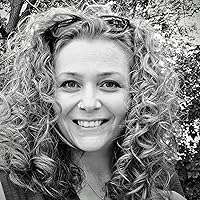
Susan Lydon was an American writer, journalist and feminist. She is the author of a memoir about her drug abuse and recovery, two books on knitting and the 1970 essay "The Politics of Orgasm," as well as numerous articles from her work as journalist.
Born in the Bronx, New York, and raised on Long Island, she graduated in history from Vassar College in 1964. She met and married Michael Lydon in 1965, and the two moved to England, where they began careers in journalism. They returned to the United States in 1967. After joining women's consciousness-raising groups, Lydon became a feminist. She penned critiques of male-centered sexuality and divorced her husband in 1971.
Through the 1970s and '80s, Lydon suffered an addiction to drugs, a journey detailed in her 1993 memoir Take the Long Way Home. In the later part of the '80s, she developed a passion for knitting, which became the subject of two nonfiction works.
My beloved aunt Susan wrote this memoir. I loved reading this book. She was a wonderful writer who was able to tell her story in an honest, funny, and beautiful way. I miss her.
Couldn't put it down, until the recovery. Why is it that once they recover I don't like them quite as much? I don't like to think about what this must say about me...
It was late October 1991 having a cigarette in the open air breeze way at the Maui airport.I had just finished a week long vacation with my wife and in-laws and had a wonderful time. I struck up a conversation with the lady next to me. I introduced myself and she said her name was Susan, small talk continued about my vacation and eventually I asked about her ( of course it was about me) She said I was here finishing up a book, I asked what the name was going to be she answered quickly Take the long way home. I asked if it was about travel and if she was a travel agent? Oh no Susan answered It’s about addiction and recovery! The amount of time it took me to reach into my pocket and retrieve my 2 year chip was a split second. I was so proud to show it off to a complete stranger who shared my same disease. I purchased her book the week it was released and forever will remember the time we met, I celebrated 37 years of sobriety in May of 2026. Randy M
This is a fascinating read. It was incredible she survived all of this… but also a fascinating time in history with feminism and media and drugs. She tells the tale well without sugar coating the details, and not seeking pity.
Will likely always remain in my all time favorites. Found tvis book right before I had to acknowledge my own relationship with addiction. Beautiful, funny, heartbreaking, and a glimpse into the counter culture of the 1960s.
Incredibly powerful story of the most virile case of addiction I've ever read about. The first half is tough to get through because it's largely speedy narrative, discursive and lacks a certain diversity of style--reads more like an historian's recounting of twenty, thirty years, which is a choice the writer took I imagine based on the fact that she has little independent memory of scenes or dialogue to support those years. But once Lydon gets into the active addiction part, the Manhattan years, the story takes off. Lucid, dry, completely unsentimental, this is a huge tribute to a woman who was worse off than any of her compatriots, who whored, stole, lied and beat her body to the bones with drugs, and made it back out. The other thing I love about this book is that it's completely secular--she does not promote any particular "brand" of recovery, simply telling how things appeared for her. I get so sick of 12-steppers who drink the Kool-Aid and spout Bill W. gospel for years before they reclaim their own personalities.
This is one of those books that needs to be read more than once to fully feel what's happening. So much material is covered in so little text that it's up to the reader to pause to contemplate what this actually could have meant for any human being. It inspired me to begin to clean up my act after a full surge of addictive behavior, none of which involved drugs or alcohol, but which was just as insidious a toxin to the spirit and future of my own soul, as Lydon's was to hers. I only wish I was half as brave as this woman, who lived and worked in my neighborhood at the end of her life, and who was known by many of my friends. A secret gem.
I read this after thoroughly enjoying her knitting/spiritual books. It was pretty rough, especially to get into it. It would definitely be triggering to anyone who is in substance abuse recovery, and possibly also to survivors of abuse or incest. That said, her writing is lyrical and engaging, and she's likeable even at her lowest points. I probably would not read this again, as I have with her other books, but it was definitely a good read.
One of the roughest stories of addiction I have read. I thought the author did a little too much name dropping at times making her seem a bit conceited but I was pulling for her recovery. Sadly she has since died of cancer but her battle to reach sobriety was impressive.
While I did not care much for her writing style which, for the bulk of the book, was rather disconnected from what certainly must have been a torturous life, I was mesmerized by her story, pulling for her to rise above and survive.